




Why Does the RAM 4500 Cummins Diesel Have Less Horsepower Than RAM Pickups?
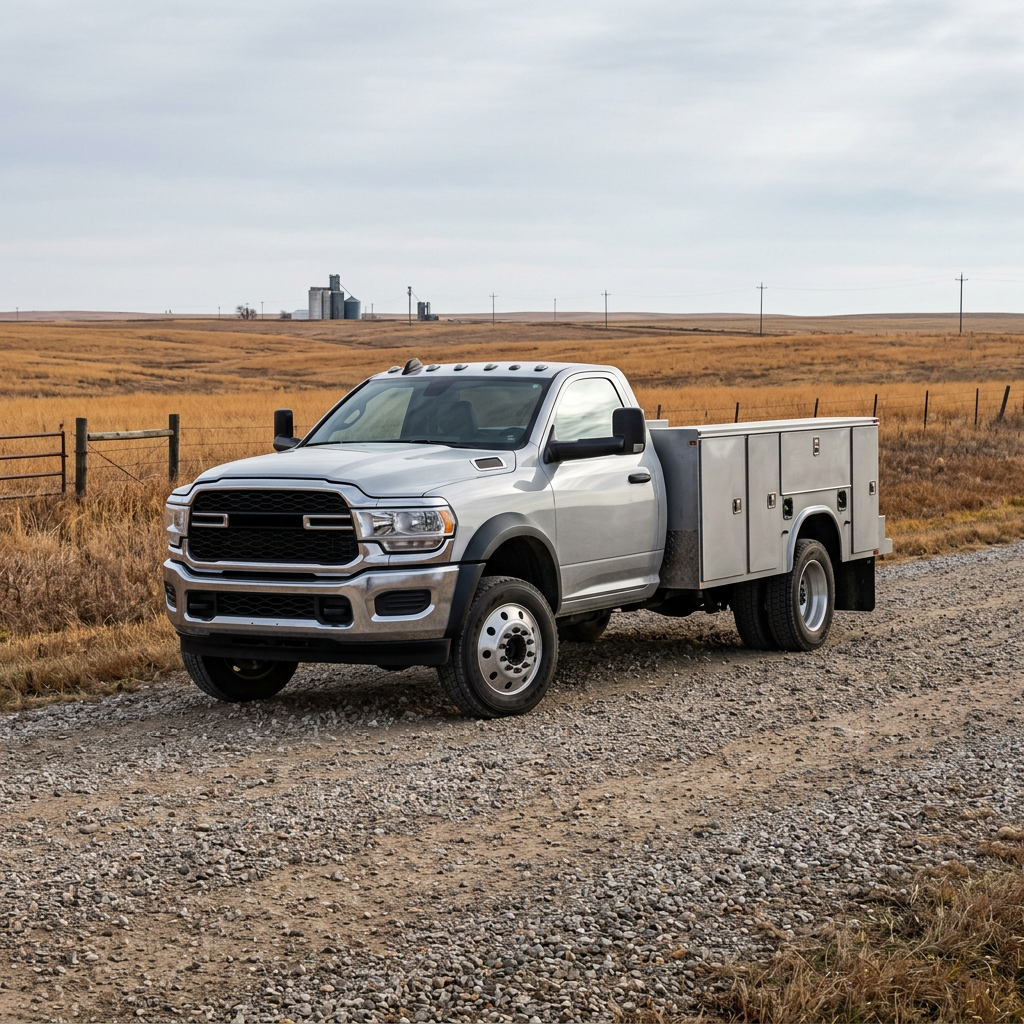
The Ram 4500 Chassis Cab uses a commercial-grade calibration for its 6.7-liter Cummins turbo-diesel inline-six that prioritizes continuous thermal endurance, sustained pulling strength, and strict federal emissions compliance over peak horsepower numbers. Instead of generating the higher output found in light-duty pickups, this heavy-duty commercial engine produces 360 hp and 800 lb-ft of torque at 1,500 rpm. Commercial trucks spend their working hours carrying severe loads near their maximum weight rating, requiring an engine map built to run wide open without overheating internal components.
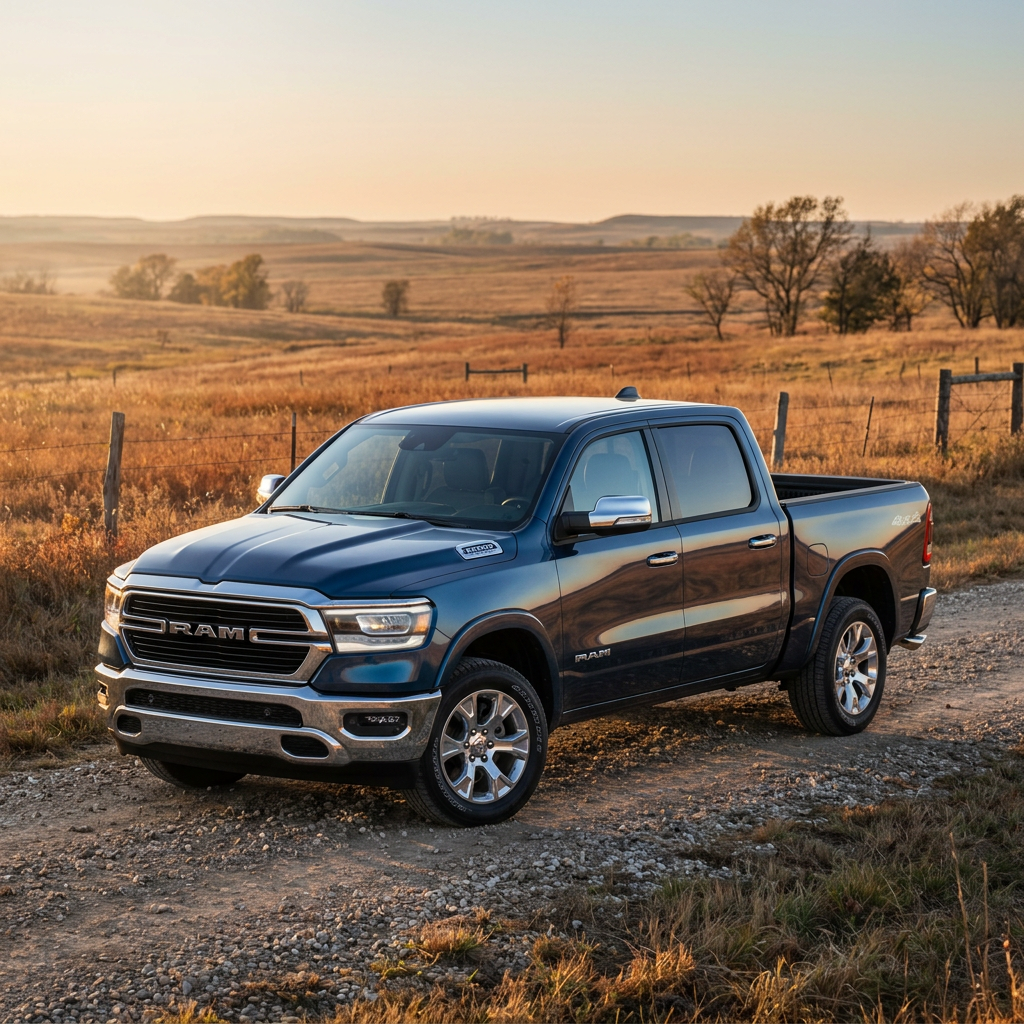
Pickups such as the Ram 2500 and Ram 3500 operate under light-duty or medium-duty vehicle standards, where driving involves passenger commutes, unloaded highway cruising, and intermittent towing. Automotive manufacturers calibrate those consumer engines with aggressive turbo boost and fuel curves that reach peak horsepower for brief acceleration bursts. A Class 4 commercial chassis cab hauling a service body or pulling equipment on regional highways operates under an entirely different duty cycle. Running consumer horsepower levels under a relentless 100% duty cycle would generate extreme combustion temperatures and excessive exhaust heat.
Derating the horsepower reduces internal cylinder pressures and manages exhaust gas temperatures, protecting valves, pistons, and turbochargers across hundreds of thousands of demanding commercial miles. The low-end torque delivery reaches its maximum 800 lb-ft of torque right at 1,500 rpm, sending immediate mechanical leverage through an eight-speed automatic transmission to move heavy machinery from a dead stop. Federal and state commercial vehicle regulations also mandate engine-dynamometer certification for commercial vehicles above Class 3, holding chassis cabs to steady-state emissions cycles rather than the chassis-dynamometer roll tests used for light-duty pickups. If you want to review build sheets or test-drive commercial configurations, you can reach our commercial truck team by calling (785) 238-5114.
Table of Contents
- What Is the Difference Between a Ram 3500 and Ram 4500 Chassis Cab?
- How Much Can the Ram 4500 Tow and Haul for work?
- How Does the Ram 4500 Power Take-Off System Drive Utility Bodies?
- Which Ram 4500 Commercial Trim Level Fits Your Fleet Best?
- How Do Section 179 and Upfit Deductions Help Offset a Ram 4500 Purchase?
What Is the Difference Between a Ram 3500 and Ram 4500 Chassis Cab?
Vehicle classification, structural axle capacity, and gross vehicle weight rating represent the core differences between a Ram 3500 and a Ram 4500 Chassis Cab. While the Ram 3500 sits at the upper limit of Class 3 commercial trucks with a 14,000-pound GVWR, the Ram 4500 steps up into Class 4 with a 16,500-pound GVWR. That 2,500-pound jump in gross rating provides the extra legal and mechanical headroom necessary for heavier commercial bodies, hydraulic cranes, and equipment upfits.
Underneath the cab, the Ram 4500 features a commercial-grade front axle and a heavy-duty rear axle assembly riding on standard 19.5-inch wheels with dual rear wheels. These commercial 19.5-inch tires carry much higher load inflation ratings than the 17-inch or 18-inch wheels found on standard one-ton trucks, providing superior sidewall stability when cornering with high-center-of-gravity utility boxes. The Ram 4500 also uses larger commercial brake rotors and multi-piston calipers designed to dissipate heavy heat loads during prolonged downhill braking.
Frame construction between the two trucks highlights their distinct vocational purposes. Both models offer industry-standard cab-to-axle lengths, but the Ram 4500 features a robust rear frame built with 50,000-psi high-strength steel and a completely flat-top rail design with zero protruding rivets, ensuring clean, bolt-on installation for custom beds. Contractors handling agricultural infrastructure across the rolling tallgrass terrain around Manhattan frequently select the 4500 over the 3500 because the heavier chassis handles massive welding bodies without squatting or taxing suspension components. For businesses expanding their field service capabilities while managing costs, our dealership maintains a rotating selection of pre-owned commercial truck inventory ready for immediate work.
How Much Can the Ram 4500 Tow and Haul for work?
A properly equipped Ram 4500 Chassis Cab delivers a maximum towing capacity of up to 29,770 pounds and a maximum payload capacity reaching up to 9,690 pounds. In a standard Regular Cab 4x4 configuration equipped with the turbo-diesel powertrain, the truck achieves an 8,040-pound payload rating alongside a maximum tow rating of 28,890 pounds. These capacities stem from an immense gross combined weight rating of up to 37,500 pounds, providing the mechanical muscle needed to transport heavy excavators, skid steers, and commercial gooseneck trailers.
Commercial operators must remember that payload and towing capacities always function as an interconnected balance governed by that 37,500-pound GCWR. Every pound added to the bare chassis, including the weight of your service body, fuel stored in the available 52-gallon fuel tank, onboard tools, and passengers, deducts directly from the remaining weight available for trailer capacity. The truck comes equipped with commercial foundation hardware, including heavy structural rear crossmembers, an integrated trailer brake controller, and pre-wired 7-pin electrical harnesses that streamline trailer hookups.
Operating at these elevated towing thresholds requires an understanding of commercial licensing guidelines. Under federal transportation rules, operating a commercial vehicle combination with a gross combined weight rating of 26,001 pounds or more, where the towed trailer has a rating exceeding 10,000 pounds, requires a Commercial Driver's License. Business owners upgrading from lighter pickups find that replacing two light-duty trucks with a single Class 4 hauler significantly cuts operational overhead. If you are preparing to upgrade your fleet, our commercial finance staff can help you evaluate your trade-in to apply its equity toward your next purchase.
How Does the Ram 4500 Power Take-Off System Drive Utility Bodies?
The Power Take-Off system on the Ram 4500 delivers engine-driven mechanical energy directly through the commercial transmission to operate auxiliary hydraulic pumps, generators, compressors, and winches. Available with mounting ports on both the left and right sides of the transmission casing, the system produces up to 60 hp and 250 lb-ft of torque. This direct power delivery allows operators to run hydraulic dump beds, recovery cranes, bucket lifts, and snowplow systems without the added weight and cost of secondary auxiliary gas engines.
Ram engineers designed this PTO system to support both stationary and mobile operational modes. Stationary mode maintains a steady, preset engine RPM while the truck rests in park, making it ideal for utility lineworkers operating boom buckets, concrete pump operators, or tree-trimming crews running hydraulic woodchippers. Mobile mode allows the transmission to deliver hydraulic pressure while the vehicle travels at working speeds, providing the controlled hydraulic flow required for roadside salt spreaders, street sweepers, and water distribution tankers.
Upfit integration connects through the factory Vehicle System Interface Module, which acts as a secure electronic bridge between upfitter wiring and factory truck controls. Operators can program engine fast-idle speeds, remote start-stop functions, and safety interlocks directly through the programmable auxiliary switch bank located on the center dash console. This clean factory connection eliminates the need to splice into primary vehicle wiring, preserving the electrical architecture and protecting your commercial warranty. If you are organizing financing for an upcoming chassis purchase and custom body installation, you can apply for commercial credit pre-approval through our secure online portal.
Which Ram 4500 Commercial Trim Level Fits Your Fleet Best?
Commercial buyers can order the Ram 4500 Chassis Cab in four distinct trim levels: Tradesman, SLT, Laramie, and Limited. Each tier targets a specific vocational operational role, ranging from basic fleet workhorses with weather-resistant interiors to luxurious mobile command offices outfitted for site supervisors and executives.
The Tradesman serves as the standard fleet choice, equipped with heavy-duty black front bumpers, durable black grille surround, 19.5-inch wheels, and heavy-duty vinyl seating designed for easy cleaning after muddy jobs. Moving to the SLT introduces chrome exterior accents, full carpeting, power windows, remote keyless entry, and supportive cloth seating that reduces driver fatigue during regional routes. For operators who balance tough site visits with client meetings, the Laramie delivers leather-trimmed upholstery, heated and ventilated front seating, and advanced active safety features like Forward Collision Warning-Plus with mitigation.
At the top of the lineup, the Limited trim functions as an executive workspace, boasting premium full-leather seating, genuine wood cabin accents, and the high-resolution Uconnect infotainment system with a large touch display and complete smartphone integration. Advanced driver-assist technology brings added protection across the model lineup, offering an available ParkView rear back-up camera, electronic stability control, and blind-spot monitoring with trailer coverage. Business owners can inspect available configurations and chassis lengths by browsing our commercial vehicle inventory.
How Do Section 179 and Upfit Deductions Help Offset a Ram 4500 Purchase?
Tax depreciation incentives allow small businesses to substantially reduce the net acquisition cost of a commercial work truck during its initial tax year. Because the Ram 4500 Chassis Cab carries a gross vehicle weight rating of 16,500 pounds, it surpasses the 6,000-pound threshold established by the Internal Revenue Code. That classification frees the vehicle from the restrictive luxury passenger automobile depreciation limits that apply to everyday cars and midsize SUVs.
Under Section 179, eligible businesses can deduct up to 100% of the purchase price of qualifying commercial equipment placed in service during the tax year. For tax years beginning in 2025, the maximum Section 179 expense deduction limit is $2,500,000, with a phase-out threshold starting once qualifying equipment purchases exceed $4,000,000. For tax years beginning in 2026, the Section 179 maximum expense deduction rises to $2,560,000 with a phase-out ceiling of $4,090,000. Additionally, commercial vehicles acquired and placed in service after January 19, 2025, benefit from the reinstated 100% first-year special depreciation allowance under Public Law 119-21.
Custom upfit additions and body conversions attached to the Ram 4500 also qualify for full Section 179 tax deductions when used for business operations. Qualifying additions include:
- Heavy-duty steel and aluminum flatbeds
- Contractor service bodies with locking tool storage
- Hydraulic dump bodies and side-dump aggregate boxes
- Utility boom trucks, bucket lifts, and aerial platforms
- Wrecker, rollback, and vehicle recovery systems
- Knuckleboom and hydraulic service crane installations
These tax write-offs provide immediate cash-flow relief by offsetting taxable business revenue, making it more affordable for growing enterprises to acquire commercial equipment. Municipal maintenance departments and local utility contractors around Junction City rely on these tax strategies to keep their fleets modern and mechanically dependable. When you are ready to configure a work vehicle for your business, you can explore our new commercial truck inventory or plan an in-person visit by getting directions to our showroom at 1825 Goldenbelt Blvd. Our commercial sales specialists can provide detailed chassis specifications and coordinate seamlessly with your preferred equipment upfitter.
Keep Your Vehicle Running Strong
Keep your vehicle performing at its best with our service team: