Getting Reliable Oil Changes in Manhattan, KS and Junction City: Keep Your Engine Running Strong in the Flint Hills
Driving through the Flint Hills region presents a unique set of challenges for any vehicle. Whether you are commuting daily between Manhattan and Junction City on I-70, taking short trips across the Kansas State University campus, or navigating the demanding schedules of Fort Riley, your engine works under intense conditions. The rolling hills, seasonal gravel dust, and Kansas weather extremes—ranging from freezing sub-zero winters to blistering summer afternoons—mean your engine oil has to perform at its peak every single day. Regular oil changes are not just routine maintenance; they are the literal lifeblood of your vehicle’s engine, preserving its longevity and performance.
At Valor CDJR, located right off I-70 in Junction City, we understand the specific driving conditions that local motorists face. Our goal is to serve as your trusted regional automotive partner, offering clear, honest advice and professional care. We recognize that keeping your vehicle in peak condition is vital for your daily life, your budget, and your safety. In this comprehensive guide, we will answer the most pressing questions about engine lubrication, maintenance intervals, and local service options to help you make informed decisions for your car, truck, or SUV.
What is the Difference Between Full Synthetic and Conventional Motor Oil for Kansas Driving?
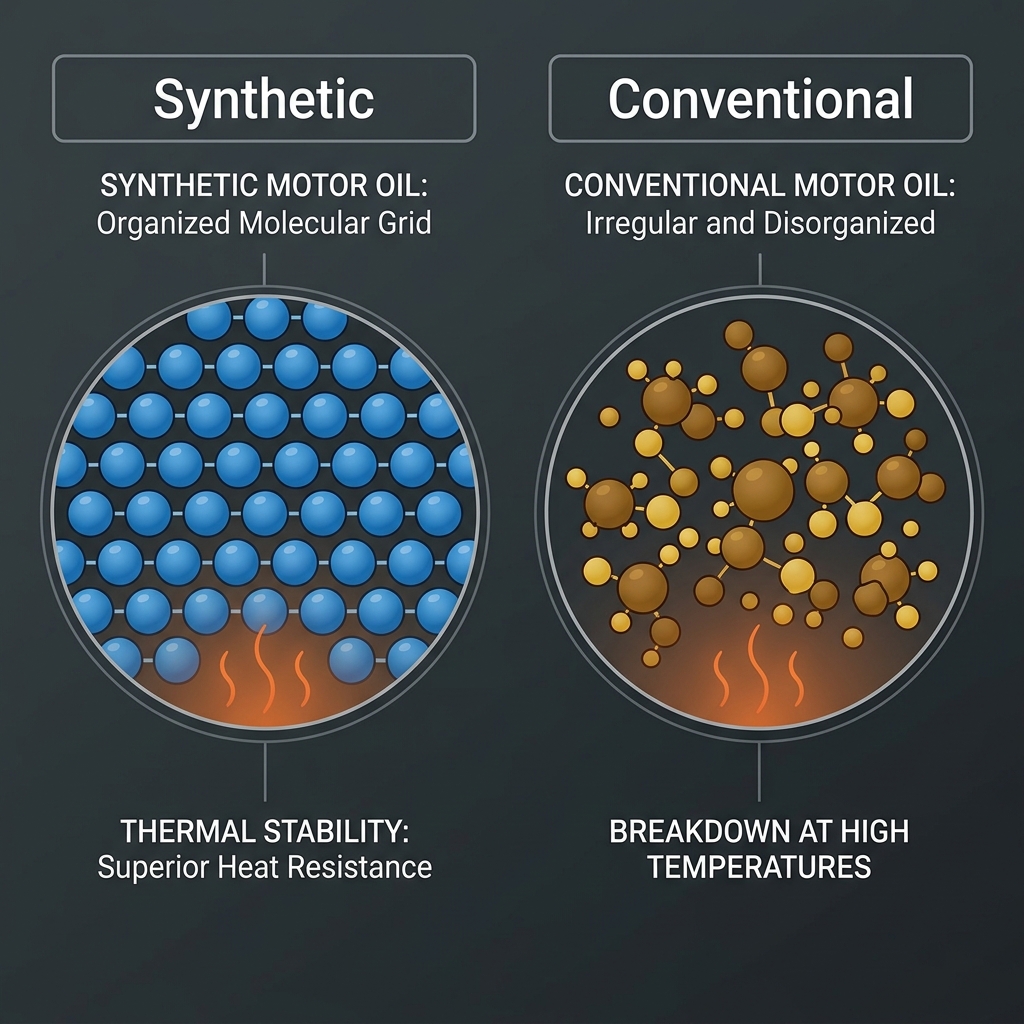
To understand which oil is right for your vehicle, it helps to examine how they are made. Conventional motor oil is refined directly from crude oil, containing natural impurities and molecules of varying sizes. While it provides adequate lubrication under normal driving conditions, it is highly susceptible to breaking down under extreme thermal stress. In contrast, full synthetic motor oil undergoes a complex chemical synthesis and purification process. This creates uniform molecular structures and allows chemical engineers to include highly advanced additive packages designed to prevent friction, resist oxidation, and eliminate deposit buildup.
For drivers in Riley and Geary counties, this scientific difference translates directly into real-world protection. During hot Kansas summers, conventional oil can thin out rapidly, losing its ability to cushion vital engine components. Synthetic oil, however, maintains its viscosity and protective barrier even under intense heat. This protection is especially crucial if you are towing a trailer down I-70 or sitting in heavy stop-and-go traffic near Tuttle Creek Boulevard during peak hours.
Winter weather in the Manhattan area presents the opposite challenge. Cold starts are incredibly harsh on an engine because conventional oil thickens in low temperatures, taking longer to flow from the oil pan to the top of the engine. During those critical seconds after a cold start, your engine components experience elevated friction and wear. Full synthetic oil is engineered to flow quickly at sub-zero temperatures, ensuring almost instantaneous lubrication and protection the moment you turn the key on a freezing January morning.
Additionally, many modern turbocharged engines—common in both newer commuter cars and heavy-duty trucks—strictly require full synthetic oil. Turbochargers operate at extremely high speeds and temperatures; conventional oil can easily vaporize or leave behind carbon deposits (sludge) inside the turbo’s delicate oil passages, leading to catastrophic component failures. Choosing synthetic is a smart investment in your vehicle’s mechanical health.
Why Are Synthetic Oil Changes More Expensive Than Conventional Ones?
Advanced Chemical Refinement
The upfront cost difference is primarily due to the expensive manufacturing and chemical processing required to create synthetic base oils. Generating uniform molecules and removing all natural impurities requires highly specialized refining equipment and costly additive chemicals, which naturally increases the wholesale price of the oil.
Extended Service Intervals
While conventional oil typically requires replacement every 3,000 to 5,000 miles, synthetic oil is engineered to maintain its protective qualities for 7,500 to even 10,000 miles under normal driving conditions. This means you will need fewer service visits throughout the year, saving you valuable time.
Long-Term Financial Savings
When you calculate the cost per mile, synthetic oil is often the more economical choice. By reducing the frequency of oil changes by half, you offset the higher per-visit cost. More importantly, the superior protection of synthetic oil helps prevent costly engine wear and parts failures down the road.
Does Driving Short Distances Frequently Require More Frequent Oil Changes?
It might seem counterintuitive, but vehicles that are driven only short distances often require more frequent oil changes than vehicles that regularly cruise down the highway. Automotive manufacturers define ‘severe driving conditions’ in a way that surprises many drivers. One of the primary indicators of severe service is making frequent short trips of less than five to ten miles, particularly in cold weather.
Think about a typical day for a student or faculty member commuting to the Kansas State University campus, or a soldier stationed at Fort Riley driving short distances from their housing to their duty station. These quick trips often take less than ten minutes. In this short timeframe, the engine never actually reaches its optimal operating temperature. Why does this matter? When an engine runs, combustion byproducts like water vapor and unburned fuel seep past the piston rings and enter the crankcase, mixing with your oil.
If you drive on the highway for 20 minutes or more, the engine oil heats up sufficiently to boil off these liquid contaminants, venting them safely through the PCV system. However, on short trips, the oil never gets hot enough. Instead, the moisture and fuel accumulate in the oil pan, diluting the lubricant and reacting chemically to form corrosive acids and thick, jelly-like engine sludge. Over time, this sludge blocks oil passages, starves critical components of lubrication, and accelerates engine wear.
If your daily routine consists mostly of short, local trips around Manhattan, KS, we highly recommend following your vehicle’s ‘severe duty’ maintenance schedule. This typically involves changing your oil and filter every 3,000 to 5,000 miles, or every six months, regardless of how few miles you have actually driven. To make this easy, you can use our Service Scheduler to keep your vehicle on a regular, protective maintenance cadence.
Where Can I Find My Vehicle's Oil Capacity and Correct Viscosity?
Using the wrong oil viscosity or incorrect volume can lead to reduced fuel efficiency, increased wear, or even immediate engine damage. Fortunately, finding your vehicle’s exact requirements is straightforward if you know where to look. Your absolute best resource is the original owner’s manual, which contains a detailed specifications section. Here, you will find both the recommended oil viscosity (such as 0W-20, 5W-30, or 10W-30) and the total system capacity, which is typically measured in quarts.
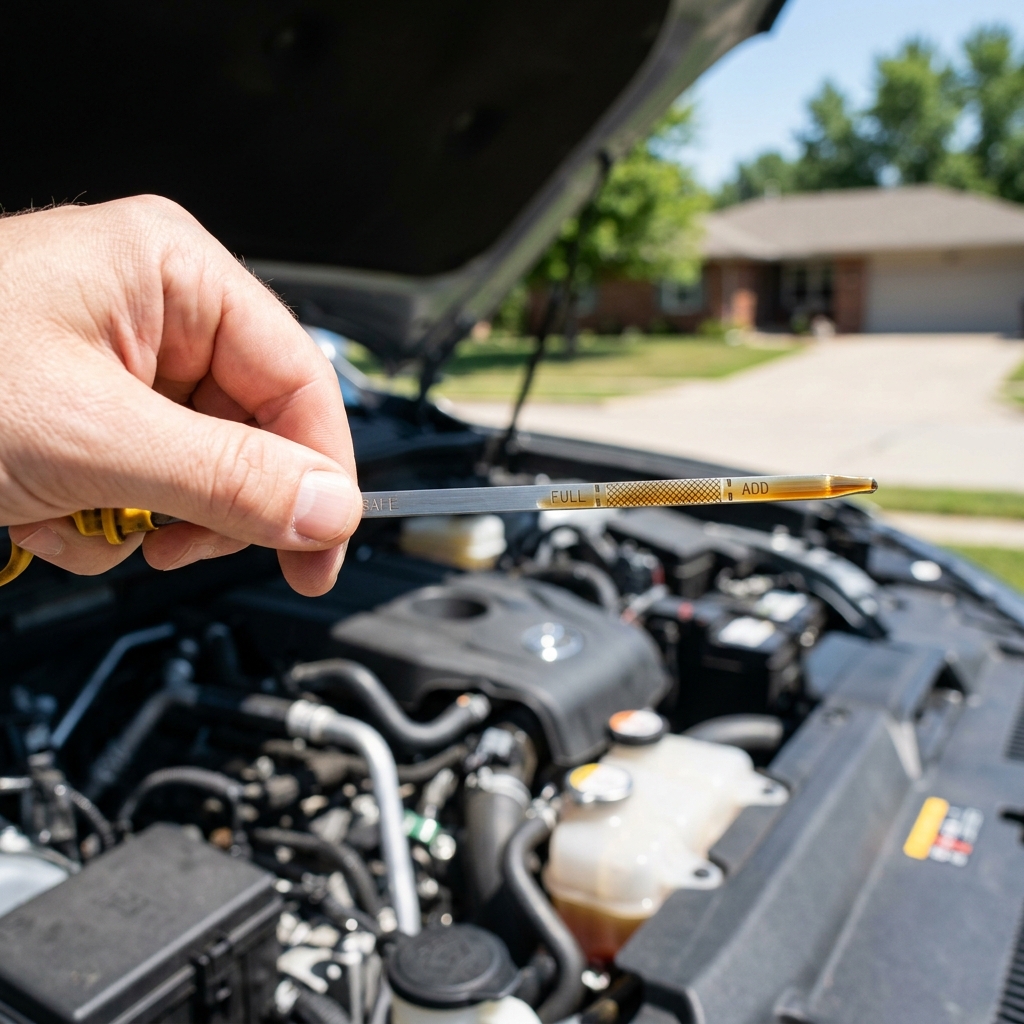
If you don’t have the manual handy, you can also look under your vehicle’s hood. Most manufacturers print the recommended oil weight directly on the engine’s oil fill cap. Additionally, a emissions control or vehicle specification sticker is often located on the underside of the hood or near the radiator support, listing crucial fluid details. If you are doing a DIY oil change or want to double-check before buying supplies, you can contact our factory-certified Parts Department. Our team has direct access to manufacturer databases and can instantly pull up the exact specifications for your specific year, make, and model.
|
Engine Type
|
Typical Viscosity
|
Average Capacity
|
Recommended Type
|
|
4-Cylinder Commuter Engines (e.g., 2.0L, 2.4L)
|
0W-20 or 5W-20
|
4.5 – 5.5 Quarts
|
Full Synthetic
|
|
Mid-Size V6 / Turbo Engines (e.g., 3.6L Pentastar)
|
5W-20 or 5W-30
|
5.0 – 6.0 Quarts
|
Synthetic Blend / Full Synthetic
|
|
Full-Size V8 Truck Engines (e.g., 5.7L HEMI)
|
0W-20 or 5W-30
|
7.0 Quarts
|
Full Synthetic
|
|
Heavy-Duty Turbo Diesel Engines (e.g., 6.7L Cummins)
|
10W-30 or 15W-40
|
12.0 Quarts
|
Heavy-Duty Diesel Synthetic
|
Should I Get My Oil Changed at a Dealership or a Quick Lube Service Center?
When it’s time for an oil change, drivers in the Manhattan and Junction City area have two main choices: a national quick-lube franchise or a factory-authorized dealership service center like Valor CDJR. While quick-lube shops focus heavily on fast turnarounds and high volume, they often rely on entry-level, generalist technicians who work on dozens of different makes and models every day. This rapid-pace environment increases the risk of simple but costly mistakes, such as stripping the oil pan drain plug, using a generic or ill-fitting oil filter, or over/under-filling your engine’s oil reservoir.
A dealership service center, on the other hand, relies on factory-certified technicians who undergo continuous, brand-specific training. Our technicians understand the exact engineering, tolerances, and unique mechanical quirks of your Chrysler, Dodge, Jeep, Ram, or other major brand vehicle. We also use original equipment manufacturer (OEM) filters and fluids, ensuring your engine receives the precise replacement components it was designed to run on. If you want specialized care without the long wait, we offer a dedicated Express Lane designed for rapid, high-quality routine maintenance.
What Are the Wait Times for a Quick Lube Shop Versus a Dealership Service Bay?
The Quick-Lube ‘In and Out’ Model
Quick-lube shops are built for rapid, assembly-line speed, aiming to get your vehicle out of the bay in 15 to 20 minutes. While this is highly convenient when you are in a rush, it means the technician has very little time to inspect your vehicle’s overall health. Minor issues that are easily caught during a thorough inspection can easily go completely unnoticed.
The Dealership’s Multi-Point Inspection
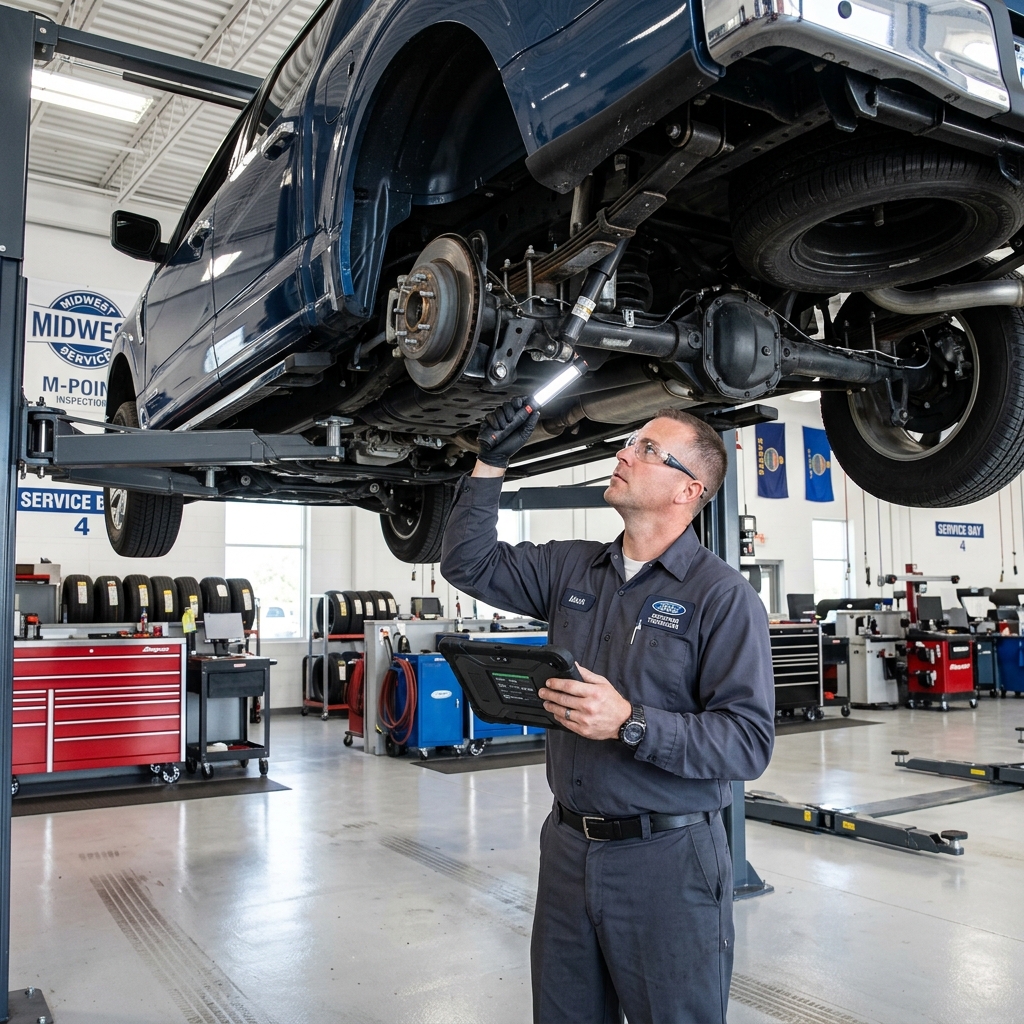
A standard dealership oil change might take slightly longer—usually 45 to 60 minutes. This extra time is spent performing a comprehensive multi-point safety inspection. Certified technicians check your brake pad wear, battery health, fluid levels, tire tread depth, suspension components, and drive belts, identifying minor issues before they become major breakdowns.
Convenience and Comfort Amenities
To make your stay enjoyable, dealerships invest in highly comfortable waiting lounges equipped with complimentary Wi-Fi, fresh coffee, clean workspaces, and charging areas. If you are on a tight schedule, you can take advantage of express service options or schedule your visit in advance to minimize waiting times.
Is It More Expensive to Get an Oil Change at a Dealership Than at a Quick Lube Shop?
There is a common misconception that dealership service departments are always significantly more expensive than independent quick-lube shops. In reality, pricing is highly competitive. A standard conventional oil change near Manhattan or Junction City may vary in price, and a full synthetic oil change may cost more depending on oil capacity and filter requirements. For current service pricing, please contact us or visit our service center.
Additionally, service recommendations can vary by provider, and it is important to review any recommended maintenance to determine what is appropriate for your vehicle. At Valor CDJR, we pride ourselves on transparent, pressure-free service. We only recommend services that are genuinely necessary based on your manufacturer guidelines. While you are here, we can also help you look at options if you are considering a change, like looking at our current Used Vehicle Listings or doing a fast Trade In Evaluation to see what your current ride is worth.
Why Do Some Drivers Prefer Dealership Service Departments for Oil Changes?
For many vehicle owners, the preference for dealership service departments comes down to trust, accountability, and the long-term value of their vehicle. Dealerships maintain comprehensive digital records of every service visit, creating a documented maintenance history that can significantly boost your vehicle’s resale value. When potential buyers see that a vehicle was consistently maintained by factory-trained specialists using genuine OEM parts, they feel far more confident in its mechanical integrity.
Furthermore, if your vehicle is covered by an active manufacturer warranty or an extended service contract, having your maintenance completed at an authorized dealer ensures seamless compliance with all warranty terms. Certified technicians also check for any outstanding safety recalls or manufacturer software updates every time your vehicle is brought into the service bay, performing these vital updates free of charge. It is a level of comprehensive, proactive vehicle care that independent quick-lube shops simply cannot provide.
Are There Major National Quick Lube Chains Located in Manhattan, KS?
Yes, Manhattan, KS features several national quick-lube chains, primarily situated along high-traffic corridors like Tuttle Creek Boulevard, Seth Child Road, and Fort Riley Boulevard. Brands like Jiffy Lube, Valvoline Instant Oil Change, and Walmart Auto Care Centers are common options for drivers looking for a fast, drive-through service. These franchises are designed to get drivers back on the road rapidly, utilizing highly standardized processes to manage high daily car counts.
While these national chains excel at basic convenience, they are rarely able to build a personalized, long-term relationship with you and your vehicle. Because of high staff turnover rates, you will rarely see the same technician twice. At Valor CDJR, we pride ourselves on our deep roots in the community. We focus on building authentic, long-term relationships, treating you like family every time you visit. Our team gets to know your driving habits, your vehicle’s history, and your budget, ensuring personalized care tailored specifically to you.
How Do You Safely Dispose of Used Motor Oil and Oil Filters in Riley or Geary County?
Environmental Responsibility
If you prefer to change your engine oil yourself, disposing of the waste fluids safely is extremely important. Just one gallon of used motor oil can contaminate up to one million gallons of fresh water if poured down a storm drain or onto the ground. Proper disposal is critical for keeping our local Kansas waterways clean.
Riley County Facilities
For residents in Manhattan, the Riley County Household Hazardous Waste (HHW) facility accepts used motor oil, filters, and other automotive fluids at no charge. Many local auto parts retailers also accept used oil for recycling, provided it is stored in clean, sealed containers and has not been mixed with other solvents.
Geary County Resources
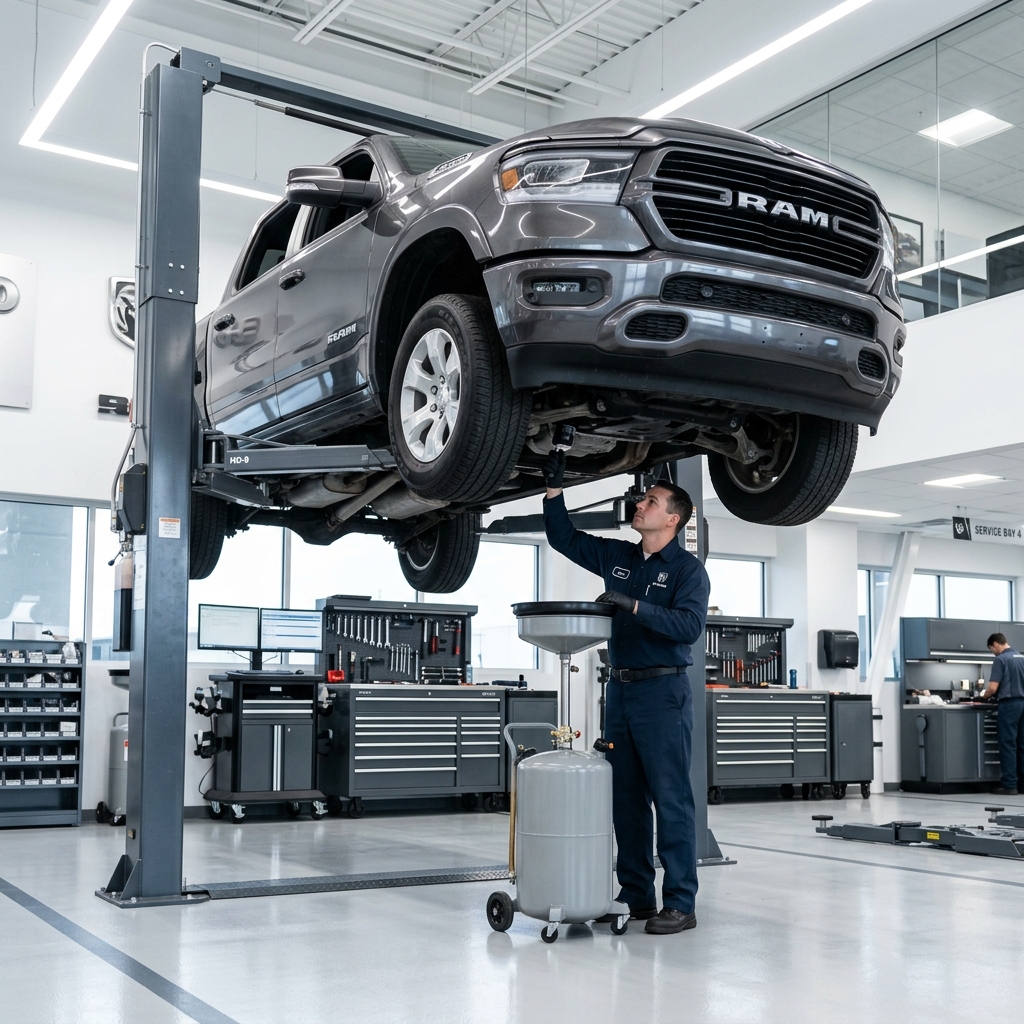
If you live or work closer to Junction City, the Geary County Transfer Station offers designated drop-off options for hazardous materials, including used automotive fluids. Alternatively, when you bring your vehicle to Valor CDJR, we handle the proper disposal and recycling of all fluids and filters automatically.
Schedule Your Next Certified Oil Change at Valor CDJR in Junction City
Keep your vehicle running smoothly with professional, stress-free routine maintenance. At Valor CDJR, we combine deep local expertise, highly trained factory technicians, and premium OEM parts to provide superior care for your car, truck, or SUV. Whether you are driving a brand-new vehicle or maintaining a high-mileage commuter, we are here to help you protect your investment and travel the roads of Manhattan, Junction City, and Fort Riley with absolute confidence.
To find our service center, you can easily Get Directions to Valor CDJR located at 1825 Goldenbelt Blvd, Junction City, KS 66441. Have a quick question about our services or need to check current bay availability? Feel free to Call us at (785) 238-5114 to speak directly with our friendly service advisory team. If you are in the market for an upgrade, you can also browse our latest New Vehicle Listings or explore our commercial solutions in our Commercial Vehicle Inventory. If you need financing for a major purchase or future maintenance, you can quickly Get Pre-Approved online today.
Tags: automotive fluid disposal, conventional motor oil, dealership service center, engine lubrication, engine protection, factory-certified technicians, Geary County oil recycling, Junction City vehicle care, Manhattan KS auto service, OEM oil filters, oil change service, quick lube alternatives, Riley County auto maintenance, synthetic oil change, vehicle maintenance
Posted in
Automotive Repair, Maintenance & Service, Parts & Accessories, Vehicle Ownership Care |
No Comments »