Essential Mopar Maintenance for Rural Driving: Key Takeaways from 20 Years in the Service Bay
The Bottom-Line Answer: Driving on unpaved roads, loose gravel, and demanding agricultural terrain throughout rural Kansas may shorten brake and suspension maintenance intervals significantly. Severe-duty inspections every 5,000 miles—focusing on gravel-abraded brake rotors, dust-contaminated caliper pins, and premature ball joint or bushing play—are essential to maintaining vehicle safety, occupant comfort, and full towing capacity across Junction City, Riley County, and the Flint Hills region.
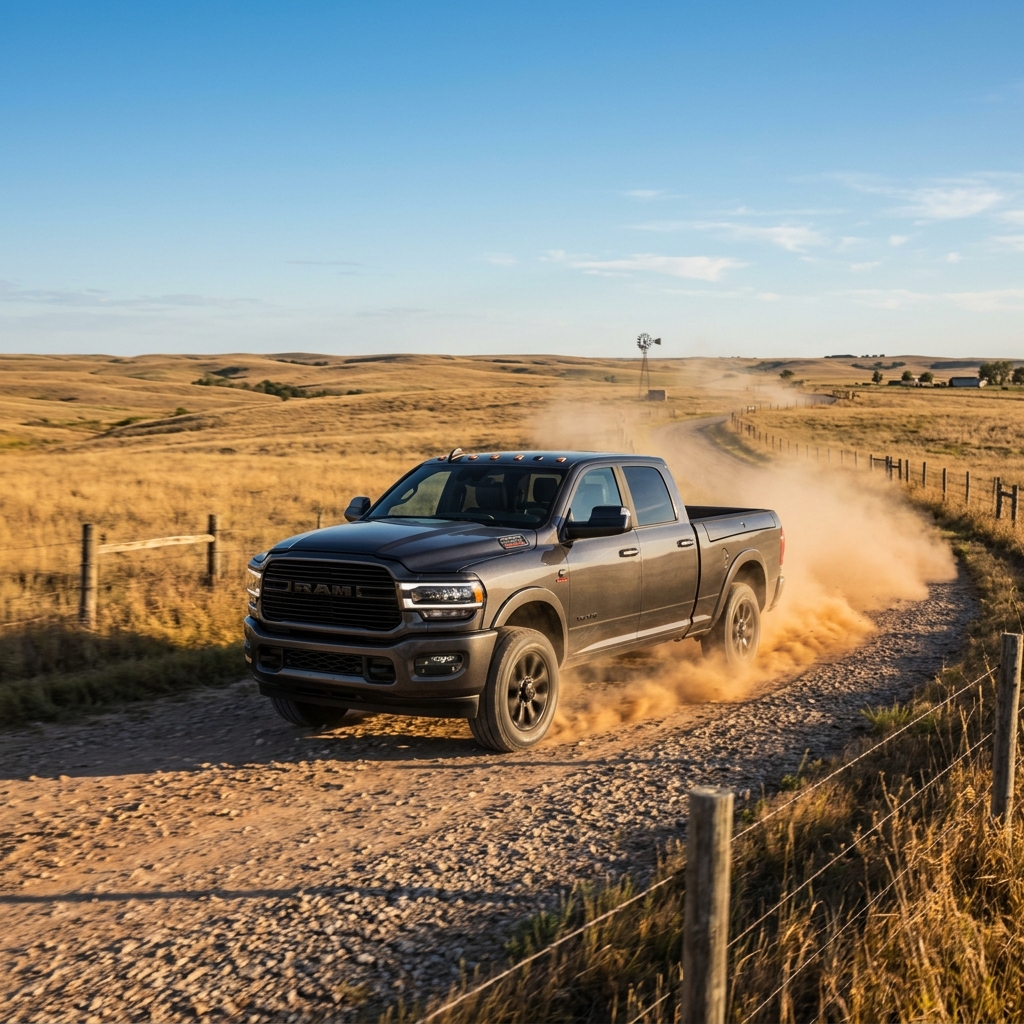
When OEM engineers design maintenance schedules published in your owner’s manual, their baseline numbers assume ideal highway conditions: smooth asphalt, moderate ambient temperatures, clean paved roads, and lightweight passenger loads. However, central Kansas drivers operate in an environment far removed from paved highways. Daily transit over unpaved county roads subjects Ram 1500, 2500, 3500 trucks and Jeep 4×4 SUVs to severe mechanical grinding from fine airborne silica dust and high-velocity stone strikes. Over time, these conditions accelerate friction wear, compromise rubber dust boots, and breakdown hydraulic fluids far ahead of factory schedules.
At Valor CDJR, our factory-certified service team sees firsthand how Flint Hills washboard tracks impact suspension dampers and brake calipers. By adopting a proactive severe-duty maintenance regimen, owners preserve factory ride quality, prevent secondary system wear, and protect the overall resale value of their vehicle. Whether you are hauling livestock trailers along county lines or commuting between Manhattan and Junction City, staying ahead of rural wear ensures your Ram truck or Jeep 4×4 delivers unwavering reliability when you need it most. Check out our New Vehicle Listings to explore the newest severe-duty equipped models.
Meet Mike Hogg: 20 Years of Keeping Mopar Vehicles Performing in Central Kansas
As Service Director at Valor CDJR, Mike Hogg brings two decades of hands-on automotive diagnostic expertise directly to vehicle owners across central Kansas. Over 20 years in the service bay, Mike has personally evaluated thousands of Ram pickup trucks, Jeep Wranglers, Grand Cherokees, and Dodge Durangos subjected to the harsh conditions of rural farming, ranching, and cross-county trailering.
“Standard service manuals give you a great starting point for city driving, but rural Kansas is a different proving ground altogether,” explains Mike. “Fine limestone dust gets past rubber boots, gravel chops up brake rotor surfaces, and continuous washboard chatter works chassis fasteners loose. Understanding how rural conditions degrade Mopar components is what separates a minor preventative service from a costly breakdown in the field.”
Mike’s technical leadership at Valor CDJR ensures every service customer receives expert guidance grounded in real-world local experience. His team focuses on targeted preventative care to keep agricultural equipment operators, small business fleets, and rural commuters running safely year-round. If you’re considering expanding your fleet, view our Commercial Vehicle Inventory or stop by to consult directly with our service team.
How Rural Dirt and Gravel Roads Impact Mopar Brake Pads and Rotors
Silica Dust Contamination: Dry unpaved roads in rural Kansas generate micro-abrasive silica dust that settles directly on open brake assemblies. When you step on the pedal, this fine grit acts like sandpaper between the friction material and rotor face, creating severe scoring, deep grooves, and rapid thickness variation across the disc surface.
Caliper Pin and Slide Binding: Fine dirt particles easily bypass worn caliper guide pin boots. As dust mixes with high-temperature lubricant, it creates a thick sludge that binds caliper slides. Bound caliper pins force brake pads to drag constantly against the rotor, causing localized thermal hot spots, pad glazing, and uneven inner-versus-outer pad wear.
Gravel Chipping & Thermal Cracking: Loose gravel flung from tires can strike brake dust shields and lodge between the backing plate and rotor. Small stones caught in the assembly gouge metallic compounds and create heat concentration spots. Under heavy braking, these hotspots can cause thermal stress cracking across the cast iron rotor web.
Adjusting Your Inspection Frequency: Under standard paved driving conditions, Mopar recommends inspecting brake components every 10,000 miles. However, for vehicles frequently exposed to Kansas gravel roads, Mike Hogg recommends shortening inspection intervals to every 5,000 miles (or every oil change). If you suspect pad wear, drop by our Express Lane for a rapid check.
Ceramic vs. Semi-Metallic Mopar Brake Pads: Choosing the Right Compound for Rural Use
Ceramic Mopar Pads
Quiet & Clean: Ceramic friction formulations combine dense ceramic material with fine copper flakes to deliver smooth, quiet stopping power. They generate minimal dark brake dust, making them ideal for light trucks and SUVs driven primarily on mixed commuter routes between Manhattan and Junction City. However, ceramic pads can take slightly longer to reach optimal thermal grip in extreme sub-zero Kansas winter mornings.
Semi-Metallic Mopar Pads
Heavy-Duty Heat Resistance: Engineered with 30% to 65% steel, iron, and copper fibers, semi-metallic pads excel at dissipating extreme heat generated by heavy payload hauling, farm implement towing, and steep Flint Hills grade descents. They offer strong cold-bite performance from the moment you turn the key, though they produce more visible wheel dust and increase rotor wear under light-duty driving.
Expert Recommendation
Matching Duty to Material: For working Ram 2500/3500 trucks regularly pulling livestock or equipment trailers over unpaved routes, semi-metallic Mopar pads are the clear winner for safety and fade resistance. For daily passenger commuters in Ram 1500 or Jeep Cherokee models operating on mixed surfaces, ceramic pads offer superior longevity and quieter operation. Consult our factory-trained specialists at the Parts Department to select the ideal compound.
Is Your Ram Truck or Jeep SUV Due for a Rural Road Brake Inspection?
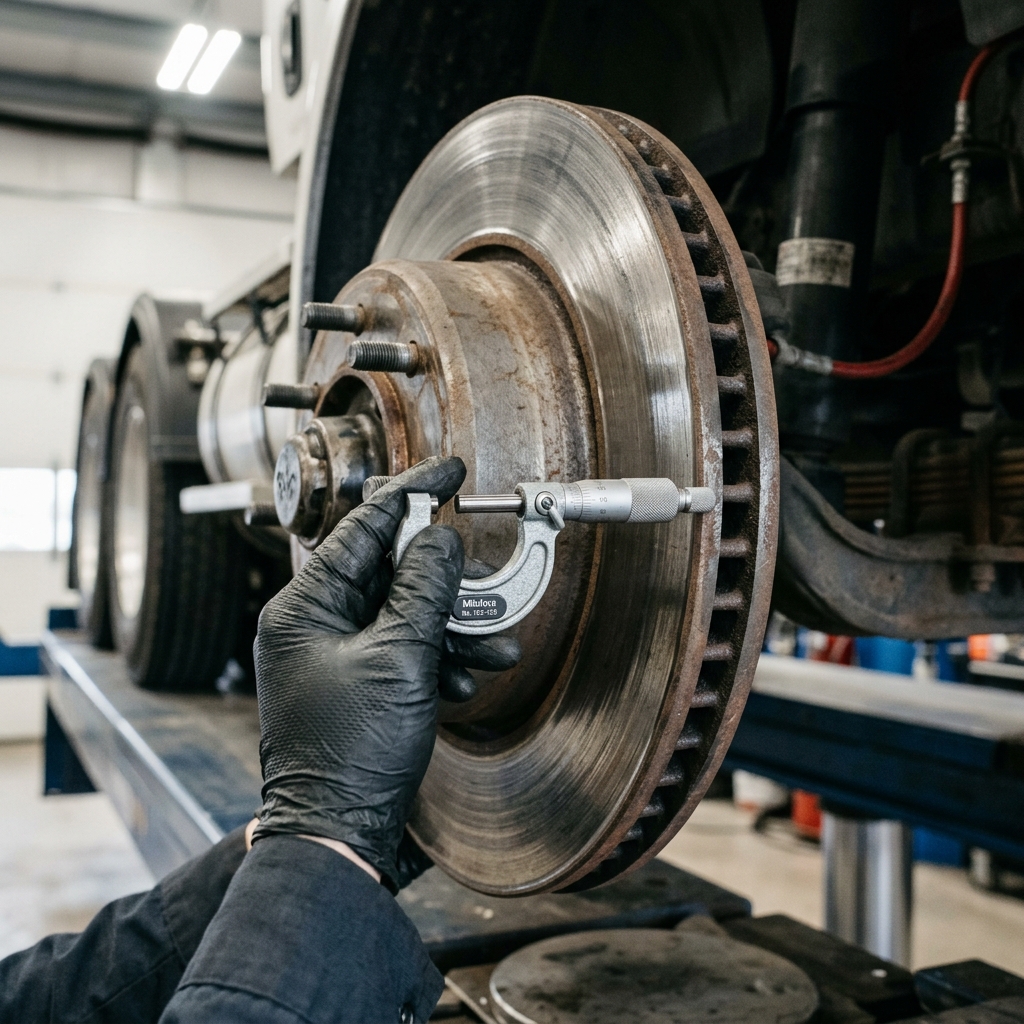
If your vehicle experiences increased brake pedal travel, grinding noises over gravel, or steering wheel pulsation during highway stops, do not wait for complete component breakdown. Our certified Mopar technicians at Valor CDJR are equipped with specialized precision tools to measure rotor runout, assess caliper slide lubrication, and test fluid boiling points.
Which Mopar Suspension Components Are Most Vulnerable to Gravel Road Damage?
Continuous travel across corrugated washboard surfaces subjects every suspension pivot point to thousands of rapid micro-impacts per mile. Understanding which components bear the heaviest burden helps you address wear before total component failure occurs on isolated country roads.
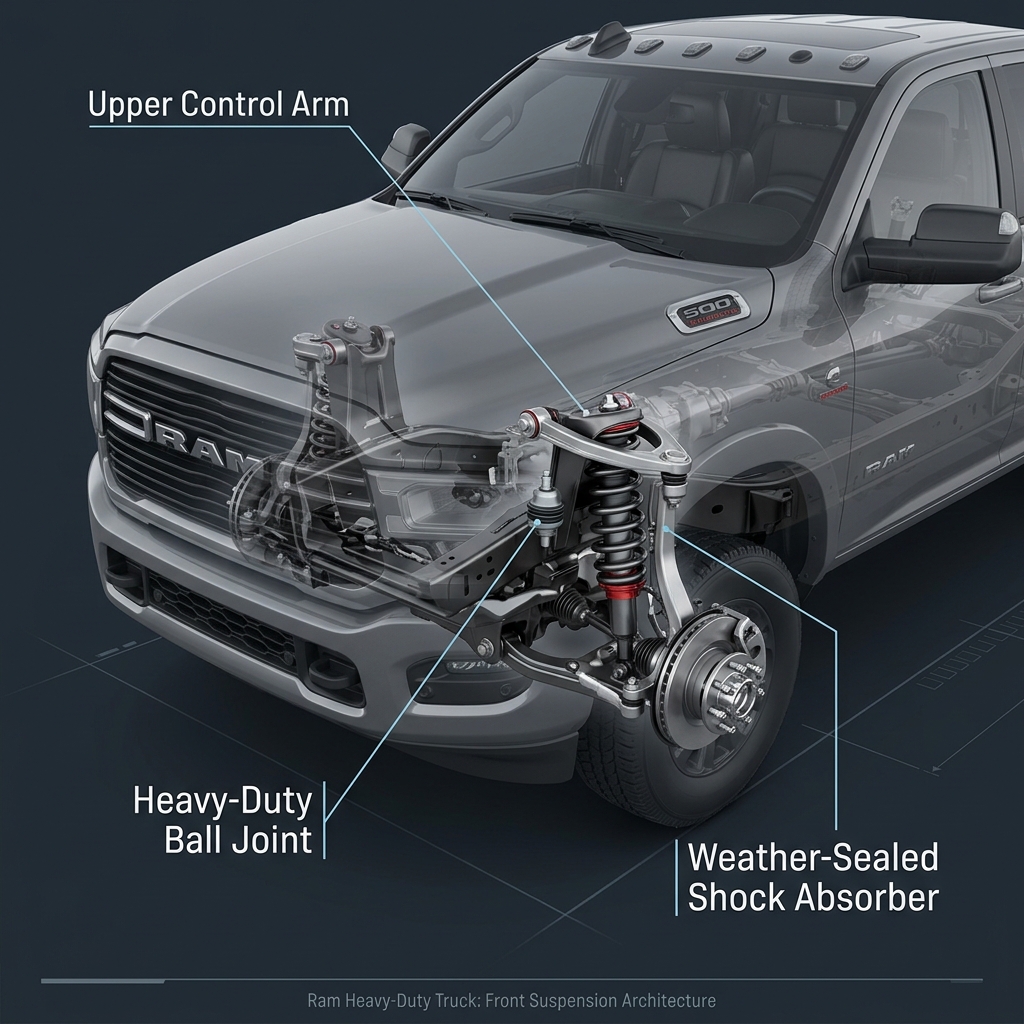
1. Shock Absorbers & Strut Seals: High-frequency shaft oscillations generate intense hydraulic fluid temperatures inside dampers. Continuous dust exposure abrades shaft seals, causing oil leaks, nitrogen gas loss, and loss of rebound damping control.
2. Ball Joints & Tie Rod Ends: Fine agricultural dust penetrates torn rubber dust boots, turning grease into an abrasive grinding compound that creates hazardous looseness, excessive tire wear, and loose steering response.
3. Sway Bar End Links & Bushings: Lateral weight transfers on rutted dirt tracks place immense side-loads on stabilizer links. Worn bushings create distinct metallic clunking sounds over low-speed bumps and increase body roll in highway maneuvers.
How Frequent Towing in Rural Areas Changes Mopar Brake Maintenance Needs
Towing heavy agricultural loads, gooseneck livestock trailers, or equipment flatbeds introduces severe thermal and mechanical stresses to your vehicle’s braking system. When heavy trailering is combined with unpaved road vibration, brake maintenance schedules must adapt accordingly.
Thermal Fluid Degradation: Heavy towing elevates caliper temperatures significantly. Glycol-based DOT 3 and DOT 4 brake fluid is hygroscopic—meaning it absorbs ambient moisture over time. Water contamination lowers fluid boiling points, causing fluid vaporization and soft pedal feel under sustained downhill braking.
Severe-Duty Caliper Lubrication: Heavy trailering forces caliper slides to work under extreme loads. High-temperature synthetic Mopar slide grease must be reapplied periodically to prevent guide pins from seizing under heat stress.
Trailer Brake Controller Calibration: Proper synchronization between your vehicle’s integrated Mopar trailer brake controller and trailer electric/hydraulic brakes prevents trailering push-pull wear. If you are upgrading your tow vehicle, explore options to Trade In Evaluation your current truck today.
Service Director Insights: Why Severe-Duty Maintenance Isn't Optional in the Flint Hills
“In my 20 years managing Mopar service departments across central Kansas, I’ve seen standard maintenance schedules fall short when applied to daily rural driving. When a truck spends half its life on gravel roads pulling a fully loaded trailer, waiting 10,000 or 12,000 miles for a brake check is a risk you shouldn’t take. Minor ball joint play or minor caliper pin sticking left unchecked will quickly snowball into ruined tires, warped rotors, or an unwanted breakdown miles away from cell service.”
— Mike Hogg, Service Director at Valor CDJR
Proactive maintenance is not about spending more money; it’s about protecting your investment. Replacing a $15 dust boot or lubricating caliper pins during a routine 5,000-mile tire rotation prevents $800 rotor and caliper overhauls down the road. At Valor CDJR, our technicians perform multi-point chassis checks tailored specifically to the terrain demands of Junction City, Manhattan, and surrounding agricultural areas. Feel free to Call us at (785) 238-5114 to consult with our service advisors.
Upgrade Your Suspension with Genuine Mopar Parts at Valor CDJR
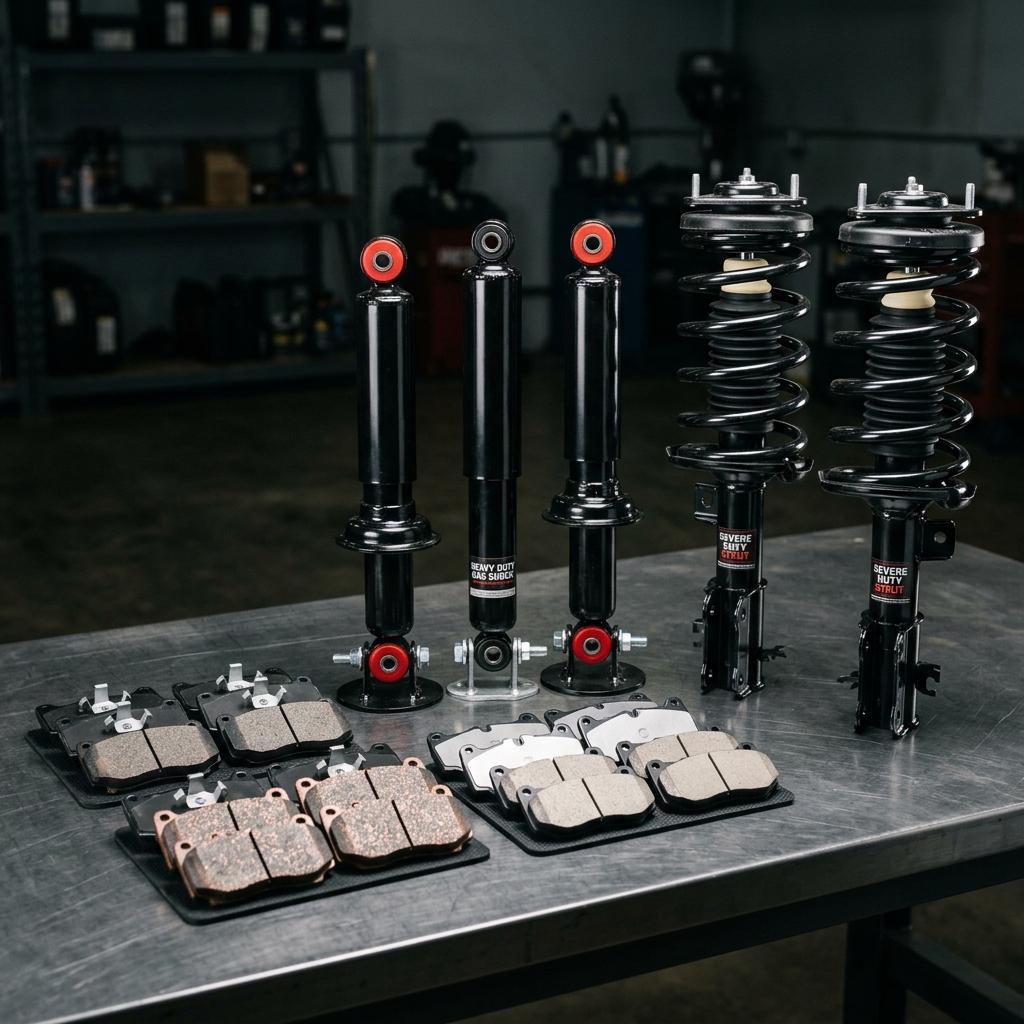
Mopar HD Shocks
Factory-engineered severe-duty shock absorbers built with twin-tube gas charge technology and hardened steel shafts to withstand washboard gravel vibration and heavy bed loads without fading.
Severe-Duty Brake Kits
Heavy-duty ceramic and semi-metallic friction kits paired with anti-corrosion coated Mopar rotors designed to shed dust, resist thermal warping, and maximize pad service life on unpaved roads.
Vehicle Financing Options
Looking to upgrade to a newer Ram 2500 Heavy Duty or Jeep Rubicon built for rugged terrain? You can easily Contact us for current financing options online through our simple finance department portal.
What Does a Severe-Duty Mopar Brake and Suspension Inspection Include?
Our certified technicians follow a comprehensive 21-point severe-duty evaluation checklist specifically formulated for vehicles operating in rural, agricultural, and unpaved conditions across Geary and Riley counties.
|
Inspection Phase
|
Component Checked
|
Severe-Duty Evaluation Criteria
|
|
Phase 1: Friction & Rotors
|
Pad thickness & rotor runout
|
Micrometer verification of thickness; check for gravel scoring and thermal cracking.
|
|
Phase 2: Caliper Hardware
|
Slide pins & rubber boots
|
Inspect boot integrity, clean dust contamination, apply high-temp synthetic lubricant.
|
|
Phase 3: Hydraulic System
|
Brake fluid moisture content
|
Refractometer boiling point test; inspect flexible rubber brake hoses for stone impacts.
|
|
Phase 4: Shock Dampening
|
Strut seals & shaft dampening
|
Check for hydraulic fluid leakage, pitting on piston shaft, and rebound degradation.
|
|
Phase 5: Chassis & Steering
|
Ball joints & tie rod ends
|
Dial indicator measurement of axial/radial play; verify dust boot seal integrity.
|
Book your severe-duty check-up online using our convenient Service Scheduler to keep your truck or SUV performing at factory standards.
Recognizing Early Warning Signs of Brake Fade and Suspension Wear
Steering Wheel Shimmy over Gravel: If your steering wheel oscillates excessively when driving across light washboard dirt roads, your shock dampers or inner tie rod ends may no longer be stabilizing the front axle movement.
Spongy Brake Pedal Under Load: A brake pedal that feels soft or requires pump-braking when towing a trailer indicates moisture contamination in the brake fluid or overheating caliper piston seals.
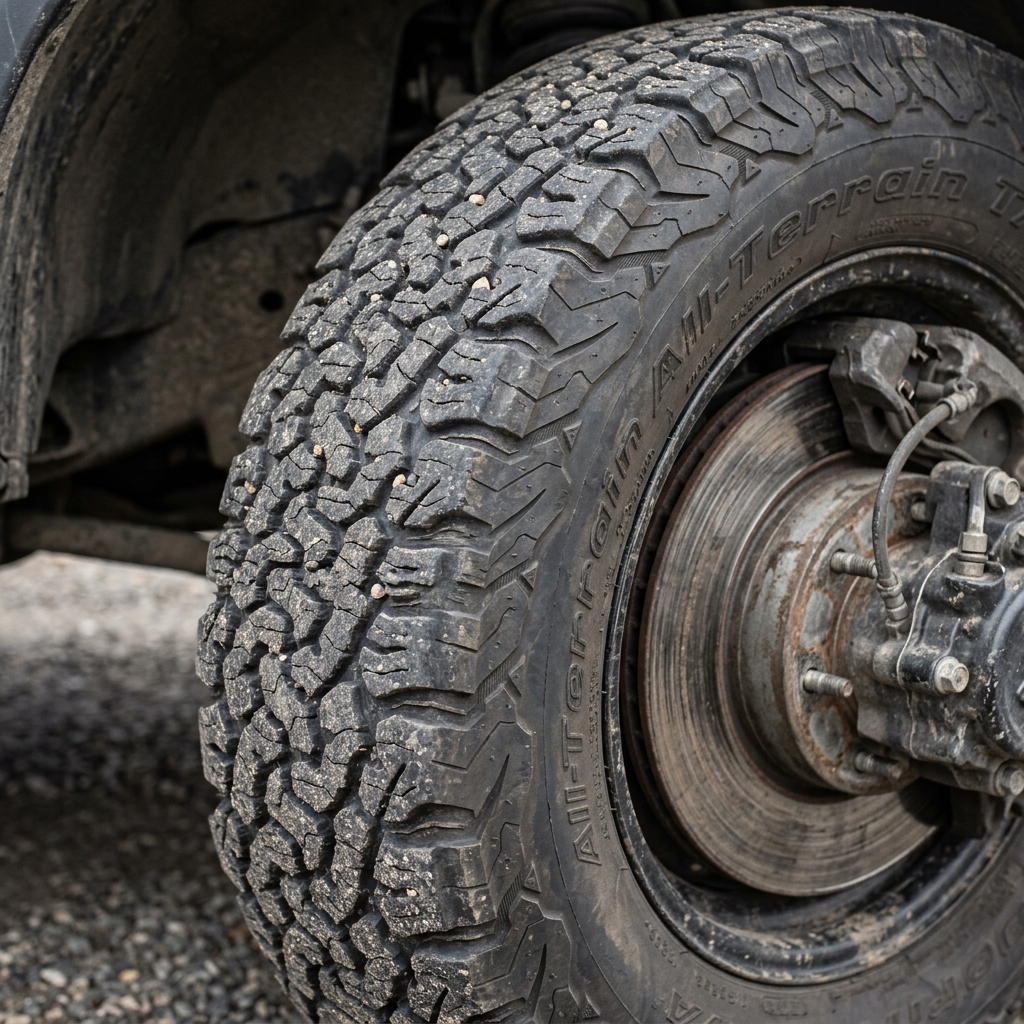
Uneven Tire Tread Cupping: Scalloped or cupped wear patterns along the inside edge of your aggressive all-terrain tires point directly to worn shock absorbers failing to keep the tire firmly planted against bumpy rural roads.
Catching these early symptoms prevents catastrophic component failure while hauling heavy payloads. If you’re looking for a reliable pre-owned truck equipped for rural conditions, browse our Used Vehicle Listings today.
Schedule Your Severe-Duty Mopar Inspection at Valor CDJR Today
Don’t let unpaved county roads compromise the performance, towing capacity, or safety of your Ram truck or Jeep SUV. Visit Mike Hogg and the factory-certified service team at Valor CDJR in Junction City, KS. Conveniently located at 1825 Goldenbelt Blvd, we are dedicated to keeping central Kansas drivers moving safely across every square mile of rural terrain.