Expert Q&A: Master Heavy-Duty Towing and Commercial Utility in Junction City with Jace Grabouski
Key Takeaway: Modern heavy-duty trucks have redefined commercial capability across Central Kansas. High-output diesel configurations now deliver peak conventional and gooseneck towing ratings reaching up to 37,090 lbs, while heavy-duty gas powertrains comfortably achieve 18,950+ lbs of towing capacity. Matching the right rig to your daily agricultural or commercial duty cycle requires balancing axle ratios, Gross Combined Weight Ratings (GCWR), and specialized factory upfits. In this masterclass Q&A, 20-year automotive veteran Jace Grabouski, General Manager at Valor CDJR in Junction City, breaks down everything farm and fleet operators in Riley, Geary, and Dickinson counties need to know.
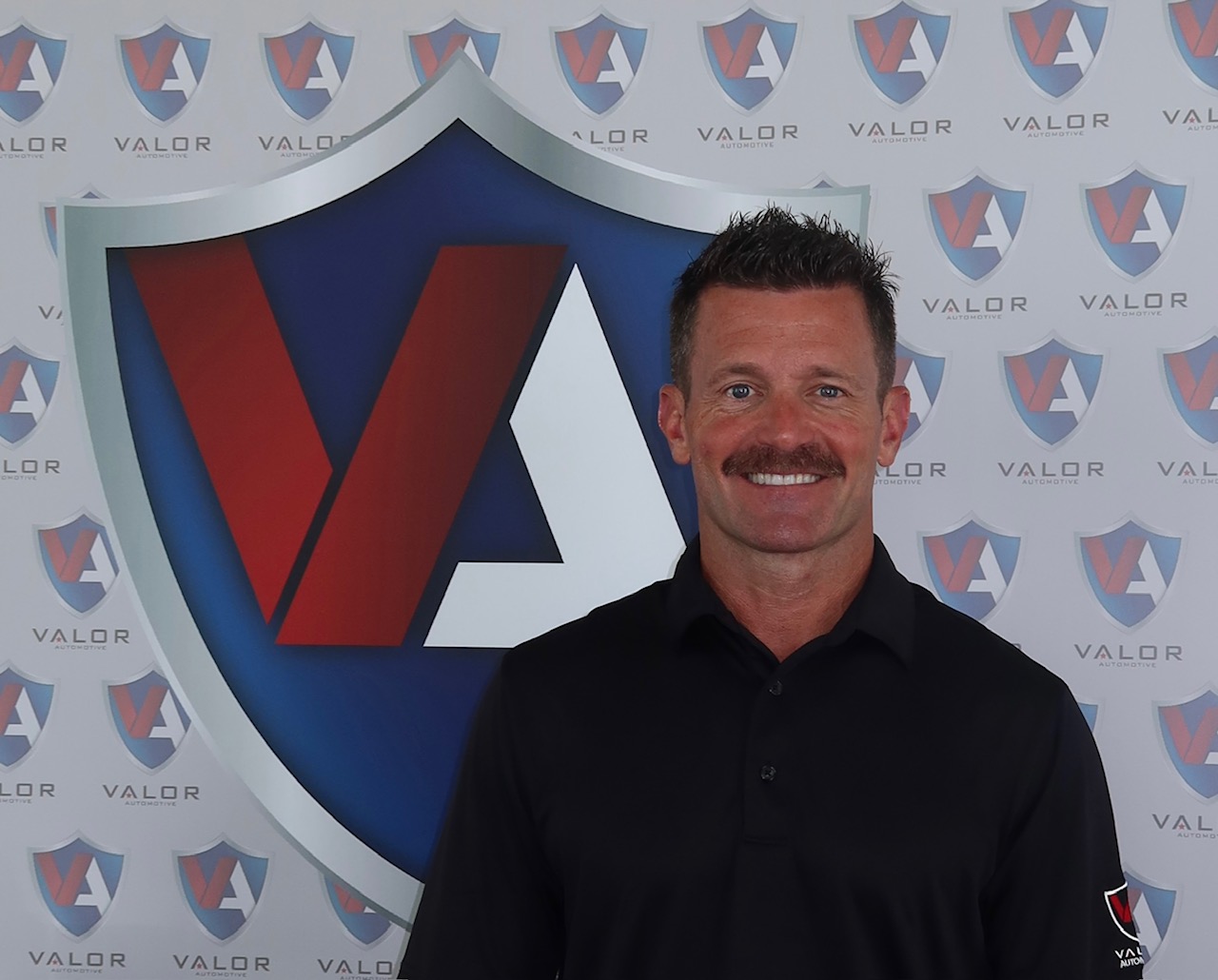
Meet Jace Grabouski: 20 Years of Commercial and Agricultural Fleet Leadership in Central Kansas
For two decades, Jace Grabouski has stood on the frontlines of commercial vehicle operations in Central Kansas. Serving as General Manager at Valor CDJR in Junction City, Jace has advised thousands of cattle ranchers from Manhattan, excavating contractors from Salina, and municipal road crews across Riley and Geary counties. His philosophy is rooted in real-world practicality: a truck is not merely a vehicle; it is a revenue-generating tool that must perform flawlessly regardless of season or terrain. “Living and working along the I-70 corridor means dealing with aggressive grades, heavy harvest schedules, and intense winter weather,” says Jace. “Whether you are pulling a 30-foot livestock gooseneck through muddy pasture trails or moving skid steers between job sites, getting your spec sheet right from day one saves tens of thousands of dollars in mechanical wear and fuel over the vehicle’s lifespan.
Under Jace’s leadership, Valor CDJR has developed a specialized commercial department dedicated to custom upfits, Section 179 tax strategy guidance, and priority fleet service turnarounds. If you are looking to audit your fleet or explore new work rigs, check our New Vehicle Listings or explore Used Vehicle Listings today.
Q: What is the highest towing rating currently highlighted for a 2027 heavy-duty pickup suited to commercial and agricultural work?
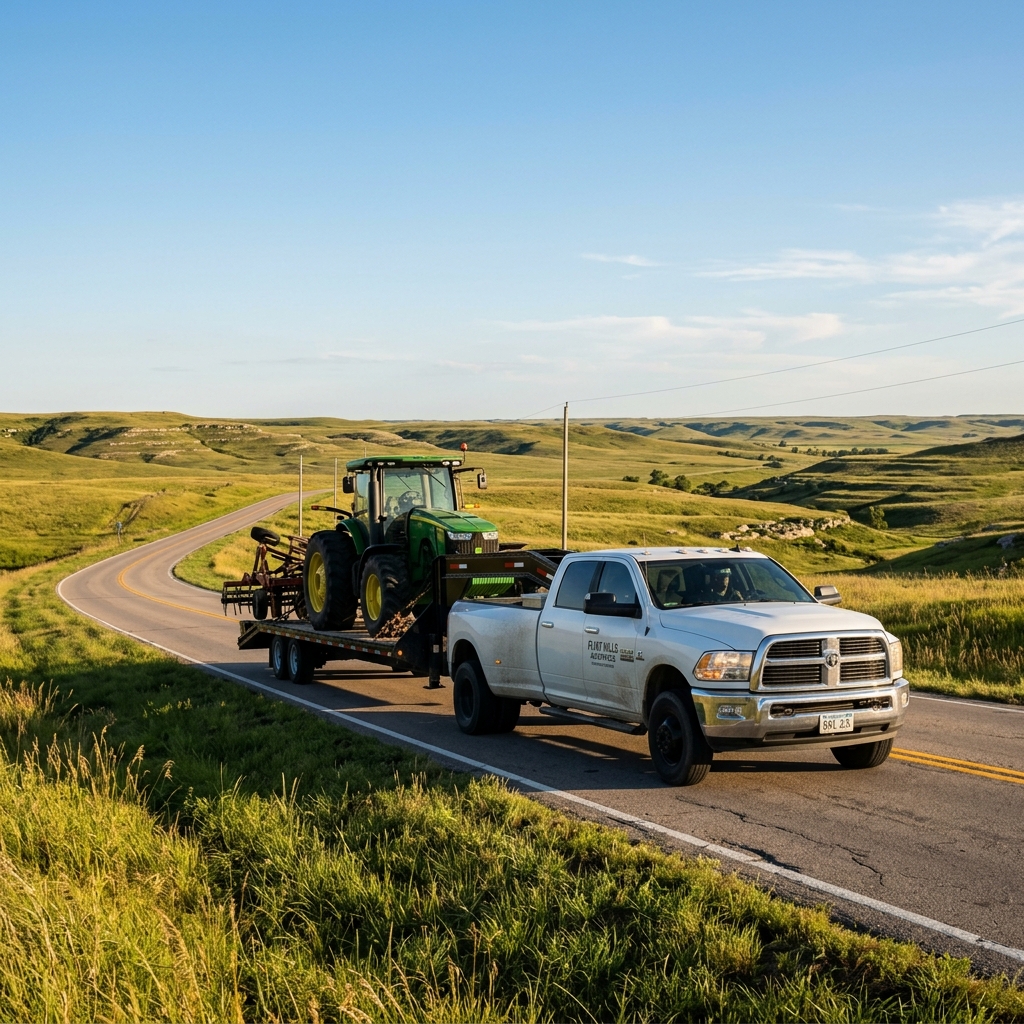
Jace Grabouski:“When we look at top-tier 3500-series heavy-duty pickups engineered for heavy commercial and agricultural applications, maximum gooseneck and fifth-wheel towing capabilities top out at an astounding 37,090 lbs when properly equipped with a high-output turbo diesel engine, dual rear wheels (dually), and a 4.10 rear axle ratio.
To put that into perspective for our Flint Hills farmers, a 37,000+ lb rating allows you to pull a fully loaded 36-foot steel livestock trailer packed with mature beef cattle or transport a massive triple-axle lowboy trailer carrying a heavy excavator and attachments without exceeding your Gross Combined Weight Rating (GCWR).
Why High-Output Turbo Diesels Win on Heavy Loads:“The secret isn’t just horsepower—it’s low-end torque. Modern high-output inline-six turbo diesels generate over 1,075 lb-ft of torque starting as low as 1,800 RPM. Paired with heavy-duty commercial transmission calibrations, this engine provides continuous pulling power up steep highway hills along I-70 without constantly hunting for gears. Furthermore, integrated factory exhaust braking systems provide immense stopping assistance, reducing brake pad overheating and wear when bringing 18 tons of grain or machinery safely down rolling prairie hills.” Operators ready to upgrade their heavy-hauling capabilities can browse our current Commercial Vehicle Inventory to inspect factory gooseneck prep packages.
Q: What is the maximum available towing figure for a 2027 Super Duty gas configuration that may fit smaller commercial and farm needs?
High-Capacity Gas Output:“For operators who don’t require 35,000+ lbs of capacity, modern big-block gas V8 engines offer incredible utility. Peak gas towing ratings range between 18,950 lbs and 22,000 lbs when configured in a 2500 or 3500 single rear wheel (SRW) chassis. This power easily satisfies landscaping crews, fence contractors, and small farm operations pulling enclosed bumper-pull trailers or medium tandem-axle utility trailers.
Payload Efficiency Advantage:
“Gas engines weigh significantly less than cast-iron diesel blocks. Because diesel engines add 800 to 1,000 lbs to the front axle curb weight, a gas-powered heavy-duty truck frequently delivers higher payload capacities in the bed—often exceeding 4,000 to 7,600 lbs depending on cab configuration.
Ideal Work Scenarios:
“If your daily job involves short regional routes around Junction City or Manhattan, frequent stop-and-start jobsite movement, or carrying heavy bed loads like seed totes, gravel, or service tools, gas is extremely cost-effective. You eliminate DEF fluid requirements and reduce upfront purchase costs substantially.
Q: Gas vs. Diesel for Flint Hills Agriculture: How Do You Match the Engine to Your Daily Duty Cycle?
Jace Grabouski:“This is the single most common question I answer from farm owners and business operators across Geary and Riley counties. Making the right decision comes down to annual mileage, average trailer weight, and duty cycle duration. The Case for Gas Powertrains:
• Lower Initial Capital Investment: Saves approximately $9,000 to $12,000 upfront compared to diesel.
• Ideal for Annual Mileage Under 15,000 Miles: Lower routine oil change and filtration service costs.
• Cold Weather Reliability: Starts effortlessly during sudden winter freezes in Central Kansas without block heater reliance or fuel gelling concerns.
• Excellent Short-Trip Operation: No DPF regeneration issues caused by constant idle time or short drive times.
The Case for Turbo Diesel Powertrains:• Heavy Hauling (15,000+ lbs loads): Superior torque delivery across steep Flint Hills topography. • Fuel Efficiency Under Load: Diesel engines maintain up to 30-40% better fuel economy while towing heavy trailers over long interstate runs. • Longevity & High Mileage: Engineered for 300,000+ mile commercial lifespans under severe operating conditions. • Higher Resale Value: Diesel work trucks command strong market demand in rural Kansas when it’s time to upgrade. If you’re evaluating a trade-in to offset your upgrade, use our online Trade In Evaluation tool to get a precise appraisal.
Q: What Axle Ratios and Factory Hitch Packages Are Essential for Safe Gooseneck and Heavy Payload Towing?
Jace Grabouski: “Buying a heavy-duty truck off the lot without checking the axle ratio and factory towing prep is a classic mistake. The axle ratio determines how efficiently engine torque translates to wheel force at specific road speeds.
|
Mechanical Specification
|
3.73 Axle Ratio
|
4.10 Axle Ratio
|
Factory Recommended Usage
|
|
Primary Application
|
Mixed Highway & Regional Towing
|
Max Payload & Heavy Gooseneck Pulling
|
Match to average trailer load & terrain
|
|
Towing Performance
|
Optimized for loads up to 24,000 lbs
|
Unlocks peak 30,000 – 37,090 lb capacity
|
Essential for heavy farm & machinery loads
|
|
Unloaded Fuel Economy
|
Higher mpg at 70+ mph highway speeds
|
Slightly lower highway mpg due to higher RPM
|
Consider highway vs jobsite ratio
|
|
Factory Hitch Prep
|
Integrated 5th-Wheel / Gooseneck Prep
|
Dual-Class V Frame-Mounted Receiver
|
Direct chassis mounting for maximum safety
|
Critical Factory Towing Features to Require: 1. Factory 5th-Wheel / Gooseneck Prep Package: Features bed-stamped mounting holes connected directly to the truck frame, integrated 7-pin bed wiring harness, and drop-in ball attachments. 2. Integrated Trailer Brake Controller: Provides electronic proportional braking signal to trailer electric or electric-over-hydraulic brakes, customizable via dash touchscreen. 3. Auto-Level Rear Air Suspension: Automatically inflates rear air bladders when heavy tongue weight or pin weight is applied, keeping headlights level and maintaining optimal steering geometry. 4. Trailer Reverse Steering Control & Blind Spot Monitoring: Extends radar blind-spot coverage down the entire length of a 40-foot trailer and allows knob-guided trailer backing.
Q: Which local dealer in Junction City, Kansas is actively promoting commercial truck sales support?
Jace Grabouski:” Valor CDJR in Junction City is proud to be the premier commercial truck authority in Central Kansas. We understand that time spent waiting at a dealership is lost income for a contractor or farm operator. That is why we built our commercial sales process specifically around local business needs. Our Dedicated Commercial Commitments Include:
• Dedicated Business Account Managers who come directly to your office, farm, or job site in Junction City, Manhattan, or Abilene.
• Custom Factory Fleet Ordering tailored precisely to your chassis cab, service body, or bed requirements.
• Commercial Financing & Section 179 Guidance to help optimize tax write-offs on qualified heavy vehicles before year-end.
• Express On-Site Trade Valuations to streamline fleet replacements.
• On-Site Commercial Service priority lane access.
If you need help with financing options or establishing a fleet line of credit, Get Pre-Approved online in minutes or Call us at (785) 238-5114 to consult with our commercial specialists directly. You can also visit our showroom located conveniently at 1825 Goldenbelt Blvd. Get Directions to Valor CDJR for immediate assistance.
Q: How Should Commercial and Agricultural Operators in Manhattan and Riley County Manage Preventative Maintenance?
Severe Duty Maintenance Schedules:
“Pulling heavy trailers through Kansas summer heat or dusty agricultural fields places trucks under ‘severe duty’ classifications. Engine oil, differential fluids, and transmission fluids break down significantly faster under high thermal load. We recommend 5,000-mile diesel oil change intervals and fuel filter replacements every 10,000 to 15,000 miles to protect high-pressure common rail injectors.
Cooling & Braking Systems:
“Always inspect transmission fluid coolers and radiator fins before harvest season. Dust, chaff, and insects clog cooling stacks quickly, leading to elevated engine oil and transmission fluid temperatures under load. Brake pad thickness and rotor integrity must be checked every season to guarantee emergency stopping power.
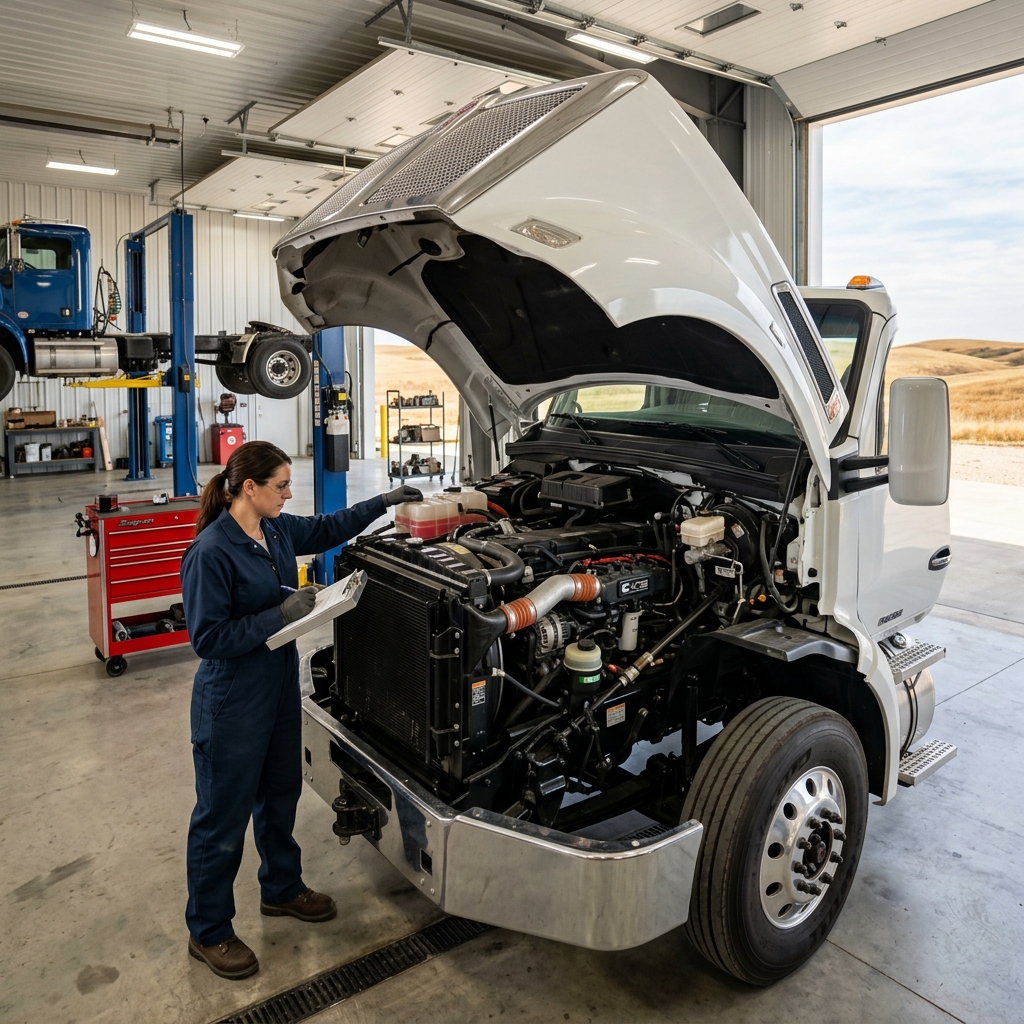
Dealership Service:“At Valor CDJR, our factory-trained diesel technicians utilize heavy-capacity lifts designed specifically for loaded work trucks and chassis cabs. Schedule routine maintenance via our Service Scheduler or stop by our Express Lane for fast fluid and filter checks. Need OEM heavy-duty filters or hitch accessories? Visit our Parts Department.
Q: How Do Upfits and Chassis Cab Configurations Transform Heavy-Duty Trucks for Specialized Farm and Jobsite Roles?
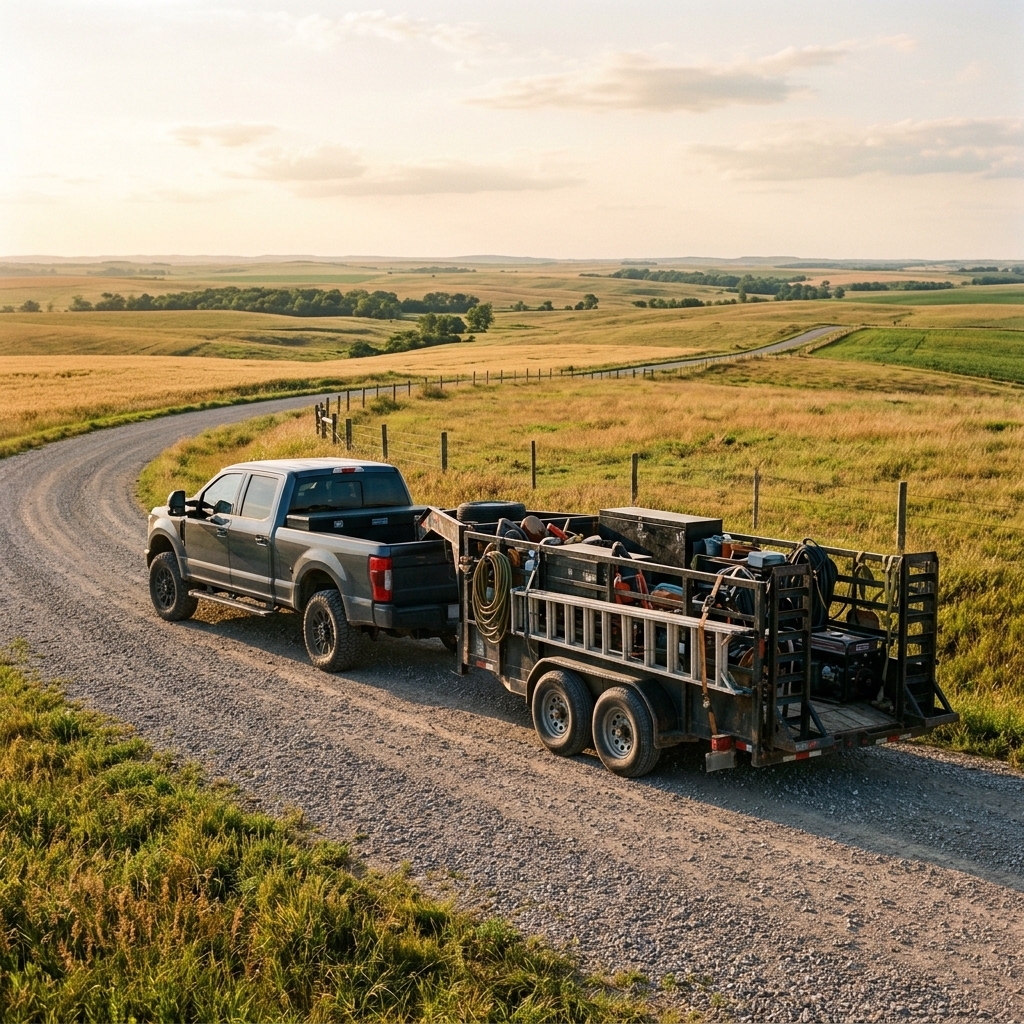
Jace Grabouski:“Standard pickup beds are great, but specialized commercial work often requires a factory Chassis Cab platform (3500, 4500, or 5500 series). Chassis cab models feature flat steel frame rails with standardized Cab-to-Axle (CA) dimensions, making it effortless to bolt on custom bodies built for specialized farm or municipal roles. Popular Commercial & Ag Upfits in Central Kansas:• Agricultural Hay Beds & Flatbeds: Equipped with hydraulic bale spears, underbed toolboxes, and recessed gooseneck hitches for round bale transport across pasture ground. • Utility & Service Bodies: Lockable steel or aluminum compartments that keep specialized tools, air compressors, and welding gear organized and protected from Kansas weather.
• Dump Bodies & Contractor Beds: Heavy steel sides with hydraulic hoist systems for hauling gravel, soil, debris, or grain loads. • Livestock Racks & Custom Rigs: Customized high-rail stake beds built for transporting calves, feed bags, or fencing supplies. • Power Take-Off (PTO) Capability: Factory PTO options allow heavy-duty transmissions to drive hydraulic pumps, feed mixers, cranes, or auxiliary generators directly from engine power.
Our team works directly with leading regional upfitters to deliver turn-key commercial rigs straight to your farm or business.
Q: What Financing Structures and Tax Incentives Benefit Kansas Commercial and Agricultural Buyers?
Section 179 Tax Deductions:
“Under IRS Section 179, qualified commercial buyers operating vehicles with a Gross Vehicle Weight Rating (GVWR) exceeding 6,000 lbs may deduct up to 100% of the purchase price during the tax year the vehicle is placed into service. This offers immense tax relief for farmers and business owners upgrading equipment before tax season ends.
TRAC Leases & Capital Lines:
“Terminal Rental Adjustment Clause (TRAC) leases allow commercial businesses to establish flexible residual options without mileage penalties. Commercial lines of credit keep your personal credit line clear while allowing quick fleet expansion when new contracts or agricultural opportunities arise.
Tailored Commercial Terms:
“Our finance department at Valor CDJR can help review commercial financing options based on your seasonal cash flow—such as post-harvest agricultural payments or quarterly commercial contract disbursements. Get Pre-Approved to review customized commercial lending options.
Key Takeaways: Four Core Rules for Selecting Heavy-Duty Towing and Commercial Rigs
Rule 1: Calculate Your True Gross Combined Weight Rating (GCWR): Never buy based on unladen truck weight alone. Add your maximum anticipated trailer weight, tongue/pin weight, payload, fuel, passenger load, and equipment. Select a rig that leaves a 15-20% safety margin above your daily maximum load. Rule 2: Match Axle Ratios to Your Operating Terrain:
If your fleet spends 80% of its time pulling 25,000+ lbs through hilly pasture terrain along I-70 or the Flint Hills, insist on a 4.10 rear axle ratio. For lighter regional loads and high highway miles, a 3.73 axle ratio optimizes speed and efficiency.
Rule 3: Plan for Severe-Duty Maintenance Ahead of Peak Seasons: Implement strict 5,000-mile fluid intervals and pre-harvest cooling system inspections to ensure zero jobsite or field downtime. Use OEM filters and fluids maintained by commercial service specialists. Rule 4: Partner with a Dedicated Commercial Dealership:
Avoid retail sales hassle by working with experienced fleet advisors who understand local agriculture, tax write-offs, chassis upfitting, and priority service turnarounds.
Connect with Jace Grabouski and the Commercial Truck Team at Valor CDJR in Junction City
Ready to spec your next heavy-duty work truck, build a custom chassis cab upfit, or audit your commercial fleet for Section 179 tax savings? Jace Grabouski and the dedicated commercial truck specialists at Valor CDJR are ready to serve you. Visit our showroom in Junction City, explore online inventory, or contact us directly today.
Valor CDJR Commercial Department 1825 Goldenbelt Blvd, Junction City, KS 66441 Phone:Call us at (785) 238-5114| Navigation: Get Directions to Valor CDJR
Tags: agricultural truck sales, Central Kansas truck sales, chassis cab upfits, commercial truck deals, commercial truck inventory, commercial trucks Junction City, commercial vehicle financing, diesel vs gas trucks, fleet sales and leasing, gooseneck towing trucks, heavy-duty towing capacity, heavy-duty truck sales, Section 179 tax deduction, trade-in heavy-duty trucks, Valor CDJR sales
Posted in
Buying Guides, Buying Guides & Dealership Services, Commercial Truck Reviews, Heavy-Duty Truck Features, Valor CDJR |
No Comments »