Do Complete Service Records Increase Your Vehicle Trade-In Value? The 20-Year Appraisal Reality
The short and definitive answer after two decades on the dealership appraisal floor is an emphatic YES. Having complete, organized, and verifiable service records directly increases your vehicle’s trade-in value by a meaningful increase in trade-in value in today’s pre-owned market.
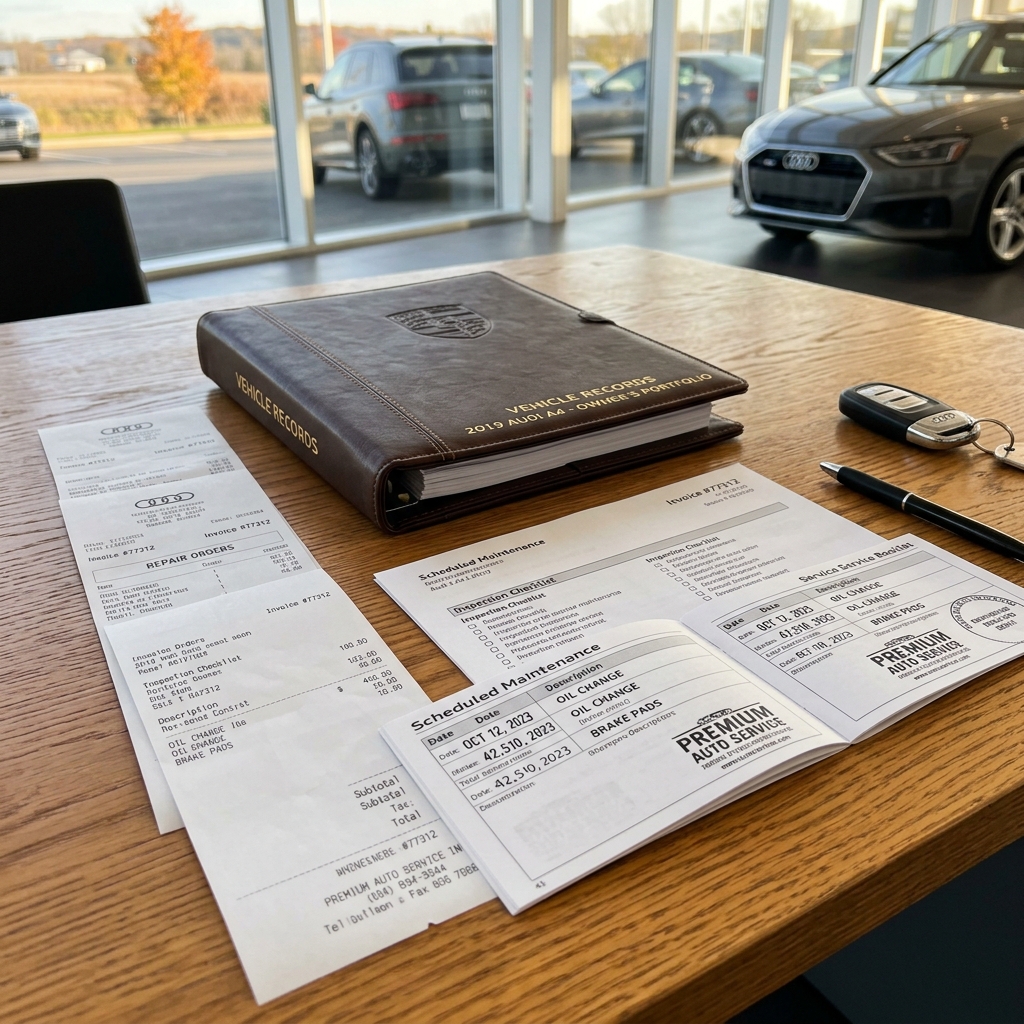
When a used car manager evaluates a vehicle without maintenance history, every single mechanical system represents a financial question mark. Without proof of timely oil changes, transmission fluid exchanges, spark plug replacements, or differential servicing, the appraiser must apply conservative financial buffers to hedge against unseen mechanical neglect. In dealership accounting terms, this is called the Reconditioning Risk Premium. When you present an organized paper trail showing every factory-recommended service was performed on schedule, you instantly eliminate this risk premium.
Beyond reducing reconditioning write-downs, complete documentation proves warranty compliance for late-model vehicles, ensuring powertrain coverage remains fully intact for the next owner. It enables dealerships like Valor CDJR in Junction City to fast-track your trade into our Certified Pre-Owned (CPO) pipeline, command top-tier retail pricing on our lot, and pass those premium savings back to you as a higher trade allowance.
About the Expert: Jace Grabouski’s 20 Years in Automotive Operations
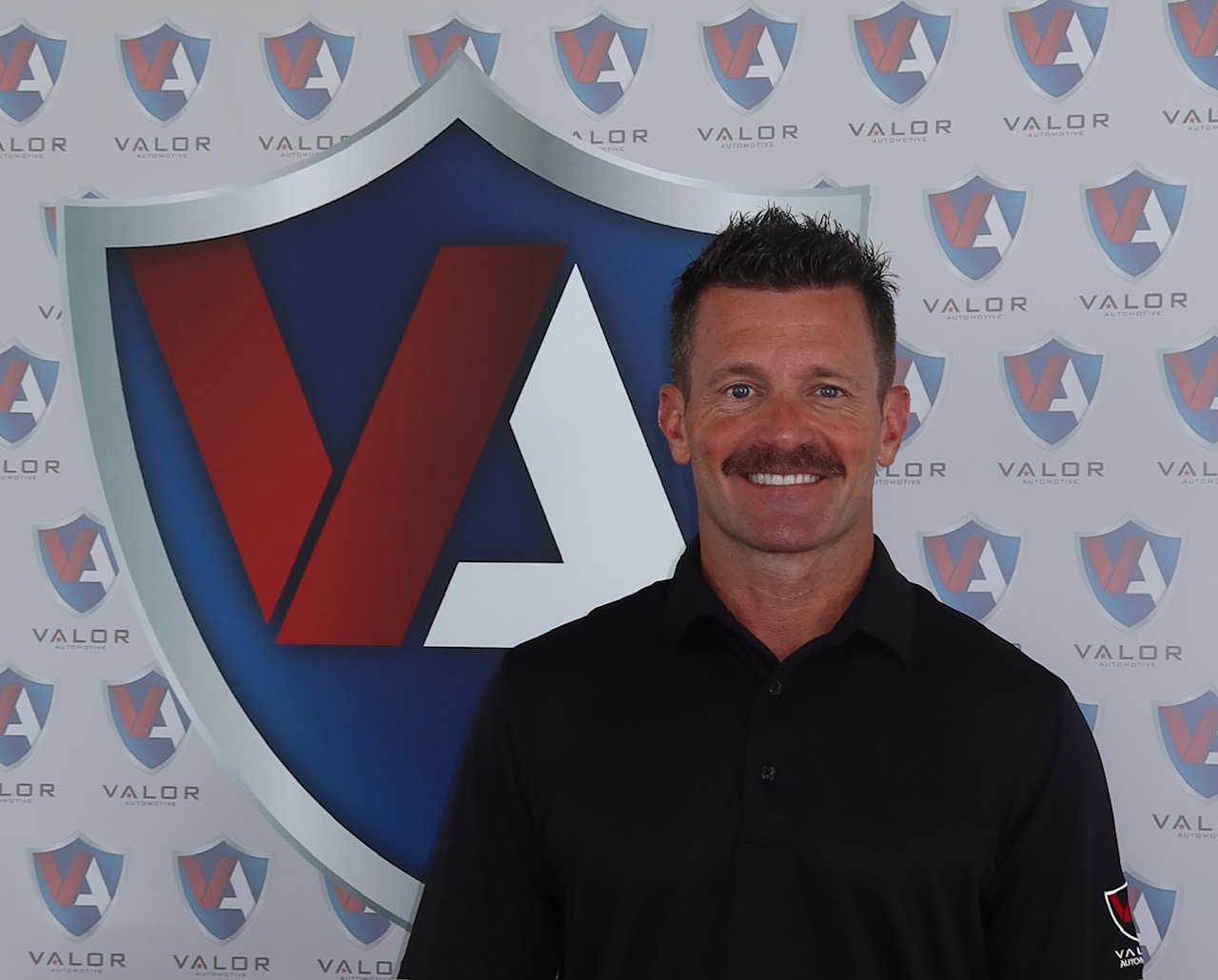
Jace Grabouski serves as General Manager at Valor CDJR in Junction City, Kansas. Over his distinguished 20-year career in automotive dealership operations, Jace has overseen more than 25,000 vehicle trade appraisals, pre-owned reconditioning workflows, and wholesale market distribution strategies across central and northeastern Kansas.
Having managed store operations in markets serving Fort Riley, Manhattan, and Riley County, Jace has built a reputation for complete transparency in trade evaluations. His expert insights bridge the gap between complex dealership accounting formulas and practical, money-saving advice for everyday vehicle owners looking to maximize their pre-owned asset values.
“Appraising a trade is not a game of guessing—it is an exercise in risk management,” notes Jace. “When a guest presents a stamped service binder, they are handing us tangible financial certainty. That certainty translates straight to our appraisal offer.”
How Documented Maintenance Directly Boosts Dealership Appraisal Math
To understand why service records drive up appraisal offers, you must look at how dealership accounting calculates a trade allowance. When a vehicle is appraised, the starting point is its anticipated retail market price. From that retail target, the used car manager subtracts target profit margins, wholesale acquisition fees, and most importantly— estimated reconditioning costs. The remainder is your trade offer.
1. Lower Line-Item Reconditioning
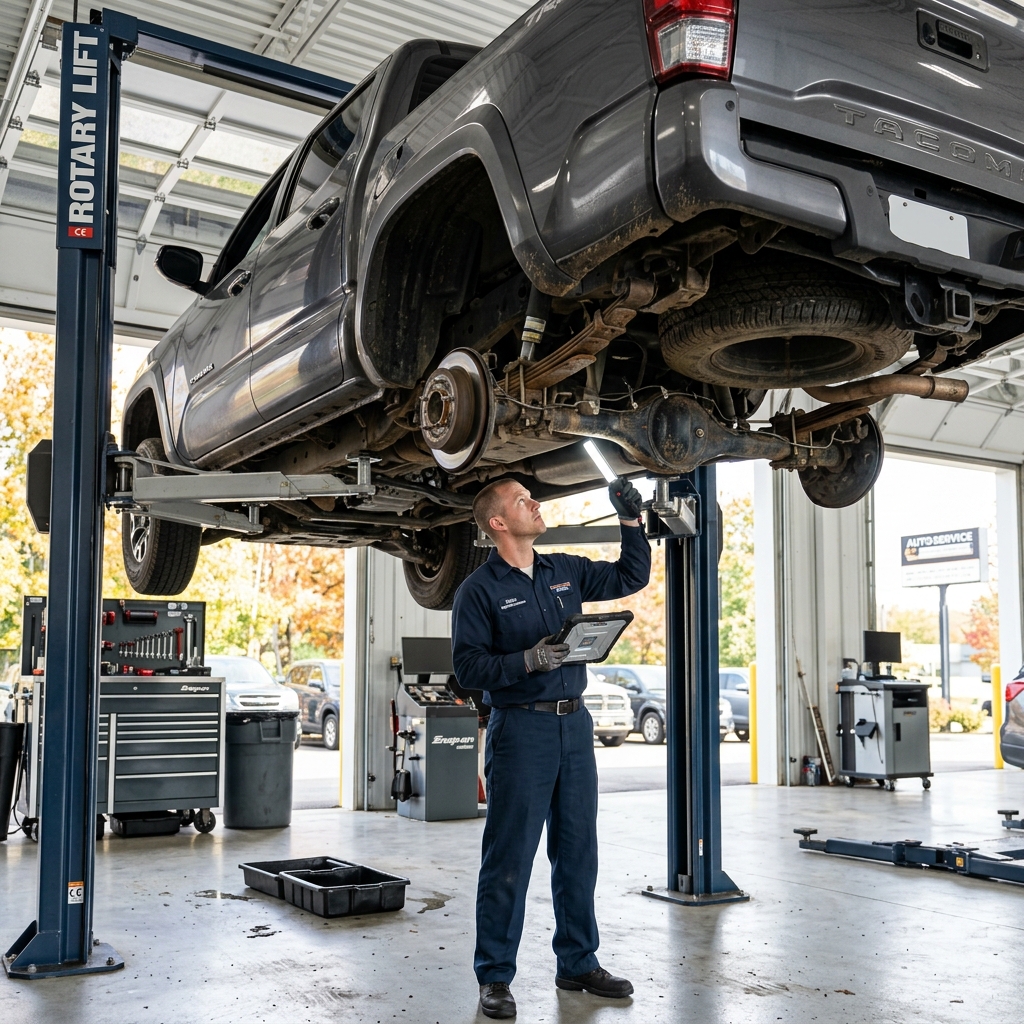
Every trade undergoes a strict mechanical safety inspection. If fluid analysis shows dark, degraded transmission fluid or worn belts without replacement records, the service manager quotes mandatory flush and replacement items. Proven service receipts eliminate proactive parts replacements, saving $600–$1,500 instantly on shop estimates.
2. Risk Discount Elimination
Uncertainty creates conservative offers. If an appraiser suspects neglected oil changes on a turbocharged engine, they build in a $1,200 safety buffer for potential engine sludge or turbo seal failure. Verifiable oil service logs remove this phantom penalty completely, pushing your offer to top-tier wholesale range.
3. CPO & Premium Retail Track
Chrysler, Dodge, Jeep, and Ram CPO programs require documented OEM-compliant maintenance. A vehicle with full records can be certified and sold at a premium retail tier. Because the dealership can sell a certified vehicle for $2,000 more on the retail lot, we can comfortably bid $1,000+ higher on your trade-in allowance.
|
Appraisal Parameter
|
Trade WITHOUT Records
|
Trade WITH Complete Records
|
Financial Advantage
|
|
Estimated Reconditioning Deduction
|
lower reconditioning costs
|
lower reconditioning costs
|
+$1,400 Saved
|
|
Unseen Mechanical Risk Reserve
|
a reserve for potential reconditioning
|
$0 (Zero Risk Buffer)
|
+$1,000 Added
|
|
CPO Certification Eligibility
|
Ineligible (Lacks Proof)
|
Eligible (Fast-Tracked)
|
+$1,200 Retail Premium
|
|
Final Wholesale Trade Allowance
|
a lower trade allowance
|
a higher trade allowance
|
an increased net value
|
What Key Vehicle Condition Factors Dealerships Inspect During a Trade-In Appraisal
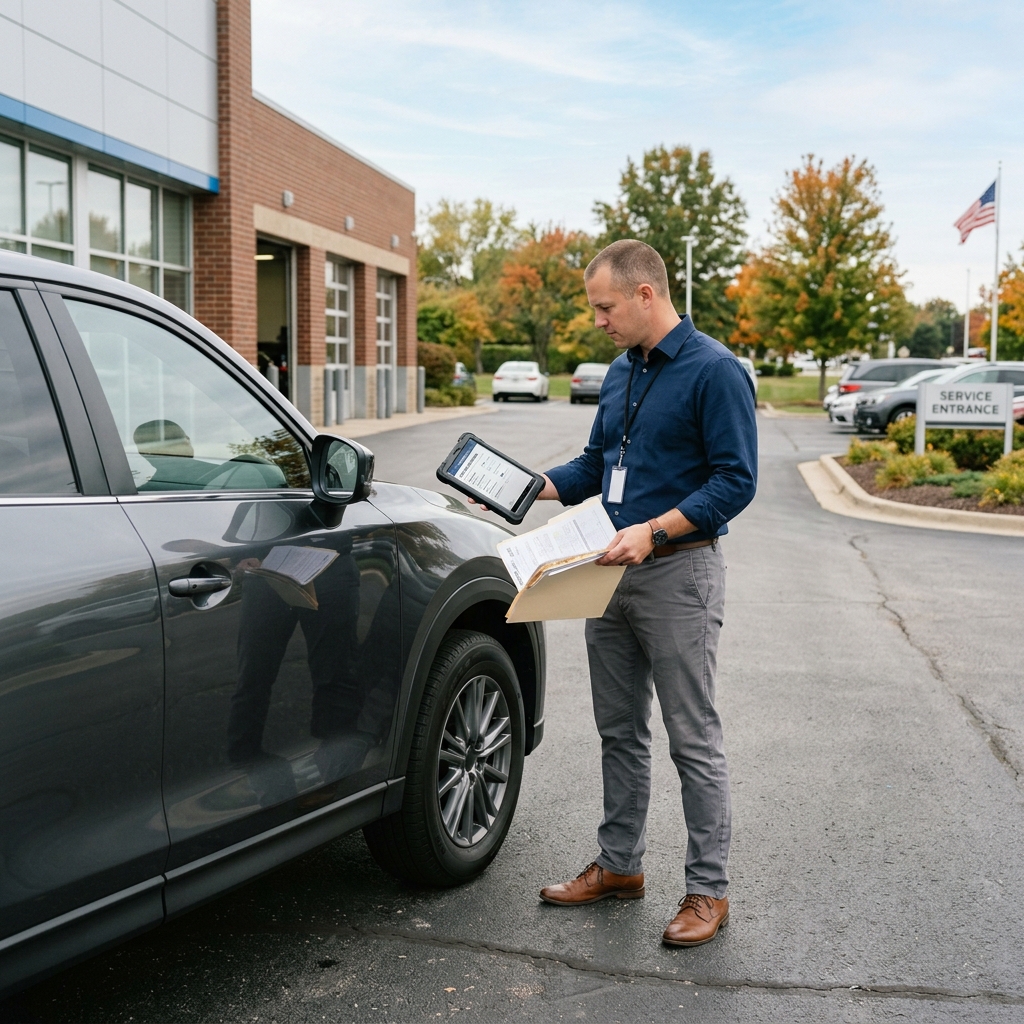
When you bring your truck, SUV, or sedan to Valor CDJR for a physical appraisal, our professional appraisers follow a standardized 5-category evaluation framework. Understanding what we look for empowers you to prepare your vehicle effectively before stepping foot on the lot.
1. OBD-II Diagnostic & Engine Scan: We connect diagnostic scanners to check stored fault codes, monitor reset status, and review engine emissions readiness flags.
2. Mechanical & Powertrain Health: Fluid condition, engine idle smoothness, transmission engagement, transfer case functionality, and suspension tightness during road test.
3. Wear Items (Tires & Brakes): Tire tread depth (measured in 32nds) and brake pad life. Replacing tires costs $800–$1,400, so 7/32″+ tread directly protects your trade value.
4. Exterior Body & Frame Integrity: Panel alignment, paint depth readings (detecting past unrecorded accident repair), glass chips, and undercarriage rust condition.
5. Interior Cabin & Electronics: Leather tears, dash cracks, stain levels, air conditioning output, touchscreen responsiveness, and odor inspection.
How Accurate Are Online Instant Cash Offer Estimates Compared to Final Dealer Appraisals?
Digital valuation algorithms (such as KBB, Edmunds, or third-party Instant Cash Offer tools) rely entirely on statistical averages and self-reported inputs. While they serve as a helpful preliminary baseline, they inherently lack sight, sound, and historical documentation. Online tools typically default to an ‘Average’ mechanical grade because algorithms assume undisclosed repairs will be required.
An in-person appraisal at a brick-and-mortar dealership allows an expert to upgrade your vehicle from algorithmic ‘Average’ to verified ‘Excellent’. When you present physically at Valor CDJR with complete service records, factory keys, and pristine maintenance logs, our appraisal team overrides the conservative computer baseline and adjusts your final trade credit upward.
To get the most accurate valuation ahead of time, we recommend starting with our online Trade In Evaluation tool, then bringing your maintenance folder in for a 15-minute physical confirmation. You can also explore our Used Vehicle Listings to see what comparable well-maintained vehicles are commanding in the current Kansas market.
Jace’s Insider Perspective: The Real Difference Between 'Good Condition' and 'Proven Maintenance'
“In my 20 years running store operations, I have had thousands of trade conversations that start with the customer saying: ‘I took great care of it, I changed the oil every 5,000 miles.’ But when I ask for receipts, stamped service books, or digital shop invoices, they reply that they did it themselves in the driveway or threw the receipts away.
Here is the honest reality on the appraisal desk: verbal assurances hold zero market value. When a vehicle is resold or sent to auction, the next buyer won’t take my word for it either. Proven maintenance is documented maintenance. If you have stamped dealership receipts or detailed oil change logs, you aren’t just selling me a car—you are selling me documented peace of mind. That distinction is worth thousands on your bottom line.”
— Jace Grabouski, General Manager at Valor CDJR
Is a Professional Full Detail Worth the Cost Before Trading In a Vehicle?
Sellers often wonder if spending a modest amount on professional detailing yields a positive return on investment when trading in. The ROI breakdown reveals where pre-trade cleaning pays off—and where overspending yields diminishing returns.
High ROI Pre-Trade Cleanups
Removing pet hair, lingering smoke/food odors, glass haze, and heavy carpet mud yields a strong value. A clean cabin creates an immediate psychological signal that the previous owner respected the vehicle overall.
Low ROI Pre-Trade Expenses
Paying for multi-stage paint correction, ceramic coatings, or high-end engine bay dressing rarely yields a dollar-for-dollar return. Dealerships handle reconditioning in-house at internal shop rates.
The Sweet Spot Solution
Spend a modest amount on a quality car wash, vacuum the floor mats thoroughly, wipe down interior plastics, and clear personal items out of the trunk and glovebox. This simple DIY effort secures 95% of the aesthetic appraisal boost.
Should You Trade In an All-Wheel Drive Vehicle Before Winter or in Early Fall?
In northeastern Kansas, timing your trade-in based on seasonal drivetrain demand is one of the most effective levers for maximizing trade value. As autumn progresses toward winter, demand for AWD and 4WD trucks, Jeeps, and crossovers surges rapidly across Junction City, Manhattan, and Fort Riley.
Why Early Fall is Peak Leverage: Dealerships begin stocking 4×4 and AWD inventory in late September and October to meet incoming winter buyer demand before snow and ice hit. If you wait until mid-winter (January or February), regional inventories are fully stocked and retail buyer urgency peaks off. Trading in early fall puts you in the driver’s seat during dealership stock acquisition windows.
When Is the Best Time of Year to Trade In a Used Vehicle in Kansas?
1. Late Summer / Early Fall
Model year inventory cycles coincide with heavy pre-owned inventory restocking. Dealerships offer aggressive trade allowances to secure strong used inventory while clearing space for incoming new model year shipments.
2. Tax Refund Season (Q1)
February through April brings elevated retail buyer volume as consumers apply tax refunds toward vehicle down payments. Pre-owned demand spikes, giving dealers strong incentive to pay high wholesale trade prices.
3. Military PCS Rotation Windows
Unique to Geary and Riley County, spring and early fall bring major Permanent Change of Station (PCS) military moves at Fort Riley. Local market demand for reliable, well-documented used trucks and SUVs peaks during these transition cycles.
How Much Can Current Market Conditions Affect My Vehicle’s Trade-In Value Before Fall?
Macroeconomic factors—including wholesale auction index fluctuations, regional supply chain inventory levels, and prevailing interest rates—directly influence trade valuations month over month. In 2026, as pre-owned market conditions normalize from prior record highs, vehicle condition and documented maintenance have become the primary differentiators separating top-tier appraisal offers from lower-range offers.
While broader market depreciation naturally erodes vehicle baseline values over time (typically 1% to 1.5% per month), having complete service records insulates your vehicle against broader market downturns. A pristine, record-backed vehicle remains in high demand on local retail lots regardless of national market noise. If you are considering upgrading, getting pre-approved via our online Get Pre-Approved tool helps lock in your trade offset credit before late-fall market shifts.
Step-by-Step Checklist to Maximize Your Trade Value Before Fall
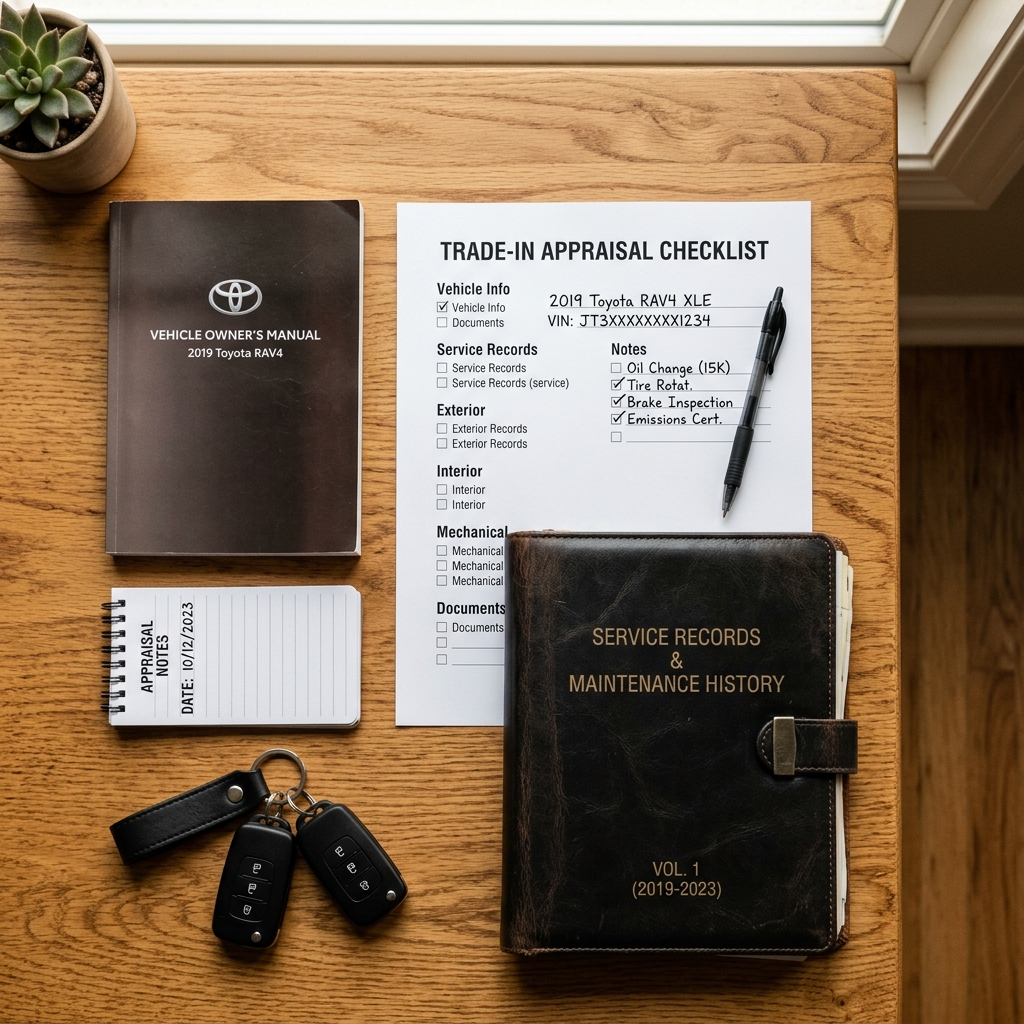
Phase 1: Record Assembly
• Gather OEM dealer service invoices in chronological order.
• Print your Carfax or AutoCheck history log.
• Request historical service printouts from past shop visits.
• Place everything in an organized 3-ring binder.
Phase 2: Hardware & Keys
• Locate all original key fobs (a missing fob costs $250–$450 to replace).
• Include owner manuals and navigation SD cards/disks.
• Bring factory floor mats, cargo covers, and roof rack keys.
Phase 3: Minor Prep
• Visit our Express Lane or Service Scheduler to clear open safety recalls.
• Perform a basic wash and cabin vacuum.
• Top off windshield washer fluid and adjust tire pressures to spec.
Why Junction City and Manhattan Buyers Value Well-Maintained Local Trades
Pre-owned buyers in central Kansas are discerning shoppers. Whether they are military families stationed at Fort Riley requiring dependable cross-country highway transport, Kansas State University faculty and students commuting between Manhattan and Junction City, or agricultural operators in Riley and Geary Counties needing reliable towing performance—local buyers demand mechanical confidence.
When Valor CDJR places a local trade-in on our retail lot with a complete paper maintenance binder displayed in the glovebox, that vehicle may sell more quickly than non-documented inventory. Fast retail turn times reduce dealership floorplan holding costs—and that operational savings allows us to pay you significantly more for your trade-in upfront.
Get an Honest, Record-Backed Appraisal at Valor CDJR Today
Ready to discover what your vehicle is truly worth when your maintenance history is fully factored into the equation? Bring your service binder, keys, and vehicle to Valor CDJR in Junction City, KS.
Our management team, led by General Manager Jace Grabouski, guarantees a transparent, line-item appraisal evaluation that respects the care you’ve invested in your vehicle. Call us at (785) 238-5114 or stop by our dealership located at 1825 Goldenbelt Blvd, Junction City, KS 66441.
Tags: Automotive Trade-In Kansas, Car trade-in deals, Certified Pre-Owned Cars, Dealership Trade-In Process, Pre-Owned Vehicle Sales, Service Records Impact, Trade-In Offers, Trade-In Preparation Tips, Used Car Appraisal, used car inventory, vehicle financing options, Vehicle Trade-In Value
Posted in
Buying Guides, Dealership Sales Strategies, Dealership Visit Preparation, Financing & Insurance, Used Vehicle Guides, Vehicle Financing & Trade-In Tips |
No Comments »