




Blog

2026 Ram 2500 Pickup: Towing, Trims, and Farm-Ready Capability

2026 Ram 2500 Pickup: Towing, Trims, and Farm-Ready Capability

2026 Ram 2500 Pickup: Towing, Trims, and Farm-Ready Capability

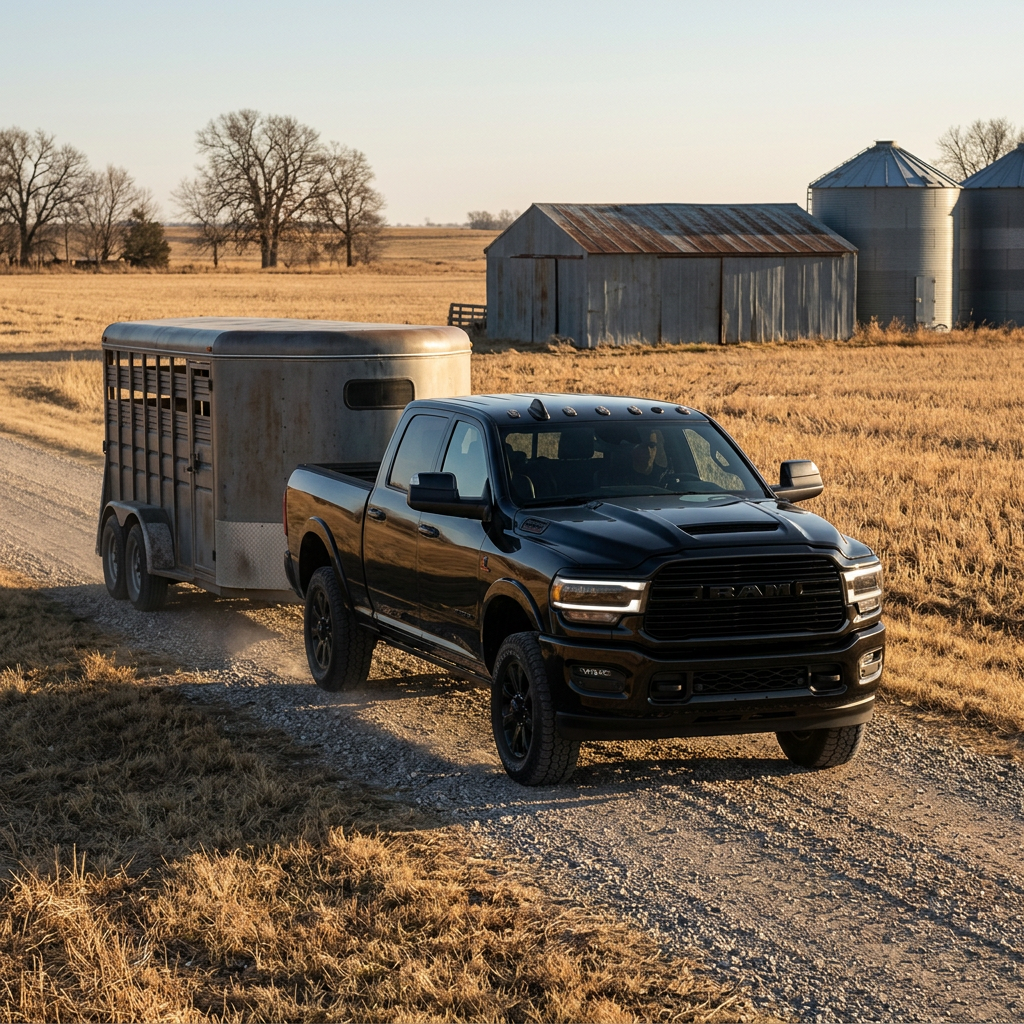
The 2026 Ram 2500 Pickup is the right choice for agricultural households and rural small-business owners who need serious towing capacity paired with genuine family room. Towing reaches up to 15,080 lbs depending on configuration, and six-passenger Crew Cab seating is available across the lineup from the entry-level Tradesman through the premium Limited/Longhorn. With a 6.4L HEMI V8 standard across most trims and four-wheel drive available on every configuration, this truck handles both the workweek and the weekend with equal confidence.

Table of Contents

What Is the 2026 Ram 2500 Pickup Best At for Ottawa County Farm and Towing Work?

The 2026 Ram 2500 Pickup earns its place on working farmsteads because it combines towing numbers that matter for agricultural equipment with cab configurations that accommodate the whole family. Towing capacity ranges from 14,000 lbs on certain Mega Cab diesel trims up to 15,080 lbs on rear-wheel-drive Regular Cab configurations, giving farming households genuine flexibility based on what they haul most.

For Ottawa County families who spend their weeks moving equipment across the gently rolling plains and their weekends at Pomona Lake, the combination of four-wheel drive, high payload, and six-passenger seating addresses both responsibilities in a single vehicle. The 4WD variants engage through Ram's Electronic Shift-On-the-Fly system, so switching between drive modes on gravel roads or wet field approaches requires no stopping.

Buyers researching this segment often compare the 2500 against the Ford F-250 Super Duty and the Chevrolet Silverado 2500HD. The Ram lineup's breadth — 39 configurations across Tradesman, Big Horn, Laramie, Limited, Power Wagon, and Rebel trims — means there is a specific combination of cab size, bed length, drivetrain, and feature level for nearly every use case.

Shoppers who want to explore what pre-owned heavy-duty trucks are available alongside new inventory can browse pre-owned truck listings at Valor CDJR to compare options and pricing across model years.

How Does the 2026 Ram 2500 Pickup Pair Work-Ready Styling With Crew-Cab Comfort?

The 2026 Ram 2500 carries a body-on-frame pickup stance that fits naturally alongside grain elevators and farm equipment — it is built wide at 83.5 in overall and tall enough to project presence on rural roads. Chrome bumpers are standard on Big Horn and Tradesman trims, while optional packages like the Sport Appearance Group swap those for painted bumpers that give the truck a blacked-out, more aggressive look. The Night Edition package goes further, adding painted bumpers and 20-inch all-terrain tires for buyers who want a more purposeful appearance without moving to the dedicated off-road Power Wagon or Rebel.

Inside the Crew Cab configurations, the dimensions tell the real story. Front headroom measures 40.9 in and rear headroom is 39.8 in, with 40.9 in of front legroom and 40.2 in of rear legroom — numbers that matter when a multigenerational farming family is spending an hour driving to the Clay County Fairgrounds for a community event. Front shoulder room reaches 65.9 in and rear shoulder room is 65.6 in, so three adults across the back seat is genuinely workable rather than a compromise.

The 40/20/40 split front bench is standard across Tradesman and Big Horn trims, providing a center pass-through with a fold-down armrest and storage. Bucket seats are available as a standalone option on applicable trims for buyers who prefer a center console. Seat upholstery starts with cloth on Tradesman and Big Horn trims, with vinyl bench seats available as a practical option for work-duty use where mud and moisture are daily realities.

The Laramie steps up to a more refined interior presentation, and the Limited and Limited/Longhorn trims represent the top of the luxury ladder in this lineup. For buyers who want the truck maintained properly after purchase, scheduling routine service through our online service appointment tool keeps the truck performing at the level the work demands.

The Regular Cab configuration is worth noting for buyers whose priority is maximum payload and a shorter overall footprint. At 232 in overall length with a 140-in wheelbase, it maneuvers more easily in tight farm settings than the long-wheelbase Crew Cab at 260.8 in overall with a 169-in wheelbase. The trade-off is seating capacity: Regular Cab trims seat 3, not 6.

What Can the 2026 Ram 2500 Pickup Tow, and Which Powertrain Fits Farm Work?

Every trim in the 2026 Ram 2500 lineup shares the same 8-speed automatic transmission, but the engine choice splits the lineup in a meaningful way. Most configurations — including all Big Horn, Big Horn/Lone Star, Laramie Crew Cab, Tradesman, Power Wagon, and Rebel trims — come standard with the 6.4L HEMI V8 producing 410 hp and 429 lb-ft of torque. Several Laramie Mega Cab, Limited Mega Cab, and Limited/Longhorn Mega Cab trims pair a 6.7L engine producing 370 hp and 850 lb-ft of torque — a diesel configuration that trades peak horsepower for dramatically higher torque, which translates to stronger pulling at lower engine speeds when hauling heavy loads.

For most agricultural households on the gently rolling plains of Ottawa, Pottawatomie, and Clay counties, the 6.4L HEMI is the practical choice across the majority of available configurations. Its 429 lb-ft of torque handles grain trailers, equipment haulers, and loaded livestock trailers with authority, and it runs on regular 87-octane unleaded fuel.

Towing and payload figures vary meaningfully across configurations, so the table below captures exact numbers for every trim:

2026 Ram 2500 Pickup Engine, Drivetrain & Capability by Trim

Feature Big Horn 4X4 Crew Cab LWB Big Horn 4X4 Crew Cab SWB Big Horn 4X4 Regular Cab Big Horn Crew Cab LWB Big Horn Crew Cab SWB Big Horn Regular Cab Big Horn/Lone Star 4X4 Crew Cab LWB Big Horn/Lone Star 4X4 Crew Cab SWB Big Horn/Lone Star 4X4 Regular Cab Big Horn/Lone Star Crew Cab LWB Big Horn/Lone Star Crew Cab SWB Big Horn/Lone Star Regular Cab Laramie 4X4 Crew Cab LWB Laramie 4X4 Crew Cab SWB Laramie 4X4 Mega Cab Laramie Crew Cab LWB Laramie Crew Cab SWB Limited 4X4 Crew Cab SWB Limited 4X4 Mega Cab Limited Crew Cab LWB Limited Crew Cab SWB Limited/Longhorn 4X4 Crew Cab LWB Limited/Longhorn 4X4 Crew Cab SWB Limited/Longhorn 4X4 Mega Cab Limited/Longhorn Crew Cab LWB Limited/Longhorn Crew Cab SWB Power Wagon 4X4 Crew Cab SWB Rebel 4X4 Crew Cab SWB Tradesman 4X4 Crew Cab LWB Tradesman 4X4 Crew Cab SWB Tradesman 4X4 Regular Cab Tradesman Crew Cab LWB Tradesman Crew Cab SWB Tradesman Regular Cab Tradesman/Black Express 4X4 Crew Cab LWB Tradesman/Black Express 4X4 Crew Cab SWB Tradesman/Black Express Crew Cab LWB Tradesman/Black Express Crew Cab SWB Tradesman/Warlock 4X4 Crew Cab SWB
Standard engine 6.4L 6.4L 6.4L 6.4L 6.4L 6.4L 6.4L 6.4L 6.4L 6.4L 6.4L 6.4L 6.4L 6.4L 6.7L 6.4L 6.4L 6.4L 6.7L 6.4L 6.4L 6.4L 6.4L 6.7L 6.4L 6.4L 6.4L 6.4L 6.4L 6.4L 6.4L 6.4L 6.4L 6.4L 6.4L 6.4L 6.4L 6.4L 6.4L
Horsepower 410 hp 410 hp 410 hp 410 hp 410 hp 410 hp 410 hp 410 hp 410 hp 410 hp 410 hp 410 hp 410 hp 410 hp 370 hp 410 hp 410 hp 410 hp 370 hp 410 hp 410 hp 410 hp 410 hp 370 hp 410 hp 410 hp 410 hp 410 hp 410 hp 410 hp 410 hp 410 hp 410 hp 410 hp 410 hp 410 hp 410 hp 410 hp 410 hp
Torque 429 lb-ft 429 lb-ft 429 lb-ft 429 lb-ft 429 lb-ft 429 lb-ft 429 lb-ft 429 lb-ft 429 lb-ft 429 lb-ft 429 lb-ft 429 lb-ft 429 lb-ft 429 lb-ft 850 lb-ft 429 lb-ft 429 lb-ft 429 lb-ft 850 lb-ft 429 lb-ft 429 lb-ft 429 lb-ft 429 lb-ft 850 lb-ft 429 lb-ft 429 lb-ft 429 lb-ft 429 lb-ft 429 lb-ft 429 lb-ft 429 lb-ft 429 lb-ft 429 lb-ft 429 lb-ft 429 lb-ft 429 lb-ft 429 lb-ft 429 lb-ft 429 lb-ft
Drivetrain Four-wheel drive Four-wheel drive Four-wheel drive Rear-wheel drive Rear-wheel drive Rear-wheel drive Four-wheel drive Four-wheel drive Four-wheel drive Rear-wheel drive Rear-wheel drive Rear-wheel drive Four-wheel drive Four-wheel drive Four-wheel drive Rear-wheel drive Rear-wheel drive Four-wheel drive Four-wheel drive Rear-wheel drive Rear-wheel drive Four-wheel drive Four-wheel drive Four-wheel drive Rear-wheel drive Rear-wheel drive Four-wheel drive Four-wheel drive Four-wheel drive Four-wheel drive Four-wheel drive Rear-wheel drive Rear-wheel drive Rear-wheel drive Four-wheel drive Four-wheel drive Rear-wheel drive Rear-wheel drive Four-wheel drive

All trims share: Transmission: automatic 8-speed

2026 Ram 2500 Pickup Dimensions & Capacity by Trim

Feature Big Horn 4X4 Crew Cab LWB Big Horn 4X4 Crew Cab SWB Big Horn 4X4 Regular Cab Big Horn Crew Cab LWB Big Horn Crew Cab SWB Big Horn Regular Cab Big Horn/Lone Star 4X4 Crew Cab LWB Big Horn/Lone Star 4X4 Crew Cab SWB Big Horn/Lone Star 4X4 Regular Cab Big Horn/Lone Star Crew Cab LWB Big Horn/Lone Star Crew Cab SWB Big Horn/Lone Star Regular Cab Laramie 4X4 Crew Cab LWB Laramie 4X4 Crew Cab SWB Laramie 4X4 Mega Cab Laramie Crew Cab LWB Laramie Crew Cab SWB Limited 4X4 Crew Cab SWB Limited 4X4 Mega Cab Limited Crew Cab LWB Limited Crew Cab SWB Limited/Longhorn 4X4 Crew Cab LWB Limited/Longhorn 4X4 Crew Cab SWB Limited/Longhorn 4X4 Mega Cab Limited/Longhorn Crew Cab LWB Limited/Longhorn Crew Cab SWB Power Wagon 4X4 Crew Cab SWB Rebel 4X4 Crew Cab SWB Tradesman 4X4 Crew Cab LWB Tradesman 4X4 Crew Cab SWB Tradesman 4X4 Regular Cab Tradesman Crew Cab LWB Tradesman Crew Cab SWB Tradesman Regular Cab Tradesman/Black Express 4X4 Crew Cab LWB Tradesman/Black Express 4X4 Crew Cab SWB Tradesman/Black Express Crew Cab LWB Tradesman/Black Express Crew Cab SWB Tradesman/Warlock 4X4 Crew Cab SWB
Seating 6 6 3 6 6 3 6 6 3 6 6 3 6 6 6 6 6 5 5 5 5 5 5 5 5 5 6 6 6 6 3 6 6 3 6 6 6 6 6
Curb weight 6,805 lbs 6,623 lbs 6,317 lbs 6,453 lbs 6,345 lbs 5,953 lbs 6,805 lbs 6,623 lbs 6,317 lbs 6,453 lbs 6,345 lbs 5,953 lbs 6,805 lbs 6,623 lbs 7,035 lbs 6,453 lbs 6,345 lbs 6,623 lbs 7,035 lbs 6,453 lbs 6,345 lbs 6,805 lbs 6,623 lbs 7,035 lbs 6,453 lbs 6,345 lbs 6,623 lbs 6,623 lbs 6,805 lbs 6,623 lbs 6,317 lbs 6,453 lbs 6,345 lbs 5,953 lbs 6,805 lbs 6,623 lbs 6,453 lbs 6,345 lbs 6,623 lbs
Towing 14,220 lbs 14,410 lbs 14,710 lbs 14,580 lbs 14,680 lbs 15,080 lbs 14,220 lbs 14,410 lbs 14,710 lbs 14,580 lbs 14,680 lbs 15,080 lbs 14,220 lbs 14,410 lbs 14,000 lbs 14,580 lbs 14,680 lbs 14,410 lbs 14,000 lbs 14,580 lbs 14,680 lbs 14,220 lbs 14,410 lbs 14,000 lbs 14,580 lbs 14,680 lbs 14,410 lbs 14,410 lbs 14,220 lbs 14,410 lbs 14,710 lbs 14,580 lbs 14,680 lbs 15,080 lbs 14,220 lbs 14,410 lbs 14,580 lbs 14,680 lbs 14,410 lbs
Payload 3,190 lbs 3,380 lbs 3,680 lbs 3,550 lbs 3,650 lbs 4,050 lbs 3,190 lbs 3,380 lbs 3,680 lbs 3,550 lbs 3,650 lbs 4,050 lbs 3,190 lbs 3,380 lbs 4,005 lbs 3,550 lbs 3,650 lbs 3,380 lbs 4,005 lbs 3,550 lbs 3,650 lbs 3,190 lbs 3,380 lbs 4,005 lbs 3,550 lbs 3,650 lbs 1,942 lbs 1,942 lbs 3,190 lbs 3,380 lbs 3,680 lbs 3,550 lbs 3,650 lbs 4,050 lbs 3,190 lbs 3,380 lbs 3,550 lbs 3,650 lbs 3,380 lbs

A few numbers in the table deserve specific attention. The Power Wagon 4X4 Crew Cab SWB and Rebel 4X4 Crew Cab SWB both carry a payload rating of 1,942 lbs — significantly lower than other configurations because their specialized suspension and off-road equipment add weight. Buyers who need maximum payload for farm hauling should focus on Regular Cab or standard Crew Cab configurations rather than these specialized trims.

The 5th Wheel/Gooseneck Towing Prep Group is an available package across Big Horn, Big Horn/Lone Star, and other applicable trims, which is worth noting for households that haul with a fifth-wheel hitch setup. A Mopar 20K Direct Mount 5th Wheel Hitch is also available as a dealer-installed option.

If you are weighing whether to trade in an existing truck as part of this purchase, Valor CDJR makes it straightforward to get an estimate on your current vehicle before you finalize a configuration decision.

Which Tech Features Make the 2026 Ram 2500 Pickup Easier to Use on Rural Roads?

The base infotainment setup across Tradesman and base Big Horn trims centers on an 8.4-inch touchscreen with AM/FM radio, a 3.5-inch instrument cluster display, wireless Apple CarPlay, wireless Android Auto, Bluetooth, and a 6-month SiriusXM satellite radio trial. The truck also includes SiriusXM Guardian telematics with a 12-month subscription, which provides remote lock/unlock, remote start, vehicle diagnostics, speed alerts, and geo-fencing — useful tools for farm operations where a truck may be used by multiple household members.

Stepping up to the Big Horn Level 1 Equipment Group or Big Horn Level 1 Plus Equipment Group adds a 12-inch touchscreen, bringing navigation with 3D mapping, voice control, internet-connected traffic data, and Amazon Alexa integration into the cab. The Big Horn Level 2 Plus Equipment Group adds a 360-degree surround-view camera system, front and rear parking sensors, and Trailer Reverse Guidance — a feature that uses the camera and steering system to help guide a trailer into position, which is genuinely practical when backing up to equipment or a boat slip at Tuttle Creek Lake.

The Trailer Technology Group and Towing Technology Group packages layer on additional capability, including automatic trailer steering and an auto-dimming rearview mirror with an integrated camera view. Over-the-air software updates are also included, so the truck's systems stay current without requiring a dealer visit for every software revision.

For buyers who want to add accessories or upfitter equipment — auxiliary switches are available as a standalone option — the parts and accessories department at Valor CDJR can help identify the right fit for specific work needs.

How Do the 2026 Ram 2500 Pickup's Safety Systems Support Long Drives?

Rural driving between small towns means long stretches at highway speeds with limited traffic, but also farm crossings, gravel transitions, and trailer loads that change braking dynamics. The 2026 Ram 2500 addresses these conditions with a standard safety package that includes 6 airbags (dual front, front side, and front-and-rear curtain on Crew Cab configurations), four-wheel anti-lock disc brakes with all four rotors ventilated, a brake assist system, hill holder, electronic traction control, roll stability control, and a trailer stability program that monitors and corrects trailer sway.

Automatic emergency braking is standard and activates as low as 3 mph, covering slow-speed situations like farm yard maneuvering. The Safety Group package, available across Big Horn and Big Horn/Lone Star trims, adds driver attention monitoring, lane departure warning with active steering correction, traffic sign recognition, automatic high-beam control, blind-spot monitoring, and rain-sensing wipers — a meaningful collection of driver assistance features for families making regular trips between communities.

The Big Horn Level 2 Equipment Group adds Blind Spot and Cross Path Detection as a named system, which monitors the area beside and behind the truck even when a trailer is attached. The Tow-Mode Digital Rear View Package adds a camera-integrated rearview mirror that maintains a clear view past a trailer's profile.

Keeping those systems operating correctly over the life of the truck is straightforward through Valor CDJR's express lane service for routine maintenance visits that fit around a working schedule.

What Do the 2026 Ram 2500 Pickup Trims Cost, and What Does Ownership Include?

The 2026 Ram 2500 Pickup lineup spans a wide MSRP range, from the entry-level Tradesman Regular Cab at $46,855 to the Limited/Longhorn 4X4 Mega Cab and Limited 4X4 Mega Cab at $92,050. All prices below are base MSRP and exclude the $2,795 destination charge.

2026 Ram 2500 Pickup Pricing by Trim

Feature Big Horn 4X4 Crew Cab LWB Big Horn 4X4 Crew Cab SWB Big Horn 4X4 Regular Cab Big Horn Crew Cab LWB Big Horn Crew Cab SWB Big Horn Regular Cab Big Horn/Lone Star 4X4 Crew Cab LWB Big Horn/Lone Star 4X4 Crew Cab SWB Big Horn/Lone Star 4X4 Regular Cab Big Horn/Lone Star Crew Cab LWB Big Horn/Lone Star Crew Cab SWB Big Horn/Lone Star Regular Cab Laramie 4X4 Crew Cab LWB Laramie 4X4 Crew Cab SWB Laramie 4X4 Mega Cab Laramie Crew Cab LWB Laramie Crew Cab SWB Limited 4X4 Crew Cab SWB Limited 4X4 Mega Cab Limited Crew Cab LWB Limited Crew Cab SWB Limited/Longhorn 4X4 Crew Cab LWB Limited/Longhorn 4X4 Crew Cab SWB Limited/Longhorn 4X4 Mega Cab Limited/Longhorn Crew Cab LWB Limited/Longhorn Crew Cab SWB Power Wagon 4X4 Crew Cab SWB Rebel 4X4 Crew Cab SWB Tradesman 4X4 Crew Cab LWB Tradesman 4X4 Crew Cab SWB Tradesman 4X4 Regular Cab Tradesman Crew Cab LWB Tradesman Crew Cab SWB Tradesman Regular Cab Tradesman/Black Express 4X4 Crew Cab LWB Tradesman/Black Express 4X4 Crew Cab SWB Tradesman/Black Express Crew Cab LWB Tradesman/Black Express Crew Cab SWB Tradesman/Warlock 4X4 Crew Cab SWB
Base MSRP $57,355 $57,155 $53,535 $54,425 $54,225 $50,605 $57,355 $57,155 $53,535 $54,425 $54,225 $50,605 $65,440 $65,240 $79,750 $62,510 $62,310 $77,540 $92,050 $74,320 $74,610 $77,250 $77,540 $92,050 $74,320 $74,610 $73,250 $69,755 $53,605 $53,405 $49,785 $50,675 $50,475 $46,855 $56,200 $56,000 $53,270 $53,070 $56,400

All trims share: Destination charge: $2,795

Understanding the Trim Tiers

The Tradesman is the work-focused entry point, starting at $46,855 for the Regular Cab rear-wheel-drive configuration. It includes the 8.4-inch touchscreen, ParkSense rear park assist with backup camera, adaptive cruise control, and the full suite of connectivity features. The Tradesman/Black Express and Tradesman/Warlock variants add appearance content at modest price premiums.

The Big Horn and Big Horn/Lone Star trims — priced from $50,605 for the rear-wheel-drive Regular Cab to $57,355 for the 4X4 Crew Cab LWB — represent the volume sweet spot for farm and family buyers. They add chrome bumpers, a leather-wrapped steering wheel, and access to the tiered Big Horn Equipment Groups that unlock the 12-inch screen, heated seats, power driver's seat, blind-spot monitoring, and other features through a structured option path rather than forcing buyers to jump to a higher trim.

The Laramie starts at $62,310 and brings a more refined interior finish, while the Limited and Limited/Longhorn trims move into luxury territory above $74,000. The Power Wagon at $73,250 is a purpose-built off-road variant with a factory-integrated winch and specialized suspension, though its 1,942-lb payload rating reflects the weight of that off-road equipment.

Warranty Coverage

Ram backs the 2026 2500 with a 3-year/36,000-mile basic warranty, a 5-year/100,000-mile powertrain warranty, and a 5-year/100,000-mile roadside assistance program. Paint coverage runs 3 years/36,000 miles. The powertrain warranty is particularly relevant for high-mileage agricultural use, where engines and transmissions accumulate hours quickly. Ram's roadside assistance is manufacturer-backed and coordinates through Ram's own network — keeping service quality consistent with the vehicle's warranty terms.

What Awards and Expert Opinions Matter to 2500-Class Truck Shoppers?

Third-party recognition matters when a purchase of this scale is on the table. Ram Heavy Duty earned the MotorTrend Truck of the Year award, a credibility signal that reflects the platform's capability and refinement. The Ram 2500 has also been recognized as a finalist for the North American Truck of the Year award, which is decided by an independent jury of automotive journalists across North America.

Edmunds, in its coverage of the Ram 2500, highlights the truck's towing capability and interior quality as standout attributes for buyers in this segment. Kelley Blue Book consistently positions the Ram 2500 as a strong value consideration within the heavy-duty truck class, noting the breadth of available configurations as a practical advantage for buyers who want a specific combination of cab, bed, and drivetrain rather than settling for a limited set of options.

Car and Driver has noted the Ram Heavy Duty's refined ride quality relative to its competitors, which matters for farm families who use the truck as a daily driver between properties and town. The 2500's coil-spring front and rear suspension — with stabilizer bar and rigid axle architecture — is tuned to balance load-carrying stability with on-road comfort.

Buyers ready to see current availability can browse our new 2026 Ram 2500 inventory at Valor CDJR to check which configurations are in stock.

What Should Rural Buyers Know Before Choosing a 2026 Ram 2500 Pickup?

Three decisions shape the right configuration more than any others: cab type, drivetrain, and trim tier.

Cab type determines both passenger capacity and bed length. The Crew Cab with long wheelbase (LWB) gives you six seats and a long bed — the combination that works best when you need to carry a full family and still have meaningful bed length for equipment or materials. The Crew Cab SWB keeps the six seats but shortens the bed, which is the right trade-off when maneuverability in tight spaces matters more than bed length. The Regular Cab drops to three seats but raises towing capacity and payload, making it the right call for buyers who haul alone or with one other person and prioritize work capability over passenger room.

Drivetrain is a clear decision for most buyers in this region. Four-wheel drive is the practical choice for anyone who regularly operates on gravel roads, wet field approaches, or uneven terrain. The 4WD system uses Electronic Shift-On-the-Fly, so engaging it while moving is straightforward. Rear-wheel-drive configurations cost less and carry slightly higher payload and towing ratings in some configurations, but they sacrifice the all-conditions confidence that rural driving requires.

Trim tier controls feature access. The Tradesman and Big Horn/Big Horn/Lone Star tiers cover the needs of most working farm and family buyers. Moving to Laramie adds interior refinement; Limited and Limited/Longhorn add luxury appointments that make sense for buyers who also use the truck for family travel and want a premium cabin experience.

The team at Valor CDJR at 1825 Goldenbelt Blvd, Junction City, KS 66441 is available to walk through configuration options in person, or you can reach us directly at (785) 238-5114. For buyers who want to understand financing before visiting, the option to get pre-approved online makes it easier to walk in knowing your budget and focus the conversation on the right trim and configuration.

FAQ

Q: What is the maximum towing capacity of the 2026 Ram 2500 Pickup?

The highest towing capacity in the 2026 Ram 2500 lineup is 15,080 lbs, available on rear-wheel-drive Regular Cab configurations including the Big Horn Regular Cab, Big Horn/Lone Star Regular Cab, and Tradesman Regular Cab. Four-wheel-drive Crew Cab LWB configurations — including Big Horn 4X4 Crew Cab LWB and Laramie 4X4 Crew Cab LWB — are rated at 14,220 lbs. The Laramie Mega Cab, Limited Mega Cab, and Limited/Longhorn Mega Cab diesel trims are rated at 14,000 lbs towing.

Q: Does the 2026 Ram 2500 come with six-passenger seating, and which trims offer it?

Six-passenger seating is available on all Crew Cab and Regular Cab configurations across the Tradesman, Big Horn, Big Horn/Lone Star, Laramie Crew Cab, Power Wagon, Rebel, and Tradesman/Black Express trims. The Limited and Limited/Longhorn trims seat 5, not 6, because they use a front console configuration. The Laramie Mega Cab also seats 6 despite its larger footprint. Regular Cab trims across all trim levels seat 3.

Q: What is the difference between the Big Horn and Big Horn/Lone Star trims?

Based on the catalog data, the Big Horn and Big Horn/Lone Star trims share identical MSRP pricing, powertrain specifications, towing and payload ratings, and available package content. The Lone Star designation is a regional variant — it does not change the mechanical specifications or base feature content compared to the standard Big Horn. Both are available in the same cab configurations: Crew Cab LWB, Crew Cab SWB, and Regular Cab, in both four-wheel-drive and rear-wheel-drive versions.

Q: What is the payload capacity of the 2026 Ram 2500 Power Wagon?

The Power Wagon 4X4 Crew Cab SWB has a payload rating of 1,942 lbs — the lowest in the lineup alongside the Rebel 4X4 Crew Cab SWB, which also carries 1,942 lbs. The Power Wagon's specialized off-road suspension, front axle, and factory-integrated equipment add significant weight, which reduces available payload compared to standard configurations. Buyers who need maximum payload for farm or work use should choose a Tradesman, Big Horn, or Laramie Crew Cab configuration instead.

Q: Which 2026 Ram 2500 trims have the 6.7L engine rather than the 6.4L HEMI?

Three specific trims carry the 6.7L engine: the Laramie 4X4 Mega Cab, the Limited 4X4 Mega Cab, and the Limited/Longhorn 4X4 Mega Cab. All three produce 370 hp and 850 lb-ft of torque. Every other trim in the lineup — all 36 remaining configurations — uses the 6.4L HEMI V8 producing 410 hp and 429 lb-ft of torque.

Q: What warranty does the 2026 Ram 2500 Pickup carry?

The 2026 Ram 2500 is covered by a 3-year/36,000-mile basic warranty, a 5-year/100,000-mile powertrain warranty, and a 5-year/100,000-mile roadside assistance program. Paint is covered for 3 years/36,000 miles. The roadside assistance program is manufacturer-backed through Ram's own service network, providing coverage that is consistent with the vehicle's warranty terms rather than relying on a third-party provider.
© 2026 Valor CDJR. All rights reserved.


Recommended Posts

jeep cherokee

Jeep Cherokee Maintenance Cost: Expert Service Q&A With Valor CDJR

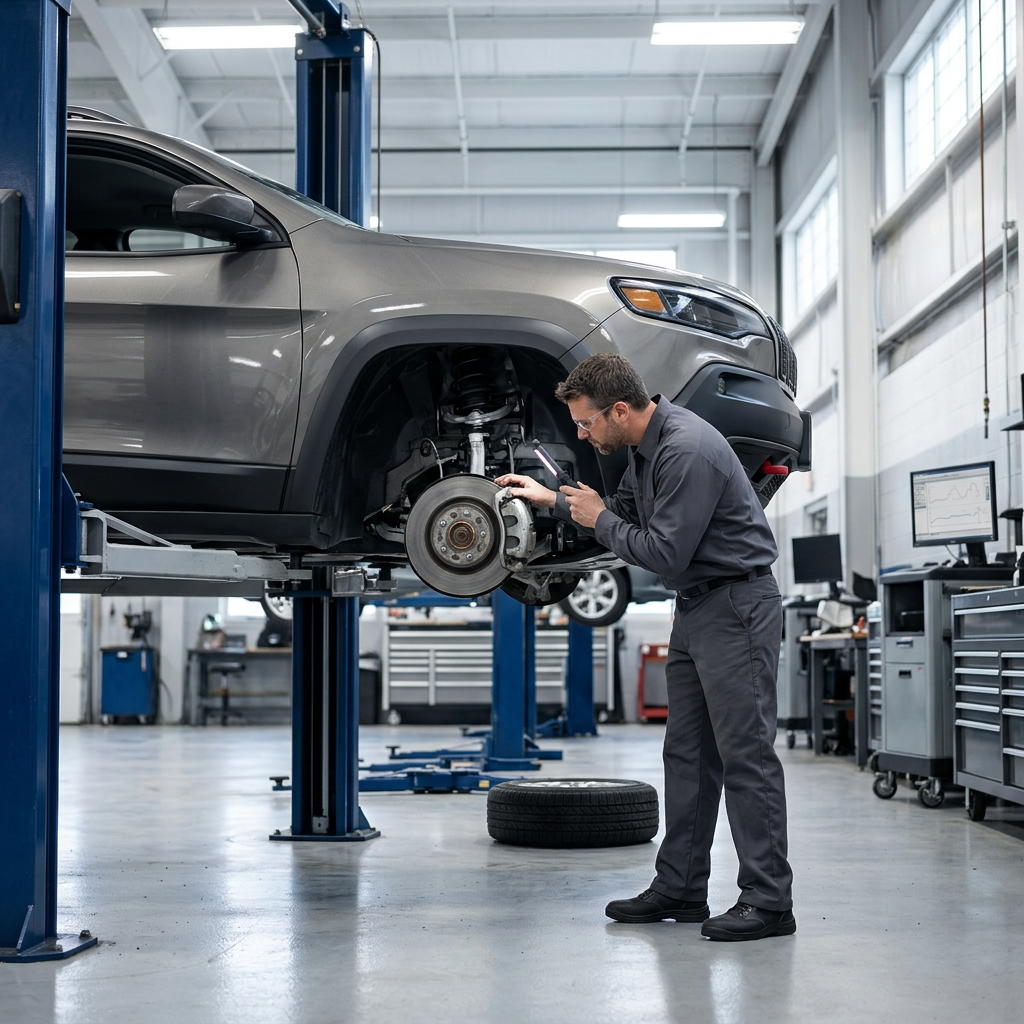
Jeep Cherokee Maintenance Cost: Expert Service Q&A With Valor CDJR A Jeep Cherokee costs roughly a typical annual maintenance budget for standard routine maintenance and minor mechanical repairs under typical driving conditions. Today, we sat down with Jace Grabouski, General Manager at Valor CDJR, who brings 20 years of automotive leadership to break down what owners can expect for long-term service schedules, fluid intervals, and component care. Q: How much does annual Jeep Cherokee maintenance cost on average? A: Routine upkeep for a Jeep Cherokee generally totals between $520 and $700 each year when you follow factory recommendations and handle wear items promptly. In lighter driving years where you only need standard fluid services, filter changes, and tire rotations, your annual out-of-pocket expenses can sit closer to $270. Higher-mileage years that call for new brake pads, fresh rotors, or major driveline inspections naturally nudge that annual budget toward the upper end of that range. Operating conditions also play a measurable part in your baseline expenses. Drivers commuting daily along the highway corridors around Junction City experience different wear patterns on tires and brake linings than vehicles driven across unpaved rural routes or subjected to prolonged idle times. Following the onboard oil-life monitoring system ensures you service the engine when lubricants degrade rather than paying for unnecessary shop visits. Keeping up with scheduled visits at an authorized facility preserves vehicle health and avoids costly secondary failures down the road. If you have questions about your specific model year or want a direct estimate for your vehicle, give our service desk a quick call or stop by our service drive using our showroom address to plan out your service budget with a dedicated advisor. Q: How often does a Jeep Cherokee need routine service and oil changes? A: The Cherokee relies on an automatic oil-life monitoring system that tracks operating temperatures, engine revolutions, and run time, alerting you when an oil service is required. Under normal highway and suburban driving, that system typically prompts an oil and filter replacement between 7,500 and 10,000 miles, with a firm manufacturer threshold of no later than 12 months or 10,000 miles. For vehicles operating in severe conditions, such as continuous dusty back roads, extreme ambient temperatures, or extended idling, service intervals should occur closer to 4,000 miles. A standard full synthetic oil change and oil filter service on a Cherokee typically runs between a range that can vary by vehicle and service needs. Older generations equipped with the 2.4L Tigershark require 5.5 quarts of 0W-20, the 3.2L Pentastar V6 takes 6 quarts of 5W-20, while the turbocharged 2.0L requires 5 quarts of 5W-30 full synthetic. The latest 2026 Cherokee utilizes an efficient 1.6-liter turbocharged hybrid powertrain paired with a continuously variable transmission, demanding precise manufacturer fluid specifications to keep both the combustion engine and hybrid assist components operating seamlessly. Every oil change visit should also include a tire rotation and a thorough multi-point inspection of the chassis, steering linkage, and brake linings. Routine tire rotations balance the tread wear caused by the Cherokee's standard four-wheel drive or all-wheel-drive systems, extending the life of your tires across every season. You can easily reserve your next maintenance window through our online service appointment tool to keep your crossover running on its designated factory timeline. Q: Which service interval most affects a Cherokee’s annual maintenance budget? A: The 60,000-mile and 100,000-mile milestones create the largest single-year bumps in a Cherokee maintenance budget due to comprehensive fluid flushes, belt checks, and ignition component replacements. While standard 10,000-mile visits focus primarily on oil, tire rotations, and cabin air filter replacements, the higher-mileage thresholds introduce major service procedures designed to ensure long-term mechanical durability. At 60,000 miles, turbocharged models typically require replacement spark plugs, while naturally aspirated engines schedule spark plug replacements at the 100,000-mile mark. The 100,000-mile milestone also introduces cooling system flushes, suspension bushing inspections, and driveline evaluations. For Cherokee models with a factory tow package rated to pull up to 3,500 pounds, inspecting the rear driveline module and power transfer unit fluid becomes critical after years of trailering boats or utility haulers. Brake maintenance also coincides with these broader mileage windows. Most drivers find front brake pads last between 30,000 and 50,000 miles, depending on traffic density and braking habits. Replacing front brake pads and resurfacing or replacing rotors typically run between $300 and $600 per axle at an independent facility and slightly higher when installing original equipment parts. Budgeting for these scheduled milestones in advance prevents surprise repair bills and protects essential mechanical components. Q: Does Jeep Wave or FlexCare Protection cover routine Cherokee maintenance? A: Factory complimentary maintenance coverage depends directly on the model year of your Cherokee. For model years 2021 through 2025, the Jeep Wave customer care program provides dedicated owner support and covers the first two oil changes and tire rotations during the first 24 months of vehicle ownership. Those existing contracts remain fully honored at authorized dealerships through their active term. "Staying ahead of scheduled fluid changes is what keeps a crossover dependable long after the factory warranty expires." Starting with the 2026 model year, factory-backed maintenance shifts to the Mopar FlexCare Vehicle Protection program. FlexCare offers customizable prepaid maintenance packages, such as MyFlexCare Service Essentials and Service Premium, allowing owners to lock in upcoming oil changes, tire rotations, and multi-point inspections ahead of time. These prepaid plans shield owners from future parts inflation while ensuring certified technicians install genuine factory-engineered filters and fluids. For unexpected mechanical and electrical failures beyond the standard 3 years or 36,000 miles basic warranty and 5 years or 60,000 miles powertrain warranty, Mopar FlexCare extended service plans offer comprehensive component coverage. An extended service contract typically ranges from pricing that varies by coverage, deductible, and mileage limits depending on your selected deductible, coverage term, and mileage limits. Investing in extended protection offers peace of mind by covering complex electronics, driveline modules, and climate control components. Q: What are the most common repair issues and reliability concerns for the Cherokee? A: Historically, owner-reported concerns on previous-generation Cherokee models center around transmission software calibration on the nine-speed automatic, power transfer unit wear on four-wheel-drive systems, and electrical sensor communication faults. RepairPal awards the Cherokee an overall reliability rating of 4 out of 5, placing it eighth among 29 compact SUVs evaluated, reflecting average to above-average mechanical dependability when properly maintained. Addressing small performance anomalies early on prevents minor electronic or software glitches from escalating into mechanical breakdowns. Keeping transmission control modules flashed with the latest factory software updates resolves shift flare or hesitation, while routine visual inspections of rear power liftgate wiring and battery ground cables resolve common parasitic electrical drains. Routine battery testing every three to four years also prevents voltage drops that trigger false sensor warnings on the digital instrument cluster. For owners tackling DIY upkeep or certified repairs, using authentic components ensures factory tolerances and wiring standards remain intact. Our knowledgeable specialists in the dealership parts center can supply genuine spark plugs, brake hardware, factory fluids, and cabin filters matched directly to your VIN to maintain optimal performance. Q: Are advanced driver assistance cameras and windshield sensors expensive to calibrate? A: Advanced driver assistance systems require precision recalibration whenever the windshield is replaced or front-facing camera sensors are disturbed, which generally adds $300 to $600 to the total service bill. Modern Cherokee trims incorporate standard forward collision warning, active lane management, and blind-spot monitoring systems that depend on digital cameras mounted behind the upper windshield glass. If a flying rock cracks the windshield on a commute through Manhattan, replacing the glass involves more than setting a new pane. Technicians must connect specialized diagnostic equipment and utilize physical aiming targets to calibrate the camera's optical alignment down to the millimeter. Skipping this calibration process can cause adaptive cruise control to disengage unexpectedly or misjudge following distances. Beyond windshield glass replacement, routine maintenance on driver-assist hardware is minimal. Keeping the front radar sensor bezel clear of winter road slush, mud, and insect buildup prevents temporary system outages. As long as the mounting brackets remain undisturbed and the vehicle alignment stays true, these electronic driver aids provide reliable active safety without requiring recurring maintenance fees. Q: How can Cherokee owners keep long-term ownership and upkeep costs low? A: Cherokee owners keep lifetime operating costs lowest by adhering strictly to the oil-life monitor, addressing open recall software updates promptly, and performing preventive chassis inspections. Skipping small preventative tasks like cabin filter replacements or brake slide lubrication often leads to premature rotor warping or blower motor strain, transforming an inexpensive service visit into a substantial mechanical repair. Vehicle owners should also monitor manufacturer safety recalls to ensure essential control module software updates are completed without charge. For example, recent campaigns involving radio frequency hub software for tire pressure monitoring or rear camera display updates are completed entirely free of charge at authorized repair facilities. Handling these updates during your standard oil change visits minimizes downtime and keeps your safety systems functioning as engineered. Whether you drive an earlier Cherokee with a proven V6 or the latest model featuring an EPA-estimated 37 mpg combined fuel rating, factory-certified service protects your vehicle investment over hundreds of thousands of miles. To consult our service team about customized maintenance schedules or to have a technician inspect your vehicle, navigate to our service entrance at 1825 Goldenbelt Blvd, Junction City, KS 66441 or dial (785) 238-5114 to speak directly with an advisor today. © 2026 Valor CDJR. All rights reserved. Vehicle specification data © JATO Dynamics Limited.

How Reliable Is the RAM 1500 Over the Long Haul?

How Reliable Is the RAM 1500 Over the Long Haul?

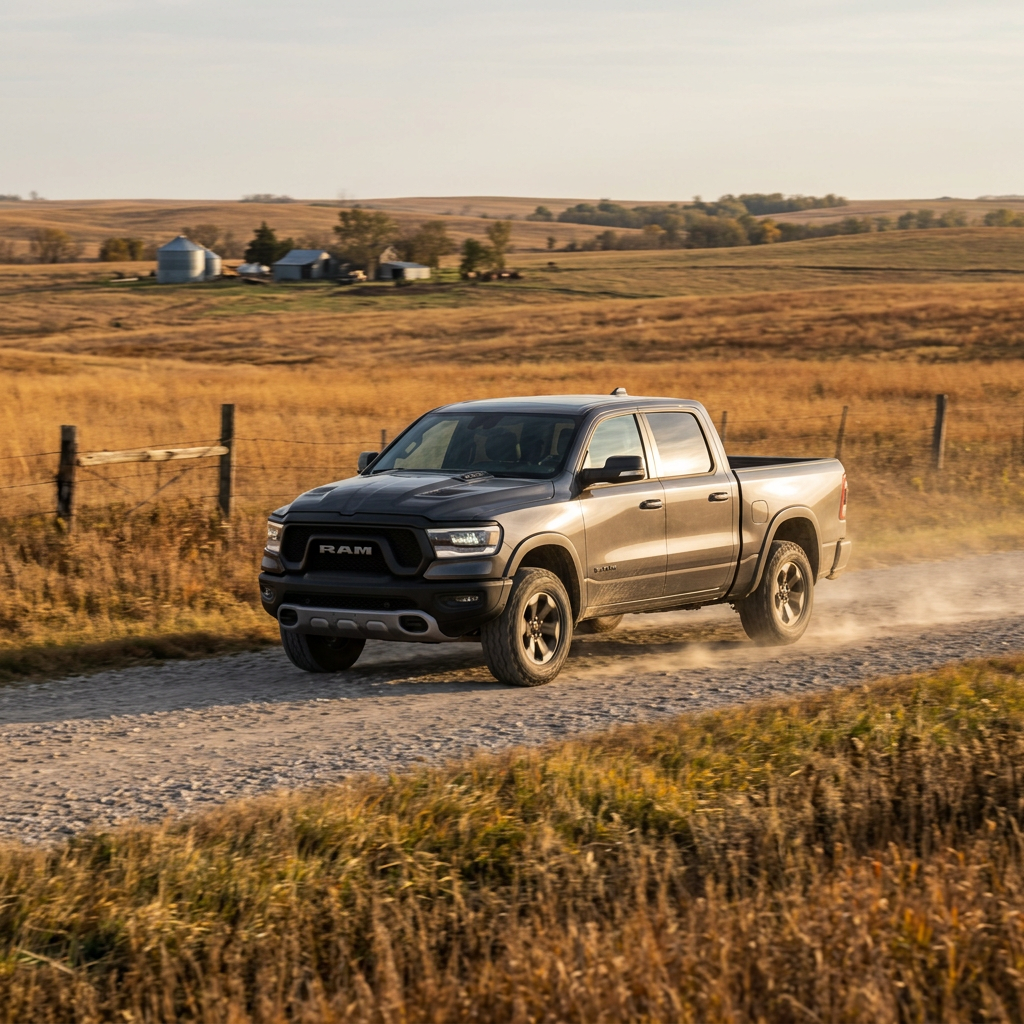
How Reliable Is the RAM 1500 Over the Long Haul? A properly maintained Ram 1500 routinely reaches 150,000 to 200,000 miles without catastrophic mechanical failure, provided owners adhere strictly to fluid service intervals and address chassis wear promptly. Long-term durability centers on disciplined upkeep: changing engine oil every 5,000 to 7,500 miles, servicing transmission fluid by 60,000 miles, replacing spark plugs around 100,000 miles, and keeping the cooling system clean. While suspension bushings, exhaust manifold hardware, and complex interior electronics require attention as mileage climbs, the underlying structural frame and core drivelines remain exceptionally durable workhorses. In my 20 years managing dealership operations, the trucks that make it past the 150,000-mile mark without major headaches share a clear service history. Full-size pickups face a punishing mix of heavy payload hauling, seasonal temperature swings, and daily commuting. The multi-link rear coil suspension and high-strength steel frame handle rough pavement and gravel washboards with remarkable composure, resisting the frame fatigue and body sag common in older leaf-sprung trucks. Long-term cost of ownership depends heavily on catching minor wear before it cascades into driveline damage. Front-end ball joints, tie-rod ends, and wheel bearings typically need inspection around 80,000 to 100,000 miles, especially if your truck spends time navigating rough agricultural access trails or rocky construction sites. Addressing differential fluid changes and transfer case flushes on four-wheel-drive models prevents expensive component binding down the road. If you want our factory-trained technicians to evaluate a high-mileage truck or inspect a driveline, you can schedule a visit at our service center or give our team (785) 238-5114 a quick call. We can pull full vehicle health reports, check for open technical service bulletins, and ensure your maintenance schedule matches your actual working conditions. Table of Contents What Powertrain Changes and Known Wear Points Should Owners Expect? What Are the Maximum Towing and Payload Capacities of the Ram 1500? Which Towing Safety Features Protect Your Cargo and Trailer on the Road? How Do Four-Wheel Drive, Towing, and Driving Habits Impact Real-World MPG? Do Higher Trim Levels Significantly Increase Long-Term Ownership and Repair Costs? What Does Local Ram 1500 Pricing and Included Service Coverage Look Like in Junction City? What Powertrain Changes and Known Wear Points Should Owners Expect? Modern Ram 1500 powertrains present distinct long-term maintenance profiles, ranging from the time-tested 3.6-liter Pentastar V6 with eTorque to the modern 3.0-liter Hurricane twin-turbo inline-six and returning 5.7-liter HEMI V8 configurations. For 2027, the returning HEMI eliminates the 48-volt eTorque mild-hybrid setup to simplify electrical architecture, but long-term owners must still watch for traditional HEMI wear points, specifically warped exhaust manifolds, broken manifold bolts, and eventual camshaft or lifter tick if oil changes are neglected. The 3.0-liter Hurricane twin-turbo inline-six delivers an impressive 420 hp in standard-output trim and 540 hp in high-output form, channeling power through an eight-speed automatic transmission. Because twin-turbocharged engines generate substantial thermal load, oil quality is paramount. The dual turbochargers rely on clean engine oil for bearing cooling and lubrication; stretching oil intervals past 7,500 miles on a Hurricane engine risks premature turbocharger bearing coking and wastegate actuator wear. Factory warranty coverage represents another critical pivot point for long-term buyers. Qualifying 2026 models feature a manufacturer-backed 10-year/100,000-mile powertrain warranty for the original retail owner, paired with a 3-year/36,000-mile basic warranty. Industry reports indicate 2027 models revert to the traditional 5-year/60,000-mile powertrain warranty. That difference matters if you plan to finance over six or seven years, as the 2026 coverage protects expensive engine and driveline internals well past the loan payoff date. Keeping an eye on factory recalls also prevents unexpected roadside headaches. NHTSA recall report 26V622 covers specific front-seat wiring connections on certain 2026 builds, while NHTSA recall report 26V623 addresses faulty tire-pressure monitoring sensors. Drivers evaluating these powertrain updates can browse our new-vehicle inventory to compare current engine options, factory window stickers, and active warranty terms directly. What Are the Maximum Towing and Payload Capacities of the Ram 1500? When properly configured, the Ram 1500 delivers a maximum towing capacity of 11,610 pounds and a peak payload capacity of 2,300 pounds. Actual ratings vary significantly across the lineup depending on cab configuration, bed length, axle gear ratio, and powertrain selection. Tradesman and Big Horn Quad Cab configurations equipped with rear-wheel drive and the standard-output Hurricane engine yield the highest payload ratings, whereas luxurious crew-cab models loaded with panoramic roofs and power running boards carry lower available payload due to their heavier curb weight. Understanding the difference between gross vehicle weight ratings and published brochure maximums keeps your truck operating within safe mechanical limits. Every pound of aftermarket steel bumpers, bed caps, tools, and passengers reduces your remaining payload capacity directly. When towing a heavy bumper-pull livestock trailer or travel camper, roughly 10 to 15 percent of the trailer weight rests on the hitch as tongue weight, which subtracts straight from the truck's cargo payload. Exceeding payload or towing limits places extreme stress on the rear axle housing, transmission planetary gearsets, and cooling modules. Overloaded trucks run at elevated transmission fluid temperatures, which degrade friction clutches and hardens rubber seals prematurely. Checking the tire and loading information placard on the driver-side B-pillar gives you the exact certified payload capacity for that specific VIN. If you are hunting for a dependable work rig capable of pulling utility trailers without paying new-truck sticker prices, exploring our pre-owned vehicle selection allows you to review certified capacities and equipment packages across various model years. Matching your equipment to your actual trailer weight is the single best way to ensure long-term mechanical survival. Which Towing Safety Features Protect Your Cargo and Trailer on the Road? The Ram 1500 integrates an advanced suite of active trailering technologies engineered to stabilize heavy loads, eliminate blind spots, and simplify low-speed maneuvering. Key built-in systems include Trailer Reverse Steering Control, Blind-Spot Monitoring with Trailer Coverage, an integrated trailer brake controller, and dynamic hitch-alignment camera gridlines. Together, these systems reduce driver fatigue and prevent trailer jackknifing during demanding hauls. Trailer Reverse Steering Control removes the guesswork from backing into tight boat ramps or loading docks. Rather than counter-steering the wheel, the driver turns a center-console rotary knob in the direction they want the trailer to travel, while automated steering actuators guide the front wheels. Meanwhile, Blind-Spot Monitoring automatically senses the length of the trailer behind you after a few turns, extending side radar protection zones all the way to the trailer bumper without manual calibration. Structural stability under tow begins with vehicle design. In testing documented by safety organizations, the Ram 1500 Crew Cab earned an overall four-star safety rating from the NHTSA, including five stars in side-impact evaluations. In IIHS testing, the platform scored Good in small-overlap frontal and updated side crash assessments, while registering an Acceptable headlight rating and a Poor score in the updated moderate-overlap front barrier test. Before hitching a heavy trailer, verify that your safety chains are crossed, emergency breakaway batteries are charged, and your electric brake gain is dialed in for the trailer's loaded weight. If you want to upgrade your current pickup to a model equipped with factory tow packages, you can evaluate your trade-in online to see how your current vehicle's equity offsets the transition. How Do Four-Wheel Drive, Towing, and Driving Habits Impact Real-World MPG? Equipping a Ram 1500 with four-wheel drive reduces overall fuel economy by 1 to 2 mpg compared to a rear-wheel-drive configuration due to rotating drivetrain mass, front differential drag, and an added curb weight of roughly 250 pounds. While a standard-output Hurricane truck returns an EPA-estimated 18 mpg city / 24 mpg highway in two-wheel-drive trim, engaging 4WD or pulling a heavy utility trailer brings real-world consumption down into the 10 to 14 mpg range depending on wind resistance and terrain. Driving style dictates fuel consumption far more than most truck owners realize. Rapid throttle tip-in spools the twin turbochargers instantly, dumping additional fuel into the cylinders to meet high torque demands. Maintaining a steady highway cruising speed of 65 mph rather than 75 mph can improve long-term fuel efficiency by as much as 3 to 4 mpg across empty highway runs. Elevated road grades and aerodynamic drag compound fuel burn when towing boxy travel trailers. For commuters making daily highway runs near Manhattan, where strong crosswinds and rolling Flint Hills terrain create constant aerodynamic resistance, locking out higher overdrive gears helps keep the transmission from hunting while managing cooling temperatures. Planning for monthly operating costs is an essential part of pickup ownership. If you are structuring your monthly vehicle budget around fuel and payment numbers, you can apply for pre-approval online to explore transparent financing options that align with your travel habits. Do Higher Trim Levels Significantly Increase Long-Term Ownership and Repair Costs? Opting for luxury trims like the Limited or Tungsten significantly increases long-term out-of-warranty ownership costs compared to work-oriented Tradesman or Big Horn models. Top-tier trims replace standard coil springs with Active-Level Four-Corner Air Suspension, install power-deployable side steps, and pack the cabin with multi-screen infotainment displays and a 23-speaker Klipsch audio system. While these features deliver first-class comfort, pneumatic air bladders, height sensors, and complex touchscreen control modules represent common failure points past 100,000 miles. Air suspension systems are particularly sensitive to cold winter weather, road grime, and moisture buildup inside the pneumatic compressor lines. Replacing dried-out air springs or a burned-out valve block down the road costs considerably more than swapping out standard twin-tube shock absorbers and steel coil springs. Similarly, power running boards frequently suffer from motor seizure if salt and gravel collect inside the pivot linkages. For owners prioritizing pure utility and minimal maintenance overhead, the Big Horn and Tradesman trims strike the ideal sweet spot. They retain the robust steel frame, durable mechanical transfer case, and dependable multi-link rear suspension while bypassing the high-dollar electronic modules that drive up repair bills on aging luxury pickups. Routine upkeep prevents premature component degradation across all trim tiers. You can book scheduled maintenance through our online service scheduler or order replacement filters and mechanical hardware directly through our parts department to keep your truck running with genuine MOPAR components. What Does Local Ram 1500 Pricing and Included Service Coverage Look Like in Junction City? A well-equipped 2027 Ram 1500 Big Horn Crew Cab 4x4 in our current showroom inventory carries an MSRP of $65,499, presenting an exceptional balance of modern power and family comfort. Powered by the 420-hp Hurricane 3.0-liter twin-turbo inline-six, this featured truck (stock #27DT09) finished in Forged Blue Metallic includes factory equipment like an 8-way power driver seat, MOPAR tubular side steps, all-weather rubber floor mats, a 9-speaker audio system with subwoofer, and the MyFlexCare Service Plan. Bundled maintenance programs like MyFlexCare soften long-term ownership costs by covering initial factory-recommended oil changes and comprehensive safety inspections. That pre-arranged maintenance support helps owners establish reliable service routines right from day one, protecting mechanical components and preserving trade-in resale value. Drivers who commute across rural stretches and river valley roads near Junction City require trucks built with genuine structural integrity. The combination of an active transfer case, high-strength box frame, and comfortable crew-cab seating makes the Big Horn a dependable partner for hauling gear to the lake or pulling equipment across local job sites. To review window stickers, inspect powertrain configurations, and test out cabin technology in person, visit our showroom at 1825 Goldenbelt Blvd or speak with our sales staff by calling (785) 238-5114. Our team is ready to walk you through long-term ownership details and help you find the right pickup for your towing and driving needs. © 2026 Valor CDJR. All rights reserved.

Jeep Cherokee Maintenance Costs: What 2026 Buyers Need to Know

Jeep Cherokee Maintenance Costs: What 2026 Buyers Need to Know

Jeep Cherokee Maintenance Costs: What 2026 Buyers Need to Know New Jeep Cherokee models from the 2026 model year onward transition complimentary routine upkeep into the factory-backed FlexCare Vehicle Protection Program, whereas preceding 2021 through 2025 model years received factory-covered oil changes and tire rotations through Jeep Wave. We sat down with Jace Grabouski, General Manager at Valor CDJR, whose 20 years of automotive leadership offer clear insight into what crossover owners can expect over five to ten years of driving. Q: Jace, does Jeep offer complimentary scheduled maintenance for new Cherokee buyers? A: Factory-sponsored complimentary scheduled upkeep depends entirely on the model year of your crossover. Jeep Wave previously covered the first two oil changes and tire rotations across the initial 24 months of ownership for vehicles purchased between model years 2021 and 2025. That legacy enrollment remains active for owners still inside their contract window, backed by trip interruption benefits up to $1,000 and same-day rental allowances. Beginning with the 2026 model year, the manufacturer transitioned vehicle upkeep coverage to the official FlexCare Vehicle Protection Program rather than standard Jeep Wave inclusion. FlexCare provides factory-backed prepaid service plans and mechanical service contracts that can help owners budget for routine maintenance. Buyers planning a purchase can get pre-approved online before coming in to choose an upkeep program that matches their personal driving habits. Every new 2026 Cherokee comes with standard factory warranty coverage, including a 3-year/36,000-mile basic warranty and a 5-year/60,000-mile powertrain warranty. Roadside assistance covers 5 years or 60,000 miles, delivering manufacturer-backed support through Chrysler, Dodge, Jeep, Ram Roadside Assistance: 1-800-521-2779. Drivers wanting to map out long-term ownership costs can get turn-by-turn directions to our Junction City showroom at 1825 Goldenbelt Blvd or connect with our desk directly at (785) 238-5114. Q: What is the average annual maintenance and repair cost for a Jeep Cherokee? A: Industry data compiled by RepairPal shows the average annual maintenance and unscheduled repair expense for a Jeep Cherokee sits at approximately $520. That figure comes in comfortably below the $652 annual average across all automotive nameplates and aligns neatly with the $521 compact crossover baseline. RepairPal awards the vehicle a reliability score of 4.0 out of 5.0, ranking it 9th among 26 compact crossovers. Our service logs show that unscheduled shop visits occur roughly 0.2 times per year, beating the compact crossover segment norm of 0.3 visits. Severe mechanical issues account for only 12 percent of total repairs, meaning major component breakdowns remain infrequent when basic service intervals are respected. Sticking to scheduled factory fluids and routine inspections keeps those yearly expenses completely manageable. Drivers looking to stay ahead of scheduled service appointments can access our online service scheduling tool at any time. Our dedicated parts department supplies genuine Mopar filters, synthetic lubricants, and mechanical hardware engineered specifically for your driveline. If you are comparing operating costs against previous generations, our lot offers a wide selection of inspected pre-owned inventory with full maintenance histories ready for review. Q: What should owners budget for long-term upkeep over five to ten years? A: Five-year baseline upkeep and routine component replacements typically range between $2,500 and $3,500, while ten-year ownership projections average between $10,200 and $10,500. During the initial five-year stretch, most out-of-pocket costs involve standard oil changes, cabin air filters, tire replacements, and brake pads. The factory powertrain warranty handles major mechanical repairs during the initial 60,000 miles. "A well-maintained driveline keeps ownership expenses predictable because scheduled preventative care always costs less than emergency mechanical repairs." Between years six and ten, mechanical wear items such as suspension struts, accessory drive belts, coolant flushes, and driveline fluids enter the picture. Long-term actuarial studies show a 31 percent probability of an unscheduled repair exceeding $500 once a vehicle passes the ten-year threshold. Owners navigating changing family needs or looking to upgrade before milestone services come due can easily value their trade-in online to see their current equity position. Q: How do long-term maintenance expenses compare between the Cherokee and the Subaru Outback? A: Across a typical five-year ownership cycle, scheduled maintenance and minor repairs for a Cherokee average around $3,100, compared to roughly $2,800 for a Subaru Outback. The slight variance stems primarily from the Cherokee's heavy-duty drivetrain components and mechanical four-wheel-drive hardware, which require specialized fluid capacities to support serious towing and trail capabilities. While the Outback utilizes a standard symmetrical all-wheel-drive system paired with a boxer engine, the Cherokee delivers a maximum towing rating of 3,500 lbs, allowing owners to haul utility trailers, fishing boats, or small campers with ease. The Cherokee also features an intelligent mechanical rear-axle disconnect that decouples the rear driveline during steady highway cruising, reducing mechanical drag and optimizing overall efficiency. Owners who take their crossover through the rough Flint Hills terrain surrounding Manhattan appreciate that extra driveline strength. The marginally higher fluid and mechanical service costs over five years translate directly into genuine mechanical durability, higher tow ratings, and authentic off-road protection that light-duty crossovers simply do not provide. Q: What does the starting price and trim structure look like for the new generation? A: The redesigned Cherokee lineup begins with the Cherokee HEV 4X4 at a base MSRP of $35,000, stepping up through versatile mid-level and luxury editions that top out with the Overland HEV 4X4 at a base MSRP of $43,000. Every trim in the lineup carries a standard destination charge of $1,995. Prices shown are base MSRP and destination charge only; taxes, title, registration, fees, and optional equipment may apply and are subject to change. Standard power comes from a turbocharged 1.6-liter four-cylinder hybrid powertrain delivering 210 hp through a continuously variable automatic transmission and four-wheel drive. Shoppers can explore the Laredo HEV 4X4 at a base MSRP of $38,000, the Limited HEV 4X4 at a base MSRP of $40,000, the Limited Altitude HEV 4X4 at a base MSRP of $40,595, and the distinctive 85th Anniversary Edition HEV 4X4 with a base MSRP of $40,905. This hybrid configuration earns an EPA-estimated 39 mpg city / 35 hwy and 37 mpg combined, offering five-passenger seating and about 34 cubic feet of cargo room behind the rear bench. Families who want to review specific configurations, factory packages, and standard active driver assists can view our current new vehicle inventory directly on our website. Every trim delivers exceptional utility, refined road manners, and robust four-wheel-drive capability engineered for daily commutes and weekend road trips alike. Q: How much trail clearance and underbody protection does the off-road Trailhawk trim provide? A: The specialized Trailhawk package provides up to 8.7 inches of running ground clearance, pairing a factory one-inch suspension lift with tuned off-road dampers. Standard high-strength steel skid plates shield the engine oil pan, fuel tank, and transfer case from rocks, stumps, and jagged trail debris. Distinctive front and rear fascia designs optimize approach and departure angles for steep trail crests. Mechanical capability receives a major boost through a specialized four-wheel-drive system that incorporates a two-speed transfer case with low range and a locking rear differential. Standard all-terrain tires, heavy-duty cooling components, and signature red recovery tow hooks complete the Trailhawk equipment group. That mechanical clearance and steel underbody armor significantly reduce the risk of costly trail damage when venturing off paved highways. Instead of puncturing fluid pans or bending vital steering linkages on hidden obstacles, the protective plating deflects trail hazards, preserving your vehicle's mechanical integrity and lowering unscheduled repair costs. Q: Which scheduled maintenance intervals are most critical for controlling lifetime operating expenses? A: Consistently completing the 30,000-, 60,000-, and 100,000-mile factory service milestones is one of the best ways to help reduce the risk of costly mechanical repairs over the life of your vehicle. The 30,000-mile visit focuses on brake fluid exchanges, cabin air filtration, and thorough suspension inspections. At 60,000 miles, technicians service differential fluids, inspect drive belts, and evaluate transfer case lubricants, which protects the complex gearing inside your four-wheel-drive system. Reaching 100,000 miles calls for fresh spark plugs, engine coolant flushes, transmission fluid inspections, and timing drive verifications. Routine oil and filter services should occur every 7,500 to 10,000 miles based on the vehicle's automatic oil life monitor, though heavy towing or dusty gravel driving often warrants shorter intervals. Following the maintenance schedule outlined in your owner's manual ensures small wear items are caught before they turn into major system failures. Our certified technicians understand how regional temperature shifts and road conditions across Riley County impact vehicle longevity. When you are ready to set up a personalized long-term care plan, schedule an appointment, or stop by to inspect our full SUV lineup, use our simple map to find our service center in Junction City or give our service desk a quick call to get started. 2026 Jeep Cherokee Pricing Pricing by trim Feature 85th Anniversary Edition HEV 4X4 Cherokee HEV 4X4 Laredo HEV 4X4 Limited Altitude HEV 4X4 Limited HEV 4X4 Overland HEV 4X4 Base MSRP $40,905 $35,000 $38,000 $40,595 $40,000 $43,000 Prices shown are base MSRP only and exclude taxes, title, license, fees, and optional equipment. Pricing may change without notice. | Destination charge | $1,995 | $1,995 | $1,995 | $1,995 | $1,995 | $1,995 | © 2026 Valor CDJR. All rights reserved. Vehicle specification data © JATO Dynamics Limited.