




How Reliable Is the RAM 1500 Over the Long Haul?
A properly maintained Ram 1500 routinely reaches 150,000 to 200,000 miles without catastrophic mechanical failure, provided owners adhere strictly to fluid service intervals and address chassis wear promptly. Long-term durability centers on disciplined upkeep: changing engine oil every 5,000 to 7,500 miles, servicing transmission fluid by 60,000 miles, replacing spark plugs around 100,000 miles, and keeping the cooling system clean. While suspension bushings, exhaust manifold hardware, and complex interior electronics require attention as mileage climbs, the underlying structural frame and core drivelines remain exceptionally durable workhorses.
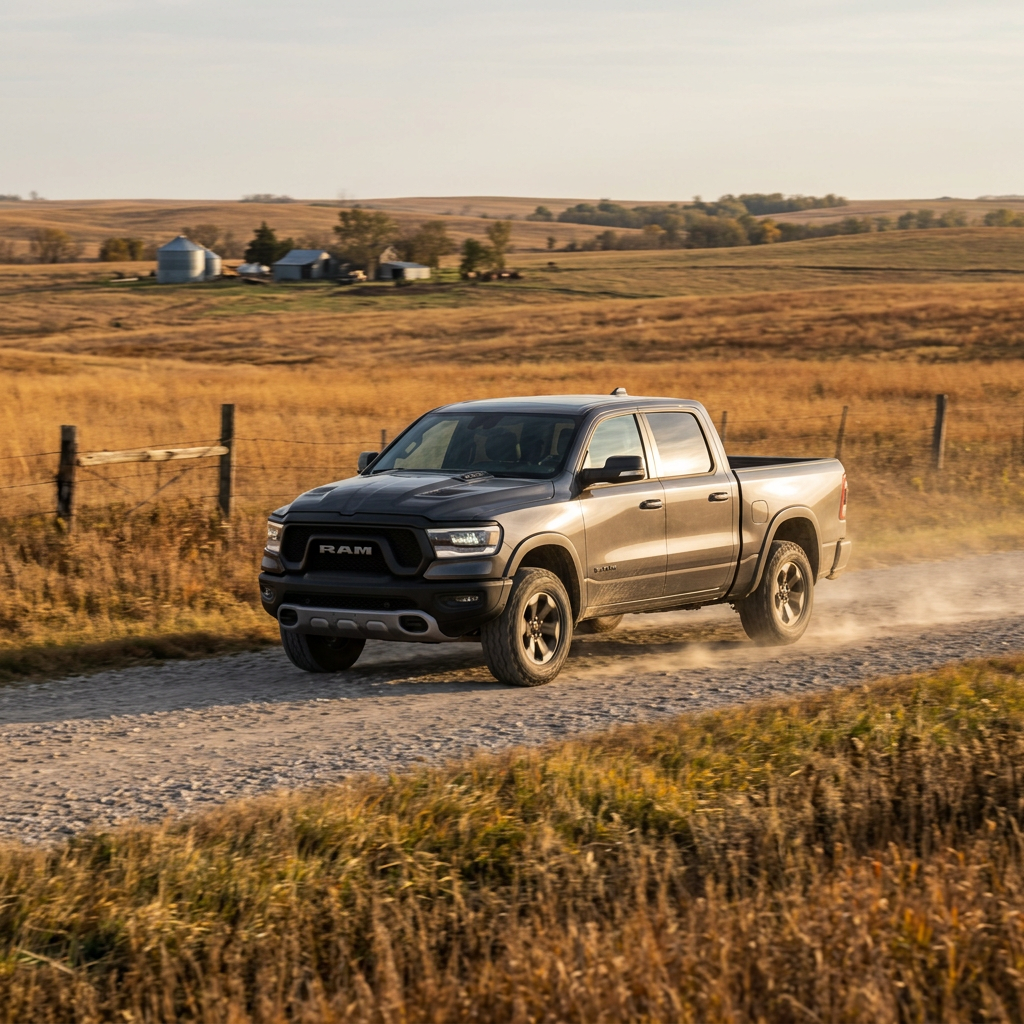
In my 20 years managing dealership operations, the trucks that make it past the 150,000-mile mark without major headaches share a clear service history. Full-size pickups face a punishing mix of heavy payload hauling, seasonal temperature swings, and daily commuting. The multi-link rear coil suspension and high-strength steel frame handle rough pavement and gravel washboards with remarkable composure, resisting the frame fatigue and body sag common in older leaf-sprung trucks.
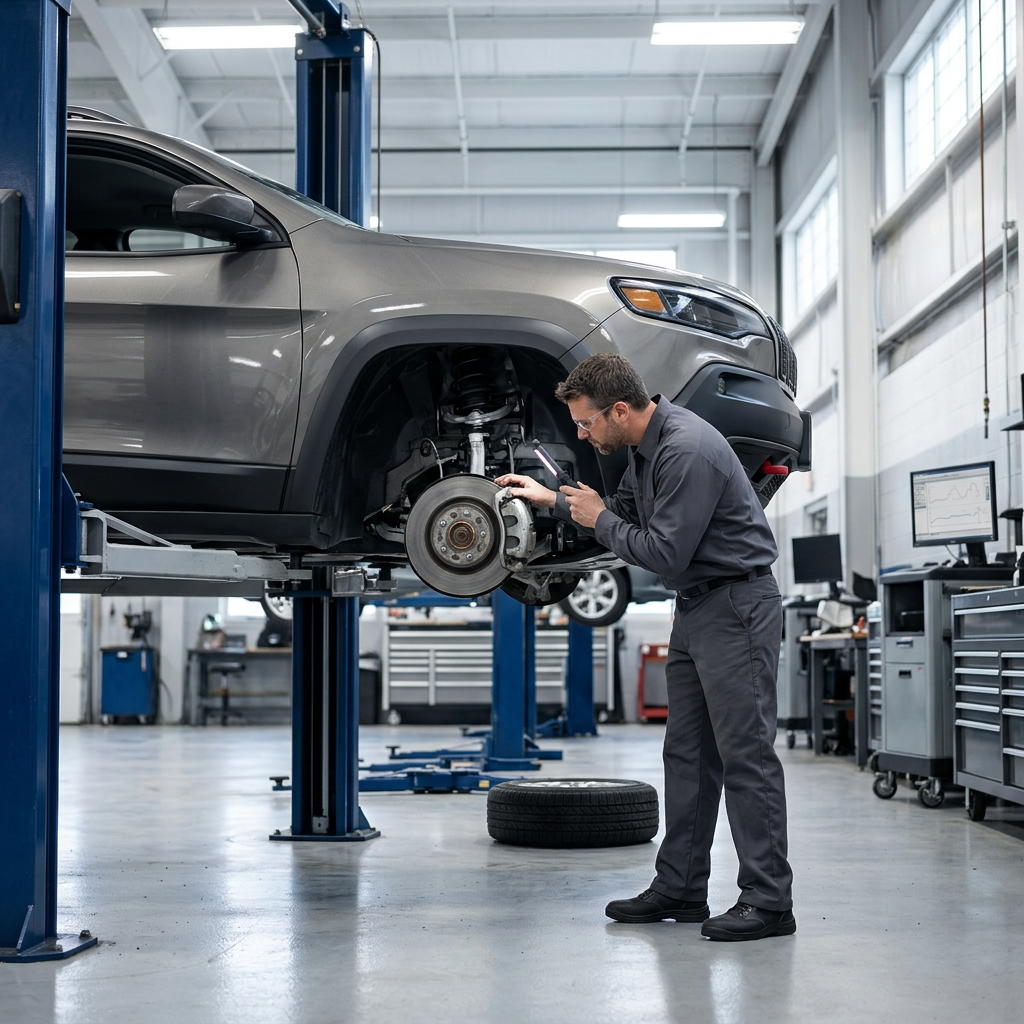
Long-term cost of ownership depends heavily on catching minor wear before it cascades into driveline damage. Front-end ball joints, tie-rod ends, and wheel bearings typically need inspection around 80,000 to 100,000 miles, especially if your truck spends time navigating rough agricultural access trails or rocky construction sites. Addressing differential fluid changes and transfer case flushes on four-wheel-drive models prevents expensive component binding down the road.
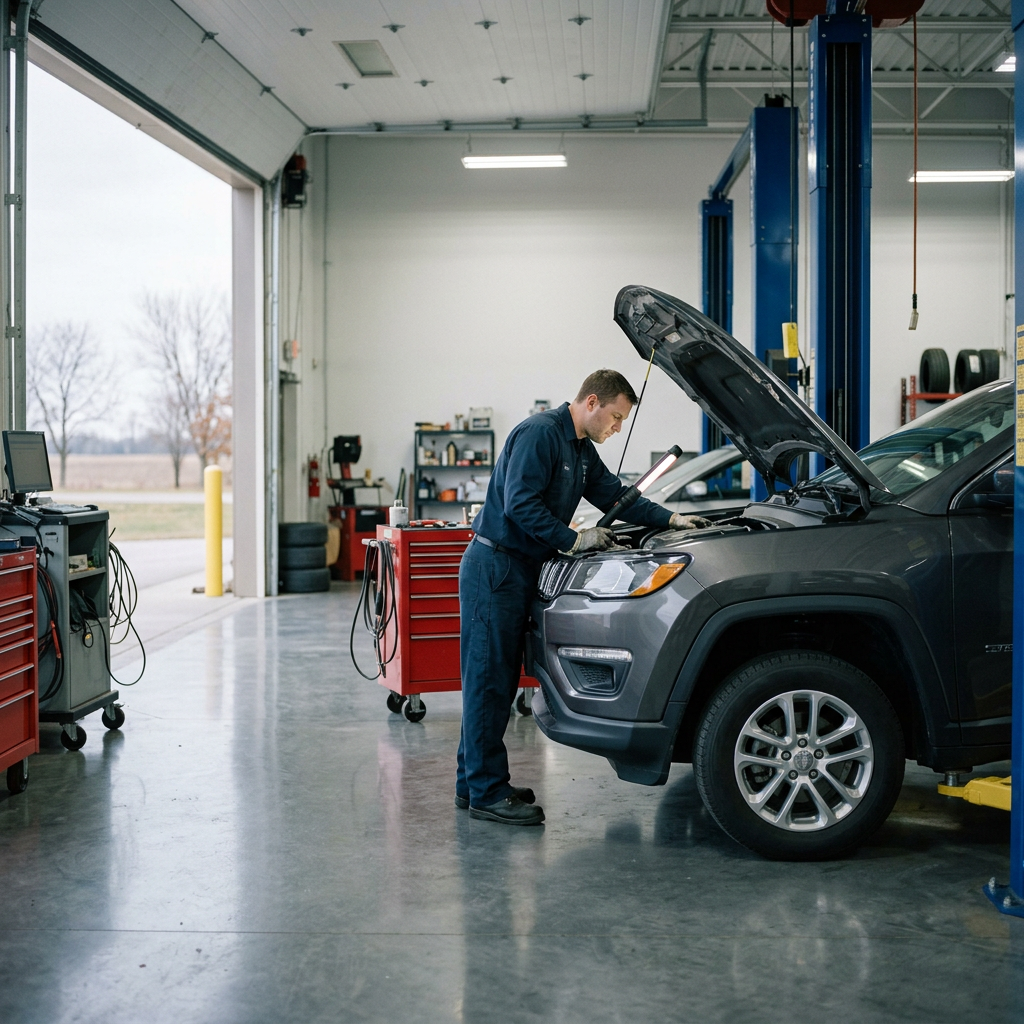
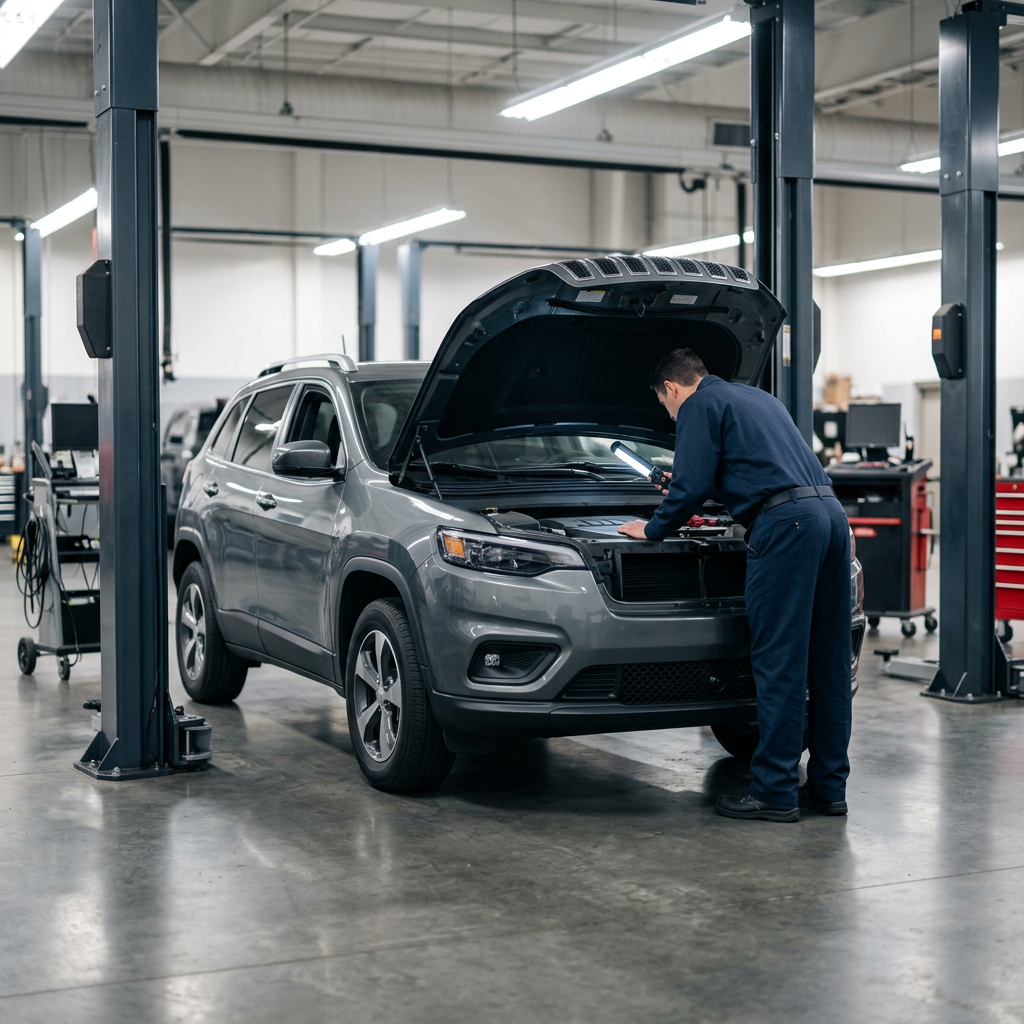
If you want our factory-trained technicians to evaluate a high-mileage truck or inspect a driveline, you can schedule a visit at our service center or give our team (785) 238-5114 a quick call. We can pull full vehicle health reports, check for open technical service bulletins, and ensure your maintenance schedule matches your actual working conditions.
Table of Contents
- What Powertrain Changes and Known Wear Points Should Owners Expect?
- What Are the Maximum Towing and Payload Capacities of the Ram 1500?
- Which Towing Safety Features Protect Your Cargo and Trailer on the Road?
- How Do Four-Wheel Drive, Towing, and Driving Habits Impact Real-World MPG?
- Do Higher Trim Levels Significantly Increase Long-Term Ownership and Repair Costs?
- What Does Local Ram 1500 Pricing and Included Service Coverage Look Like in Junction City?
What Powertrain Changes and Known Wear Points Should Owners Expect?
Modern Ram 1500 powertrains present distinct long-term maintenance profiles, ranging from the time-tested 3.6-liter Pentastar V6 with eTorque to the modern 3.0-liter Hurricane twin-turbo inline-six and returning 5.7-liter HEMI V8 configurations. For 2027, the returning HEMI eliminates the 48-volt eTorque mild-hybrid setup to simplify electrical architecture, but long-term owners must still watch for traditional HEMI wear points, specifically warped exhaust manifolds, broken manifold bolts, and eventual camshaft or lifter tick if oil changes are neglected.
The 3.0-liter Hurricane twin-turbo inline-six delivers an impressive 420 hp in standard-output trim and 540 hp in high-output form, channeling power through an eight-speed automatic transmission. Because twin-turbocharged engines generate substantial thermal load, oil quality is paramount. The dual turbochargers rely on clean engine oil for bearing cooling and lubrication; stretching oil intervals past 7,500 miles on a Hurricane engine risks premature turbocharger bearing coking and wastegate actuator wear.
Factory warranty coverage represents another critical pivot point for long-term buyers. Qualifying 2026 models feature a manufacturer-backed 10-year/100,000-mile powertrain warranty for the original retail owner, paired with a 3-year/36,000-mile basic warranty. Industry reports indicate 2027 models revert to the traditional 5-year/60,000-mile powertrain warranty. That difference matters if you plan to finance over six or seven years, as the 2026 coverage protects expensive engine and driveline internals well past the loan payoff date.
Keeping an eye on factory recalls also prevents unexpected roadside headaches. NHTSA recall report 26V622 covers specific front-seat wiring connections on certain 2026 builds, while NHTSA recall report 26V623 addresses faulty tire-pressure monitoring sensors. Drivers evaluating these powertrain updates can browse our new-vehicle inventory to compare current engine options, factory window stickers, and active warranty terms directly.
What Are the Maximum Towing and Payload Capacities of the Ram 1500?
When properly configured, the Ram 1500 delivers a maximum towing capacity of 11,610 pounds and a peak payload capacity of 2,300 pounds. Actual ratings vary significantly across the lineup depending on cab configuration, bed length, axle gear ratio, and powertrain selection. Tradesman and Big Horn Quad Cab configurations equipped with rear-wheel drive and the standard-output Hurricane engine yield the highest payload ratings, whereas luxurious crew-cab models loaded with panoramic roofs and power running boards carry lower available payload due to their heavier curb weight.
Understanding the difference between gross vehicle weight ratings and published brochure maximums keeps your truck operating within safe mechanical limits. Every pound of aftermarket steel bumpers, bed caps, tools, and passengers reduces your remaining payload capacity directly. When towing a heavy bumper-pull livestock trailer or travel camper, roughly 10 to 15 percent of the trailer weight rests on the hitch as tongue weight, which subtracts straight from the truck's cargo payload.
Exceeding payload or towing limits places extreme stress on the rear axle housing, transmission planetary gearsets, and cooling modules. Overloaded trucks run at elevated transmission fluid temperatures, which degrade friction clutches and hardens rubber seals prematurely. Checking the tire and loading information placard on the driver-side B-pillar gives you the exact certified payload capacity for that specific VIN.
If you are hunting for a dependable work rig capable of pulling utility trailers without paying new-truck sticker prices, exploring our pre-owned vehicle selection allows you to review certified capacities and equipment packages across various model years. Matching your equipment to your actual trailer weight is the single best way to ensure long-term mechanical survival.
Which Towing Safety Features Protect Your Cargo and Trailer on the Road?
The Ram 1500 integrates an advanced suite of active trailering technologies engineered to stabilize heavy loads, eliminate blind spots, and simplify low-speed maneuvering. Key built-in systems include Trailer Reverse Steering Control, Blind-Spot Monitoring with Trailer Coverage, an integrated trailer brake controller, and dynamic hitch-alignment camera gridlines. Together, these systems reduce driver fatigue and prevent trailer jackknifing during demanding hauls.
Trailer Reverse Steering Control removes the guesswork from backing into tight boat ramps or loading docks. Rather than counter-steering the wheel, the driver turns a center-console rotary knob in the direction they want the trailer to travel, while automated steering actuators guide the front wheels. Meanwhile, Blind-Spot Monitoring automatically senses the length of the trailer behind you after a few turns, extending side radar protection zones all the way to the trailer bumper without manual calibration.
Structural stability under tow begins with vehicle design. In testing documented by safety organizations, the Ram 1500 Crew Cab earned an overall four-star safety rating from the NHTSA, including five stars in side-impact evaluations. In IIHS testing, the platform scored Good in small-overlap frontal and updated side crash assessments, while registering an Acceptable headlight rating and a Poor score in the updated moderate-overlap front barrier test.
Before hitching a heavy trailer, verify that your safety chains are crossed, emergency breakaway batteries are charged, and your electric brake gain is dialed in for the trailer's loaded weight. If you want to upgrade your current pickup to a model equipped with factory tow packages, you can evaluate your trade-in online to see how your current vehicle's equity offsets the transition.
How Do Four-Wheel Drive, Towing, and Driving Habits Impact Real-World MPG?
Equipping a Ram 1500 with four-wheel drive reduces overall fuel economy by 1 to 2 mpg compared to a rear-wheel-drive configuration due to rotating drivetrain mass, front differential drag, and an added curb weight of roughly 250 pounds. While a standard-output Hurricane truck returns an EPA-estimated 18 mpg city / 24 mpg highway in two-wheel-drive trim, engaging 4WD or pulling a heavy utility trailer brings real-world consumption down into the 10 to 14 mpg range depending on wind resistance and terrain.
Driving style dictates fuel consumption far more than most truck owners realize. Rapid throttle tip-in spools the twin turbochargers instantly, dumping additional fuel into the cylinders to meet high torque demands. Maintaining a steady highway cruising speed of 65 mph rather than 75 mph can improve long-term fuel efficiency by as much as 3 to 4 mpg across empty highway runs.
Elevated road grades and aerodynamic drag compound fuel burn when towing boxy travel trailers. For commuters making daily highway runs near Manhattan, where strong crosswinds and rolling Flint Hills terrain create constant aerodynamic resistance, locking out higher overdrive gears helps keep the transmission from hunting while managing cooling temperatures.
Planning for monthly operating costs is an essential part of pickup ownership. If you are structuring your monthly vehicle budget around fuel and payment numbers, you can apply for pre-approval online to explore transparent financing options that align with your travel habits.
Do Higher Trim Levels Significantly Increase Long-Term Ownership and Repair Costs?
Opting for luxury trims like the Limited or Tungsten significantly increases long-term out-of-warranty ownership costs compared to work-oriented Tradesman or Big Horn models. Top-tier trims replace standard coil springs with Active-Level Four-Corner Air Suspension, install power-deployable side steps, and pack the cabin with multi-screen infotainment displays and a 23-speaker Klipsch audio system. While these features deliver first-class comfort, pneumatic air bladders, height sensors, and complex touchscreen control modules represent common failure points past 100,000 miles.
Air suspension systems are particularly sensitive to cold winter weather, road grime, and moisture buildup inside the pneumatic compressor lines. Replacing dried-out air springs or a burned-out valve block down the road costs considerably more than swapping out standard twin-tube shock absorbers and steel coil springs. Similarly, power running boards frequently suffer from motor seizure if salt and gravel collect inside the pivot linkages.
For owners prioritizing pure utility and minimal maintenance overhead, the Big Horn and Tradesman trims strike the ideal sweet spot. They retain the robust steel frame, durable mechanical transfer case, and dependable multi-link rear suspension while bypassing the high-dollar electronic modules that drive up repair bills on aging luxury pickups.
Routine upkeep prevents premature component degradation across all trim tiers. You can book scheduled maintenance through our online service scheduler or order replacement filters and mechanical hardware directly through our parts department to keep your truck running with genuine MOPAR components.
What Does Local Ram 1500 Pricing and Included Service Coverage Look Like in Junction City?
A well-equipped 2027 Ram 1500 Big Horn Crew Cab 4x4 in our current showroom inventory carries an MSRP of $65,499, presenting an exceptional balance of modern power and family comfort. Powered by the 420-hp Hurricane 3.0-liter twin-turbo inline-six, this featured truck (stock #27DT09) finished in Forged Blue Metallic includes factory equipment like an 8-way power driver seat, MOPAR tubular side steps, all-weather rubber floor mats, a 9-speaker audio system with subwoofer, and the MyFlexCare Service Plan.
Bundled maintenance programs like MyFlexCare soften long-term ownership costs by covering initial factory-recommended oil changes and comprehensive safety inspections. That pre-arranged maintenance support helps owners establish reliable service routines right from day one, protecting mechanical components and preserving trade-in resale value.
Drivers who commute across rural stretches and river valley roads near Junction City require trucks built with genuine structural integrity. The combination of an active transfer case, high-strength box frame, and comfortable crew-cab seating makes the Big Horn a dependable partner for hauling gear to the lake or pulling equipment across local job sites.
To review window stickers, inspect powertrain configurations, and test out cabin technology in person, visit our showroom at 1825 Goldenbelt Blvd or speak with our sales staff by calling (785) 238-5114. Our team is ready to walk you through long-term ownership details and help you find the right pickup for your towing and driving needs.