




4x4 Low Range Guide: Expert Interview with Valor CDJR
4x4 low range is an auxiliary gear setting inside a four-wheel-drive transfer case that uses secondary planetary gearing to reduce wheel rotation speed while multiplying torque delivered to the axles. This mechanical reduction trades road speed for maximum low-end pulling power and precise vehicle control on treacherous terrain. Today, we sit down with Mike Hogg, Service Director at Valor CDJR, who brings 20 years of hands-on automotive expertise to explain how low-range gearing operates, when to engage it, and how to protect your driveline.
Q: What is 4WD Low range and how does it work?
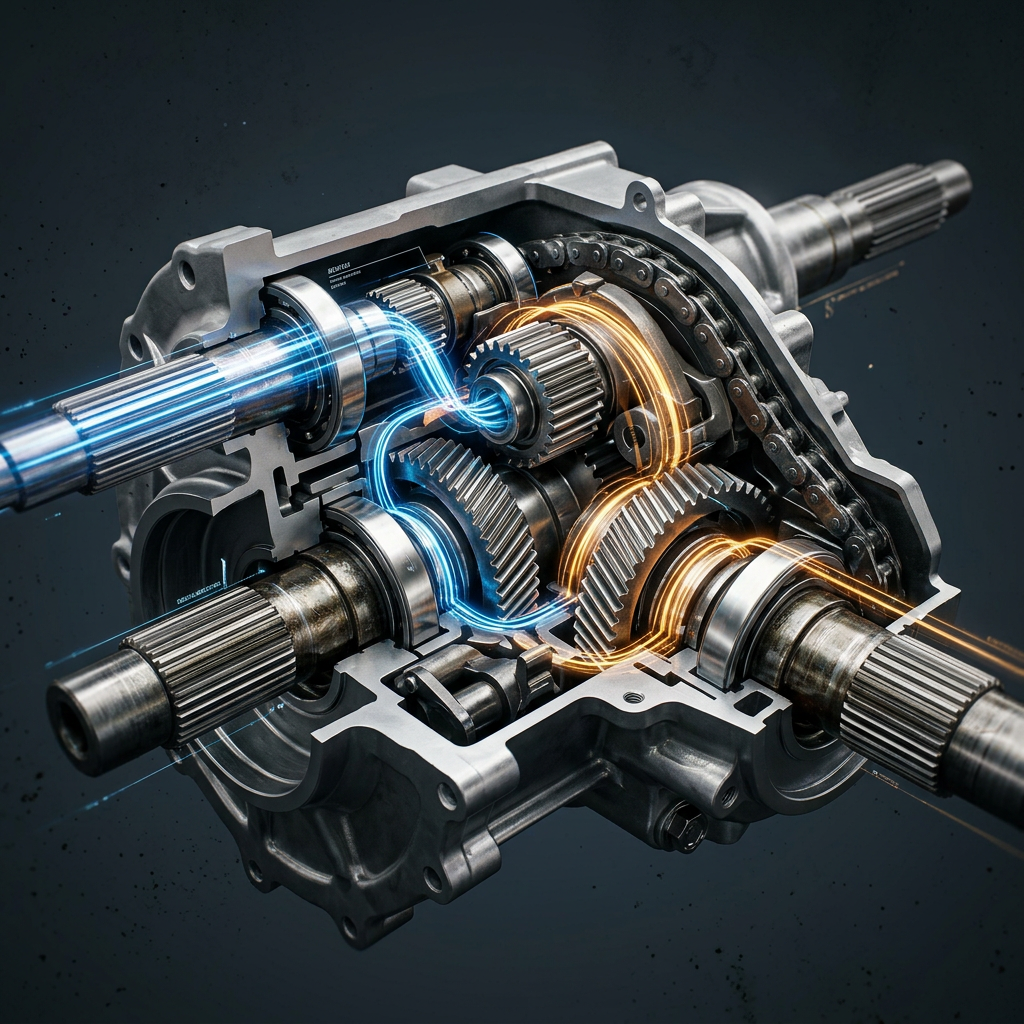
A: 4WD Low range operates by routing engine power through a secondary planetary gear set inside the transfer case to deliver an extra stage of gear reduction before torque reaches the drive shafts. In standard two-wheel drive or four-wheel drive high range, power passes through the transfer case at a direct 1:1 drive ratio or through a high-speed output gear. When you select low range, internal shift forks slide a lock sleeve that forces input torque through planet gears spinning within a stationary ring gear. This mechanical gear set slows shaft rotation while multiplying total engine torque delivered to all four wheels.
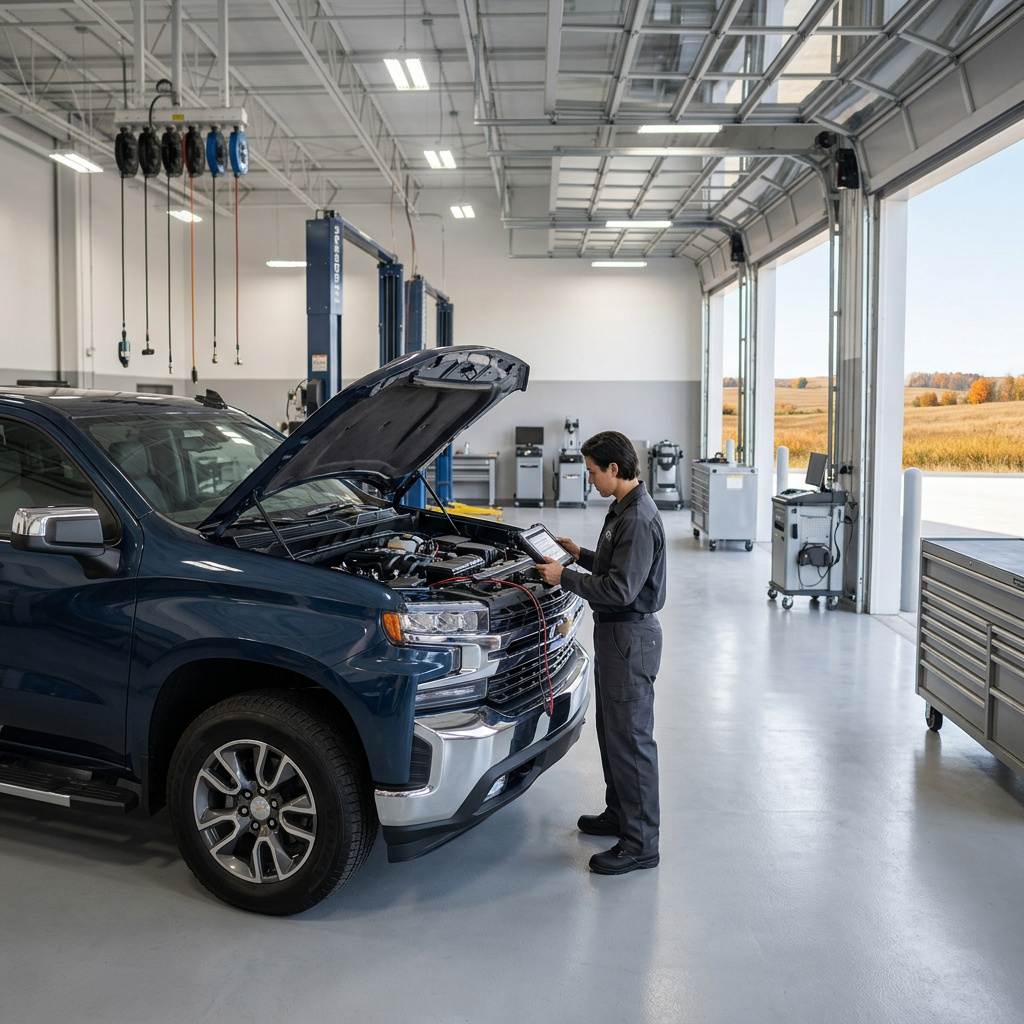
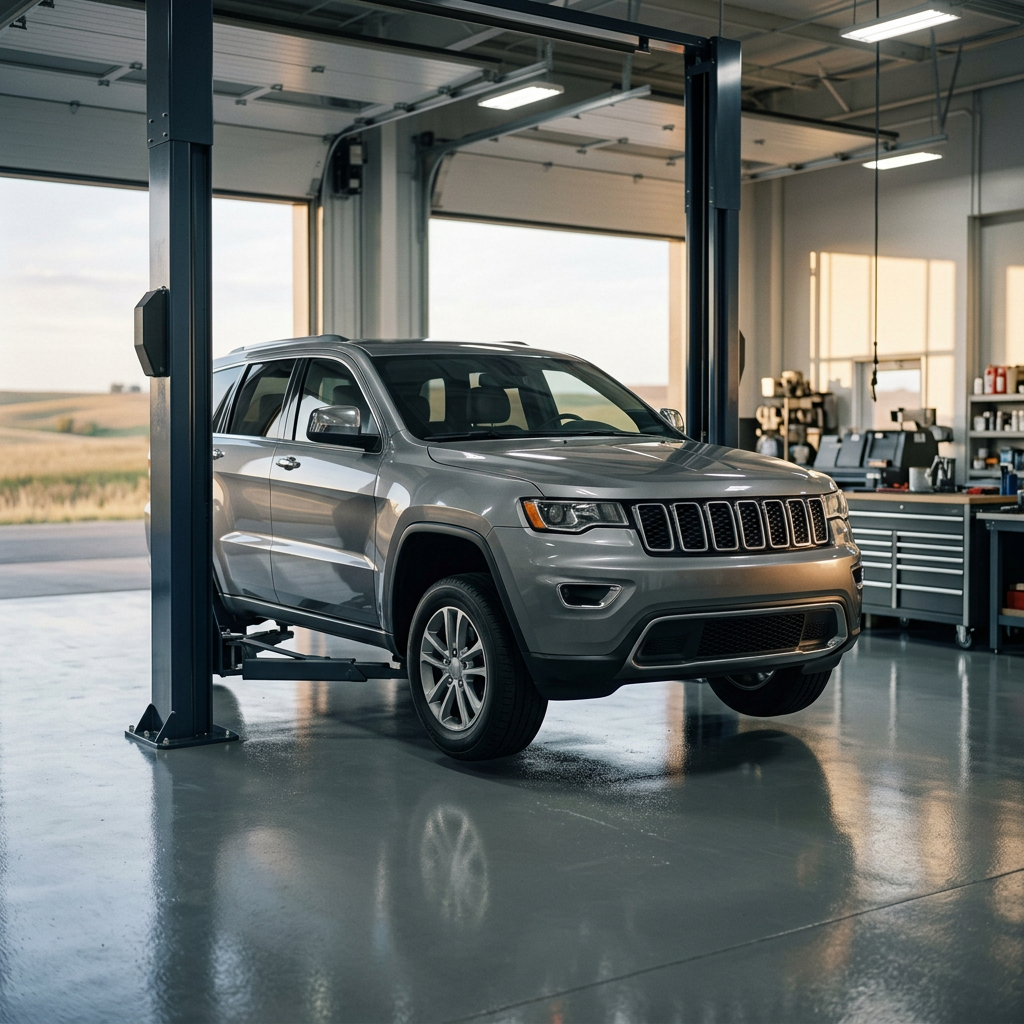
That torque multiplication changes how your vehicle interacts with ground surfaces. By trading rotational wheel speed for raw torque, low range allows your truck or SUV to crawl over obstacles at a walking pace without requiring high engine revs or slipping the clutch or torque converter. This mechanical advantage provides exceptional throttle control over loose gravel, deep mud, or steep inclines across local river valleys. If you ever want to see how these mechanical systems operate up close, our technicians at our Junction City service center can walk you through the transfer case setup during your next scheduled maintenance. You can also give us a call at (785) 238-5114 with any specific technical questions about your vehicle's driveline.
Q: When should you shift into 4WD Low instead of 4WD High?
A: You should shift into 4WD Low whenever driving situations demand slow, controlled wheel speed alongside maximum torque, such as creeping over steep rock obstacles, descending extreme unpaved inclines, or wading through deep mud. 4WD High is intended for slippery conditions where you still need momentum and higher road speeds, like driving across snow-covered highways or dirt roads. In contrast, low range shines when momentum is dangerous or impossible, and you need pure gear reduction to keep the vehicle moving forward smoothly.
Using 4WD Low on dry, high-traction pavement causes driveline binding because the front and rear axles are mechanically locked together and forced to turn at identical speeds. On high-friction surfaces, tires cannot slip during turns, sending intense mechanical stress back into the transfer case gears, axle shafts, and universal joints. Drivers exploring the rolling Flint Hills trails around Manhattan need to reserve low range strictly for off-pavement, low-speed challenges. If you are shopping for a broad selection of vehicles equipped with factory low-range transfer cases, explore our new Jeep inventory to compare model capabilities.
Q: Can you shift from 4WD High to 4WD Low while driving?
A: No, you cannot shift from 4WD High to 4WD Low while driving at speed because internal transfer case gears require the vehicle to be stopped or moving under 3 mph with the transmission placed in Neutral to mesh cleanly without gear clash. First-time 4x4 owners often ask if they can pull the transfer case lever or turn the electronic dial while cruising down the highway, but doing so forces non-synchronized planetary gears against fast-spinning input shafts, which causes severe gear grinding and expensive mechanical failure.
To execute a safe shift into 4WD Low, bring your vehicle to a complete stop or let it roll forward very slowly at a crawling pace. Shift your transmission selector into Neutral, which removes active torque load from the transfer case input shaft. Engage the low-range switch or pull the transfer case lever firmly into the 4L detent, then return your transmission to Drive or First gear. If you are looking for a capable pre-owned rig with a proven shift-on-the-fly or manual transfer case, take a look through our pre-owned 4x4 truck lineup.
Q: What is a low range crawl ratio and how is it calculated?
A: A crawl ratio measures total mechanical torque multiplication from engine to wheels, calculated by multiplying the transmission first-gear ratio by the transfer case low-range ratio and the final-drive axle ratio. The mathematical formula is simple: transmission first gear ratio multiplied by transfer case low-range ratio multiplied by axle differential ratio. A higher overall crawl ratio means the wheels turn slower relative to engine rpm, giving you finer throttle control and higher effective torque at the tire contact patch.
"Understanding crawl ratio helps drivers maintain absolute control on steep slopes without constantly riding the brake pedal."
For example, a 2026 Jeep Wrangler Rubicon equipped with the Rock-Trac transfer case features a 4.0:1 low-range ratio. When paired with an automatic transmission, this setup delivers a 77.2:1 crawl ratio. The six-speed manual configuration paired with standard 4.10 axles yields an 84.1:1 crawl ratio, while choosing the optional 4.88:1 axle ratio elevates the total crawl ratio to roughly 100:1. High crawl ratios allow the engine's compression to naturally slow the vehicle on steep downhill descents, reducing reliance on wheel brakes. If you are thinking about upgrading to a vehicle with advanced trail gearing, our team can assist by valuing your vehicle trade-in.
Q: Is 4WD High or 4WD Low better for pulling a boat up a steep boat ramp?
A: 4WD Low is significantly better for pulling a heavy boat up a steep, slick boat ramp because torque multiplication prevents wheel spin and eliminates excessive heat buildup inside your automatic transmission. Wet concrete ramps covered in algae offer very little traction, and launching a heavy load uphill requires significant power at zero road speed. In 4WD High, drivers frequently stomp on the accelerator pedal, causing tires to break traction or forcing the transmission torque converter to generate extreme fluid temperatures while trying to move the load.
When you select low range on a boat ramp, the extra gear reduction delivers instant pulling power at idle or minimal throttle input. This allows your tires to maintain mechanical grip on slippery concrete while your engine and transmission operate effortlessly without overheating. Heavy-duty haulers like the 2026 Ram 2500 Power Wagon leverage low range to pull massive trailers out of challenging inclines without straining the driveline. Before taking your boat out for the season, consider getting pre-approved for financing on a tow vehicle engineered for high-capacity hauling.
Q: How does transfer case planetary gear reduction multiply torque?
A: Planetary gear reduction multiplies torque by locking the outer ring gear while driving the center sun gear from the transmission output, forcing the surrounding planet gears to rotate around the ring gear at a reduced rotational speed. Because the planet carrier attached to the output shaft rotates slower than the input sun gear, power output decreases in rotational speed and increases proportionally in force. Torque multiplication follows an inverse mechanical relationship: if shaft speed is cut in half, output torque is effectively doubled at the transfer case output shaft.
Standard light-duty transfer cases typically offer low-range reduction ratios between 2.0:1 and 2.72:1, whereas specialized off-road systems feature 3.0:1 to 4.0:1 reductions. This mechanical multiplication happens entirely through precision-cut steel gears without demanding extra horsepower from the engine. Keeping these gear sets properly lubricated with fresh fluid prevents metal-on-metal wear and gear breakdown. If you ever need fluid flushes or internal seal replacements, our specialized OEM parts department supplies genuine factory fluids and components designed for your exact driveline specs.
Q: How much does it cost to repair or replace a 4x4 transfer case, and what maintenance keeps it healthy?
A: Replacing a four-wheel-drive transfer case typically costs between $1,500 and $4,500 including parts and labor, depending on whether you install a new, remanufactured, or unitized assembly. Minor repairs like replacing leaky output shaft seals, shift motor actuators, or fluid pumps fall on the lower end of the cost spectrum, whereas complete internal gear failure requiring a replacement unit occupies the upper end. Preventing these major costs comes down to consistent maintenance and operating your transfer case according to manufacturer guidelines.
Regular transfer case fluid changes remove worn friction material and metallic particles before they damage planetary gear teeth or chain drives. It is equally vital to address any fluid leaks immediately and avoid driving in part-time 4WD modes on dry pavement. If you suspect your transfer case is grinding, slipping, or leaking fluid, drop by our dealership address at 1825 Goldenbelt Blvd for a complete diagnostic evaluation. You can reach our service advisors directly by calling (785) 238-5114 or save time by scheduling your service appointment online today.
© 2026 Valor CDJR. All rights reserved.