




Blog / Maintenance & Service

Blog

All Maintenance & Service Buying Guides New Vehicle Reviews Technology & Innovation Financing & Insurance Model Comparisons Used Vehicle Guides Safety Features New Vehicle Inventory Valor CDJR Seasonal Vehicle Care Towing & Hauling Safety Parts & Accessories Commercial Truck Reviews Trade in Advice Vehicle Financing & Trade-In Tips Family & Lifestyle Vehicles KS Community Military & Veteran Benefits Automotive Repair Commercial Fleet Management Dealership Sales Strategies Service Vehicle Ownership Care Commercial Vehicles Heavy-Duty Truck Features Junction City Military Vehicle Buying Guides Off-Road & Adventure Vehicles Buying Guides & Dealership Services Financing & Trade-In Options Fleet & Upfit Buying Guides Automotive Recalls Hybrid & Electric Vehicles Military & Community Car Buying Programs Parts Repair & Diagnostics Towing & Hauling Warranty & Coverage Dealership Visit Preparation Performance & Powertrain Vehicle Features & Accessories Vehicle Maintenance & Preparation Vehicle Registration & Legal Advice for Military Personnel Vehicle Safety & Compliance Automotive News Brake System Care Dealership Inventory Highlights Financing & Insurance for Military Families Inventory & Pricing Insights Jeep Lifestyle & Accessories Tailgating & Outdoor Recreation Vehicle Pricing Strategies Vehicle Sales Experience Vehicle Trade-In Tips Car Buying Tips Car Purchase Tips Commercial Vehicle Comparisons Community & Military Support Initiatives Dealer Profiles & Interviews Dealership Offers & Promotions Dealership Service Experience Diesel Engine Technology Genuine Parts & Accessories Local Automotive Events OEM Parts & Warranty Coverage Pre-Owned Vehicle Sales Recall & Warranty Repairs Road Trip & Travel Tips Special Offers & Promotions Tailgating & Outdoor Adventures Towing & Roadside Assistance Vehicle Maintenance & Winter Care Vehicle Repair & Diagnostics Warranty & Protection Plans Winter Driving Tips 4WD and AWD Systems Agricultural Vehicles & Equipment Certified Pre-Owned Programs Dealership Events Engine & Performance Insights Lease & Lease-End Information Leasing Options Luxury SUVs Out-of-State Purchasing Guides Part & Warranty Services Parts & Repair Reimbursement Seasonal Sales Events Technology & Innovation in Vehicle Service Tire & Traction Guides Vehicle Care & Upkeep Vehicle Incentives & Promotions Vehicle Technology & Features Weekend Dealership Events and Services
2026 RAM 1500: Off-Road and Winter Capability for Kansas Terrain

2026 RAM 1500: Off-Road and Winter Capability for Kansas Terrain

2026 RAM 1500: Off-Road and Winter Capability for Kansas Terrain What Is the Difference Between 4WD Auto and 4WD High in the 2026 Ram 1500? In the 2026 Ram 1500, 4WD Auto uses an electronically controlled clutch pack to automatically route power to the front wheels only when rear wheel slip is detected, making it safe for mixed dry and slick pavement. In contrast, 4WD High mechanically locks the front and rear drivelines in a continuous 50/50 torque split, providing maximum traction for deep snow, ice, or loose mud, but it should never be engaged on dry pavement to prevent driveline binding. As General Manager at Valor CDJR, with 20 years in the automotive business, I see truck owners face this transfer case choice every time temperature drops. In 4WD Auto, the active transfer case maintains a light clutch engagement that constantly monitors throttle position, steering angle, and individual wheel speeds. When you hit a patch of slush or black ice, the clutch pack tightens within milliseconds to send power forward. Because the clutches can slip slightly during tight turning maneuvers, you can leave the truck in 4WD Auto on patchy winter highways without experiencing wheel hop or driveline stress. When you switch to 4WD High, those internal clutches lock completely. Both axles turn at identical speeds, which delivers strong forward traction through heavy snowdrifts or rutted mud lanes along river valley farms. However, because the front and rear tires must rotate at different speeds when negotiating sharp corners, driving in 4WD High on dry concrete forces tires to scrub, putting severe binding stress on the transfer case and front axle shafts. When truck buyers come into our showroom to compare 4WD settings before winter, they almost always ask whether leaving 4WD Auto engaged on dry highway stretches causes extra wear. I reassure them that Ram engineered this active clutch system specifically for seamless variable-traction driving. If you want to walk through these four-wheel-drive modes in person or test drive a pickup equipped with the active transfer case, stop by our showroom on Goldenbelt Boulevard or give our team (785) 238-5114 a quick call. For commuters navigating mixed pavement around Junction City, keeping the system in 4WD Auto during winter storms provides complete peace of mind without needing to manually toggle buttons as road conditions change. Table of Contents Which Truck Has a Better 4WD System for Icy Kansas Highways: Ram 1500 or Ford F-150? What Off-Road Features Does the 2026 Ram 1500 Rebel Offer for Rugged Terrain? How Does the 2026 Ram 1500 Active 4WD System Handle Winter Snow and Ice? Are All-Weather Floor Liners and the Cold Weather Group Worth the Cost on a Ram 1500? How Much Extra Does Four-Wheel Drive Cost and How Do You Choose the Right Setup? Which Truck Has a Better 4WD System for Icy Kansas Highways: Ram 1500 or Ford F-150? The 2026 Ram 1500 features an active transfer case that provides a smoother, faster-reacting 4WD Auto torque transfer than the Ford F-150 across variable icy highway surfaces, delivering superior directional stability without driveline chatter or binding when transitions between ice patches and bare asphalt occur. While the Ford F-150 offers an automatic four-wheel-drive setting on its upper-tier trims, Ram makes its sophisticated active 4WD transfer case widely available across mid-level configurations. On icy highway corridors, the Ram system continuously evaluates wheel slip ratios and steering input. When rear tire friction drops on an icy overpass, torque shifts forward instantaneously and smoothly. The F-150's system is effective, but drivers often notice a firmer driveline engagement when its transfer case locks in under throttle. Another significant advantage in the Ram 1500 is its rear suspension architecture. Ram utilizes a multi-link rear coil-spring suspension—or available Active-Level Four-Corner Air Suspension —instead of traditional leaf springs. On corrugated, ice-rutted highways, traditional leaf-sprung trucks like the F-150 tend to skip or chatter sideways when hitting sudden bumps. The Ram 1500's independent coil damping keeps the rear tires planted firmly against the pavement, allowing the active 4WD system to apply engine torque directly to the road surface without losing vehicle balance. For drivers making daily highway commutes near Manhattan, where icy bridge decks on Highway 177 give way to clear pavement in the Flint Hills, the Ram active transfer case keeps the truck settled and tracking straight. You can explore our new Ram 1500 inventory to see which models feature this active transfer case, or contact our factory parts accessories department to learn about cold-weather equipment upgrades. What Off-Road Features Does the 2026 Ram 1500 Rebel Offer for Rugged Terrain? The 2026 Ram 1500 Rebel comes equipped with a factory 1-inch suspension lift delivering 9.7 inches of ground clearance, Bilstein front and rear performance shocks, an electronic locking rear differential, heavy-duty underbody skid plates, front recovery tow hooks, and 33-inch Goodyear Wrangler DuraTrac all-terrain tires on 18-inch wheels. Engineered specifically for terrain that stops standard light-duty pickups, the Rebel balances trail capability with daily driving refinement. Under the hood, the standard 3.0L Hurricane twin-turbo inline-six engine puts out 420 hp and 469 lb-ft of torque, giving you massive low-end torque for crawling over steep inclines or pushing through deep mud. For drivers who prefer classic V8 exhaust notes, the 5.7L HEMI V8 returns as an available option with 395 hp and 410 lb-ft of torque. Both powertrains pair with a robust eight-speed automatic transmission and standard 4WD. The Rebel's hardware is purpose-built for harsh environments: Bilstein monotube shocks tuned to absorb high-frequency washboard ruts while controlling body roll over large dips. An electronic locking rear differential that locks both rear axle shafts together at the press of a button, forcing both rear tires to turn at identical speeds when one side loses traction completely. Heavy-gauge steel underbody skid plates protecting the transfer case, front suspension, power steering gear, and fuel tank from rock impacts. Selec-Speed Control, which acts as an off-road cruise control to manage throttle and braking during steep downhill descents or technical trail climbs. If you opt for the available four-corner air suspension on the Rebel, maximum ground clearance increases to 10.7 inches, allowing the truck to clear deep snowdrifts and high-centered trail obstacles with ease. If you want to examine these trail components under the chassis, check out our selection of pre-owned trucks or stop by to inspect our latest off-road builds in person. How Does the 2026 Ram 1500 Active 4WD System Handle Winter Snow and Ice? On packed snow and frozen black ice, the 2026 Ram 1500’s active 4WD system reacts instantly using sensor data to maintain traction and steering control. Winter driving demands predictability. When you accelerate from a stop light on a snow-covered incline, the active system senses the initial micro-slip in the rear wheels and immediately tightens the transfer case clutch pack. Torque flows to the front wheels in under a tenth of a second, preventing the rear end from stepping out or fishtailing. In addition, the selectable drive modes adjust throttle response and transmission shift points. Selecting Snow Mode softens initial throttle sensitivity, preventing sudden torque spikes that break tire friction on slippery surfaces. Beyond the transfer case, the electronic stability control system works in tandem with the anti-lock braking system to brake individual spinning wheels, directing power across the axle to the tire with the most grip. When equipped with the available anti-spin rear differential or electronic rear locker, the Ram 1500 maintains forward traction even if both passenger-side tires land on solid ice while driver-side tires sit on clear pavement. To ensure your pickup remains fully prepared for cold-weather driving, our certified technicians can inspect your transfer case fluid, battery health, and tire tread depth. You can easily schedule a winter service appointment with our team to keep your 4WD system operating at peak performance all season long. Are All-Weather Floor Liners and the Cold Weather Group Worth the Cost on a Ram 1500? The optional Cold Weather Group package and standard or available rubber all-weather floor liners deliver exceptional long-term interior protection and cabin comfort for cold-weather driving, making them useful additions for helping protect the interior from mud, snow, and road salt. The Cold Weather Group typically adds between $235 and $300 to the manufacturer suggested retail price, making it one of the highest-value option packages in the full-size truck market. This equipment group includes: An engine block heater that warms engine oil and coolant overnight, reducing engine start-up wear and providing warm cabin heat much faster during sub-zero mornings. High-output heated front seats and a heated leather-wrapped steering wheel that reach full operating temperature within two minutes of starting the truck. Factory remote engine start integrated directly into the key fob, allowing you to pre-condition the cabin and defrost windshield ice from inside your home. Heavy-duty rubber all-weather floor liners come standard on off-road models like the Rebel and Warlock, and are available across Tradesman, Big Horn, and Laramie trims. These liners feature deep perimeter channels designed to trap melted slush, mud, and corrosive de-icing chemicals. Standard cloth carpeting quickly absorbs salt-laden water, leading to sub-floor rust and lingering cabin odors that degrade trade-in value over time. Investing in factory cold-weather options protects your vehicle's structural and aesthetic condition. When you are ready to upgrade your current pickup, you can value your trade-in online to see how well-maintained equipment boosts your overall vehicle equity. How Much Extra Does Four-Wheel Drive Cost and How Do You Choose the Right Setup? Adding four-wheel drive to a 2026 Ram 1500 adds approximately $3,500 to $3,850 over equivalent two-wheel drive configurations, a cost that is largely recovered at resale while providing critical traction and safety for regional driving conditions. Choosing the right Ram 1500 configuration comes down to matching your primary usage requirements against the trim lineup: Tradesman (starting MSRP): Built for pure utility and work durability, featuring the standard 3.6L Pentastar V6 with eTorque or available 5.7L HEMI V8. Big Horn ($47,575 starting MSRP): Offers the ideal balance of daily comfort, optional Level 2 tech equipment, and optional 3.0L Hurricane twin-turbo inline-six power. Rebel ($65,345 starting MSRP): Dedicated factory off-roader with standard 4WD, lifted suspension, Bilstein shocks, and 420 hp. Limited ($76,700 starting MSRP): Top-tier luxury with standard 4WD, air suspension, and the high-output Hurricane engine producing 540 hp and 521 lb-ft of torque. Because 4x4 trucks command significantly higher resale values in Midwestern pre-owned markets, much of the initial drivetrain investment returns to your pocket when it comes time to trade. Furthermore, the standard 10-year/100,000-mile powertrain limited warranty on 2026 Ram models ensures long-term confidence in transfer case and axle durability. My team and I are here to help you select the exact drivetrain, engine, and cab configuration for your lifestyle. You can contact us for current financing options through our secure online application, or visit us directly to test drive a 4x4 Ram 1500 today. Stop by our dealership or call our team at (785) 238-5114 to explore our current inventory and experience 2026 Ram capability firsthand. © 2026 Valor CDJR. All rights reserved.
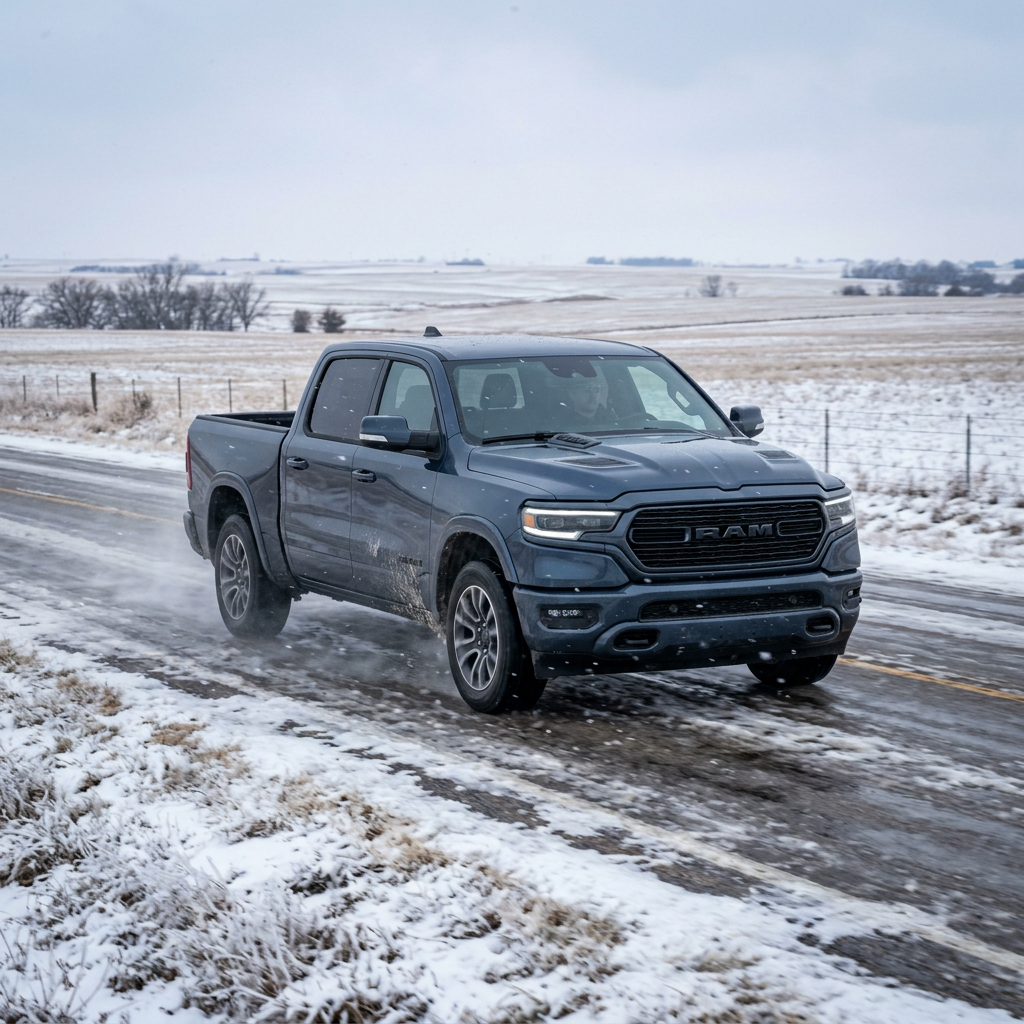

4wd

4WD High vs 4WD Low on I-70: The Direct Answer for Driving on Icy Kansas Highways

4WD High vs 4WD Low on I-70: The Direct Answer for Driving on Icy Kansas Highways When winter storms hit Central Kansas and transform Interstate 70 into a sheet of packed ice and slush between Junction City, Manhattan, and Salina, clear mechanical decision-making is essential. The practical recommendation for driving on icy highways like I-70 is to use 4WD High (or Auto / Snow Mode) when traveling at highway speeds, and to avoid using 4WD Low on an open interstate. Understanding the mechanical difference between 4WD High and 4WD Low can save your vehicle's drivetrain and prevent catastrophic accidents. Four-Wheel Drive High (4WD High) provides continuous four-wheel traction while maintaining full engine speed range, active vehicle electronic stability control (ESC), and wheel anti-lock braking systems (ABS). It is specifically engineered for slippery surfaces encountered at normal driving speeds, such as snow-covered interstates, slushy highways, and wet gravel roads. In contrast, Four-Wheel Drive Low (4WD Low) engages a secondary set of planetary gears within your vehicle's transfer case, dramatically multiplying gear reduction (typically 2.72:1 or up to 4.0:1 in Rubicon models). This massive torque multiplication is designed exclusively for extreme low-speed power under 25 mph—such as pulling a stranded vehicle out of a ditch or crawling out of deep snowdrifts. Attempting to drive in 4WD Low on open highways forces high engine RPMs at low speeds, mechanically locks front and rear driveshafts together, disables vital stability assistance systems, and risks severe driveline binding, mechanical failure, or sudden lock-up of wheels causing immediate loss of vehicle control. What Is the Maximum Safe Speed When Driving in 4WD Low versus 4WD High? 4WD Low Speed Operating Envelope: The absolute maximum mechanical safe speed when operating in 4WD Low is 25 mph. However, automotive engineers strongly recommend keeping speeds strictly below 15 mph when 4WD Low is active. Because 4WD Low uses maximum gear reduction to deliver extreme wheel torque, high engine speeds are generated at very low road speeds. Driving over 25 mph in 4WD Low causes internal transfer case overheating, extreme engine wear, and severe mechanical stress on front and rear differentials. Furthermore, turning on dry or partially clear pavement in 4WD Low can create driveline bind, where front and rear axles may rotate at different speeds during a turn and may lead to axle hopping or other drivetrain damage. 4WD High Speed Operating Envelope: 4WD High is designed for normal highway travel speeds adjusted for road conditions (typically up to 55–65 mph depending on icy surfaces). In 4WD High, full vehicle speed range is preserved, engine RPM remains in normal bands, and sophisticated vehicle electronics like Electronic Stability Control (ESC) and Anti-lock Braking Systems (ABS) remain fully operational to prevent spinouts on I-70. 4x4 Mode Feature 4WD High (4H / Auto) 4WD Low (4L) Max Safe Operating Speed Standard Highway Speeds (Adjusted for weather) Strictly Under 25 mph (Ideal < 15 mph) Transfer Case Reduction 1.0:1 (Direct Drive) 2.72:1 up to 4.0:1 (High Reduction) Active Stability Control (ESC) Fully Active Deactivated / Calibrated Off Anti-Lock Braking (ABS) Fully Active Modified Low-Speed Off-Road Mode Primary Use Case Icy interstates (I-70), packed snow, slush Deep snow drift extraction, severe mud, rock crawling How Jeep Selec-Terrain Management System Works in Snow and Ice Snow Mode Calibration When you rotate the console dial to Snow Mode in a Jeep Grand Cherokee, the system maintains the transfer case in 4WD High while altering vehicle behavior. It splits front-to-rear drive torque at a 60/40 ratio to maximize directional control. The transmission automatically launches in second gear rather than first to minimize initial wheelspin on frozen pavement. Auto Mode Intelligence In Auto Mode, the Selec-Terrain system continuously monitors wheel speed sensors, throttle position, and steering angle. If slip is detected along I-70, torque is instantly redirected to the axle with traction. However, selecting Snow Mode pre-emptively tunes throttle response to be smooth and progressive, preventing sudden wheel spin when accelerating on black ice. Mode Distinctions Unlike Sand/Mud Mode or Rock Mode (which engage 4WD Low and allow aggressive wheelspin to clear mud or climb obstacles), Snow Mode is specifically tailored to keep wheels glued to slick road surfaces by coordinating engine, transmission, braking, and transfer case controllers into full high-speed stability unison. How Quadra-Trac II Differs from Quadra-Drive II on Winter Roads Quadra-Trac II® System: Quadra-Trac II utilizes a two-speed active transfer case equipped with a center clutch pack. When wheel slip is detected by vehicle sensors, the system can route up to 100% of available engine torque to the axle with the most grip. On cross-axle slip, Quadra-Trac II utilizes Brake Lock Differential (BLD) technology—applying individual brakes to a spinning wheel so torque naturally flows across the open differential to the wheel on solid surface. Quadra-Drive II® with Rear ELSD: Quadra-Drive II builds upon Quadra-Trac II by incorporating a rear Electronic Limited-Slip Differential (ELSD). Instead of waiting for a wheel to spin and applying the brake, the rear ELSD uses electronic clutch packs to anticipate slip. On patch-ice highways like I-70 or packed gravel roads in Riley County, Quadra-Drive II can transfer up to 100% of available rear engine torque to a single rear wheel, providing unrivaled winter acceleration and cornering stability. Browse New 4x4 Inventory Is a Jeep Grand Cherokee 4x4 Worth the Extra Cost over a 2WD Model for Kansas Winter Driving? Severe Flint Hills Weather Kansas winter weather is infamous for rapid thermal drops. A morning rain can freeze into black ice on I-70 within an hour. While 2WD vehicles rely solely on front or rear traction, a 4x4 Jeep Grand Cherokee distributes motive force across all four tire contact patches, drastically reducing initial wheelspin and enabling confident hill climbing throughout the rolling Flint Hills terrain. Superior Resale Value Retention In Geary, Riley, and Saline counties, pre-owned vehicle buyers prioritize four-wheel-drive capabilities. 4x4 SUVs may retain value well on the Midwest pre-owned market compared with some 2WD variants, which can make them a practical choice for winter driving. Uncompromising Emergency Safety Whether navigating unplowed backroads near Fort Riley or coping with sudden ground blizzards between Junction City and Salina, 4x4 provides safety margins that 2WD simply cannot match. With 4WD High and Selec-Terrain, drivers gain emergency maneuverability when avoiding road hazards on ice. Navigating I-70 Winter Hazards Between Junction City, Manhattan, and Salina Driving Interstate 70 in Central Kansas presents unique geographical and atmospheric challenges during winter. The corridor between Junction City (Exit 296), Manhattan (via K-18 / K-177), and Salina is prone to intense crosswinds sweeping across open prairie ridges. High lateral wind gusts combined with slick highway surfaces can easily push high-profile vehicles out of their lane. Operating in 4WD High increases vehicle directional tracking stability, giving the driver better steering control against crosswind buffeting. Elevated bridge decks—such as the bridges over the Republican River near Junction City and the Smoky Hill River near Salina—freeze long before adjacent roadbeds due to air circulating beneath the bridge structure. Drivers transitioning from wet pavement to invisible black ice on bridges require smooth throttle management. Avoid sudden braking or hard steering inputs; let your vehicle's 4WD High system and anti-lock systems assist stability without jarring gear shifts. If you need local route guidance or emergency assistance, you can Get Directions to Valor CDJR for expert vehicle support. When Dedicated Winter Tires Beat Factory All-Seasons on Rural Gravel and Early-Morning Commutes Rubber Thermodynamics Below 45°F Factory all-season tire rubber compounds begin to harden and lose elasticity when ambient temperatures drop below 45°F (7°C). Once hardened, all-season tires cannot flex into road micro-textures, significantly lengthening stopping distances on icy pavement regardless of whether your vehicle is 2WD or 4x4. Dedicated winter tires feature specialized hydrophilic rubber compounds that remain soft in sub-zero weather, combined with thousands of microscopic sipes that create biting edges on glare ice. Rural Gravel & 3PMSF Performance For early morning commuters near Junction City, Fort Riley, and rural Geary/Riley counties, unpaved gravel roads present a mixture of frozen mud, rutted gravel, and drifting snow. Tires carrying the 3-Peak Mountain Snowflake (3PMSF) rating offer up to 30% shorter stopping distances on packed snow than standard M+S rated all-seasons. While 4WD accelerates your vehicle, only tire tread grip stops it. Order Winter Tires & Accessories Step-by-Step Guide: How to Shift into 4WD Low to Get Unstuck from Deep Snow Drifts Step 1: Complete Stop & Neutral Shift Bring your vehicle to a complete stop. Press the brake pedal firmly and shift the main automatic transmission lever into NEUTRAL (N). Shifting into 4WD Low while in Drive or Reverse will cause gear clash or transfer case lock-out rejection. Step 2: Engage 4WD LOW Button Press and hold the 4WD LOW switch (or rotate the dial to 4L / Rock mode). Wait until the instrument cluster display turns solid with the 4WD LOW indicator light before shifting transmission back into Drive or Reverse. Step 3: Gentle Rocking & Return to 4H Disable Traction Control to allow wheel spin if rocking out of deep drifts. Apply gentle throttle (do not exceed 15 mph). Once freed onto paved or cleared road surfaces, stop, shift to NEUTRAL, and switch back to 4WD HIGH immediately. Essential Pre-Winter Maintenance Checklist for 4x4 Transfer Cases and Differentials 4x4 Fluid Inspection & Service: Before severe freeze cycles arrive in Geary County, inspecting your 4x4 drivetrain fluid condition is vital: Transfer Case Fluid: Fresh synthetic transfer case fluid ensures rapid clutch engagement and internal cooling when shifting between 4WD High and 4WD Low. Front & Rear Differential Gear Oils: Inspect gear oil for water contamination or metal shavings. Cold temperatures increase fluid viscosity; fresh fluid prevents cold-start wear. Brake Lock Differential Sensor Checks: Verify wheel speed sensor harnesses are free of debris and corrosion. Battery & Electrical System Health: Extreme cold places severe loads on your vehicle's 12-volt battery. 4x4 electronic transfer case actuators, ELSD solenoids, and Selec-Terrain modules require steady electrical voltage. A battery with degraded Cold Cranking Amps (CCA) can fail to shift your transfer case when freezing temp drops occur overnight. Component Inspection Interval Recommended Winter Action Transfer Case Fluid Every 30,000 - 60,000 Miles Check level & fluid clarity before November freezes Front & Rear Differentials Every 20,000 - 40,000 Miles Replace fluid if exposed to deep mud/water Tread Depth (Winter) Monthly Ensure minimum 4/32" tread (6/32" preferred) Battery Health (CCA) Bi-Annually Load-test battery for sub-zero performance Demystifying 4x4 Low-Range and Selec-Terrain: Safe Driving on I-70 and Rural Kansas Gravel Synthesizing safe 4x4 operational rules comes down to matching transfer case range with speed and surface traction. On open interstates like I-70 where speeds exceed 25 mph, keep your transfer case in 4WD High or Selec-Terrain Snow Mode. This maintains full vehicle control, engine cooling, ABS, and stability control systems without putting strain on driveline hardware. When venturing onto rutted gravel roads or unpaved farm lanes in Riley or Dickinson counties, loose gravel allows tire slippage that relieves driveline tension. However, reserve 4WD Low strictly for low-speed recovery scenarios under 15–25 mph where maximum gear reduction is needed to crawl out of heavy snowdrifts. If considering upgrading your current vehicle before peak winter, you can explore your vehicle's value with a Trade In Evaluation. Value Your Trade-In Winter Highway Survival Gear to Keep in Your Jeep for Central Kansas Travel Recovery Hardware 20 ft / 20,000 lb Heavy-Duty Tow Strap Collapsible Metal Snow Shovel Traction Boards / Escaper Mats Heavy Work Gloves & Ice Cleats Emergency Power & Warmth Portable Lithium Battery Jump Starter Mylar Thermal Blankets & Wool Throw LED Flashlight with Extra Batteries Non-Perishable Energy Bars & Water Visibility & Fluids Brass-Blade Ice Scraper & Snow Brush 2 Gallons Sub-Zero (-30°F) Washer Fluid LED Road Flares / Reflective Triangles First Aid Kit & Multi-Tool Prepare Your Vehicle for Winter Driving at Valor CDJR in Junction City If you want to prepare before the first severe blizzard, have your vehicle's 4x4 system inspected. At Valor CDJR in Junction City, our factory-certified Chrysler, Dodge, Jeep, and Ram technicians are ready to inspect your transfer case, test battery cold-cranking output, check differential fluids, and mount 3PMSF winter tires tailored for Central Kansas highways. Serving Junction City, Manhattan, Fort Riley, and Salina, Valor CDJR is your trusted regional authority for winter safety and 4x4 excellence. Call (785) 238-5114 or stop by our dealership located at 1825 Goldenbelt Blvd, Junction City, KS 66441 today. Schedule Winter Service

2021 jeep

2021 Jeep Grand Cherokee Laredo Reliability & Maintenance: Expert Q&A

2021 Jeep Grand Cherokee Laredo Reliability & Maintenance: Expert Q&A A buyer in Junction City looking for local inventory or wanting to arrange a VIN-specific inspection for a 2021 Jeep Grand Cherokee Laredo can inspect vehicles and verify complete history reports directly at Valor CDJR. In this expert interview, Jace Grabouski, General Manager at Valor CDJR with 20 years of experience, breaks down the mechanical reliability, service schedules, real-world fuel economy, towing equipment, and resale value of the 2021 Jeep Grand Cherokee Laredo. Q: Where can a Junction City buyer check local inventory and arrange a VIN-specific inspection for a 2021 Jeep Grand Cherokee Laredo? A: Drivers in Junction City can review available vehicle history and verify recall status by visiting our showroom location at 1825 Goldenbelt Blvd or examining our online inventory tools. When evaluating a pre-owned 2021 Jeep Grand Cherokee Laredo, arranging a VIN-specific inspection allows our technicians to cross-reference factory recall databases, verify drivetrain fluid conditions, and confirm that all maintenance intervals have been met. Anyone interested in starting their search can browse our latest new vehicle inventory or explore pre-owned options on our lot. A thorough pre-owned SUV inspection covers the entire vehicle from bumper to bumper, including checking for software updates to the 8-speed automatic transmission and verifying the health of the 4WD transfer case. For buyers commuting near Fort Riley who rely on dependable winter traction, confirming the operational health of the four-wheel-drive system provides complete peace of mind. To arrange a hands-on walkaround or schedule a diagnostic review, shoppers can get step-by-step navigation via our showroom directions or connect with our team by calling our sales desk. Q: Is the 2021 Jeep Grand Cherokee Laredo reliable for long-term ownership? A: The 2021 Jeep Grand Cherokee Laredo demonstrates strong long-term mechanical reliability, frequently reaching 150,000 to 200,000 miles when supported by routine maintenance. At the core of its dependable performance is the naturally aspirated 3.6L Pentastar V6 engine paired with a smooth-shifting 8-speed automatic transmission. This powertrain combination has been refined over a decade of production, making replacement parts widely available and routine servicing straightforward for vehicle owners. While the core mechanical components are exceptionally durable, shoppers evaluating a late-model Laredo should pay attention to minor electrical and accessory systems. Occasional infotainment software pauses or early front brake wear represent the most frequent minor complaints reported by owners. Choosing a certified or thoroughly inspected model from our pre-owned vehicle selection ensures that all technical service bulletins and electronic updates are fully addressed prior to vehicle delivery. Q: What is the recommended service schedule for a 2021 Jeep Grand Cherokee Laredo? A: Factory service guidelines for the 2021 Jeep Grand Cherokee Laredo mandate maintenance visits every 10,000 miles or 12 months, whichever occurs first. These routine service intervals include full synthetic engine oil and filter replacement, tire rotation, brake component inspection, and a comprehensive multi-point check of fluid levels. Adhering strictly to this schedule maintains active protection under the original 3-year/36,000-mile basic warranty and 5-year/60,000-mile powertrain warranty coverage. "A well-maintained Grand Cherokee with documented service history will easily deliver years of dependable daily driving across Kansas roads." Major milestone maintenance occurs at specific intervals to preserve long-term driving capability. Engine air filters and cabin filters should be changed every 30,000 miles, while spark plug replacement is scheduled at 100,000 miles. Drivers looking to keep their vehicle in peak operating condition can schedule a service appointment online with our certified technician team. Additionally, buyers planning their upcoming vehicle purchase can get pre-approved for financing online to streamline their overall buying experience. Q: What fuel economy and performance does the 2021 Jeep Grand Cherokee Laredo V6 achieve? A: The 2021 Jeep Grand Cherokee Laredo equipped with the 3.6L Pentastar V6 engine produces 295 hp and 260 lb-ft of torque [1], delivering an EPA-estimated 19 mpg city / 26 mpg highway in two-wheel drive or 18 mpg city / 25 mpg highway in four-wheel drive, with a combined rating of 21 mpg combined. This engine provides smooth acceleration for daily highway commuting while maintaining practical efficiency for a midsize SUV. For drivers tackling the rolling hills around Manhattan along Highway 18, the V6 engine paired with the 8-speed automatic transmission holds gear ratios effectively without gear hunting. Maintaining correct tire pressure and using recommended synthetic oil grades help sustain these factory fuel economy figures over the life of the vehicle. Owners seeking genuine replacement filters, fluid, or factory accessories can order directly through our dedicated parts department. Q: What equipment is included in the 2021 Jeep Grand Cherokee trailer tow package? A: Factory models fitted with the Trailer Tow Group IV package gain a maximum towing capacity of 6,200 lb on V6 configurations. This heavy-duty package replaces standard equipment with a Class IV receiver hitch, both 7-pin and 4-pin wiring harnesses, heavy-duty engine cooling, rear load-leveling suspension, and a full-size spare tire. These factory enhancements manage thermal stress and maintain chassis stability when hauling heavy loads. The rear load-leveling suspension automatically adjusts ride height when a trailer is attached, preventing rear-end sag and keeping steering geometry balanced. For local business owners or tradespeople seeking capable hauling vehicles across our lineup, examining our commercial vehicle inventory reveals an array of heavy-duty towing options designed for demanding applications. Q: Does the 2021 Jeep Grand Cherokee Laredo hold its resale value well compared to other trims? A: The 2021 Jeep Grand Cherokee Laredo holds its resale value remarkably well, retaining approximately 50% to 55% of its original purchase value after five years. While specialized off-road variants like the Trailhawk or upper luxury trims like the Limited retain slightly higher percentage values, the Laredo trim remains highly sought after on the secondary market due to its accessible initial price tag and essential standard feature set. Standard safety and convenience features on the Laredo trim—such as blind-spot monitoring and the ProTech I driver assistance package—keep it modern and attractive to second-hand buyers. When upgrading to a newer vehicle, vehicle owners can value your trade online to receive an accurate, real-time market appraisal that can be applied directly toward their purchase. © 2026 Valor CDJR. All rights reserved.
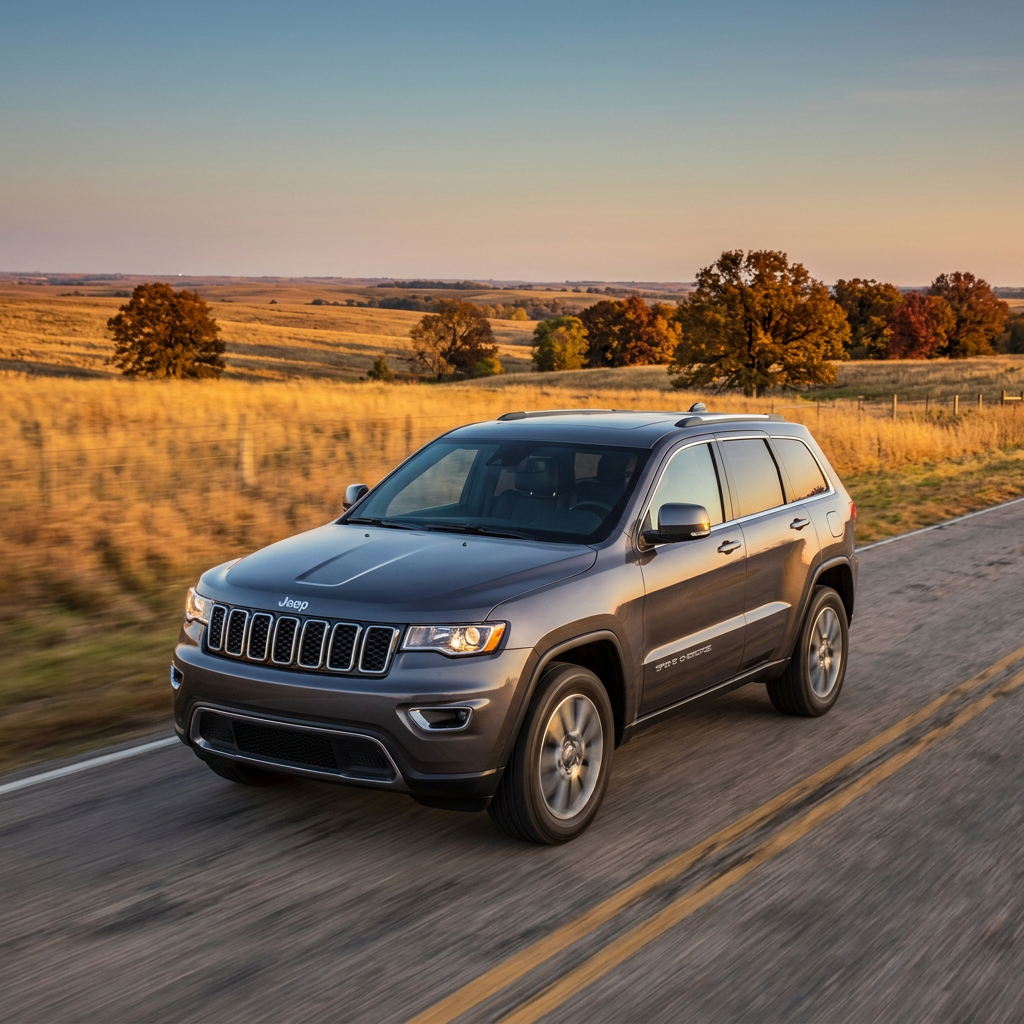
2021 Jeep Grand Cherokee Laredo Maintenance Guide: Q&A Expert Insights

2021 Jeep Grand Cherokee Laredo Maintenance Guide: Q&A Expert Insights

2021 Jeep Grand Cherokee Laredo Maintenance Guide: Q&A Expert Insights The factory maintenance schedule for a 2021 Jeep Grand Cherokee Laredo mandates engine oil and filter changes along with tire rotations at intervals not to exceed 10,000 miles or 12 months, managed by the onboard automatic oil change indicator system. Standard maintenance checkpoints include replacing the cabin air filter and engine air filter every 12,000 to 20,000 miles, exchanging brake fluid every 24 months, and completing a full fluid service and spark plug replacement at 100,000 miles. To explain these maintenance milestones and long-term care practices, we sat down with Dustin Zeck, Dealer Principal at Valor CDJR, who brings 36 years of automotive experience to SUV owners across the region. Q: Dustin, what is the official recommended maintenance schedule for a 2021 Jeep Grand Cherokee Laredo? A: Standard routine maintenance on the 2021 Jeep Grand Cherokee Laredo follows a 10,000-mile or 12-month maximum interval, driven primarily by the automatic oil change indicator. Whenever the message center displays an oil change prompt, service should be completed within 500 miles, comprising a fresh engine oil and filter replacement, a tire rotation, and a comprehensive multi-point inspection. Operating under severe conditions, such as frequent short trips, extensive idling, or regular trailering across the flat to gently rolling plains of Junction City, often prompts the system to request service closer to the 6,000-mile mark. As mileage accumulates, specific inspection and replacement services become necessary to maintain vehicle safety and drivability. At every 12,000 to 15,000 miles, technicians inspect the brake pads, rotors, cooling system, and suspension joint boots while replacing both the engine air filter and the cabin air filter. At 30,000-mile steps, inspection expands to the transfer case, axle differentials, and transmission fluid conditions. Once the vehicle reaches 100,000 miles, the factory schedule calls for installing new spark plugs, refreshing the engine coolant, and servicing gear fluids to protect critical drivetrains. Drivers seeking tailored maintenance tracking can visit our dealership service facility or contact our team directly at (785) 238-5114 to review their vehicle's service history. Q: What engine specifications and mechanical components drive the maintenance needs on this 2021 Grand Cherokee Laredo? A: The standard powertrain under the hood of the 2021 Jeep Grand Cherokee Laredo is the proven 3.6-liter Pentastar V6 engine paired with an 8-speed automatic transmission, producing 293 hp and 260 lb-ft of torque. This engine utilizes an internal oil cooler housing and double overhead camshafts that rely heavily on clean, properly specified lubricants. The factory specification calls for synthetic SAE 0W-20 engine oil meeting Chrysler Material Standard MS-6395. Using oil that meets this precise standard prevents sludge build-up in the variable valve timing system and protects internal bearings during cold starts. Transmitting power to the ground requires specialized maintenance depending on whether the vehicle is equipped with rear-wheel drive or the available Quadra-Trac I single-speed four-wheel-drive system. Vehicles equipped with four-wheel drive use front and rear differentials that require routine fluid checks for contamination, particularly after driving through standing water or mud. Brake components on this midsize SUV handle a curb weight of roughly 4,500 lb, making regular brake pad thickness measurements and rotor checks essential to offset thermal wear. When replacement components are required, sourcing factory-certified parts through our Mopar parts department guarantees proper fitment and restores original engineering tolerances. Q: How much should owners budget for estimated annual maintenance costs on a 2021 Grand Cherokee Laredo? A: Average annual maintenance and repair costs for a 2021 Jeep Grand Cherokee Laredo range between $600 and $700 under normal driving conditions. During the initial three years or 36,000 miles, primary expenses remain minimal, consisting mostly of scheduled synthetic oil services, air filter replacements, and tire rotations. Because the vehicle came standard with a 3-year/36,000-mile limited warranty and a 5-year/60,000-mile powertrain warranty, warrantable mechanical repairs during the early ownership period carry zero out-of-pocket expense for parts or labor. Budget requirements increase moderately as the vehicle approaches higher mileage milestones where wearable mechanical items need replacement. Between 40,000 and 60,000 miles, items such as brake pads, brake rotors, and tires naturally reach the end of their first service lifecycle. Budgeting for these wear-and-tear components alongside scheduled fluid services prevents unexpected repair bills and maintains optimal mechanical reliability over time. Q: What are the most common mechanical repairs that show up on a 2021 Jeep Grand Cherokee as mileage increases? A: High-mileage service trends on the 2021 Grand Cherokee point to specific wear items, including engine coolant thermostats, engine oil cooler housing gaskets, control arm suspension bushings, and front brake components. The thermostat and oil cooler housing assemblies reside in the valley of the V engine block, where heat cycles over time can degrade plastic housings or rubber seals, leading to minor coolant or oil seepage. Identifying these minor leaks during routine oil change inspections allows technicians to resolve them before fluid levels drop enough to cause thermal distress. "Adhering to the 10,000-mile cap on synthetic oil changes and catching minor fluid leaks early is what keeps a Grand Cherokee running smoothly past 100,000 miles." Commuters who bring in a 2021 model for routine service often ask if their engine oil cooler housing needs attention when they notice minor fluid drips during garage parking. Addressing suspension arm bushings and sway bar links is another common maintenance item past 60,000 miles, as worn rubber bushings can lead to uneven tire wear or front-end clunks over road undulations. Promptly replacing worn suspension joints preserves steering feel and protects the vehicle's alignment geometry. Q: How does the 2021 Grand Cherokee Laredo compare to rivals like the Toyota 4Runner and Ford Explorer in terms of reliability and capability? A: Comparing capability and upkeep between the Grand Cherokee Laredo, Toyota 4Runner, and Ford Explorer highlights clear mechanical differences across the midsize SUV segment. The Toyota 4Runner utilizes a body-on-frame platform powered by a 270-hp V6 and a 5-speed automatic transmission, which offers strong predicted durability but sacrifices fuel efficiency at an EPA-rated 17 mpg combined and requires higher steering effort on paved roads. In contrast, the unibody Grand Cherokee Laredo delivers refined road manners with an EPA rating of 18 mpg city / 25 mpg highway in four-wheel-drive configuration while maintaining a strong 6,200 lb maximum towing capacity. When measured against the Ford Explorer on off-road readiness, the Grand Cherokee Laredo holds a distinct chassis advantage with 8.6 inches of standard ground clearance compared to the Explorer's 7.9 inches. Jeep's four-wheel-drive system delivers continuous traction control without requiring manual driver inputs, making it exceptionally reliable for drivers navigating the rolling hills of Manhattan during winter weather conditions. While rivals offer varied strengths, the Grand Cherokee balances daily ride comfort, towing muscle, and true all-terrain capability with reasonable long-term upkeep expenses. Q: Can owners handle basic maintenance like oil changes and air filter swaps on a 2021 Grand Cherokee Laredo themselves, or should they visit your service center? A: Do-it-yourself enthusiasts can comfortably perform simple maintenance tasks like changing the engine air filter, replacing the cabin air filter, and checking under-hood fluid levels using standard hand tools. Swapping air filters requires no specialized diagnostic equipment and takes only a few minutes, making it an accessible weekend task. However, changing the engine oil on the 3.6-liter Pentastar V6 requires careful attention to the top-mounted oil filter cap, which must be torqued precisely to avoid cracking the plastic filter housing. Complex tasks, routine brake service, diagnostic resets, and multi-point inspections are best handled by factory-trained technicians equipped with professional diagnostic tools. Our certified mechanics inspect safety systems like blind-spot monitoring, check for factory recall updates, and ensure all electronic control modules are running current software calibrations. To maintain your vehicle's factory maintenance record, visit our service department at 1825 Goldenbelt Blvd, Junction City, KS 66441, give our service team a call, or convenient schedule a service appointment online today. © 2026 Valor CDJR. All rights reserved.
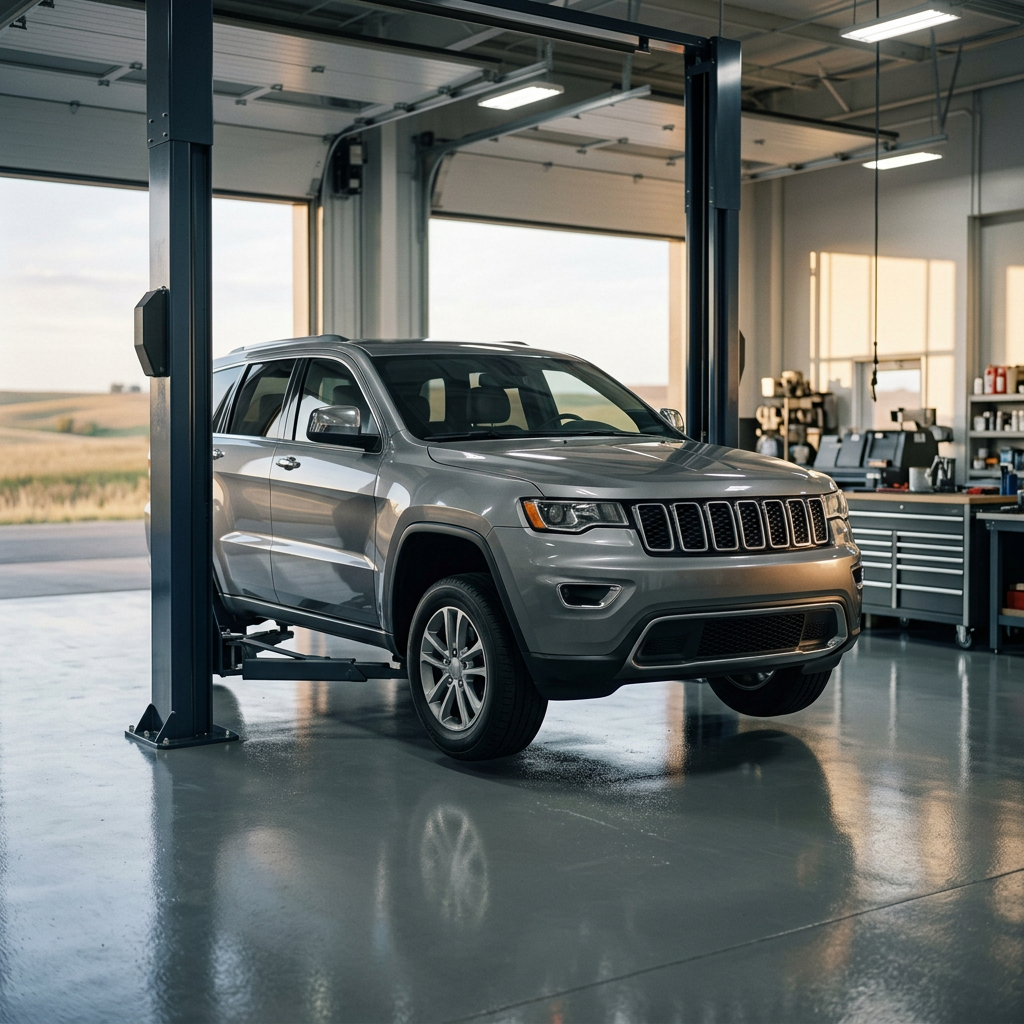
2025 Dodge Durango Towing Capacity Guide: Real-World Specs and Setup Insights

2025 Dodge Durango Towing Capacity Guide: Real-World Specs and Setup Insights

2025 Dodge Durango Towing Capacity Guide: Real-World Specs and Setup Insights What towing equipment can help a 2025 Dodge Durango tow safely around Junction City? To tow safely with a 2025 Dodge Durango around Junction City, you need a factory-installed Class IV trailer hitch receiver, an integrated trailer brake controller, 7-pin and 4-pin wiring harnesses, and a heavy-duty rear load-leveling suspension. For trailers weighing over 3,500 pounds, adding a weight distribution hitch with sway control is essential to balance tongue weight across both axles and preserve front-wheel steering control. When local drivers come to our showroom asking how to set up their SUV for pulling boats at Milford Lake or hauling livestock trailers across Geary County, I walk them through the physical hardware first. The 2025 Dodge Durango offers built-in Trailer Sway Control as a standard electronic safety feature. This system automatically senses unwanted lateral motion from crosswinds or sudden lane maneuvers and selectively applies individual vehicle wheel brakes to pull the trailer back into line. Having the proper hitch receiver setup makes all the difference when pulling heavy gear. A standard 2-inch Class IV receiver rated for up to 8,700 pounds gives you the structural backbone needed for serious pulling power. Meanwhile, the factory-integrated trailer brake controller is neatly mounted right on the center stack dashboard, letting you adjust electrical brake gain on the fly without cluttering your knee space with aftermarket control boxes. If you are setting up your vehicle for camping trips or heavy equipment transport, stop by our Junction City showroom at 1825 Goldenbelt Blvd or give our team a quick call at (785) 238-5114 so we can verify your exact hitch rating and brake wiring configuration. Table of Contents What is the maximum towing capacity of the 2025 Dodge Durango across engine options? Which 2025 Dodge Durango engine achieves the 8,700-pound maximum towing capacity? What does the Dodge Durango Tow N Go Package include for heavy trailering? Why can the Dodge Durango tow more than other 3-row midsize SUVs? What is the gross vehicle weight rating (GVWR) and payload limits of the 2025 Dodge Durango? Does the 2025 Dodge Durango require a weight distribution hitch for heavy loads? What is the maximum towing capacity of the 2025 Dodge Durango across engine options? The maximum towing capacity of the 2025 Dodge Durango spans from 6,200 pounds on entry V6 models up to 8,700 pounds on performance V8 trim levels. Baseline models equipped with the 3.6L Pentastar V6 deliver standard pulling strength that offers strong capability for a midsize three-row crossover. Across the 2025 model lineup, Dodge structures towing ratings around specific engine architectures, trim setups, and drivetrain choices: The GT RWD trim powered by the 3.6L Pentastar V6 delivers a maximum towing rating of 6,200 pounds, a curb weight of 4,875 lbs, a payload rating of 1,625 lbs, and seating for 7 passengers. The GT AWD and GT Plus AWD trims with the 3.6L Pentastar V6 maintain the 6,200-pound max tow rating while offering a curb weight of 4,986 lbs and a payload rating of 1,514 lbs. Stepping up to the R/T AWD, R/T Plus AWD, and R/T Premium AWD trims brings standard 5.7L V8 power with a 7,200-pound towing capacity, a curb weight of 5,313 lbs, and a payload strength of 1,787 lbs. The flagship SRT Hellcat AWD, alongside special editions like the SRT Hellcat Silver Bullet AWD, tops the lineup with an impressive 8,700-pound maximum towing capacity, a curb weight of 5,710 lbs, a payload capacity of 1,390 lbs, and a 6-passenger cabin layout featuring second-row captain's chairs. Starting at an accessible base MSRP of $40,495, the Durango provides muscle car character paired with functional utility. If you are researching pre-owned options alongside new models, take a look through our pre-owned Dodge SUV inventory to compare towing specs and trim packages across model years. Engine & Performance Powertrain specs by trim Feature GT AWD GT Plus AWD GT RWD Police Pursuit Vehicle AWD (Fleet) R/T 20th Anniversary Plus AWD R/T 20th Anniversary Premium AWD Engine 3.6L 3.6L 3.6L 3.6L 5.7L 5.7L Horsepower 295 hp 295 hp 295 hp 295 hp 360 hp 360 hp Torque 260 lb-ft 260 lb-ft 260 lb-ft 260 lb-ft 390 lb-ft 390 lb-ft Transmission TorqueFlite® TorqueFlite® TorqueFlite® TorqueFlite® TorqueFlite® TorqueFlite® Drivetrain All-wheel drive All-wheel drive Rear-wheel drive All-wheel drive All-wheel drive All-wheel drive Engine & Performance (continued) Feature R/T AWD R/T Plus AWD R/T Premium AWD SRT Hellcat AWD SRT Hellcat Brass Monkey AWD SRT Hellcat Hammerhead AWD Engine 5.7L 5.7L 5.7L 6.2L 6.2L 6.2L Horsepower 360 hp 360 hp 360 hp 710 hp 710 hp 710 hp Torque 390 lb-ft 390 lb-ft 390 lb-ft 645 lb-ft 645 lb-ft 645 lb-ft Transmission TorqueFlite® TorqueFlite® TorqueFlite® TorqueFlite® TorqueFlite® TorqueFlite® Drivetrain All-wheel drive All-wheel drive All-wheel drive All-wheel drive All-wheel drive All-wheel drive Engine & Performance (continued) Feature SRT Hellcat Silver Bullet AWD Engine 6.2L Horsepower 710 hp Torque 645 lb-ft Transmission TorqueFlite® Drivetrain All-wheel drive Dimensions & Capacity Capacity and dimensions by trim Feature GT AWD GT Plus AWD GT RWD Police Pursuit Vehicle AWD (Fleet) R/T 20th Anniversary Plus AWD R/T 20th Anniversary Premium AWD Seating 7 7 7 5 6 6 Cargo 17.2 cu ft 17.2 cu ft 17.2 cu ft 17.2 cu ft 17.2 cu ft 17.2 cu ft Curb weight 4,986 lbs 4,986 lbs 4,875 lbs 4,823 lbs 5,313 lbs 5,313 lbs Towing 6,200 lbs 6,200 lbs 6,200 lbs 6,200 lbs 7,200 lbs 7,200 lbs Payload 1,514 lbs 1,514 lbs 1,625 lbs 1,677 lbs 1,787 lbs 1,787 lbs Dimensions & Capacity (continued) Feature R/T AWD R/T Plus AWD R/T Premium AWD SRT Hellcat AWD SRT Hellcat Brass Monkey AWD SRT Hellcat Hammerhead AWD Seating 7 7 7 6 6 6 Cargo 17.2 cu ft 17.2 cu ft 17.2 cu ft 17.2 cu ft 17.2 cu ft 17.2 cu ft Curb weight 5,313 lbs 5,313 lbs 5,313 lbs 5,710 lbs 5,710 lbs 5,710 lbs Towing 7,200 lbs 7,200 lbs 7,200 lbs 8,700 lbs 8,700 lbs 8,700 lbs Payload 1,787 lbs 1,787 lbs 1,787 lbs 1,390 lbs 1,390 lbs 1,390 lbs Dimensions & Capacity (continued) Feature SRT Hellcat Silver Bullet AWD Seating 6 Cargo 17.2 cu ft Curb weight 5,710 lbs Towing 8,700 lbs Payload 1,390 lbs Which 2025 Dodge Durango engine achieves the 8,700-pound maximum towing capacity? The 8,700-pound maximum towing capacity is achieved by the 5.7L HEMI V8 when paired with the optional Tow N Go Package, as well as the supercharged 6.2L Supercharged V8 engine found on SRT Hellcat models. Both engines combine high-torque output with specialized heavy-duty cooling hardware to sustain maximum load pulling. The naturally aspirated 5.7L HEMI V8 produces 360 horsepower and 390 lb-ft of torque. In its standard configuration, it pulls a respectable 7,200 pounds. However, equipping the Tow N Go Package adds specialized rear axle gear ratios, heavy-duty engine cooling components, and active exhaust systems that increase its rating to the 8,700-pound mark. For ultimate speed and capability, the supercharged 6.2L Supercharged V8 delivers a massive 710 horsepower and 645 lb-ft of torque. Paired with the heavy-duty TorqueFlite® 8-speed automatic transmission and full-time active all-wheel drive, the SRT Hellcat handles heavy tandem-axle travel trailers or enclosed car haulers with total ease. If you already own a Dodge SUV and want to make sure your cooling systems and brake pads are ready for heavy summer trailering, you can schedule a service appointment with our factory-trained technicians. What does the Dodge Durango Tow N Go Package include for heavy trailering? The available Tow N Go Package transforms the Durango R/T into a heavy-duty towing rig by adding track-tested hardware, mechanical cooling upgrades, and advanced electronics. It is specifically engineered to bridge the gap between standard midsize utility and full-size truck pulling capability. Key components integrated into the Tow N Go Package include: High-Performance Brembo Brakes: Heavy-duty 6-piston front calipers and large vented rotors provide exceptional stopping power when managing heavy downhill trailer momentum. Adaptive Damping Suspension: Electronic shock tuning continuously adjusts suspension firmness to eliminate trailer bounce and preserve flat cornering control. Electronic Limited-Slip Rear Differential (eLSD): Automatically routes rear wheel torque to the tire with maximum grip, aiding launch traction on slippery boat ramps. Heavy-Duty Engine Cooling & Active Exhaust: Enhanced radiator capacity and transmission oil coolers maintain safe operating fluid temperatures during steep highway climbs. Integrated Controls & Styling: Features a factory dashboard trailer brake controller, Class IV hitch receiver, 20-inch aluminum wheels, and drive mode selections including Tow Mode. Upgrading to this package allows working families and outdoor enthusiasts to haul substantial loads without upgrading to a larger, bulkier full-size vehicle. If you are looking to trade in your current vehicle for a tow-ready SUV, you can evaluate your trade-in online to estimate your purchasing power. Why can the Dodge Durango tow more than other 3-row midsize SUVs? The Dodge Durango tows significantly more than rival three-row midsize crossovers because it is built on a rear-wheel-drive platform architecture rather than a front-wheel-drive car chassis. Rear-wheel-drive platforms naturally distribute trailer tongue weight over the driven rear axle, improving rear tire traction and maintaining directional stability under heavy loads. Most modern three-row crossovers rely on transverse-mounted 4-cylinder or small V6 engines driving front-wheel-drive transaxles, capping their towing capacity around 3,500 to 5,000 pounds. When pulling a heavy load up steep highway grades or rolling hills around Manhattan, front-wheel-drive platforms can experience front-end lift, which reduces front-tire steering traction and lightens brake response. In contrast, the Durango features a longitudinal engine layout paired with near 50/50 weight distribution. Combined with robust unibody construction, optional rear load-leveling shocks, and high-torque V8 engines, the Durango handles heavy trailering duties without strain. When you add available full-time active all-wheel drive, the transfer case dynamically redistributes power between axles, keeping your setup surefooted across wet pavement, dirt roads, and highway passing zones. Drivers looking to secure financing for a tow-capable SUV can easily prequalify online to streamline their buying process. What is the gross vehicle weight rating (GVWR) and payload limits of the 2025 Dodge Durango? The gross vehicle weight rating (GVWR) of the 2025 Dodge Durango ranges from approximately 6,500 pounds on V6 models up to 7,100 pounds on high-output V8 all-wheel-drive variants. Payload capacities range from 1,390 pounds on the high-performance SRT Hellcat AWD up to 1,787 pounds on the R/T AWD trim level. Understanding how GVWR and payload interact with towing capacity is critical for safe hauling. GVWR represents the absolute maximum allowable weight of the vehicle itself, including passengers, interior cargo, accessories, and the tongue weight exerted by your trailer hitch. Payload is the total combined weight of everything you put inside or on top of the vehicle. To calculate your available payload while towing: Check your Durango's specific door-jamb tire and loading placard for its maximum payload number (for example, 1,787 lbs on an R/T AWD model). Subtract the total weight of all onboard passengers and cargo gear. The remaining balance is the maximum tongue weight your trailer can safely apply to the rear hitch ball (typically 10% to 15% of total trailer weight). Keeping within these ratings ensures your brakes, tires, and rear axle bearings operate well within factory safety margins. You can explore our new Dodge Durango inventory to review specific door-jamb weight ratings across trims, view our new commercial vehicle lineup for heavier business hauling needs, or visit our parts and accessories department for heavy-duty hitch inserts and trailer wiring components. Does the 2025 Dodge Durango require a weight distribution hitch for heavy loads? Dodge recommends using a weight distribution hitch when towing trailers that weigh over 3,500 pounds with the Durango. While the chassis and Class IV receiver are structurally rated for heavy loads, a weight distribution hitch utilizes spring bars to leverage a portion of the trailer tongue weight forward onto the front axle and back onto the trailer axles. Using a weight distribution setup provides several critical safety advantages during highway travel: Level Ride Height: Prevents rear-end sag, keeping your headlights aimed properly on dark rural roads. Front Axle Traction: Keeps adequate weight on the front tires to preserve crisp steering control and firm front braking power. Integrated Sway Mitigation: Friction-based or cam-style sway bars prevent wind gusts and passing semi-trucks from initiating dangerous trailer oscillation. When you pair a quality weight distribution hitch with the Durango’s standard Trailer Sway Control and available rear load-leveling shocks, you get a solid, confidence-inspiring setup that handles long highway journeys with total composure. If you have questions about matching a trailer's gross weight to the right Durango trim, come by our dealership location or try calling our team directly. We are always here to help you tow safely and maximize your vehicle's capability. © 2026 Valor CDJR. All rights reserved. Vehicle specification data © JATO Dynamics Limited.
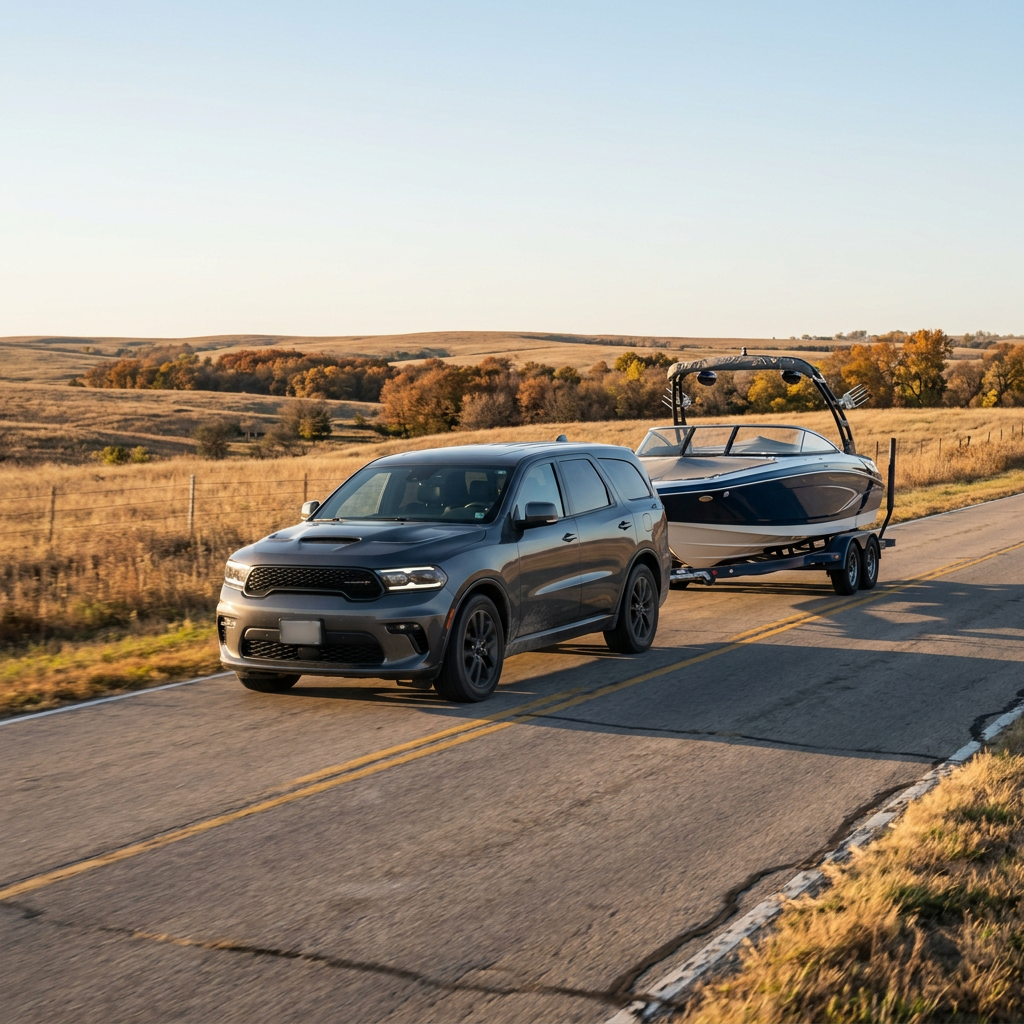
What 20 Years in the Service Bay Taught Me About RAM 1500 Reliability

What 20 Years in the Service Bay Taught Me About RAM 1500 Reliability

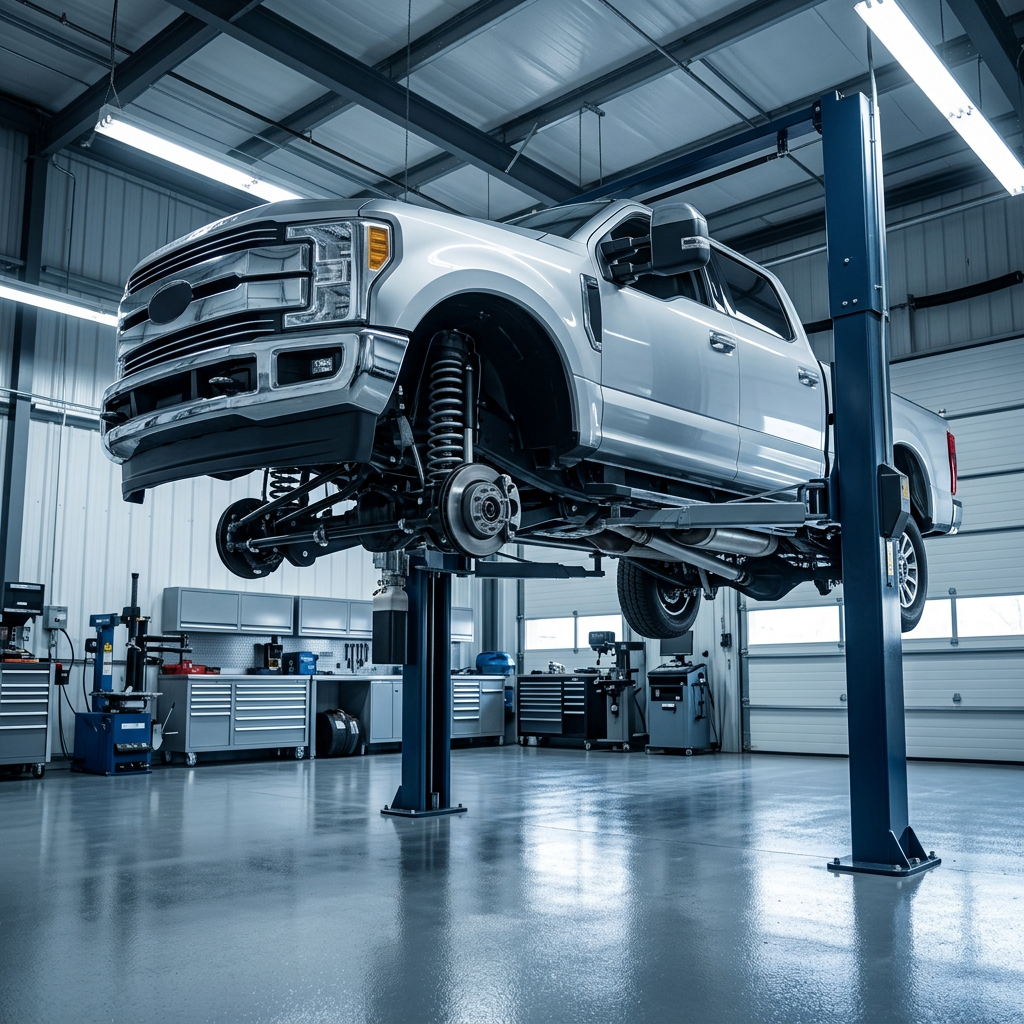
What 20 Years in the Service Bay Taught Me About RAM 1500 Reliability Does the Ram 1500 Hold Its Resale Value and Long-Term Reliability Over Time? The Ram 1500 retains roughly 50% to 55% of its original value after five years of ownership, placing it right in the competitive core of the full-size pickup segment. Long-term mechanical reliability remains strong when owners adhere to scheduled maintenance, with J.D. Power ranking three-year-old Ram 1500 models highest in segment dependability. Retaining maximum resale value and long-term durability depends directly on consistent fluid services, preventative powertrain care, and complete maintenance documentation. In my two decades overseeing truck service, I have seen how preventive maintenance directly protects a pickup truck's market value. A well-maintained Ram 1500 with documented oil changes and differential services routinely commands top dollar because buyers recognize the solid engineering underneath. The coil-spring rear suspension and stiff box-section frame keep the chassis quiet and tight even after 100,000 miles of hard work. When components like bushings, ball joints, and shock absorbers are inspected and serviced on schedule, the truck retains its smooth, car-like ride quality long after lesser pickups develop cabin rattles and loose steering. Powertrain upkeep plays an equally critical role in long-term value retention. Modern engine designs utilize advanced valvetrain technologies and precise fuel delivery systems that depend on clean, un-degraded lubricants to prevent mechanical wear. If you want to review maintenance history or inspect a truck on a lift, you can reach out to our service team at (785) 238-5114 or drop by our Junction City service department. Keeping your truck on factory-recommended maintenance intervals ensures that critical components—from the transfer case to the rear axle—continue operating within factory tolerances. Table of Contents How Does Ram 1500 Reliability Compare to the Ford F-150 and Chevrolet Silverado? Are Hurricane Twin-Turbochargers Engineered for Engine-Life Durability? How Often Should You Change Oil and Is Premium Fuel Required for the Hurricane Engine? Does Frequent Heavy Towing Accelerate Transmission Wear on the Ram 1500? What Recurring Electrical and Mechanical Issues Should Ram 1500 Buyers Watch For? What Factory Warranty Coverage and Maintenance Support Keep Your Ram 1500 on the Road? How Does Ram 1500 Reliability Compare to the Ford F-150 and Chevrolet Silverado? The Ram 1500 stands out against the Ford F-150 and Chevrolet Silverado 1500 by pairing competitive powertrain durability with superior ride refinement and higher cabin assembly standards. While all three domestic half-ton trucks feature robust powertrains, the Ram 1500 utilizes a standard multi-link coil rear suspension that significantly reduces chassis vibration and harshness over rough surfaces. This design protects interior components and electrical connectors from prolonged road impact, reducing long-term rattles and squeaks. From a mechanical hardware perspective, the Ram 1500 balances proven components with modern engineering. The long-standing 3.6L Pentastar V6 with eTorque mild-hybrid technology delivers 305 hp and 269 lb-ft of torque, offering exceptional baseline durability with years of proven service history. The available 3.0L Hurricane twin-turbo inline-six engine produces 420 hp and 469 lb-ft of torque in standard output, or 540 hp and 521 lb-ft of torque in high output, surpassing the power density of rival V8 and V6 turbocharged offerings. Power is transferred through a robust TorqueFlite eight-speed automatic transmission, which has built a solid reputation for smooth shifting and structural longevity across millions of heavy-duty duty cycles. In terms of independent safety testing, the Ram 1500 Crew Cab earns a five-star overall safety rating from NHTSA, along with Good ratings in IIHS small-overlap front and updated side crashworthiness evaluations. Maintaining this level of structural integrity and vehicle performance requires genuine factory hardware. When replacing wearable chassis or braking parts, using components from our certified OEM parts center guarantees exact fitment and original factory safety specs. Are Hurricane Twin-Turbochargers Engineered for Engine-Life Durability? Factory twin-turbochargers on the 3.0L Hurricane inline-six engine are engineered to last the full design life of the engine when properly lubricated and cooled. Ram engineers designed these turbochargers with water-cooled center bearing housings, direct oil-feed galleries, and high-temperature alloy turbine wheels built to withstand severe thermal expansion cycles. Synthetic engine oil circulates through the turbocharger bearing cavities during operation and continues thermal siphoning after engine shutdown to prevent oil coking and shaft wear. The structural design of the Hurricane engine supports this high thermal load through severe-duty internal components. A deep-skirt cast-aluminum block houses a forged steel crankshaft and forged steel connecting rods, ensuring rigid alignment of rotating parts under high boost pressures. Dual overhead camshafts feature independent variable valve timing, allowing precise combustion management that keeps exhaust gas temperatures within target limits during sustained heavy loads. Plasma transfer wire arc coating on the cylinder bores reduces friction and improves heat transfer into the cooling jacket. When drivers ask me in the service drive whether twin turbos will match the durability of traditional engines, I explain that modern thermal management makes all the difference. Previous generations of turbochargers suffered from heat soak after heavy pulls, but the Hurricane engine uses dual electric water pumps and dedicated cooling circuits to maintain stable temperatures. Adhering to strict oil change schedules and allowing the cooling system to function as designed prevents premature bearing play, preserving boost efficiency and throttle response over hundreds of thousands of miles. How Often Should You Change Oil and Is Premium Fuel Required for the Hurricane Engine? Oil changes on the Ram 1500 Hurricane turbo engine should be performed every 7,500 to 10,000 miles, or at least once per year, using full synthetic oil formulations. Premium unleaded fuel may be recommended to achieve the full 540 hp rating on High-Output Hurricane variants, whereas Standard-Output versions can run on regular unleaded fuel depending on manufacturer guidance. Turbocharged engines subject engine oil to extreme thermal stress and shear forces near the turbocharger shaft bearings. Using full synthetic 0W-20 engine oil meeting factory material standards ensures proper oil film strength at high temperatures while maintaining fluid flow during cold starts. For drivers navigating the rolling Flint Hills terrain around Manhattan, frequent elevation changes and engine load spikes make timely oil service essential to prevent breakdown of the oil's additive package. Fuel selection directly influences combustion stability and knock prevention in high-compression, turbocharged engines. The High-Output Hurricane engine utilizes higher boost pressures and fuel injection pressures up to 5,075 psi, making 91 octane or higher fuel necessary to prevent pre-ignition and allow maximum ignition timing advance. Running lower octane fuel in High-Output models causes engine control modules to retard ignition timing, which reduces horsepower and fuel economy. Standard-Output models include adaptive knock monitoring that safely adjusts combustion parameters for regular gasoline without endangering internal engine components. You can easily schedule a routine synthetic oil service online to keep your fuel and lubrication systems operating at peak capability. Does Frequent Heavy Towing Accelerate Transmission Wear on the Ram 1500? Frequent heavy towing generates substantial heat within the automatic transmission, which accelerates fluid degradation and friction plate wear if the vehicle is not maintained on a severe-duty service schedule. Under standard driving conditions, transmission fluid retains its viscosity and hydraulic properties for extended intervals, but hauling trailers near the truck's maximum towing capacity elevates fluid temperatures past optimal operational thresholds. The Ram 1500 utilizes the TorqueFlite eight-speed automatic transmission, which incorporates an integrated thermal management unit designed to warm fluid quickly for efficiency and cool it during high-load demands. However, pulling heavy loads up steep grades or through stopping and starting traffic subjects the hydraulic fluid to extreme thermal shear. Over time, oxidized transmission fluid loses its ability to protect planetary gear sets, valve body actuators, and clutch packs, leading to delayed shifts or rough engagement. To prevent premature transmission wear under heavy trailering demands, owners should follow a severe-duty maintenance regimen: Change transmission fluid and filter assemblies every 45,000 to 60,000 miles when towing regularly. Inspect transfer case fluid and front/rear differential gear oils every 30,000 miles for thermal discoloration or debris. Monitor real-time transmission fluid temperatures on the instrument cluster display, keeping operating temperatures below 220 degrees Fahrenheit. Utilize tow/haul mode to adjust shift patterns, reducing gear hunting and clutch slippage under load. Ensure the auxiliary transmission fluid cooler remains clear of road debris, bugs, and mud accumulation. What Recurring Electrical and Mechanical Issues Should Ram 1500 Buyers Watch For? Potential Ram 1500 owners and long-term operators should monitor full-vehicle diagnostic scans for electronic module software updates, touchscreen responsiveness, and steering system calibration. While core mechanical assemblies demonstrate high durability, complex modern pickups rely heavily on interconnected computer networks that require periodic software alignment and voltage stability checks. In the electronic system, central touchscreen displays running the Uconnect multimedia platform may occasionally experience delayed boot times, frozen displays, or bluetooth pairing drops. These conditions are typically resolved through flash updates released by factory engineers to patch software bugs. Low battery voltage is a common root cause for intermittent electrical glitches across body control modules; a weak 12-volt battery can trigger false fault codes for power steering sensors, blind-spot monitoring systems, or electronic park brakes. Mechanically, older high-mileage trucks equipped with air suspension systems require periodic inspection of air lines, compressor relays, and rubber air bladders to prevent height leveling leaks in freezing weather. On conventional coil-spring setups, front suspension ball joints and tie-rod ends should be checked during tire rotations for boot tears or play. Catching minor electrical voltage drops or early suspension wear before components fail keeps repair costs low and prevents unexpected downtime. What Factory Warranty Coverage and Maintenance Support Keep Your Ram 1500 on the Road? Every new Ram 1500 comes backed by a 5-year/60,000-mile powertrain limited warranty and a 3-year/36,000-mile basic limited warranty. The powertrain warranty covers vital internal engine components, the transmission assembly, drive shafts, axles, and transfer case systems against manufacturing defects. The basic bumper-to-bumper warranty covers electrical systems, air conditioning components, trim, and body control units. Emergency roadside coverage is integrated directly into the factory warranty period, giving owners access to 24/7 assistance for towing, flat tire changes, jump-starts, and fuel delivery. For roadside assistance support or towing coordination directly to an authorized service facility, drivers can dial Ram Roadside Assistance at (800) 521-2779. Utilizing factory-backed roadside programs ensures that your truck is handled exclusively by trained transportation professionals who understand four-wheel-drive flatbed loading procedures. Maintaining factory warranty protection requires documented service adhering to OEM interval guidelines. Using genuine mopar filters, fluids, and mechanical parts maintains the precise operating standards set by factory engineers. For professional diagnostic evaluations, routine maintenance, or specialized powertrain care, feel free to give our team a quick call or visit our service center location to keep your pickup performing reliably for years to come. © 2026 Valor CDJR. All rights reserved.
RAM 1500 Reliability & Powertrain Endurance: Real-World Performance for Kansas Workloads

RAM 1500 Reliability & Powertrain Endurance: Real-World Performance for Kansas Workloads

Ram 1500 Reliability & Powertrain Endurance: Real-World Performance for Kansas Workloads For agricultural producers in Riley County, commercial contractors navigating Junction City job sites, and heavy fleet operators traversing the steep grades of the Flint Hills, pickup truck reliability is not a luxury—it is an absolute operational requirement. The 2027 Ram 1500 has been engineered to meet these exact regional demands head-on. Backed by a comprehensive 60-month/60,000-mile factory powertrain warranty and featuring a stated maximum towing capacity of up to 11,140 pounds on the 3.0L Hurricane Twin-Turbo 4x4 configuration, this full-size pickup delivers uncompromising structural resilience, advanced thermal dissipation, and long-term durability across Midwestern work cycles. Real-world testing under severe Kansas climate variations—ranging from sub-zero winter blasts to intense summer heat waves reaching over 100°F—demonstrates how the Ram 1500's high-capacity cooling architecture and reinforced hydroformed steel frame maintain structural integrity under continuous load. Whether pulling stock trailers along Highway 77 or delivering structural materials to construction sites in Manhattan, the Ram 1500 provides predictable, confidence-inspiring power. At Valor CDJR, located at 1825 Goldenbelt Blvd in Junction City, KS, our truck specialists assist local business owners and agricultural operators in selecting and maintaining configurations engineered for high-duty-cycle endurance. What Engine Options Are Available in the 2027 Ram 1500 Lineup? Selecting the right engine platform is critical to matching your vehicle's mechanical capabilities with daily workload demands. The 2027 Ram 1500 offers three distinct powertrain platforms tailored for diverse operational needs. 3.6L Pentastar V6 with eTorque Serving as a highly reliable baseline, the proven 3.6L Pentastar V6 produces 305 horsepower and 269 lb-ft of torque. Augmented by the mild-hybrid eTorque system, it provides instantaneous low-speed supplemental torque for seamless stop-and-go driving and optimized fuel economy. Ideal for light fleet duties, daily commuting, and routine farm utility work around Riley County. 3.0L Hurricane I6 Standard Output (S.O.) Delivering exceptional inline-six balance, the Standard Output 3.0L Hurricane Twin-Turbo engine produces 420 horsepower and 469 lb-ft of torque. Engineering highlights include dual low-inertia turbochargers and a high-pressure direct fuel injection system, providing substantial low-rpm pulling power for medium-to-heavy agricultural towing and commercial trailering across Kansas highways. 3.0L Hurricane I6 High Output (H.O.) Built for uncompromising power, the High Output 3.0L Hurricane Twin-Turbo inline-six cranks out an astonishing 540 horsepower and 521 lb-ft of torque. Engineered with forged aluminum pistons and enhanced cooling loops, it delivers peak torque across a broad rpm band, ensuring effortlessly confident towing over steep Flint Hills inclines under maximum payload. How Reliable Is the 3.0L Hurricane Twin-Turbo Engine Under Heavy Towing and High-Stress Workloads? Engineered from the ground up to replace heavy V8 platforms while increasing both structural strength and thermal capacity, the 3.0L Hurricane twin-turbo inline-six represents a milestone in heavy-duty powertrain design. At the core of its endurance architecture is a deep-skirt cast-aluminum block housing a forged steel crankshaft and forged steel connecting rods. Plasma Transfer Wire Arc (PTWA) cylinder wall coatings create a microscopic, ultra-durable steel layer inside the aluminum block, reducing friction by up to 50% while significantly enhancing resistance to heat-induced wear during continuous high-load trailering. Thermal management is key to engine longevity when hauling heavy machinery or livestock up long highway grades. The Hurricane engine utilizes twin low-inertia turbochargers custom-matched to dedicated cylinder banks, fed by an advanced water-to-air charge air cooler. This system rapidly lowers intake air temperatures before combustion, suppressing engine knock and preserving peak horse-power output even during blistering August workdays in central Kansas. Mechanical integrity under thermal stress is further supported by dual high-capacity oil coolers and a high-flow water pump. Real-world reliability relies heavily on precise lubrication. The Hurricane engine uses a variable-displacement oil pump that automatically adjusts lubrication pressure based on load, engine speed, and temperature. This prevents oil starvation during steep climbs while minimizing internal parasitic drag during steady-state highway cruising. What Are the Performance Specs of the High Output (H.O.) 3.0L Hurricane I6 Engine? The High Output (H.O.) 3.0L Hurricane I6 engine establishes a benchmark for power density in full-size half-ton pickups. Generating an impressive 540 horsepower and 521 lb-ft of torque, this engine delivers performance metrics that outclass traditional naturally aspirated V8 engines while offering responsive power delivery tailored for heavy commercial demands. A key advantage of the H.O. Hurricane engine is its flat, broad torque curve. Peak torque of 521 lb-ft is accessible across a wide rev range starting at low RPMs, allowing drivers to merge onto I-70 or climb steep grades out of Manhattan without hunting for gears or working the engine to its extreme limits. Direct fuel injection pressurized up to 5,075 psi ensures hyper-atomized fuel burn for complete combustion, maximizing thermal efficiency and instantaneous throttle response under heavy trailer loads. Mated strictly to the robust TorqueFlite 8-speed automatic transmission, the H.O. Hurricane engine optimizes gear ratios to keep the engine operating within its ideal power band. Reinforced internal planetary gearsets and custom transmission calibration handle high torque loads smoothly, whether holding gears on downhill descents or accelerating hard from a complete stop with a fully loaded tandem-axle trailer. Explore Commercial Vehicle Inventory What Are the Payload and Towing Specifications for the 2027 Ram 1500 in Agricultural and Heavy Hauling Tasks? When evaluating a work truck for Kansas farm management, livestock transportation, or general heavy hauling, understanding tow ratings and payload limits across specific configurations is paramount. The 2027 Ram 1500 offers maximum towing capacities of up to 11,140 pounds when equipped with the 3.0L Hurricane S.O. engine in a 4x4 setup. Maximum payload ratings reach up to 2,370 pounds on select 3.6L Pentastar 4x2 configurations, giving buyers the flexibility to prioritize maximum bed payload or high gross combined weight ratings (GCWR). Engine Platform Drive Configuration Max Horsepower Max Torque (lb-ft) Max Towing Capacity (lbs) Max Payload (lbs) 3.6L Pentastar V6 eTorque 4x2 / 4x4 305 hp 269 lb-ft 7,760 lbs 2,370 lbs 3.0L Hurricane I6 (S.O.) 4x2 / 4x4 420 hp 469 lb-ft 11,140 lbs 1,910 lbs 3.0L Hurricane I6 (H.O.) 4x4 540 hp 521 lb-ft 10,740 lbs 1,370 lbs Note: Actual payload and towing capacities vary depending on cab length, bed dimensions, axle gear ratio, and installed equipment packages. Agricultural operators should consult with Call (785) 238-5114 to calculate precise gross axle weight ratings (GAWR) and trailer weight limits for specific fleet requirements. Which Truck Delivers Higher Maximum Towing Capacity: Ram 1500 Hurricane or Ford F-150 EcoBoost? Head-to-Head Torque Delivery & Engine Balance While both the Ram 1500 3.0L Hurricane and the Ford F-150 3.5L EcoBoost utilize twin-turbocharged technology to deliver impressive maximum tow ratings, the structural inline-six layout of the Hurricane provides inherent dynamic advantages over a V6 architecture. Inline six-cylinder engines possess natural primary and secondary mechanical balance, resulting in noticeably smoother torque delivery with lower vibration under sustained heavy loads. Furthermore, the Ram 3.0L H.O. Hurricane leads in raw horsepower output with 540 hp compared to standard non-Raptor EcoBoost offerings. Transmission Response & Chassis Stability Towing endurance involves far more than peak engine numbers on paper. The Ram 1500 pairs its Hurricane engines with a proven 8-speed TorqueFlite transmission calibrated specifically to prevent gear hunting when pulling continuous loads through rolling terrain. Combined with Ram's class-exclusive multi-link rear coil suspension—or optional active-level four-corner air suspension—the Ram 1500 maintains superior rear-axle stability, minimizing trailer sway and rear-end sag than traditional leaf-spring setups common on some competing half-ton trucks. How Does the 60-Month/60,000-Mile Powertrain Warranty Support Junction City & Manhattan Work Trucks? For small business owners and commercial fleet managers near Fort Riley and Manhattan, unexpected downtime directly impacts bottom-line revenue. Every 2027 Ram 1500 comes backed by a 60-month / 60,000-mile Powertrain Limited Warranty (or 5-year/100,000-mile coverage for qualified commercial fleet buyers). This factory coverage protects major mechanical components, including internal engine parts, turbocharger assemblies, transmission gearsets, transfer case internal drives, and front/rear drive axles. To maintain warranty compliance and ensure maximum vehicle longevity, regular scheduled maintenance at an authorized dealership is critical. The factory-certified service team at Valor CDJR uses genuine OEM Mopar parts and manufacturer-approved synthetic oils engineered specifically for high-stress turbocharger lubrication, safeguarding your warranty coverage while optimizing engine life across thousands of high-duty hours. Schedule Service Appointment How Does the 5-Year Depreciation of a Ram 1500 Compare to Other Full-Size Pickup Trucks? Total cost of ownership extends well beyond initial purchase price. Evaluating 5-year depreciation rates and residual value metrics reveals why the Ram 1500 remains a practical choice for agricultural enterprises and commercial operators in the Midwest. Strong Residual Value Retention Due to high demand in used pickup markets across Kansas, the Ram 1500 consistently retains above-average residual value over a standard 60-month ownership period. Proven powertrain reliability and durable interior cabin materials contribute to higher trade-in equity when updating fleet vehicles. Lower Lifetime Operational Costs With extended factory oil drain intervals, accessible Mopar replacement components, and optimized fuel economy from eTorque and Hurricane platforms, scheduled maintenance expenses remain low over 100,000 miles of service compared to competing heavy domestic platforms. Commercial Tax Advantages Qualifying business owners should consult their tax professional regarding potential Section 179 first-year tax write-offs for Ram 1500 trucks with gross vehicle weight ratings (GVWR) exceeding 6,000 lbs. How the Ram 1500 Handles Flint Hills Terrain, Weather Extremes, and Daily Agricultural Demands Driving off-pavement across rural Kansas requires a chassis dynamic engineered for harsh conditions. The Ram 1500's segment-exclusive multi-link rear coil suspension replaces traditional stiff leaf springs, absorbing harsh dips, rutted gravel backroads, and unpaved pasture tracks while maintaining tire contact and control under heavy payloads. For maximum adaptability, the optional Active-Level Four-Corner Air Suspension features automatic load leveling that balances trailer tongue weight perfectly. When venturing off-road into muddy fields or snowy pastures during winter months, drivers can raise ground clearance up to 2 inches at the push of a button. Coupled with an electronic locking rear differential and heavy-duty 4x4 transfer case options (including 4WD Auto mode for variable icy roads), the Ram 1500 ensures non-stop mobility across Midwestern seasonal extremes. Key Factory Parts & Accessories for Heavy-Duty Work Requirements in Junction City Customizing your Ram 1500 with official factory accessories enhances functionality, bed protection, and trailering safety. Genuine Mopar accessories are available directly through the Parts Department at Valor CDJR. Spray-In Bedliners & Cargo Protection Factory spray-in bedliners provide durable polyurethane protection against bed dents, chemical spills, rust, and heavy tool drop impacts. Pair with Mopar heavy-duty rubber floor mats to protect cab carpets from mud and field debris. Trailer Brake Control & Towing Upgrades Integrated electronic trailer brake controllers seamlessly interface with the Ram instrument cluster, allowing proportional electric brake modulation for heavy multi-axle trailers. Extendable towing mirrors improve rearward visibility when pulling wide farm loads. Utility Rails & RamBox Accessories Adjustable tie-down cleats, bed dividers, and lockable, weatherproof RamBox Cargo Management Systems turn the truck bed into an organized mobile workshop capable of storing power tools, tow straps, and hardware securely. Evaluating Financing, Commercial Leasing, and Trade-In Options at Valor CDJR Acquiring your next work truck or updating a multi-vehicle fleet should be streamlined and cost-effective. At Valor CDJR, our finance department works closely with local business owners, agricultural operators, and military personnel stationed at Fort Riley to structure customized financing and commercial leasing solutions. We offer financing options, flexible term lengths, and specialized commercial credit lines tailored to match seasonal cash flow cycles. Have an older truck to replace? Our trade-in specialists provide market evaluations for pre-owned work vehicles, allowing you to apply existing vehicle equity directly toward your new Ram 1500 purchase. Get Pre-Approved Online Value Your Trade-In Test Drive the 2027 Ram 1500 at Valor CDJR in Junction City, KS With its proven twin-turbo Hurricane engine options, reinforced structural engineering, standard-setting interior comfort, and exceptional towing capacity, the 2027 Ram 1500 stands ready to power your daily workloads across Junction City, Manhattan, and surrounding Kansas communities. Experience real-world powertrain endurance firsthand by taking a test drive today. Visit Valor CDJR at 1825 Goldenbelt Blvd, Junction City, KS 66441, or explore our full lineup online.

2027 RAM 1500 Big Horn: Power, Comfort, and Capability

2027 RAM 1500 Big Horn: Power, Comfort, and Capability

2027 RAM 1500 Big Horn: Power, Comfort, and Capability The 2027 Ram 1500 Big Horn is the dependable full-size truck built for families and working professionals who need real capability every day. The featured unit at Valor CDJR — stock #27DT09 — pairs a twin-turbocharged Hurricane 3L I-6 engine producing 420 horsepower with an 8-Speed Automatic transmission and Four Wheel Drive, returning an EPA-estimated 18 city / 24 highway MPG. Priced at $65,499 MSRP, it arrives in striking Forged Blue Metallic and is currently available. Table of Contents How Much Does the 2027 Ram 1500 Big Horn Cost to Own in Junction City? Rugged Exterior Design That Stands Out Power and Performance Built for Military Workloads and Flint Hills Trails Spacious Interior Comfort for Family Trips Tech Features That Keep Professionals Connected and In Control Safety Systems Designed to Protect Families During Outdoor Adventures Breaking Down 2027 Ram 1500 Big Horn Trim Pricing Warranty and Maintenance Plans Tailored for Military Families Frequently Asked Questions About Owning a 2027 Ram 1500 Big Horn How Much Does the 2027 Ram 1500 Big Horn Cost to Own in Junction City? The 2027 Ram 1500 Big Horn at Valor CDJR carries an MSRP of $65,499 — and that price reflects a fully equipped Crew Cab loaded with genuine capability, not a stripped-down base configuration. For Junction City families managing household budgets in the $60K–$90K range, understanding what that figure includes matters more than the sticker alone. This particular unit (stock #27DT09) arrives with a meaningful list of included equipment: Bucket Seats, a Full Length Floor Console, Power Adjust 8-Way Driver Seat, Power 2-Way Driver Lumbar Adjust, a 9 Amplified Speakers with Subwoofer audio system, MOPAR Black Tubular Side Steps, and MOPAR Front and Rear Rubber Floor Mats. The MyFlexCare Service Plan is also included, which helps stretch ownership value further by bundling maintenance into the purchase. When you factor in the 4G LTE Wi-Fi Hot Spot, 50 State Emissions compliance, and the twin-turbo powertrain that competes directly against rivals like the Ford F-150 and Chevrolet Silverado 1500, the Big Horn's pricing sits in a competitive position for what it delivers. Customized payment plans are available through Valor CDJR's finance team, and the dealership works with a range of lenders to fit different financial situations — whether you're a first-time truck buyer or trading up from an older Ram. Browsing our current new Ram 1500 inventory is the fastest way to confirm availability and confirm this specific unit is still on the lot before you make the drive in. Ownership costs beyond the purchase price also include fuel — the Big Horn's 18/24 MPG rating keeps pump visits reasonable for a truck of this capability class, especially on the longer highway runs between Junction City and surrounding rural areas. Rugged Exterior Design That Stands Out Bold proportions and a confident stance define the 2027 Ram 1500 Big Horn from the moment it rolls into view. The Crew Cab body style on this featured unit gives the truck a commanding road presence — wide, purposeful, and unmistakably Ram — while the Forged Blue Metallic exterior color adds a refined metallic depth that looks sharp in both sunlight and shade. The Big Horn trim strikes a balance between rugged work-truck aesthetics and polished daily-driver appeal. The exterior profile features clean body lines that flow from the front fascia through the cab and into the bed without excess ornamentation — a design philosophy that ages well and reads as serious rather than flashy. The MOPAR Black Tubular Side Steps included on this unit are both a functional and visual asset, making cab entry easier for passengers of all heights while adding a blacked-out accent that contrasts cleanly against the Forged Blue Metallic paint. The Crew Cab configuration means four full-size doors and rear passenger access that actually works for adults, not just children. That matters for military families loading up for a weekend at Junction City Lake or a longer road trip across Kansas. For shoppers who prefer to explore pre-owned options before committing to a new purchase, Valor CDJR also maintains a selection of pre-owned Ram 1500 trucks worth reviewing. But for buyers who want this specific color, this specific powertrain, and the full new-vehicle experience, the Forged Blue Metallic Big Horn in stock right now is a rare combination worth considering. Power and Performance Built for Military Workloads and Flint Hills Trails Four hundred and twenty horsepower from a twin-turbocharged inline-six engine — that is the headline number, and it earns every bit of attention it gets. The Hurricane 3L I-6 direct injection, DOHC, variable valve control, twin turbo engine under the hood of this Big Horn is a genuinely modern powertrain, pairing forced induction efficiency with the kind of output that handles serious work without breaking a sweat. Paired with the 8-Speed Automatic transmission, power delivery is smooth and responsive across the RPM range. Whether you're merging onto a highway after a long day or pulling a loaded trailer toward Milford Lake on a Friday afternoon, the transmission manages gear selection intelligently and keeps the engine in its power band where it counts. Four Wheel Drive is standard on this unit, which matters enormously for buyers who spend time on unpaved roads, farm tracks, or the rolling terrain around the Flint Hills. The gently graded plains of northeastern Kansas look mild on a map, but gravel county roads after a rain and soft ground near river valleys can challenge a 2WD truck quickly. Having 4WD available on demand means this Ram adapts to conditions rather than forcing you to avoid them. The fuel economy rating of 18 MPG city / 24 MPG highway is a genuine achievement for a truck producing this level of power. Competitive alternatives like the Ford F-150 and Chevrolet Silverado 1500 in comparable configurations often land in similar territory, but the Hurricane engine's twin-turbo architecture means you're not giving up performance to get those numbers. If you're currently driving an older truck and wondering what your trade-in is worth toward this Big Horn, Valor CDJR makes it easy to get an estimate on your current vehicle before you visit — a smart first step that clarifies your real out-of-pocket number. Specification Detail Engine Hurricane 3L I-6, DOHC, Twin Turbo Horsepower 420 HP Cylinders 6 Displacement 3L Transmission 8-Speed Automatic Drivetrain Four Wheel Drive Fuel Type Regular Unleaded City MPG 18 Highway MPG 24 Spacious Interior Comfort for Family Trips The Crew Cab layout on this Big Horn is the right choice for families who actually use the back seat. Four full doors, genuine rear legroom, and a thoughtfully organized cabin make this truck as comfortable for passengers as it is capable on the road. The Black cloth front seat upholstery keeps the interior looking sharp and is practical for active families who load and unload gear regularly without worrying about delicate materials. Up front, the Power Adjust 8-Way Driver Seat and Power 2-Way Driver Lumbar Adjust mean the driver can dial in a comfortable position for long hauls — important when a trip to Milford Lake or a cross-county work run stretches past an hour each way. The Manual Adjust 4-Way Front Passenger Seat handles the co-pilot's comfort, while 4 Way Front Headrests and 3 Rear Seat Head Restraints ensure everyone rides safely. The Full Length Floor Console between the front seats adds genuine storage utility — a place for phones, documents, and gear that would otherwise pile up on the seat. Front Seat Back Map Pockets add another layer of organized storage that families with kids will use constantly. The Bucket Seats configuration creates a more car-like front seating experience compared to a bench setup, which many drivers prefer for longer drives. The Rear 60/40 Folding Seat (noted in the options list) gives the cabin real flexibility — fold one or both sections to expand cargo capacity without losing all rear passenger space. For buyers ready to move forward, getting a head start by completing a financing pre-approval online saves time at the dealership and lets you focus on the truck itself when you arrive. Tech Features That Keep Professionals Connected and In Control The 2027 Ram 1500 Big Horn delivers a connected cabin experience that keeps pace with how working professionals and families actually use their vehicles today. The standout connectivity feature on this unit is the 4G LTE Wi-Fi Hot Spot, which turns the truck into a mobile hotspot for up to several devices simultaneously. For Kansas State faculty commuting between campuses or military families managing schedules on the go, having reliable in-vehicle internet access is a genuine productivity tool — not a luxury. The 9 Amplified Speakers with Subwoofer audio system elevates the cabin sound experience well beyond what most trucks in this class offer at the base level. Whether it's a long playlist on a highway run or clear audio during a hands-free call, the system delivers quality that passengers notice. Audio this capable typically appears on higher trim configurations in competing brands. Smartphone integration is central to the infotainment experience, allowing drivers to connect their devices and access navigation, music, and communication apps through the truck's display interface. This keeps the driver's attention where it belongs — on the road — while still delivering the connectivity modern buyers expect. For owners who want to personalize or expand their truck's tech and accessory setup further, Valor CDJR's parts and accessories department carries genuine Ram components and aftermarket options that integrate cleanly with the existing system. The MyFlexCare Service Plan included with this unit also connects to digital service scheduling, making it easy to manage maintenance appointments without disrupting a busy work or family schedule. Technology on the Big Horn is practical, purposeful, and genuinely useful — exactly what this buyer profile needs. Safety Systems Designed to Protect Families During Outdoor Adventures The 2027 Ram 1500 Big Horn is engineered with safety as a foundational priority, not an afterthought. For families navigating Junction City's active community events, busy school zones, and open highway stretches toward the lake, the truck's safety architecture provides meaningful protection in a wide range of real-world situations. The Crew Cab structure itself contributes to occupant protection through its rigid body construction, designed to manage impact energy and maintain cabin integrity in a collision. Full-size trucks earn their reputation for structural strength in part because of the sheer mass and engineering that goes into their frames — and the 2027 Ram 1500 continues that tradition. The 3 Rear Seat Head Restraints and 4 Way Front Headrests are straightforward but important: properly positioned head restraints reduce whiplash injury risk in rear-end collisions, and having all seating positions covered means every passenger is protected, not just the front occupants. Four Wheel Drive contributes to active safety as well — not just off-road performance. On wet Kansas roads after a spring storm or on gravel approaching a rural boat ramp, 4WD gives the driver more confident traction control and reduces the risk of loss-of-control situations that 2WD trucks are more vulnerable to. The Ram 1500 platform also supports a suite of driver assistance technologies that help the driver avoid accidents before they happen — features like available forward collision warning, available blind-spot monitoring, and available rear cross-path detection that give the driver more situational awareness in traffic and parking situations. Shoppers should confirm which specific ADAS features are active on this unit with a Valor CDJR product specialist, as configurations can vary. Competitors like the Ford F-150 and Chevrolet Silverado 1500 offer comparable safety architectures, but the Ram 1500's cabin refinement and structural integrity consistently earn strong recognition from safety-focused buyers. Breaking Down 2027 Ram 1500 Big Horn Trim Pricing The Big Horn is the trim that delivers the most meaningful capability upgrade from base Ram 1500 configurations — and the featured unit at Valor CDJR demonstrates exactly why this trim resonates so strongly with working families and professionals. At $65,499 MSRP, stock #27DT09 represents a fully equipped Big Horn Crew Cab with Four Wheel Drive and the Hurricane 3L I-6 twin-turbo engine. That pricing reflects the substantial equipment list this unit carries, including the MyFlexCare Service Plan, MOPAR Black Tubular Side Steps, MOPAR Front and Rear Rubber Floor Mats, 9 Amplified Speakers with Subwoofer, 4G LTE Wi-Fi Hot Spot, and Power Adjust 8-Way Driver Seat — items that add real value and would cost significantly more as aftermarket additions. Feature Included on This Unit MSRP $65,499 Condition New (22 miles) Exterior Color Forged Blue Metallic Interior Black Cloth Engine Hurricane 3L I-6 Twin Turbo Horsepower 420 HP Drivetrain Four Wheel Drive Transmission 8-Speed Automatic City / Hwy MPG 18 / 24 Audio 9 Amplified Speakers with Subwoofer Connectivity 4G LTE Wi-Fi Hot Spot Driver Seat Power Adjust 8-Way Service Plan MyFlexCare Side Steps MOPAR Black Tubular Floor Mats MOPAR Front and Rear Rubber Stock Number 27DT09 The Big Horn trim positions itself clearly above entry-level configurations by adding comfort, connectivity, and capability features that buyers in this price range expect to find. Compared to rivals at similar price points — the Ford F-150 XLT and Chevrolet Silverado 1500 LT — the Big Horn's standard equipment list is competitive and in several areas more generous, particularly on audio and powertrain output. For buyers comparing trim levels or wondering whether the Big Horn's equipment justifies its price, the answer is straightforward: this unit is priced at MSRP, and the included options represent genuine value for a truck that will serve both daily commutes and weekend adventures equally well. Warranty and Maintenance Plans Tailored for Military Families Ram backs the 2027 Ram 1500 with a manufacturer's limited warranty that provides new-vehicle coverage across powertrain, bumper-to-bumper, and corrosion protection — contact Valor CDJR directly for the specific terms and mileage limits applicable to this unit, as warranty details are best confirmed at the time of purchase. What sets this particular unit apart from a warranty standpoint is the MyFlexCare Service Plan included in the purchase. This plan bundles scheduled maintenance into the ownership experience, reducing the out-of-pocket cost of routine service visits and making it easier to stay on top of oil changes, inspections, and other interval-based maintenance without budgeting separately for each visit. For military families managing deployments and unpredictable schedules, having maintenance pre-arranged is a practical advantage that saves both time and money. Valor CDJR's service department is staffed by technicians trained specifically on Ram vehicles, using genuine parts and manufacturer-approved procedures. That expertise matters when your truck is a working tool — not just a daily driver — and when downtime costs more than just inconvenience. Keeping your Ram 1500 road-ready is straightforward when you schedule a service appointment online through Valor CDJR's booking system. The process takes minutes, fits around your schedule, and ensures your truck gets the attention it needs without disrupting your week. Ram also provides roadside assistance coverage with new vehicles — a valuable safety net for families traveling rural routes or towing to remote recreation areas where help isn't immediately nearby. Frequently Asked Questions About Owning a 2027 Ram 1500 Big Horn Q: What engine does the 2027 Ram 1500 Big Horn at Valor CDJR have, and how powerful is it? The featured unit (stock #27DT09) is powered by the Hurricane 3L I-6 direct injection, DOHC, variable valve control, twin turbo engine producing 420 horsepower. It pairs with an 8-Speed Automatic transmission and Four Wheel Drive for confident performance across both highway driving and off-pavement terrain. Fuel economy is rated at 18 MPG city / 24 MPG highway, which is strong for a truck delivering this level of output. Q: What is the MSRP of the Big Horn in stock at Valor CDJR right now? The 2027 Ram 1500 Big Horn Crew Cab currently in stock — VIN 1C6SRFFP2VN573473, stock #27DT09 — is listed at $65,499 MSRP. That price includes a substantial equipment package: MOPAR side steps, rubber floor mats, a 9-speaker amplified audio system with subwoofer, 4G LTE Wi-Fi Hot Spot, Power Adjust 8-Way Driver Seat, and the MyFlexCare Service Plan, among other features. Q: Is the Ram 1500 Big Horn a good truck for towing boats or hauling gear to area lakes? The Ram 1500 Big Horn with the Hurricane 3L I-6 twin-turbo engine and Four Wheel Drive is well suited for towing and hauling applications. For specific towing and payload capacity figures for this configuration, contact Valor CDJR directly — towing ratings vary by drivetrain and axle ratio, and a product specialist can confirm the exact numbers for stock #27DT09. Q: Does Valor CDJR offer any advantages for military buyers? Valor CDJR is deeply connected to the Junction City military community and works regularly with active-duty personnel, veterans, and their families. Ram offers manufacturer-level military appreciation programs — speak with a Valor CDJR team member directly at (785) 238-5114 to confirm current eligibility and how those programs apply to this vehicle. Q: What do other customers say about buying from Valor CDJR? Customers consistently highlight the personalized service and knowledgeable staff. S.J. on Google Business Profile shared: "They made sure my needs and concerns were met. They exceeded my expectations." Kaylyn Johnson noted that sales associate Mark "made the experience as easy as possible and explained everything to us." These reviews reflect a team that takes the time to match buyers with the right vehicle. Q: How do I get started on purchasing the Big Horn in stock right now? The easiest first step is to visit Valor CDJR at 1825 Goldenbelt Blvd in Junction City to see stock #27DT09 in person. You can also call the team at (785) 238-5114 to confirm availability, ask questions, or set up a test drive at a time that works for your schedule. The truck is in stock now with 22 miles on it — ready for its next owner. © 2026 Valor CDJR. All rights reserved.
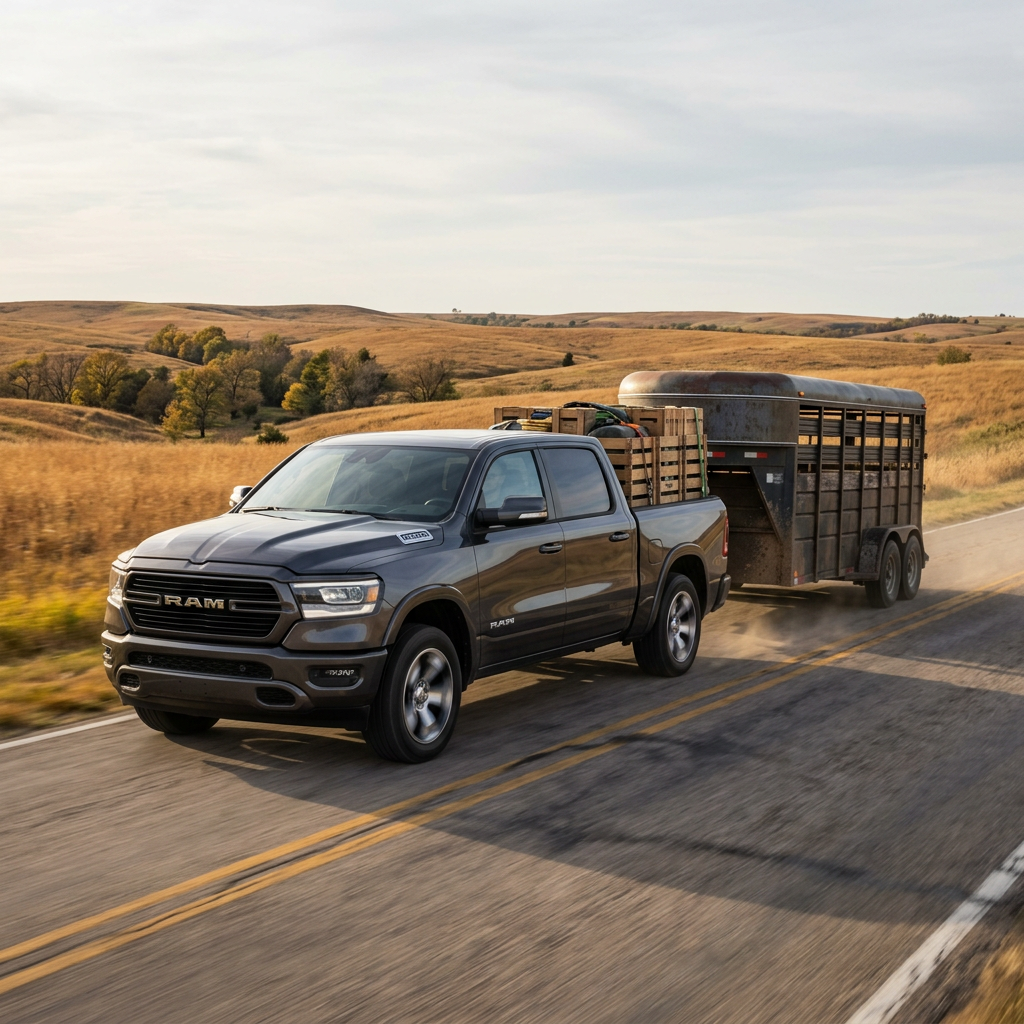
Are There Any Safety Recalls for the 2021 Jeep Grand Cherokee? Bottom Line Answer & NHTSA Overview

Are There Any Safety Recalls for the 2021 Jeep Grand Cherokee? Bottom Line Answer & NHTSA Overview

Are There Any Safety Recalls for the 2021 Jeep Grand Cherokee? Bottom Line Answer & NHTSA Overview Yes, there are active safety recall notices for select 2021 Jeep Grand Cherokee models. According to official records from the National Highway Traffic Safety Administration (NHTSA), safety recalls have been issued for specific production batches of the 2021 Grand Cherokee and early 2021 Grand Cherokee L models. These safety campaigns address potential issues including steering column shaft separation, rearview camera software display glitches, rear seat belt retractor lockups, and radio/telematics software bugs. If you own or are considering buying a 2021 Grand Cherokee, knowing these details is essential for your peace of mind and family safety. The crucial takeaway for every driver in Junction City, Fort Riley, and Manhattan is that all safety recall repairs are required by federal law to be performed completely free of charge by an authorized Chrysler Dodge Jeep Ram dealership. Whether your vehicle needs a quick software reflash or mechanical component replacement, authorized service centers like Valor CDJR will inspect, repair, and sign off on your recall notice at zero cost for parts or labor. Having recall work completed ensures your vehicle continues to meet rigorous federal safety standards and maintains its maximum resale value. Most Common 2021 Jeep Grand Cherokee Recall Notices and What They Mean for Owners To understand 2021 Jeep Grand Cherokee safety recalls, it helps to distinguish between the classic two-row WK body style and the newly introduced three-row WL Grand Cherokee L architecture. Because 2021 was a crossover year featuring both platforms, specific recall notices apply to specific VIN ranges. Key NHTSA safety campaigns for the 2021 model year include: • Steering Column Intermediate Shaft (NHTSA Campaign 23V352000): Affecting select 2021–2023 WL models, an improperly assembled intermediate shaft may disconnect from the joint, resulting in a loss of steering control. Dealership technicians inspect and replace the steering shaft free of charge. • Rearview Camera Display Reflash (NHTSA Campaign 21V201000 / 22V141000): Radio software issues may prevent the backup camera image from displaying when reversing. A simple, zero-cost Uconnect software update corrects the display logic. • Rear Seat Belt Retractor Assemblies (NHTSA Campaign 21V810000): Automatic locking retractors on select second-row seats may lock prematurely or fail to lock properly, potentially reducing restraint effectiveness for child car seats. Below is a summary of major safety recall campaigns associated with the 2021 Jeep Grand Cherokee platform: NHTSA Campaign Affected Component Platform / Trim Potential Safety Risk Dealer Remedy 23V352000 Steering Shaft 2021 Grand Cherokee L (WL) Loss of steering control Inspect & replace shaft (Free) 21V201000 Rearview Camera 2021 WK & WL Models Blank backup screen on reverse Uconnect software update (Free) 21V810000 Rear Seat Belt Retractor 2021 Grand Cherokee L Improper child seat locking Inspect & replace retractor (Free) 21V663000 High Beam Headlamp Software 2021 Grand Cherokee L High beams fail to activate Smartbeam module reflash (Free) How to Check Your VIN and Schedule Free Recall Repairs at Valor CDJR in Junction City Checking whether your 2021 Jeep Grand Cherokee has open recalls takes less than two minutes. Every vehicle is assigned a unique 17-character Vehicle Identification Number (VIN). You can locate your VIN in three easy places: 1. Lower Corner of Windshield: Look through the bottom driver-side corner of the windshield from outside the vehicle. 2. Driver's Door Safety Label: Located on the pillar inside the driver's door frame. 3. Registration & Insurance Card: Printed directly on your Kansas vehicle registration or vehicle insurance policy. Once you have your VIN, visit the official Mopar recall lookup page or NHTSA.gov/recalls to enter your 17-digit code. Alternatively, you can call the service desk at Valor CDJR directly at Call (785) 238-5114, and our service advisors will run your VIN through the factory database instantly. Why Choose Valor CDJR for Recall Repairs Near Fort Riley? When you bring your Grand Cherokee to Valor CDJR in Junction City, KS, you receive top-tier treatment from certified Mopar master technicians who specialize in Jeep vehicles. • 100% Free Service: All recall parts and labor are completely covered under factory warranty. • Genuine Mopar Parts: We use only OEM factory-certified parts designed specifically for your 2021 Grand Cherokee. • Complimentary Multi-Point Inspection: While your vehicle is in our service bay, we perform a thorough check of tire wear, brake pads, battery health, and fluid levels to keep you safe on Kansas highways. • Convenient Service Scheduling: Book online or stop by our dealership located at 1825 Goldenbelt Blvd, Junction City, KS 66441. Schedule Your Free Recall Service Is the 2021 Jeep Grand Cherokee a Reliable Vehicle for Kansas Drivers? Mechanical Durability The mechanical foundation of the 2021 Jeep Grand Cherokee is exceptionally stout. Utilizing time-tested powertrain combinations like the 3.6L Pentastar V6 and TorqueFlite 8-speed automatic transmission, these midsize SUVs routinely pass 150,000 to 200,000 miles with routine fluid changes. Strong unibody construction provides excellent rigidity for navigating rough Flint Hills gravel roads and pothole-laden winter highways. Electrical & Tech Modern vehicles rely heavily on complex electrical architectures. While early software revisions on the Uconnect 5 system generated initial complaints regarding screen freezes, subsequent over-the-air (OTA) updates and factory reflashes have stabilized system performance. Maintaining a strong 12V battery is critical during harsh Kansas winter freezes to ensure all sensor modules perform properly. Owner Ratings Independent research agencies like J.D. Power score the 2021 Jeep Grand Cherokee in the 'Great' category for Quality & Reliability, holding an overall score of 84 out of 100. Owners consistently praise its quiet cabin, confident towing stance along Interstate 70, smooth highway ride quality, and refined interior layout across both daily commutes and long family road trips. Which 2021 Jeep Grand Cherokee Engine Option Is the Most Reliable? The 2021 Jeep Grand Cherokee offers two primary gasoline engine choices, each catering to different driving habits and maintenance profiles: • 3.6L Pentastar V6: Standard across most trims, this dual-overhead-cam engine produces 293 horsepower and 260 lb-ft of torque. With over 10 million units produced across Stellantis brands, the Pentastar V6 is widely regarded as one of the most dependable V6 engines on the market. It features a durable timing chain rather than a belt, uses regular unleaded fuel, and offers lower maintenance expenses over time. • 5.7L HEMI V8: Available on higher trims like Overland, Summit, and Trailhawk, the legendary HEMI V8 pushes out 357 horsepower and 390 lb-ft of torque. It incorporates Variable Valve Timing (VVT) and a Multi-Displacement System (MDS) that deactivates four cylinders during steady highway cruising. While exceptionally durable for heavy-duty towing, it requires strict adherence to full-synthetic oil change schedules to protect hydraulic lifters. Engine Spec 3.6L Pentastar V6 5.7L HEMI V8 Horsepower 293 hp @ 6,400 RPM 357 hp @ 5,150 RPM Torque 260 lb-ft @ 4,000 RPM 390 lb-ft @ 4,250 RPM Max Towing Capacity 6,200 lbs 7,200 lbs Recommended Oil 5W-20 Synthetic 5W-20 Synthetic (MDS compliant) Long-Term Durability Exceptional / Low Maintenance Excellent / High Torque Output What Is the Average Annual Maintenance Cost for a 2021 Jeep Grand Cherokee? According to automotive industry repair data, the average annual routine maintenance cost for a 2021 Jeep Grand Cherokee can vary based on service needs, placing it on par with other popular midsize American SUVs. Factors influencing annual costs include driving frequency across Geary and Riley counties, whether you choose the V6 or V8 engine option, and staying disciplined with scheduled preventative care. Utilizing quick service services like our Express Lane service ensures routine oil changes and multi-point checks are handled fast without disruption to your workday. Key scheduled service milestones include: • Every 7,500–10,000 Miles: Full synthetic oil change, tire rotation, brake lining check. • At 30,000 Miles: Engine air filter and cabin air filter replacement. • At 60,000 Miles: Transfer case fluid, front/rear axle fluid, and spark plug inspection. • At 100,000 Miles: Spark plug replacement, engine coolant flush, and drive belt check. Service Milestone Primary Maintenance Tasks Est. Routine Cost 10k / 20k / 30k Synthetic Oil, Filter, Tire Rotation $85 – $120 30,000 Miles Air Filters, Cabin Filters, Brake Inspection $150 – $220 60,000 Miles 4WD Fluid Service, Brake Flush, Spark Plugs $400 – $650 100,000 Miles Coolant Flush, Transmission Inspection, Belts $500 – $800 Order OEM Mopar Parts & Accessories Does Towing 7,200 lbs Require a Special Equipment Package on the 2021 Grand Cherokee? Yes, unlocking the maximum 7,200 lb towing capacity requires specific factory hardware. While the standard 3.6L Pentastar V6 equipped with a factory receiver hitch delivers an impressive 6,200 lbs towing threshold, reaching the full 7,200 lbs maximum capability requires selecting the 5.7L HEMI V8 engine paired with the factory Trailer Tow Group IV package. The Trailer Tow Group IV package provides essential heavy-duty mechanical cooling and electronics needed to haul heavy boats to Milford Lake or camper trailers through hilly Flint Hills terrain: • Class IV Hitch Receiver & Wiring: Heavy-duty 7-pin and 4-pin trailer wiring harness connectors. • Heavy-Duty Engine Cooling: High-capacity engine cooling fan and enlarged oil cooler to prevent overheating under sustained load. • 220-Amp Alternator: Ensures stable electrical power for trailer lights and onboard brake controllers. • Rear Load-Leveling Suspension: Automatically adjusts rear air springs or shock dampening to prevent sagging when hitched. • Full-Size Spare Tire: Keeps you prepared for highway tire issues when hauling a loaded trailer. Which 2021 Jeep Grand Cherokee Trim Retains the Highest Resale Value? Trailhawk Trim Highest Value Retention. Outfitted with Quadra-Drive II 4WD, rear electronic limited-slip differential, red tow hooks, skid plates, and Goodyear Wrangler off-road tires, the Trailhawk holds exceptional demand among outdoor enthusiasts in central Kansas, resulting in lowest 5-year depreciation. Limited Trim Best Volume Resale. The Limited trim strikes the sweet spot between luxury feature set (leather seating, heated seats, remote start, power liftgate) and purchase price. Highly desired on pre-owned lots for Fort Riley military buyers seeking balance. Overland & Summit Premium Comfort Retention. Offering Palermo leather seats, McIntosh audio, and Quadra-Lift suspension. While initial retail depreciation is slightly higher in percentage terms, these luxury trims retain substantial total trade-in dollar value when properly maintained. Is Buying a Certified Pre-Owned 2021 Jeep Grand Cherokee Worth the Added Cost? For SUV buyers evaluating pre-owned vehicles, choosing a Certified Pre-Owned (CPO) 2021 Jeep Grand Cherokee offers immense long-term protection and value. Every CPO vehicle at Valor CDJR must meet strict eligibility requirements: • Mandatory 125-Point Quality Inspection: Our factory-certified technicians inspect all mechanical components, brakes, tires, electrical systems, and cabin electronics. • Complete Recall Clearance: By rule, a vehicle cannot be sold as CPO until every open NHTSA safety recall has been 100% repaired and certified in the factory system. • 7-Year / 100,000-Mile Powertrain Warranty: Extends factory powertrain protection covering the engine, transmission, and drive system. • 3-Month / 3,000-Mile Maximum Care Coverage: Comprehensive bumper-to-bumper protection starting from the vehicle purchase date. • 24/7 Roadside Assistance & Car Rental Allowance: Includes flat-tire changes, battery jumpstarts, towing, and lockout support across Kansas and nationwide. Browse Certified Pre-Owned SUV Listings Navigating Flint Hills Terrain: Winter Driving and Off-Road Safety in Riley County Driving in north-central Kansas demands a versatile vehicle that handles freezing rain, unpaved rural routes, and high-speed highway traffic on Interstate 70 with ease. The 2021 Jeep Grand Cherokee features legendary four-wheel-drive technology designed specifically to conquer harsh weather conditions. Selec-Terrain Traction Management & Quadra-Lift System: Jeep's Selec-Terrain dial allows drivers to select modes tailored to current track conditions: Auto, Snow, Sand, Mud, or Rock. In 'Snow' mode, the vehicle automatically adjusts torque distribution between front and rear axles, engages second-gear launch control to limit wheel spin, and recalibrates anti-lock brake thresholds. Combined with optional Quadra-Lift air suspension providing up to 10.8 inches of ground clearance, the Grand Cherokee easily clears snowdrifts and rutted country lanes. To ensure your 4WD system operates flawlessly before winter arrives, schedule a seasonal multi-point inspection at Valor CDJR. Evaluating Your Trade-In and Upgrading Your SUV at Valor CDJR If you currently own a 2021 Jeep Grand Cherokee or another pre-owned vehicle, now is an excellent time to evaluate its current trade-in value. Used SUV values remain high across Geary and Riley counties, and completing open safety recall repairs significantly boosts your vehicle's trade appraisal. At Valor CDJR, we make upgrading effortless: • Instant Trade Appraisal: Receive a top-market cash or trade offer based on real-time Kansas market data. • Military Vehicle Purchase Discounts: Proudly supporting military service members at nearby Fort Riley with specialized incentives and preferred financing rates. • Flexible Financing: Apply easily online to get pre-approved for competitive auto loan rates. Whether you are interested in upgrading to a new vehicle lineup model or exploring quality pre-owned options, our experienced sales and finance teams are dedicated to delivering a zero-pressure, customer-first experience. We also offer specialized solutions for regional business owners through our commercial vehicle options program, helping you find the right fleet vehicles for your business requirements. Schedule Your 2021 Jeep Grand Cherokee Inspection and Service at Valor CDJR Today Don't leave your driver safety to chance. If you own a 2021 Jeep Grand Cherokee, verify your VIN status and schedule your zero-cost recall repairs or routine service with the trusted Mopar experts at Valor CDJR. Conveniently located serving Junction City, Fort Riley, Manhattan, and Salina. Visit us today at 1825 Goldenbelt Blvd, Junction City, KS 66441 or reach our friendly team by calling Call (785) 238-5114. You can also Get Directions to Valor CDJR online. Evaluate Your Vehicle Trade-In Value

Chrysler Pacifica vs. Dodge Durango Fuel Efficiency: Quick Answer & Winner Summary

Chrysler Pacifica vs. Dodge Durango Fuel Efficiency: Quick Answer & Winner Summary

Chrysler Pacifica vs. Dodge Durango Fuel Efficiency: Quick Answer & Winner Summary If your primary goal when shopping for a family vehicle in central Kansas is maximizing fuel economy, the Chrysler Pacifica is the stronger choice over the Dodge Durango. Engineered with family road trips and daily efficiency in mind, the Pacifica offers two exceptional powertrains, including a Plug-in Hybrid (PHEV) variant that completely redefines fuel savings in the multi-passenger vehicle segment. The Chrysler Pacifica Plug-in Hybrid delivers an extraordinary EPA-estimated 82 MPGe combined and provides up to 32 miles of pure electric driving range on a full charge. This allows many local drivers to handle daily school runs and errands across Junction City without burning a single drop of gasoline. Even when running exclusively on its 3.6L Pentastar V6 gas engine, the standard Pacifica achieves up to 19 MPG city and 28 MPG highway. By comparison, the performance-focused Dodge Durango Pentastar V6 tops out at 19 MPG city and 26 MPG highway, while its muscle-bound 5.7L and 6.4L HEMI V8 engine options trade raw towing capability for higher fuel consumption. Browse New Vehicle Listings What is the Fuel Economy Rating for Chrysler Pacifica V6 and Plug-in Hybrid Models? The Chrysler Pacifica line gives buyers two distinct approaches to efficiency. The standard gasoline model relies on the award-winning 3.6L Pentastar V6 engine paired with a smooth-shifting 9-speed automatic transmission. Front-wheel-drive gas models deliver 19 MPG city, 28 MPG highway, and 22 MPG combined. Opting for All-Wheel Drive (AWD) adjusts those numbers slightly to 17 MPG city and 25 MPG highway, maintaining impressive fuel conservation while providing enhanced traction for Kansas winter weather. Powertrain / Model City MPG Highway MPG Combined / MPGe Total Driving Range Pacifica 3.6L V6 FWD 19 MPG 28 MPG 22 MPG 504 Miles Pacifica 3.6L V6 AWD 17 MPG 25 MPG 20 MPG 380 Miles Pacifica Plug-in Hybrid (PHEV) N/A (32 mi EV) N/A 82 MPGe / 30 MPG 520 Miles For maximum fuel savings, the Pacifica Plug-in Hybrid combines a modified 3.6L Atkinson-cycle V6 engine with a dual-motor eFlite electrically variable transmission and a 16-kWh battery pack. With a total combined range of 520 miles, you can complete long-distance highway trips across the Midwest without frequent fuel stops. Daily commutes across Geary and Riley counties become remarkably affordable when taking full advantage of overnight home charging. Dodge Durango MPG Breakdown: V6 Pentastar vs. 5.7L & 6.4L HEMI V8 Engines The Dodge Durango is built on a muscle-SUV platform designed for high performance, aggressive styling, and exceptional towing power. Because of its performance tuning and heavier chassis, its fuel efficiency figures reflect a clear focus on muscular driving dynamics rather than pure energy savings. The entry-level 3.6L Pentastar V6 engine delivers a respectable 19 MPG city and 26 MPG highway in rear-wheel-drive configurations (18 city / 25 highway with AWD). Moving up to the iconic 5.7L HEMI V8 yields 360 horsepower but drops efficiency to 14 MPG city and 22 MPG highway. For driving enthusiasts choosing the high-performance 6.4L SRT HEMI V8, fuel ratings settle at 13 MPG city and 19 MPG highway. While cylinder deactivation technology helps save fuel on highway cruises, the Durango's priority remains athletic performance. Engine Option Horsepower / Torque City MPG Highway MPG Combined MPG 3.6L Pentastar V6 (RWD) 295 hp / 260 lb-ft 19 MPG 26 MPG 21 MPG 3.6L Pentastar V6 (AWD) 295 hp / 260 lb-ft 18 MPG 25 MPG 21 MPG 5.7L HEMI V8 (AWD) 360 hp / 390 lb-ft 14 MPG 22 MPG 17 MPG 6.4L SRT HEMI V8 (AWD) 475 hp / 470 lb-ft 13 MPG 19 MPG 15 MPG Calculating Daily Fuel Costs for I-70 Commutes Between Junction City and Manhattan The Commuter Reality: Thousands of local commuters travel the 40-mile round trip along I-70 and Highway K-18 between Junction City, Fort Riley, and Manhattan every single day. Over a standard work year of 250 trips, that adds up to 10,000 miles of highway driving alone. The Annual Numbers: Driving a Chrysler Pacifica Hybrid allows commuters to complete the majority of their daily trip using pure electric charge, reducing annual fuel expenses by up to $1,200 to $1,800 compared to a V6 or V8 Dodge Durango running strictly on gasoline. Maximizing Savings: Drivers taking advantage of charging infrastructure at local employers or Fort Riley facilities can minimize gasoline stops even further. Upgrading your current commuter vehicle is easy when you check your current vehicle value. Trade In Evaluation Are Stow 'n Go Second-Row Seats Available in the Chrysler Pacifica Plug-in Hybrid? A common question from family vehicle shoppers is how interior seating options differ between powertrains. In standard gasoline Chrysler Pacifica models, Chrysler's legendary Stow 'n Go® seating is standard in both the second and third rows, allowing seats to fold completely flat into underfloor bins in seconds. In the Chrysler Pacifica Plug-in Hybrid, the 16-kWh lithium-ion battery pack is strategically housed in the exact underfloor space normally reserved for the second-row Stow 'n Go bins. As a result, the Pacifica Hybrid features ultra-comfortable, removable second-row captain's chairs rather than second-row Stow 'n Go. However, the third-row Stow 'n Go seats remain standard, folding effortlessly into the floor to open up vast cargo space whenever needed. By comparison, the Dodge Durango offers comfortable 6- or 7-passenger seating configurations with fold-flat second and third rows, but lacks the deep underfloor storage bins found in the Pacifica lineup. For families prioritizing maximum interior volume and ease of loading, Pacifica retains a slight functional edge. What Is the Starting MSRP for the Chrysler Pacifica, and What Pricing Information Is Available? The starting MSRP for the gas Chrysler Pacifica typically begins in the low-$40,000 range, while the feature-packed Pacifica Plug-in Hybrid starts slightly higher, reflecting its advanced electrified powertrain. The Dodge Durango shares a similar entry price point for V6 models, though top-tier SRT V8 trims reach significantly higher price brackets. During year-end savings events at Valor CDJR, shoppers can take advantage of substantial factory incentives, seasonal retail consumer cash, trade-in equity bonuses, and low APR financing offers. Furthermore, qualifying Pacifica Hybrid models may qualify for federal, state, or local energy tax incentives that significantly reduce the net cost of ownership. What Documents Are Required When Applying for Financing During Holiday Sales Events? 1. Personal Identification Bring a valid state-issued driver's license. Active duty service members stationed at Fort Riley should also bring their military ID to unlock specialized military rebate programs and finance offers. 2. Proof of Income & Residence Provide recent pay stubs (last 30 days), LES statements for military personnel, or tax returns if self-employed, along with a recent utility bill to verify your physical residence address. 3. Trade-In & Insurance Bring your current vehicle title or lien payoff information, current registration, and active auto insurance card to help support a smooth financing process. Get Pre-Approved What Are the Standard Mileage Limit Options in Chrysler Pacifica Lease Agreements? When structuring a lease agreement for a new Chrysler Pacifica at Valor CDJR, customer flexibility is a top priority. Standard lease structures offer annual mileage limits of 10,000, 12,000, or 15,000 miles per year. Choosing the right tier depends on your daily driving routine across Geary and Riley counties. For high-mileage drivers commuting regularly across central Kansas, high-mileage lease options can be structured upfront. Because the Pacifica Hybrid operates with exceptional efficiency and maintains high residual value, contact Valor CDJR for current lease details. End-of-Year Deals & Holiday Guide — Chrysler at Valor CDJR The end-of-year holiday season represents one of the best times of year to acquire a new Chrysler Pacifica or Dodge Durango at Valor CDJR. Dealership incentives, low promotional APR financing, and special holiday lease cash combine to maximize consumer savings before year-end. Whether you are looking to lower your family's monthly fuel expenditures with a Pacifica Plug-in Hybrid or step into the performance-driven utility of a Dodge Durango, our team in Junction City is prepared to tailor a purchase package that fits your lifestyle and budget goals perfectly. Towing Capacity vs. Fuel Economy: When Does the Dodge Durango Make More Sense? Chrysler Pacifica Capability Max Towing: 3,600 lbs Ideal for small utility trailers, jet skis, or lightweight pop-up campers. Perfect for family road trips where maximum MPG and interior passenger space are the main priorities. Dodge Durango Capability Max Towing: 8,700 lbs Built for heavy towing demands, including large boats, travel trailers, and livestock trailers across the Flint Hills. If heavy trailering is mandatory, Durango is your top pick. Used Vehicle Listings Long-Term Maintenance and Service Considerations in Junction City, KS Beyond initial purchase price and weekly fuel costs, routine maintenance plays an essential role in total vehicle cost of ownership. The Chrysler Pacifica Plug-in Hybrid features a regenerative braking system that significantly reduces wear on traditional brake pads and rotors, extending service intervals and saving money on routine maintenance over time. Both the Pacifica and Durango share time-tested 3.6L Pentastar V6 architecture, keeping standard maintenance costs predictable. At Valor CDJR, our factory-trained technicians use genuine Mopar parts to keep your vehicle performing reliably across central Kansas for years to come. Test Drive the Chrysler Pacifica or Dodge Durango at Valor CDJR Today Choosing between the incredible fuel efficiency of the Chrysler Pacifica and the raw towing strength of the Dodge Durango comes down to your personal driving needs. The best way to make your decision is to experience both back-to-back at Valor CDJR in Junction City, KS. Visit our showroom located at 1825 Goldenbelt Blvd, Junction City, KS 66441, or give our sales team a call at Call (785) 238-5114. You can also easily Get Directions to Valor CDJR to plan your visit today!

Real-World RAM 1500 Reliability: Towing, Engines, and Long-Term Value

Real-World RAM 1500 Reliability: Towing, Engines, and Long-Term Value

Real-World RAM 1500 Reliability: Towing, Engines, and Long-Term Value What Is the Towing Capacity and Payload Reliability of the Ram 1500? Properly equipped, the Ram 1500 delivers a maximum towing capacity of 11,580 pounds and a maximum payload capacity of 2,300 pounds. These figures depend on vehicle configuration, engine selection, axle ratio, and cab design. The foundational strength behind these ratings lies in a frame built from 98 percent high-strength steel, paired with an independent front suspension and an exclusive five-link rear coil-spring suspension that reduces frame flex and maintains rear axle alignment under heavy tongue weights. For drivers hauling equipment along K-18 toward Manhattan, the coil-spring rear axle prevents the aggressive bounce and tail-wag common in traditional leaf-spring setups when carrying a loaded trailer. Under maximum payload conditions, the rear axle housing and heavy-duty wheel bearings distribute vertical weight across the frame structure without premature suspension sag. When equipped with the optional four-corner air suspension, the system automatically self-levels when sensors detect trailer tongue weight or cargo bed loads, keeping headlights level and maintaining ground clearance. Real-world payload reliability hinges on understanding gross vehicle weight ratings. Total payload includes the driver, all passengers, bed cargo, and the tongue weight of any attached trailer (which averages 10 to 15 percent of total loaded trailer weight). Exceeding these thresholds accelerates rear brake pad wear and increases thermal stress on the automatic transmission fluid. When local owners ask me how to select the right setup, I tell them that work-focused builds like the Tradesman or Big Horn with the 3.92 axle ratio deliver the highest usable payload margins for heavy hauling. To examine properly configured trucks in person, stop by our Goldenbelt Boulevard location or give our sales team a quick call to verify exact door-jamb weight ratings. Table of Contents Which Engine Options Are Available in the Ram 1500 and How Durable Are They? How Does the 3.0L Hurricane Engine Compare to the 5.7L HEMI V8 in Long-Term Durability? What Are Common Mechanical Issues and Software Updates for the Ram 1500 Hurricane Engine? How Do Annual Maintenance Costs for the Ram 1500 Compare to Competitor Trucks? Which Ram 1500 Trim Packages Retain the Highest Resale Value for Junction City Drivers? What Can Truck Owners Do to Preserve Maximum Resale Value and Mechanical Health Over Time? Which Engine Options Are Available in the Ram 1500 and How Durable Are They? The Ram 1500 lineup offers three core gasoline powertrains: the 3.6-liter Pentastar V6 with eTorque, the 3.0-liter Hurricane twin-turbo inline-six Standard Output, and the 3.0-liter Hurricane High Output. Each engine channels power through a TorqueFlite eight-speed automatic transmission engineered for adaptive gear-ratio management and rapid heat dissipation. The base 3.6-liter Pentastar V6 with eTorque produces 305 horsepower and 271 lb-ft of torque. It utilizes a belt-driven motor generator powered by a 48-volt battery pack to supply instantaneous low-end rotational torque during off-the-line acceleration. The Pentastar V6 has earned a reputation for exceptional mechanical endurance, with dual overhead camshafts, variable valve timing, and a cast-aluminum block that routinely exceeds high-mileage thresholds with minimal maintenance beyond scheduled oil changes. The 3.0-liter Hurricane twin-turbo inline-six Standard Output engine generates 420 horsepower and 469 lb-ft of torque, serving as the core workhorse for high-towing trims. The 3.0-liter Hurricane High Output engine steps up performance to 540 horsepower and 521 lb-ft of torque by employing dual fuel pumps, higher boost pressure, and forged aluminum pistons. Both inline-six powertrains use a deep-skirt aluminum block, a forged steel crankshaft, and plasma-arc spray-bore cylinder coatings that eliminate heavy iron cylinder liners, reducing internal friction and heat retention under load. You can explore these powertrain options directly across our new Ram 1500 inventory to find the right balance of output and capability. How Does the 3.0L Hurricane Engine Compare to the 5.7L HEMI V8 in Long-Term Durability? The 3.0-liter Hurricane twin-turbo inline-six replaces the 5.7-liter HEMI V8 as the primary power unit by engineering greater low-rpm torque while significantly reducing thermal and rotational wear. While the outgoing 5.7-liter HEMI V8 produced 395 horsepower and 410 lb-ft of torque, the Standard Output Hurricane engine develops 420 horsepower and 469 lb-ft of torque—reaching peak torque at just 3,500 rpm. Inline-six engine architecture inherently possesses perfect primary and secondary mechanical balance. Unlike V8 engines, where reciprocating piston forces require counterweights and complex harmonic balancers to control vibration, an inline-six cancels out rotational vibrations naturally. This smooth power stroke reduces lateral load against the main crankshaft bearings, extending bottom-end engine component lifespan during prolonged towing. Thermal management represents another major advance over the previous V8 design. The Hurricane engine features a dual-water pump cooling system and a water-to-air intercooler mounted directly to the intake manifold, keeping intake air temperatures low even during slow-speed pulling in hot summer weather. Furthermore, the inline engine layout provides direct overhead access to ignition coils, spark plugs, and fuel injectors, lowering long-term labor times for routine maintenance. Drivers interested in comparing these engine characteristics can inspect our pre-owned truck inventory to evaluate both HEMI and Hurricane configurations side by side. What Are Common Mechanical Issues and Software Updates for the Ram 1500 Hurricane Engine? Early production iterations of the 3.0-liter Hurricane twin-turbo inline-six reported occasional electronic sensor alerts related to the Engine Control Module (ECM) and thermal management diagnostic sweeps. These conditions rarely indicate hardware mechanical failure; instead, they stem from ultra-sensitive factory diagnostic threshold settings designed to monitor twin-turbo pressure differentials and intercooler coolant circulation. Stellantis has released targeted factory software recalibrations that refine sensor communication logic and prevent false check-engine light illuminations. These software updates optimize wastegate actuator positioning and refine cold-start fueling mapping to ensure smooth idle behavior across varying ambient temperatures. From a mechanical hardware perspective, keeping twin-turbocharged inline engines running reliably requires strict adherence to oil viscosity and quality guidelines. Turbocharger center cartridges spin at speeds exceeding 100,000 rpm and depend entirely on clean, full-synthetic oil for lubrication and cooling. Extending oil change intervals beyond recommended limits can cause oil thermal breakdown and carbon buildup near turbo oil feed lines. Using quality air filters is equally critical, as fine dust or debris passing through the intake tract can pit compressor wheel blades over time. Buyers who wish to finance a new or pre-owned truck can get pre-approved for financing online before scheduling an in-person vehicle walkaround. How Do Annual Maintenance Costs for the Ram 1500 Compare to Competitor Trucks? Average annual repair and scheduled upkeep costs for the Ram 1500 range between $670 and $720, placing it directly in line with half-ton competitors like the Ford F-150 and Chevrolet Silverado 1500. Standard maintenance involves synthetic oil changes, tire rotations, cabin and engine air filter replacements, and periodic brake inspections. Factory warranty protection plays a central role in mitigating out-of-pocket ownership expenses during the first years of operation. The Ram 1500 comes protected by a three-year/36,000-mile basic warranty covering bumper-to-bumper components, alongside a five-year/60,000-mile powertrain warranty. Furthermore, select model years feature extended powertrain coverage up to 10 years or 100,000 miles for original owners, covering internal engine components, transmission cases, transfer cases, and drive axles. Routine brake service costs are managed efficiently thanks to large 14.9-inch front and 14.8-inch rear brake rotors that dissipate heat effectively during heavy stopping, preventing premature rotor warping. To keep your vehicle operating within factory specifications, you can schedule a service appointment with our certified technicians or order replacement components through our genuine Mopar parts department. Which Ram 1500 Trim Packages Retain the Highest Resale Value for Junction City Drivers? Trim package selection directly influences percentage value retention over a three-to-five-year ownership cycle. Off-road oriented models like the Rebel and Warlock, alongside well-equipped middle and upper luxury tiers like the Laramie, Limited, and Tungsten, consistently command top dollar on the regional pre-owned market. Demand for four-wheel-drive Crew Cab models equipped with the 5-foot-7-inch or 6-foot-4-inch bed remains extremely strong across northeastern Kansas. The Rebel retains high market value because its factory-installed 1.0-inch ride height lift, Bilstein performance dampers, electronic locking rear differential, and skid plates appeal directly to buyers who want off-road capability without aftermarket modifications. At the upper end of the lineup, the Laramie trim represents the sweet spot for total value retention. It balances premium equipment—such as leather-trimmed seating, a 12.0-inch touchscreen running Uconnect 5, heated and ventilated front seats, and blind-spot monitoring —with an accessible price entry point. When current truck owners decide to upgrade, they can evaluate their trade-in value online to see how their current vehicle performs on the market. What Can Truck Owners Do to Preserve Maximum Resale Value and Mechanical Health Over Time? Preserving the long-term value and mechanical integrity of a half-ton pickup requires a proactive maintenance routine focused on fluid preservation, undercarriage protection, and detailed service logging. Maintain Documented Service History: Keep organized digital or physical records of every oil change, tire rotation, fluid flush, and factory software update. A documented maintenance history signals diligent care to future buyers and trade-in appraisers. Protect the Undercarriage from Corrosion: Wash the truck bed and frame rails thoroughly after winter weather events to clear away road salts and magnesium chloride treatments that accelerate surface rust on steel frame components. Adhere to Turbocharger Care Standards: On twin-turbo Hurricane engines, allow the engine to idle for 30 to 60 seconds after heavy towing or high-speed highway driving to allow oil to cool the turbocharger center bearings before shutting off the ignition. Utilize Genuine OEM Filters and Fluids: Use factory-certified Mopar synthetic oils, air filters, and coolant formulations engineered specifically for the thermal tolerances of your engine. Keep Interior and Paint Surfaces Conditioned: Apply UV protectants to leather cabin surfaces and wax or ceramic-seal the exterior paint to preserve clear-coat luster against sun oxidation. To review current maintenance schedules or explore our complete inventory of half-ton trucks, visit our showroom on Goldenbelt Boulevard or call our team directly at (785) 238-5114 today. © 2026 Valor CDJR. All rights reserved.
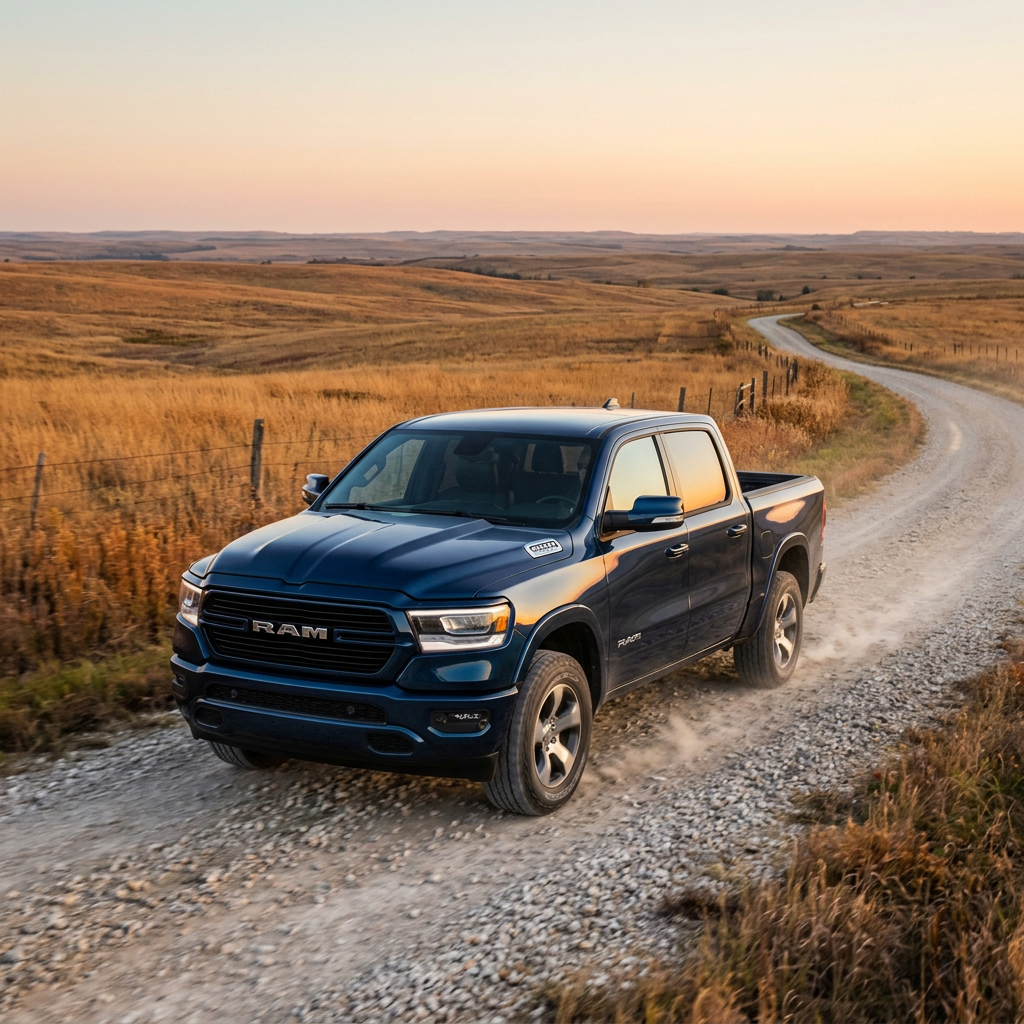
2025 Dodge Durango vs 2020 Dodge Journey Comparison

2025 Dodge Durango vs 2020 Dodge Journey Comparison

2025 Dodge Durango vs 2020 Dodge Journey Comparison The 2025 Dodge Durango wins this comparison overall due to its superior 295 hp powertrain, 6,200 lbs maximum towing capacity, spacious base cargo room of about 17 cu ft, and available All-wheel drive system. While the 2020 Dodge Journey provides an entry-level price point for value-focused buyers, the Durango offers significantly greater utility, interior comfort, modern connectivity, and active driver-assistance technology. Table of Contents Which SUV Is the Best Choice for Leavenworth County Families: 2025 Dodge Durango or 2020 Dodge Journey? How the 2025 Dodge Durango and 2020 Dodge Journey Compare in Price and Trim Value Passenger Comfort and Cargo Space for Military Families: Durango vs. Journey Performance and Handling Tailored to Kansas Rolling Hills: 2025 Dodge Durango vs 2020 Dodge Journey Fuel Efficiency and Driving Range for Daily Commuters in Junction City Tech Features That Keep Drivers Connected and Safe on the Road Warranty, Maintenance, and Service Options for Dodge Owners Common Buyer Questions Comparing the 2025 Dodge Durango and 2020 Dodge Journey Experience the Dodge SUV Lineup at Valor CDJR Which SUV Is the Best Choice for Leavenworth County Families: 2025 Dodge Durango or 2020 Dodge Journey? The 2025 Dodge Durango is the better choice for families requiring robust engine performance, severe-weather capability, and substantial cargo capacity, whereas the 2020 Dodge Journey serves as a budget-oriented option for basic three-row transportation. For household duties in Leavenworth County, where rolling terrain and seasonal weather changes demand steady traction, the Durango delivers superior mechanical capability and interior volume. The 2025 Dodge Durango builds on a muscular platform engineered for towing and high passenger capacity. Equipped with standard three-row seating for 7 passengers, the Durango provides about 17 cu ft of cargo space behind the third row and up to about 85 cu ft with rear seats folded flat. Power comes from a 3.6L Pentastar V6 engine producing 295 hp and 260 lb-ft of torque, routed through a TorqueFlite® 8-speed automatic transmission. Available in all-wheel drive and rear-wheel drive configurations, it manages steep grades, trailering tasks, and winter roads with composure. In contrast, the 2020 Dodge Journey prioritizes more accessible pricing. Powered by a 2.4L 4-cylinder engine generating 173 hp and 166 lb-ft of torque paired with an AutoStick 4-speed automatic transmission, the Journey is exclusively configured in front-wheel drive. It accommodates 7 passengers across three rows, but offers a tighter about 11 cu ft of cargo capacity behind the third row and about 68 cu ft total maximum cargo volume. For buyers evaluating pre-owned three-row utility vehicles versus brand-new performance crossovers, exploring our pre-owned vehicle listings provides a clear look at available inventory options across different price points. Pricing Manufacturer-listed pricing per trim, across compared vehicles. 2025 Dodge Durango Trim MSRP 2020 Dodge Journey Trim MSRP GT RWD $38,495 SE Value Package FWD $23,675 GT AWD $40,495 Crossroad FWD $28,595 How the 2025 Dodge Durango and 2020 Dodge Journey Compare in Price and Trim Value The 2020 Dodge Journey carries a lower starting MSRP of $23,675, while the 2025 Dodge Durango starts at $38,495 MSRP, reflecting its significantly larger frame, higher mechanical output, and modern technology suite. The lineup for the 2025 Dodge Durango includes three distinct trim configurations in our catalog data: GT RWD: Starting MSRP of $38,495 (plus destination charge) GT AWD: Starting MSRP of $40,495 (plus destination charge) GT Plus AWD: Starting MSRP of $44,495 (plus destination charge) Standard equipment on the Durango includes a 10.1 in touchscreen display, Keyless Go, 3-zone automatic climate control, and a 7 in TFT instrument cluster screen. Upgrading to the GT Plus AWD trim adds refined cabin appointments, such as leather-trimmed seating, enhanced driver-assist systems, and additional comfort features. The 2020 Dodge Journey features two streamlined trim tiers: SE Value Package FWD: Starting MSRP of $23,675 (plus $1,495 destination charge) Crossroad FWD: Starting MSRP of $28,595 (plus $1,495 destination charge) The SE Value Package FWD features a 4.3 in touchscreen display, cloth bucket seats, and manual air conditioning. The Crossroad FWD trim adds an 8.4 in touchscreen display, leather upholstery with sport mesh inserts, 10-way power driver seat adjustment, 19 in alloy wheels, and a power sunroof. Shoppers looking to transition from their current vehicle can value your trade-in to establish an accurate equity baseline, or choose to prequalify for financing online to streamline the purchasing process at the dealership. Dimensions & Capacity Capacity and dimensions by trim Specification 2025 Dodge Durango 2020 Dodge Journey Seating 7 7 Cargo 17.2 cu ft 10.7 cu ft Towing 6,200 lbs 1,000 lbs Curb weight 4,986 lbs 4,052 lbs Payload 1,514 lbs 953 lbs Passenger Comfort and Cargo Space for Military Families: Durango vs. Journey The 2025 Dodge Durango provides significantly more passenger legroom, hip room, and cargo capacity than the 2020 Dodge Journey, making it a more practical hauler for growing families and heavy gear transport. The Durango offers an expanded cabin design spanning a 119.8 in wheelbase and an overall exterior length of 201 in. Front occupants enjoy 39.9 in of headroom, 40.3 in of legroom, and 57 in of hip room. Second-row passengers receive 39.8 in of headroom and 38.6 in of legroom, while third-row passengers get 37.8 in of headroom and 33.5 in of legroom. Cargo capacity stands at about 17 cu ft with all seats in place, expanding to about 85 cu ft with the rear seats folded. The Durango also offers optional 2nd Row Fold/Tumble Captain Chairs on select trims, converting the seating configuration from 7 to 6 passengers for easier third-row access. The 2020 Dodge Journey sits on a shorter 113.8 in wheelbase with an overall length of 192.4 in. Front cabin dimensions include 40.8 in of headroom, 40.8 in of legroom, and 53.8 in of hip room. Second-row space offers 39.2 in of headroom and 36.1 in of legroom, while the third row measures 37.7 in of headroom and 23.4 in of legroom. Storage volume behind the third row measures about 11 cu ft, expanding to a maximum of about 68 cu ft with rear rows stowed. For owners who want to outfit their SUV with specialized floor mats, cargo organizers, or utility guards, our parts department supplies genuine OEM accessories engineered specifically for your vehicle. Engine & Performance Powertrain specs by trim Specification 2025 Dodge Durango 2020 Dodge Journey Engine 3.6L 2.4L Horsepower 295 hp 173 hp Torque 260 lb-ft 166 lb-ft Transmission TorqueFlite® AutoStick Drivetrain All-wheel drive Front-wheel drive Performance and Handling Tailored to Kansas Rolling Hills: 2025 Dodge Durango vs 2020 Dodge Journey The 2025 Dodge Durango delivers dramatically stronger acceleration and hill-climbing power with its 295 hp V6 engine compared to the 173 hp 4-cylinder engine in the 2020 Dodge Journey. Under the hood of the Durango, the 3.6L Pentastar V6 engine produces 295 hp at 6,400 rpm and 260 lb-ft of torque at 4,000 rpm. Combined with the TorqueFlite® 8-speed automatic transmission featuring steering-wheel-mounted paddle shifters, the Durango maintains optimal gear selection during highway merging and uphill climbs. Furthermore, the Durango features a 6,200 lbs maximum braked towing capacity and a payload capacity ranging from 1,514 lbs on AWD models to 1,625 lbs on RWD models. An optional Trailer Tow Group IV adds an integrated trailer brake controller, heavy-duty rear automatic leveling suspension, and blind-spot monitoring with trailer coverage. The 2020 Dodge Journey utilizes a 2.4L DOHC 16-valve 4-cylinder engine generating 173 hp at 6,000 rpm and 166 lb-ft of torque at 4,000 rpm. Power is managed by an AutoStick 4-speed automatic transmission operating through a Front-wheel drive layout. The Journey carries a maximum braked towing capacity of 1,000 lbs, with payload limits of 953 lbs for the Crossroad trim and 1,187 lbs for the SE Value Package trim. The Durango’s four-wheel independent suspension—utilizing a front wishbone design and rear multi-link setup with front and rear stabilizer bars—delivers composed body control over uneven road surfaces, whereas the Journey uses a front MacPherson strut and rear multi-link configuration. Fuel Economy Fuel economy and range by trim Specification 2025 Dodge Durango 2020 Dodge Journey MPG 17 city / 24 hwy / 20 combined 19 city / 25 hwy / 21 combined Fuel Efficiency and Driving Range for Daily Commuters in Junction City The 2020 Dodge Journey achieves slightly higher fuel economy in city driving at 19 city MPG, whereas the 2025 Dodge Durango provides a longer overall driving range of 492 mi due to its larger 24.6 gal fuel tank. EPA fuel economy ratings for the 2025 Dodge Durango vary slightly by drivetrain: Durango GT AWD / GT Plus AWD: 17 city / 24 hwy / 20 combined MPG Durango GT RWD: 18 city / 25 hwy / 20 combined MPG Equipped with a 24.6 gal fuel tank, the Durango calculates an estimated total range of 492 mi per tank on regular unleaded fuel ( 87 octane), allowing drivers in Junction City to travel longer distances between fuel stops. The 2020 Dodge Journey posts the following EPA ratings across all trims: Journey Crossroad / SE Value Package FWD: 19 city / 25 hwy / 21 combined MPG With a fuel tank capacity of 20.5 gal, the Journey provides a calculated driving range of 431 mi on regular unleaded fuel. While the Journey offers a 1 MPG advantage in combined fuel economy over the Durango AWD trims, the Durango RWD trim matches its 25 hwy MPG rating while supplying an extra 122 hp. Tech Features That Keep Drivers Connected and Safe on the Road The 2025 Dodge Durango provides a vastly updated technology suite featuring a 10.1 in Uconnect touchscreen, wireless smartphone integration, and active driver-assist technologies that are unavailable on the 2020 Dodge Journey. In the 2025 Dodge Durango, entertainment and navigation are centered around a standard 10.1 in high-definition touchscreen display. System capabilities include: Standard Apple CarPlay and Android Auto integration Virtual assistant Alexa voice interaction Integrated 3D navigation with 60 months of included traffic information SiriusXM Guardian telematics and Wi-Fi hotspot capability (1 GB / 3-month trial included) Standard 6-speaker audio system on GT, upgrading to a 9-speaker Alpine system with subwoofer on GT Plus (and an optional 19-speaker harman/kardon® surround sound package) Safety equipment on the Durango includes standard Full Speed Forward Collision Warning Plus, Lane Departure Warning Plus, Blind Spot and Cross Path Detection, ParkSense® Rear Park Assist (or Front and Rear Park Assist with Stop), Rear Cross-Path Detection, trailer stability control, and 7 standard airbags including a driver knee airbag. In NHTSA testing, the Durango earned a 5-star side impact rating and a 4-star overall crash rating. The 2020 Dodge Journey features older-generation infotainment options. The Crossroad trim includes an 8.4 in touchscreen display with Uconnect, voice command, Bluetooth® connectivity, and SiriusXM satellite radio, while the SE Value Package utilizes a compact 4.3 in screen. Safety equipment includes 7 airbags, Parkview Rear Back-Up Camera, ABS, and electronic stability control. In IIHS safety testing, the Journey earned "Good" ratings in moderate overlap front, side impact, roof strength, and rear crash protection tests. Warranty, Maintenance, and Service Options for Dodge Owners Both the 2025 Dodge Durango and 2020 Dodge Journey are backed by identical factory powertrain and roadside assistance warranty durations from Chrysler, Dodge, Jeep, and Ram. Factory warranty coverage terms include: Basic Whole Vehicle Warranty: 36 months / 36,000 miles Powertrain Warranty: 60 months / 60,000 miles Roadside Assistance Coverage: 60 months / 60,000 miles Corrosion Perforation Warranty: 36 months / unlimited miles In emergency situations on the road, manufacturer-backed support is available directly through Chrysler, Dodge, Jeep, Ram Roadside Assistance: 1-800-521-2779. This coverage includes towing to authorized service centers, flat tire assistance, battery jump-starts, and fuel delivery using genuine factory parts. To keep your vehicle operating efficiently, sticking to scheduled maintenance intervals is essential. Major service milestones occur every 10,000 to 15,000 miles for oil changes and tire rotations, with intermediate inspection intervals listed at 20,000 miles and main service intervals at 30,000 miles. Owners can easily schedule a service appointment online with our factory-trained technicians. Common Buyer Questions Comparing the 2025 Dodge Durango and 2020 Dodge Journey Q: Is the 2025 Dodge Durango worth the price difference over a pre-owned 2020 Dodge Journey? Yes. The 2025 Dodge Durango justifies its higher price with a 295 hp V6 engine, an 8-speed automatic transmission, available All-wheel drive, 6,200 lbs towing capacity, a modern 10.1 in Uconnect touchscreen, and advanced active safety features like forward collision warning and lane departure assistance. The 2020 Dodge Journey offers lower upfront cost but provides significantly lower power ( 173 hp), a 4-speed transmission, 1,000 lbs towing, and legacy interior electronics. Q: Which SUV offers more cargo space for active families? The 2025 Dodge Durango offers substantially more cargo space. It provides about 17 cu ft of storage volume behind the third row and about 85 cu ft of maximum cargo space with the second and third rows folded flat. The 2020 Dodge Journey provides about 11 cu ft behind the third row and a maximum of about 68 cu ft with rear seats folded. Q: How do the towing capabilities compare between these two Dodge SUVs? The 2025 Dodge Durango exceeds the Journey in towing capability. Equipped with the 3.6L Pentastar V6, the Durango can tow up to 6,200 lbs when properly equipped. The 2020 Dodge Journey has a maximum towing limit of 1,000 lbs, restricting it to very light utility trailers. Q: Does either vehicle offer All-Wheel Drive? The 2025 Dodge Durango offers full-time All-wheel drive on the GT AWD ( $40,495 MSRP) and GT Plus AWD ( $44,495 MSRP) trims, as well as a Rear-wheel drive setup on the GT RWD trim. The 2020 Dodge Journey models in this comparison are exclusively Front-wheel drive. Experience the Dodge SUV Lineup at Valor CDJR Whether you need the aggressive power, 6,200 lbs towing capacity, and All-wheel drive confidence of the 2025 Dodge Durango or are evaluating practical three-row pre-owned options like the 2020 Dodge Journey, our team is here to assist you. When you are ready to explore our current model selection in person, visit our Junction City showroom located at 1825 Goldenbelt Blvd, Junction City, KS 66441. You can also give our team a quick call at (785) 238-5114 to ask specific model questions, or view our current new Dodge inventory online to browse available trims and colors today. © 2026 Valor CDJR. All rights reserved. Vehicle specification data © JATO Dynamics Limited.
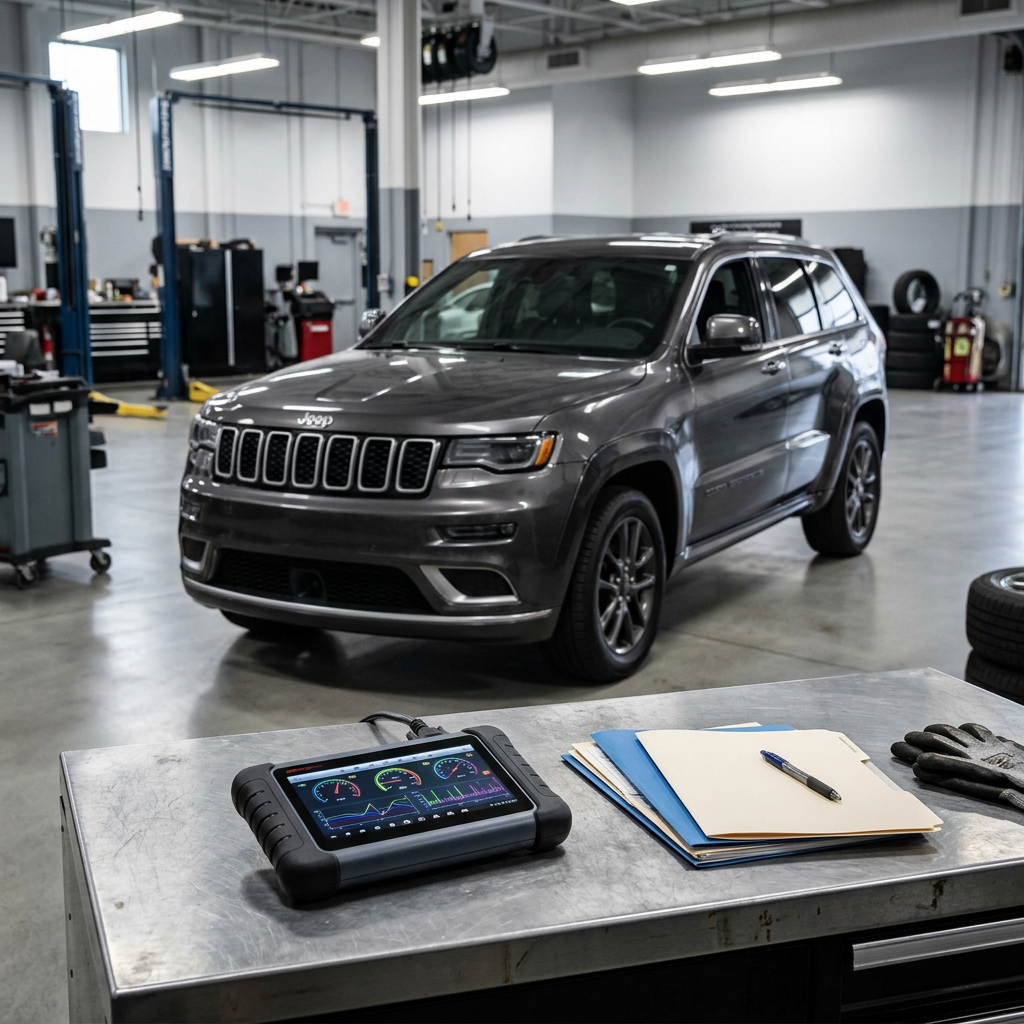
Contact Us

Fill out this form below and we'll contact you shortly
*Required Fields