




What I Have Learned About RAM 1500 Reliability and Value Over 20 Years
Which Ram 1500 Trim Level Provides the Best Overall Value for Reliability and Capability?
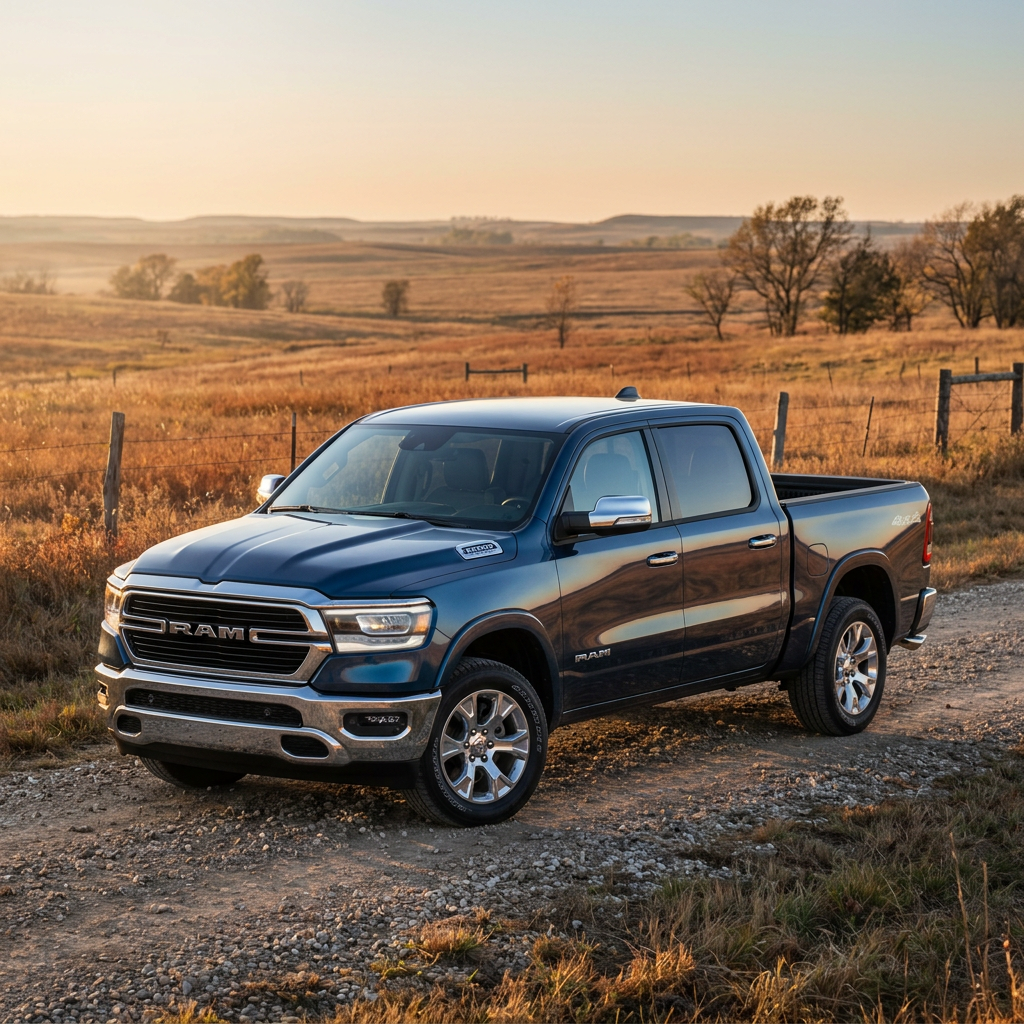
The Big Horn trim delivers the best overall value for reliability and everyday capability in the Ram 1500 lineup. Positioned right above the work-oriented Tradesman, it combines essential driver comfort features with access to key capability packages and engine options—including the proven 3.6L Pentastar V6 with eTorque and the 3.0L twin-turbo Hurricane inline-six—without pushing buyers into high-end luxury pricing tiers.
When buyers visit us to compare configurations, the Big Horn repeatedly stands out as the practical sweet spot. Standard equipment provides the core structural and electronic foundation needed for daily driving, while optional packages allow owners to equip factory trailer tow group technology, upgraded axle ratios, and enhanced cabin creature comforts tailored to specific needs. For owners focused on long-term ownership costs, choosing a middle trim like the Big Horn avoids the higher replacement costs associated with niche electronic adaptive air suspensions or ultra-complex interior trim components found on top-tier models like the Tungsten.
From a mechanical durability perspective, keeping the equipment package focused on functional capability pays dividends over decades of ownership. The Big Horn shares the exact same high-strength steel frame, robust 8HP80 eight-speed automatic transmission, and heavy-duty braking components with higher trims, ensuring that core truck durability remains identical regardless of interior luxury level. Backed by a standard 3-year/36,000-mile basic warranty and a 10-year/100,000-mile powertrain warranty, it delivers maximum long-term peace of mind. If you are comparing trim details in person, our team is always ready to guide you at our showroom on Goldenbelt Blvd or take your questions over the phone at (785) 238-5114.
Table of Contents
- How Does Hurricane Twin-Turbo Torque and Reliability Compare to the Traditional HEMI V8?
- What Essential Cooling Checks Keep Twin-Turbo Ram Engines Running Efficiently?
- How Does the Ram 1500 Rear Suspension Setup and Towing Tech Differ From GM and Ford?
- Can Wireless Over-the-Air Updates Keep Your Ram 1500 Systems Updated and Operating Smoothly?
- How Does Annual Vehicle Mileage Impact Pickup Truck Resale Values Over Time?
- Are Clean Vehicle Tax Credits Available and What Maintenance Protects Your Ram Investment in Junction City?
How Does Hurricane Twin-Turbo Torque and Reliability Compare to the Traditional HEMI V8?
The standard-output 3.0L twin-turbo Hurricane inline-six delivers 420 horsepower and 469 lb-ft of torque, reaching peak torque significantly lower in the engine's rev range than the outgoing naturally aspirated 5.7L V8. This lower RPM torque arrival provides stronger low-speed pulling force for heavy towing and immediate highway acceleration, while output escalates further on the Hurricane High Output variant to 540 horsepower and 521 lb-ft of torque.
When truck owners ask me how the low-end throttle response compares between the new twin-turbo setup and the classic V8, I like to show them how quickly peak torque hits lower in the RPM band during a quick climb under load. The twin parallel turbochargers utilize small, low-inertia turbines that spool rapidly, virtually eliminating lag and delivering linear thrust from right above idle. In contrast, the classic 5.7L V8 required higher engine speeds to produce its maximum output, meaning the transmission had to downshift more frequently when hauling or ascending steep highway grades.
Long-term reliability on the Hurricane engine family is built around heavy-duty internal architecture, including a cast-aluminum block with cross-bolted main bearing caps, plasma transfer wire arc cylinder wall coatings for reduced friction, and forged steel crankshafts and connecting rods. While early V8 designs relied on displacement to generate power, the twin-turbo inline-six relies on precise direct fuel injection operating at up to 5,075 psi and sophisticated thermal management to optimize combustion efficiency. For drivers exploring pre-owned trucks alongside new inventory, evaluating powertrain maintenance records remains a critical step, which you can easily research across our pre-owned pickup truck inventory.
What Essential Cooling Checks Keep Twin-Turbo Ram Engines Running Efficiently?
Twin-turbocharged engines generate substantial thermal energy under continuous load, making regular inspection of the engine coolant levels and the dedicated dual-loop cooling systems essential for maintaining peak operational efficiency. The Ram 1500 utilizes separate cooling circuits for the primary engine block and the liquid-to-air charge air coolers, preventing heat soak during heavy towing or warm summer operation.
During routine vehicle inspections, technicians evaluate coolant condition, system pressure, and hose integrity across both cooling loops. The charge air cooling circuit relies on an electric water pump and a dedicated front-mounted radiator to cool pressurized intake air before it enters the cylinders. If coolant level in either reservoir drops below specification, intake air temperatures rise, prompting the engine control module to pull ignition timing and reduce power output to protect internal components.
A complete cooling inspection checklist for Hurricane-powered Ram models includes several vital items:
- Inspecting fluid levels and clarity in both the primary engine radiator reservoir and the low-temperature intercooler circuit.
- Checking main radiator and auxiliary cooler fins for dirt, mud, or road debris build-up that restricts airflow.
- Testing the operation of the electric cooling fans and auxiliary intercooler water pumps during engine warming cycles.
- Verifying hose connections and hose clamps around the turbocharger oil and coolant supply lines for trace weeping.
Maintaining proper fluid chemistry and ensuring clear airflow across the front heat exchangers prevents premature thermal stress on turbocharger bearings and cylinder head gaskets. Staying current on scheduled maintenance intervals protects factory warranty coverage, and customers can easily prepare their vehicle budget by prequalifying online before scheduling service.
How Does the Ram 1500 Rear Suspension Setup and Towing Tech Differ From GM and Ford?
The Ram 1500 utilizes a standard five-link coil-spring rear suspension design, whereas standard light-duty trucks from Ford and GM rely on traditional multi-leaf spring setups. This multi-link coil geometry isolates lateral chassis movement and eliminates the harsh, unladen axle hop common to leaf springs, resulting in superior ride comfort and superior tire contact over uneven road surfaces.
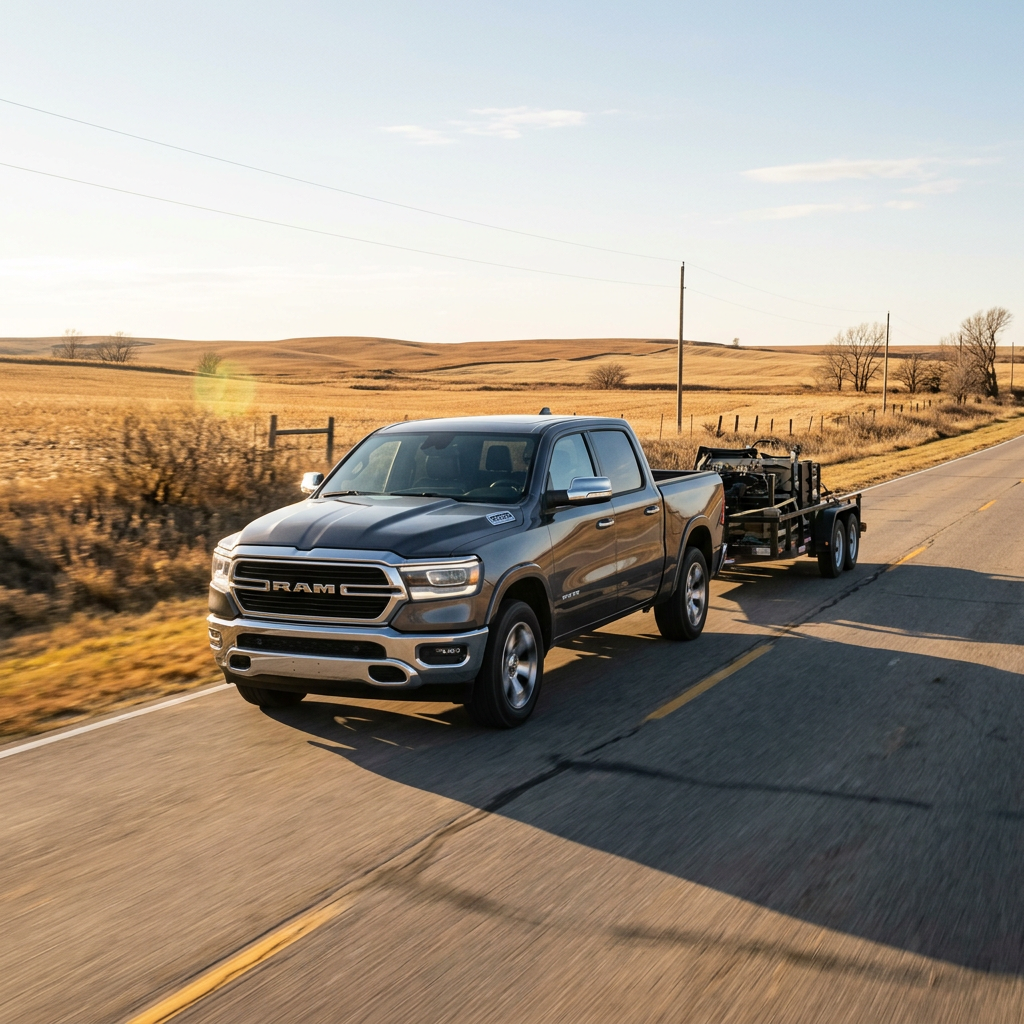
When towing heavy loads across the rolling hills near Manhattan, the coil-spring rear axle maintains precise axle positioning without sacrificing stability. For maximum versatility, Ram also offers an available active four-corner air suspension system. This system automatically levels the truck when a heavy trailer is attached, lowers the vehicle at highway speeds to decrease aerodynamic drag, and allows manual height adjustments to clear obstacles off-road or lower the bed step-in height for loading cargo.
Complementing this suspension layout is a suite of advanced trailering technologies designed to simplify hitching and maneuvering:
- Trailer Reverse Steering Control, which allows the driver to guide trailer direction using a console knob while the system manages steering wheel inputs.
- Integrated trailer brake controller with dynamic gain adjustment mapped directly to vehicle braking force.
- Blind-spot monitoring with extended coverage that automatically detects and accounts for the full length of the attached trailer.
- High-definition surround-view camera views including Dynamic Hitch Assist for precise single-person alignment with the trailer coupler.
Together, these mechanical and electronic systems allow the Ram 1500 to achieve a 11,580-pound towing capacity and a 2,300-pound maximum payload capacity while maintaining driver confidence. Owners looking to add original trailering hitches, wiring harnesses, or brake control modules can order original equipment directly through our dedicated parts center.
Can Wireless Over-the-Air Updates Keep Your Ram 1500 Systems Updated and Operating Smoothly?
Electronic control modules and the Uconnect 5 infotainment system in the Ram 1500 receive wireless over-the-air updates directly via an integrated cellular connection. These remote updates deliver software enhancements, feature optimizations, and system stability patches without requiring a physical service visit to the dealership.
Over-the-air capability covers multiple vehicle domains, ranging from infotainment navigation updates and display interface responsiveness improvements to powertrain control module calibrations and safety system algorithms. When a software update becomes available, the system prompts the driver on the central touchscreen display with options to install immediately or schedule the installation overnight while the vehicle is parked and locked.
Wireless software maintenance eliminates common glitch concerns and ensures driver assistance features like Active Driving Assist remain operating with the latest safety parameters. Over the lifecycle of the truck, over-the-air updates ensure electronic systems adapt and improve continuously, preserving operational efficiency and user interface speed long after delivery.
How Does Annual Vehicle Mileage Impact Pickup Truck Resale Values Over Time?
Pickup trucks driven within the industry average window of 12,000 to 15,000 miles per year experience a predictable, steady depreciation curve that optimizes trade-in equity over a standard four-to-six-year ownership cycle. Accumulating mileage significantly above 15,000 miles per year accelerates market value loss due to anticipated mechanical wear, while low-mileage vehicles command premium valuations in the pre-owned market.
Maintaining detailed service records and staying within standard mileage brackets directly impacts residual value when trading or selling a full-size truck. Commercial operators and trade professionals who accrue high annual mileage can offset depreciation impacts by selecting durable trim specifications and maintaining rigid fluid service schedules.
When calculating total cost of ownership, mileage impact should be evaluated alongside initial purchase configuration:
- Standard Mileage (12,000–15,000 miles/year): Retains predictable market value; ideal for personal commuters and light recreational users.
- High Mileage (18,000+ miles/year): Increases wear on suspension and drivetrain items; mitigated by strict maintenance documentation and commercial duty packages.
- Low Mileage (Under 10,000 miles/year): Commands top-tier trade-in values; preserves cabin condition and mechanical components for maximum equity retention.
If you are evaluating your current vehicle's standing, you can browse our new Ram 1500 inventory, estimate your current vehicle's worth using our online trade-in evaluation tool, or review heavy-duty options in our commercial truck selection.
Are Clean Vehicle Tax Credits Available and What Maintenance Protects Your Ram Investment in Junction City?
Federal clean vehicle tax credits under IRC §30D, §25E, and §45W may be subject to change, so buyers should confirm current eligibility with the dealership and their tax advisor before purchase.
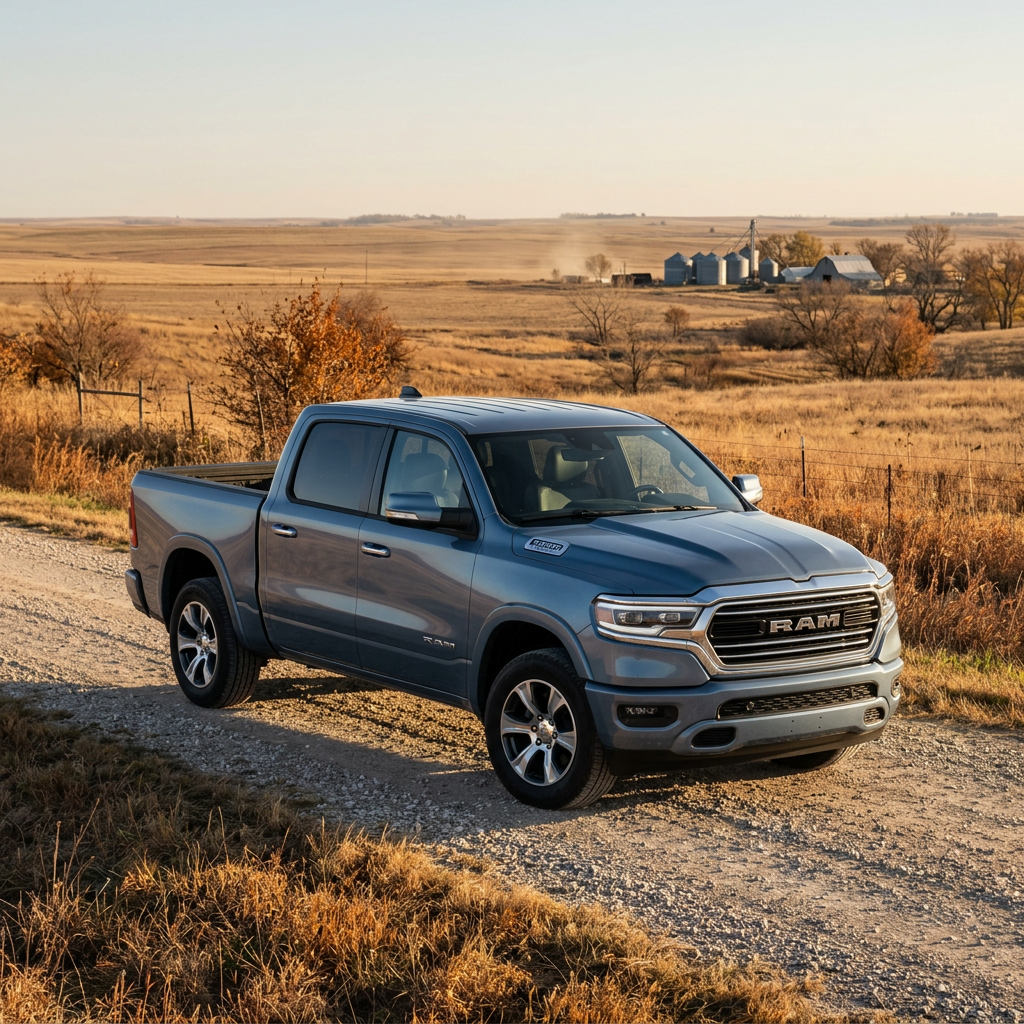
Protecting your truck investment in the severe four-season climate of Junction City requires proactive maintenance tailored to local driving conditions. Agricultural work, dirt back roads, and winter road salt applications introduce severe wear factors that require dedicated preventive care. Scheduled oil changes, air filter replacements, differential fluid checks, and regular undercarriage washings prevent corrosion and mechanical degradation over time.
To keep your truck running in peak condition year-round, our factory-trained service technicians offer comprehensive maintenance programs using genuine OEM parts. You can visit our Junction City dealership location, give our team a quick call to speak with an advisor, or conveniently schedule a service appointment online today.