




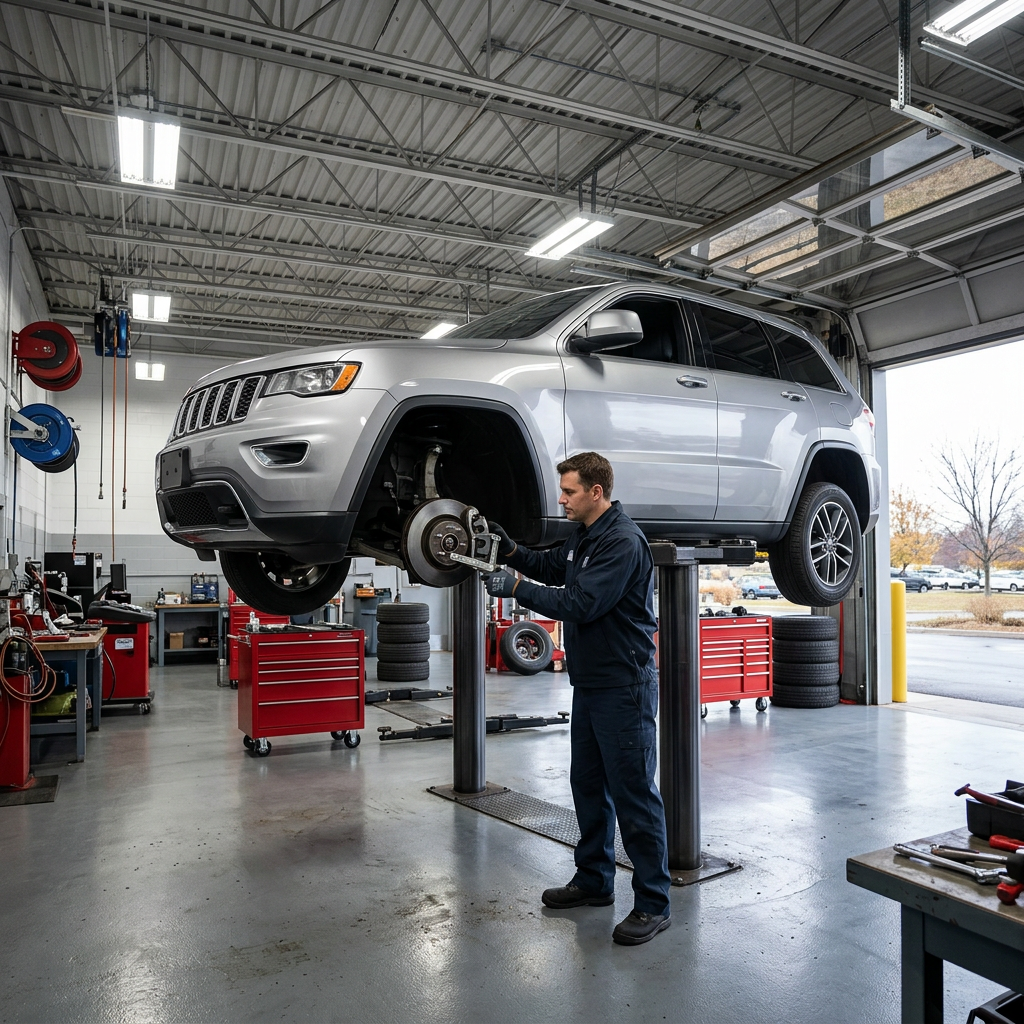
Does Jeep Include Complimentary Routine Maintenance with the Grand Cherokee Laredo?
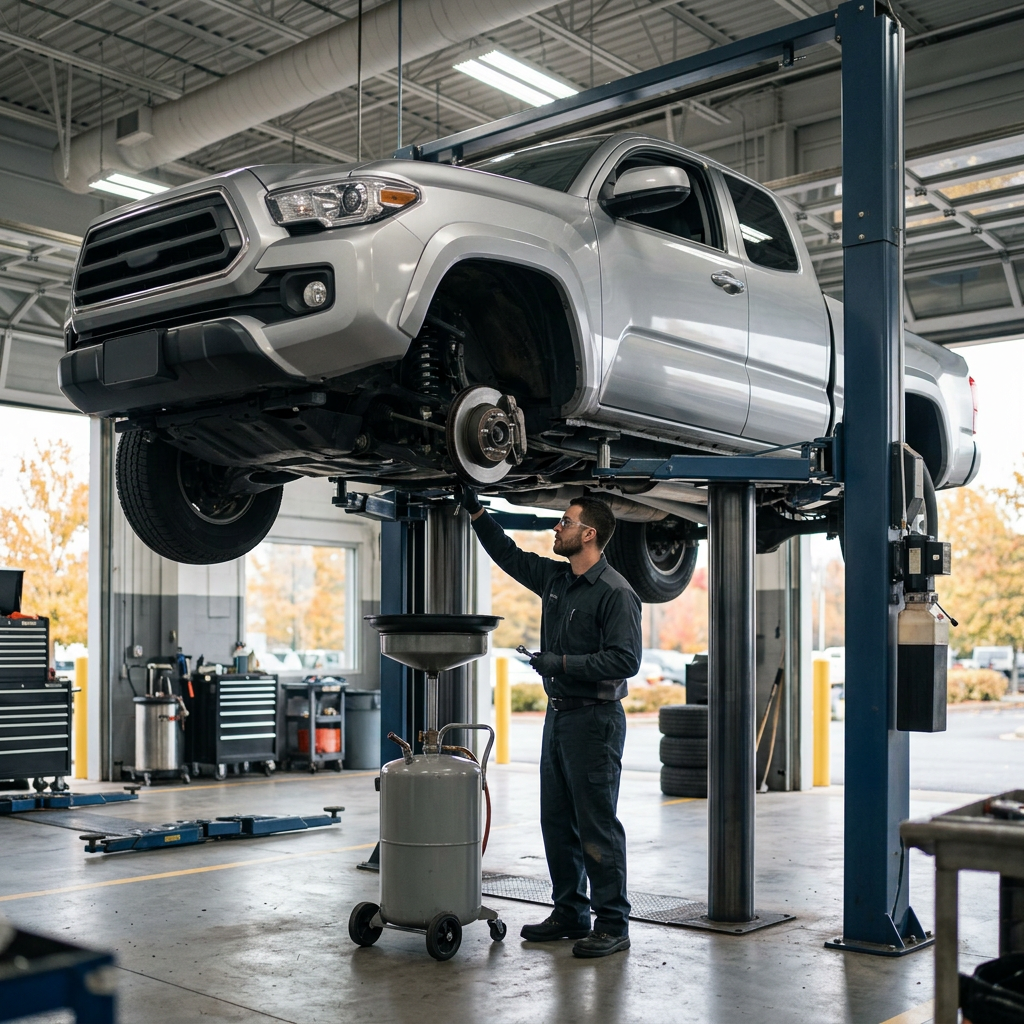
Eligible Jeep Grand Cherokee models, including the Laredo trim, may include complimentary routine maintenance through the Jeep Wave customer care program for the initial 24 to 36 months of ownership. This factory-backed coverage covers scheduled engine oil changes and tire rotations performed by certified technicians during your first years on the road. Along with regular maintenance visits, the program provides dedicated owner support and trip interruption protection to ensure your SUV stays in peak operating condition from day one.
In my 20 years overseeing service departments, I have found that complimentary maintenance programs dramatically improve long-term vehicle health because they encourage owners to establish consistent service habits right after purchase. The factory coverage aligns directly with the manufacturer maintenance schedule, ensuring your vehicle receives genuine fluids and filters before minor wear develops into a costly mechanical problem. When you visit our service center on Goldenbelt Boulevard, our factory-trained technicians log each completed service into the national Mopar database to maintain a clean vehicle history.
Beyond scheduled maintenance, a new Jeep Grand Cherokee Laredo comes backed by robust factory warranty protection. You may receive a 3-year/36,000-mile basic warranty that covers many bumper-to-bumper components against manufacturing defects, alongside a 5-year/60,000-mile powertrain limited warranty covering the engine, transmission, and driveline assembly, depending on the model year and factory warranty terms. Jeep may also include roadside assistance coverage, giving you support for flat tires, battery jump-starts, and emergency towing. If you ever have questions regarding what your active warranty covers or want to verify your remaining Jeep Wave benefits, you can give our team a quick call to check your status.
Table of Contents
- Recommended Engine Oil and Filter Intervals for the 3.6L Pentastar V6
- Brake Pad and Rotor Replacement Intervals for Grand Cherokee Owners
- Performing Routine Maintenance at Home Without Voiding Your Factory Warranty
- How Heavy Towing Changes Your Grand Cherokee Laredo Maintenance Schedule
- Winter Readiness: Battery, Coolant, and Chassis Checks
Recommended Engine Oil and Filter Intervals for the 3.6L Pentastar V6
The standard 3.6-liter Pentastar V6 engine requires SAE 0W-20 full synthetic engine oil certified to meet Chrysler Material Standard MS-6395. Using the correct synthetic formulation is essential because the Pentastar engine utilizes variable valve timing and hydraulic valve lifters that depend on immediate oil pressure across a wide range of operating temperatures. The oil capacity for this engine is 5.0 quarts with a fresh filter replacement, and cutting corners with conventional oil or incorrect viscosity grades can lead to premature valvetrain wear and camshaft sensor codes.
Oil and filter service on the Jeep Grand Cherokee Laredo is managed by an automated oil-life monitoring system that analyzes engine operating temperatures, trip lengths, idle time, and overall load to calculate remaining fluid lifespan. Under normal highway driving conditions, the oil change indicator typically illuminates between 7,500 and 10,000 miles. However, the factory guidelines mandate that the interval between oil changes must never exceed 10,000 miles, 12 months, or 350 engine hours, whichever milestone comes first. If your daily driving involves frequent short trips or extended idling, the monitor will alert you much earlier, often closer to 5,000 miles.
Regular filter replacement is just as critical as the oil itself. The Pentastar engine uses a top-mounted cartridge oil filter housed inside an upper manifold assembly, requiring careful torque application of 18 lb-ft on the plastic cap to prevent hairline cracks and oil seepage. During an oil service, our technicians also inspect the engine air filter, which typically requires replacement every 30,000 miles under normal conditions, and the cabin air filter, which should be changed every 12,000 to 20,000 miles to maintain crisp climate control airflow. To keep your SUV running smoothly, you can reserve an appointment through our online service scheduler at your convenience.
Brake Pad and Rotor Replacement Intervals for Grand Cherokee Owners
Front brake pads on a Jeep Grand Cherokee Laredo generally require replacement between 30,000 and 60,000 miles, while rear brake pads often last slightly longer, reaching 40,000 to 70,000 miles under normal highway driving conditions. Because the Grand Cherokee is a substantial midsize SUV with an unladen curb weight topping 4,200 pounds, driving style and cargo weight play major roles in how quickly friction materials wear down. Vehicles used primarily for stop-and-go commuting will naturally wear down pads much sooner than those driven predominantly on open rural highways.
Brake rotors should be measured with a micrometer at every pad change to ensure they exceed minimum discard thickness specifications before being resurfaced or replaced. Front rotors endure significant kinetic energy and heat transfer, making them susceptible to surface grooving and thermal warping over time. If you feel a high-speed steering wheel pulsation when braking or hear a metallic squeal from the wear indicators, your pads have likely worn down to their final millimeters of usable friction material. Replacing worn pads promptly protects the rotors from metal-on-metal contact, preventing costly caliper damage.
Routine brake maintenance also requires periodic hydraulic fluid care. Brake fluid is hygroscopic, meaning it absorbs moisture from ambient humidity over time, which lowers its boiling point and can create a spongy brake pedal during heavy braking. Jeep recommends inspecting brake fluid clarity and testing water content at every service interval, with a complete hydraulic fluid flush recommended every two to three years. When you need replacement friction components or factory hardware, our on-site parts department provides original-equipment Mopar brake pads and rotors engineered specifically for your vehicle's stopping requirements.
Performing Routine Maintenance at Home Without Voiding Your Factory Warranty
Vehicle owners can perform routine maintenance services at home without voiding their factory warranty, provided the work adheres strictly to manufacturer intervals and utilizes correct fluid specifications. The federal Magnuson-Moss Warranty Act protects consumer rights by prohibiting manufacturers from denying warranty coverage simply because maintenance was completed outside an authorized dealership. If you prefer changing your own engine oil, swapping cabin air filters, or replacing wiper blades in your home garage, your factory protections remain fully intact.
To safeguard your warranty coverage against potential future disputes, documentation is essential. If an engine component experiences a mechanical failure and you submit a warranty claim, the manufacturer has the right to request proof that scheduled maintenance was performed according to factory requirements. You should maintain an organized service binder or digital folder containing:
- Itemized purchase receipts showing the exact date, brand, and part numbers for oil, filters, and fluids
- Packaging slips confirming that engine oil meets Chrysler Material Standard MS-6395
- A written maintenance log noting the exact mileage, date, and procedure completed
- Tire rotation logs detailing tread depth measurements and rotation patterns
Avoiding aftermarket components that fail to meet factory engineering tolerances is equally critical. Using an off-brand oil filter without an internal bypass valve or pouring non-specified fluids into the transfer case can cause mechanical failures that warranty adjusters will attribute directly to improper parts rather than factory defects. While basic filter and fluid changes are straightforward for experienced home mechanics, complex diagnostics, electronic module updates, and transfer case services are best handled by certified technicians equipped with factory diagnostic tools.
How Heavy Towing Changes Your Grand Cherokee Laredo Maintenance Schedule
Towing a utility trailer, camper, or boat shifts your Jeep Grand Cherokee Laredo from the standard maintenance schedule into the severe-duty service interval. Sustained trailering elevates operating temperatures inside the transmission, rear differential, and engine cooling circuit, which causes lubricants to shear and degrade significantly faster than during normal commuting. When you regularly tow loads across Highway 177 toward Manhattan, routine inspections must be performed at shorter intervals to prevent accelerated wear on mechanical components.
Under severe operating conditions, engine oil should be replaced closer to 4,000 or 5,000 miles rather than waiting for the maximum 10,000-mile mark. Differential gear lubricants also demand closer attention. The front and rear axles use synthetic hypoid gear oil that breaks down under the sustained thermal stress of pulling heavy weights. Jeep recommends changing the rear differential fluid every 20,000 to 30,000 miles when vehicles are subjected to frequent towing, compared to much longer intervals for unladen highway cruisers. The eight-speed automatic transmission fluid should also be inspected regularly for heat discoloration.
Achieving the full 6,200-lb towing capacity on a Laredo powered by the standard 3.6-liter Pentastar V6 requires specific factory equipment. The vehicle must be equipped with the optional Trailer Tow Prep Group or full factory tow package, which includes:
- A heavy-duty engine cooling system with a high-capacity radiator and auxiliary transmission cooler
- A sturdy Class IV receiver hitch integrated directly into the rear unibody frame
- Standard 7-pin and 4-pin electrical wiring harnesses for trailer brake and lighting control
- Rear load-leveling suspension shocks that maintain proper vehicle ride height and headlight aim
- A full-size spare tire matching the rolling diameter of the road wheels
Without this factory cooling and electrical equipment, standard models are limited to a baseline towing capacity of 3,500 pounds, and attempting to tow heavier loads risks severe overheating and premature transmission failure.
Winter Readiness: Battery, Coolant, and Chassis Checks
Cold Midwestern winter mornings place extraordinary demands on your vehicle's starting, charging, and thermal management systems. Drivers commuting past Fort Riley face rapid temperature drops that strain 12-volt electrical systems, making pre-winter preventative maintenance crucial for dependable daily operation. A comprehensive cold-weather inspection ensures that chemical fluids retain their protective properties and mechanical parts perform reliably across freezing slush and icy asphalt.
Your winter readiness checklist should begin with a digital battery conductance test. Automotive batteries lose roughly thirty to fifty percent of their cranking power when temperatures drop below freezing, while the engine simultaneously requires higher amperage to turn over cold, viscous motor oil. Our technicians inspect the battery terminals for corrosion, verify that the cold-cranking amperage output meets factory ratings, and inspect the charging system alternator output. Any battery displaying marginal reserve capacity should be replaced before the first severe freeze leaves you stranded.
Cooling system chemistry and chassis components require equal vigilance before winter weather arrives:
- Test coolant antifreeze concentration using a refractometer to ensure freeze protection down to -34 degrees Fahrenheit
- Inspect the serpentine accessory drive belt for micro-cracks or tensioner slack that could slip on frosty pulleys
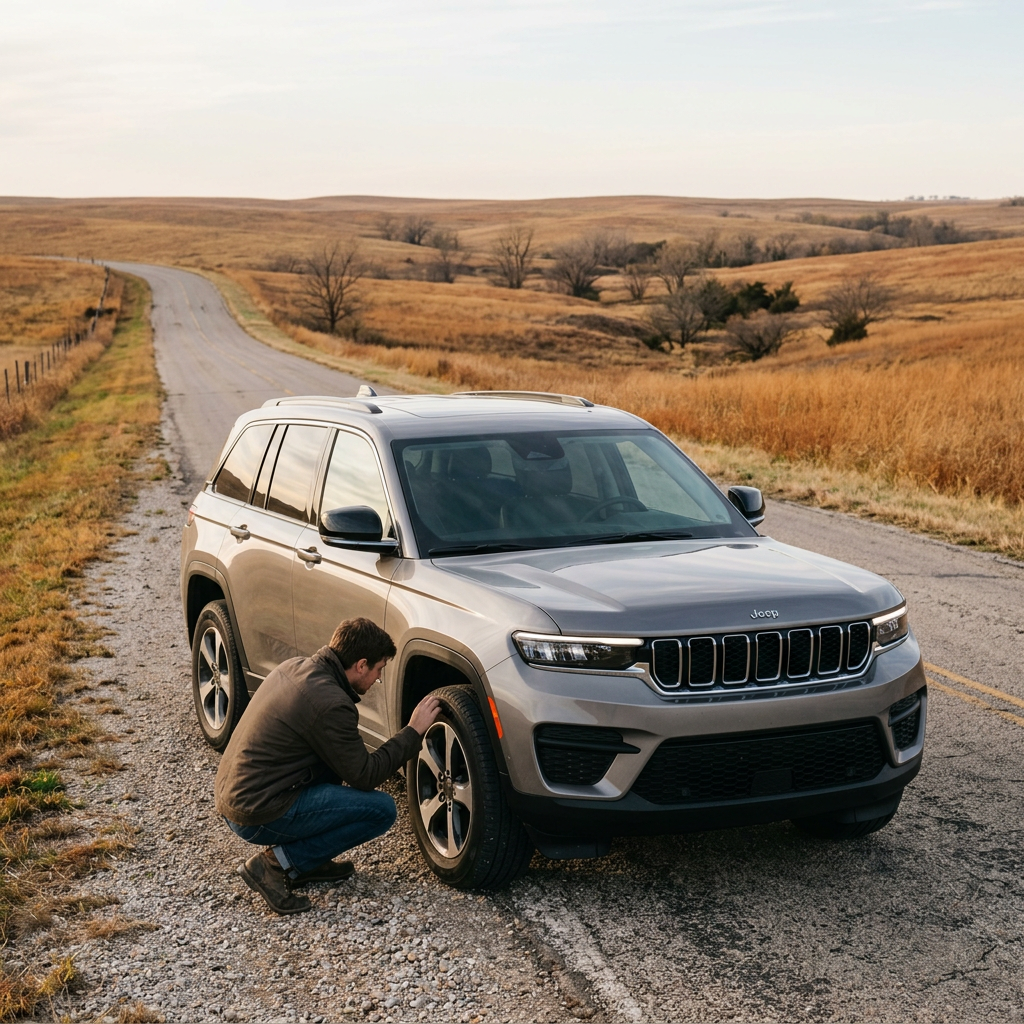
- Measure tire tread depth, ensuring at least 4/32 inches of remaining tread for adequate slush evacuation
- Verify tire inflation pressures, compensating for the natural drop of one pound per square inch for every ten-degree drop in outside temperature
- Inspect brake pads for even wear and examine hydraulic lines for road-salt corrosion or moisture intrusion
Taking time to address these critical maintenance points before winter settles in protects your vehicle's mechanical longevity and keeps your SUV ready for challenging road conditions. If you want our certified technicians to complete a thorough multi-point inspection or winter service check, you can contact our service advisors at (785) 238-5114 or stop by our service drive on Goldenbelt Boulevard to ensure your vehicle is completely prepared for the season ahead.