




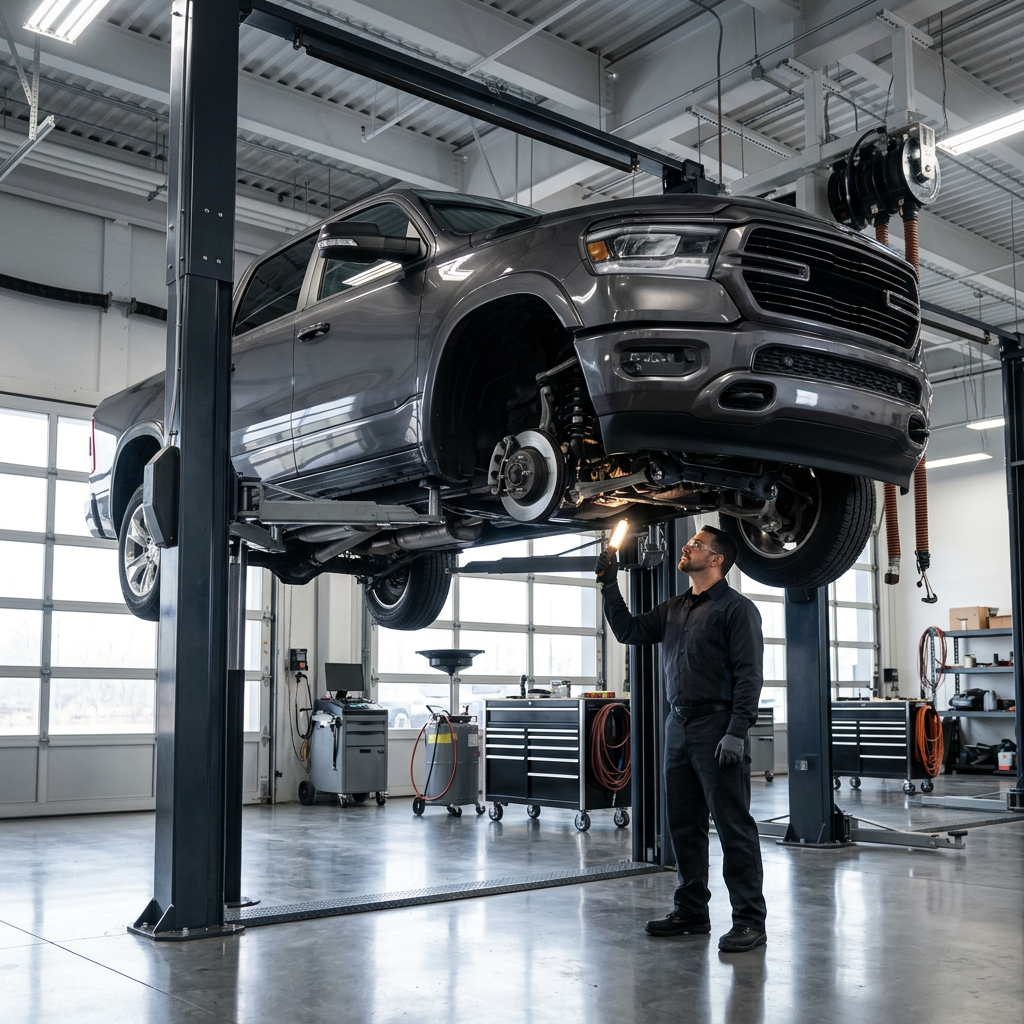
RAM 1500 Reliability & Longevity: Q&A With Valor CDJR General Manager Jace Grabouski
Reaching 200,000 miles in a Ram 1500 requires strict adherence to 5,000-to-7,500-mile engine oil and filter changes, transmission fluid service every 60,000 miles, spark plug replacements around 100,000 miles, and routine cooling system flushes. Today, we're interviewing Jace Grabouski, General Manager at Valor CDJR, who brings 20 years of automotive expertise to share key service insights on truck durability, maintenance schedules, and long-term ownership.
Q: What routine maintenance is required to reach 200,000 miles in a Ram 1500?
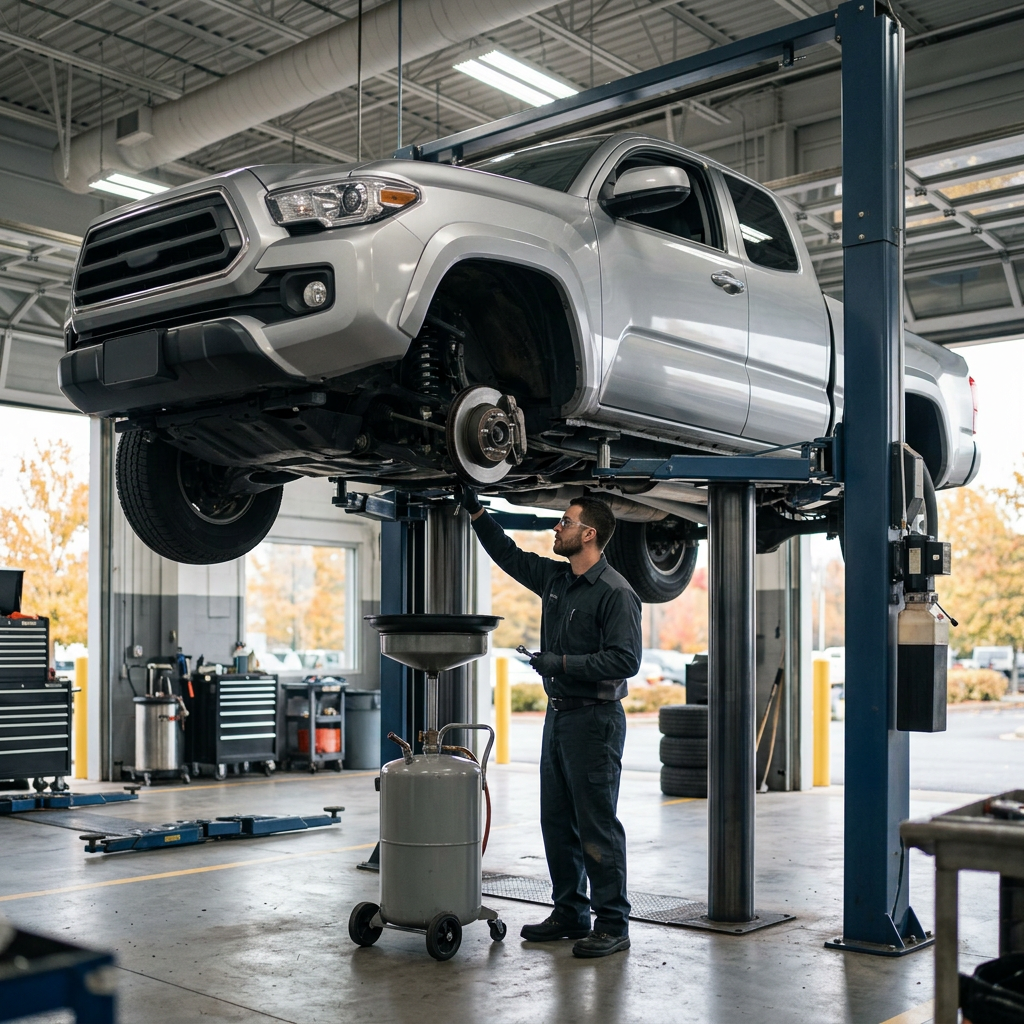
A: Crossing the 200,000-mile milestone in a full-size pickup comes down to consistency rather than luck. For any Ram 1500 powertrain, the foundational requirement is performing engine oil and filter changes every 5,000 to 7,500 miles using high-grade full synthetic oil. While modern oil life monitoring systems allow for extended intervals under light driving conditions, trucks used for towing or frequent short trips need that stricter regimen to prevent internal sludge buildup and protect vital valve train components.
Beyond engine oil, key mechanical systems demand scheduled fluid renewals to reach high mileage. The eight-speed automatic transmission should receive fresh fluid and a new pan filter every 60,000 miles, even if early factory schedules describe the fluid as lifetime fill. Front and rear differentials, along with the transfer case on four-wheel-drive models, require fresh gear lubricant around 50,000 to 60,000 miles. This interval is especially critical for truck owners conducting heavy agricultural hauling or towing equipment around Junction City. Replacing spark plugs at 100,000 miles, flushing the engine coolant every 60,000 miles, and inspecting front suspension ball joints and ensuring tight steering tolerances will keep the chassis feeling firm and responsive well past six figures. To set up your vehicle's long-term care plan, visit our service center location on Goldenbelt Blvd or give our certified service team a call directly at (785) 238-5114.
Q: How do the Pentastar V6, Hemi V8, and Hurricane inline-six compare in long-term longevity?
A: Each available engine architecture brings distinct mechanical characteristics and maintenance expectations over extended ownership. The naturally aspirated 3.6L Pentastar V6 produces 305 hp and stands as one of the most proven engines in the Stellantis lineup. With its simple mechanical design, timing chain durability, and widespread parts availability, the Pentastar V6 routinely hits high mileage with minimal fuss beyond basic fluid changes and thermostat servicing.
The classic 5.7L HEMI V8 delivers 395 hp and exceptional towing power. Long-term longevity on the HEMI V8 relies heavily on using the exact recommended oil viscosity to support the Multi-Displacement System and preventing extended idling, which helps ensure proper lubrication to the camshaft rollers and lifters. On the newer end of the lineup, the 3.0L Hurricane twin-turbo inline-six is available in a 420 hp Standard Output and a 540 hp High Output tuning. While turbochargers add mechanical complexity, the Hurricane utilizes plasma-arc spray-bore cylinder coatings and robust forged components built for heavy thermal stress. Long-term reliability for the Hurricane engine hinges on high-quality synthetic oil, clean air filters, and brief idle periods after hard towing to cool the turbo bearings. Early model ratings like J.D. Power's initial Quality & Reliability score of 73 out of 100 offer a snap-shot of initial production [2], but real-world ownership shows that all three engines can deliver exceptional long-term service when maintenance schedules are strictly followed.
Q: How does the eTorque mild-hybrid system affect long-term maintenance and reliability?
A: The eTorque mild-hybrid system adds minimal maintenance overhead while significantly enhancing daily driveability and engine stop-start smoothness. Rather than using a complex high-voltage traction battery like a full hybrid, eTorque replaces the traditional alternator with a belt-driven motor generator unit tied to a compact 48-volt battery pack. Because the electrical motor assists during initial acceleration, it reduces low-end mechanical strain on the internal combustion engine.
From a routine service perspective, eTorque requires only two primary maintenance checks. First, technicians inspect the heavy-duty drive belt connecting the motor generator unit to the crankshaft during regular oil changes, replacing it if cracking or tension loss appears. Second, the system utilizes a dedicated low-temperature cooling circuit for the power electronics, which requires routine coolant level checks and a fluid exchange around 100,000 miles. The 48-volt battery is designed to last the service life of the truck without owner intervention. You can conveniently book your next inspection using our online maintenance scheduling portal.
Q: Are air suspension systems reliable on high-mileage Ram 1500 models?
A: The optional Active-Level Four-Corner Air Suspension delivers unmatched ride comfort and automatic load leveling when hauling cargo, but high-mileage ownership requires a clear understanding of component wear. Air bladders, rubber seals, and control valves are wear-and-tear items that naturally age over time and exposure. For drivers navigating the rolling terrain around Manhattan, the self-leveling capability prevents rear-end sag when pulling heavy trailers, but owners should expect air spring or compressor service as mileage climbs past the 100,000-mile mark.
"Truck longevity isn't about luck; it comes down to replacing fluids before they degrade and taking care of the mechanical components that do the heavy lifting."
In colder climates, moisture buildup inside the pneumatic lines can cause air control valves to stick during freezing temperatures. Preventative maintenance includes keeping the electrical connections clean and inspecting the rubber air bladders for dry rotting or road debris damage during tire rotations. If an air bladder eventually leaks, replacing it promptly prevents the air compressor from running continuously and overheating.
Q: What are the most common long-term mechanical issues reported on the Ram 1500?
A: When truck owners come into our service bay after hitting six figures on the odometer, the most frequent repair we evaluate is cracked exhaust manifold bolts on older 5.7L V8 engines, which create a noticeable ticking sound during cold starts. Thermal expansion over thousands of heat cycles strains the rear manifold bolts, eventually causing them to snap. Replacing the broken hardware and installing updated exhaust gaskets resolves the issue completely.
Other common long-term mechanical focus areas include front suspension wear and electronic infotainment maintenance. Upper control arm ball joints, sway bar links, and tie rod ends naturally show play after 80,000 to 100,000 miles of rough road use. Addressing suspension play early protects tire tread life and steering precision. On the technology side, vehicles equipped with the Uconnect 5 system utilizing either the 12.0-inch touchscreen or 14.5-inch touchscreen may occasionally require software updates to resolve screen lag or Bluetooth pairing glitches. Keeping vehicle software current during routine service visits ensures smooth operation across all cabin controls.
Q: What is the estimated 5-year total cost of ownership and annual repair expense for a Ram 1500?
A: Annual routine maintenance and repair expenses for a Ram 1500 average between $650 and $850 per year [2], depending on annual mileage, engine selection, and whether the truck is used for severe-duty towing. According to RepairPal data, the Ram 1500 achieves an above-average reliability rating of 3.5 out of 5, ranking 3rd out of 19 full-size trucks. RepairPal notes an average annual repair cost of $691 for the Ram 1500, which sits comfortably below the $752 annual average for the full-size truck segment.
Over a 5-year ownership period, the total cost of ownership typically ranges between $48,000 and $58,000. This figure encompasses vehicle depreciation, fuel, auto insurance, routine maintenance, and scheduled repairs. Sticking to factory-recommended service intervals minimizes unscheduled breakdowns and keeps annual repair costs predictable. Factory warranty coverage also provides strong initial protection, featuring a 3-year/36,000-mile basic warranty alongside a 5-year/60,000-mile powertrain warranty. When replacing wear items like brake pads, rotors, or filters, sourcing components directly from our genuine OEM parts center ensures factory-fit precision and long-term durability.
Q: What specific maintenance habits help maximize resale value when servicing a Ram 1500 in Junction City?
A: Retaining peak trade-in and resale value comes down to documented care and vehicle presentation. The single most impactful step an owner can take is maintaining a complete, verifiable service history. When every oil change, brake service, fluid flush, and recall completion is logged in the official service registry, future buyers and trade-in appraisers can verify that the truck was cared for meticulously.
Addressing minor cosmetic and mechanical issues as soon as they arise also protects overall valuation. Fixing small windshield chips, replacing worn floor mats, fixing minor body dings, and keeping interior leather or cloth upholstery clean prevents accumulated wear from dragging down an appraisal. Completing all open safety recalls promptly is equally critical, as open factory actions can delay resale processing. Whether your truck is a work-ready Tradesman, a popular Big Horn or Laramie, or a trail-focused Rebel, consistent maintenance pays direct dividends when it comes time to upgrade. To review your truck's maintenance record or plan your next service visit, stop by our dealership address at 1825 Goldenbelt Blvd or give our team a call at (785) 238-5114 today.