




Real-World RAM 1500 Reliability: Towing, Engines, and Long-Term Value
What Is the Towing Capacity and Payload Reliability of the Ram 1500?
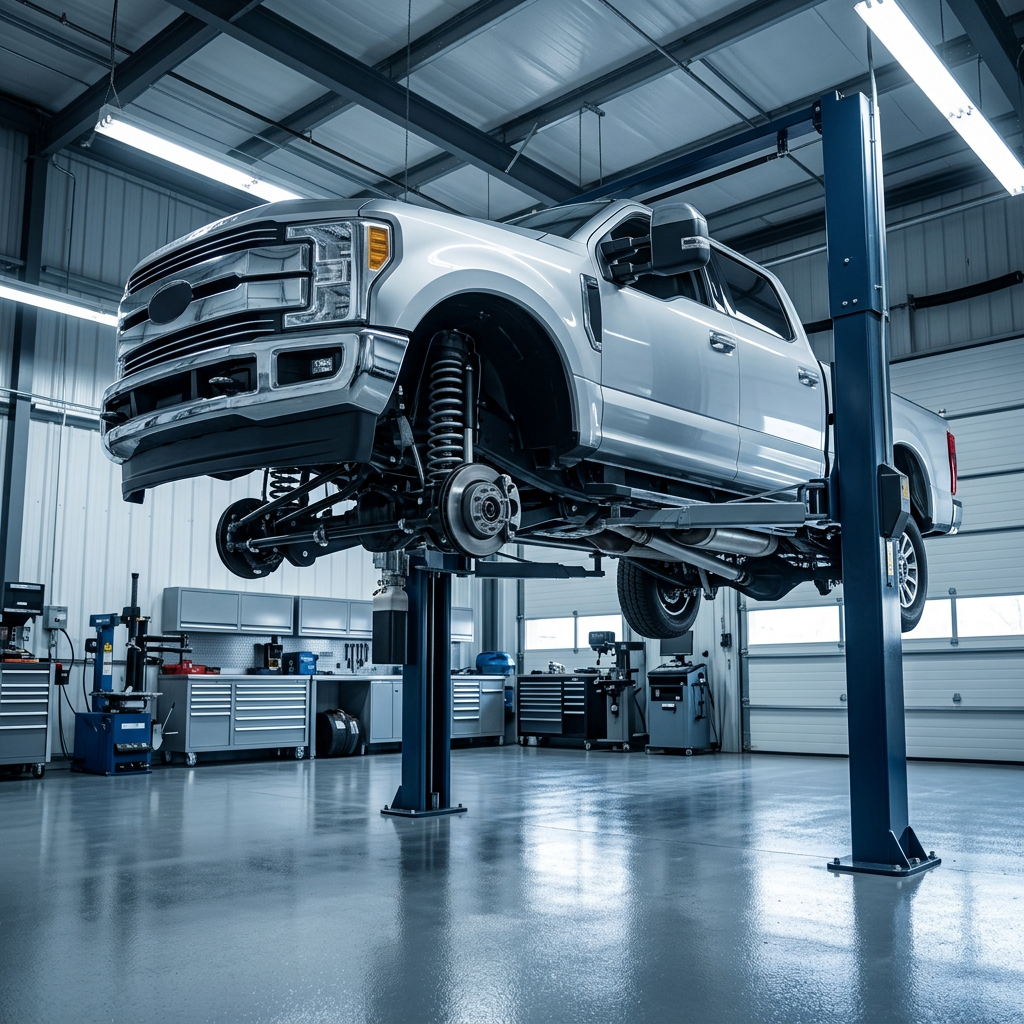
Properly equipped, the Ram 1500 delivers a maximum towing capacity of 11,580 pounds and a maximum payload capacity of 2,300 pounds. These figures depend on vehicle configuration, engine selection, axle ratio, and cab design. The foundational strength behind these ratings lies in a frame built from 98 percent high-strength steel, paired with an independent front suspension and an exclusive five-link rear coil-spring suspension that reduces frame flex and maintains rear axle alignment under heavy tongue weights.
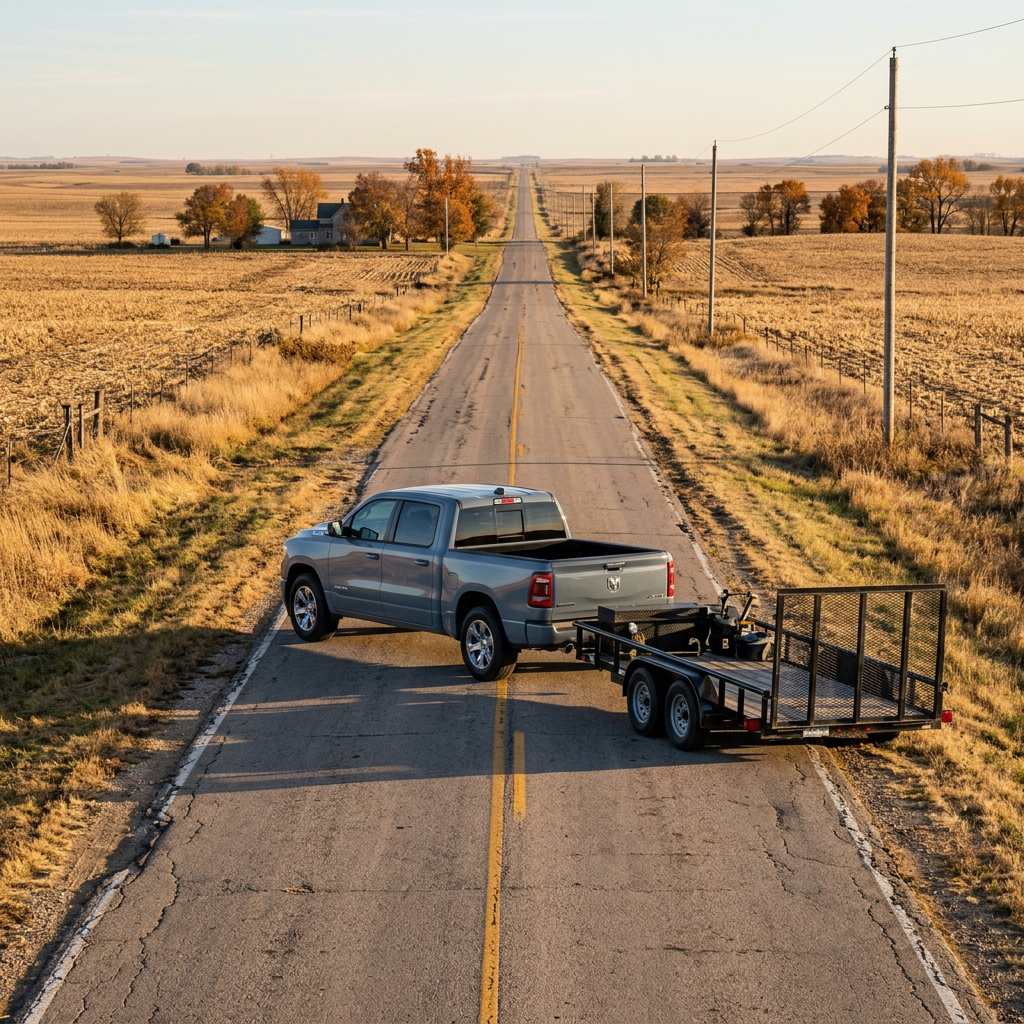
For drivers hauling equipment along K-18 toward Manhattan, the coil-spring rear axle prevents the aggressive bounce and tail-wag common in traditional leaf-spring setups when carrying a loaded trailer. Under maximum payload conditions, the rear axle housing and heavy-duty wheel bearings distribute vertical weight across the frame structure without premature suspension sag. When equipped with the optional four-corner air suspension, the system automatically self-levels when sensors detect trailer tongue weight or cargo bed loads, keeping headlights level and maintaining ground clearance.
Real-world payload reliability hinges on understanding gross vehicle weight ratings. Total payload includes the driver, all passengers, bed cargo, and the tongue weight of any attached trailer (which averages 10 to 15 percent of total loaded trailer weight). Exceeding these thresholds accelerates rear brake pad wear and increases thermal stress on the automatic transmission fluid. When local owners ask me how to select the right setup, I tell them that work-focused builds like the Tradesman or Big Horn with the 3.92 axle ratio deliver the highest usable payload margins for heavy hauling. To examine properly configured trucks in person, stop by our Goldenbelt Boulevard location or give our sales team a quick call to verify exact door-jamb weight ratings.
Table of Contents
- Which Engine Options Are Available in the Ram 1500 and How Durable Are They?
- How Does the 3.0L Hurricane Engine Compare to the 5.7L HEMI V8 in Long-Term Durability?
- What Are Common Mechanical Issues and Software Updates for the Ram 1500 Hurricane Engine?
- How Do Annual Maintenance Costs for the Ram 1500 Compare to Competitor Trucks?
- Which Ram 1500 Trim Packages Retain the Highest Resale Value for Junction City Drivers?
- What Can Truck Owners Do to Preserve Maximum Resale Value and Mechanical Health Over Time?
Which Engine Options Are Available in the Ram 1500 and How Durable Are They?
The Ram 1500 lineup offers three core gasoline powertrains: the 3.6-liter Pentastar V6 with eTorque, the 3.0-liter Hurricane twin-turbo inline-six Standard Output, and the 3.0-liter Hurricane High Output. Each engine channels power through a TorqueFlite eight-speed automatic transmission engineered for adaptive gear-ratio management and rapid heat dissipation.
The base 3.6-liter Pentastar V6 with eTorque produces 305 horsepower and 271 lb-ft of torque. It utilizes a belt-driven motor generator powered by a 48-volt battery pack to supply instantaneous low-end rotational torque during off-the-line acceleration. The Pentastar V6 has earned a reputation for exceptional mechanical endurance, with dual overhead camshafts, variable valve timing, and a cast-aluminum block that routinely exceeds high-mileage thresholds with minimal maintenance beyond scheduled oil changes.
The 3.0-liter Hurricane twin-turbo inline-six Standard Output engine generates 420 horsepower and 469 lb-ft of torque, serving as the core workhorse for high-towing trims. The 3.0-liter Hurricane High Output engine steps up performance to 540 horsepower and 521 lb-ft of torque by employing dual fuel pumps, higher boost pressure, and forged aluminum pistons. Both inline-six powertrains use a deep-skirt aluminum block, a forged steel crankshaft, and plasma-arc spray-bore cylinder coatings that eliminate heavy iron cylinder liners, reducing internal friction and heat retention under load. You can explore these powertrain options directly across our new Ram 1500 inventory to find the right balance of output and capability.
How Does the 3.0L Hurricane Engine Compare to the 5.7L HEMI V8 in Long-Term Durability?
The 3.0-liter Hurricane twin-turbo inline-six replaces the 5.7-liter HEMI V8 as the primary power unit by engineering greater low-rpm torque while significantly reducing thermal and rotational wear. While the outgoing 5.7-liter HEMI V8 produced 395 horsepower and 410 lb-ft of torque, the Standard Output Hurricane engine develops 420 horsepower and 469 lb-ft of torque—reaching peak torque at just 3,500 rpm.
Inline-six engine architecture inherently possesses perfect primary and secondary mechanical balance. Unlike V8 engines, where reciprocating piston forces require counterweights and complex harmonic balancers to control vibration, an inline-six cancels out rotational vibrations naturally. This smooth power stroke reduces lateral load against the main crankshaft bearings, extending bottom-end engine component lifespan during prolonged towing.
Thermal management represents another major advance over the previous V8 design. The Hurricane engine features a dual-water pump cooling system and a water-to-air intercooler mounted directly to the intake manifold, keeping intake air temperatures low even during slow-speed pulling in hot summer weather. Furthermore, the inline engine layout provides direct overhead access to ignition coils, spark plugs, and fuel injectors, lowering long-term labor times for routine maintenance. Drivers interested in comparing these engine characteristics can inspect our pre-owned truck inventory to evaluate both HEMI and Hurricane configurations side by side.
What Are Common Mechanical Issues and Software Updates for the Ram 1500 Hurricane Engine?
Early production iterations of the 3.0-liter Hurricane twin-turbo inline-six reported occasional electronic sensor alerts related to the Engine Control Module (ECM) and thermal management diagnostic sweeps. These conditions rarely indicate hardware mechanical failure; instead, they stem from ultra-sensitive factory diagnostic threshold settings designed to monitor twin-turbo pressure differentials and intercooler coolant circulation.
Stellantis has released targeted factory software recalibrations that refine sensor communication logic and prevent false check-engine light illuminations. These software updates optimize wastegate actuator positioning and refine cold-start fueling mapping to ensure smooth idle behavior across varying ambient temperatures.
From a mechanical hardware perspective, keeping twin-turbocharged inline engines running reliably requires strict adherence to oil viscosity and quality guidelines. Turbocharger center cartridges spin at speeds exceeding 100,000 rpm and depend entirely on clean, full-synthetic oil for lubrication and cooling. Extending oil change intervals beyond recommended limits can cause oil thermal breakdown and carbon buildup near turbo oil feed lines. Using quality air filters is equally critical, as fine dust or debris passing through the intake tract can pit compressor wheel blades over time. Buyers who wish to finance a new or pre-owned truck can get pre-approved for financing online before scheduling an in-person vehicle walkaround.
How Do Annual Maintenance Costs for the Ram 1500 Compare to Competitor Trucks?
Average annual repair and scheduled upkeep costs for the Ram 1500 range between $670 and $720, placing it directly in line with half-ton competitors like the Ford F-150 and Chevrolet Silverado 1500. Standard maintenance involves synthetic oil changes, tire rotations, cabin and engine air filter replacements, and periodic brake inspections.
Factory warranty protection plays a central role in mitigating out-of-pocket ownership expenses during the first years of operation. The Ram 1500 comes protected by a three-year/36,000-mile basic warranty covering bumper-to-bumper components, alongside a five-year/60,000-mile powertrain warranty. Furthermore, select model years feature extended powertrain coverage up to 10 years or 100,000 miles for original owners, covering internal engine components, transmission cases, transfer cases, and drive axles.
Routine brake service costs are managed efficiently thanks to large 14.9-inch front and 14.8-inch rear brake rotors that dissipate heat effectively during heavy stopping, preventing premature rotor warping. To keep your vehicle operating within factory specifications, you can schedule a service appointment with our certified technicians or order replacement components through our genuine Mopar parts department.
Which Ram 1500 Trim Packages Retain the Highest Resale Value for Junction City Drivers?
Trim package selection directly influences percentage value retention over a three-to-five-year ownership cycle. Off-road oriented models like the Rebel and Warlock, alongside well-equipped middle and upper luxury tiers like the Laramie, Limited, and Tungsten, consistently command top dollar on the regional pre-owned market.
Demand for four-wheel-drive Crew Cab models equipped with the 5-foot-7-inch or 6-foot-4-inch bed remains extremely strong across northeastern Kansas. The Rebel retains high market value because its factory-installed 1.0-inch ride height lift, Bilstein performance dampers, electronic locking rear differential, and skid plates appeal directly to buyers who want off-road capability without aftermarket modifications.
At the upper end of the lineup, the Laramie trim represents the sweet spot for total value retention. It balances premium equipment—such as leather-trimmed seating, a 12.0-inch touchscreen running Uconnect 5, heated and ventilated front seats, and blind-spot monitoring—with an accessible price entry point. When current truck owners decide to upgrade, they can evaluate their trade-in value online to see how their current vehicle performs on the market.
What Can Truck Owners Do to Preserve Maximum Resale Value and Mechanical Health Over Time?
Preserving the long-term value and mechanical integrity of a half-ton pickup requires a proactive maintenance routine focused on fluid preservation, undercarriage protection, and detailed service logging.
- Maintain Documented Service History: Keep organized digital or physical records of every oil change, tire rotation, fluid flush, and factory software update. A documented maintenance history signals diligent care to future buyers and trade-in appraisers.
- Protect the Undercarriage from Corrosion: Wash the truck bed and frame rails thoroughly after winter weather events to clear away road salts and magnesium chloride treatments that accelerate surface rust on steel frame components.
- Adhere to Turbocharger Care Standards: On twin-turbo Hurricane engines, allow the engine to idle for 30 to 60 seconds after heavy towing or high-speed highway driving to allow oil to cool the turbocharger center bearings before shutting off the ignition.
- Utilize Genuine OEM Filters and Fluids: Use factory-certified Mopar synthetic oils, air filters, and coolant formulations engineered specifically for the thermal tolerances of your engine.
- Keep Interior and Paint Surfaces Conditioned: Apply UV protectants to leather cabin surfaces and wax or ceramic-seal the exterior paint to preserve clear-coat luster against sun oxidation.
To review current maintenance schedules or explore our complete inventory of half-ton trucks, visit our showroom on Goldenbelt Boulevard or call our team directly at (785) 238-5114 today.