




What Are the Most Common Mechanical Problems on High-Mileage RAM 1500 Trucks?
On high-mileage Ram 1500 trucks reaching past 100,000 miles, the most common mechanical issues our shop encounters are broken exhaust manifold bolts on older V8 configurations, front upper control arm bushing fatigue, thermal wear on cooling system control valves, and air suspension compressor leakage. Addressing these items early prevents cascading repairs across the driveline. With regular fluid changes and prompt sensor diagnostics, the underlying chassis, frame, and core mechanical assemblies routinely operate well beyond these component wear cycles without requiring complete powertrain overhauls.
Working as the Service Director at Valor CDJR for 20 years, my team and I inspect these half-ton trucks every single day on the service drive. The most frequent mechanical complaint we see on older 5.7-liter HEMI V8 trucks is a distinct ticking sound on a cold start. That noise almost always traces back to cracked exhaust manifold bolts or warped manifold flanges caused by repeated heating and cooling cycles. Our factory-trained technicians extract the sheared hardware and install updated, heavy-duty studs and gaskets to seal the exhaust leak permanently before it degrades oxygen sensor accuracy.
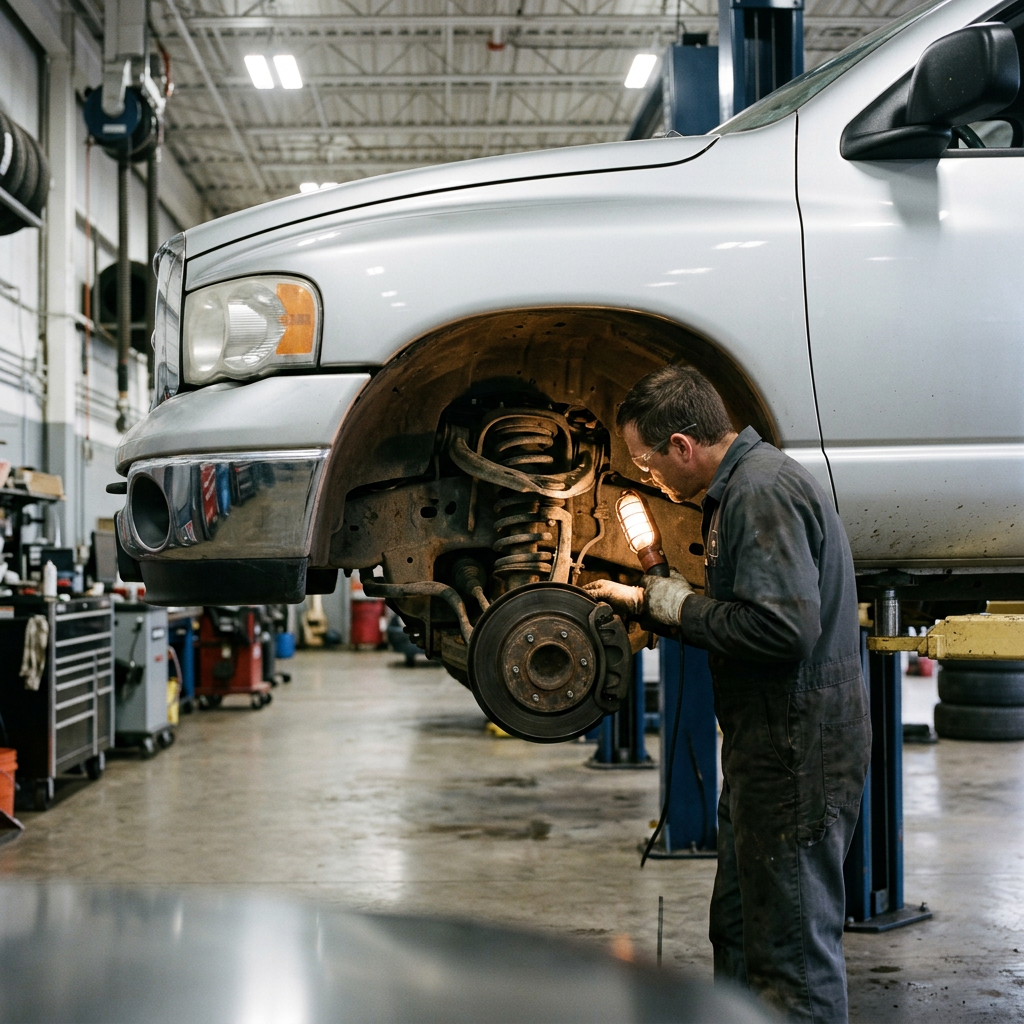
Suspension wear is another recurring maintenance reality on high-mileage trucks that see heavy utility work. The front upper control arm bushings and lower ball joints take the brunt of rough pavement and rural trails, leading to uneven tire wear or front-end clunking over washboard gravel. On trucks optioned with the four-corner air suspension system, rubber air springs develop microscopic cracks near 120,000 to 150,000 miles, which forces the suspension compressor to cycle continuously until it overheats. Replacing aged air bladders or converting to standard steel coil springs restores ride compliance without breaking the service budget.
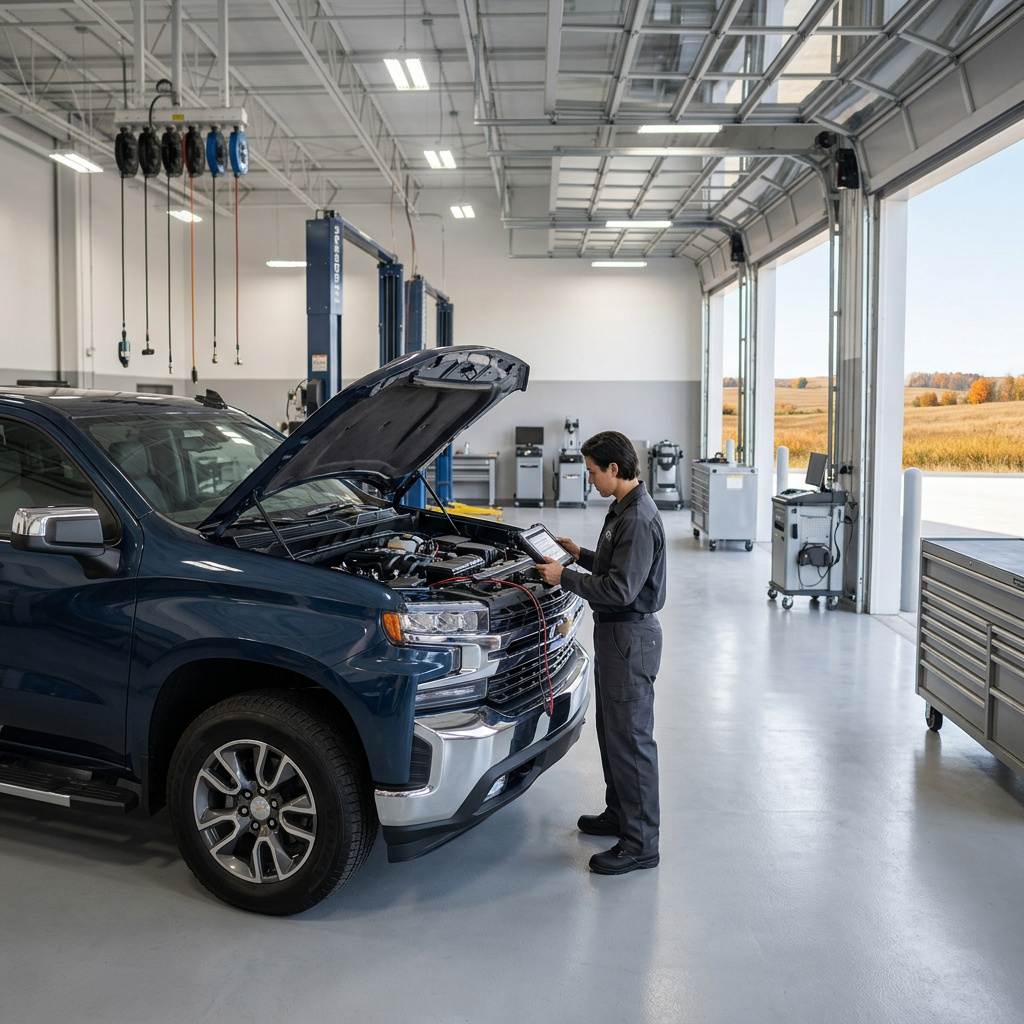
Modern electrical systems also require routine care as mileage climbs. Technicians in our shop regularly handle software calibration updates for the Uconnect interface and trace parasitic electrical draws back to weak auxiliary batteries or aging keyless ignition modules. If your truck developed a driveline vibration, an illuminated check engine warning, or front suspension noise, you can map your route directly to our service center location or give our service desk a direct call to have our diagnostic specialists run a full health check.
Table of Contents
- How Many Miles Does an Average Ram 1500 Last on the Road?
- Evaluating 3.6-Liter Pentastar V6 and eTorque Mild-Hybrid System Longevity
- How Ram's TorqueFlite 8-Speed Compares to GM and Ford 10-Speed Transmissions
- Maintenance Cost Breakdown: Ram 1500 Ramcharger Versus Conventional Powertrains
- Which Ram 1500 Trims Hold Up Best and How Mopar Extended Coverage Protects Them
- Essential Preventative Service Routines to Keep Your Truck Past 200,000 Miles
How Many Miles Does an Average Ram 1500 Last on the Road?
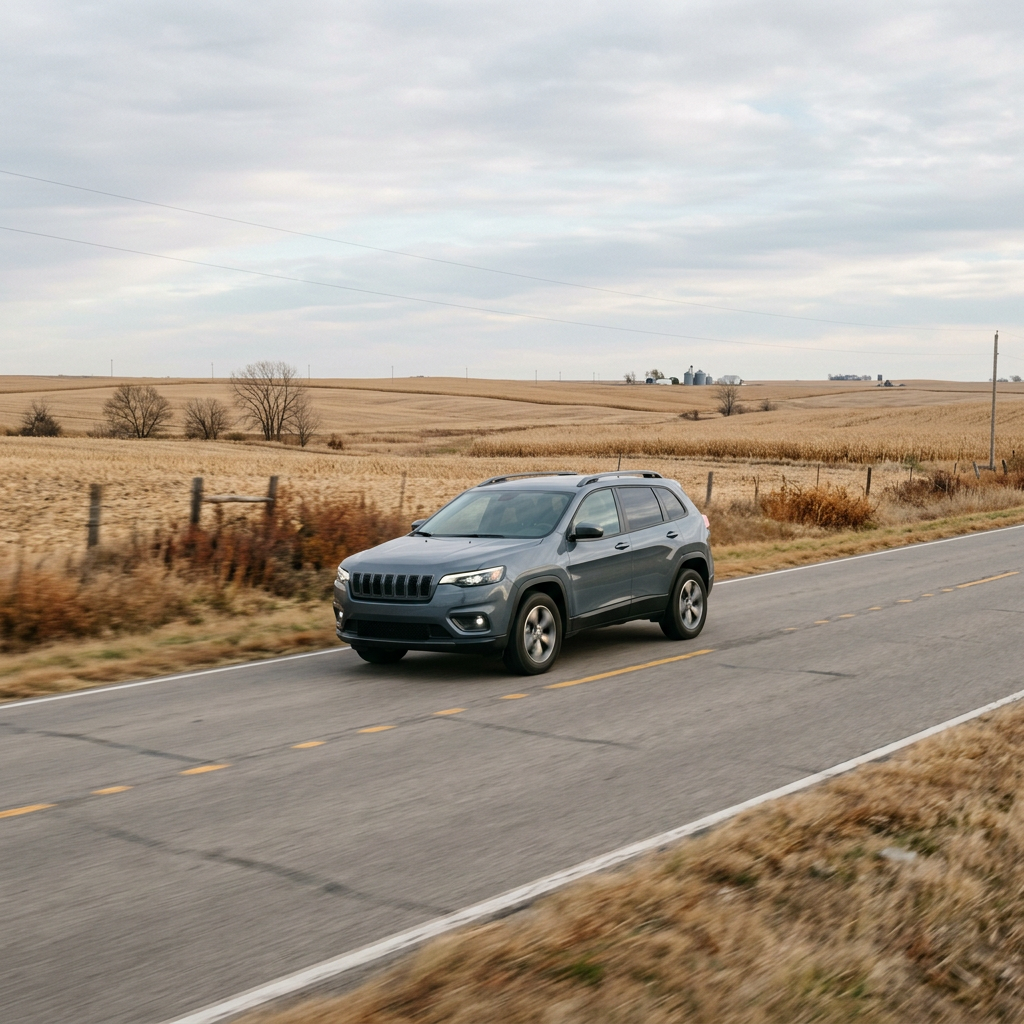
A properly maintained Ram 1500 has an average operational lifespan of 200,000 to 250,000 miles, which translates to roughly 13 to 17 years of service for an owner driving 15,000 miles annually. Achieving this longevity depends entirely on strict adherence to factory fluid schedules, preventative cooling system flushes, and immediate attention to minor powertrain fault codes.
Trucks operating under severe-duty service schedules around Junction City, especially those carrying military gear toward training ranges or pulling livestock trailers through river valley farms, require closer inspection intervals than highway commuter trucks. While average annual maintenance and unscheduled repair expenses typically range between $650 and $850 during the first five years of ownership, owners should budget between $1,000 and $1,400 annually once the odometer crosses 100,000 miles. That secondary budget accommodates routine wear items like water pumps, alternator assemblies, wheel hub bearings, and transmission pan filter replacements.
The structural foundation of the fourth-generation and fifth-generation half-ton platforms is built with high-strength steel framing that easily surpasses a quarter-million miles without structural fatigue. The trucks that reach 300,000 miles in our service bays share a common history: their owners changed engine oil every 5,000 miles rather than pushing to the absolute limit of the oil-life monitor, serviced differential gear oil every 40,000 miles, and kept the undercarriage free of corrosive buildup. When replacement components are required, our dealership parts counter supplies genuine Mopar filters, gaskets, and heavy-duty mechanical hardware designed specifically to match original engineering tolerances.
Evaluating 3.6-Liter Pentastar V6 and eTorque Mild-Hybrid System Longevity
The 3.6-liter Pentastar V6 engine represents one of the most mechanically durable engines in modern full-size trucks, frequently operating beyond 200,000 miles without internal cylinder head or rotating assembly failure. Its dual-overhead-cam design and chain-driven timing assembly eliminate regular timing belt replacements, leaving cooling management and oil filter housing integrity as its primary maintenance considerations.
Earlier iterations of the Pentastar platform occasionally developed oil leaks in the plastic oil filter adapter housing nestled deep in the engine valley between cylinder banks. Heat cycling over 80,000 to 100,000 miles can cause the underlying seals or the synthetic housing body to weep engine oil or coolant. When this symptom appears, our technicians replace the assembly with updated Mopar hardware torqued strictly to factory specifications, preserving stable oil pressure across the variable valve timing solenoids. Routine replacement of spark plugs at 100,000 miles and periodic coolant flushes keep cylinder head temperatures balanced, safeguarding valve seats against premature wear.
Longevity questions surrounding the eTorque mild-hybrid system focus primarily on the 48-volt lithium-ion battery pack and the belt-driven motor-generator unit. Stellantis engineered the 48-volt battery pack with an operational service life exceeding 10 years or 150,000 miles, supported by an 8-year/80,000-mile federal emissions warranty. The water-cooled motor-generator replaces a standard alternator, using a heavy-duty drive belt and dampener tensioner that we inspect during every scheduled oil change. Because the system manages engine start-stop cycles seamlessly while providing supplemental launch torque, it reduces rotational starter wear and eases mechanical stress on the engine crankshaft during stop-and-go driving.
How Ram's TorqueFlite 8-Speed Compares to GM and Ford 10-Speed Transmissions
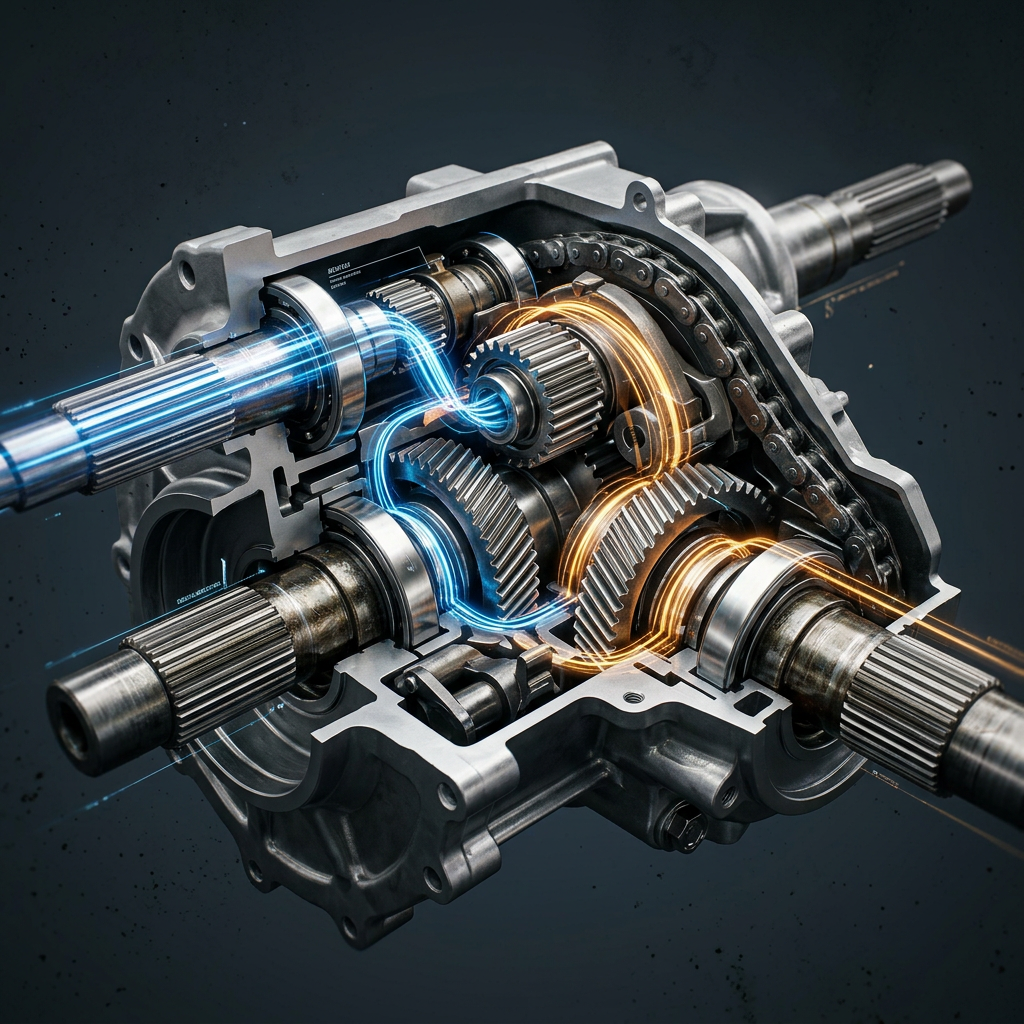
The TorqueFlite 8-speed automatic transmission, licensed and built from the proven ZF 8HP architecture, exhibits significantly lower mechanical failure rates and smoother shift consistency than the joint-venture 10-speed transmissions used by General Motors and Ford. The ZF platform relies on four planetary gearsets and five shift elements, creating an exceptionally robust mechanical footprint that resists internal hydraulic clutch binding.
In our service department, the ZF-based 8-speed rarely presents internal valve-body distortion, snapped internal sun gears, or catastrophic planetary gear failure. Owners of competing trucks equipped with the GM and Ford 10R80 10-speed transmission frequently encounter harsh 3-to-4 or 7-to-8 gear shifts, sticking hydraulic valve spools, and early torque converter clutch shudder caused by uneven internal pressure distribution across ten tightly packed forward ratios. The TorqueFlite 8-speed maintains wider clutch pack clearances and simpler solenoid programming, minimizing hydraulic shock loads even when towing heavy trailers.
Keeping the 8-speed running smoothly past 150,000 miles requires rejecting the misconception that transmission fluid lasts forever. While factory literature sometimes labels transmission fluid as a lifetime fill under ideal highway conditions, our technicians strongly advocate dropping the transmission pan, replacing the integrated plastic filter, and refilling with genuine ZF-spec synthetic fluid every 60,000 to 75,000 miles. Fresh fluid prevents thermal breakdown, maintains precise solenoid actuation pressures, and protects torque converter friction plates against glaze.
Maintenance Cost Breakdown: Ram 1500 Ramcharger Versus Conventional Powertrains
The upcoming Ram 1500 Ramcharger utilizes an innovative series plug-in hybrid architecture that fundamentally alters routine maintenance schedules compared to traditional internal combustion trucks. By using dual electric drive motors to propel the wheels while a 3.6-liter Pentastar V6 engine serves exclusively as an onboard generator, the mechanical driveline experiences completely different operating stresses.
Brake maintenance costs drop substantially on the Ramcharger because its regenerative braking system handles the majority of daily deceleration, routing kinetic energy directly back into the traction battery. Friction brake pads and rotors on conventional half-ton pickups typically require replacement every 35,000 to 50,000 miles, especially when hauling equipment down steep Flint Hills grades near Manhattan. On the Ramcharger platform, those same mechanical brake pads regularly last 80,000 to 100,000 miles before needing pad or rotor renewal, representing a major ownership savings over six years of driving.
Generator engine maintenance is similarly streamlined because the onboard V6 operates primarily in steady-state, optimized RPM bands rather than enduring the harsh thermal cycling, abrupt wide-open-throttle revs, and low-RPM lugging of a standard mechanical drivetrain. This steady-state operation reduces crankcase fuel dilution and carbon accumulation on intake valves. While owners must still maintain liquid cooling circuits for both the power electronics and the mechanical block, routine maintenance visits require fewer filter changes and zero transmission rebuilds. When you want our technicians to inspect your current cooling circuits or perform fluid checks, you can use our convenient online tool to reserve a service visit that fits your work schedule.
Which Ram 1500 Trims Hold Up Best and How Mopar Extended Coverage Protects Them
Chassis durability remains uniform across the entire half-ton lineup, but mechanical trim configurations like the Tradesman, Big Horn, and Rebel exhibit the lowest cabin component wear over a decade of heavy use. Trims fitted with durable cloth upholstery, manual transfer case controls, and standard steel coil springs eliminate the luxury actuators, automated step motors, and complex air struts that tend to require secondary repairs after eight to ten years on the road.
For owners investing in higher luxury tiers like the Laramie, Limited, or new Tungsten trim, comprehensive mechanical protection plans shield against expensive electronic control module or pneumatic component repairs. Factory protection plans through Mopar, such as Extended Care Premium, provide mechanical repair coverage on over 5,000 individual components beyond the standard 3-year/36,000-mile basic warranty. These factory-backed agreements extend mechanical coverage up to 8 years or 125,000 miles, matching the timeline where suspension compressors, infotainment touchscreens, and multi-zone HVAC blend door actuators usually encounter age-related fatigue.
Choosing factory-endorsed service contracts guarantees that repair procedures are conducted by certified technicians using OEM parts rather than generic aftermarket components. If unexpected mechanical or electrical failures occur far from home, every vehicle under factory coverage also has direct access to manufacturer roadside support through Chrysler, Dodge, Jeep, Ram Roadside Assistance: 800-521-2779. This service provides specialized towing directly to an authorized dealership, protecting your driveline against improper tow-truck hookups that can damage transfer cases or all-wheel-drive modules.
Essential Preventative Service Routines to Keep Your Truck Past 200,000 Miles
Surpassing 200,000 miles without major powertrain overhauls requires executing a disciplined, preventative maintenance schedule that looks beyond basic oil warning indicators on the digital dashboard. The following service intervals represent the exact schedule our master technicians follow to protect mechanical components against premature failure:
- Engine Oil and Filter: Replace every 5,000 miles using manufacturer-specified full synthetic motor oil and a high-efficiency Mopar filter to prevent sludge accumulation in hydraulic lifters and variable cam phasers.
- Transfer Case and Differentials: Drain and refill front and rear differential housings and four-wheel-drive transfer cases every 40,000 to 50,000 miles to eliminate sheared gear metal particles and protect limited-slip clutch packs.
- Transmission Fluid Exchange: Replace the transmission pan, integrated filter screen, and synthetic fluid between 60,000 and 75,000 miles to preserve hydraulic valve body calibration.
- Engine Cooling System: Flush and refill the organic acid technology engine coolant at 100,000 miles or five years to prevent internal galvanic corrosion on water pump impellers and heater cores.
- Suspension and Driveline: Inspect ball joints, steering tie-rod ends, drive shaft universal joints, and control arm rubber bushings at every 10,000-mile tire rotation.
Following this regimented mechanical strategy prevents minor component wear from escalating into expensive powertrain overhauls. Whenever your truck requires factory maintenance, specialized software flashes, or mechanical inspection, visit us at our service entrance in Junction City or speak directly with our service advising staff at (785) 238-5114 to keep your truck running at its peak for years to come.