




Blog / Ownership & Service

Jeep Cherokee Annual Maintenance Costs: Expert Service Q&A with Mike Hogg

Jeep Cherokee Annual Maintenance Costs: Expert Service Q&A with Mike Hogg

Jeep Cherokee Annual Maintenance Costs: Expert Service Q&A with Mike Hogg

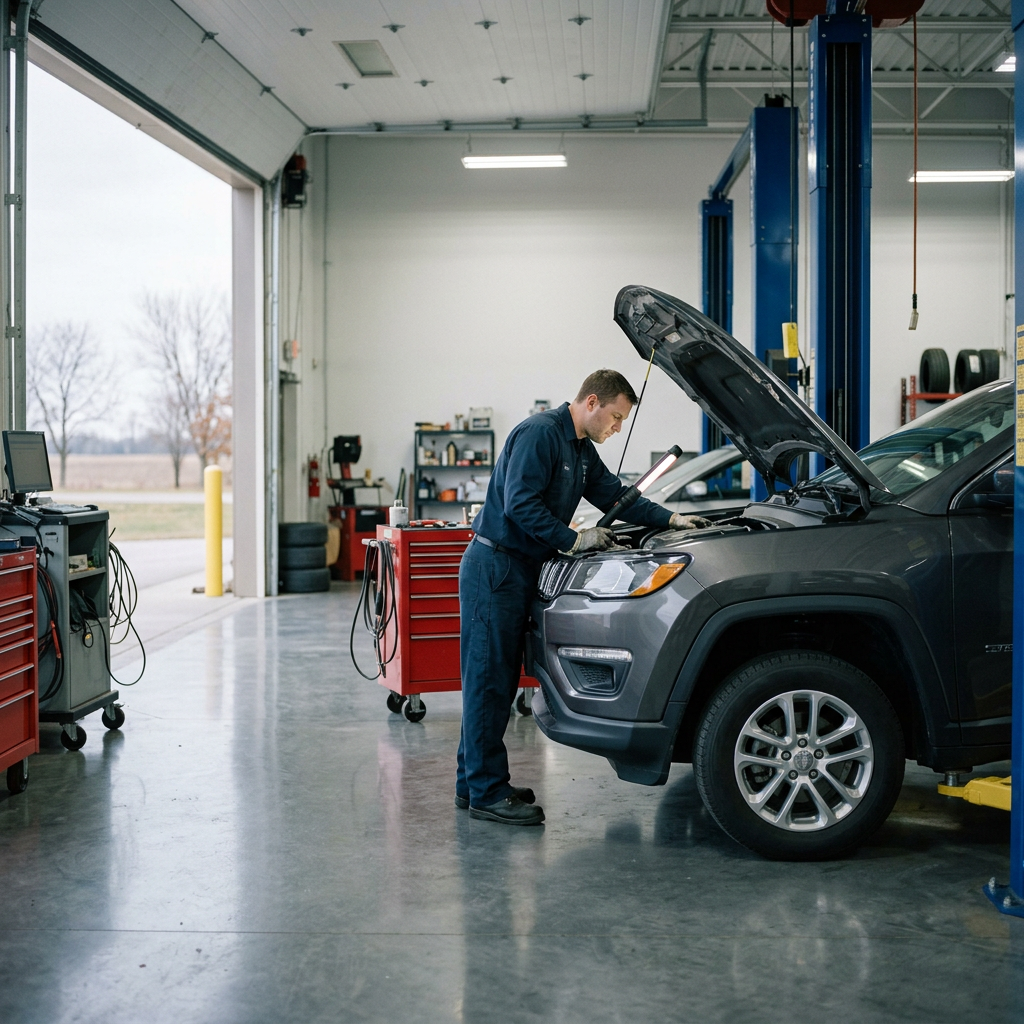
A routine full-synthetic oil and filter change for a Jeep Cherokee typically has a competitive service price at our dealership, while overall annual maintenance can vary under standard driving conditions. Today, we sit down with Mike Hogg, Service Director at Valor CDJR, who brings 20 years of hands-on automotive service experience to break down factory maintenance schedules, fluid intervals, and long-term ownership expenses for Cherokee drivers.

What Does a Routine Synthetic Oil Change Cost at a Junction City Jeep Dealer?

Q: Mike, what should local drivers expect to pay for a standard synthetic oil change on a Jeep Cherokee?

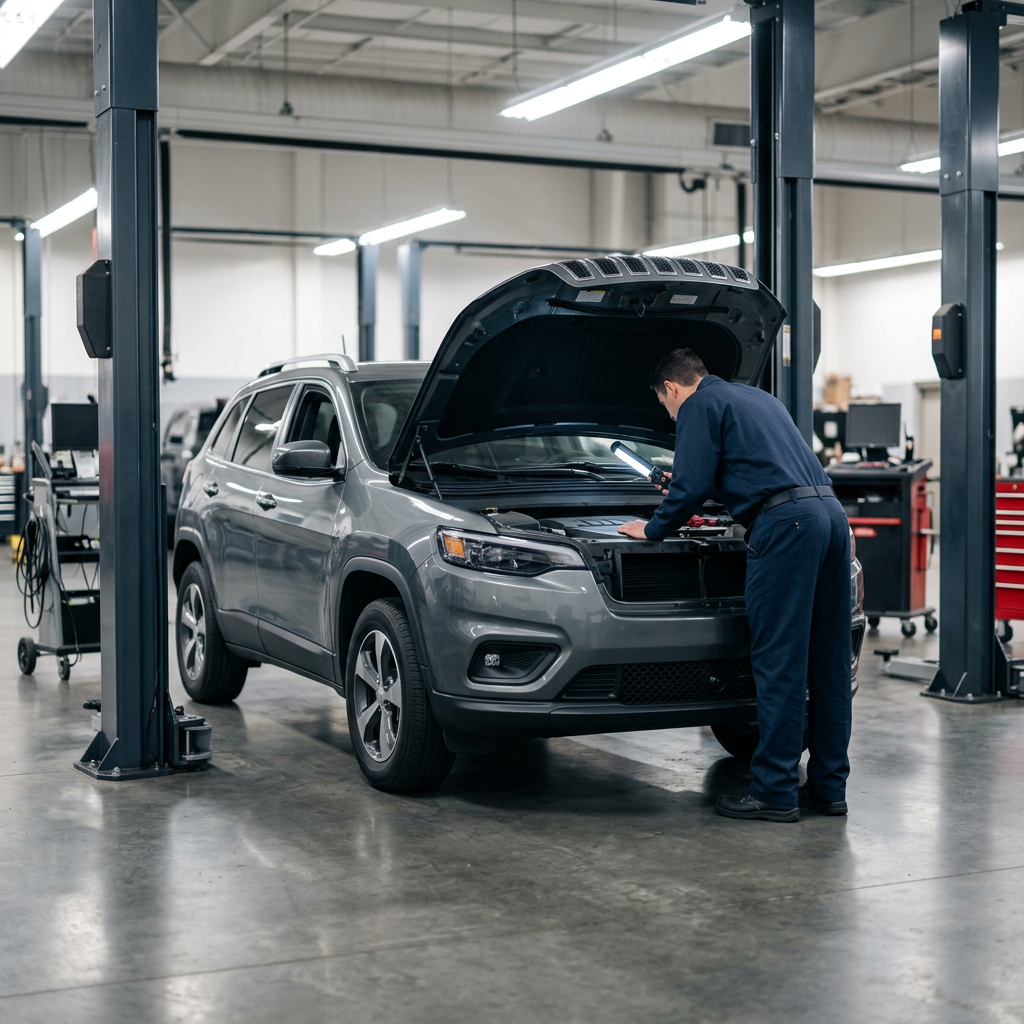
A: A routine synthetic oil and filter service on a Jeep Cherokee generally has a current service price that depends on the engine configuration and required oil capacity. Modern powertrains like the available hybrid powertrain require premium, factory-approved full-synthetic motor oil engineered to protect high-pressure turbocharger bearings and tight internal tolerances. That price covers the specified synthetic oil, an authentic Mopar oil filter, fluid top-offs, and a multi-point safety inspection where technicians verify tire tread depth, brake pad thickness, and suspension health.

Commuters logging daily highway miles between the Fort Riley military gates and Junction City face varied seasonal temperatures that make regular synthetic oil care vital. Synthetic oil resists thermal breakdown during summer heat and flows instantly during sub-zero winter morning starts, shielding cold engine components from friction. Skipping scheduled oil services or opting for substandard conventional oil risks sludge buildup and premature valvetrain wear.

To verify your specific model's factory oil specifications or check current service pricing, you can give our advisors a quick call or stop by our service drive; finding our service center location right on Goldenbelt Boulevard makes routine maintenance easy to fit into a busy weekday schedule.

Table of Contents

How Often Should a Jeep Cherokee Owner Plan for Routine Scheduled Maintenance?

Q: How frequently does a Jeep Cherokee need to visit the shop for scheduled service?

A: A Jeep Cherokee should visit the service lane every 10,000 miles or 12 months, guided by the onboard Oil Life Indicator System. That automated monitor evaluates engine revolutions, operating temperatures, ambient climate, and load factors to alert you when service is due. When owners bring their vehicle into our service drive, the question I hear most often is whether they really need to stick to the calendar if their dashboard indicator has not chimed yet. Factory guidelines mandate that you should never exceed one full year or 10,000 miles between oil changes, regardless of what percentage remains on the instrument cluster display.

Each 10,000-mile checkup pairs a fresh synthetic oil and filter change with a tire rotation and an inspection of your steering linkages, exhaust line, and braking components. Because the Cherokee utilizes an advanced Four-wheel drive system, rotating tires at every service interval ensures balanced tread depth across both axles, protecting driveline clutches from mechanical binding. Technicians also evaluate the engine air filter and swap the cabin air filter every 20,000 miles to keep the climate control system clean.

Major milestone maintenance arrives as your odometer climbs toward 100,000 miles. At that threshold, factory procedures call for replacing spark plugs, performing a complete cooling system flush, and servicing the CVT fluid to ensure the hybrid system continues delivering up to 39 mpg city / 35 hwy. If you prefer handling minor upkeep like wiper blades or cabin filters in your home garage, you can source original factory components directly through our dedicated parts department.

How Much Does a Jeep Cherokee Cost to Maintain Over 5 and 10 Years?

Q: When planning long-term ownership, what do the cumulative 5-year and 10-year maintenance expenses look like?

A: Over the first five years of ownership, routine maintenance and minor mechanical repairs on a Jeep Cherokee can vary based on driving conditions and service history. During those initial years, spending centers primarily on regular fluid services, cabin air filters, wiper blades, and a set of replacement front brake pads or fresh tires around the 45,000-mile mark. According to RepairPal model-level data published by Edmunds, the annual average repair and maintenance expense for the Cherokee sits around $507, which remains right in line with the compact crossover segment average of $465.

"Staying ahead of major scheduled fluid milestones keeps long-term ownership costs predictable rather than reactive."

Over a full 10-year ownership timeline, cumulative maintenance and wear-and-tear repairs can vary significantly depending on use and upkeep. The second five years naturally introduce scheduled replacement of suspension struts, accessory drive belts, coolant flushes, transmission fluids, and secondary brake friction components. Following factory intervals prevents minor component wear from cascading into major mechanical failures, keeping lifetime operating costs predictable across hundreds of thousands of miles.

Does Frequent Towing Increase Maintenance Demands on Differentials and Transfer Cases?

Q: If an owner regularly uses their Cherokee to pull trailers or haul heavy cargo, how does that impact the service schedule?

A: Regular trailering shifts your Cherokee from the standard maintenance schedule directly into the severe-duty operating interval. When properly equipped, the crossover delivers a maximum towing capacity of 3,500 lbs, allowing drivers to easily pull utility trailers, pop-up campers, or small fishing boats. However, dragging heavy cargo places continuous thermal stress on the engine cooling circuit, transmission fluid, and driveline gear sets.

Sustained trailering across the rolling highway corridors heading out toward Manhattan heats up gear lubricants inside the front and rear axles. Under continuous heavy towing, rear differential fluid and transfer case lubricants require replacement every 20,000 to 30,000 miles rather than waiting for standard 60,000-mile checks. Gear oil degrades and loses viscosity when exposed to elevated operating temperatures, and fresh synthetic hypoid fluid prevents gear tooth pitting and bearing wear inside the differential housings.

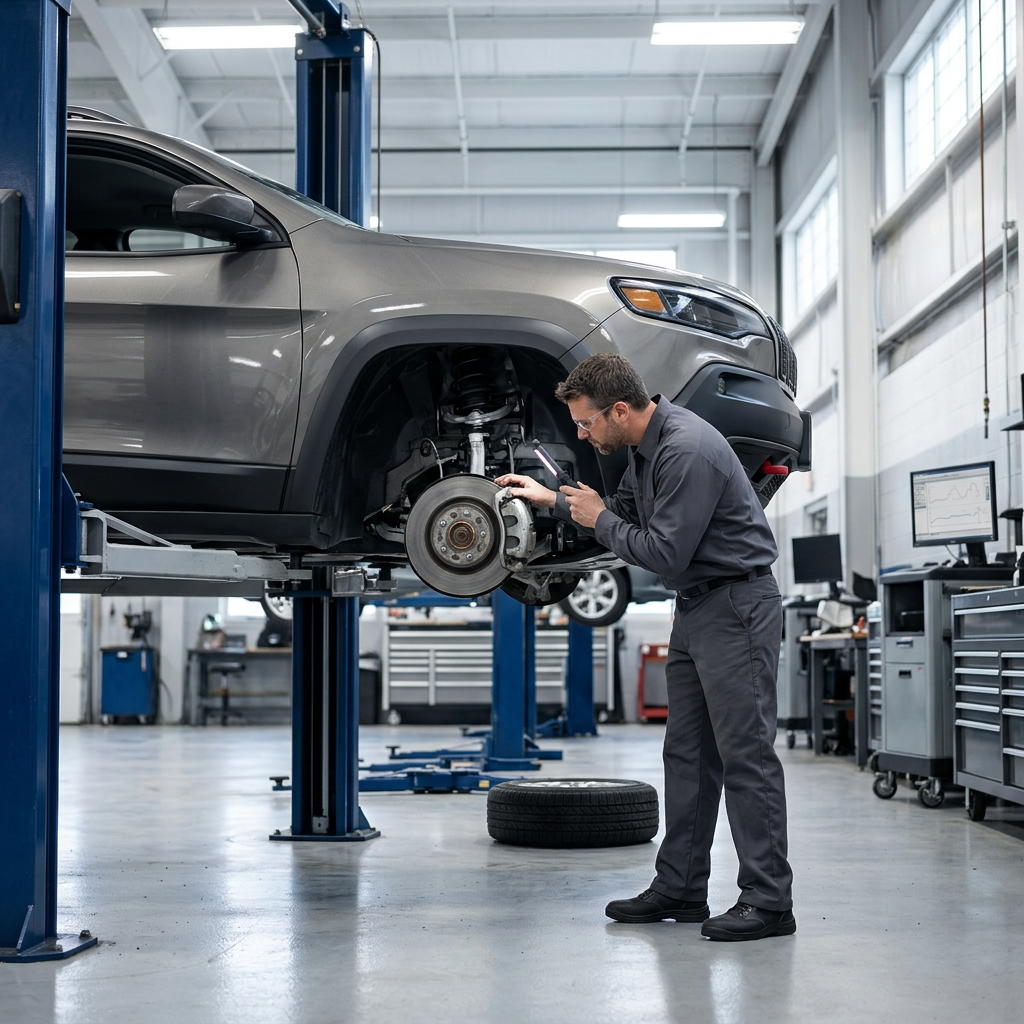
Severe-duty driving also calls for shortening engine oil intervals to roughly 5,000 miles. Brake friction materials endure significantly higher kinetic loads when slowing down a loaded trailer, meaning brake pads and rotors must be checked at every oil service for heat glazing, rotor grooving, or premature thickness loss.

How Do Cherokee and Subaru Outback Brake Service Costs and Warranties Compare?

Q: How do brake repair costs and factory warranty protections compare between the Cherokee and rivals like the Subaru Outback?

A: Brake service costs between the Jeep Cherokee and Subaru Outback are virtually identical, averaging between $400 and $550 per axle for factory-grade replacement pads and resurfaced or replaced rotors. Both crossover models utilize substantial front vented discs and electronic parking brake calipers in the rear that require specialized digital service modes to retract safely during pad installation. Opting for genuine original-equipment pads ensures factory-tuned stopping friction, quiet operation, and proper pedal feel without abrasive aftermarket dust wearing down rotor surfaces prematurely.

Warranty coverage structures are also closely aligned across both brands. Each manufacturer provides a 3-year/36,000-mile basic warranty along with a 5-year/60,000-mile powertrain warranty covering the engine, transaxle, and drive components. Jeep and Subaru both offer customer support resources through their dealer networks for covered mechanical repairs.

Brake fluid also requires attention every two to three years regardless of mileage because hydraulic fluid naturally absorbs ambient humidity over time, which lowers its boiling point and causes a soft brake pedal during hard stops. When your stopping distances begin to lengthen or you feel high-speed pedal vibration, you can easily reserve a comprehensive brake evaluation using our online service scheduler.

Does Jeep Wave or FlexCare Cover Routine Annual Service on a New Cherokee?

Q: Walk me through what factory maintenance programs cover on new models versus older model years.

A: Complimentary maintenance coverage depends on the specific model year of your vehicle. The Jeep Wave program has offered complimentary maintenance benefits for eligible vehicles in certain model years, subject to the terms of the program and the vehicle's enrollment status. If you believe your vehicle may be eligible, contact our service department to confirm current coverage.

For model year 2026 vehicles, Stellantis has introduced FlexCare Vehicle Protection Program coverage options. FlexCare serves as the official factory-backed extended service contract and prepaid maintenance plan for Chrysler, Dodge, Jeep, and Ram vehicles, giving buyers customized options to prepay for scheduled synthetic oil changes, tire rotations, and comprehensive component protection directly through the manufacturer.

Documenting routine maintenance inside official factory records preserves your vehicle warranty and maximizes trade-in value by proving consistent care with certified technicians. Whether you need to confirm your active maintenance program status or schedule your next fluid inspection, you can reach our service advisors by placing a quick call to our team or by visiting our customer service drive at 1825 Goldenbelt Blvd, Junction City, KS 66441 to keep your crossover running at peak performance.
© 2026 Valor CDJR. All rights reserved.

Vehicle specification data © JATO Dynamics Limited.


Posted in:

Related Posts

jeep cherokee

Jeep Cherokee Maintenance Cost: Expert Service Q&A With Valor CDJR

Jeep Cherokee Maintenance Cost: Expert Service Q&A With Valor CDJR A Jeep Cherokee costs roughly a typical annual maintenance budget for standard routine maintenance and minor mechanical repairs under typical driving conditions. Today, we sat down with Jace Grabouski, General Manager at Valor CDJR, who brings 20 years of automotive leadership to break down what owners can expect for long-term service schedules, fluid intervals, and component care. Q: How much does annual Jeep Cherokee maintenance cost on average? A: Routine upkeep for a Jeep Cherokee generally totals between $520 and $700 each year when you follow factory recommendations and handle wear items promptly. In lighter driving years where you only need standard fluid services, filter changes, and tire rotations, your annual out-of-pocket expenses can sit closer to $270. Higher-mileage years that call for new brake pads, fresh rotors, or major driveline inspections naturally nudge that annual budget toward the upper end of that range. Operating conditions also play a measurable part in your baseline expenses. Drivers commuting daily along the highway corridors around Junction City experience different wear patterns on tires and brake linings than vehicles driven across unpaved rural routes or subjected to prolonged idle times. Following the onboard oil-life monitoring system ensures you service the engine when lubricants degrade rather than paying for unnecessary shop visits. Keeping up with scheduled visits at an authorized facility preserves vehicle health and avoids costly secondary failures down the road. If you have questions about your specific model year or want a direct estimate for your vehicle, give our service desk a quick call or stop by our service drive using our showroom address to plan out your service budget with a dedicated advisor. Q: How often does a Jeep Cherokee need routine service and oil changes? A: The Cherokee relies on an automatic oil-life monitoring system that tracks operating temperatures, engine revolutions, and run time, alerting you when an oil service is required. Under normal highway and suburban driving, that system typically prompts an oil and filter replacement between 7,500 and 10,000 miles, with a firm manufacturer threshold of no later than 12 months or 10,000 miles. For vehicles operating in severe conditions, such as continuous dusty back roads, extreme ambient temperatures, or extended idling, service intervals should occur closer to 4,000 miles. A standard full synthetic oil change and oil filter service on a Cherokee typically runs between a range that can vary by vehicle and service needs. Older generations equipped with the 2.4L Tigershark require 5.5 quarts of 0W-20, the 3.2L Pentastar V6 takes 6 quarts of 5W-20, while the turbocharged 2.0L requires 5 quarts of 5W-30 full synthetic. The latest 2026 Cherokee utilizes an efficient 1.6-liter turbocharged hybrid powertrain paired with a continuously variable transmission, demanding precise manufacturer fluid specifications to keep both the combustion engine and hybrid assist components operating seamlessly. Every oil change visit should also include a tire rotation and a thorough multi-point inspection of the chassis, steering linkage, and brake linings. Routine tire rotations balance the tread wear caused by the Cherokee's standard four-wheel drive or all-wheel-drive systems, extending the life of your tires across every season. You can easily reserve your next maintenance window through our online service appointment tool to keep your crossover running on its designated factory timeline. Q: Which service interval most affects a Cherokee’s annual maintenance budget? A: The 60,000-mile and 100,000-mile milestones create the largest single-year bumps in a Cherokee maintenance budget due to comprehensive fluid flushes, belt checks, and ignition component replacements. While standard 10,000-mile visits focus primarily on oil, tire rotations, and cabin air filter replacements, the higher-mileage thresholds introduce major service procedures designed to ensure long-term mechanical durability. At 60,000 miles, turbocharged models typically require replacement spark plugs, while naturally aspirated engines schedule spark plug replacements at the 100,000-mile mark. The 100,000-mile milestone also introduces cooling system flushes, suspension bushing inspections, and driveline evaluations. For Cherokee models with a factory tow package rated to pull up to 3,500 pounds, inspecting the rear driveline module and power transfer unit fluid becomes critical after years of trailering boats or utility haulers. Brake maintenance also coincides with these broader mileage windows. Most drivers find front brake pads last between 30,000 and 50,000 miles, depending on traffic density and braking habits. Replacing front brake pads and resurfacing or replacing rotors typically run between $300 and $600 per axle at an independent facility and slightly higher when installing original equipment parts. Budgeting for these scheduled milestones in advance prevents surprise repair bills and protects essential mechanical components. Q: Does Jeep Wave or FlexCare Protection cover routine Cherokee maintenance? A: Factory complimentary maintenance coverage depends directly on the model year of your Cherokee. For model years 2021 through 2025, the Jeep Wave customer care program provides dedicated owner support and covers the first two oil changes and tire rotations during the first 24 months of vehicle ownership. Those existing contracts remain fully honored at authorized dealerships through their active term. "Staying ahead of scheduled fluid changes is what keeps a crossover dependable long after the factory warranty expires." Starting with the 2026 model year, factory-backed maintenance shifts to the Mopar FlexCare Vehicle Protection program. FlexCare offers customizable prepaid maintenance packages, such as MyFlexCare Service Essentials and Service Premium, allowing owners to lock in upcoming oil changes, tire rotations, and multi-point inspections ahead of time. These prepaid plans shield owners from future parts inflation while ensuring certified technicians install genuine factory-engineered filters and fluids. For unexpected mechanical and electrical failures beyond the standard 3 years or 36,000 miles basic warranty and 5 years or 60,000 miles powertrain warranty, Mopar FlexCare extended service plans offer comprehensive component coverage. An extended service contract typically ranges from pricing that varies by coverage, deductible, and mileage limits depending on your selected deductible, coverage term, and mileage limits. Investing in extended protection offers peace of mind by covering complex electronics, driveline modules, and climate control components. Q: What are the most common repair issues and reliability concerns for the Cherokee? A: Historically, owner-reported concerns on previous-generation Cherokee models center around transmission software calibration on the nine-speed automatic, power transfer unit wear on four-wheel-drive systems, and electrical sensor communication faults. RepairPal awards the Cherokee an overall reliability rating of 4 out of 5, placing it eighth among 29 compact SUVs evaluated, reflecting average to above-average mechanical dependability when properly maintained. Addressing small performance anomalies early on prevents minor electronic or software glitches from escalating into mechanical breakdowns. Keeping transmission control modules flashed with the latest factory software updates resolves shift flare or hesitation, while routine visual inspections of rear power liftgate wiring and battery ground cables resolve common parasitic electrical drains. Routine battery testing every three to four years also prevents voltage drops that trigger false sensor warnings on the digital instrument cluster. For owners tackling DIY upkeep or certified repairs, using authentic components ensures factory tolerances and wiring standards remain intact. Our knowledgeable specialists in the dealership parts center can supply genuine spark plugs, brake hardware, factory fluids, and cabin filters matched directly to your VIN to maintain optimal performance. Q: Are advanced driver assistance cameras and windshield sensors expensive to calibrate? A: Advanced driver assistance systems require precision recalibration whenever the windshield is replaced or front-facing camera sensors are disturbed, which generally adds $300 to $600 to the total service bill. Modern Cherokee trims incorporate standard forward collision warning, active lane management, and blind-spot monitoring systems that depend on digital cameras mounted behind the upper windshield glass. If a flying rock cracks the windshield on a commute through Manhattan, replacing the glass involves more than setting a new pane. Technicians must connect specialized diagnostic equipment and utilize physical aiming targets to calibrate the camera's optical alignment down to the millimeter. Skipping this calibration process can cause adaptive cruise control to disengage unexpectedly or misjudge following distances. Beyond windshield glass replacement, routine maintenance on driver-assist hardware is minimal. Keeping the front radar sensor bezel clear of winter road slush, mud, and insect buildup prevents temporary system outages. As long as the mounting brackets remain undisturbed and the vehicle alignment stays true, these electronic driver aids provide reliable active safety without requiring recurring maintenance fees. Q: How can Cherokee owners keep long-term ownership and upkeep costs low? A: Cherokee owners keep lifetime operating costs lowest by adhering strictly to the oil-life monitor, addressing open recall software updates promptly, and performing preventive chassis inspections. Skipping small preventative tasks like cabin filter replacements or brake slide lubrication often leads to premature rotor warping or blower motor strain, transforming an inexpensive service visit into a substantial mechanical repair. Vehicle owners should also monitor manufacturer safety recalls to ensure essential control module software updates are completed without charge. For example, recent campaigns involving radio frequency hub software for tire pressure monitoring or rear camera display updates are completed entirely free of charge at authorized repair facilities. Handling these updates during your standard oil change visits minimizes downtime and keeps your safety systems functioning as engineered. Whether you drive an earlier Cherokee with a proven V6 or the latest model featuring an EPA-estimated 37 mpg combined fuel rating, factory-certified service protects your vehicle investment over hundreds of thousands of miles. To consult our service team about customized maintenance schedules or to have a technician inspect your vehicle, navigate to our service entrance at 1825 Goldenbelt Blvd, Junction City, KS 66441 or dial (785) 238-5114 to speak directly with an advisor today. © 2026 Valor CDJR. All rights reserved. Vehicle specification data © JATO Dynamics Limited.

How Reliable Is the RAM 1500 Over the Long Haul?

How Reliable Is the RAM 1500 Over the Long Haul?

How Reliable Is the RAM 1500 Over the Long Haul? A properly maintained Ram 1500 routinely reaches 150,000 to 200,000 miles without catastrophic mechanical failure, provided owners adhere strictly to fluid service intervals and address chassis wear promptly. Long-term durability centers on disciplined upkeep: changing engine oil every 5,000 to 7,500 miles, servicing transmission fluid by 60,000 miles, replacing spark plugs around 100,000 miles, and keeping the cooling system clean. While suspension bushings, exhaust manifold hardware, and complex interior electronics require attention as mileage climbs, the underlying structural frame and core drivelines remain exceptionally durable workhorses. In my 20 years managing dealership operations, the trucks that make it past the 150,000-mile mark without major headaches share a clear service history. Full-size pickups face a punishing mix of heavy payload hauling, seasonal temperature swings, and daily commuting. The multi-link rear coil suspension and high-strength steel frame handle rough pavement and gravel washboards with remarkable composure, resisting the frame fatigue and body sag common in older leaf-sprung trucks. Long-term cost of ownership depends heavily on catching minor wear before it cascades into driveline damage. Front-end ball joints, tie-rod ends, and wheel bearings typically need inspection around 80,000 to 100,000 miles, especially if your truck spends time navigating rough agricultural access trails or rocky construction sites. Addressing differential fluid changes and transfer case flushes on four-wheel-drive models prevents expensive component binding down the road. If you want our factory-trained technicians to evaluate a high-mileage truck or inspect a driveline, you can schedule a visit at our service center or give our team (785) 238-5114 a quick call. We can pull full vehicle health reports, check for open technical service bulletins, and ensure your maintenance schedule matches your actual working conditions. Table of Contents What Powertrain Changes and Known Wear Points Should Owners Expect? What Are the Maximum Towing and Payload Capacities of the Ram 1500? Which Towing Safety Features Protect Your Cargo and Trailer on the Road? How Do Four-Wheel Drive, Towing, and Driving Habits Impact Real-World MPG? Do Higher Trim Levels Significantly Increase Long-Term Ownership and Repair Costs? What Does Local Ram 1500 Pricing and Included Service Coverage Look Like in Junction City? What Powertrain Changes and Known Wear Points Should Owners Expect? Modern Ram 1500 powertrains present distinct long-term maintenance profiles, ranging from the time-tested 3.6-liter Pentastar V6 with eTorque to the modern 3.0-liter Hurricane twin-turbo inline-six and returning 5.7-liter HEMI V8 configurations. For 2027, the returning HEMI eliminates the 48-volt eTorque mild-hybrid setup to simplify electrical architecture, but long-term owners must still watch for traditional HEMI wear points, specifically warped exhaust manifolds, broken manifold bolts, and eventual camshaft or lifter tick if oil changes are neglected. The 3.0-liter Hurricane twin-turbo inline-six delivers an impressive 420 hp in standard-output trim and 540 hp in high-output form, channeling power through an eight-speed automatic transmission. Because twin-turbocharged engines generate substantial thermal load, oil quality is paramount. The dual turbochargers rely on clean engine oil for bearing cooling and lubrication; stretching oil intervals past 7,500 miles on a Hurricane engine risks premature turbocharger bearing coking and wastegate actuator wear. Factory warranty coverage represents another critical pivot point for long-term buyers. Qualifying 2026 models feature a manufacturer-backed 10-year/100,000-mile powertrain warranty for the original retail owner, paired with a 3-year/36,000-mile basic warranty. Industry reports indicate 2027 models revert to the traditional 5-year/60,000-mile powertrain warranty. That difference matters if you plan to finance over six or seven years, as the 2026 coverage protects expensive engine and driveline internals well past the loan payoff date. Keeping an eye on factory recalls also prevents unexpected roadside headaches. NHTSA recall report 26V622 covers specific front-seat wiring connections on certain 2026 builds, while NHTSA recall report 26V623 addresses faulty tire-pressure monitoring sensors. Drivers evaluating these powertrain updates can browse our new-vehicle inventory to compare current engine options, factory window stickers, and active warranty terms directly. What Are the Maximum Towing and Payload Capacities of the Ram 1500? When properly configured, the Ram 1500 delivers a maximum towing capacity of 11,610 pounds and a peak payload capacity of 2,300 pounds. Actual ratings vary significantly across the lineup depending on cab configuration, bed length, axle gear ratio, and powertrain selection. Tradesman and Big Horn Quad Cab configurations equipped with rear-wheel drive and the standard-output Hurricane engine yield the highest payload ratings, whereas luxurious crew-cab models loaded with panoramic roofs and power running boards carry lower available payload due to their heavier curb weight. Understanding the difference between gross vehicle weight ratings and published brochure maximums keeps your truck operating within safe mechanical limits. Every pound of aftermarket steel bumpers, bed caps, tools, and passengers reduces your remaining payload capacity directly. When towing a heavy bumper-pull livestock trailer or travel camper, roughly 10 to 15 percent of the trailer weight rests on the hitch as tongue weight, which subtracts straight from the truck's cargo payload. Exceeding payload or towing limits places extreme stress on the rear axle housing, transmission planetary gearsets, and cooling modules. Overloaded trucks run at elevated transmission fluid temperatures, which degrade friction clutches and hardens rubber seals prematurely. Checking the tire and loading information placard on the driver-side B-pillar gives you the exact certified payload capacity for that specific VIN. If you are hunting for a dependable work rig capable of pulling utility trailers without paying new-truck sticker prices, exploring our pre-owned vehicle selection allows you to review certified capacities and equipment packages across various model years. Matching your equipment to your actual trailer weight is the single best way to ensure long-term mechanical survival. Which Towing Safety Features Protect Your Cargo and Trailer on the Road? The Ram 1500 integrates an advanced suite of active trailering technologies engineered to stabilize heavy loads, eliminate blind spots, and simplify low-speed maneuvering. Key built-in systems include Trailer Reverse Steering Control, Blind-Spot Monitoring with Trailer Coverage, an integrated trailer brake controller, and dynamic hitch-alignment camera gridlines. Together, these systems reduce driver fatigue and prevent trailer jackknifing during demanding hauls. Trailer Reverse Steering Control removes the guesswork from backing into tight boat ramps or loading docks. Rather than counter-steering the wheel, the driver turns a center-console rotary knob in the direction they want the trailer to travel, while automated steering actuators guide the front wheels. Meanwhile, Blind-Spot Monitoring automatically senses the length of the trailer behind you after a few turns, extending side radar protection zones all the way to the trailer bumper without manual calibration. Structural stability under tow begins with vehicle design. In testing documented by safety organizations, the Ram 1500 Crew Cab earned an overall four-star safety rating from the NHTSA, including five stars in side-impact evaluations. In IIHS testing, the platform scored Good in small-overlap frontal and updated side crash assessments, while registering an Acceptable headlight rating and a Poor score in the updated moderate-overlap front barrier test. Before hitching a heavy trailer, verify that your safety chains are crossed, emergency breakaway batteries are charged, and your electric brake gain is dialed in for the trailer's loaded weight. If you want to upgrade your current pickup to a model equipped with factory tow packages, you can evaluate your trade-in online to see how your current vehicle's equity offsets the transition. How Do Four-Wheel Drive, Towing, and Driving Habits Impact Real-World MPG? Equipping a Ram 1500 with four-wheel drive reduces overall fuel economy by 1 to 2 mpg compared to a rear-wheel-drive configuration due to rotating drivetrain mass, front differential drag, and an added curb weight of roughly 250 pounds. While a standard-output Hurricane truck returns an EPA-estimated 18 mpg city / 24 mpg highway in two-wheel-drive trim, engaging 4WD or pulling a heavy utility trailer brings real-world consumption down into the 10 to 14 mpg range depending on wind resistance and terrain. Driving style dictates fuel consumption far more than most truck owners realize. Rapid throttle tip-in spools the twin turbochargers instantly, dumping additional fuel into the cylinders to meet high torque demands. Maintaining a steady highway cruising speed of 65 mph rather than 75 mph can improve long-term fuel efficiency by as much as 3 to 4 mpg across empty highway runs. Elevated road grades and aerodynamic drag compound fuel burn when towing boxy travel trailers. For commuters making daily highway runs near Manhattan, where strong crosswinds and rolling Flint Hills terrain create constant aerodynamic resistance, locking out higher overdrive gears helps keep the transmission from hunting while managing cooling temperatures. Planning for monthly operating costs is an essential part of pickup ownership. If you are structuring your monthly vehicle budget around fuel and payment numbers, you can apply for pre-approval online to explore transparent financing options that align with your travel habits. Do Higher Trim Levels Significantly Increase Long-Term Ownership and Repair Costs? Opting for luxury trims like the Limited or Tungsten significantly increases long-term out-of-warranty ownership costs compared to work-oriented Tradesman or Big Horn models. Top-tier trims replace standard coil springs with Active-Level Four-Corner Air Suspension, install power-deployable side steps, and pack the cabin with multi-screen infotainment displays and a 23-speaker Klipsch audio system. While these features deliver first-class comfort, pneumatic air bladders, height sensors, and complex touchscreen control modules represent common failure points past 100,000 miles. Air suspension systems are particularly sensitive to cold winter weather, road grime, and moisture buildup inside the pneumatic compressor lines. Replacing dried-out air springs or a burned-out valve block down the road costs considerably more than swapping out standard twin-tube shock absorbers and steel coil springs. Similarly, power running boards frequently suffer from motor seizure if salt and gravel collect inside the pivot linkages. For owners prioritizing pure utility and minimal maintenance overhead, the Big Horn and Tradesman trims strike the ideal sweet spot. They retain the robust steel frame, durable mechanical transfer case, and dependable multi-link rear suspension while bypassing the high-dollar electronic modules that drive up repair bills on aging luxury pickups. Routine upkeep prevents premature component degradation across all trim tiers. You can book scheduled maintenance through our online service scheduler or order replacement filters and mechanical hardware directly through our parts department to keep your truck running with genuine MOPAR components. What Does Local Ram 1500 Pricing and Included Service Coverage Look Like in Junction City? A well-equipped 2027 Ram 1500 Big Horn Crew Cab 4x4 in our current showroom inventory carries an MSRP of $65,499, presenting an exceptional balance of modern power and family comfort. Powered by the 420-hp Hurricane 3.0-liter twin-turbo inline-six, this featured truck (stock #27DT09) finished in Forged Blue Metallic includes factory equipment like an 8-way power driver seat, MOPAR tubular side steps, all-weather rubber floor mats, a 9-speaker audio system with subwoofer, and the MyFlexCare Service Plan. Bundled maintenance programs like MyFlexCare soften long-term ownership costs by covering initial factory-recommended oil changes and comprehensive safety inspections. That pre-arranged maintenance support helps owners establish reliable service routines right from day one, protecting mechanical components and preserving trade-in resale value. Drivers who commute across rural stretches and river valley roads near Junction City require trucks built with genuine structural integrity. The combination of an active transfer case, high-strength box frame, and comfortable crew-cab seating makes the Big Horn a dependable partner for hauling gear to the lake or pulling equipment across local job sites. To review window stickers, inspect powertrain configurations, and test out cabin technology in person, visit our showroom at 1825 Goldenbelt Blvd or speak with our sales staff by calling (785) 238-5114. Our team is ready to walk you through long-term ownership details and help you find the right pickup for your towing and driving needs. © 2026 Valor CDJR. All rights reserved.

Jeep Cherokee Maintenance and Care: An Expert Q&A with Valor CDJR

Jeep Cherokee Maintenance and Care: An Expert Q&A with Valor CDJR

Jeep Cherokee Maintenance and Care: An Expert Q&A with Valor CDJR Skipping engine oil changes, running unapproved fluids, and ignoring scheduled driveline services can cause manufacturer powertrain warranty claims to be denied if mechanical failure results from lubrication breakdown. Today, we sit down with Mike Hogg, Service Director at Valor CDJR, bringing two decades of professional automotive service leadership to break down factory warranty requirements, routine service schedules, and long-term ownership care. Q: Which neglected maintenance services can void your Jeep Cherokee factory warranty? A: Documented neglect of scheduled lubrication services, especially engine oil changes and driveline fluid replacements, gives manufacturers grounds to deny warranty claims on affected components. Under the terms of the 3-year/36,000-mile basic warranty and the 5-year/60,000-mile powertrain warranty, coverage applies to manufacturing defects and factory workmanship, not failures resulting from skipped maintenance, oil sludge buildup, or thermal breakdown. When internal mechanical damage occurs, technicians must verify whether required service schedules were followed before processing claims. Severe mechanical consequences stem from ignoring fluid life monitors or pushing past mileage thresholds. In modern powertrains, including the official Cherokee powertrain paired with an electronically controlled continuously variable transmission, internal tolerances are exceptionally tight. Running degraded oil causes friction and sludge that starve turbocharger bearings and camshaft actuators. If you cannot provide maintenance records showing on-time oil services when an engine seizes, the repair bill falls entirely on your shoulders. Beyond engine oil, neglecting driveline upkeep under severe operating conditions creates substantial warranty risks. Operating in muddy conditions or tackling heavy trails requires timely transfer case and differential fluid inspections. If water contamination or burnt fluid destroys internal clutch packs or gears, warranty adjusters will classify that failure as environmental damage or lack of maintenance rather than a factory defect. To keep your factory protections fully intact, our certified technicians can review your vehicle's full history when you make a quick call or visit our service entrance on Goldenbelt Boulevard. Q: What are the most critical scheduled maintenance items for a Jeep Cherokee? A: The foundation of Cherokee upkeep consists of tracking your automatic oil-change indicator, rotating tires at least every 10,000 miles, and replacing the cabin air filter every 12,000 miles. Because the onboard oil-life monitoring system calculates engine duty cycle, ambient operating temperatures, and idle duration, your oil service interval adjusts dynamically rather than following a static mileage number. Paying close attention to that instrument cluster prompt ensures fresh full-synthetic oil protects your valvetrain before thermal degradation occurs. Chassis and brake hardware require methodical inspections at specific intervals to prevent minor wear from turning into major repairs. Factory guidelines call for a thorough inspection of front suspension components, tie-rod ends, and brake pads every 20,000 miles. Spotting uneven pad wear early protects your rotors from grooving, while early detection of torn steering boots prevents road debris from contaminating precision ball joints. Air filtration directly affects both mechanical longevity and cabin comfort. Replacing the cabin air filter every 12,000 miles keeps dust, pollen, and field particulates out of your climate system blower motor. Concurrently, checking the engine air filter protects the turbocharger intake from abrasive dust that could otherwise pit impeller blades or skew mass airflow sensor readings. Q: What is the realistic annual maintenance and repair cost for a Jeep Cherokee? A: Routine maintenance and minor mechanical repairs for a Cherokee can vary based on mileage, driving habits, and service needs; contact the dealership for current maintenance cost guidance. Early expenditures remain low because scheduled visits mainly involve synthetic oil changes, tire rotations, multi-point inspections, and routine filter replacements. Out-of-pocket costs during the initial three years are further offset by the standard Jeep Wave program, which covers the first three scheduled oil changes and tire rotations. "Staying disciplined with minor inspections stops routine wear from turning into major mechanical repairs down the road." Budgeting effectively means preparing for periodic mid-life service items that appear after 30,000 to 60,000 miles of driving. Around these intervals, owners encounter brake pad and rotor replacements, brake fluid flushes, auxiliary drive belts, and fresh spark plugs. A standard full-synthetic oil service and tire rotation varies by vehicle and current dealership pricing, which includes factory-grade fluids and a complete multi-point safety inspection. Commuters navigating daily highway routes across Junction City benefit from proactive upkeep that stabilizes yearly costs. Sticking to scheduled inspections prevents unexpected component failures that lead to expensive towing bills or premature wear. Owners can plan their routine upkeep and reserve an appointment online through our online service scheduler to keep routine expenses predictable. Q: How do frequent towing and heavy-duty use change your maintenance intervals? A: Frequent trailering and recurring off-road excursions reclassify your vehicle into severe-duty service intervals, cutting recommended fluid change milestones roughly in half. While normal highway cruising allows longer intervals, pulling heavy utility loads or boats generates substantial heat inside the driveline. Because the Cherokee achieves a maximum towing capacity of published towing capacity, operating near that limit places extra thermal stress on your drivetrain components. Under severe operating conditions, heat causes lubricants to oxidize and lose their protective viscosity much faster. Transfer case lubricants, rear differential gear oils, and transmission fluids should be serviced every 30,000 to 50,000 miles rather than waiting for normal 60,000-to-100,000-mile inspection markers. Clean fluid prevents micro-pitting on hypoid gear teeth and stops clutch-pack glazing inside all-wheel-drive coupling units. Cooling systems and friction hardware also endure extra strain when hauling cargo trailers across changing elevations. Technicians inspecting a hard-working crossover evaluate cooling hose elasticity, radiator core cleanliness, and transmission cooler efficiency. Brake pads, especially on the front axle, wear down much quicker from controlling trailer momentum, requiring pad thickness checks every 10,000 miles instead of standard inspection routines. Q: How do genuine OEM Mopar replacement parts compare in cost and value to aftermarket options? A: Original Equipment Manufacturer Mopar parts carry an initial price premium of roughly 20 to 35 percent over budget aftermarket alternatives, but they provide exact factory dimensions and a 24-month unlimited mileage parts warranty. Generic aftermarket components often use universal castings, softer steel alloys, or generic rubber compounds that can compromise ride refinement or fail prematurely. In contrast, genuine factory components preserve factory noise, vibration, and safety calibrations. Choosing factory hardware prevents secondary component wear that generic alternatives frequently cause. For example, aftermarket brake pads often lack exact friction formulas, leading to rotor scoring, excessive brake dust, and unwanted cabin squeal. Genuine Mopar pads are engineered specifically for your vehicle's caliper pressures and rotor metallurgy, ensuring consistent stopping power without premature rotor wear. Preserving structural reliability and electronic integration is critical when replacing driveline and suspension components. Every sensor, control arm, and filter from the manufacturer matches the engineering software governing the vehicle's active safety and all-wheel-drive electronics. Vehicle owners sourcing maintenance supplies or authentic replacement parts can order directly from our dedicated dealership parts counter to ensure every part matches factory engineering standards. Q: What should owners budget for annual insurance and operating expenses? A: Drivers should anticipate annual insurance premiums that vary based on coverage and driving history for modern Cherokee models, alongside normal operating costs for fuel, registration, and routine maintenance supplies. Insurance premiums shift according to annual mileage, individual driving history, selected deductibles, and local zip codes. Maintaining active safety sensors and comprehensive coverage protects you financially against unexpected road hazards or glass damage. Operating efficiency plays an equally prominent role in managing total annual running costs. With strong fuel economy, the powertrain helps insulate your monthly budget from fuel price volatility. When paired with the factory cargo capacity of about 34 cubic feet behind the second row, it delivers the daily utility families require without demanding excessive running expenditures. Planning for seasonal wear items helps prevent sudden budget spikes throughout the year. Setting aside a modest operating reserve covers wiper blades, cabin filters, and seasonal alignment checks after navigating rough winter pavement around Manhattan. Proactive budgeting transforms unexpected vehicle needs into routine, easily managed operating costs. Q: How can drivers protect their vehicle investment and stay ahead on service? A: Staying ahead of vehicle maintenance requires logging every fluid change, addressing instrument cluster alerts immediately, and partnering with certified technicians who understand factory technical service bulletins. Maintaining a complete binder or digital service history not only safeguards your warranty claims but also commands premium value whenever you decide to sell or trade your vehicle. Adhering strictly to scheduled intervals ensures your vehicle performs reliably for years across Kansas highways. For local business fleets and commercial operators running work vehicles under demanding daily cycles, maintenance discipline is even more essential to avoid costly downtime. Organizations managing working vehicle pools can review heavy-duty chassis and fleet solutions through our dedicated commercial vehicle center, where our team assists in matching operational workloads to appropriate maintenance structures. Whether you need a multi-point inspection or factory-scheduled mileage service, our service advisors are ready to help. You can call (785) 238-5114 to consult with an advisor, or follow turn-by-turn directions to 1825 Goldenbelt Blvd, Junction City, KS 66441 to bring your vehicle into our certified service facility today. © 2026 Valor CDJR. All rights reserved. Vehicle specification data © JATO Dynamics Limited.