




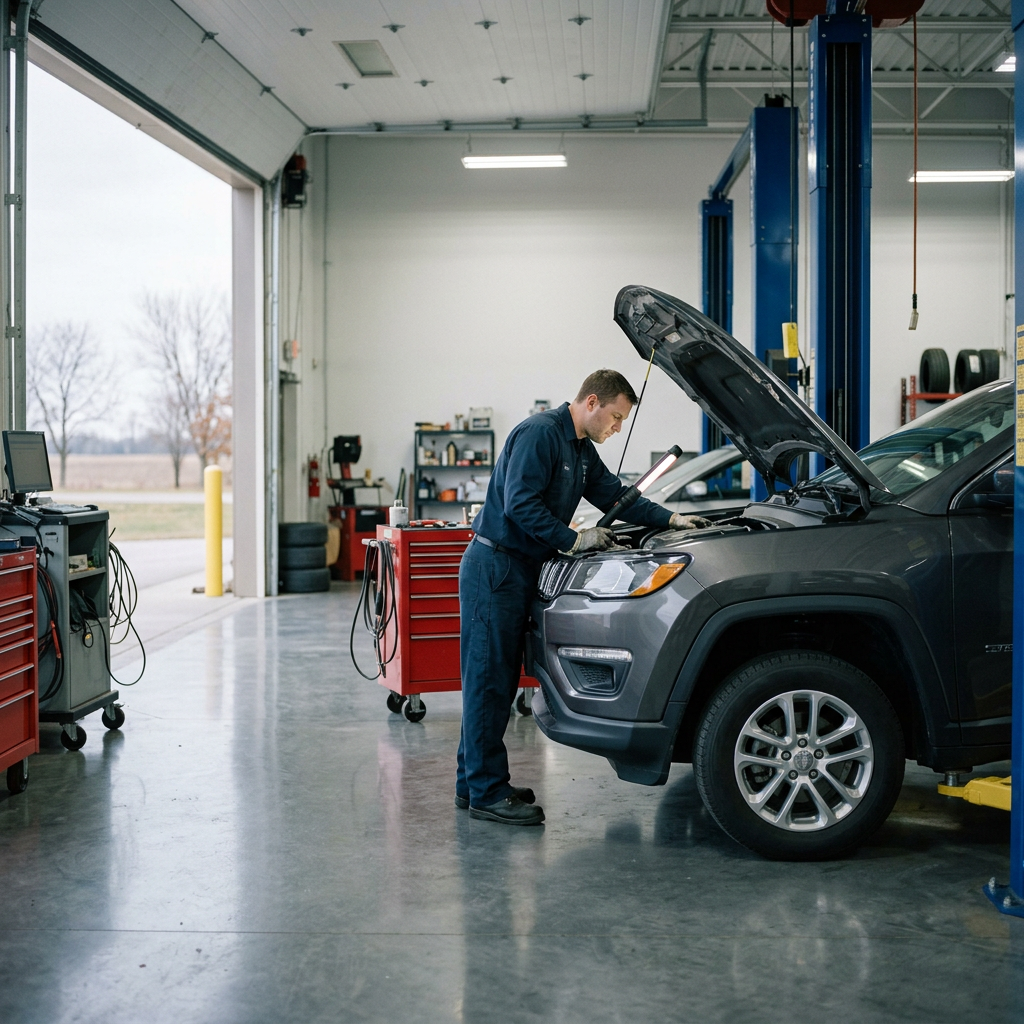
Jeep Cherokee Maintenance and Care: An Expert Q&A with Valor CDJR
Skipping engine oil changes, running unapproved fluids, and ignoring scheduled driveline services can cause manufacturer powertrain warranty claims to be denied if mechanical failure results from lubrication breakdown. Today, we sit down with Mike Hogg, Service Director at Valor CDJR, bringing two decades of professional automotive service leadership to break down factory warranty requirements, routine service schedules, and long-term ownership care.
Q: Which neglected maintenance services can void your Jeep Cherokee factory warranty?
A: Documented neglect of scheduled lubrication services, especially engine oil changes and driveline fluid replacements, gives manufacturers grounds to deny warranty claims on affected components. Under the terms of the 3-year/36,000-mile basic warranty and the 5-year/60,000-mile powertrain warranty, coverage applies to manufacturing defects and factory workmanship, not failures resulting from skipped maintenance, oil sludge buildup, or thermal breakdown. When internal mechanical damage occurs, technicians must verify whether required service schedules were followed before processing claims.
Severe mechanical consequences stem from ignoring fluid life monitors or pushing past mileage thresholds. In modern powertrains, including the official Cherokee powertrain paired with an electronically controlled continuously variable transmission, internal tolerances are exceptionally tight. Running degraded oil causes friction and sludge that starve turbocharger bearings and camshaft actuators. If you cannot provide maintenance records showing on-time oil services when an engine seizes, the repair bill falls entirely on your shoulders.
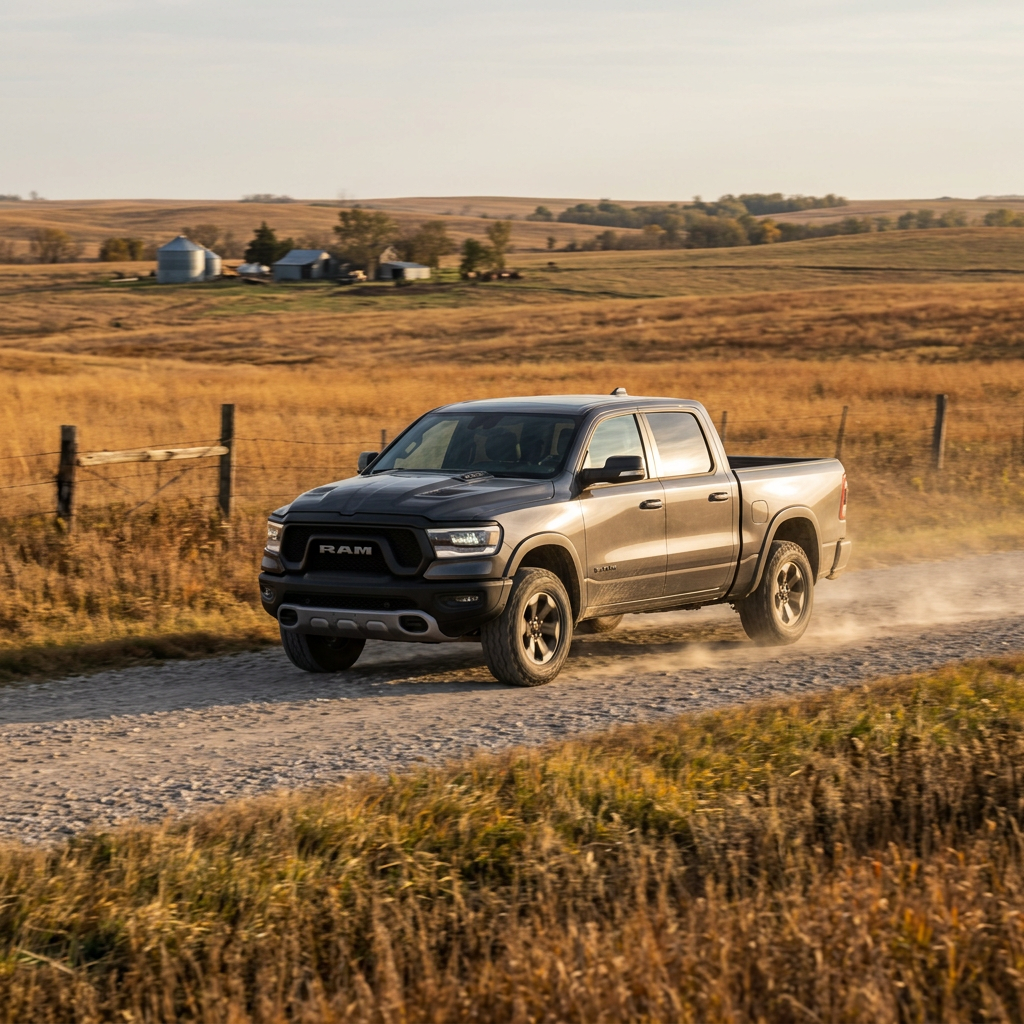
Beyond engine oil, neglecting driveline upkeep under severe operating conditions creates substantial warranty risks. Operating in muddy conditions or tackling heavy trails requires timely transfer case and differential fluid inspections. If water contamination or burnt fluid destroys internal clutch packs or gears, warranty adjusters will classify that failure as environmental damage or lack of maintenance rather than a factory defect.
To keep your factory protections fully intact, our certified technicians can review your vehicle's full history when you make a quick call or visit our service entrance on Goldenbelt Boulevard.
Q: What are the most critical scheduled maintenance items for a Jeep Cherokee?
A: The foundation of Cherokee upkeep consists of tracking your automatic oil-change indicator, rotating tires at least every 10,000 miles, and replacing the cabin air filter every 12,000 miles. Because the onboard oil-life monitoring system calculates engine duty cycle, ambient operating temperatures, and idle duration, your oil service interval adjusts dynamically rather than following a static mileage number. Paying close attention to that instrument cluster prompt ensures fresh full-synthetic oil protects your valvetrain before thermal degradation occurs.
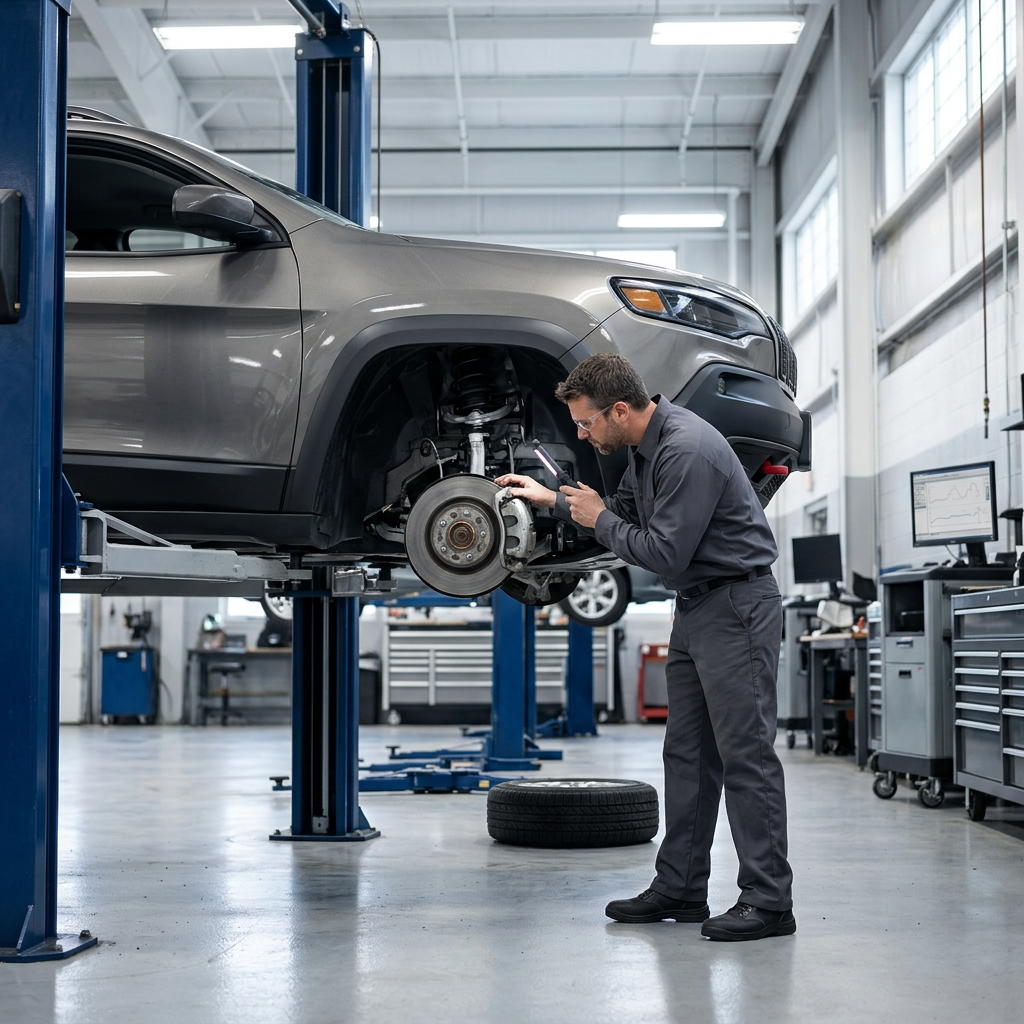
Chassis and brake hardware require methodical inspections at specific intervals to prevent minor wear from turning into major repairs. Factory guidelines call for a thorough inspection of front suspension components, tie-rod ends, and brake pads every 20,000 miles. Spotting uneven pad wear early protects your rotors from grooving, while early detection of torn steering boots prevents road debris from contaminating precision ball joints.
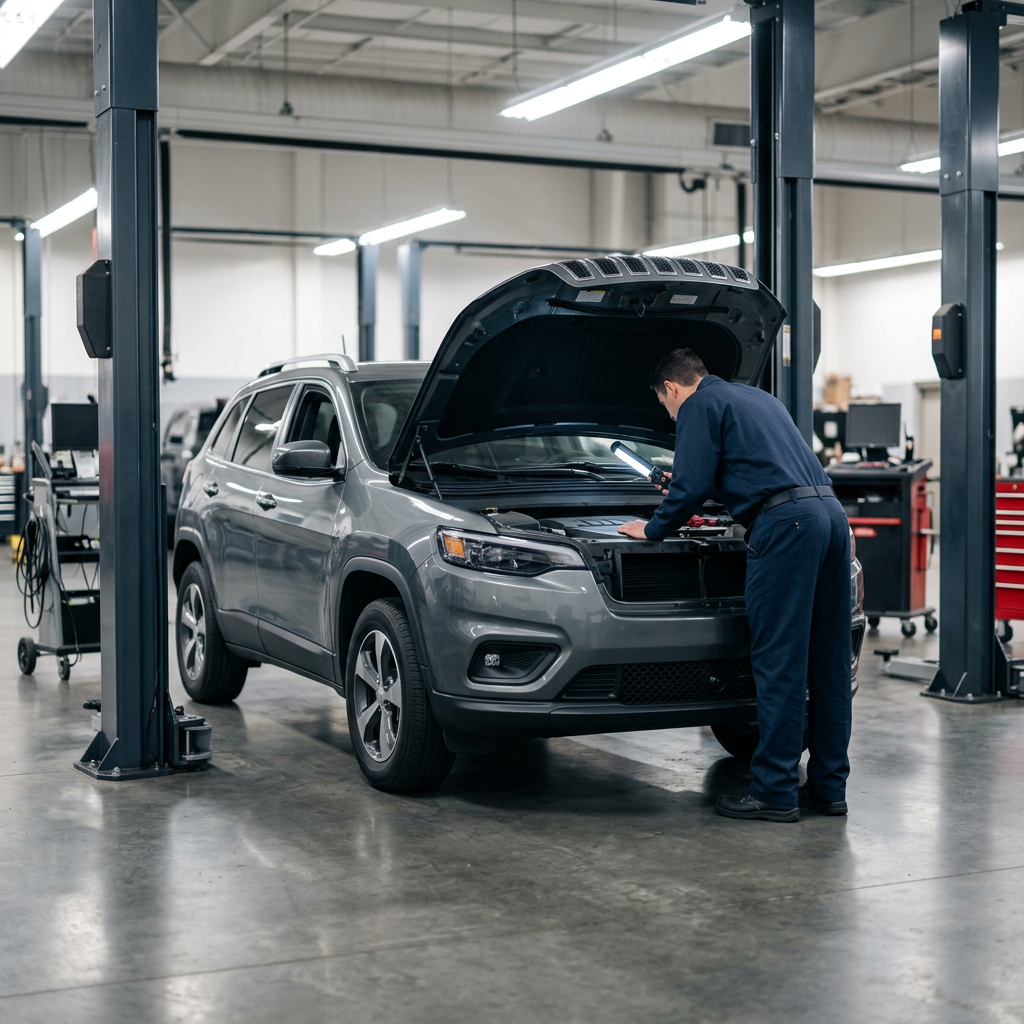
Air filtration directly affects both mechanical longevity and cabin comfort. Replacing the cabin air filter every 12,000 miles keeps dust, pollen, and field particulates out of your climate system blower motor. Concurrently, checking the engine air filter protects the turbocharger intake from abrasive dust that could otherwise pit impeller blades or skew mass airflow sensor readings.
Q: What is the realistic annual maintenance and repair cost for a Jeep Cherokee?
A: Routine maintenance and minor mechanical repairs for a Cherokee can vary based on mileage, driving habits, and service needs; contact the dealership for current maintenance cost guidance. Early expenditures remain low because scheduled visits mainly involve synthetic oil changes, tire rotations, multi-point inspections, and routine filter replacements. Out-of-pocket costs during the initial three years are further offset by the standard Jeep Wave program, which covers the first three scheduled oil changes and tire rotations.
"Staying disciplined with minor inspections stops routine wear from turning into major mechanical repairs down the road."
Budgeting effectively means preparing for periodic mid-life service items that appear after 30,000 to 60,000 miles of driving. Around these intervals, owners encounter brake pad and rotor replacements, brake fluid flushes, auxiliary drive belts, and fresh spark plugs. A standard full-synthetic oil service and tire rotation varies by vehicle and current dealership pricing, which includes factory-grade fluids and a complete multi-point safety inspection.
Commuters navigating daily highway routes across Junction City benefit from proactive upkeep that stabilizes yearly costs. Sticking to scheduled inspections prevents unexpected component failures that lead to expensive towing bills or premature wear. Owners can plan their routine upkeep and reserve an appointment online through our online service scheduler to keep routine expenses predictable.
Q: How do frequent towing and heavy-duty use change your maintenance intervals?
A: Frequent trailering and recurring off-road excursions reclassify your vehicle into severe-duty service intervals, cutting recommended fluid change milestones roughly in half. While normal highway cruising allows longer intervals, pulling heavy utility loads or boats generates substantial heat inside the driveline. Because the Cherokee achieves a maximum towing capacity of published towing capacity, operating near that limit places extra thermal stress on your drivetrain components.
Under severe operating conditions, heat causes lubricants to oxidize and lose their protective viscosity much faster. Transfer case lubricants, rear differential gear oils, and transmission fluids should be serviced every 30,000 to 50,000 miles rather than waiting for normal 60,000-to-100,000-mile inspection markers. Clean fluid prevents micro-pitting on hypoid gear teeth and stops clutch-pack glazing inside all-wheel-drive coupling units.
Cooling systems and friction hardware also endure extra strain when hauling cargo trailers across changing elevations. Technicians inspecting a hard-working crossover evaluate cooling hose elasticity, radiator core cleanliness, and transmission cooler efficiency. Brake pads, especially on the front axle, wear down much quicker from controlling trailer momentum, requiring pad thickness checks every 10,000 miles instead of standard inspection routines.
Q: How do genuine OEM Mopar replacement parts compare in cost and value to aftermarket options?
A: Original Equipment Manufacturer Mopar parts carry an initial price premium of roughly 20 to 35 percent over budget aftermarket alternatives, but they provide exact factory dimensions and a 24-month unlimited mileage parts warranty. Generic aftermarket components often use universal castings, softer steel alloys, or generic rubber compounds that can compromise ride refinement or fail prematurely. In contrast, genuine factory components preserve factory noise, vibration, and safety calibrations.
Choosing factory hardware prevents secondary component wear that generic alternatives frequently cause. For example, aftermarket brake pads often lack exact friction formulas, leading to rotor scoring, excessive brake dust, and unwanted cabin squeal. Genuine Mopar pads are engineered specifically for your vehicle's caliper pressures and rotor metallurgy, ensuring consistent stopping power without premature rotor wear.
Preserving structural reliability and electronic integration is critical when replacing driveline and suspension components. Every sensor, control arm, and filter from the manufacturer matches the engineering software governing the vehicle's active safety and all-wheel-drive electronics. Vehicle owners sourcing maintenance supplies or authentic replacement parts can order directly from our dedicated dealership parts counter to ensure every part matches factory engineering standards.
Q: What should owners budget for annual insurance and operating expenses?
A: Drivers should anticipate annual insurance premiums that vary based on coverage and driving history for modern Cherokee models, alongside normal operating costs for fuel, registration, and routine maintenance supplies. Insurance premiums shift according to annual mileage, individual driving history, selected deductibles, and local zip codes. Maintaining active safety sensors and comprehensive coverage protects you financially against unexpected road hazards or glass damage.
Operating efficiency plays an equally prominent role in managing total annual running costs. With strong fuel economy, the powertrain helps insulate your monthly budget from fuel price volatility. When paired with the factory cargo capacity of about 34 cubic feet behind the second row, it delivers the daily utility families require without demanding excessive running expenditures.
Planning for seasonal wear items helps prevent sudden budget spikes throughout the year. Setting aside a modest operating reserve covers wiper blades, cabin filters, and seasonal alignment checks after navigating rough winter pavement around Manhattan. Proactive budgeting transforms unexpected vehicle needs into routine, easily managed operating costs.
Q: How can drivers protect their vehicle investment and stay ahead on service?
A: Staying ahead of vehicle maintenance requires logging every fluid change, addressing instrument cluster alerts immediately, and partnering with certified technicians who understand factory technical service bulletins. Maintaining a complete binder or digital service history not only safeguards your warranty claims but also commands premium value whenever you decide to sell or trade your vehicle. Adhering strictly to scheduled intervals ensures your vehicle performs reliably for years across Kansas highways.
For local business fleets and commercial operators running work vehicles under demanding daily cycles, maintenance discipline is even more essential to avoid costly downtime. Organizations managing working vehicle pools can review heavy-duty chassis and fleet solutions through our dedicated commercial vehicle center, where our team assists in matching operational workloads to appropriate maintenance structures.
Whether you need a multi-point inspection or factory-scheduled mileage service, our service advisors are ready to help. You can call (785) 238-5114 to consult with an advisor, or follow turn-by-turn directions to 1825 Goldenbelt Blvd, Junction City, KS 66441 to bring your vehicle into our certified service facility today.
© 2026 Valor CDJR. All rights reserved.