




Blog / Maintenance & Service

Managing and Maintaining Your RAM 4500 Chassis Cab: Insights from Our Service Bay

Managing and Maintaining Your RAM 4500 Chassis Cab: Insights from Our Service Bay

Managing and Maintaining Your RAM 4500 Chassis Cab: Insights from Our Service Bay

## Which Chassis Cab Offers Better Upfitter Integration Between Ram and Ford?

The Ram 4500 Chassis Cab delivers superior upfitter integration compared to the Ford F-450 by utilizing flat, standard 34-inch wide 50,000-PSI steel C-channel frame rails with zero top-rail rivets alongside a factory-integrated Vehicle System Interface Module (VSIM) that routes over 70 programmable electrical circuits directly to body builders.

When local fleet mechanics and independent contractors evaluate chassis cabs for new service bodies, dump beds, or flatbeds, frame topology and electrical connectivity determine how quickly a truck goes from the delivery lot to the jobsite. Ford chassis frames feature structural humps and top-rivet placement that often force upfitters to fabricate custom adapter brackets or add spacers. In contrast, Ram engineers design the rear chassis with entirely flat top frame rails. This flat mounting plane lets body builders bolt commercial equipment directly to high-tensile steel frame webs, preventing chassis twist and reducing strain on hydraulic lines during heavy unloading.

From an electrical standpoint, aftermarket bodies demand clean integration with throttle control, lighting circuits, and power take-off (PTO) engagement. Ram accomplishes this through the factory VSIM system. The module allows service technicians and body installers to map custom switches without splicing into primary wiring harnesses or risking computer fault codes. Additionally, Ram provides dual-side PTO mounting options on the heavy-duty automatic transmission, giving equipment builders flexibility when placing hydraulic pumps around exhaust systems. Fleet operators who need technical guidance on electrical taps or frame mounting clearances can drop by our service bay location at 1825 Goldenbelt Blvd or connect with our heavy-duty technicians by giving us a quick call at (785) 238-5114.

Table of Contents

What Maintenance Costs and Service Schedules Should Ram 4500 Fleet Owners Expect?

Commercial Ram 4500 fleet owners should plan for average routine maintenance costs between $1,200 and $2,000 annually per truck, driven primarily by heavy-duty synthetic oil capacity, dual fuel filter changes every 15,000 miles, transmission fluid drain-and-fill services every 30,000 to 45,000 severe-duty miles, and commercial brake component inspections.

Managing a Class 4 workhorse requires shifting away from light-duty pickup habits. Because commercial trucks accumulate extensive engine idling hours while powering PTO hydraulic pumps, crane bodies, and auxiliary jobsite tools, fluid breakdown occurs much faster than mileage counters indicate. In my 20 years leading commercial service teams, the question I hear most often from local fleet managers is how to avoid premature injector wear on high-idle work trucks. I always emphasize strictly adhering to the 15,000-mile interval for both the engine-mounted and chassis-mounted fuel filters, while draining the water-in-fuel separator at the first indication of water contamination.

A predictable service routine keeps commercial chassis operating reliably through demanding work seasons:

  • Engine Oil and Filter Service: Replace 12 quarts of low-ash synthetic oil and the heavy-duty filter every 7,500 to 10,000 miles, or sooner if engine hour monitors indicate heavy idle duty cycles.
  • Dual Fuel Filter Replacement: Swap both primary and secondary fuel filters every 15,000 miles to safeguard high-pressure common-rail fuel injectors against sediment and water damage.
  • Transmission Fluid and Filter Care: Drain and refill fluid while replacing internal filters every 30,000 to 45,000 miles under severe commercial towing conditions.
  • Brake Thermal and Lining Checks: Perform semi-annual inspections of 15.35-inch commercial rotors, calipers, and heavy-duty friction pads during routine tire rotations.

Commercial managers can easily schedule a commercial service appointment online to keep fleet maintenance records current, or consult directly with our heavy-duty parts department for factory-approved OEM filters, heavy-duty fluids, and mounting hardware.

How Do Cummins 6.7L Diesel and Ford 6.7L Power Stroke Maintenance Requirements Compare?

The available 6.7L Cummins turbo-diesel inline-six engine requires less labor time for routine overhead maintenance and component access than the Ford 6.7L Power Stroke V8 due to its straight-six architecture, single cylinder head layout, and simpler front-engine accessory drive layout.

While Ford’s Power Stroke V8 produces high peak horsepower, its packaging inside a tight engine bay creates labor-intensive service scenarios. Replacing turbocharger components, valve cover gaskets, or fuel rails on a V8 diesel often requires removing body panels or tilting the cab. The inline-six design of the Cummins diesel leaves substantial clearance on both sides of the engine block. This layout makes routine tasks—such as replacing valve cover gaskets, checking pushrods, or servicing the turbocharger system—straightforward for technicians working in the shop.

The Cummins diesel delivers 360 horsepower and 800 lb-ft of torque when paired with the TorqueFlite HD eight-speed automatic transmission. Its lower component count means fewer moving parts in the valvetrain and timing system compared to overhead-cam V8 diesels. Furthermore, the integrated exhaust brake on the Cummins turbocharger reduces friction brake wear by utilizing engine backpressure during steep downhill descents, significantly extending the service life of rear brake pads and rotors on loaded equipment trailers around Junction City.

Why Must Ram 4500 Owners Verify Guide Specs Against Cab-to-Axle Configurations?

Ram 4500 owners must verify technical specifications against their truck's specific Cab-to-Axle (CA) measurement because frame wheelbases, payload distribution limits, turning diameters, and body-builder wiring harness lengths vary significantly across the four Regular Cab and two Crew Cab dimensions.

Operating manual data, fluid capacities, and wiring schematics rely on exact vehicle packaging. Ram manufactures the Regular Cab 4500 in 60-inch, 84-inch, 108-inch, and 120-inch CA frame lengths, while the Crew Cab variant comes in 60-inch and 84-inch CA frame options. Selecting a guide or service diagram that does not match your specific CA length can lead to incorrect driveline torque specs, improper rear axle weight calculations, or wrong replacement harness part numbers.

Matching body length to frame dimension directly influences jobsite maneuverability and chassis longevity:

  • 60-inch CA (144.5-inch Regular Cab / 173.5-inch Crew Cab wheelbase): Designed for 9-foot to 10-foot service bodies and MINI-dumps; achieves a tight curb-to-curb turning diameter of approximately 42.1 feet on Regular Cab chassis.
  • 84-inch CA (168.5-inch Regular Cab / 197.5-inch Crew Cab wheelbase): Ideal for 11-foot to 12-foot contractor flatbeds and agricultural utility bodies.
  • 108-inch CA (192.5-inch Regular Cab wheelbase): Engineered for 14-foot flatbeds and grain bodies transporting bulk cargo across farm properties in Riley County.
  • 120-inch CA (204.5-inch Regular Cab wheelbase): Accommodates 16-foot to 18-foot rollback tow beds and large box bodies.

Mounting a body that exceeds the recommended frame length places payload behind the rear axle centerline, creating a lever effect that unweights the front steering axle and degrades directional control on wet or icy roads.

What Are the Towing Limits and Running Gear Service Protocols for the Ram 4500 Chassis Cab?

The Ram 4500 Chassis Cab provides a maximum towing capacity of up to 28,550 pounds and a Gross Combined Weight Rating (GCWR) of up to 37,500 pounds when configured with the 6.7L Cummins turbo-diesel, requiring specialized running gear service protocols to manage extreme tongue weights and rolling loads.

With a maximum Gross Vehicle Weight Rating ( 16,500-pound GVWR) and payload capabilities reaching up to 12,080 pounds on gasoline models and 11,250 pounds on diesel setups, every component between the frame rails and the road operates under high structural loads. Standard gas models feature the 6.4L HEMI V8 producing 375 horsepower and 429 lb-ft of torque, rated for up to 20,400 pounds of maximum towing.

To support these heavy loads without component failure, Ram specs the 4500 with medium-duty commercial running gear:

  • 10-Lug Commercial Wheel Hubs: Heavy-duty hubs on a 225mm bolt circle distribute clamping forces across ten studs rather than light-duty eight-lug patterns.
  • 19.5 x 6.0-Inch Steel or Aluminum Wheels: Commercial wheel cavities house massive 15.35-inch front brake rotors while promoting airflow to cool calipers.
  • Load Range G Commercial Tires: Fitted with 225/70R19.5G highway or traction tires featuring reinforced sidewalls designed to resist puncture and shoulder wear under heavy loads.

Service protocols for this commercial running gear require checking wheel stud torque after the first 50 and 100 miles following any wheel removal. Additionally, technicians perform thermal inspections on rear axle bearings and inspect leaf spring shackle bushings for deformation during every scheduled oil service.

How Do Commercial Class 4 Care and Operating Considerations Differ From a Ram 3500?

Operating a Class 4 Ram 4500 requires commercial vehicle registration, specialized medium-duty shop equipment, and elevated insurance coverage, whereas a Class 3 Ram 3500 operates under standard consumer light-truck service guidelines.

Because the Ram 4500 carries a 16,500-pound GVWR, commercial auto insurance premiums reflect its medium-duty status. However, business owners benefit significantly on driver licensing. Federal Motor Carrier Safety Administration rules set the single-vehicle Commercial Driver's License (CDL) threshold at 26,001 pounds GVWR. Because the Ram 4500 chassis sits at 16,500 pounds, standard non-CDL employees can operate the truck legally, provided any towed equipment trailer stays at or under 9,500 pounds GVWR to keep the combined GCWR under 26,000 pounds.

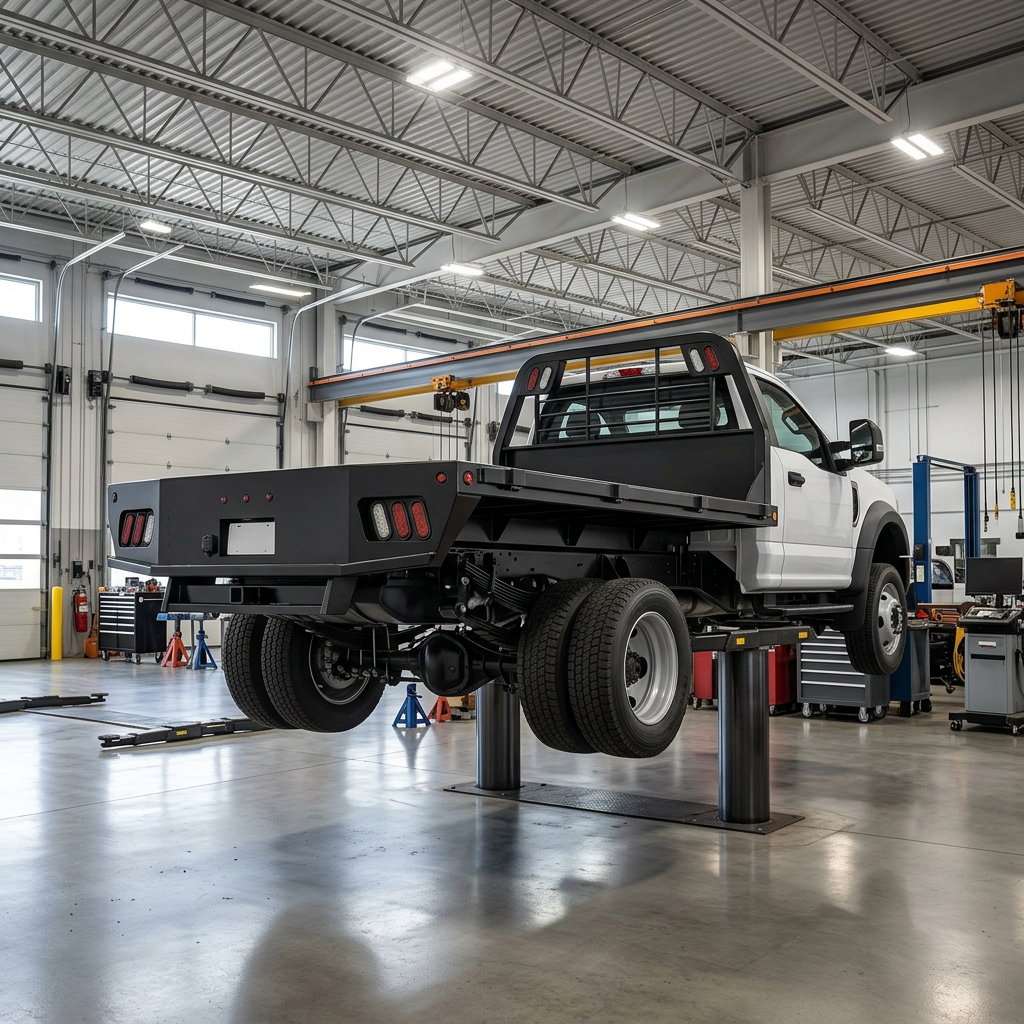
From a maintenance standpoint, light-duty shop lifts cannot lift a fully upfitted Class 4 chassis cab equipped with a service crane or loaded dump body. Servicing these vehicles demands heavy-duty drive-on lifts, high-capacity hydraulic jacks, and specialized Cummins software interfaces. Business managers seeking to add or service medium-duty workhorses can browse our new commercial Ram chassis cab inventory online, visit our commercial facility, or speak directly with our service specialists by calling (785) 238-5114 to establish a preventive maintenance plan tailored to their operation.


© 2026 Valor CDJR. All rights reserved.

Posted in:

Related Posts

Direct Answer: What Mopar Accessories Best Protect Jeep Seats and Cargo Areas for Kansas Winters?

Direct Answer: What Mopar Accessories Best Protect Jeep Seats and Cargo Areas for Kansas Winters?

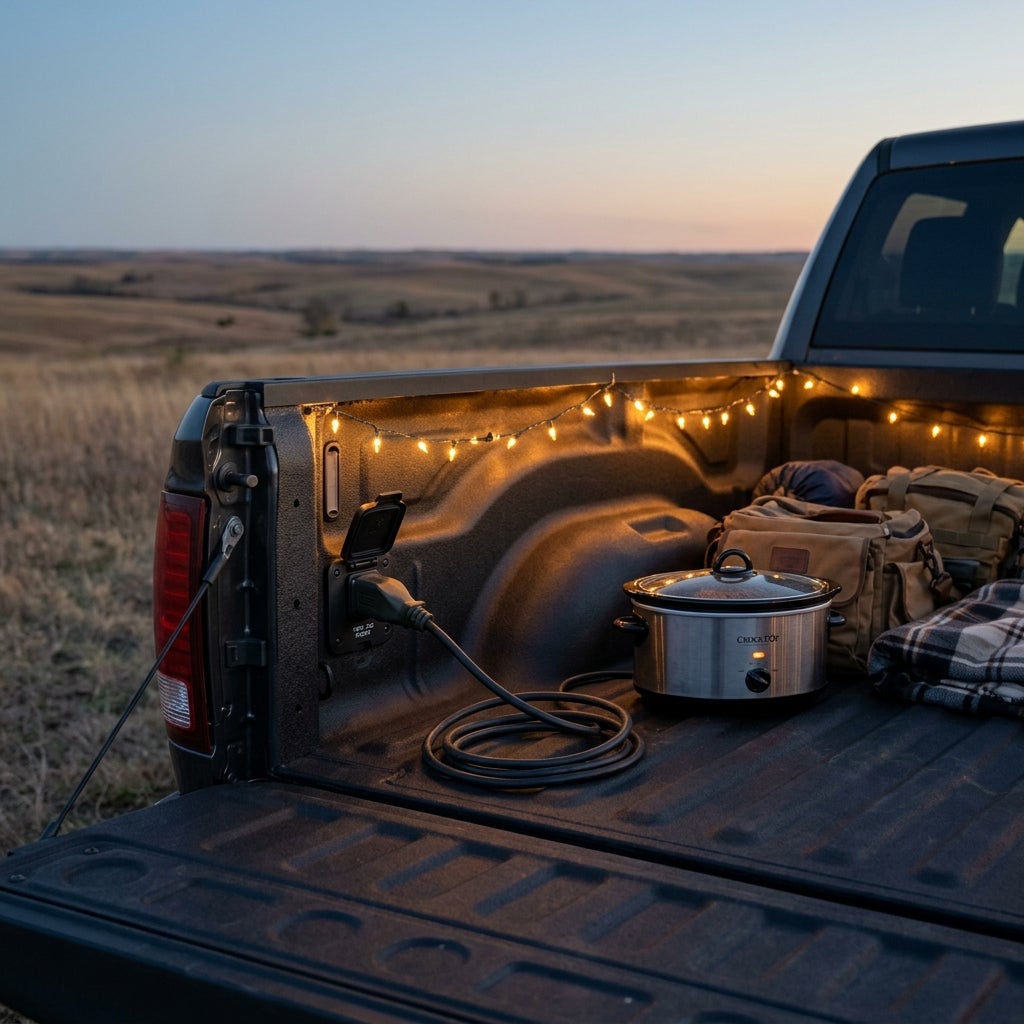
Direct Answer: What Mopar Accessories Best Protect Jeep Seats and Cargo Areas for Kansas Winters? When late autumn transitions into full-fledged winter across the Flint Hills, Kansas drivers face a brutal combination of freezing rain, thick mud, wet slush, and corrosive road salt. Protecting the cabin and cargo bay of your Jeep Wrangler, Gladiator, Grand Cherokee, or Compass requires purpose-built interior armor. The absolute best original equipment manufacturer (OEM) solution comes directly from Mopar—Jeep's official service, parts, and customer care division. Authentic Mopar winterization accessories are specifically engineered to fit the exact contours of your vehicle's floor pans, seating frames, and trunk bays, providing an unyielding shield against the worst elements Kansas winters can throw at your cabin. The essential lineup for complete Jeep interior winter defense includes four cornerstone Mopar components: 1. Custom-Fit All-Weather Slush Mats: Built with deep reservoir channels, high retention walls, and specialized drain-plug compatibility (on Wrangler and Gladiator models) that allow melted snow to drain directly through the vehicle floor. 2. Heavy-Duty Molded Cargo Trays: Constructed from flexible, cold-resilient thermoplastic elastomer (TPE) that flexes under heavy loads without cracking in sub-zero temperatures. 3. Waterproof Neoprene and Heavy Canvas Seat Covers: Custom tailored to seal out wet hunting gear, mud-slicked coveralls, and spilled hot coffee while remaining fully side-airbag compliant. 4. Cargo Area Seatback Protectors: Molded rubberized barriers that attach directly to the rear of second-row seats, ensuring seamless protection whether seats are raised upright or folded flat for bulky cargo. To explore these fitted upgrades in person, stop by our Parts Department at Valor CDJR in Junction City. Why Factory Mopar All-Weather Floor Mats and Cargo Liners Outperform Universal Options Universal off-the-shelf floor mats bought at general retail stores may seem convenient initially, but they fall drastically short when exposed to genuine Kansas winter conditions. Generic mats rely on flat trim-to-fit designs that shift constantly underfoot, curl up at the edges when temperatures plunge below freezing, and fail to block liquid runoff from soaking into under-carpet acoustic insulation. Once salt-laden slush penetrates carpet padding, it breeds stubborn mildew odors, causes sub-floor rust, and degrades vehicle trade-in values over time. Factory Mopar all-weather mats are engineered using precise 3D digital CAD data straight from the Jeep vehicle design teams. This guarantees millimeter-perfect fitment against every swell, pedal mount, and seat rail anchored to your floor pan. On Jeep Wrangler and Gladiator models, Mopar mats feature patented integrated drain-plug grommets. When snow melts inside your cabin, you can unplug the floor drains directly through the mat, letting water escape without removing the liner. Furthermore, Mopar's proprietary rubber compound remains pliable in extreme freeze conditions down to sub-zero temperatures, ensuring the high retention walls never distort or leak onto your carpet. Key Mopar Seat Accessories: Heavy-Duty Covers, Waterproof Barriers, and Heated Comfort Upgrades Canvas & Neoprene Covers Mopar heavy-gauge canvas and neoprene seat covers offer an impenetrable barrier against damp winter coats, mud, and active lifestyle wear. Tailor-fit to specific seat configurations, these covers preserve factory leather and cloth upholstery while incorporating engineered side seams that ensure full deployment of seat-mounted side airbags in an emergency. Seatback Storage Systems Keep winter emergency gear organized and off the wet floorboards with Mopar MOLLE-style seatback storage panels. Engineered for heavy utility, these tactical grid panels accept modular pouches for ice scrapers, thermal gloves, flashlights, tow straps, and first-aid kits, keeping essential equipment secure and rapidly accessible. Heated Seat Accessory Kits If your Jeep came from the factory with standard cloth seats, Mopar offers heated seat accessory kits. These systems integrate seamlessly with your vehicle's electrical harness and dashboard controls, delivering rapid warming comfort to front seats during freezing morning commutes across Geary and Riley Counties. Preparing Your Jeep or Ram 1500 for Late-Autumn Tailgating and Farm Work in Riley and Geary Counties Life in Junction City, Manhattan, and surrounding rural Riley and Geary counties demands exceptional versatility from your vehicle. On Saturday afternoon, your truck or SUV might be parked outside Bill Snyder Family Stadium supporting K-State game day tailgating; by Monday morning, it is navigating muddy pastures, towing livestock trailers, or hauling heavy equipment across unpaved county roads. Transitioning seamlessly between agricultural labor, outdoor recreation, and family transport requires a multi-layered interior protection strategy. For dual-purpose duty, local drivers frequently combine heavy-duty Mopar floor slush mats with Mopar bed liners and tonneau covers on Ram 1500 trucks, or rear cargo trays and seatback covers on Jeep Grand Cherokee models. This setup ensures that clay-heavy Kansas soil, agricultural chemicals, and wet hunting gear stay completely contained. Whether you are transporting livestock feed in the morning or loading tailgate coolers in the afternoon, Mopar accessories let you hose down your protective liners in minutes, keeping the underlying vehicle spotless. If you need expanded utility for your operations, browse our current Commercial Vehicle Inventory to find heavy-duty work trucks built for tough Kansas workloads. View Commercial Inventory How Cargo Volume Capacities Compare Between the Ram 1500 Bed and Grand Cherokee Interior Space Understanding the distinction between open bed volume and climate-controlled interior cargo space is critical when planning winter farm work or outdoor excursions. The Ram 1500 offers substantial exterior cargo space designed for rugged, weather-resistant equipment, while the Jeep Grand Cherokee provides locked, heated interior storage optimal for sensitive tools, luggage, and perishable supplies. A Ram 1500 equipped with a 5-foot-7-inch short box delivers approximately 54 cubic feet of cargo space, expanding to 61.5 cubic feet with a 6-foot-4-inch bed box. In contrast, the Jeep Grand Cherokee provides up to 38 cubic feet behind the second-row seats, expanding to 71 cubic feet when the rear seats are folded flat. Pairing a Ram 1500 with a Mopar spray-in bedliner and tri-fold tonneau cover creates weather-protected exterior storage, while equipping a Grand Cherokee with Mopar molded cargo liners keeps high-capacity interior space protected against snow and mud. Vehicle & Configuration Primary Storage Type Max Usable Volume Recommended Winter Liner Ram 1500 5'7" Bed Open / Covered Bed 53.9 cu ft Mopar Spray-In Liner + Tonneau Ram 1500 6'4" Bed Open / Covered Bed 61.5 cu ft Mopar Bed Mat + Lockable Box Jeep Grand Cherokee (Seats Up) Enclosed Climate-Controlled 37.7 cu ft Mopar Molded Rubber Cargo Tray Jeep Grand Cherokee (Seats Folded) Enclosed Climate-Controlled 70.8 cu ft Mopar Cargo Tray + Seatback Shield Can the Ram 1500 Bed Power Outlet Run Electric Heaters or Tailgating Appliances Simultaneously? Wattage Limits & Ratings The Ram 1500 optional truck bed outlet delivers 115-volt AC power rated up to 400 watts. While 400 watts easily powers LED stadium lights, slow cookers (which draw 150–250W), and battery chargers, high-draw ceramic space heaters typically demand 1,200 to 1,500 watts and will trip the inverter's internal breaker. Tailgating Appliance Load You can safely run low-wattage tailgating appliances simultaneously, such as a 180W crockpot alongside a 50W television or LED lighting array (totaling ~230W). Managing cumulative draw ensures stable operation without interrupting power to your tailgate setup. Battery & Engine Idle Rules To prevent draining your starter battery during cold weather, run the engine while operating high-demand accessories. The system automatically regulates voltage to ensure your truck starts reliably, even when running auxiliary devices in freezing temperatures. How the Ram 1500 Onboard Power Inverter Supports Farm Electrical Equipment and Tailgate Accessories For farmers and landowners in Geary and Riley counties, the Ram 1500 onboard power inverter acts as a mobile electrical hub out in remote pastures. Powering 18-volt cordless tool battery chargers, electric fence chargers, portable soldering irons, and emergency work lights directly from the truck bed eliminates the need to haul heavy, noisy gas generators for minor fence repairs or equipment maintenance. When non-working weekend hours roll around, that same inverter seamlessly transitions to power outdoor entertainment gear. Combined with Mopar heavy-duty truck bed outlet protective weather caps, the system keeps electrical contacts clean and dry regardless of rain, mud, or snow, providing reliable mobile power year-round. What Should Junction City-Area Jeep and Ram Owners Check Before Late-Autumn Farm Work and Tailgating? Before winter frost settles over central Kansas, completing a comprehensive seasonal inspection ensures your vehicle stays dependable when navigating remote county roads or cold morning starts. Key maintenance items include: 1. Battery Cold-Cranking Amps (CCA): Sub-freezing temperatures reduce battery output by up to 50%. Have your battery load-tested to confirm adequate starting power. 2. Tire Pressure & Tread Depth: Cold air lowers tire pressure by approximately 1 PSI per 10°F drop. Ensure tread depth is above 4/32" for effective snow traction. 3. Engine Coolant / Antifreeze Mix: Test your coolant mixture to ensure freeze protection down to -25°F. 4. Mopar Beam Wiper Blades & Winter Fluid: Replace worn blades with heavy-duty Mopar synthetic beam blades that resist ice buildup. 5. Cabin Air Filter: Replace clogged filters to maintain maximum defroster airflow and cabin heating efficiency. 6. Interior Mopar Slush Mat Fitment: Snap all floor mats securely onto factory floor retainers to prevent interference with pedals. You can quickly schedule an inspection through our online Service Scheduler or visit our Express Lane for maintenance without an appointment. Schedule Winter Service How Does Quadra-Lift Air Suspension Improve Ground Clearance on Jeep Vehicles During Winter Snow? Jeep's available Quadra-Lift® Air Suspension system is a useful feature for severe Kansas winter driving. By utilizing closed-loop air springs at all four wheels, Quadra-Lift allows drivers to electronically adjust ride height depending on terrain requirements, offering up to 10.9 inches of maximum ground clearance in Off-Road 2 setting. When drifting snow buries rural county roads or unpaved farm lanes around Junction City, raising the vehicle prevents the undercarriage from snow-plugging or high-centering. Combined with Jeep's Selec-Terrain® traction control set to 'Snow' mode, the system optimizes torque distribution, throttle response, and suspension height to maintain steady forward momentum through deep slush and ice. To explore new models featuring Quadra-Lift, browse our latest New Vehicle Listings or explore pre-owned models in our Used Vehicle Listings. Selecting Mopar Cargo Management Accessories for Snowboards, Hunting Gear, and Emergency Kits Under-Seat Lockable Bins Secure valuable hunting gear, tools, and electronics in lockable Mopar heavy-gauge steel under-seat storage bins. These lockboxes integrate directly under second-row seating in Ram trucks and Jeep Wranglers, keeping contents concealed and safe. Roof-Mounted Gear Carriers Free up interior cabin space by installing Mopar crossbars paired with lockable ski and snowboard carriers or hard-shell cargo boxes. Built with corrosion-resistant aluminum, these carriers handle wet sports gear without cluttering your interior. Mopar Roadside Winter Kits Official Mopar roadside safety kits come packed with essential winter recovery tools: heavy-duty jumper cables, thermal blankets, work gloves, a folding shovel, flashlight, and reflective warning triangles packaged in a durable canvas bag. Where Can Riley and Geary County Drivers Arrange Local Jeep or Ram Seasonal Service? Finding reliable, factory-certified service and genuine Mopar accessory installation is convenient for drivers throughout Junction City, Fort Riley, Manhattan, and the surrounding Flint Hills region. Valor CDJR is your dedicated local hub for authentic Mopar parts, seasonal vehicle maintenance, and professional accessory installation. Located at 1825 Goldenbelt Blvd in Junction City, KS 66441, our team of factory-trained technicians ensures your floor mats, seat covers, cargo trays, and power accessories are installed precisely according to manufacturer specifications. You can Get Directions to Valor CDJR or Call us at (785) 238-5114 to consult directly with our parts and service specialists. If you are considering upgrading your vehicle before winter arrives, check your current vehicle value with our Trade In Evaluation tool or Get Pre-Approved online. Winterize Your Jeep Cargo and Seating Areas at Valor CDJR in Junction City Don't let freezing weather, slush, and salt damage your Jeep or Ram interior this season. Equip your vehicle with authentic Mopar slush mats, molded cargo trays, waterproof seat covers, and cargo organization systems designed specifically for your model. Visit Valor CDJR today at 1825 Goldenbelt Blvd in Junction City, KS, or contact our team online to order accessories, schedule maintenance, or explore our complete line of new and pre-owned vehicles. Order Mopar Accessories Schedule Service Appointment

Fall Harvest Hauling: Preparing Your RAM 1500 for High-Payload Driving

Fall Harvest Hauling: Preparing Your RAM 1500 for High-Payload Driving

Fall Harvest Hauling: Preparing Your RAM 1500 for High-Payload Driving ## How Does Active-Level Four-Corner Air Suspension Benefit High-Payload Driving? Active-Level Four-Corner Air Suspension maintains a level vehicle profile under load by automatically adjusting pneumatic pressure at each wheel. This automatic leveling prevents rear-end sag, keeps headlamps properly aimed, preserves front-wheel steering geometry, and optimizes ground clearance across uneven terrain when carrying up to 2,360 pounds of payload. Over my 20 years heading the service department at Valor CDJR, I have seen every type of heavy hauling scenario imaginable during the agricultural season. When you load hundreds of pounds of feed, seed, or grain into the bed of a standard light-duty truck, the rear suspension compresses significantly. That squatting effect lifts the front end, which lightens steering feedback, misaligns your headbeams into the night sky, and reduces braking stability. Ram solved this engineering challenge by offering an available pneumatic system that actively monitors load sensors at all four corners. When sensors detect added bed weight, an onboard air compressor pumps high-pressure air into the spring bladders to raise the chassis back to its nominal ride height. For drivers bringing grain totes across dirt roads near Junction City, this automatic balance ensures consistent control whether the bed is completely empty or loaded to maximum capacity. The system also features selectable height modes, including an Off-Road position that increases ground clearance for rutted farm tracks, and an Entry/Exit mode that lowers the truck bed to ease heavy manual loading. If you want to experience how this system responds under real conditions, feel free to drop by our service center on Goldenbelt Blvd or give our service advisors a quick call with any technical questions. Table of Contents What Is the Maximum Payload Capacity of the Ram 1500 and Where Is It Listed? Which Light-Duty Truck Delivers Smooth Ride Quality and Payload Stability When Loaded? How Reliable Is the Hurricane Inline-Six Engine Compared to the 5.7L HEMI V8 for Hauling? What Tire Pressure and Pre-Haul Maintenance Keep Your Ram 1500 Safe During Harvest? Are Commercial Incentives or Agricultural Fleet Discounts Available for Ram 1500 Trucks? What Is the Maximum Payload Capacity of the Ram 1500 and Where Is It Listed? The 2026 Ram 1500 achieves its maximum rated payload capacity of 2,360 pounds on the Tradesman Quad Cab 4x2 configuration fitted with the 3.6L Pentastar V6 engine and 6-foot-4-inch bed. The exact legally binding payload limit for any individual truck is printed on the Safety Compliance Certification Label located on the driver-side door jamb. A common point of confusion during harvest season involves distinguishing advertised maximum ratings from a specific vehicle's actual payload limit. Advertised figures represent the absolute highest payload rating achievable across the entire model lineup under ideal specification rules. Adding features like a Crew Cab, four-wheel drive, leather seating, or skid plates increases the base curb weight of the vehicle, which directly subtracts from available payload capacity. For example, higher-tier trims or four-wheel-drive models equipped with the twin-turbo engine generally feature payload capacities ranging between 1,500 and 1,900 pounds. To calculate your truck's true capacity before hauling equipment or agricultural supplies, open the driver door and check the tire and loading information placard. This sticker lists the maximum combined weight of occupants and cargo that your specific build can safely carry. You must subtract the weight of driver, passengers, cab cargo, and any hitch tongue weight from this figure to determine how much weight you can put in the bed. If you need heavy-duty bed liners, tie-down anchors, or suspension upgrades, our team can help you source genuine parts through our Ram parts department or help you explore our new Ram 1500 inventory configured for maximum bed capability. Which Light-Duty Truck Delivers Smooth Ride Quality and Payload Stability When Loaded? The Ram 1500 delivers superior ride quality and loaded stability compared to competitors like the Ford F-150 and Chevrolet Silverado 1500 because it utilizes a multi-link rear suspension with coil springs or optional four-corner air suspension rather than traditional leaf springs. Traditional leaf-spring designs used by rival truck manufacturers rely on stacked metal blades friction-sliding against each other. While leaf springs are inexpensive to manufacture, they create a harsh, bouncy ride when the truck is empty and suffer from lateral axle shift under heavy cornering loads. Ram engineers revolutionized the light-duty segment by fitting a five-link rear suspension featuring progressive-rate coil springs and a solid rear axle. This design isolates road harshness, reduces unspring weight, and keeps the rear axle precisely centered during heavy acceleration or braking. When hauling heavy loads across pitted gravel roads or highway pavement, progressive coil springs stiffen gradually as compression increases. This dynamic damping maintains steady tire contact with the road surface, reducing vehicle sway and chassis jitter. Drivers transitioning out of older light-duty trucks consistently notice how grounded the Ram 1500 feels under heavy payload conditions. For truck owners considering an upgrade to a late-model work vehicle, reviewing our current pre-owned truck inventory provides access to pre-owned Ram 1500 models built with this same progressive suspension engineering. How Reliable Is the Hurricane Inline-Six Engine Compared to the 5.7L HEMI V8 for Hauling? The 3.0L Hurricane Inline-Six engine offers exceptional structural reliability for heavy work through its cast-aluminum block, plasma transfer wire arc cylinder wall coatings, and forged steel crankshaft, generating 420 hp and 469 lb-ft of torque in standard output trim to match or exceed the output and durability of the legacy 5.7L HEMI V8. Farmers and fleet operators stepping into our service bays frequently ask how twin turbochargers handle continuous heavy loads compared to naturally aspirated V8 engines. The Hurricane engine was engineered from the ground up for severe-duty operation. Its inline-six architecture inherently balances primary and secondary engine forces, eliminating the lateral vibration typical of V8 configurations. Furthermore, the dual low-inertia turbochargers feed peak torque into the drivetrain at just 3,500 rpm, delivering immediate low-end pulling power right where high-payload driving demands it most. Thermal management is another crucial factor during long autumn workdays. The Hurricane engine incorporates dual water pumps, liquid-to-air intercoolers, and high-flow oil jets that spray cooling oil directly onto the undersides of the pistons. Combined with a heavy-duty 8-speed automatic transmission, this powertrain delivers consistent torque without thermal degradation during sustained climbs under load. While the 5.7L HEMI V8 earned an incredible reputation over two decades, the Hurricane engine delivers higher torque, better fuel efficiency at 20 mpg city / 25 mpg highway on standard builds, and superior structural rigidity. If you are planning to upgrade your farm rig this season, our sales staff can help you evaluate your trade-in value online before stopping by. What Tire Pressure and Pre-Haul Maintenance Keep Your Ram 1500 Safe During Harvest? Proper pre-haul maintenance requires setting cold tire inflation pressure to the exact specification listed on the driver-door placard rather than the maximum pressure molded on the tire sidewall, combined with inspecting brake pad thickness and checking rear differential fluid before hauling heavy payloads. Navigating the rolling agricultural routes across Riley County during fall harvest subjects your truck to heavy mechanical stress. Operating a fully loaded truck on underinflated tires generates excessive internal heat, which drastically increases the risk of tire sidewall blowout under load. Always adjust tire pressure when the tires are cold, meaning the truck has been parked for at least three hours. If you frequently haul near the maximum gross vehicle weight rating, maintain the exact front and rear cold pressures recommended on the vehicle placard to ensure proper tread contact and load distribution. In addition to tire pressure, a complete pre-harvest service inspection should cover the following key wear areas: Inspection of front and rear brake pads and rotors to handle increased stopping distances under heavy load. Verification of rear differential fluid level and condition, especially for trucks routinely operating in dusty field conditions. Visual check of air filter condition to prevent intake restriction from crop dust and debris. Testing battery cold-cranking amps and charging system output prior to cooler autumn mornings. Addressing these routine maintenance items prevents unexpected downtime during peak harvest operations. You can conveniently book an inspection with our factory-trained technicians through our online service scheduler, or speak with our finance team to contact us for current financing information if you are considering adding a new truck to your farm setup. Are Commercial Incentives or Agricultural Fleet Discounts Available for Ram 1500 Trucks? Qualifying agricultural operators and small business owners can access Stellantis On The Job commercial incentives, which provide financial allowances for upfit equipment, spray-in bedliners, graphic overlays, or extended service coverage on new Ram 1500 models. Running an efficient farming operation or commercial trade business requires maximizing your equipment investment. The On The Job program is designed specifically to assist business owners by offsetting the cost of essential work accessories. Whether you need a heavy-duty Mopar spray-in bedliner to protect against cargo scuffs, commercial toolboxes, or towing upfits, these incentives provide direct financial support at the time of purchase. Furthermore, commercial buyers benefit from Ram's standard 10-year/100,000-mile powertrain limited warranty, providing long-term protection for your core drivetrain components. To qualify for commercial programs, business owners typically need to present proof of business ownership, such as an agricultural tax exemption certificate, business license, or commercial tax documentation. Our team can walk you through the qualification process, review current vehicle inventory, and coordinate professional upfit installations tailored to your daily work requirements. You can browse our commercial vehicle inventory online, visit our Junction City showroom, or speak directly with our commercial specialists by giving us a call at our main desk today. © 2026 Valor CDJR. All rights reserved.
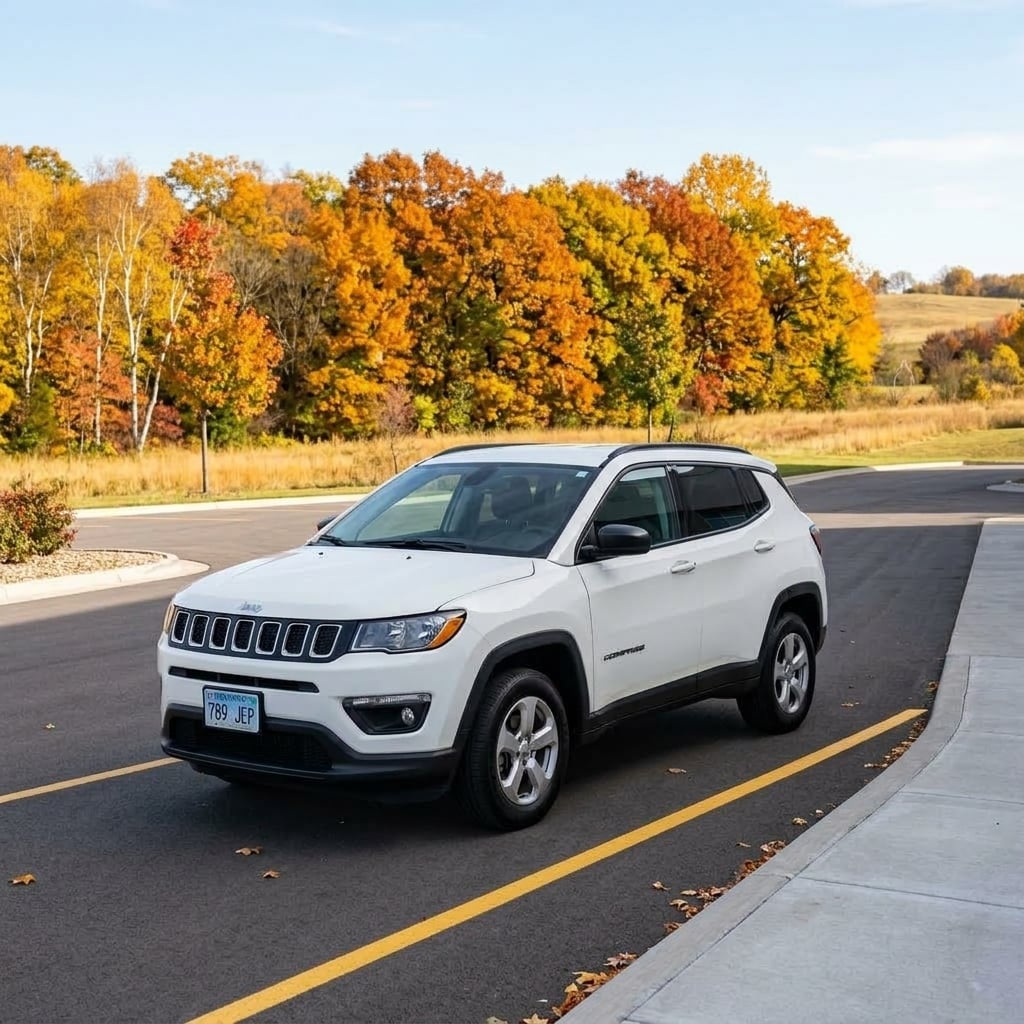
What is the Average Annual Maintenance Cost for a 2021 Jeep Compass Sport?

What is the Average Annual Maintenance Cost for a 2021 Jeep Compass Sport?

What is the Average Annual Maintenance Cost for a 2021 Jeep Compass Sport? Average Annual Maintenance Cost for a 2021 Jeep Compass Sport: The Direct Answer If you are considering a pre-owned compact SUV or currently drive one around Junction City and Manhattan, knowing your routine upkeep expenses is essential for long-term financial peace of mind. On average, maintaining a 2021 Jeep Compass Sport costs approximately $520 to $650 per year in routine maintenance and minor scheduled repairs under standard Midwestern driving conditions. This estimated annual range covers essential recurring preventive maintenance items such as synthetic oil changes, tire rotations, cabin and engine air filter replacements, basic multi-point vehicle inspections, and minor wear-and-tear items like wiper blades. Compared to the compact SUV segment average of roughly $550 to $700 per year, the 2021 Jeep Compass Sport stands out as an affordable, value-oriented option for commuters traveling between Fort Riley and Topeka. Factors such as driving habits, harsh winter conditions in Kansas, towing frequency, and adherence to manufacturer maintenance intervals can push your costs toward either the lower or higher end of this window. Staying proactive with routine checks at a certified service center like Valor CDJR helps prevent minor routine services from turning into expensive unexpected mechanical repairs down the road. Estimated 2021 Jeep Compass Maintenance Costs by Service Interval Understanding how your maintenance budget breaks down across individual mileage intervals makes budgeting straightforward. Below is a breakdown of average routine service expenses that a Junction City Jeep dealer suggests planning for over the course of ownership. Service Item Recommended Frequency Estimated Cost Range Synthetic Oil & Filter Change Every 7,500 – 10,000 miles (or 1 year) $65 – $95 per service Tire Rotation & Inspection Every 7,500 miles $35 – $55 per service Engine & Cabin Air Filters Every 15,000 – 20,000 miles $50 – $90 combined Brake Pad Replacement (Front or Rear) Every 30,000 – 45,000 miles $180 – $320 per axle Brake Fluid Flush Every 2 years / 30,000 miles $110 – $150 Transmission & Transfer Case Fluid Every 60,000 – 90,000 miles $220 – $380 Routine Oils & Filter Care The 2.4L Tigershark MultiAir 2 engine in the 2021 Jeep Compass Sport requires full synthetic engine oil for peak thermal stability and component protection. Performing regular oil and filter changes prevents sludge formation, protects precision engine valvetrains, and maintains optimal engine efficiency. Can You Reset the Oil Change Indicator Light on a 2021 Jeep Compass Yourself? Yes, drivers can easily reset the oil life indicator light on a 2021 Jeep Compass Sport at home without special diagnostic tools. Follow these step-by-step instructions: 1. Turn the ignition switch to the ON/RUN position without starting the engine (do not press the brake pedal while pressing the push-button start). 2. Fully depress the accelerator pedal slowly three times within 10 seconds. 3. Turn the ignition switch back to the OFF/LOCK position. 4. Start the engine to verify that the 'Oil Change Required' message has cleared. Alternatively, you can navigate through the digital instrument cluster display using the steering wheel directional arrows. Scroll down to the Vehicle Info menu, select Oil Life, and hold down the OK button until the percentage resets to 100%. While DIYers can handle basic resets, replacing air filters, or topping off windshield washer fluid at home, professional servicing at Valor CDJR ensures factory-certified inspections of suspension components, brake hardware, and computer diagnostic scans. Schedule Your 2021 Jeep Compass Service at Valor CDJR Is your 2021 Jeep Compass Sport due for its next scheduled oil change, tire rotation, or comprehensive brake checkup? Trust our factory-certified technicians in Junction City to keep your SUV running smoothly and efficiently. Schedule Service Online How Insurance and Fuel Economy Impact Your Total Annual Cost Direct shop maintenance expenses represent only one component of vehicle ownership. Total annual upkeep includes recurring operational costs such as auto insurance coverage and fuel efficiency performance. Auto Insurance Rates Full coverage auto insurance for a 2021 Jeep Compass averages between $1,400 and $1,700 annually in Kansas, depending on driver age, deductible choices, and clean driving history. EPA Fuel Economy The 2021 Jeep Compass Sport delivers an estimated fuel economy rating of 22 MPG city / 31 MPG highway (25 MPG combined) for FWD models, keeping fuel stops economical on Interstate 70 commutes. Combined Annual Budget Combining $580 in maintenance, $1,550 in insurance, and roughly $1,600 in annual fuel yields an estimated total operating cost of approximately $3,730 per year. How Does the 2021 Jeep Compass Compare to the 2021 Jeep Cherokee in Upkeep? When evaluating pre-owned SUVs, buyers often compare the compact 2021 Jeep Compass Sport with the slightly larger midsize 2021 Jeep Cherokee. In terms of annual maintenance cost, the Compass Sport holds a distinct price advantage. Because the Compass Sport utilizes a 2.4L 4-cylinder engine and a simplified front-wheel drive or light-duty 4WD layout, replacement parts like brake rotors, tires, and belts generally cost 10% to 15% less than those for a Cherokee equipped with a 3.2L V6 engine. Ownership Factor 2021 Jeep Compass Sport 2021 Jeep Cherokee (2.4L / 3.2L) Avg. Annual Maintenance $520 – $650 $600 – $780 EPA MPG (Combined) 25 MPG 22 – 24 MPG Standard Tire Replacement Set $550 – $750 $680 – $920 Brake Replacement (Front) $180 – $320 $220 – $360 What Auto Financing Rates Are Typical for a Used 2021 Jeep Compass? Current Financing Options For qualified buyers purchasing a pre-owned 2021 Jeep Compass Sport, auto loan rates typically range from 5.9% to 8.9% APR depending on credit score, down payment size, and loan duration. Estimated Monthly Payments Assuming a vehicle price around $18,000 to $21,000 with $2,500 down, expected monthly payments fall between $290 and $360 per month over a 60-month term. Flexible Credit Programs Valor CDJR works with top national lenders and local Kansas financial institutions to secure flexible financing options suited to military personnel and local resident credit profiles. Explore Pre-Owned 2021 Jeep Compass Inventory in Junction City Ready to test drive a dependable, low-maintenance SUV? Explore our latest selection of pre-owned models or apply online to get pre-approved for flexible auto financing today. Browse Used Vehicle Listings Driving in Junction City and Manhattan: How Local Terrain Affects Maintenance Living in Riley and Geary Counties introduces specific driving demands that directly influence vehicle wear. Daily commutes between Junction City, Fort Riley, and Manhattan encounter gravel backroads throughout the Flint Hills, seasonal temperature extremes, and corrosive winter road salt treatment. Driving over unpaved rural paths accelerated shock and strut wear while increasing dust buildup in air filters. Regular suspension checks and prompt air filter replacements keep your 2021 Jeep Compass Sport performing efficiently through every season. Key Maintenance Milestones for the 2021 Compass at 30k, 60k, and 90k Miles 30,000-Mile Service • Replace cabin & engine air filters • Brake fluid exchange service • Multi-point suspension inspection • Front & rear brake lining assessment 60,000-Mile Service • Spark plug replacement (2.4L) • Transmission fluid check / flush • Serpentine belt inspection • Transfer case fluid change (4WD) 90,000-Mile Service • Engine coolant flush & fill • Full brake hardware overhaul • Wheel alignment verification • Battery voltage & alternator check Practical Tips to Lower Annual Upkeep on Your Jeep Compass Sport 1. Maintain Correct Tire Inflation: Checking tire pressure monthly ensures proper contact patches, preventing uneven tread wear and saving up to 3% on annual fuel consumption. 2. Use Genuine Mopar Parts: Authentic OEM components designed specifically for your 2021 Jeep Compass match factory tolerances, ensuring longer lifespan and reliable operation. 3. Don't Skip Scheduled Inspections: Catching minor leaks, worn belt tensioners, or early brake wear early eliminates costly secondary damage to related mechanical components. 4. Utilize Express Maintenance Lanes: Save time by taking advantage of quick, routine service options at your local dealership's Express Lane for quick oil and filter services. Visit Valor CDJR in Junction City for Expert Jeep Service and Sales Whether you want to schedule preventive maintenance or explore our current inventory of pre-owned Jeep models, Valor CDJR is proud to serve drivers across Junction City, Manhattan, and Fort Riley. Visit us at 1825 Goldenbelt Blvd, Junction City, KS 66441 or reach our team directly at Call us at (785) 238-5114. Need help finding our showroom? Easily Get Directions to Valor CDJR online today. Book Your Service Appointment