




Blog / Ownership & Service

What It Really Costs to Own a Jeep Grand Cherokee for Five Years

What It Really Costs to Own a Jeep Grand Cherokee for Five Years

What It Really Costs to Own a Jeep Grand Cherokee for Five Years

Routine maintenance and repairs on a Jeep Grand Cherokee typically cost between $5,200 and $6,100 over the first five years of ownership, with total five-year operating expenses landing between $48,000 and $60,000 once fuel, insurance, and routine upkeep are factored in. Today we are speaking with Jace Grabouski, General Manager at Valor CDJR, who brings 20 years of automotive leadership to break down realistic service expectations for local drivers.

Q: What is the total 5-year cost to own for a Jeep Grand Cherokee when factoring in maintenance and running expenses?

A: Over a standard five-year ownership cycle covering roughly 75,000 miles, routine maintenance and minor mechanical repairs for a Jeep Grand Cherokee generally total between $5,200 and $6,100. When you calculate the comprehensive five-year cost of ownership—which combines scheduled workshop visits with fuel, state registrations, comprehensive insurance premiums, and vehicle depreciation—most drivers can expect their total operating investment to range from $48,000 to $60,000.

That broader figure fluctuates primarily based on your specific drivetrain configuration and how many miles you log across northeastern Kansas each year. A Grand Cherokee equipped with the 2.0-liter Hurricane turbo four-cylinder engine has EPA ratings of 20 city / 25 hwy and 23 mpg combined, while the proven 3.6-liter Pentastar V6 achieves 22 mpg combined. Those efficiency variations, paired with a standard 23-gallon fuel tank, directly dictate your ongoing monthly fuel budget.

Preventative upkeep is what protects the vehicle from costly unscheduled downtime. Staying ahead of fluid intervals and suspension inspections keeps minor wear from cascading into major mechanical bills down the road. Local drivers planning their long-term service schedules can drop by our facility by checking our showroom address or reach our service advisors directly with a quick call to map out personalized maintenance intervals.

Q: How much does routine maintenance cost annually for a Jeep Grand Cherokee?

A: Scheduled routine maintenance and minor wearable component replacements average approximately $666 to $750 per year during the first several years of driving. During this early lifecycle, regular service visits center around oil and filter changes, multi-point visual checkups, cabin and engine air filtration elements, and tire rotations. As the odometer crosses beyond 100,000 miles, that annual budget typically shifts closer to $1,000 to account for secondary fluid flushes, mechanical wear items, and cooling system servicing.

The onboard Oil Life Monitor system dictates your engine service frequency, signaling when fresh motor oil is required based on engine hours and operating temperatures. Factory intervals recommend completing oil changes and tire rotations every 8,000 to 10,000 miles, or at minimum once every 12 months. Vehicles that tow utility trailers or tackle demanding gravel roads around Junction City fall under severe operating schedules, where six-month fluid inspections become critical to maintaining mechanical longevity.

Tire management also represents a notable share of your scheduled upkeep budget. Routine tire rotations completed at every scheduled oil change ensure even tread depth across all four corners, which is crucial for protecting the internal clutch packs in full-time 4x4 drivetrains. Neglecting regular rotations causes premature outer tread scrubbing, resulting in uneven rolling diameters that stress driveline transfer cases.

Q: What does the Jeep Wave customer care program cover for scheduled maintenance?

A: For qualifying model years between 2021 and 2025, the Jeep Wave customer care program covers the first two scheduled oil changes and tire rotations during the initial 24 months of ownership. These scheduled visits must be completed by factory-trained technicians using genuine Mopar lubricants and filters to maintain full factory records. The program also bundles complimentary same-day rental vehicle allowances during eligible mechanical service and provides up to $1,000 in trip interruption reimbursement.

"Staying ahead of fluid intervals and suspension inspections keeps minor wear from cascading into major mechanical bills down the road."

Starting with model year 2026 vehicles, factory-backed maintenance shifts to the FlexCare Vehicle Protection Program, which provides structured service contracts and extended coverage plans backed directly by Stellantis. These plans provide owners with predictable, pre-funded routine maintenance expenses rather than out-of-pocket costs at the service drive. When you are ready to book factory-backed maintenance, you can arrange your appointment through our online service scheduling portal.

Jeep Wave and FlexCare programs eliminate early ownership maintenance surprises while reinforcing proper maintenance habits. Even with covered early visits, having certified technicians complete multi-point inspections ensures brake linings, battery terminals, and suspension boots are reviewed regularly.

Q: Is the Jeep Grand Cherokee more reliable than the Ford Explorer over several years of ownership?

A: Independent repair records show that the Jeep Grand Cherokee and the Ford Explorer run closely matched in long-term reliability rankings, though the vehicles experience wear differently. The Grand Cherokee stands out with durable interior appointments and refined drivelines, whereas the Explorer often benefits from slightly lower average parts pricing on aftermarket commodity items.

When you compare their mechanical foundations, the Grand Cherokee offers robust driveline choices that hold up exceptionally well under heavy workloads. Its available 2.0-liter Hurricane turbo engine generates 324 horsepower and 332 lb-ft of torque, while the venerable 3.6-liter Pentastar V6 produces 293 horsepower and 260 lb-ft of torque. Properly equipped models achieve up to 6,200 lbs of maximum towing capacity, backed by heavy-duty rear axles and an eight-speed TorqueFlite® automatic transmission that manages sustained pulling without excessive thermal breakdown.

Owners who take their Grand Cherokee across uneven terrain or commute daily into Manhattan appreciate the added chassis rigidity and underbody protection. When specialized suspension components or driveline seals require replacement, our certified parts department stocks genuine factory parts engineered specifically for these chassis configurations to avoid compatibility problems.

Q: How much does it cost to replace the hybrid battery pack on a Jeep Grand Cherokee 4xe out of warranty?

A: Replacing a depleted high-voltage traction battery pack on a Grand Cherokee 4xe outside of warranty coverage generally runs between $8,000 and $11,000, which includes the specialized lithium-ion battery assembly, dedicated high-voltage safety disconnects, and technician labor. That number can sound intimidating at first glance, but out-of-pocket battery replacements remain rare because these components are backed by an extensive 8-year/100,000-mile high-voltage factory warranty.

Routine service on the 4xe plug-in hybrid actually offsets certain conventional mechanical wear costs over time. Thanks to regenerative braking, the electric motor absorbs a significant portion of kinetic energy during deceleration, capturing electrical energy while dramatically reducing friction wear on brake pads and rotors. As a result, 4xe models frequently double the brake pad lifespan of purely gasoline-powered utility vehicles.

Shoppers considering pre-owned 4xe models often ask about tax incentives as part of their total budget calculations. Federal incentive eligibility can change over time, so shoppers should contact the dealership for the latest information on available tax credits and ownership costs.

Q: Can routine maintenance on a Jeep Grand Cherokee be performed DIY to save money?

A: Performing standard maintenance tasks at home—such as replacing engine and cabin air filters, installing fresh wiper blades, and conducting standard oil and filter changes—can save owners roughly 40% to 60% compared to professional labor rates. Those straightforward services require basic garage hand tools and allow hands-on owners to monitor basic fluid conditions between major dealer intervals.

Modern Grand Cherokee engineering incorporates complex networked electronics that establish clear boundaries for home mechanics. Factory 4WD systems like Quadra-Trac I, Quadra-Trac II, and Quadra-Drive II utilize electronic transfer cases and electronic limited-slip differentials that require precise fluid formulations and specific filling procedures. Advanced driver-assist systems—such as blind-spot sensors, adaptive cruise radar arrays, and lane management cameras—also demand specialized electronic scan equipment and dynamic alignment targets whenever chassis geometry is altered.

While swapping out an engine air filter at home is simple, clearing diagnostic trouble codes and recalibrating suspension height sensors requires specialized shop equipment. Entrusting complex drivetrains to factory-trained technicians ensures the computerized modules communicate properly without throwing erroneous system faults.

Q: What preventative service steps keep a Grand Cherokee running smoothly past 100,000 miles?

A: The most critical maintenance step for sustaining high-mileage dependability is addressing fluid degradation in the cooling, transmission, and differential systems before physical symptoms appear. While early ownership focuses on routine engine oil and tire rotations, vehicles approaching the six-figure mileage mark require fresh synthetic fluid in the front and rear axles, transfer case fluid flushes, and scheduled coolant exchanges to protect engine water jackets and heater cores.

Watch for age-related wear items that commonly develop past 100,000 miles, including air suspension bladders on models with height-adjustable suspension, cooling thermostat housings, water pump bearings, and oil filter housing seals on V6 powertrains. Catching small seepage around the oil filter housing early prevents oil from collecting in the engine valley and fouling wiring harnesses. If you notice any fluid spots on your garage floor or experience sluggish gear engagement, our team at Valor CDJR can run a full inspection to pinpoint the source.

Our certified technicians understand how varying Midwest weather and rural highway driving impact long-term mechanical wear. Drivers can schedule their next fluid service by giving us a quick call or setting a GPS route directly to our service entrance so we can keep your Grand Cherokee dependable for years to come.


© 2026 Valor CDJR. All rights reserved.
Vehicle specification data © JATO Dynamics Limited.


Posted in:

Related Posts

Winter 4x4 Readiness Guide: Q&A With Valor CDJR

Winter 4x4 Readiness Guide: Q&A With Valor CDJR

Winter 4x4 Readiness Guide: Q&A With Valor CDJR An Absorbent Glass Mat (AGM) battery typically delivers three to five years of reliable service in severe winter climates, maintaining necessary cold cranking power despite sub-zero temperatures that cut conventional battery output in half. To help regional commuters and military personnel navigate severe highway conditions along the corridor, we spoke with Nino Williams, F&I Manager at Valor CDJR, who brings 11 years of practical automotive experience helping drivers protect vehicle dependability and mechanical longevity through harsh Kansas seasons. Q: Nino, what is the realistic lifespan of an AGM battery when facing harsh winter conditions? A: Under severe winter conditions, an AGM battery reliably lasts between three and five years, whereas a traditional flooded lead-acid battery often begins faltering by its third winter. The internal chemistry of an Absorbent Glass Mat design uses tightly compressed fiberglass separators saturated with electrolyte, which prevents acid stratification and provides far superior resistance to vibration and thermal shock. Sub-zero temperatures reduce an automotive battery's available electrical capacity by roughly 30 to 50 percent, while cold engine oil forces the starter motor to draw significantly more amperage. Vehicles such as the Ram 1500 and Dodge Durango depend on robust electrical reserves to power high-draw comfort accessories, electronic transfer case actuators, and modern driver-assist systems. When a vehicle sits outside overnight in sub-freezing temperatures, an aging battery develops increased internal resistance that slows cranking speed and starves sensitive onboard control modules of consistent voltage during ignition. If your battery is approaching four years of age, scheduling a professional conductance test before December is the most dependable preventative step you can take. Motorists can visit our service center on Goldenbelt Boulevard to test cold cranking amps and inspect terminal connections for microscopic corrosion that restricts starter current. Q: How many winter seasons can commuters expect from a set of dedicated snow tires? A: A high-quality set of dedicated winter tires delivers between four and six seasons of dependable traction, which translates to roughly 20,000 to 30,000 miles of cold-weather driving. Dedicated winter rubber utilizes specialized hydrophilic tread compounds engineered to remain pliable at temperatures well below 45 degrees, unlike all-season compounds that harden and lose surface adhesion when the mercury drops. Commuters traveling between residential neighborhoods in Junction City and regional employment centers experience prolonged highway wear that demands strict seasonal changeover timing. Preserving tire longevity requires removing winter tires promptly in early spring when sustained pavement temperatures rise above 50 degrees. Operating winter compounds on hot, dry asphalt accelerates tread degradation because the softer silica-infused rubber wears rapidly under high highway friction. Storing your off-season set in a dry, temperature-controlled environment away from direct sunlight and ozone sources prevents rubber oxidation and extends compound flexibility. Proper tire maintenance includes periodic balancing and verifying cold inflation pressure every two weeks throughout winter. Because ambient temperature drops cause tire pressure to fall by roughly one pound per square inch for every ten-degree drop, underinflated winter tires can suffer irregular shoulder wear. Drivers can schedule a seasonal tire inspection online to ensure proper mounting, and our team in our parts department can source factory-approved winter compounds specifically balanced for your vehicle platform. Q: What do drivers usually get wrong about minimum tire tread depth for winter highway driving? A: The most dangerous misconception among highway commuters is assuming the legal minimum tread depth of 2/32-inch is safe for driving in snow and slush. While 2/32-inch meets basic state inspection criteria on bone-dry roads, winter tire performance deteriorates drastically once tread depth wears past 5/32-inch. At 4/32-inch or below, tire voids lose the volumetric capacity required to compress, bite into packed snow, and evacuate slush away from the contact patch. When slush cannot escape through the directional grooves of a tire, the vehicle begins riding on a hydroplaning wedge of semi-frozen water, leading to complete loss of directional steering. On an elevated highway stretch where crosswinds and freezing moisture collide, insufficient tread depth turns an all-wheel-drive platform into an uncontrollable sled during sudden deceleration. Measuring tread depth requires a calibrated gauge or a quick check using a standard quarter rather than a penny. Inserting a quarter upside down into the tread should obscure the top of Washington's head; if the space above his hair is fully visible, your tires measure less than 4/32-inch and lack sufficient biting edges for severe Midwestern highway winter weather. Q: Why mount winter tires on dedicated steel wheels rather than swapping tires on factory alloy rims? A: Investing in a dedicated set of painted steel wheels pays for itself within three seasons while shielding expensive factory alloy rims from road brine and magnesium chloride pitting. Dismounting and remounting tires twice a year subjects delicate tire beads to mechanical stretching and risks damaging alloy wheel lips during seasonal bead seating. Having a pre-mounted set on rugged steel wheels streamlines changeovers, allowing for rapid seasonal swaps with minimal labor. Road salt and anti-icing brines sprayed heavily along major transit routes seep into microscopic crevices between the tire bead and aluminum wheel rims, creating bead oxidation that causes slow air leaks in winter. Steel wheels eliminate chemical corrosion concerns and feature greater ductility, allowing them to absorb severe impacts from hidden winter potholes without cracking or catastrophic pressure loss. "Investing in a dedicated set of painted steel wheels pays for itself within three seasons while shielding expensive factory alloy rims from road brine." A slightly narrower steel wheel combined with a higher-profile winter tire size provides superior surface pressure, cutting directly through slush to find pavement grip instead of floating over wet snow accumulation. Q: What mechanical 4x4 drivetrain maintenance is critical before freezing temperatures set in? A: Pre-winter four-wheel-drive maintenance centers on replacing aged transfer case fluid, draining contaminated differential gear oils, and verifying proper vacuum or electronic actuator engagement. Transfer cases and differential housings operate under significant thermal stress, and internal condensation introduces moisture that deteriorates lubricating film and risks freezing inside shift mechanisms. If water emulsifies with gear lubricant, freezing overnight temperatures can cause ice crystals that block fluid flow and cause gear tooth scouring. Inspecting constant velocity boots, universal joints, and front axle seals prevents road salt from penetrating precision needle bearings during winter operation. In vehicles like the Jeep Grand Cherokee, ensuring the electronic shift motors and transfer case clutches receive clean synthetic fluids guarantees seamless engagement when switching into traction-management drive modes. Technicians also test the mechanical front-axle disconnect system to confirm that drive splines mesh instantaneously without hesitation or grinding. Neglecting transfer case fluid intervals leads to sticky shift forks and delayed 4WD engagement, leaving you immobilized right when sudden freezing rain coats highway exit ramps. Q: Walk me through what happens when a part-time 4x4 truck encounters patchy black ice on the highway. A: Drivers heading down the corridor often ask our service desk why their rear end kicked out on a bridge when their truck was equipped with four-wheel drive. In a traditional part-time four-wheel-drive truck, operating the vehicle in 2WD mode on dry highway pavement leaves all driving torque directed to the rear axle. When the vehicle crosses a shaded overpass coated in black ice, the light rear end loses lateral traction instantly, inducing snap oversteer before the driver can react. If a part-time 4WD system is left locked in 4H across dry highway pavement to prevent that slide, the lack of a center differential forces front and rear driveshafts to rotate at identical speeds. As the truck negotiates subtle highway curves, driveline binding occurs, which puts immense mechanical strain on universal joints, transfer case chains, and tires, potentially destabilizing the vehicle on patchy surfaces. Commuters traveling past open crosswind zones near Manhattan benefit greatly from automatic four-wheel-drive systems or modern all-wheel-drive setups found on models like the Dodge Durango, which distribute torque automatically without causing driveline bind. For traditional trucks, maintaining safe highway speeds, adding ballast over the rear axle, and understanding the mechanical limits of your transfer case prevents dangerous fishtailing. Q: When should drivers engage 4WD High versus 4WD Low, and what is the best first step to prep a 4x4 for winter? A: Four-Wheel Drive High ( 4H) is engineered for slippery road conditions such as continuous packed snow, slush, or ice at moderate travel speeds up to 45 mph, whereas Four-Wheel Drive Low ( 4L) is strictly a low-speed crawling gear for deep snowdrifts or vehicle recovery below 25 mph. Engaging 4L multiplies engine torque through a low-range reduction gear set, which delivers incredible pulling power but produces immediate wheel spin if applied on slick highway ice. Drivers should never activate 4L on public roads during regular winter travel; it belongs in off-road recovery scenarios or when crawling out of an unplowed rural driveway. Before freezing weather arrives, your primary step is performing a bumper-to-bumper pre-winter inspection that covers battery reserve, tire tread, driveline lubricants, and wiper assemblies. For unexpected winter emergencies, warranty-backed protection through official factory coverage offers invaluable peace of mind, and motorists can reach Chrysler, Dodge, Jeep, Ram Roadside Assistance: 1-800-521-2779 for emergency towing and roadside recovery directly to authorized service facilities. Our service department is dedicated to keeping your vehicle operating at peak mechanical reliability all winter long. To confirm your four-wheel-drive system, battery reserves, and winter tires are fully prepared for the cold weather ahead, give our service team a call directly at (785) 238-5114 to discuss maintenance intervals or stop by our service counter to speak with our technicians. © 2026 Valor CDJR. All rights reserved. Vehicle specification data © JATO Dynamics Limited.
jeep cherokee

Jeep Cherokee Maintenance Cost: Expert Service Q&A With Valor CDJR

Jeep Cherokee Maintenance Cost: Expert Service Q&A With Valor CDJR A Jeep Cherokee costs roughly a typical annual maintenance budget for standard routine maintenance and minor mechanical repairs under typical driving conditions. Today, we sat down with Jace Grabouski, General Manager at Valor CDJR, who brings 20 years of automotive leadership to break down what owners can expect for long-term service schedules, fluid intervals, and component care. Q: How much does annual Jeep Cherokee maintenance cost on average? A: Routine upkeep for a Jeep Cherokee generally totals between $520 and $700 each year when you follow factory recommendations and handle wear items promptly. In lighter driving years where you only need standard fluid services, filter changes, and tire rotations, your annual out-of-pocket expenses can sit closer to $270. Higher-mileage years that call for new brake pads, fresh rotors, or major driveline inspections naturally nudge that annual budget toward the upper end of that range. Operating conditions also play a measurable part in your baseline expenses. Drivers commuting daily along the highway corridors around Junction City experience different wear patterns on tires and brake linings than vehicles driven across unpaved rural routes or subjected to prolonged idle times. Following the onboard oil-life monitoring system ensures you service the engine when lubricants degrade rather than paying for unnecessary shop visits. Keeping up with scheduled visits at an authorized facility preserves vehicle health and avoids costly secondary failures down the road. If you have questions about your specific model year or want a direct estimate for your vehicle, give our service desk a quick call or stop by our service drive using our showroom address to plan out your service budget with a dedicated advisor. Q: How often does a Jeep Cherokee need routine service and oil changes? A: The Cherokee relies on an automatic oil-life monitoring system that tracks operating temperatures, engine revolutions, and run time, alerting you when an oil service is required. Under normal highway and suburban driving, that system typically prompts an oil and filter replacement between 7,500 and 10,000 miles, with a firm manufacturer threshold of no later than 12 months or 10,000 miles. For vehicles operating in severe conditions, such as continuous dusty back roads, extreme ambient temperatures, or extended idling, service intervals should occur closer to 4,000 miles. A standard full synthetic oil change and oil filter service on a Cherokee typically runs between a range that can vary by vehicle and service needs. Older generations equipped with the 2.4L Tigershark require 5.5 quarts of 0W-20, the 3.2L Pentastar V6 takes 6 quarts of 5W-20, while the turbocharged 2.0L requires 5 quarts of 5W-30 full synthetic. The latest 2026 Cherokee utilizes an efficient 1.6-liter turbocharged hybrid powertrain paired with a continuously variable transmission, demanding precise manufacturer fluid specifications to keep both the combustion engine and hybrid assist components operating seamlessly. Every oil change visit should also include a tire rotation and a thorough multi-point inspection of the chassis, steering linkage, and brake linings. Routine tire rotations balance the tread wear caused by the Cherokee's standard four-wheel drive or all-wheel-drive systems, extending the life of your tires across every season. You can easily reserve your next maintenance window through our online service appointment tool to keep your crossover running on its designated factory timeline. Q: Which service interval most affects a Cherokee’s annual maintenance budget? A: The 60,000-mile and 100,000-mile milestones create the largest single-year bumps in a Cherokee maintenance budget due to comprehensive fluid flushes, belt checks, and ignition component replacements. While standard 10,000-mile visits focus primarily on oil, tire rotations, and cabin air filter replacements, the higher-mileage thresholds introduce major service procedures designed to ensure long-term mechanical durability. At 60,000 miles, turbocharged models typically require replacement spark plugs, while naturally aspirated engines schedule spark plug replacements at the 100,000-mile mark. The 100,000-mile milestone also introduces cooling system flushes, suspension bushing inspections, and driveline evaluations. For Cherokee models with a factory tow package rated to pull up to 3,500 pounds, inspecting the rear driveline module and power transfer unit fluid becomes critical after years of trailering boats or utility haulers. Brake maintenance also coincides with these broader mileage windows. Most drivers find front brake pads last between 30,000 and 50,000 miles, depending on traffic density and braking habits. Replacing front brake pads and resurfacing or replacing rotors typically run between $300 and $600 per axle at an independent facility and slightly higher when installing original equipment parts. Budgeting for these scheduled milestones in advance prevents surprise repair bills and protects essential mechanical components. Q: Does Jeep Wave or FlexCare Protection cover routine Cherokee maintenance? A: Factory complimentary maintenance coverage depends directly on the model year of your Cherokee. For model years 2021 through 2025, the Jeep Wave customer care program provides dedicated owner support and covers the first two oil changes and tire rotations during the first 24 months of vehicle ownership. Those existing contracts remain fully honored at authorized dealerships through their active term. "Staying ahead of scheduled fluid changes is what keeps a crossover dependable long after the factory warranty expires." Starting with the 2026 model year, factory-backed maintenance shifts to the Mopar FlexCare Vehicle Protection program. FlexCare offers customizable prepaid maintenance packages, such as MyFlexCare Service Essentials and Service Premium, allowing owners to lock in upcoming oil changes, tire rotations, and multi-point inspections ahead of time. These prepaid plans shield owners from future parts inflation while ensuring certified technicians install genuine factory-engineered filters and fluids. For unexpected mechanical and electrical failures beyond the standard 3 years or 36,000 miles basic warranty and 5 years or 60,000 miles powertrain warranty, Mopar FlexCare extended service plans offer comprehensive component coverage. An extended service contract typically ranges from pricing that varies by coverage, deductible, and mileage limits depending on your selected deductible, coverage term, and mileage limits. Investing in extended protection offers peace of mind by covering complex electronics, driveline modules, and climate control components. Q: What are the most common repair issues and reliability concerns for the Cherokee? A: Historically, owner-reported concerns on previous-generation Cherokee models center around transmission software calibration on the nine-speed automatic, power transfer unit wear on four-wheel-drive systems, and electrical sensor communication faults. RepairPal awards the Cherokee an overall reliability rating of 4 out of 5, placing it eighth among 29 compact SUVs evaluated, reflecting average to above-average mechanical dependability when properly maintained. Addressing small performance anomalies early on prevents minor electronic or software glitches from escalating into mechanical breakdowns. Keeping transmission control modules flashed with the latest factory software updates resolves shift flare or hesitation, while routine visual inspections of rear power liftgate wiring and battery ground cables resolve common parasitic electrical drains. Routine battery testing every three to four years also prevents voltage drops that trigger false sensor warnings on the digital instrument cluster. For owners tackling DIY upkeep or certified repairs, using authentic components ensures factory tolerances and wiring standards remain intact. Our knowledgeable specialists in the dealership parts center can supply genuine spark plugs, brake hardware, factory fluids, and cabin filters matched directly to your VIN to maintain optimal performance. Q: Are advanced driver assistance cameras and windshield sensors expensive to calibrate? A: Advanced driver assistance systems require precision recalibration whenever the windshield is replaced or front-facing camera sensors are disturbed, which generally adds $300 to $600 to the total service bill. Modern Cherokee trims incorporate standard forward collision warning, active lane management, and blind-spot monitoring systems that depend on digital cameras mounted behind the upper windshield glass. If a flying rock cracks the windshield on a commute through Manhattan, replacing the glass involves more than setting a new pane. Technicians must connect specialized diagnostic equipment and utilize physical aiming targets to calibrate the camera's optical alignment down to the millimeter. Skipping this calibration process can cause adaptive cruise control to disengage unexpectedly or misjudge following distances. Beyond windshield glass replacement, routine maintenance on driver-assist hardware is minimal. Keeping the front radar sensor bezel clear of winter road slush, mud, and insect buildup prevents temporary system outages. As long as the mounting brackets remain undisturbed and the vehicle alignment stays true, these electronic driver aids provide reliable active safety without requiring recurring maintenance fees. Q: How can Cherokee owners keep long-term ownership and upkeep costs low? A: Cherokee owners keep lifetime operating costs lowest by adhering strictly to the oil-life monitor, addressing open recall software updates promptly, and performing preventive chassis inspections. Skipping small preventative tasks like cabin filter replacements or brake slide lubrication often leads to premature rotor warping or blower motor strain, transforming an inexpensive service visit into a substantial mechanical repair. Vehicle owners should also monitor manufacturer safety recalls to ensure essential control module software updates are completed without charge. For example, recent campaigns involving radio frequency hub software for tire pressure monitoring or rear camera display updates are completed entirely free of charge at authorized repair facilities. Handling these updates during your standard oil change visits minimizes downtime and keeps your safety systems functioning as engineered. Whether you drive an earlier Cherokee with a proven V6 or the latest model featuring an EPA-estimated 37 mpg combined fuel rating, factory-certified service protects your vehicle investment over hundreds of thousands of miles. To consult our service team about customized maintenance schedules or to have a technician inspect your vehicle, navigate to our service entrance at 1825 Goldenbelt Blvd, Junction City, KS 66441 or dial (785) 238-5114 to speak directly with an advisor today. © 2026 Valor CDJR. All rights reserved. Vehicle specification data © JATO Dynamics Limited.
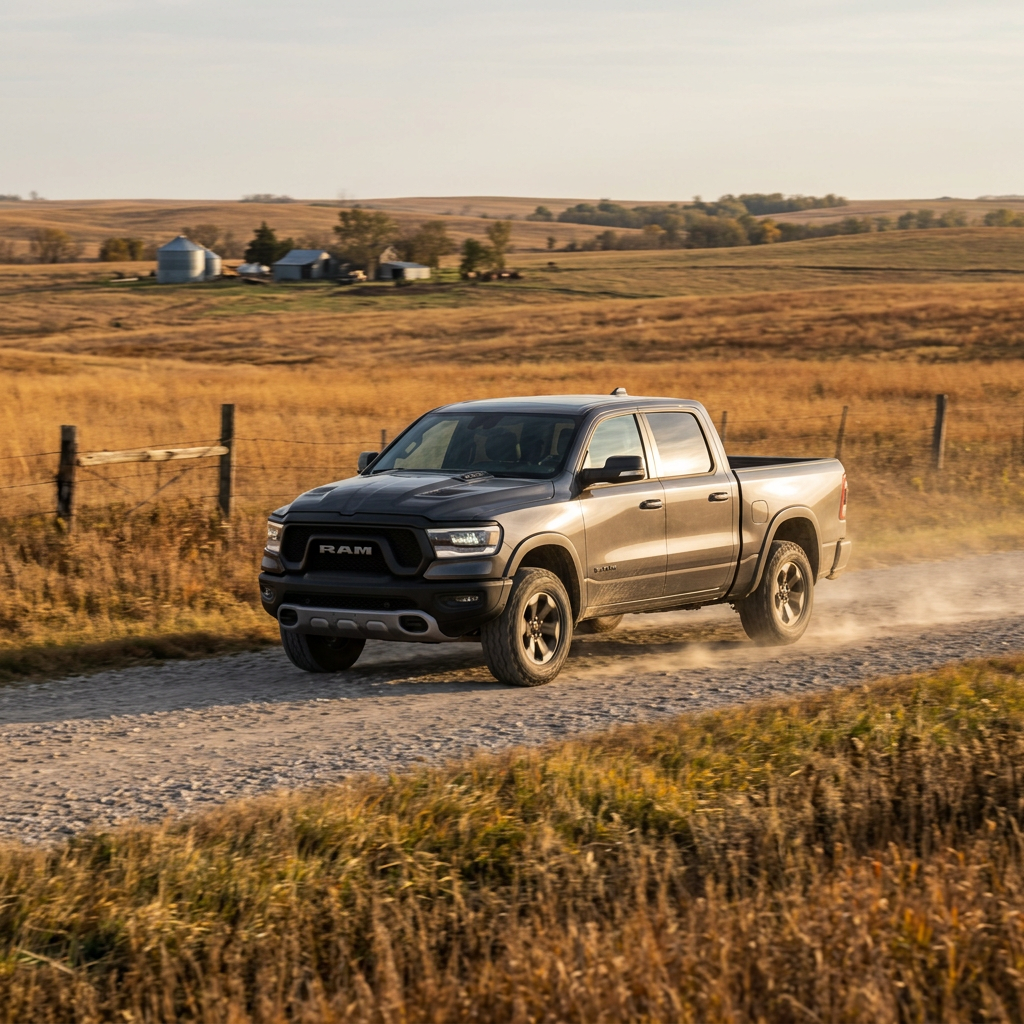
How Reliable Is the RAM 1500 Over the Long Haul?

How Reliable Is the RAM 1500 Over the Long Haul?

How Reliable Is the RAM 1500 Over the Long Haul? A properly maintained Ram 1500 routinely reaches 150,000 to 200,000 miles without catastrophic mechanical failure, provided owners adhere strictly to fluid service intervals and address chassis wear promptly. Long-term durability centers on disciplined upkeep: changing engine oil every 5,000 to 7,500 miles, servicing transmission fluid by 60,000 miles, replacing spark plugs around 100,000 miles, and keeping the cooling system clean. While suspension bushings, exhaust manifold hardware, and complex interior electronics require attention as mileage climbs, the underlying structural frame and core drivelines remain exceptionally durable workhorses. In my 20 years managing dealership operations, the trucks that make it past the 150,000-mile mark without major headaches share a clear service history. Full-size pickups face a punishing mix of heavy payload hauling, seasonal temperature swings, and daily commuting. The multi-link rear coil suspension and high-strength steel frame handle rough pavement and gravel washboards with remarkable composure, resisting the frame fatigue and body sag common in older leaf-sprung trucks. Long-term cost of ownership depends heavily on catching minor wear before it cascades into driveline damage. Front-end ball joints, tie-rod ends, and wheel bearings typically need inspection around 80,000 to 100,000 miles, especially if your truck spends time navigating rough agricultural access trails or rocky construction sites. Addressing differential fluid changes and transfer case flushes on four-wheel-drive models prevents expensive component binding down the road. If you want our factory-trained technicians to evaluate a high-mileage truck or inspect a driveline, you can schedule a visit at our service center or give our team (785) 238-5114 a quick call. We can pull full vehicle health reports, check for open technical service bulletins, and ensure your maintenance schedule matches your actual working conditions. Table of Contents What Powertrain Changes and Known Wear Points Should Owners Expect? What Are the Maximum Towing and Payload Capacities of the Ram 1500? Which Towing Safety Features Protect Your Cargo and Trailer on the Road? How Do Four-Wheel Drive, Towing, and Driving Habits Impact Real-World MPG? Do Higher Trim Levels Significantly Increase Long-Term Ownership and Repair Costs? What Does Local Ram 1500 Pricing and Included Service Coverage Look Like in Junction City? What Powertrain Changes and Known Wear Points Should Owners Expect? Modern Ram 1500 powertrains present distinct long-term maintenance profiles, ranging from the time-tested 3.6-liter Pentastar V6 with eTorque to the modern 3.0-liter Hurricane twin-turbo inline-six and returning 5.7-liter HEMI V8 configurations. For 2027, the returning HEMI eliminates the 48-volt eTorque mild-hybrid setup to simplify electrical architecture, but long-term owners must still watch for traditional HEMI wear points, specifically warped exhaust manifolds, broken manifold bolts, and eventual camshaft or lifter tick if oil changes are neglected. The 3.0-liter Hurricane twin-turbo inline-six delivers an impressive 420 hp in standard-output trim and 540 hp in high-output form, channeling power through an eight-speed automatic transmission. Because twin-turbocharged engines generate substantial thermal load, oil quality is paramount. The dual turbochargers rely on clean engine oil for bearing cooling and lubrication; stretching oil intervals past 7,500 miles on a Hurricane engine risks premature turbocharger bearing coking and wastegate actuator wear. Factory warranty coverage represents another critical pivot point for long-term buyers. Qualifying 2026 models feature a manufacturer-backed 10-year/100,000-mile powertrain warranty for the original retail owner, paired with a 3-year/36,000-mile basic warranty. Industry reports indicate 2027 models revert to the traditional 5-year/60,000-mile powertrain warranty. That difference matters if you plan to finance over six or seven years, as the 2026 coverage protects expensive engine and driveline internals well past the loan payoff date. Keeping an eye on factory recalls also prevents unexpected roadside headaches. NHTSA recall report 26V622 covers specific front-seat wiring connections on certain 2026 builds, while NHTSA recall report 26V623 addresses faulty tire-pressure monitoring sensors. Drivers evaluating these powertrain updates can browse our new-vehicle inventory to compare current engine options, factory window stickers, and active warranty terms directly. What Are the Maximum Towing and Payload Capacities of the Ram 1500? When properly configured, the Ram 1500 delivers a maximum towing capacity of 11,610 pounds and a peak payload capacity of 2,300 pounds. Actual ratings vary significantly across the lineup depending on cab configuration, bed length, axle gear ratio, and powertrain selection. Tradesman and Big Horn Quad Cab configurations equipped with rear-wheel drive and the standard-output Hurricane engine yield the highest payload ratings, whereas luxurious crew-cab models loaded with panoramic roofs and power running boards carry lower available payload due to their heavier curb weight. Understanding the difference between gross vehicle weight ratings and published brochure maximums keeps your truck operating within safe mechanical limits. Every pound of aftermarket steel bumpers, bed caps, tools, and passengers reduces your remaining payload capacity directly. When towing a heavy bumper-pull livestock trailer or travel camper, roughly 10 to 15 percent of the trailer weight rests on the hitch as tongue weight, which subtracts straight from the truck's cargo payload. Exceeding payload or towing limits places extreme stress on the rear axle housing, transmission planetary gearsets, and cooling modules. Overloaded trucks run at elevated transmission fluid temperatures, which degrade friction clutches and hardens rubber seals prematurely. Checking the tire and loading information placard on the driver-side B-pillar gives you the exact certified payload capacity for that specific VIN. If you are hunting for a dependable work rig capable of pulling utility trailers without paying new-truck sticker prices, exploring our pre-owned vehicle selection allows you to review certified capacities and equipment packages across various model years. Matching your equipment to your actual trailer weight is the single best way to ensure long-term mechanical survival. Which Towing Safety Features Protect Your Cargo and Trailer on the Road? The Ram 1500 integrates an advanced suite of active trailering technologies engineered to stabilize heavy loads, eliminate blind spots, and simplify low-speed maneuvering. Key built-in systems include Trailer Reverse Steering Control, Blind-Spot Monitoring with Trailer Coverage, an integrated trailer brake controller, and dynamic hitch-alignment camera gridlines. Together, these systems reduce driver fatigue and prevent trailer jackknifing during demanding hauls. Trailer Reverse Steering Control removes the guesswork from backing into tight boat ramps or loading docks. Rather than counter-steering the wheel, the driver turns a center-console rotary knob in the direction they want the trailer to travel, while automated steering actuators guide the front wheels. Meanwhile, Blind-Spot Monitoring automatically senses the length of the trailer behind you after a few turns, extending side radar protection zones all the way to the trailer bumper without manual calibration. Structural stability under tow begins with vehicle design. In testing documented by safety organizations, the Ram 1500 Crew Cab earned an overall four-star safety rating from the NHTSA, including five stars in side-impact evaluations. In IIHS testing, the platform scored Good in small-overlap frontal and updated side crash assessments, while registering an Acceptable headlight rating and a Poor score in the updated moderate-overlap front barrier test. Before hitching a heavy trailer, verify that your safety chains are crossed, emergency breakaway batteries are charged, and your electric brake gain is dialed in for the trailer's loaded weight. If you want to upgrade your current pickup to a model equipped with factory tow packages, you can evaluate your trade-in online to see how your current vehicle's equity offsets the transition. How Do Four-Wheel Drive, Towing, and Driving Habits Impact Real-World MPG? Equipping a Ram 1500 with four-wheel drive reduces overall fuel economy by 1 to 2 mpg compared to a rear-wheel-drive configuration due to rotating drivetrain mass, front differential drag, and an added curb weight of roughly 250 pounds. While a standard-output Hurricane truck returns an EPA-estimated 18 mpg city / 24 mpg highway in two-wheel-drive trim, engaging 4WD or pulling a heavy utility trailer brings real-world consumption down into the 10 to 14 mpg range depending on wind resistance and terrain. Driving style dictates fuel consumption far more than most truck owners realize. Rapid throttle tip-in spools the twin turbochargers instantly, dumping additional fuel into the cylinders to meet high torque demands. Maintaining a steady highway cruising speed of 65 mph rather than 75 mph can improve long-term fuel efficiency by as much as 3 to 4 mpg across empty highway runs. Elevated road grades and aerodynamic drag compound fuel burn when towing boxy travel trailers. For commuters making daily highway runs near Manhattan, where strong crosswinds and rolling Flint Hills terrain create constant aerodynamic resistance, locking out higher overdrive gears helps keep the transmission from hunting while managing cooling temperatures. Planning for monthly operating costs is an essential part of pickup ownership. If you are structuring your monthly vehicle budget around fuel and payment numbers, you can apply for pre-approval online to explore transparent financing options that align with your travel habits. Do Higher Trim Levels Significantly Increase Long-Term Ownership and Repair Costs? Opting for luxury trims like the Limited or Tungsten significantly increases long-term out-of-warranty ownership costs compared to work-oriented Tradesman or Big Horn models. Top-tier trims replace standard coil springs with Active-Level Four-Corner Air Suspension, install power-deployable side steps, and pack the cabin with multi-screen infotainment displays and a 23-speaker Klipsch audio system. While these features deliver first-class comfort, pneumatic air bladders, height sensors, and complex touchscreen control modules represent common failure points past 100,000 miles. Air suspension systems are particularly sensitive to cold winter weather, road grime, and moisture buildup inside the pneumatic compressor lines. Replacing dried-out air springs or a burned-out valve block down the road costs considerably more than swapping out standard twin-tube shock absorbers and steel coil springs. Similarly, power running boards frequently suffer from motor seizure if salt and gravel collect inside the pivot linkages. For owners prioritizing pure utility and minimal maintenance overhead, the Big Horn and Tradesman trims strike the ideal sweet spot. They retain the robust steel frame, durable mechanical transfer case, and dependable multi-link rear suspension while bypassing the high-dollar electronic modules that drive up repair bills on aging luxury pickups. Routine upkeep prevents premature component degradation across all trim tiers. You can book scheduled maintenance through our online service scheduler or order replacement filters and mechanical hardware directly through our parts department to keep your truck running with genuine MOPAR components. What Does Local Ram 1500 Pricing and Included Service Coverage Look Like in Junction City? A well-equipped 2027 Ram 1500 Big Horn Crew Cab 4x4 in our current showroom inventory carries an MSRP of $65,499, presenting an exceptional balance of modern power and family comfort. Powered by the 420-hp Hurricane 3.0-liter twin-turbo inline-six, this featured truck (stock #27DT09) finished in Forged Blue Metallic includes factory equipment like an 8-way power driver seat, MOPAR tubular side steps, all-weather rubber floor mats, a 9-speaker audio system with subwoofer, and the MyFlexCare Service Plan. Bundled maintenance programs like MyFlexCare soften long-term ownership costs by covering initial factory-recommended oil changes and comprehensive safety inspections. That pre-arranged maintenance support helps owners establish reliable service routines right from day one, protecting mechanical components and preserving trade-in resale value. Drivers who commute across rural stretches and river valley roads near Junction City require trucks built with genuine structural integrity. The combination of an active transfer case, high-strength box frame, and comfortable crew-cab seating makes the Big Horn a dependable partner for hauling gear to the lake or pulling equipment across local job sites. To review window stickers, inspect powertrain configurations, and test out cabin technology in person, visit our showroom at 1825 Goldenbelt Blvd or speak with our sales staff by calling (785) 238-5114. Our team is ready to walk you through long-term ownership details and help you find the right pickup for your towing and driving needs. © 2026 Valor CDJR. All rights reserved.