




Winter 4x4 Readiness Guide: Q&A With Valor CDJR
An Absorbent Glass Mat (AGM) battery typically delivers three to five years of reliable service in severe winter climates, maintaining necessary cold cranking power despite sub-zero temperatures that cut conventional battery output in half. To help regional commuters and military personnel navigate severe highway conditions along the corridor, we spoke with Nino Williams, F&I Manager at Valor CDJR, who brings 11 years of practical automotive experience helping drivers protect vehicle dependability and mechanical longevity through harsh Kansas seasons.
Q: Nino, what is the realistic lifespan of an AGM battery when facing harsh winter conditions?
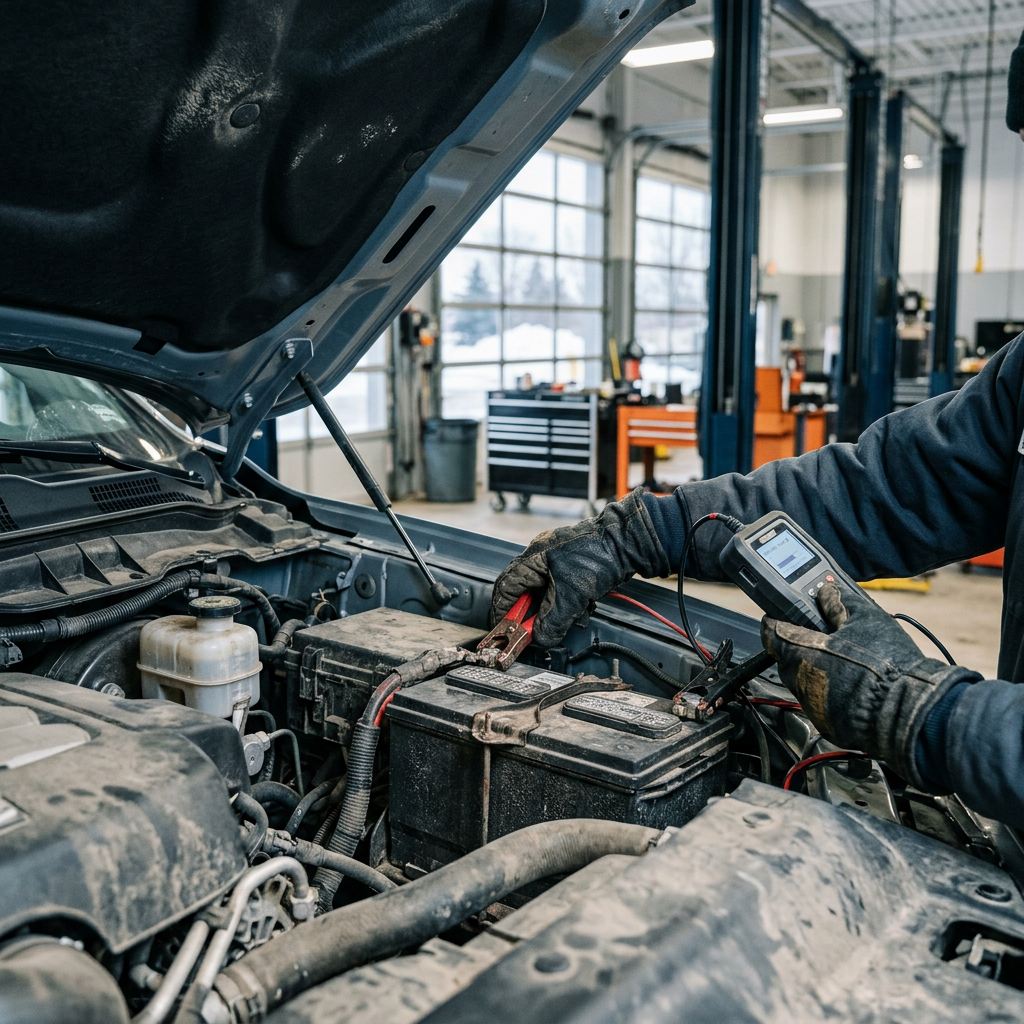
A: Under severe winter conditions, an AGM battery reliably lasts between three and five years, whereas a traditional flooded lead-acid battery often begins faltering by its third winter. The internal chemistry of an Absorbent Glass Mat design uses tightly compressed fiberglass separators saturated with electrolyte, which prevents acid stratification and provides far superior resistance to vibration and thermal shock. Sub-zero temperatures reduce an automotive battery's available electrical capacity by roughly 30 to 50 percent, while cold engine oil forces the starter motor to draw significantly more amperage.
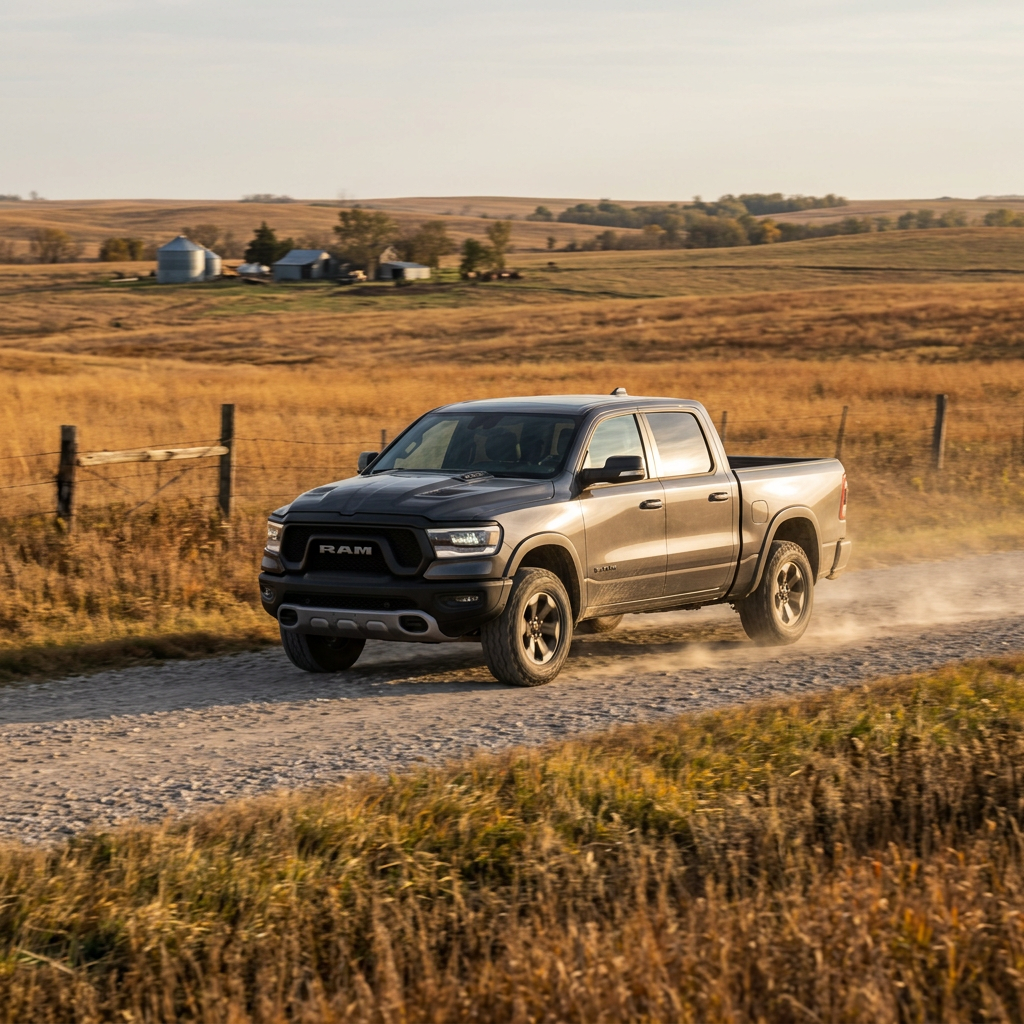
Vehicles such as the Ram 1500 and Dodge Durango depend on robust electrical reserves to power high-draw comfort accessories, electronic transfer case actuators, and modern driver-assist systems. When a vehicle sits outside overnight in sub-freezing temperatures, an aging battery develops increased internal resistance that slows cranking speed and starves sensitive onboard control modules of consistent voltage during ignition.
If your battery is approaching four years of age, scheduling a professional conductance test before December is the most dependable preventative step you can take. Motorists can visit our service center on Goldenbelt Boulevard to test cold cranking amps and inspect terminal connections for microscopic corrosion that restricts starter current.
Q: How many winter seasons can commuters expect from a set of dedicated snow tires?
A: A high-quality set of dedicated winter tires delivers between four and six seasons of dependable traction, which translates to roughly 20,000 to 30,000 miles of cold-weather driving. Dedicated winter rubber utilizes specialized hydrophilic tread compounds engineered to remain pliable at temperatures well below 45 degrees, unlike all-season compounds that harden and lose surface adhesion when the mercury drops. Commuters traveling between residential neighborhoods in Junction City and regional employment centers experience prolonged highway wear that demands strict seasonal changeover timing.
Preserving tire longevity requires removing winter tires promptly in early spring when sustained pavement temperatures rise above 50 degrees. Operating winter compounds on hot, dry asphalt accelerates tread degradation because the softer silica-infused rubber wears rapidly under high highway friction. Storing your off-season set in a dry, temperature-controlled environment away from direct sunlight and ozone sources prevents rubber oxidation and extends compound flexibility.
Proper tire maintenance includes periodic balancing and verifying cold inflation pressure every two weeks throughout winter. Because ambient temperature drops cause tire pressure to fall by roughly one pound per square inch for every ten-degree drop, underinflated winter tires can suffer irregular shoulder wear. Drivers can schedule a seasonal tire inspection online to ensure proper mounting, and our team in our parts department can source factory-approved winter compounds specifically balanced for your vehicle platform.
Q: What do drivers usually get wrong about minimum tire tread depth for winter highway driving?
A: The most dangerous misconception among highway commuters is assuming the legal minimum tread depth of 2/32-inch is safe for driving in snow and slush. While 2/32-inch meets basic state inspection criteria on bone-dry roads, winter tire performance deteriorates drastically once tread depth wears past 5/32-inch. At 4/32-inch or below, tire voids lose the volumetric capacity required to compress, bite into packed snow, and evacuate slush away from the contact patch.
When slush cannot escape through the directional grooves of a tire, the vehicle begins riding on a hydroplaning wedge of semi-frozen water, leading to complete loss of directional steering. On an elevated highway stretch where crosswinds and freezing moisture collide, insufficient tread depth turns an all-wheel-drive platform into an uncontrollable sled during sudden deceleration.
Measuring tread depth requires a calibrated gauge or a quick check using a standard quarter rather than a penny. Inserting a quarter upside down into the tread should obscure the top of Washington's head; if the space above his hair is fully visible, your tires measure less than 4/32-inch and lack sufficient biting edges for severe Midwestern highway winter weather.
Q: Why mount winter tires on dedicated steel wheels rather than swapping tires on factory alloy rims?
A: Investing in a dedicated set of painted steel wheels pays for itself within three seasons while shielding expensive factory alloy rims from road brine and magnesium chloride pitting. Dismounting and remounting tires twice a year subjects delicate tire beads to mechanical stretching and risks damaging alloy wheel lips during seasonal bead seating. Having a pre-mounted set on rugged steel wheels streamlines changeovers, allowing for rapid seasonal swaps with minimal labor.
Road salt and anti-icing brines sprayed heavily along major transit routes seep into microscopic crevices between the tire bead and aluminum wheel rims, creating bead oxidation that causes slow air leaks in winter. Steel wheels eliminate chemical corrosion concerns and feature greater ductility, allowing them to absorb severe impacts from hidden winter potholes without cracking or catastrophic pressure loss.
"Investing in a dedicated set of painted steel wheels pays for itself within three seasons while shielding expensive factory alloy rims from road brine."
A slightly narrower steel wheel combined with a higher-profile winter tire size provides superior surface pressure, cutting directly through slush to find pavement grip instead of floating over wet snow accumulation.
Q: What mechanical 4x4 drivetrain maintenance is critical before freezing temperatures set in?
A: Pre-winter four-wheel-drive maintenance centers on replacing aged transfer case fluid, draining contaminated differential gear oils, and verifying proper vacuum or electronic actuator engagement. Transfer cases and differential housings operate under significant thermal stress, and internal condensation introduces moisture that deteriorates lubricating film and risks freezing inside shift mechanisms. If water emulsifies with gear lubricant, freezing overnight temperatures can cause ice crystals that block fluid flow and cause gear tooth scouring.
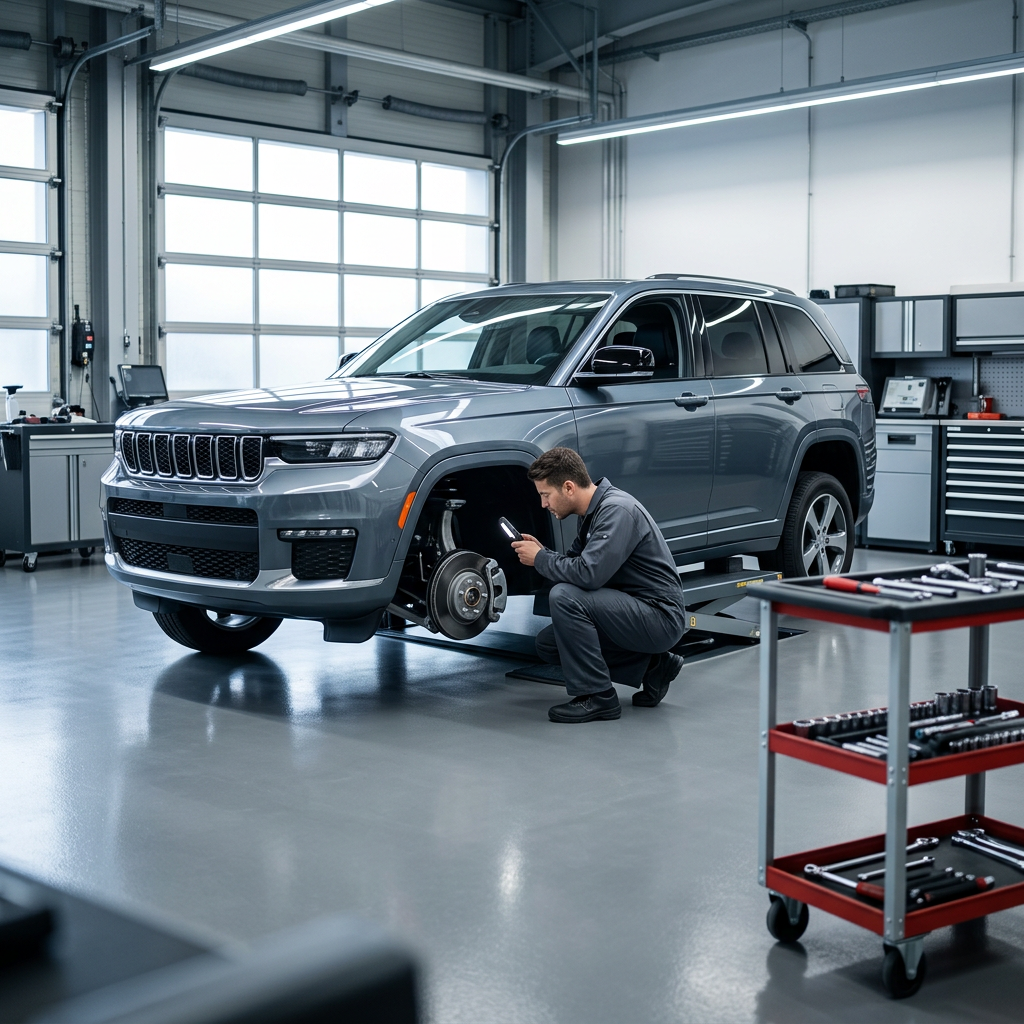
Inspecting constant velocity boots, universal joints, and front axle seals prevents road salt from penetrating precision needle bearings during winter operation. In vehicles like the Jeep Grand Cherokee, ensuring the electronic shift motors and transfer case clutches receive clean synthetic fluids guarantees seamless engagement when switching into traction-management drive modes.
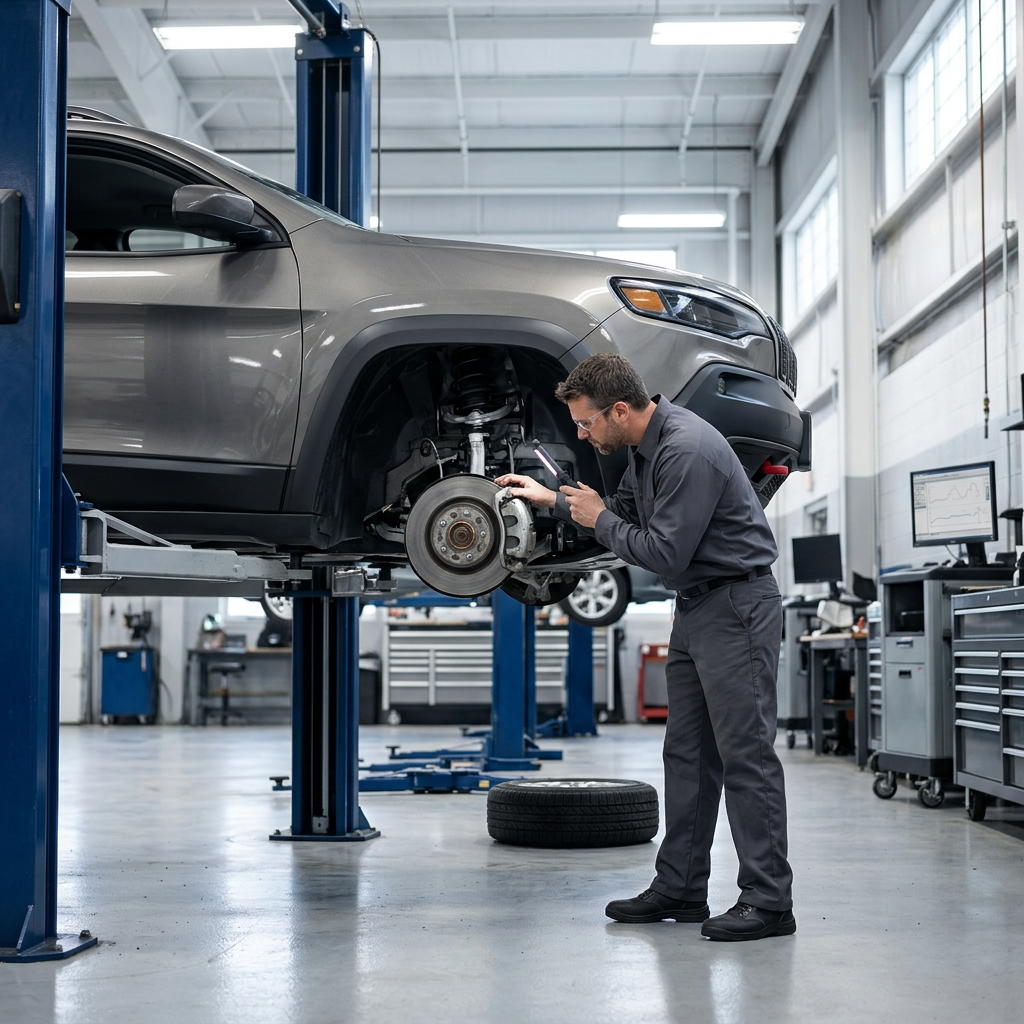
Technicians also test the mechanical front-axle disconnect system to confirm that drive splines mesh instantaneously without hesitation or grinding. Neglecting transfer case fluid intervals leads to sticky shift forks and delayed 4WD engagement, leaving you immobilized right when sudden freezing rain coats highway exit ramps.
Q: Walk me through what happens when a part-time 4x4 truck encounters patchy black ice on the highway.
A: Drivers heading down the corridor often ask our service desk why their rear end kicked out on a bridge when their truck was equipped with four-wheel drive. In a traditional part-time four-wheel-drive truck, operating the vehicle in 2WD mode on dry highway pavement leaves all driving torque directed to the rear axle. When the vehicle crosses a shaded overpass coated in black ice, the light rear end loses lateral traction instantly, inducing snap oversteer before the driver can react.
If a part-time 4WD system is left locked in 4H across dry highway pavement to prevent that slide, the lack of a center differential forces front and rear driveshafts to rotate at identical speeds. As the truck negotiates subtle highway curves, driveline binding occurs, which puts immense mechanical strain on universal joints, transfer case chains, and tires, potentially destabilizing the vehicle on patchy surfaces.
Commuters traveling past open crosswind zones near Manhattan benefit greatly from automatic four-wheel-drive systems or modern all-wheel-drive setups found on models like the Dodge Durango, which distribute torque automatically without causing driveline bind. For traditional trucks, maintaining safe highway speeds, adding ballast over the rear axle, and understanding the mechanical limits of your transfer case prevents dangerous fishtailing.
Q: When should drivers engage 4WD High versus 4WD Low, and what is the best first step to prep a 4x4 for winter?
A: Four-Wheel Drive High ( 4H) is engineered for slippery road conditions such as continuous packed snow, slush, or ice at moderate travel speeds up to 45 mph, whereas Four-Wheel Drive Low ( 4L) is strictly a low-speed crawling gear for deep snowdrifts or vehicle recovery below 25 mph. Engaging 4L multiplies engine torque through a low-range reduction gear set, which delivers incredible pulling power but produces immediate wheel spin if applied on slick highway ice. Drivers should never activate 4L on public roads during regular winter travel; it belongs in off-road recovery scenarios or when crawling out of an unplowed rural driveway.
Before freezing weather arrives, your primary step is performing a bumper-to-bumper pre-winter inspection that covers battery reserve, tire tread, driveline lubricants, and wiper assemblies. For unexpected winter emergencies, warranty-backed protection through official factory coverage offers invaluable peace of mind, and motorists can reach Chrysler, Dodge, Jeep, Ram Roadside Assistance: 1-800-521-2779 for emergency towing and roadside recovery directly to authorized service facilities.
Our service department is dedicated to keeping your vehicle operating at peak mechanical reliability all winter long. To confirm your four-wheel-drive system, battery reserves, and winter tires are fully prepared for the cold weather ahead, give our service team a call directly at (785) 238-5114 to discuss maintenance intervals or stop by our service counter to speak with our technicians.