




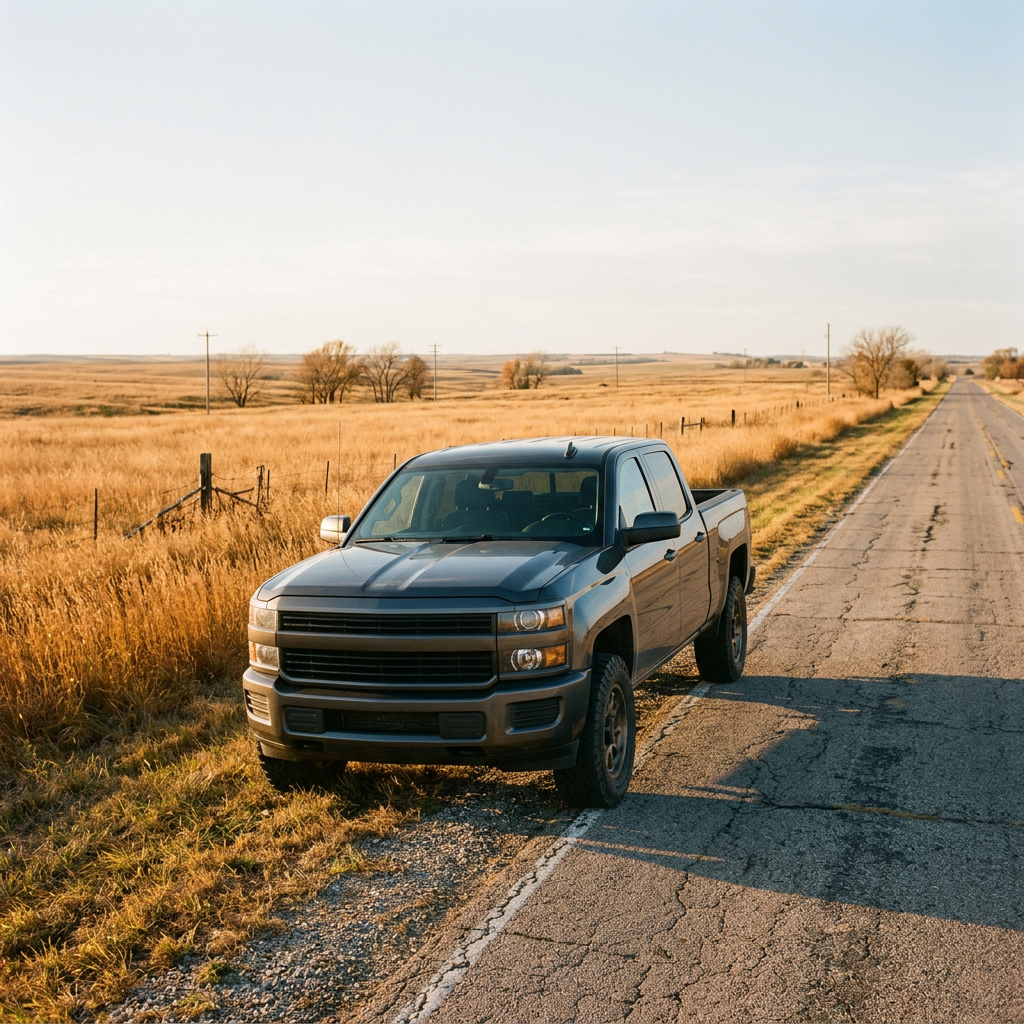
What I've Learned About RAM 1500 Reliability Over the Years
How Reliable Is the Ram 1500 for Long-Term Ownership Past 100,000 Miles?
The Ram 1500 exhibits impressive long-term mechanical durability, routinely surpassing 150,000 to 200,000 miles when properly maintained. In J.D. Power’s 2026 Vehicle Dependability Study, which evaluates owner-reported issues after three years, the Ram 1500 earned the top ranking in the Large Light Duty Pickup category [1], supported by a factory 10-year/100,000-mile powertrain warranty.
While initial quality ratings from J.D. Power and predicted reliability scores from Consumer Reports show some early electrical or infotainment quirks [1], the core mechanical components—including the frame, transmission, and engine blocks—are built for heavy work. When truck owners ask me about high-mileage dependability, I point out that routine fluid changes and servicing the transmission around 60,000 miles are what push these trucks past 150,000 miles without major mechanical drama.
According to RepairPal data, average annual repair costs for the Ram 1500 sit around $652 to $691 [1], which is lower than the $752 average for full-size trucks. Regular maintenance at recommended intervals keeps major repairs rare. If you ever want to discuss long-term service schedules or inspect a truck in person at our Goldenbelt Boulevard showroom, you can also reach us directly at (785) 238-5114.
Table of Contents
- What Are the Performance Specs and Durability of the 3.0L Hurricane Twin-Turbo Inline-Six?
- What Real-World Fuel Economy Does the Ram 1500 Deliver Over Time?
- Which Ram 1500 Configuration Yields the Highest Towing Capacity?
- How Do You Fix Broken Exhaust Manifold Bolts on a Ram 1500?
- Which Component Makes Up the Largest Portion of 5-Year Ownership Costs?
- Which Ram 1500 Trim Levels Hold Their Resale Value Best in Junction City?
What Are the Performance Specs and Durability of the 3.0L Hurricane Twin-Turbo Inline-Six?
The 3.0L Hurricane twin-turbo inline-six delivers up to 540 hp and 521 lb-ft of torque in its High Output configuration [2], outperforming traditional naturally aspirated V8s in both acceleration and towing strength. The Standard Output version generates 420 hp and 469 lb-ft of torque [2], providing rapid throttle response and sustained power for heavy trailering.
Designed with a rigid cast-aluminum block, cross-bolted main bearing caps, and plasma transfer wire arc cylinder coatings, the Hurricane engine is engineered for severe duty cycles. In real-world evaluations, standard-output models sprint from 0 to 60 mph in 5.2 seconds, while high-output variants hit 60 mph in 4.7 seconds.
Long-term engine durability depends on maintaining clean synthetic oil to protect the dual turbochargers and replacing spark plugs around 100,000 miles. Drivers looking to compare powertrain responsiveness can explore our latest new vehicle inventory to test the twin-turbo inline-six setup firsthand.
What Real-World Fuel Economy Does the Ram 1500 Deliver Over Time?
Over multi-year ownership, the Ram 1500 delivers EPA-estimated fuel economy ranging from 20 mpg city / 25 mpg highway with the 3.6L Pentastar V6 eTorque mild-hybrid system to 18 mpg city / 25 mpg highway with the standard-output Hurricane inline-six. Four-wheel-drive Hurricane models average around 17 mpg combined to 20 mpg combined depending on output and driving habits.
Real-world highway driving often yields competitive efficiency because the mild-hybrid eTorque system assists with stop-and-start torque demands, while the twin-turbo setup optimizes air-fuel ratios during cruise conditions. On long highway stretches, such as commuting between work sites around Manhattan, steady throttle control keeps fuel consumption near top EPA estimates.
Over 100,000 miles, driving style, tire pressure, and payload weight influence overall fuel consumption more than minor factory variances. For value-minded truck buyers, exploring our pre-owned vehicle selection offers well-maintained options with documented mileage histories.
Which Ram 1500 Configuration Yields the Highest Towing Capacity?
The Ram 1500 achieves its maximum towing capacity of 11,530 lbs when configured as a Quad Cab 4x2 equipped with the 3.0L Hurricane twin-turbo inline-six and the highest numerical rear axle ratio available. Properly equipped models also offer a maximum payload capacity of up to 2,410 lbs in the bed.
Achieving top towing numbers requires matching the cab style, bed length, rear axle ratio, and factory towing package. Features like available Active-Level Four-Corner Air Suspension [1, 2], integrated trailer brake controls, and digital trailer monitoring systems stabilize heavy loads across uneven terrain.
Routine inspection of cooling systems, brake pads, and transmission fluid keeps trailering systems performing reliably under heavy strain. Owners needing pre-season safety checks or fluid flushes can schedule a service appointment online with our technician team.
How Do You Fix Broken Exhaust Manifold Bolts on a Ram 1500?
Fixing broken exhaust manifold bolts on a Ram 1500 involves removing the heat shield, extracting broken studs from the cylinder head, and replacing the warped exhaust manifold with upgraded hardware or thick aftermarket headers. Repair costs can vary, so contact our service department for current pricing.
Repeated thermal expansion and contraction cause the cast-iron factory exhaust manifolds on 5.7L Hemi V8 models to warp [1, 2], snapping the rear manifold bolts over time. Drivers usually detect this issue by a prominent ticking sound from the engine bay upon cold start, which temporarily fades as the engine warms and metal expands.
Installing grade-8 stainless steel bolts along with premium manifold gaskets prevents recurrence and restores quiet exhaust flow. Shoppers planning maintenance or upgrading their truck can contact our team for current financing options for major repairs or vehicle upgrades.
Which Component Makes Up the Largest Portion of 5-Year Ownership Costs?
Depreciation represents the single largest expense during the first five years of Ram 1500 ownership, accounting for more than forty percent of total ownership costs, followed by fuel expenses, insurance premiums, and routine maintenance. Scheduled maintenance and minor repairs average between $650 and $850 per year over that period.
Total cost of ownership calculations include routine wear items like tires, brake pads, filters, and fluid flushes alongside fuel consumption. Adhering to factory service intervals—such as changing engine oil every 5,000 to 7,500 miles and servicing transmission fluid at 60,000 miles—helps minimize unexpected repair bills.
Utilizing genuine factory components ensures precise fitment and long component lifespan during scheduled servicing. Drivers handling home maintenance or ordering replacement filters can consult our dedicated parts center for original equipment components.
Which Ram 1500 Trim Levels Hold Their Resale Value Best in Junction City?
Off-road focused trims like the Rebel and well-appointed mid-tier trims like the Laramie retain the highest percentage of their resale value over five years, significantly outperforming entry-level work configurations like the Tradesman. Higher demand for leather seating, advanced safety technology, and 4WD capability keeps used values strong.
In regional markets around Junction City, four-wheel-drive trucks equipped with popular options like the Big Horn Level 2 equipment group or Laramie luxury packages attract strong buyer demand on the pre-owned market. Regional work conditions and outdoor recreation make 4WD capability a primary factor in residual value preservation.
Protecting your investment starts with regular maintenance records and keeping interior cabin materials in top condition. If you want to discuss vehicle valuations or visit our dealership address, you can evaluate your trade-in value online or give our team a call at (785) 238-5114.
© 2026 Valor CDJR. All rights reserved.