




Blog / Maintenance & Service

What You Need to Know About Dodge Durango Towing: Capacity, Equipment, and Service

What You Need to Know About Dodge Durango Towing: Capacity, Equipment, and Service

What You Need to Know About Dodge Durango Towing: Capacity, Equipment, and Service

What Is the Maximum Towing Capacity of the Dodge Durango?

The maximum towing capacity of the Dodge Durango reaches 8,700 lb when equipped with either the 6.4L HEMI V8 engine or the 5.7L HEMI V8 paired with the factory-installed Tow N Go Package. Models equipped with the standard 3.6L Pentastar V6 generate 295 hp and provide a substantial maximum towing capacity of 6,200 lb.

In my 20 years managing service bays, I see plenty of owners who rely on their three-row SUVs to haul heavy loads every weekend. When local boaters head out to Milford Lake from Junction City, they often ask me how the Durango handles a heavy boat trailer compared to a full-size pickup. The secret lies in its unibody architecture paired with rear-wheel-drive or all-wheel-drive chassis dynamics. This combination gives you the pull of a traditional truck without sacrificing daily ride comfort.

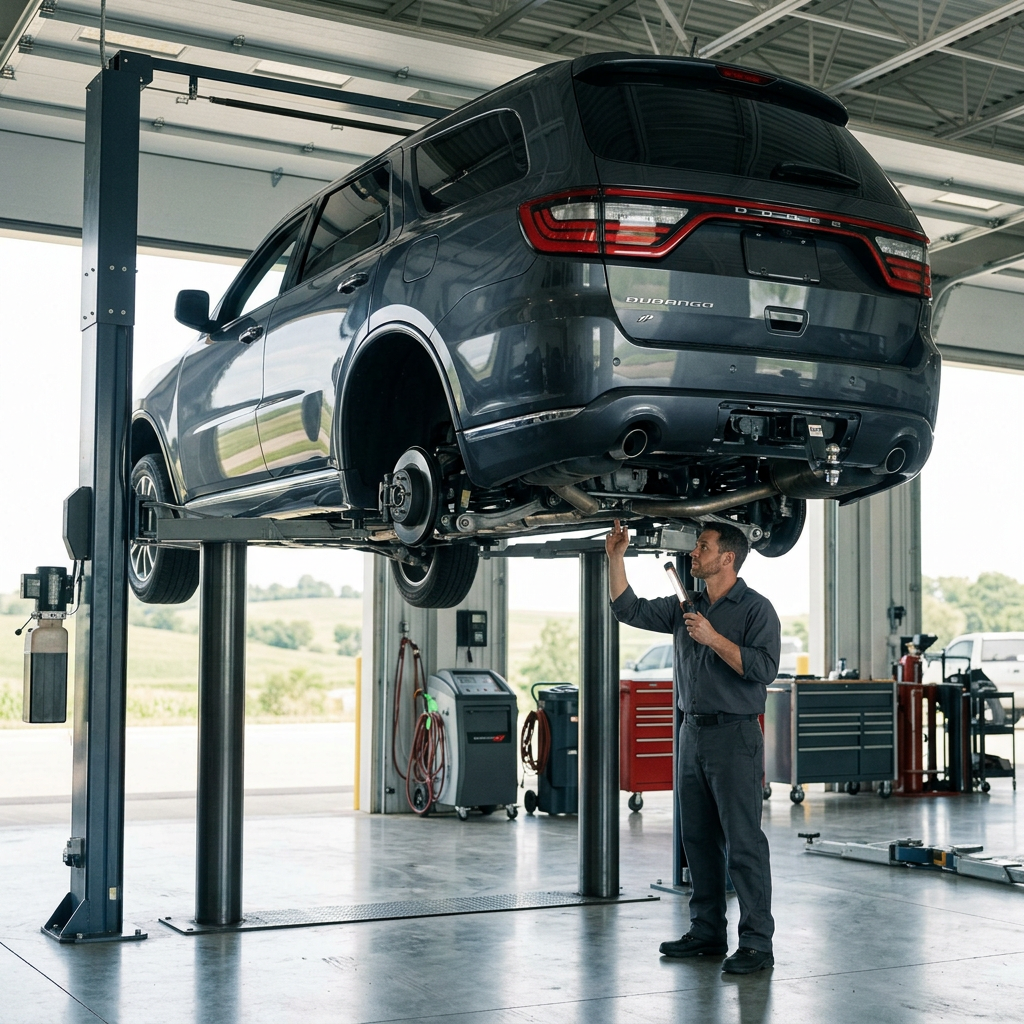
Keeping that maximum capacity safe over thousands of miles comes down to proactive maintenance. Heavy trailering places extra demands on your transmission, rear differential, and braking system. If you ever have questions about your specific vehicle's door-jamb weight ratings or tow setup, you can give our service team a quick call or drop by our Junction City service center to inspect your hitch receiver and fluid condition before taking your next trip.

Table of Contents

Which Dodge Durango Engines and Packages Reach the 8,700-Pound Towing Limit?

Achieving the peak 8,700 lb tow rating requires either the 6.4L HEMI V8 producing 475 hp and 470 lb-ft of torque or the 5.7L HEMI V8 rated at 360 hp when paired with the factory Tow N Go Package. Without the Tow N Go Package, standard 5.7L HEMI V8 models carry a maximum trailering limit of 7,200 lb, while the 3.6L Pentastar V6 engine tops out at 6,200 lb.

The Tow N Go Package upgrades more than just the hitch receiver. It fits the vehicle with an integrated trailer brake controller, heavy-duty engine cooling, a load-leveling rear suspension, an electronic limited-slip rear axle, and specialized drive modes including Tow Mode. These components control engine temperatures and trailer sway under heavy loads.

If you are setting up a Durango for light-duty trailering, our experts at the Valor CDJR parts center can supply genuine OEM Mopar hitches, wiring harnesses, and ball mounts designed specifically for your trim. However, matching your powertrain hardware to your trailer's gross weight is critical to preventing premature transmission wear.

Can You Add the Factory Tow N Go Package After Buying a Dodge Durango?

The complete factory Tow N Go Package cannot be added to a Dodge Durango after it leaves the assembly line because it requires integrated wiring harnesses, specialized electronic control modules, and structural suspension mounting points fitted during vehicle production. While dealers can install individual aftermarket or Mopar towing accessories post-purchase, these add-ons will not upgrade a standard vehicle's official Gross Combined Weight Rating ( GCWR) or maximum tow limit to 8,700 lb.

When drivers ask me about adding towing capability to an existing Durango GT or R/T, I walk them through the technical difference between dealer-installed hardware and factory equipment packages. A dealer-installed Class IV hitch receiver and 7-pin wiring harness allow a 3.6L Pentastar V6 or standard 5.7L HEMI V8 to safely tow up to its factory-certified rating of 6,200 lb or 7,200 lb, respectively. However, retrofitting the adaptive suspension dampening, active exhaust, and factory-calibrated anti-sway software of the Tow N Go Package is neither mechanically practical nor factory-sanctioned.

Attempting to exceed your vehicle's factory door-jamb weight label by adding heavy-duty aftermarket springs or helper bags can lead to mechanical strain. Auxiliary air bags may level the vehicle visually, but they do not increase the thermal capacity of the transmission cooler or the load limits of the rear axle bearings.

How Do Tongue Weight, GVWR, and GCWR Limits Impact Safe Durango Towing?

Safe towing requires balancing trailer weight while staying strictly under your vehicle's Gross Vehicle Weight Rating ( GVWR) and Gross Combined Weight Rating ( GCWR), with tongue weight maintained at 10 to 15 percent of the total loaded trailer mass. For a Durango setup rated at 8,700 lb, the maximum weight-distributing tongue load is 870 lb, while a 3.6L Pentastar V6 model rated for 6,200 lb carries a maximum tongue weight limit of 620 lb.

Understanding how these numbers interact prevents severe handling issues on the road. For example, a Durango GT configured with a 7,100 lb GVWR and a 13,100 lb GCWR must account for the combined weight of the vehicle, passengers, cargo, fuel, and trailer tongue weight. If you pack six passengers and several coolers into the cabin, that interior weight directly subtracts from the payload capacity remaining for tongue weight. Pulling a heavy camper up the steep highway grades through Manhattan demands proper tongue weight distribution to keep the front tires planted for steering control and braking grip.

Excessive tongue weight forces the rear suspension to squat, lifting the front end and reducing steering response while overloading the rear axle bearings. Conversely, insufficient tongue weight causes low trailer pin pressure, which triggers dangerous high-speed trailer sway.

Dodge Durango vs Chevrolet Tahoe: Which SUV Handles Heavy Towing Maintenance Better?

The Dodge Durango matches the midsize maneuverability and 8,700 lb maximum towing limit of larger body-on-frame SUVs like the Chevrolet Tahoe, while offering lower long-term service costs on routine suspension, brake, and drivetrain wear items. While the Chevrolet Tahoe relies on a wider truck chassis with heavier solid-axle components, the Durango uses a four-wheel independent suspension and an 8-speed automatic transmission designed for smooth power delivery and straightforward serviceability.

From a maintenance perspective, servicing a heavy-duty Dodge Durango is highly efficient for SUV owners. The Durango's TorqueFlite 8-speed automatic transmission utilizes advanced thermal management that resists fluid breakdown better during hot-weather hauling than older four-speed or six-speed truck gearboxes. Additionally, Brembo high-performance brake options on upper Durango trims supply exceptional stopping power with easy-to-service fixed calipers and vented rotors.

  • Dodge Durango Towing Highlights: Maximum towing up to 8,700 lb, compact unibody footprint for easier parking, available integrated trailer brake controller, and accessible severe-duty service schedules.
  • Chevrolet Tahoe Towing Highlights: Full-size truck platform, maximum towing up to 8,400 lb to 8,800 lb depending on engine choice, larger overall footprint, and solid rear axle maintenance requirements.

When evaluating maintenance over a 100,000-mile ownership period, the Durango's proven HEMI V8 engines and Pentastar V6 platforms avoid many of the complex multi-turbo plumbing issues found in modern downsized engine alternatives. You can easily schedule a service appointment online to have our technicians inspect your Durango's tow prep gear, differential fluid, and trailer brake connections.

What Essential Maintenance Keeps Your Dodge Durango Ready for Heavy Towing?

Sustained towing subjects your engine, transmission, differentials, and braking system to severe-duty operational stress, making strict adherence to accelerated fluid change intervals essential for long-term vehicle reliability. Dodge recommends following the severe-service schedule whenever you frequently tow trailers, carry heavy loads, or drive in mountainous terrain.

To keep your powertrain operating reliably under heavy tongue loads and high thermal stress, our certified technicians monitor key wear components during every severe-duty service visit:

  • Automatic Transmission Fluid: Fresh fluid prevents varnish accumulation and clutch plate slippage caused by high operating temperatures under load.
  • Front and Rear Differential Gear Oil: Heavy towing breaks down synthetic gear lubricants; changing differential fluid every 30,000 miles protects ring-and-pinion gears.
  • Transfer Case Fluid (AWD Models): Frequent load transfers demand clean fluid to protect internal chain drives and multi-plate clutch packs.
  • Brake Pads and Vented Rotors: Heavy trailering generates intense friction heat; routine pad thickness and rotor thickness inspections prevent brake fade.
  • Engine Cooling System: Radiator fins must remain clear of debris, and coolant strength should be tested to preserve heat-dissipation efficiency.

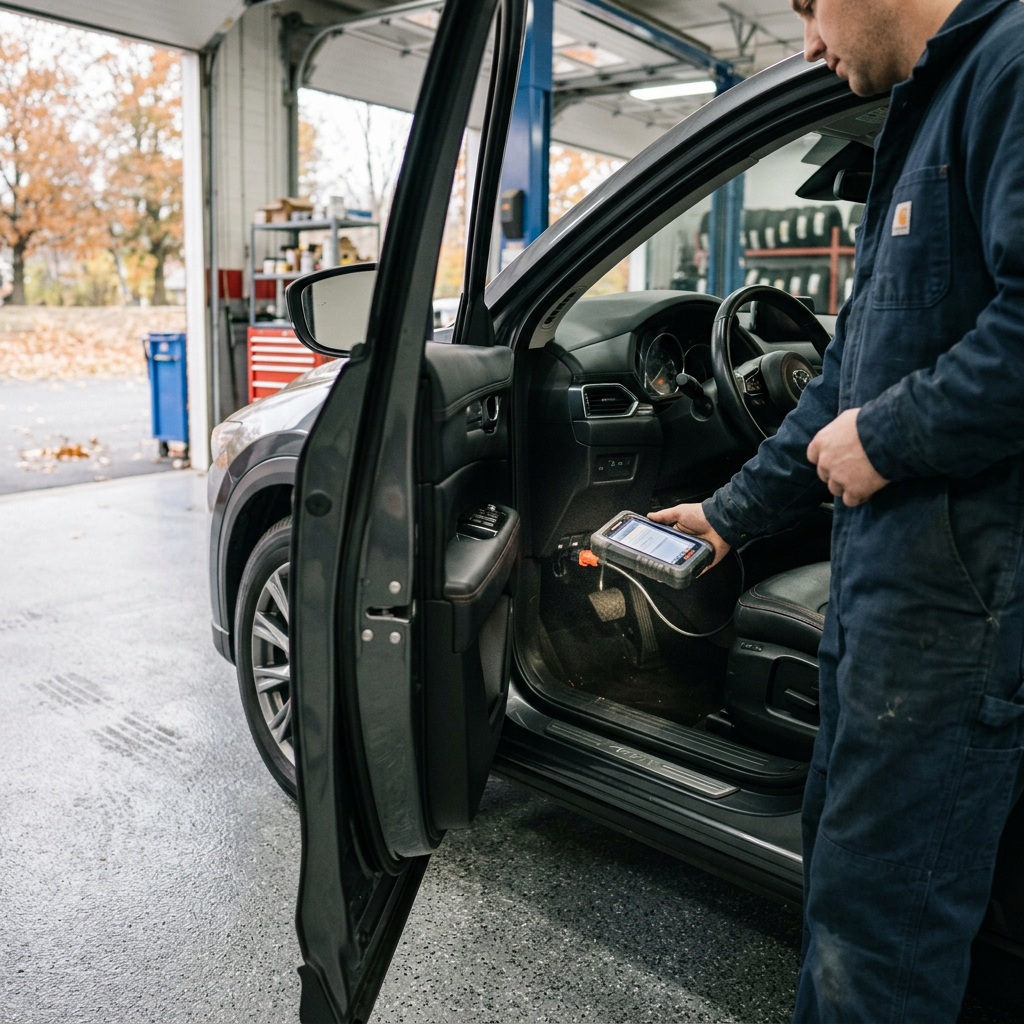
Taking care of your vehicle before hitting the highway ensures stress-free travel wherever your trailer takes you. For personalized maintenance recommendations or an inspection of your trailer wiring and receiver assembly, stop by Valor CDJR or get in touch with our team directly by calling (785) 238-5114 today.
© 2026 Valor CDJR. All rights reserved.

Vehicle specification data © JATO Dynamics Limited.


Posted in:

Related Posts

Which Jeep Models Come Equipped with the Selec-Terrain System?

Which Jeep Models Come Equipped with the Selec-Terrain System?

Which Jeep Models Come Equipped with the Selec-Terrain System? When navigating unpredictable weather in Junction City, Kansas—from sudden ice storms on Interstate 70 to deep mud across unpaved Flint Hills backroads—having precision vehicle control is essential. The Jeep Selec-Terrain® Traction Management System is designed to provide optimal grip by allowing drivers to easily dial in tailored performance settings for diverse surface conditions. The Selec-Terrain system is available across a broad spectrum of the Jeep lineup, including the Grand Cherokee, Wagoneer, Grand Wagoneer, Compass, Cherokee, and Renegade. Depending on the model and trim level, Selec-Terrain comes either standard with 4x4 drivetrain configurations or as part of specialized off-road packages such as Trailhawk and Quadra-Trac II. The system electronically coordinates up to 12 vital vehicle subsystems—including the Powertrain Control Module (PCM), Transmission Control Module (TCM), Electronic Stability Control (ESC), Antilock Braking System (ABS), electronic transfer case torque distribution, and throttle response mapping. Jeep Model Selec-Terrain Availability Drivetrain Integration Target Surface Capability Jeep Grand Cherokee Standard on 4x4 Trims (Limited, Overland, Summit, Trailhawk 4xe) Quadra-Trac II / Quadra-Drive II 4WD Snow, Sand/Mud, Sport, Rock (Trailhawk/Overland) Wagoneer & Grand Wagoneer Standard on 4x4 Trims (Series I, II, III) Quadra-Trac II Active 4WD / Quadra-Drive II Snow, Sand/Mud, Sport, Rock Jeep Compass Standard on 4x4 (Limited, Latitude Lux, Trailhawk) Jeep Active Drive / Active Drive Low Auto, Snow, Sand/Mud, Rock (Trailhawk) Jeep Cherokee (Legacy) Standard on 4x4 Trims (Latitude Plus, Trailhawk) Active Drive I / Active Drive II / Active Drive Lock Auto, Snow, Sport, Sand/Mud, Rock Jeep Renegade (Legacy) Standard on Trailhawk & 4x4 Packages Jeep Active Drive Low 4x4 Auto, Snow, Sand, Mud, Rock Meet Mike Hogg: 20 Years of Master Tech Insight at Valor CDJR in Junction City To get a deep technical understanding of how Selec-Terrain works in real-world conditions and how Kansas drivers should prepare their vehicles for freezing temperatures, we sat down with Mike Hogg, Service Director at Valor CDJR in Junction City, KS. With 20 years of hands-on experience servicing Chrysler, Dodge, Jeep, and Ram vehicles throughout Geary and Riley counties, Mike has seen virtually every mechanical challenge caused by Great Plains weather. From sub-zero cold snaps near Fort Riley to slick slush on Highway 77, Mike offers practical knowledge on 4x4 transfer cases, winter tire compounds, and cooling system maintenance. Q: Which specific Jeep models and trim levels include Selec-Terrain as standard or available equipment? Interviewer: Mike, we get a lot of customers asking which Jeep models offer Selec-Terrain and whether it's standard or optional across the lineup. Can you break down how it distributes across trim levels? Mike Hogg: Absolutely. It really comes down to how the vehicle's 4x4 system is configured from the factory. On the flagship Jeep Grand Cherokee, Selec-Terrain comes standard on all 4x4 trims starting from the Limited up through the Overland, Summit, Summit Reserve, and the 4xe Trailhawk plug-in hybrid. On models equipped with Quadra-Trac II or Quadra-Drive II, the control dial sits right in the center console. On full-size luxury models like the Wagoneer and Grand Wagoneer, Selec-Terrain is standard across 4x4 configurations, integrated directly with Quadra-Lift air suspension. For compact SUV buyers looking at the Jeep Compass, Selec-Terrain comes standard on all 4x4 trims such as Latitude Lux, Limited, and Trailhawk. If you're looking for pre-owned inventory, classic models like the Cherokee 4x4 (Trailhawk, Active Drive II) and Renegade 4x4 also carry Selec-Terrain dials. You can check our New Vehicle Listings or explore Used Vehicle Listings to see exact trim availability on our lot today. Q: How do Auto, Sport, Snow, Sand/Mud, and Rock modes dynamically calibrate engine and drivetrain performance? Auto & Sport Modes Auto Mode is your daily driver setting. It operates with a front/rear torque bias that automatically disconnects the front axle when full 4WD isn't needed, saving fuel. If rear wheel slip occurs, it engages the transfer case clutch in milliseconds. Sport Mode alters transmission shift schedules to hold gears longer, sharpens electronic throttle response, and directs up to 80% of torque to the rear axle for dynamic dry-pavement handling. Snow & Sand/Mud Modes Snow Mode sets a 50/50 static torque distribution, forces second-gear launches to prevent initial tire spin, and softens throttle sensitivity so small pedal inputs don't break traction. Sand/Mud Mode allows increased wheel spin to clear tread voids, aggressively delays upshifts, and allows maximum torque delivery to break through heavy mud or loose sand without power cutting. Rock Mode Rock Mode requires shifting into 4WD Low range (4LO). It calibrates the transfer case, Electronic Limited-Slip Differential (eLSD), and ABS Brake Lock Differential (BLD) for maximum slow-speed crawling. It applies precise selective braking to spinning wheels, sending torque directly to wheels with firm mechanical traction over steep boulders or technical inclines. Browse New Selec-Terrain Models Q: How does Jeep Selec-Terrain Snow Mode adjust performance for Kansas winter driving around Junction City and Manhattan? Interviewer: Mike, Kansas winters around Junction City and Manhattan can bring sudden freezing rain and blowing snow across the Flint Hills. How specifically does Snow Mode help drivers navigate these local conditions? Mike Hogg: Kansas winter driving is tricky because conditions change rapidly. You can start off on slushy wet pavement on I-70, hit black ice on the bridges over the Kansas River, and then turn onto hard-packed snow on rural county roads. When you turn the dial to Snow Mode, three key mechanical changes happen instantly: 1. 2nd-Gear Transmission Launch: The automatic transmission bypasses first gear entirely when accelerating from a dead stop. First gear produces high low-end torque that easily breaks tire friction on slick surfaces. Launching in second gear smoothes power delivery. 2. 50/50 Locked Torque Distribution: The active transfer case pre-emptively clamps its internal clutch pack to split torque evenly (50% front, 50% rear). It doesn't wait for traction loss to react—it stays engaged. 3. Adjusted ABS & Traction Control Calibration: The ABS system modifies pulse frequencies to prevent wheel lockup without digging deep grooves into ice, while Electronic Stability Control reduces engine torque cut thresholds so you don't stall out when pushing through slush banks. Q: Are 3PMSF-rated all-terrain tires as effective on black ice as dedicated studless winter tires? 3PMSF All-Terrain Tires Tires with the Three-Peak Mountain Snowflake (3PMSF) emblem satisfy minimum acceleration standards on packed snow. However, all-terrain rubber compounds are engineered for year-round durability and high heat resistance. Below 45°F, their rubber begins to stiffen, reducing microscopic tread contact on slick black ice. Dedicated Studless Winter Tires Dedicated winter tires utilize specialized hydrophilic silica rubber compounds that remain soft and pliable down to sub-zero temperatures. They feature thousands of 3D micro-sipes that act like tiny suction cups, shearing through thin water films on ice to grip directly onto frozen surface texture. Real-World Stopping Performance On polished black ice at 30 mph, a dedicated winter tire can stop a heavy SUV up to 30 feet shorter than a standard 3PMSF all-terrain tire. While 3PMSF tires excel in deep snow, true winter tires remain unmatched for emergency braking on freeze-thaw ice around Geary County. Q: How many winter seasons do dedicated winter tires typically last on a heavy truck or SUV? Interviewer: Mike, for drivers operating heavy vehicles like a Ram 1500 or Jeep Grand Cherokee L, how long can they expect dedicated winter tires to last? Mike Hogg: On average, a quality set of dedicated winter tires lasts between 3 to 5 winter seasons, or roughly 15,000 to 25,000 miles, assuming you change them out promptly when spring temperatures consistently cross above 45°F. Heavy SUVs and 4x4 trucks generate significant friction on dry, warm asphalt. If you leave soft winter tires on during warm spring months, the specialized compound degrades rapidly. Once tread depth drops below 6/32", the ultra-deep siping loses its suction ability on ice. We recommend regular tire rotations every 5,000 miles and storing off-season tires in a cool, dark environment away from sunlight. You can consult our Parts Department for factory-approved winter wheel and tire packages fitted directly for your model. Q: What coolant mixture ratio is required for Ram and Jeep engines during Kansas winters? Interviewer: Engine cooling systems are critical during Kansas winter freezes. What is the precise coolant specification and ratio needed for Ram trucks and Jeep vehicles? Mike Hogg: Modern Ram and Jeep engines rely on Mopar Organic Additive Technology (OAT) coolant (typically purple in color). The baseline standard for Kansas is a 50/50 ratio of pure OAT coolant to distilled water, which protects against freezing down to -34°F. For extreme winter conditions or severe cold snaps in open rural areas, a 60/40 coolant-to-water mix lowers freeze protection down to -60°F. Never exceed 70% concentration, as pure coolant actually freezes at higher temperatures than a proper mix! Using plain tap water causes mineral scale deposits inside aluminum engine blocks, leading to heater core blockage and corrosion. During a pre-winter service at Valor CDJR, our certified technicians test coolant pH and freeze points using calibrated optical refractometers. Schedule Winter Service Online Q: What should a comprehensive pre-winter service inspection cover on a Ram or Jeep in Junction City? 1. Electrical & Battery Health Freezing weather reduces battery chemical reaction speeds, cutting starting power by up to 50%. We conduct conductance and Cold Cranking Amp (CCA) load testing, clean terminal corrosion, and check alternator charging output under load. 2. Drivetrain & Fluid Systems We check front/rear differential gear oil and transfer case fluid for moisture contamination. Brake fluid is moisture-tested to prevent internal hydraulic freeze-up, and OAT coolant levels are verified with optical refractometer testing. 3. Chassis, Wipers & HVAC Inspection of rubber suspension bushings, shocks/struts, winter beam wiper blades, washer fluid pump operation, cabin air filter replacement, and heating/defrosting climate control core output. Q: Is servicing at an authorized Chrysler Dodge Jeep Ram dealer more convenient when bundled? Interviewer: Drivers often debate whether to perform seasonal services piecemeal or get a comprehensive bundle at an authorized dealer. How does dealer servicing save money long-term? Mike Hogg: Preventative bundled maintenance is vastly more convenient than emergency roadside repairs. When you bundle pre-winter checks—like battery testing, 4x4 fluid analysis, and wiper replacement—the labor savings are substantial compared to scheduling separate standalone appointments. Furthermore, at Valor CDJR, our factory-trained technicians utilize OEM Mopar parts backed by a 2-year/unlimited mileage warranty. We connect your vehicle directly to factory diagnostic systems like wiTECH 2.0 to catch flash updates for the PCM and Selec-Terrain control modules that independent shops can't perform. For quick oil changes and routine checks, drivers can also utilize our quick-service Express Lane without needing an appointment. Q: How do Quadra-Lift Air Suspension and Quadra-Trac II work alongside Selec-Terrain in Riley County? Quadra-Trac II 4WD Features a two-speed active transfer case that uses sensors to detect wheel slip before it occurs. When slip is sensed, it instantly routes up to 100% of available engine torque to the axle with the most traction. Quadra-Lift Air Suspension Automatically changes ground clearance based on the Selec-Terrain mode selected. In Rock Mode, it raises ride height up to 10.9 inches to clear deep snow drifts, washed-out ruts, or rocky trails across Riley County. Quadra-Drive II eLSD Integrates an Electronic Limited-Slip Rear Differential (eLSD). It can direct 100% of rear torque to a single rear wheel if the opposite wheel loses traction entirely on black ice or slick mud. Mike Hogg's Final Takeaways for Maintaining Peak 4x4 Capability Year-Round Interviewer: Mike, what are your top closing recommendations for local drivers to keep their Jeep and Ram 4x4 systems running flawlessly through every season? Mike Hogg: My number one piece of advice is: consider testing your 4x4 system before the first snowstorm. Exercise your transfer case and check your drive modes before severe weather hits. Keep these key rules in mind: • Flush Transfer Case Fluid: Change transfer case and differential fluids every 30,000 to 50,000 miles, especially if towing or off-roading. • Monitor Tire Pressure (TPMS): Ambient temperature drops lower tire pressure by 1 PSI for every 10°F temperature drop. Keep tires properly inflated for consistent Selec-Terrain sensor performance. • Trust Certified Mopar Care: If you're considering trading up or upgrading your winter vehicle, explore your trade value with our Trade In Evaluation tool, or speak with our team about financing information at Get Pre-Approved. Schedule Your Winter Maintenance or Test Drive a Selec-Terrain Equipped Jeep at Valor CDJR Today Whether you're looking to upgrade to a new Selec-Terrain equipped Jeep Grand Cherokee, Wagoneer, or Compass, or you need expert pre-winter maintenance on your current Ram or Jeep 4x4, the experienced service team at Valor CDJR is ready to help. Visit our dealership at 1825 Goldenbelt Blvd, Junction City, KS 66441, Call us at (785) 238-5114, or click below to reserve your service inspection online. Schedule Pre-Winter Inspection Now

Managing and Maintaining Your RAM 4500 Chassis Cab: Insights from Our Service Bay

Managing and Maintaining Your RAM 4500 Chassis Cab: Insights from Our Service Bay

Managing and Maintaining Your RAM 4500 Chassis Cab: Insights from Our Service Bay ## Which Chassis Cab Offers Better Upfitter Integration Between Ram and Ford? The Ram 4500 Chassis Cab delivers superior upfitter integration compared to the Ford F-450 by utilizing flat, standard 34-inch wide 50,000-PSI steel C-channel frame rails with zero top-rail rivets alongside a factory-integrated Vehicle System Interface Module (VSIM) that routes over 70 programmable electrical circuits directly to body builders. When local fleet mechanics and independent contractors evaluate chassis cabs for new service bodies, dump beds, or flatbeds, frame topology and electrical connectivity determine how quickly a truck goes from the delivery lot to the jobsite. Ford chassis frames feature structural humps and top-rivet placement that often force upfitters to fabricate custom adapter brackets or add spacers. In contrast, Ram engineers design the rear chassis with entirely flat top frame rails. This flat mounting plane lets body builders bolt commercial equipment directly to high-tensile steel frame webs, preventing chassis twist and reducing strain on hydraulic lines during heavy unloading. From an electrical standpoint, aftermarket bodies demand clean integration with throttle control, lighting circuits, and power take-off (PTO) engagement. Ram accomplishes this through the factory VSIM system. The module allows service technicians and body installers to map custom switches without splicing into primary wiring harnesses or risking computer fault codes. Additionally, Ram provides dual-side PTO mounting options on the heavy-duty automatic transmission, giving equipment builders flexibility when placing hydraulic pumps around exhaust systems. Fleet operators who need technical guidance on electrical taps or frame mounting clearances can drop by our service bay location at 1825 Goldenbelt Blvd or connect with our heavy-duty technicians by giving us a quick call at (785) 238-5114. Table of Contents What Maintenance Costs and Service Schedules Should Ram 4500 Fleet Owners Expect? How Do Cummins 6.7L Diesel and Ford 6.7L Power Stroke Maintenance Requirements Compare? Why Must Ram 4500 Owners Verify Guide Specs Against Cab-to-Axle Configurations? What Are the Towing Limits and Running Gear Service Protocols for the Ram 4500 Chassis Cab? How Do Commercial Class 4 Care and Operating Considerations Differ From a Ram 3500? What Maintenance Costs and Service Schedules Should Ram 4500 Fleet Owners Expect? Commercial Ram 4500 fleet owners should plan for average routine maintenance costs between $1,200 and $2,000 annually per truck, driven primarily by heavy-duty synthetic oil capacity, dual fuel filter changes every 15,000 miles, transmission fluid drain-and-fill services every 30,000 to 45,000 severe-duty miles, and commercial brake component inspections. Managing a Class 4 workhorse requires shifting away from light-duty pickup habits. Because commercial trucks accumulate extensive engine idling hours while powering PTO hydraulic pumps, crane bodies, and auxiliary jobsite tools, fluid breakdown occurs much faster than mileage counters indicate. In my 20 years leading commercial service teams, the question I hear most often from local fleet managers is how to avoid premature injector wear on high-idle work trucks. I always emphasize strictly adhering to the 15,000-mile interval for both the engine-mounted and chassis-mounted fuel filters, while draining the water-in-fuel separator at the first indication of water contamination. A predictable service routine keeps commercial chassis operating reliably through demanding work seasons: Engine Oil and Filter Service: Replace 12 quarts of low-ash synthetic oil and the heavy-duty filter every 7,500 to 10,000 miles, or sooner if engine hour monitors indicate heavy idle duty cycles. Dual Fuel Filter Replacement: Swap both primary and secondary fuel filters every 15,000 miles to safeguard high-pressure common-rail fuel injectors against sediment and water damage. Transmission Fluid and Filter Care: Drain and refill fluid while replacing internal filters every 30,000 to 45,000 miles under severe commercial towing conditions. Brake Thermal and Lining Checks: Perform semi-annual inspections of 15.35-inch commercial rotors, calipers, and heavy-duty friction pads during routine tire rotations. Commercial managers can easily schedule a commercial service appointment online to keep fleet maintenance records current, or consult directly with our heavy-duty parts department for factory-approved OEM filters, heavy-duty fluids, and mounting hardware. How Do Cummins 6.7L Diesel and Ford 6.7L Power Stroke Maintenance Requirements Compare? The available 6.7L Cummins turbo-diesel inline-six engine requires less labor time for routine overhead maintenance and component access than the Ford 6.7L Power Stroke V8 due to its straight-six architecture, single cylinder head layout, and simpler front-engine accessory drive layout. While Ford’s Power Stroke V8 produces high peak horsepower, its packaging inside a tight engine bay creates labor-intensive service scenarios. Replacing turbocharger components, valve cover gaskets, or fuel rails on a V8 diesel often requires removing body panels or tilting the cab. The inline-six design of the Cummins diesel leaves substantial clearance on both sides of the engine block. This layout makes routine tasks—such as replacing valve cover gaskets, checking pushrods, or servicing the turbocharger system—straightforward for technicians working in the shop. The Cummins diesel delivers 360 horsepower and 800 lb-ft of torque when paired with the TorqueFlite HD eight-speed automatic transmission. Its lower component count means fewer moving parts in the valvetrain and timing system compared to overhead-cam V8 diesels. Furthermore, the integrated exhaust brake on the Cummins turbocharger reduces friction brake wear by utilizing engine backpressure during steep downhill descents, significantly extending the service life of rear brake pads and rotors on loaded equipment trailers around Junction City. Why Must Ram 4500 Owners Verify Guide Specs Against Cab-to-Axle Configurations? Ram 4500 owners must verify technical specifications against their truck's specific Cab-to-Axle (CA) measurement because frame wheelbases, payload distribution limits, turning diameters, and body-builder wiring harness lengths vary significantly across the four Regular Cab and two Crew Cab dimensions. Operating manual data, fluid capacities, and wiring schematics rely on exact vehicle packaging. Ram manufactures the Regular Cab 4500 in 60-inch, 84-inch, 108-inch, and 120-inch CA frame lengths, while the Crew Cab variant comes in 60-inch and 84-inch CA frame options. Selecting a guide or service diagram that does not match your specific CA length can lead to incorrect driveline torque specs, improper rear axle weight calculations, or wrong replacement harness part numbers. Matching body length to frame dimension directly influences jobsite maneuverability and chassis longevity: 60-inch CA (144.5-inch Regular Cab / 173.5-inch Crew Cab wheelbase): Designed for 9-foot to 10-foot service bodies and MINI-dumps; achieves a tight curb-to-curb turning diameter of approximately 42.1 feet on Regular Cab chassis. 84-inch CA (168.5-inch Regular Cab / 197.5-inch Crew Cab wheelbase): Ideal for 11-foot to 12-foot contractor flatbeds and agricultural utility bodies. 108-inch CA (192.5-inch Regular Cab wheelbase): Engineered for 14-foot flatbeds and grain bodies transporting bulk cargo across farm properties in Riley County. 120-inch CA (204.5-inch Regular Cab wheelbase): Accommodates 16-foot to 18-foot rollback tow beds and large box bodies. Mounting a body that exceeds the recommended frame length places payload behind the rear axle centerline, creating a lever effect that unweights the front steering axle and degrades directional control on wet or icy roads. What Are the Towing Limits and Running Gear Service Protocols for the Ram 4500 Chassis Cab? The Ram 4500 Chassis Cab provides a maximum towing capacity of up to 28,550 pounds and a Gross Combined Weight Rating (GCWR) of up to 37,500 pounds when configured with the 6.7L Cummins turbo-diesel, requiring specialized running gear service protocols to manage extreme tongue weights and rolling loads. With a maximum Gross Vehicle Weight Rating ( 16,500-pound GVWR) and payload capabilities reaching up to 12,080 pounds on gasoline models and 11,250 pounds on diesel setups, every component between the frame rails and the road operates under high structural loads. Standard gas models feature the 6.4L HEMI V8 producing 375 horsepower and 429 lb-ft of torque, rated for up to 20,400 pounds of maximum towing. To support these heavy loads without component failure, Ram specs the 4500 with medium-duty commercial running gear: 10-Lug Commercial Wheel Hubs: Heavy-duty hubs on a 225mm bolt circle distribute clamping forces across ten studs rather than light-duty eight-lug patterns. 19.5 x 6.0-Inch Steel or Aluminum Wheels: Commercial wheel cavities house massive 15.35-inch front brake rotors while promoting airflow to cool calipers. Load Range G Commercial Tires: Fitted with 225/70R19.5G highway or traction tires featuring reinforced sidewalls designed to resist puncture and shoulder wear under heavy loads. Service protocols for this commercial running gear require checking wheel stud torque after the first 50 and 100 miles following any wheel removal. Additionally, technicians perform thermal inspections on rear axle bearings and inspect leaf spring shackle bushings for deformation during every scheduled oil service. How Do Commercial Class 4 Care and Operating Considerations Differ From a Ram 3500? Operating a Class 4 Ram 4500 requires commercial vehicle registration, specialized medium-duty shop equipment, and elevated insurance coverage, whereas a Class 3 Ram 3500 operates under standard consumer light-truck service guidelines. Because the Ram 4500 carries a 16,500-pound GVWR, commercial auto insurance premiums reflect its medium-duty status. However, business owners benefit significantly on driver licensing. Federal Motor Carrier Safety Administration rules set the single-vehicle Commercial Driver's License (CDL) threshold at 26,001 pounds GVWR. Because the Ram 4500 chassis sits at 16,500 pounds, standard non-CDL employees can operate the truck legally, provided any towed equipment trailer stays at or under 9,500 pounds GVWR to keep the combined GCWR under 26,000 pounds. From a maintenance standpoint, light-duty shop lifts cannot lift a fully upfitted Class 4 chassis cab equipped with a service crane or loaded dump body. Servicing these vehicles demands heavy-duty drive-on lifts, high-capacity hydraulic jacks, and specialized Cummins software interfaces. Business managers seeking to add or service medium-duty workhorses can browse our new commercial Ram chassis cab inventory online, visit our commercial facility, or speak directly with our service specialists by calling (785) 238-5114 to establish a preventive maintenance plan tailored to their operation. © 2026 Valor CDJR. All rights reserved.

Direct Answer: What Mopar Accessories Best Protect Jeep Seats and Cargo Areas for Kansas Winters?

Direct Answer: What Mopar Accessories Best Protect Jeep Seats and Cargo Areas for Kansas Winters?

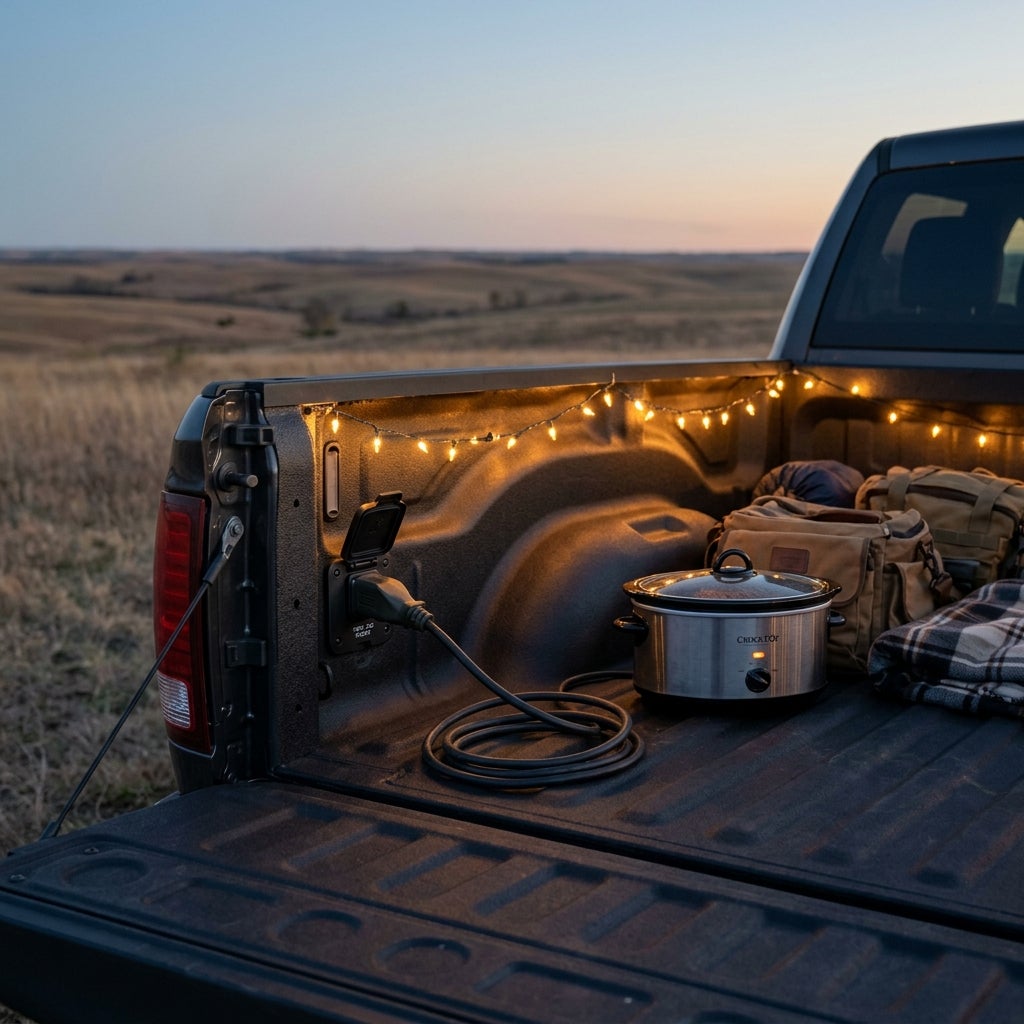
Direct Answer: What Mopar Accessories Best Protect Jeep Seats and Cargo Areas for Kansas Winters? When late autumn transitions into full-fledged winter across the Flint Hills, Kansas drivers face a brutal combination of freezing rain, thick mud, wet slush, and corrosive road salt. Protecting the cabin and cargo bay of your Jeep Wrangler, Gladiator, Grand Cherokee, or Compass requires purpose-built interior armor. The absolute best original equipment manufacturer (OEM) solution comes directly from Mopar—Jeep's official service, parts, and customer care division. Authentic Mopar winterization accessories are specifically engineered to fit the exact contours of your vehicle's floor pans, seating frames, and trunk bays, providing an unyielding shield against the worst elements Kansas winters can throw at your cabin. The essential lineup for complete Jeep interior winter defense includes four cornerstone Mopar components: 1. Custom-Fit All-Weather Slush Mats: Built with deep reservoir channels, high retention walls, and specialized drain-plug compatibility (on Wrangler and Gladiator models) that allow melted snow to drain directly through the vehicle floor. 2. Heavy-Duty Molded Cargo Trays: Constructed from flexible, cold-resilient thermoplastic elastomer (TPE) that flexes under heavy loads without cracking in sub-zero temperatures. 3. Waterproof Neoprene and Heavy Canvas Seat Covers: Custom tailored to seal out wet hunting gear, mud-slicked coveralls, and spilled hot coffee while remaining fully side-airbag compliant. 4. Cargo Area Seatback Protectors: Molded rubberized barriers that attach directly to the rear of second-row seats, ensuring seamless protection whether seats are raised upright or folded flat for bulky cargo. To explore these fitted upgrades in person, stop by our Parts Department at Valor CDJR in Junction City. Why Factory Mopar All-Weather Floor Mats and Cargo Liners Outperform Universal Options Universal off-the-shelf floor mats bought at general retail stores may seem convenient initially, but they fall drastically short when exposed to genuine Kansas winter conditions. Generic mats rely on flat trim-to-fit designs that shift constantly underfoot, curl up at the edges when temperatures plunge below freezing, and fail to block liquid runoff from soaking into under-carpet acoustic insulation. Once salt-laden slush penetrates carpet padding, it breeds stubborn mildew odors, causes sub-floor rust, and degrades vehicle trade-in values over time. Factory Mopar all-weather mats are engineered using precise 3D digital CAD data straight from the Jeep vehicle design teams. This guarantees millimeter-perfect fitment against every swell, pedal mount, and seat rail anchored to your floor pan. On Jeep Wrangler and Gladiator models, Mopar mats feature patented integrated drain-plug grommets. When snow melts inside your cabin, you can unplug the floor drains directly through the mat, letting water escape without removing the liner. Furthermore, Mopar's proprietary rubber compound remains pliable in extreme freeze conditions down to sub-zero temperatures, ensuring the high retention walls never distort or leak onto your carpet. Key Mopar Seat Accessories: Heavy-Duty Covers, Waterproof Barriers, and Heated Comfort Upgrades Canvas & Neoprene Covers Mopar heavy-gauge canvas and neoprene seat covers offer an impenetrable barrier against damp winter coats, mud, and active lifestyle wear. Tailor-fit to specific seat configurations, these covers preserve factory leather and cloth upholstery while incorporating engineered side seams that ensure full deployment of seat-mounted side airbags in an emergency. Seatback Storage Systems Keep winter emergency gear organized and off the wet floorboards with Mopar MOLLE-style seatback storage panels. Engineered for heavy utility, these tactical grid panels accept modular pouches for ice scrapers, thermal gloves, flashlights, tow straps, and first-aid kits, keeping essential equipment secure and rapidly accessible. Heated Seat Accessory Kits If your Jeep came from the factory with standard cloth seats, Mopar offers heated seat accessory kits. These systems integrate seamlessly with your vehicle's electrical harness and dashboard controls, delivering rapid warming comfort to front seats during freezing morning commutes across Geary and Riley Counties. Preparing Your Jeep or Ram 1500 for Late-Autumn Tailgating and Farm Work in Riley and Geary Counties Life in Junction City, Manhattan, and surrounding rural Riley and Geary counties demands exceptional versatility from your vehicle. On Saturday afternoon, your truck or SUV might be parked outside Bill Snyder Family Stadium supporting K-State game day tailgating; by Monday morning, it is navigating muddy pastures, towing livestock trailers, or hauling heavy equipment across unpaved county roads. Transitioning seamlessly between agricultural labor, outdoor recreation, and family transport requires a multi-layered interior protection strategy. For dual-purpose duty, local drivers frequently combine heavy-duty Mopar floor slush mats with Mopar bed liners and tonneau covers on Ram 1500 trucks, or rear cargo trays and seatback covers on Jeep Grand Cherokee models. This setup ensures that clay-heavy Kansas soil, agricultural chemicals, and wet hunting gear stay completely contained. Whether you are transporting livestock feed in the morning or loading tailgate coolers in the afternoon, Mopar accessories let you hose down your protective liners in minutes, keeping the underlying vehicle spotless. If you need expanded utility for your operations, browse our current Commercial Vehicle Inventory to find heavy-duty work trucks built for tough Kansas workloads. View Commercial Inventory How Cargo Volume Capacities Compare Between the Ram 1500 Bed and Grand Cherokee Interior Space Understanding the distinction between open bed volume and climate-controlled interior cargo space is critical when planning winter farm work or outdoor excursions. The Ram 1500 offers substantial exterior cargo space designed for rugged, weather-resistant equipment, while the Jeep Grand Cherokee provides locked, heated interior storage optimal for sensitive tools, luggage, and perishable supplies. A Ram 1500 equipped with a 5-foot-7-inch short box delivers approximately 54 cubic feet of cargo space, expanding to 61.5 cubic feet with a 6-foot-4-inch bed box. In contrast, the Jeep Grand Cherokee provides up to 38 cubic feet behind the second-row seats, expanding to 71 cubic feet when the rear seats are folded flat. Pairing a Ram 1500 with a Mopar spray-in bedliner and tri-fold tonneau cover creates weather-protected exterior storage, while equipping a Grand Cherokee with Mopar molded cargo liners keeps high-capacity interior space protected against snow and mud. Vehicle & Configuration Primary Storage Type Max Usable Volume Recommended Winter Liner Ram 1500 5'7" Bed Open / Covered Bed 53.9 cu ft Mopar Spray-In Liner + Tonneau Ram 1500 6'4" Bed Open / Covered Bed 61.5 cu ft Mopar Bed Mat + Lockable Box Jeep Grand Cherokee (Seats Up) Enclosed Climate-Controlled 37.7 cu ft Mopar Molded Rubber Cargo Tray Jeep Grand Cherokee (Seats Folded) Enclosed Climate-Controlled 70.8 cu ft Mopar Cargo Tray + Seatback Shield Can the Ram 1500 Bed Power Outlet Run Electric Heaters or Tailgating Appliances Simultaneously? Wattage Limits & Ratings The Ram 1500 optional truck bed outlet delivers 115-volt AC power rated up to 400 watts. While 400 watts easily powers LED stadium lights, slow cookers (which draw 150–250W), and battery chargers, high-draw ceramic space heaters typically demand 1,200 to 1,500 watts and will trip the inverter's internal breaker. Tailgating Appliance Load You can safely run low-wattage tailgating appliances simultaneously, such as a 180W crockpot alongside a 50W television or LED lighting array (totaling ~230W). Managing cumulative draw ensures stable operation without interrupting power to your tailgate setup. Battery & Engine Idle Rules To prevent draining your starter battery during cold weather, run the engine while operating high-demand accessories. The system automatically regulates voltage to ensure your truck starts reliably, even when running auxiliary devices in freezing temperatures. How the Ram 1500 Onboard Power Inverter Supports Farm Electrical Equipment and Tailgate Accessories For farmers and landowners in Geary and Riley counties, the Ram 1500 onboard power inverter acts as a mobile electrical hub out in remote pastures. Powering 18-volt cordless tool battery chargers, electric fence chargers, portable soldering irons, and emergency work lights directly from the truck bed eliminates the need to haul heavy, noisy gas generators for minor fence repairs or equipment maintenance. When non-working weekend hours roll around, that same inverter seamlessly transitions to power outdoor entertainment gear. Combined with Mopar heavy-duty truck bed outlet protective weather caps, the system keeps electrical contacts clean and dry regardless of rain, mud, or snow, providing reliable mobile power year-round. What Should Junction City-Area Jeep and Ram Owners Check Before Late-Autumn Farm Work and Tailgating? Before winter frost settles over central Kansas, completing a comprehensive seasonal inspection ensures your vehicle stays dependable when navigating remote county roads or cold morning starts. Key maintenance items include: 1. Battery Cold-Cranking Amps (CCA): Sub-freezing temperatures reduce battery output by up to 50%. Have your battery load-tested to confirm adequate starting power. 2. Tire Pressure & Tread Depth: Cold air lowers tire pressure by approximately 1 PSI per 10°F drop. Ensure tread depth is above 4/32" for effective snow traction. 3. Engine Coolant / Antifreeze Mix: Test your coolant mixture to ensure freeze protection down to -25°F. 4. Mopar Beam Wiper Blades & Winter Fluid: Replace worn blades with heavy-duty Mopar synthetic beam blades that resist ice buildup. 5. Cabin Air Filter: Replace clogged filters to maintain maximum defroster airflow and cabin heating efficiency. 6. Interior Mopar Slush Mat Fitment: Snap all floor mats securely onto factory floor retainers to prevent interference with pedals. You can quickly schedule an inspection through our online Service Scheduler or visit our Express Lane for maintenance without an appointment. Schedule Winter Service How Does Quadra-Lift Air Suspension Improve Ground Clearance on Jeep Vehicles During Winter Snow? Jeep's available Quadra-Lift® Air Suspension system is a useful feature for severe Kansas winter driving. By utilizing closed-loop air springs at all four wheels, Quadra-Lift allows drivers to electronically adjust ride height depending on terrain requirements, offering up to 10.9 inches of maximum ground clearance in Off-Road 2 setting. When drifting snow buries rural county roads or unpaved farm lanes around Junction City, raising the vehicle prevents the undercarriage from snow-plugging or high-centering. Combined with Jeep's Selec-Terrain® traction control set to 'Snow' mode, the system optimizes torque distribution, throttle response, and suspension height to maintain steady forward momentum through deep slush and ice. To explore new models featuring Quadra-Lift, browse our latest New Vehicle Listings or explore pre-owned models in our Used Vehicle Listings. Selecting Mopar Cargo Management Accessories for Snowboards, Hunting Gear, and Emergency Kits Under-Seat Lockable Bins Secure valuable hunting gear, tools, and electronics in lockable Mopar heavy-gauge steel under-seat storage bins. These lockboxes integrate directly under second-row seating in Ram trucks and Jeep Wranglers, keeping contents concealed and safe. Roof-Mounted Gear Carriers Free up interior cabin space by installing Mopar crossbars paired with lockable ski and snowboard carriers or hard-shell cargo boxes. Built with corrosion-resistant aluminum, these carriers handle wet sports gear without cluttering your interior. Mopar Roadside Winter Kits Official Mopar roadside safety kits come packed with essential winter recovery tools: heavy-duty jumper cables, thermal blankets, work gloves, a folding shovel, flashlight, and reflective warning triangles packaged in a durable canvas bag. Where Can Riley and Geary County Drivers Arrange Local Jeep or Ram Seasonal Service? Finding reliable, factory-certified service and genuine Mopar accessory installation is convenient for drivers throughout Junction City, Fort Riley, Manhattan, and the surrounding Flint Hills region. Valor CDJR is your dedicated local hub for authentic Mopar parts, seasonal vehicle maintenance, and professional accessory installation. Located at 1825 Goldenbelt Blvd in Junction City, KS 66441, our team of factory-trained technicians ensures your floor mats, seat covers, cargo trays, and power accessories are installed precisely according to manufacturer specifications. You can Get Directions to Valor CDJR or Call us at (785) 238-5114 to consult directly with our parts and service specialists. If you are considering upgrading your vehicle before winter arrives, check your current vehicle value with our Trade In Evaluation tool or Get Pre-Approved online. Winterize Your Jeep Cargo and Seating Areas at Valor CDJR in Junction City Don't let freezing weather, slush, and salt damage your Jeep or Ram interior this season. Equip your vehicle with authentic Mopar slush mats, molded cargo trays, waterproof seat covers, and cargo organization systems designed specifically for your model. Visit Valor CDJR today at 1825 Goldenbelt Blvd in Junction City, KS, or contact our team online to order accessories, schedule maintenance, or explore our complete line of new and pre-owned vehicles. Order Mopar Accessories Schedule Service Appointment