




Blog / Maintenance & Service

Preparing Your RAM and Jeep for Kansas Winter Roads: Expert Q&A Pre-Season Service Checklist

Preparing Your RAM and Jeep for Kansas Winter Roads: Expert Q&A Pre-Season Service Checklist

Preparing Your RAM and Jeep for Kansas Winter Roads: Expert Q&A Pre-Season Service Checklist

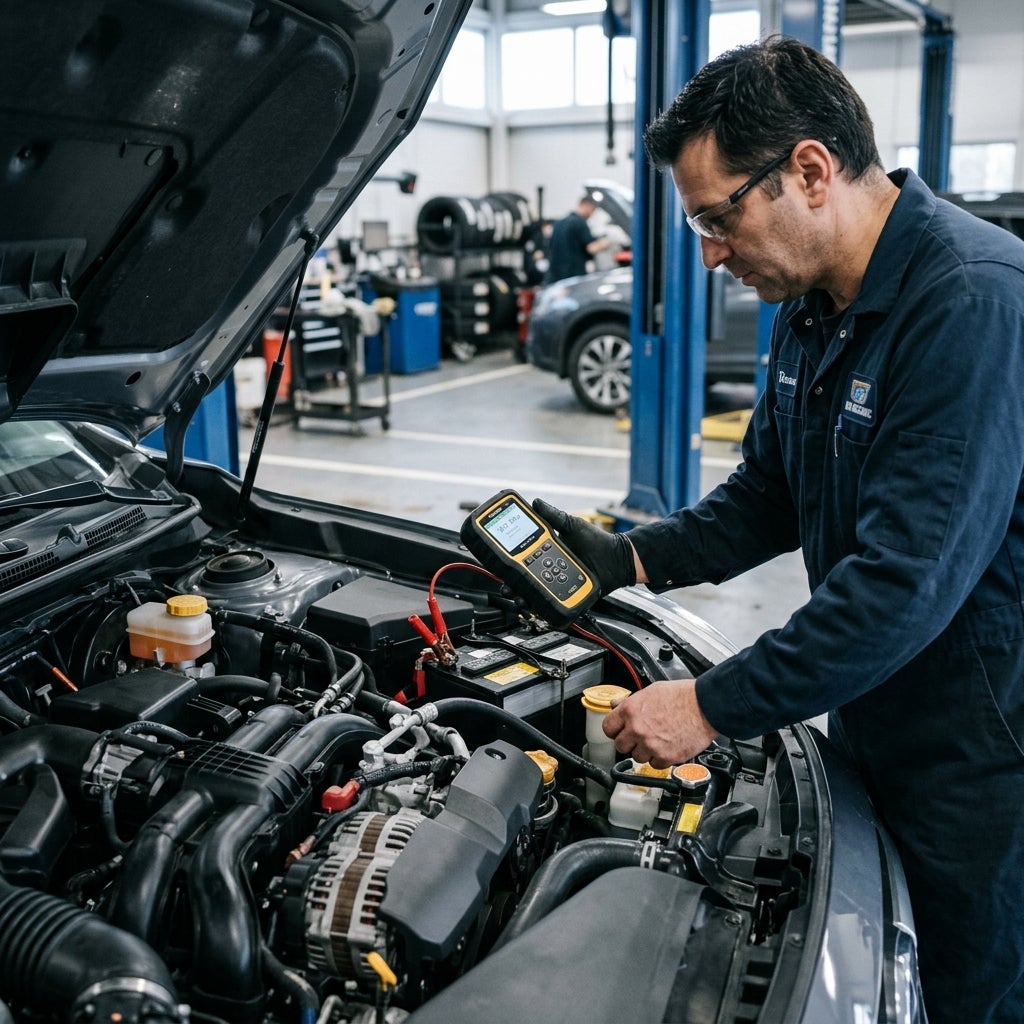
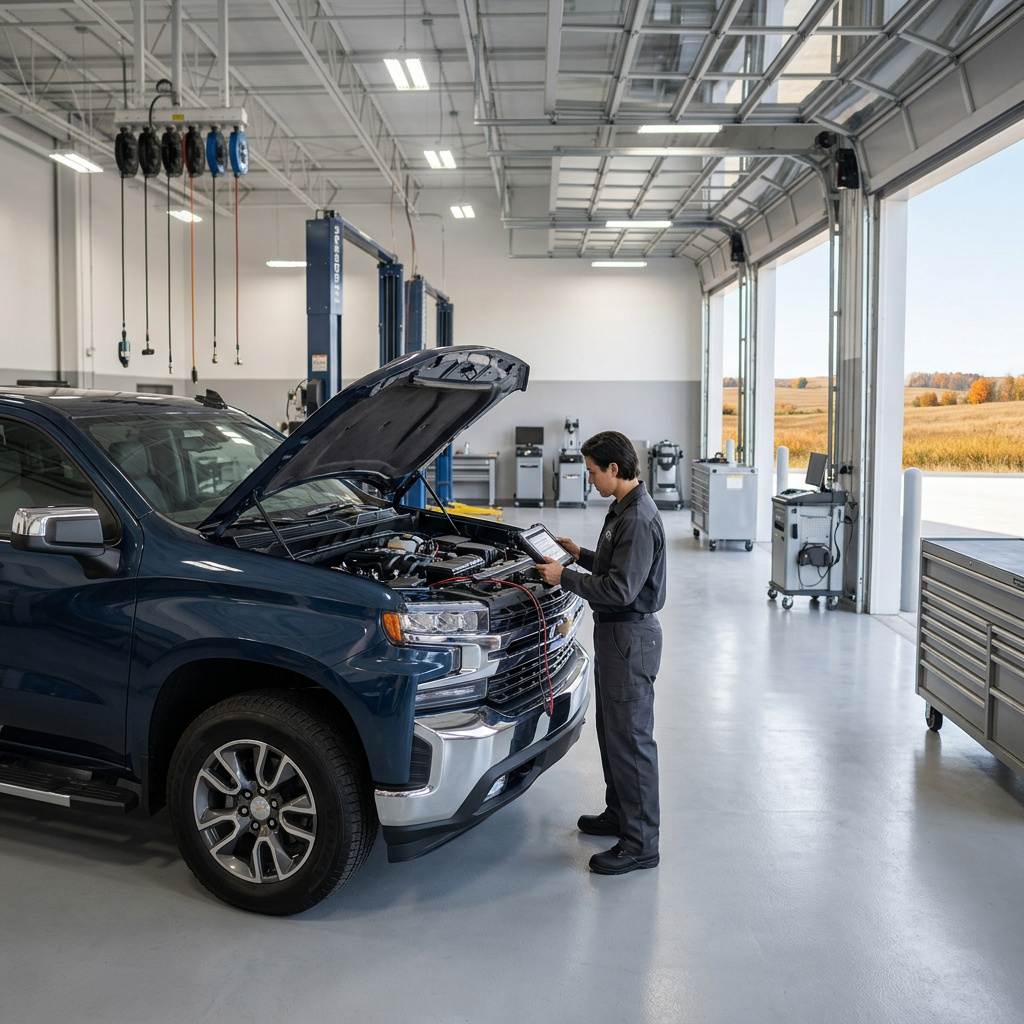
A comprehensive winter service inspection focusing on battery cold-cranking health, coolant freeze protection, brake integrity, and transfer case fluid condition is the essential maintenance service for preparing a Ram truck or Jeep for winter in Junction City. Testing battery reserve capacity and ensuring fresh antifreeze prevents frozen engine blocks and unexpected breakdowns during severe Midwestern freezing spells. Today, we spoke with Mike Hogg, Service Director at Valor CDJR, who brings 20 years of hands-on automotive service experience to share his expert insights on seasonal vehicle preparation.

Q: What maintenance service is essential for preparing a Ram truck or Jeep for winter in Junction City, Kansas?

A: A full multi-point winter preparation service is vital before freezing weather arrives. Our priority during this inspection is testing the battery's cold-cranking capacity, verifying that engine coolant provides freeze protection down to sub-zero temperatures, inspecting brake pads and rotors, and checking transfer case and axle fluids in 4x4 systems. In Junction City, winter conditions bring sudden freezing temperatures and icy road surfaces across flat agricultural plains and river valleys, making uncompromised mechanical reliability essential for daily commutes and work duties.

During a pre-season inspection, technicians also examine heating and defrosting performance, check wiper blade flexibility, and top off windshield washer fluid with a low-temperature winter blend that will not freeze on contact with cold glass. Driving a 2026 Jeep Grand Cherokee 4xe or a heavy-duty pickup through freezing slush requires full visibility and immediate heater response. Owners can easily prepare their vehicles by scheduling a winter maintenance inspection online before the first hard freeze hits the region.

Addressing fluid health early preserves heavy-duty driveline components and guarantees that automatic four-wheel-drive systems engage without hesitation. If you have questions about specific service intervals or want to bring your truck in for a quick fluid check, you can visit our service facility at 1825 Goldenbelt Blvd or give our service desk a call at (785) 238-5114 to speak directly with an advisor.

A: We recommend a battery rating of at least 600 CCA to 800 CCA for Ram pickups and Jeep SUVs operating through Kansas winters. Cold Cranking Amps measure the number of amperes a 12-volt battery can deliver at 0 degrees Fahrenheit for 30 seconds while maintaining a voltage of at least 7.2 volts. Because cold ambient air thickens engine oil and slows down internal chemical reactions within the battery, having high cranking power ensures your starter motor turns over efficiently on freezing mornings.

When vehicle owners bring in a Ram 1500 or Jeep Wrangler for seasonal care, measuring the battery's reserve capacity and CCA output is one of the initial physical tests our technicians perform. A battery might start an engine easily in mild fall weather, but once temperatures plunge, a weak cell quickly fails under the increased load. If a test reveals that your battery is delivering below its factory specification, replacing it before winter prevents unexpected dead battery scenarios in your driveway or job site.

For owners performing maintenance themselves or looking for factory-certified equipment, sourcing an OEM Mopar battery engineered specifically for your vehicle's electrical load is always the safest route. You can order replacement batteries, winter wiper blades, and heavy-duty floor liners directly through our genuine Mopar parts department.

Q: What do the 3-Peak Mountain Snowflake symbol and M+S ratings mean for winter traction?

A: The M+S rating stands for Mud and Snow, which indicates that a tire features a tread pattern designed with wider grooves and geometric angles to channel slush and soft mud away from the contact patch. However, the M+S designation is based purely on tread geometry rather than standardized performance testing in freezing conditions. It represents a baseline capability commonly found on standard all-season tires, but it does not guarantee soft rubber compounding in sub-freezing temperatures.

By contrast, the 3PMSF symbol certified by tire industry standards indicates that a tire has undergone rigorous, standardized acceleration testing on packed snow and demonstrated traction exceeding baseline requirements. Tires bearing this mountain-and-snowflake emblem maintain flexibility in freezing weather thanks to specialized silica compound formulations. Equipping your vehicle with tires carrying the 3PMSF emblem gives you significantly improved stopping power and lateral stability on packed snow and icy surfaces compared to standard all-season rubber.

Maintaining correct tire inflation is equally critical during winter months because ambient temperatures directly alter tire pressure. Tire pressure drops by approximately 1 to 2 PSI for every 10-degree drop in outside temperature. Checking your tire pressures monthly and ensuring your tread depth meets winter safety thresholds ensures your vehicle maintains maximum grip when navigating slick highway stretches or rural gravel roads.

Q: What is the difference between 4Auto, 4High, and 4Low on a Ram 1500 in winter conditions?

A: Understanding transfer case settings allows you to maximize traction without causing mechanical stress to your vehicle's four-wheel-drive system. 4Auto is designed for variable or patchy road conditions where pavement alternates between dry asphalt and slick ice patches. In 4Auto, the transfer case continuously monitors wheel slip and automatically sends power to the front axle only when rear traction loss occurs, allowing you to drive at normal speeds without binding your driveline on dry pavement.

"A battery that starts fine in October can completely drop dead during the first 15-degree morning in Kansas if the internal reserve capacity is compromised."

When roads are completely covered in snow, slush, or ice, switching to 4High locks the front and rear driveshafts together in a continuous 50/50 power split. This provides consistent, predictable traction for normal winter driving speeds, but it should only be used on slippery surfaces to prevent mechanical driveline binding during sharp turns. For drivers navigating steep grades or rolling hills around Manhattan after a heavy snowstorm, 4High keeps momentum steady and predictable across unplowed secondary routes.

Setting the system to 4Low engages lower gear ratios to deliver maximum torque at very slow speeds, typically under 25 mph. This mode is reserved for extreme recovery situations, such as pulling out of deep snowdrifts or maneuvering through heavy mud. Knowing when to engage each setting protects internal transfer case gears while giving you complete control in challenging winter terrain.

Q: Which vehicle offers higher ground clearance, Ram 1500 Rebel or Jeep Wrangler Rubicon?

A: The Jeep Wrangler Rubicon offers higher ground clearance overall, providing between 10.8 inches and 12.9 inches of factory clearance depending on tire options and trim configurations. By comparison, the Ram 1500 Rebel provides approximately 9.8 inches to 10.8 inches of ground clearance, which is exceptional for a light-duty pickup but slightly lower than the dedicated off-road architecture of the Wrangler Rubicon. Ground clearance is a critical factor when driving through unplowed snow drifts, as extra height prevents the underbody from high-centering on packed snow.

Both vehicles excel in winter conditions through specialized suspension tuning and protective underbody skid plates. The Ram 1500 Rebel utilizes aggressive off-road shocks and electronic locking differentials that make it a winter workhorse for hauling equipment or towing heavy loads. The Jeep Wrangler Rubicon uses heavy-duty solid axles, Tru-Lok front and rear electronic lockers, and massive tire options to crawl over severe winter obstacles and deep snowdrifts effortlessly.

For business owners and fleet operators who rely on rugged vehicles for winter work, choosing between a full-size pickup and a specialized 4x4 SUV comes down to payload and bed capacity needs versus absolute trail clearance. You can explore heavy-duty work trucks and outfitted utility vehicles by viewing our commercial vehicle inventory to find the right mechanical setup for your winter operations.

Q: How much does a complete pre-packaged automotive winter safety kit cost?

A: Pricing for a complete pre-packaged automotive winter emergency kit can vary; contact the dealership for current pricing., depending on the quality of tools, tow strap ratings, and emergency gear included. Basic kits on the lower end of that price spectrum usually contain jumper cables, a compact snow brush, a flashlight, reflective safety markers, and a basic first-aid kit. Higher-end kits include heavy-duty tow straps, collapsible shovels, thermal blankets, tire pressure gauges, and portable jump-starter power banks.

Carrying a dedicated winter safety kit in your cargo area or truck bed is essential preparation for cold-weather driving. In addition to commercial safety kits, keeping a bag of sand or kitty litter in your trunk helps provide instant traction if a tire gets stuck on polished ice. Having emergency supplies readily accessible ensures that you remain warm, visible, and equipped if you ever experience a roadside delay during severe weather.

Q: How do you schedule a pre-season winter inspection for your Ram or Jeep?

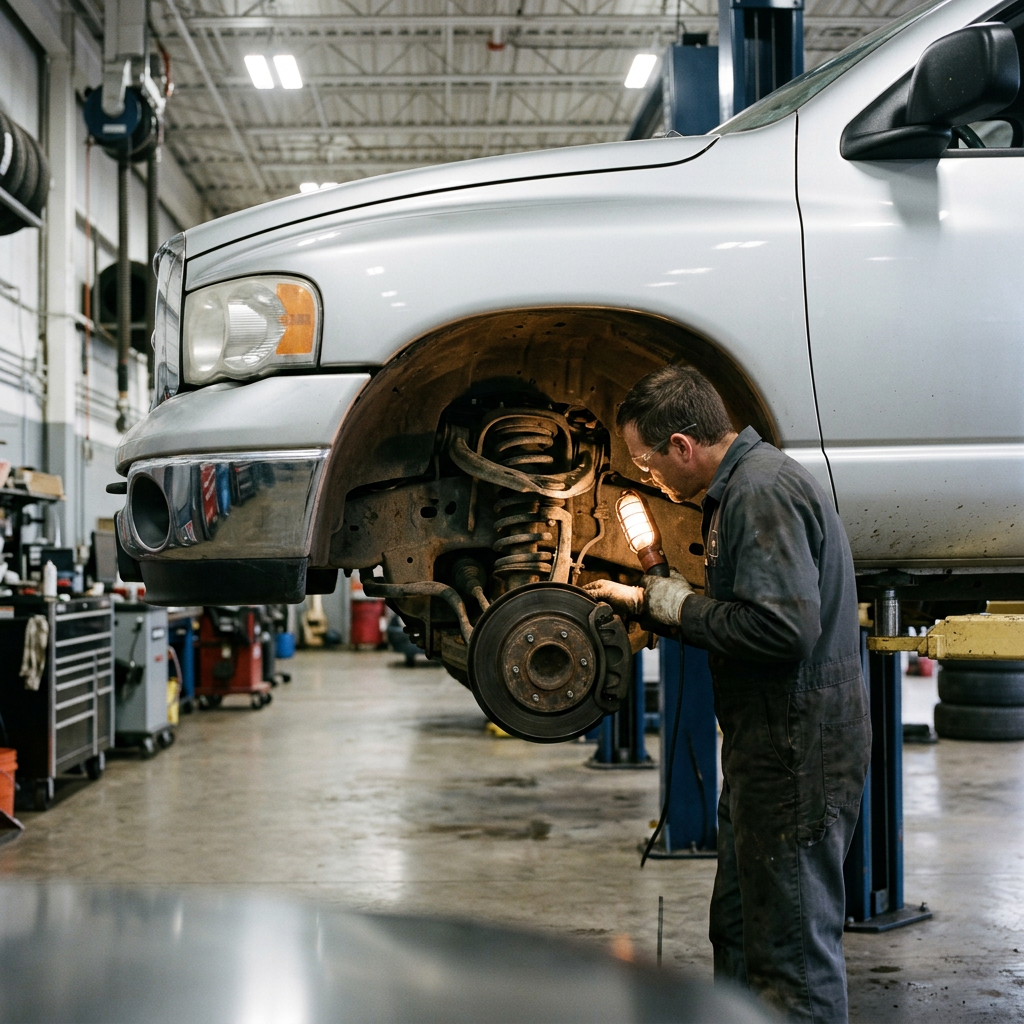
A: Booking a pre-season winter inspection is straightforward and can be completed online or over the phone. Our service facility is fully equipped with advanced diagnostic tools, factory-trained technicians, and specialized equipment tailored specifically for Chrysler, Dodge, Ram, and Jeep vehicles. During your appointment, our technicians perform a complete system check covering battery health, cooling system pressure, brake line integrity, suspension wear, and lighting functionality.

Taking care of routine maintenance before winter arrives saves money by preventing premature component wear and avoiding emergency service calls during severe storms. Whether you drive a Ram 1500, a Jeep Wrangler, or a Chrysler Pacifica, routine seasonal care keeps your vehicle operating at peak efficiency. To set up your service appointment, reach out to our service team by calling (785) 238-5114 or stop by in person at our dealership address at 1825 Goldenbelt Blvd to ensure your vehicle is completely ready for Kansas winter roads.


© 2026 Valor CDJR. All rights reserved.
Vehicle specification data © JATO Dynamics Limited.


Posted in:

Related Posts

What Are the Most Common Mechanical Problems on High-Mileage RAM 1500 Trucks?

What Are the Most Common Mechanical Problems on High-Mileage RAM 1500 Trucks?

What Are the Most Common Mechanical Problems on High-Mileage RAM 1500 Trucks? On high-mileage Ram 1500 trucks reaching past 100,000 miles, the most common mechanical issues our shop encounters are broken exhaust manifold bolts on older V8 configurations, front upper control arm bushing fatigue, thermal wear on cooling system control valves, and air suspension compressor leakage. Addressing these items early prevents cascading repairs across the driveline. With regular fluid changes and prompt sensor diagnostics, the underlying chassis, frame, and core mechanical assemblies routinely operate well beyond these component wear cycles without requiring complete powertrain overhauls. Working as the Service Director at Valor CDJR for 20 years, my team and I inspect these half-ton trucks every single day on the service drive. The most frequent mechanical complaint we see on older 5.7-liter HEMI V8 trucks is a distinct ticking sound on a cold start. That noise almost always traces back to cracked exhaust manifold bolts or warped manifold flanges caused by repeated heating and cooling cycles. Our factory-trained technicians extract the sheared hardware and install updated, heavy-duty studs and gaskets to seal the exhaust leak permanently before it degrades oxygen sensor accuracy. Suspension wear is another recurring maintenance reality on high-mileage trucks that see heavy utility work. The front upper control arm bushings and lower ball joints take the brunt of rough pavement and rural trails, leading to uneven tire wear or front-end clunking over washboard gravel. On trucks optioned with the four-corner air suspension system, rubber air springs develop microscopic cracks near 120,000 to 150,000 miles, which forces the suspension compressor to cycle continuously until it overheats. Replacing aged air bladders or converting to standard steel coil springs restores ride compliance without breaking the service budget. Modern electrical systems also require routine care as mileage climbs. Technicians in our shop regularly handle software calibration updates for the Uconnect interface and trace parasitic electrical draws back to weak auxiliary batteries or aging keyless ignition modules. If your truck developed a driveline vibration, an illuminated check engine warning, or front suspension noise, you can map your route directly to our service center location or give our service desk a direct call to have our diagnostic specialists run a full health check. Table of Contents How Many Miles Does an Average Ram 1500 Last on the Road? Evaluating 3.6-Liter Pentastar V6 and eTorque Mild-Hybrid System Longevity How Ram's TorqueFlite 8-Speed Compares to GM and Ford 10-Speed Transmissions Maintenance Cost Breakdown: Ram 1500 Ramcharger Versus Conventional Powertrains Which Ram 1500 Trims Hold Up Best and How Mopar Extended Coverage Protects Them Essential Preventative Service Routines to Keep Your Truck Past 200,000 Miles How Many Miles Does an Average Ram 1500 Last on the Road? A properly maintained Ram 1500 has an average operational lifespan of 200,000 to 250,000 miles, which translates to roughly 13 to 17 years of service for an owner driving 15,000 miles annually. Achieving this longevity depends entirely on strict adherence to factory fluid schedules, preventative cooling system flushes, and immediate attention to minor powertrain fault codes. Trucks operating under severe-duty service schedules around Junction City, especially those carrying military gear toward training ranges or pulling livestock trailers through river valley farms, require closer inspection intervals than highway commuter trucks. While average annual maintenance and unscheduled repair expenses typically range between $650 and $850 during the first five years of ownership, owners should budget between $1,000 and $1,400 annually once the odometer crosses 100,000 miles. That secondary budget accommodates routine wear items like water pumps, alternator assemblies, wheel hub bearings, and transmission pan filter replacements. The structural foundation of the fourth-generation and fifth-generation half-ton platforms is built with high-strength steel framing that easily surpasses a quarter-million miles without structural fatigue. The trucks that reach 300,000 miles in our service bays share a common history: their owners changed engine oil every 5,000 miles rather than pushing to the absolute limit of the oil-life monitor, serviced differential gear oil every 40,000 miles, and kept the undercarriage free of corrosive buildup. When replacement components are required, our dealership parts counter supplies genuine Mopar filters, gaskets, and heavy-duty mechanical hardware designed specifically to match original engineering tolerances. Evaluating 3.6-Liter Pentastar V6 and eTorque Mild-Hybrid System Longevity The 3.6-liter Pentastar V6 engine represents one of the most mechanically durable engines in modern full-size trucks, frequently operating beyond 200,000 miles without internal cylinder head or rotating assembly failure. Its dual-overhead-cam design and chain-driven timing assembly eliminate regular timing belt replacements, leaving cooling management and oil filter housing integrity as its primary maintenance considerations. Earlier iterations of the Pentastar platform occasionally developed oil leaks in the plastic oil filter adapter housing nestled deep in the engine valley between cylinder banks. Heat cycling over 80,000 to 100,000 miles can cause the underlying seals or the synthetic housing body to weep engine oil or coolant. When this symptom appears, our technicians replace the assembly with updated Mopar hardware torqued strictly to factory specifications, preserving stable oil pressure across the variable valve timing solenoids. Routine replacement of spark plugs at 100,000 miles and periodic coolant flushes keep cylinder head temperatures balanced, safeguarding valve seats against premature wear. Longevity questions surrounding the eTorque mild-hybrid system focus primarily on the 48-volt lithium-ion battery pack and the belt-driven motor-generator unit. Stellantis engineered the 48-volt battery pack with an operational service life exceeding 10 years or 150,000 miles, supported by an 8-year/80,000-mile federal emissions warranty. The water-cooled motor-generator replaces a standard alternator, using a heavy-duty drive belt and dampener tensioner that we inspect during every scheduled oil change. Because the system manages engine start-stop cycles seamlessly while providing supplemental launch torque, it reduces rotational starter wear and eases mechanical stress on the engine crankshaft during stop-and-go driving. How Ram's TorqueFlite 8-Speed Compares to GM and Ford 10-Speed Transmissions The TorqueFlite 8-speed automatic transmission, licensed and built from the proven ZF 8HP architecture, exhibits significantly lower mechanical failure rates and smoother shift consistency than the joint-venture 10-speed transmissions used by General Motors and Ford. The ZF platform relies on four planetary gearsets and five shift elements, creating an exceptionally robust mechanical footprint that resists internal hydraulic clutch binding. In our service department, the ZF-based 8-speed rarely presents internal valve-body distortion, snapped internal sun gears, or catastrophic planetary gear failure. Owners of competing trucks equipped with the GM and Ford 10R80 10-speed transmission frequently encounter harsh 3-to-4 or 7-to-8 gear shifts, sticking hydraulic valve spools, and early torque converter clutch shudder caused by uneven internal pressure distribution across ten tightly packed forward ratios. The TorqueFlite 8-speed maintains wider clutch pack clearances and simpler solenoid programming, minimizing hydraulic shock loads even when towing heavy trailers. Keeping the 8-speed running smoothly past 150,000 miles requires rejecting the misconception that transmission fluid lasts forever. While factory literature sometimes labels transmission fluid as a lifetime fill under ideal highway conditions, our technicians strongly advocate dropping the transmission pan, replacing the integrated plastic filter, and refilling with genuine ZF-spec synthetic fluid every 60,000 to 75,000 miles. Fresh fluid prevents thermal breakdown, maintains precise solenoid actuation pressures, and protects torque converter friction plates against glaze. Maintenance Cost Breakdown: Ram 1500 Ramcharger Versus Conventional Powertrains The upcoming Ram 1500 Ramcharger utilizes an innovative series plug-in hybrid architecture that fundamentally alters routine maintenance schedules compared to traditional internal combustion trucks. By using dual electric drive motors to propel the wheels while a 3.6-liter Pentastar V6 engine serves exclusively as an onboard generator, the mechanical driveline experiences completely different operating stresses. Brake maintenance costs drop substantially on the Ramcharger because its regenerative braking system handles the majority of daily deceleration, routing kinetic energy directly back into the traction battery. Friction brake pads and rotors on conventional half-ton pickups typically require replacement every 35,000 to 50,000 miles, especially when hauling equipment down steep Flint Hills grades near Manhattan. On the Ramcharger platform, those same mechanical brake pads regularly last 80,000 to 100,000 miles before needing pad or rotor renewal, representing a major ownership savings over six years of driving. Generator engine maintenance is similarly streamlined because the onboard V6 operates primarily in steady-state, optimized RPM bands rather than enduring the harsh thermal cycling, abrupt wide-open-throttle revs, and low-RPM lugging of a standard mechanical drivetrain. This steady-state operation reduces crankcase fuel dilution and carbon accumulation on intake valves. While owners must still maintain liquid cooling circuits for both the power electronics and the mechanical block, routine maintenance visits require fewer filter changes and zero transmission rebuilds. When you want our technicians to inspect your current cooling circuits or perform fluid checks, you can use our convenient online tool to reserve a service visit that fits your work schedule. Which Ram 1500 Trims Hold Up Best and How Mopar Extended Coverage Protects Them Chassis durability remains uniform across the entire half-ton lineup, but mechanical trim configurations like the Tradesman, Big Horn, and Rebel exhibit the lowest cabin component wear over a decade of heavy use. Trims fitted with durable cloth upholstery, manual transfer case controls, and standard steel coil springs eliminate the luxury actuators, automated step motors, and complex air struts that tend to require secondary repairs after eight to ten years on the road. For owners investing in higher luxury tiers like the Laramie, Limited, or new Tungsten trim, comprehensive mechanical protection plans shield against expensive electronic control module or pneumatic component repairs. Factory protection plans through Mopar, such as Extended Care Premium, provide mechanical repair coverage on over 5,000 individual components beyond the standard 3-year/36,000-mile basic warranty. These factory-backed agreements extend mechanical coverage up to 8 years or 125,000 miles, matching the timeline where suspension compressors, infotainment touchscreens, and multi-zone HVAC blend door actuators usually encounter age-related fatigue. Choosing factory-endorsed service contracts guarantees that repair procedures are conducted by certified technicians using OEM parts rather than generic aftermarket components. If unexpected mechanical or electrical failures occur far from home, every vehicle under factory coverage also has direct access to manufacturer roadside support through Chrysler, Dodge, Jeep, Ram Roadside Assistance: 800-521-2779. This service provides specialized towing directly to an authorized dealership, protecting your driveline against improper tow-truck hookups that can damage transfer cases or all-wheel-drive modules. Essential Preventative Service Routines to Keep Your Truck Past 200,000 Miles Surpassing 200,000 miles without major powertrain overhauls requires executing a disciplined, preventative maintenance schedule that looks beyond basic oil warning indicators on the digital dashboard. The following service intervals represent the exact schedule our master technicians follow to protect mechanical components against premature failure: Engine Oil and Filter: Replace every 5,000 miles using manufacturer-specified full synthetic motor oil and a high-efficiency Mopar filter to prevent sludge accumulation in hydraulic lifters and variable cam phasers. Transfer Case and Differentials: Drain and refill front and rear differential housings and four-wheel-drive transfer cases every 40,000 to 50,000 miles to eliminate sheared gear metal particles and protect limited-slip clutch packs. Transmission Fluid Exchange: Replace the transmission pan, integrated filter screen, and synthetic fluid between 60,000 and 75,000 miles to preserve hydraulic valve body calibration. Engine Cooling System: Flush and refill the organic acid technology engine coolant at 100,000 miles or five years to prevent internal galvanic corrosion on water pump impellers and heater cores. Suspension and Driveline: Inspect ball joints, steering tie-rod ends, drive shaft universal joints, and control arm rubber bushings at every 10,000-mile tire rotation. Following this regimented mechanical strategy prevents minor component wear from escalating into expensive powertrain overhauls. Whenever your truck requires factory maintenance, specialized software flashes, or mechanical inspection, visit us at our service entrance in Junction City or speak directly with our service advising staff at (785) 238-5114 to keep your truck running at its peak for years to come. © 2026 Valor CDJR. All rights reserved.
4x4 Low Range Guide: Expert Interview with Valor CDJR

4x4 Low Range Guide: Expert Interview with Valor CDJR

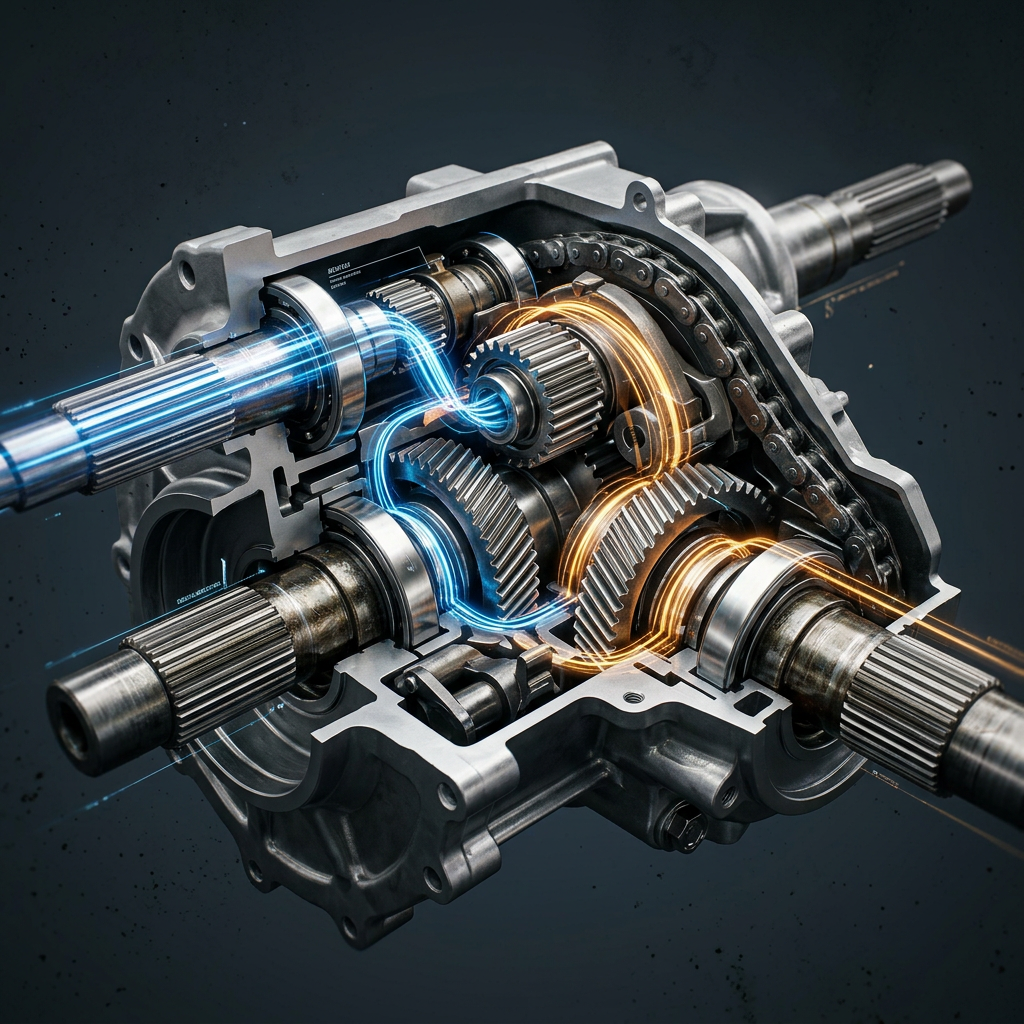
4x4 Low Range Guide: Expert Interview with Valor CDJR 4x4 low range is an auxiliary gear setting inside a four-wheel-drive transfer case that uses secondary planetary gearing to reduce wheel rotation speed while multiplying torque delivered to the axles. This mechanical reduction trades road speed for maximum low-end pulling power and precise vehicle control on treacherous terrain. Today, we sit down with Mike Hogg, Service Director at Valor CDJR, who brings 20 years of hands-on automotive expertise to explain how low-range gearing operates, when to engage it, and how to protect your driveline. Q: What is 4WD Low range and how does it work? A: 4WD Low range operates by routing engine power through a secondary planetary gear set inside the transfer case to deliver an extra stage of gear reduction before torque reaches the drive shafts. In standard two-wheel drive or four-wheel drive high range, power passes through the transfer case at a direct 1:1 drive ratio or through a high-speed output gear. When you select low range, internal shift forks slide a lock sleeve that forces input torque through planet gears spinning within a stationary ring gear. This mechanical gear set slows shaft rotation while multiplying total engine torque delivered to all four wheels. That torque multiplication changes how your vehicle interacts with ground surfaces. By trading rotational wheel speed for raw torque, low range allows your truck or SUV to crawl over obstacles at a walking pace without requiring high engine revs or slipping the clutch or torque converter. This mechanical advantage provides exceptional throttle control over loose gravel, deep mud, or steep inclines across local river valleys. If you ever want to see how these mechanical systems operate up close, our technicians at our Junction City service center can walk you through the transfer case setup during your next scheduled maintenance. You can also give us a call at (785) 238-5114 with any specific technical questions about your vehicle's driveline. Q: When should you shift into 4WD Low instead of 4WD High? A: You should shift into 4WD Low whenever driving situations demand slow, controlled wheel speed alongside maximum torque, such as creeping over steep rock obstacles, descending extreme unpaved inclines, or wading through deep mud. 4WD High is intended for slippery conditions where you still need momentum and higher road speeds, like driving across snow-covered highways or dirt roads. In contrast, low range shines when momentum is dangerous or impossible, and you need pure gear reduction to keep the vehicle moving forward smoothly. Using 4WD Low on dry, high-traction pavement causes driveline binding because the front and rear axles are mechanically locked together and forced to turn at identical speeds. On high-friction surfaces, tires cannot slip during turns, sending intense mechanical stress back into the transfer case gears, axle shafts, and universal joints. Drivers exploring the rolling Flint Hills trails around Manhattan need to reserve low range strictly for off-pavement, low-speed challenges. If you are shopping for a broad selection of vehicles equipped with factory low-range transfer cases, explore our new Jeep inventory to compare model capabilities. Q: Can you shift from 4WD High to 4WD Low while driving? A: No, you cannot shift from 4WD High to 4WD Low while driving at speed because internal transfer case gears require the vehicle to be stopped or moving under 3 mph with the transmission placed in Neutral to mesh cleanly without gear clash. First-time 4x4 owners often ask if they can pull the transfer case lever or turn the electronic dial while cruising down the highway, but doing so forces non-synchronized planetary gears against fast-spinning input shafts, which causes severe gear grinding and expensive mechanical failure. To execute a safe shift into 4WD Low, bring your vehicle to a complete stop or let it roll forward very slowly at a crawling pace. Shift your transmission selector into Neutral, which removes active torque load from the transfer case input shaft. Engage the low-range switch or pull the transfer case lever firmly into the 4L detent, then return your transmission to Drive or First gear. If you are looking for a capable pre-owned rig with a proven shift-on-the-fly or manual transfer case, take a look through our pre-owned 4x4 truck lineup. Q: What is a low range crawl ratio and how is it calculated? A: A crawl ratio measures total mechanical torque multiplication from engine to wheels, calculated by multiplying the transmission first-gear ratio by the transfer case low-range ratio and the final-drive axle ratio. The mathematical formula is simple: transmission first gear ratio multiplied by transfer case low-range ratio multiplied by axle differential ratio. A higher overall crawl ratio means the wheels turn slower relative to engine rpm, giving you finer throttle control and higher effective torque at the tire contact patch. "Understanding crawl ratio helps drivers maintain absolute control on steep slopes without constantly riding the brake pedal." For example, a 2026 Jeep Wrangler Rubicon equipped with the Rock-Trac transfer case features a 4.0:1 low-range ratio. When paired with an automatic transmission, this setup delivers a 77.2:1 crawl ratio. The six-speed manual configuration paired with standard 4.10 axles yields an 84.1:1 crawl ratio, while choosing the optional 4.88:1 axle ratio elevates the total crawl ratio to roughly 100:1. High crawl ratios allow the engine's compression to naturally slow the vehicle on steep downhill descents, reducing reliance on wheel brakes. If you are thinking about upgrading to a vehicle with advanced trail gearing, our team can assist by valuing your vehicle trade-in. Q: Is 4WD High or 4WD Low better for pulling a boat up a steep boat ramp? A: 4WD Low is significantly better for pulling a heavy boat up a steep, slick boat ramp because torque multiplication prevents wheel spin and eliminates excessive heat buildup inside your automatic transmission. Wet concrete ramps covered in algae offer very little traction, and launching a heavy load uphill requires significant power at zero road speed. In 4WD High, drivers frequently stomp on the accelerator pedal, causing tires to break traction or forcing the transmission torque converter to generate extreme fluid temperatures while trying to move the load. When you select low range on a boat ramp, the extra gear reduction delivers instant pulling power at idle or minimal throttle input. This allows your tires to maintain mechanical grip on slippery concrete while your engine and transmission operate effortlessly without overheating. Heavy-duty haulers like the 2026 Ram 2500 Power Wagon leverage low range to pull massive trailers out of challenging inclines without straining the driveline. Before taking your boat out for the season, consider getting pre-approved for financing on a tow vehicle engineered for high-capacity hauling. Q: How does transfer case planetary gear reduction multiply torque? A: Planetary gear reduction multiplies torque by locking the outer ring gear while driving the center sun gear from the transmission output, forcing the surrounding planet gears to rotate around the ring gear at a reduced rotational speed. Because the planet carrier attached to the output shaft rotates slower than the input sun gear, power output decreases in rotational speed and increases proportionally in force. Torque multiplication follows an inverse mechanical relationship: if shaft speed is cut in half, output torque is effectively doubled at the transfer case output shaft. Standard light-duty transfer cases typically offer low-range reduction ratios between 2.0:1 and 2.72:1, whereas specialized off-road systems feature 3.0:1 to 4.0:1 reductions. This mechanical multiplication happens entirely through precision-cut steel gears without demanding extra horsepower from the engine. Keeping these gear sets properly lubricated with fresh fluid prevents metal-on-metal wear and gear breakdown. If you ever need fluid flushes or internal seal replacements, our specialized OEM parts department supplies genuine factory fluids and components designed for your exact driveline specs. Q: How much does it cost to repair or replace a 4x4 transfer case, and what maintenance keeps it healthy? A: Replacing a four-wheel-drive transfer case typically costs between $1,500 and $4,500 including parts and labor, depending on whether you install a new, remanufactured, or unitized assembly. Minor repairs like replacing leaky output shaft seals, shift motor actuators, or fluid pumps fall on the lower end of the cost spectrum, whereas complete internal gear failure requiring a replacement unit occupies the upper end. Preventing these major costs comes down to consistent maintenance and operating your transfer case according to manufacturer guidelines. Regular transfer case fluid changes remove worn friction material and metallic particles before they damage planetary gear teeth or chain drives. It is equally vital to address any fluid leaks immediately and avoid driving in part-time 4WD modes on dry pavement. If you suspect your transfer case is grinding, slipping, or leaking fluid, drop by our dealership address at 1825 Goldenbelt Blvd for a complete diagnostic evaluation. You can reach our service advisors directly by calling (785) 238-5114 or save time by scheduling your service appointment online today. © 2026 Valor CDJR. All rights reserved.
10% Service discount for Military and Veterans at Valor

10% Service discount for Military and Veterans at Valor

10% Service discount for Military and Veterans at Valor What Is the service event for military and veterans at Valor CDJR? The service event for military and veterans takes place from Wednesday, November 11, 2026 at 10:40 AM through Monday, November 11, 2030 at 10:40 AM at 1825 Goldenbelt Blvd, Junction City, KS 66441. This dedicated program provides vehicle maintenance and factory-certified repairs for active duty personnel, veterans, and military families living in Junction City and Manhattan. Attendees gain access to certified Chrysler, Dodge, Jeep, and Ram technicians, genuine parts, and expert care. Valor CDJR hosts this multi-year initiative to honor dedicated service members and ensure their vehicles remain in peak operating condition. Whether your vehicle requires routine oil adjustments, brake inspections, tire rotations, or multi-point system diagnostics, our service center delivers reliable vehicle care. Drivers can reach our service staff at (785) 238-5114 to discuss appointment availability or ask questions regarding vehicle maintenance schedules. During your visit, expert service advisors guide you through comprehensive vehicle assessments designed to maintain engine performance and roadside safety. Vehicles that regularly travel the rolling Flint Hills roads in Manhattan face demanding driving conditions that require consistent maintenance. Our service team utilizes specialized diagnostic machinery and genuine Mopar fluids and components to keep every system working smoothly. Vehicles ranging from the Ram 1500 with its 3.6L Pentastar V6 engine to the family-focused Chrysler Pacifica receive detailed care tailored to manufacturer specifications. Performance models like the Dodge Charger and off-road vehicles like the Jeep Wrangler benefit from factory-trained technicians who understand exact mechanical requirements. Active duty personnel connected to Fort Riley rely on dependable transportation every day, making precise automotive service essential for routine base commutes and long-distance travel. Visitors to our service facility experience a welcoming environment focused on clear communication and practical vehicle care. By scheduling service during this event, military members and veterans maintain their vehicle warranty coverage and enhance long-term reliability on every drive. Which Vehicle Maintenance Services and Genuine Parts Are Covered in Junction City? The service event for military and veterans covers a wide array of routine vehicle maintenance procedures, system diagnostics, and factory-authorized component replacements at Valor CDJR. Active duty personnel, veterans, and military families can utilize this event for essential vehicle upkeep, including synthetic oil changes, tire rotations, brake system inspections, and battery testing. Our certified technicians perform every maintenance task using specialized diagnostic equipment and OEM components tailored specifically to Chrysler, Dodge, Jeep, and Ram vehicles. Whether your truck requires a heavy-duty fluid exchange before hauling or your family SUV needs fresh brake pads, our service team ensures optimal reliability on every route through Junction City. Covered services and OEM components include: Engine oil and filter replacement utilizing premium synthetic fluids. Brake pad installation, rotor resurfacing, and fluid flush services. Battery health diagnostics, terminal cleaning, and replacement with high-performance battery units. Suspension checks, wheel alignments, and multi-point vehicle safety audits. Replacement of factory air filters, cabin air filters, wiper blades, and drive belts through our Parts Department. Using original equipment manufacturer components preserves your vehicle's engineering standards, factory warranty coverage, and overall operating life. Maintaining your vehicle with authentic components ensures that systems like 4WD transfer cases, heavy-duty cooling networks, and advanced safety tech function according to factory specifications. Drivers interested in evaluating maintenance options alongside potential model upgrades are also welcome to browse our New Vehicle Listings while visiting the dealership. To lock in a convenient time for your vehicle care, you can Service Scheduler prior to your visit. How Can Military Families and Veterans Schedule Maintenance at Valor CDJR? Military families and veterans can easily reserve a vehicle maintenance appointment at Valor CDJR online through our intuitive digital portal or by visiting our service center in person. Booking ahead guarantees a dedicated time slot for your truck, SUV, or sedan during the ongoing service event for military and veterans. Our online reservation tool allows service customers to select convenient dates and specify exact vehicle requirements, whether your Ram truck requires a synthetic oil change, your Jeep Wrangler needs a multi-point 4WD system inspection, or your Chrysler Pacifica requires brake rotor maintenance. Active duty service members balancing duty schedules or commuters managing busy routines in Manhattan will appreciate a streamlined scheduling process designed to get vehicles into the work bay without unnecessary delays. When arriving for your scheduled appointment, simply present your active military identification, retiree card, or veteran status verification to our service advisors. While our factory-trained technicians complete your scheduled maintenance using genuine Chrysler, Dodge, Jeep, and Ram components, you are welcome to relax in our customer lounge or explore our high-quality Used Vehicle Listings on the lot. Our team remains focused on providing prompt, reliable, and practical maintenance care for everyone who serves our country. Why Upgrade or Value Your Trade-In During Your Service Visit? Valuing your current vehicle during a routine maintenance appointment allows you to explore vehicle upgrade options efficiently while factory-trained technicians handle your vehicle care. Taking advantage of your downtime during the service event for military and veterans provides clear insight into your current market equity without adding extra trips to your calendar. Active-duty service members and working families in Junction City often find that transitioning to a newer model better addresses changing demands for payload strength, towing capacity, or cabin comfort. Utilizing our straightforward digital tools to Trade In Evaluation delivers a prompt, transparent market estimate while your car or truck is in the service bay. For drivers navigating the gravel back roads and rolling hills of Riley County, upgrading to a vehicle equipped with legendary 4WD capabilities, advanced safety tech, or intuitive infotainment systems adds long-term peace of mind. Our team helps you explore flexible financing paths, and you can easily Get Pre-Approved directly from your phone while waiting in our customer lounge. Combining your scheduled maintenance visit with a vehicle evaluation offers a convenient, practical strategy for modern drivers. It allows you to gather essential vehicle valuation data and review future transportation options seamlessly on your schedule. Where Is Valor CDJR Located and What Should You Bring to Your Appointment? Valor CDJR is conveniently located in Junction City, positioned near Fort Riley and accessible directly via Interstate 70. When attending your scheduled appointment during the service event for military and veterans, you should bring a valid active-duty or veteran military identification card, your vehicle registration, current insurance documentation, and any relevant vehicle service records. Presenting your valid military credential allows our service team to confirm event participation for military members and veterans smoothly. Arriving prepared with your key fobs and documented maintenance notes ensures our factory-trained technicians can perform your Chrysler, Dodge, Jeep, or Ram vehicle maintenance efficiently without unnecessary delays. If you drive a heavy-duty truck or rely on a business fleet for work around local job sites, our service facility is equipped to accommodate larger utility vehicles and work trucks. While your vehicle is undergoing thorough care in our service bays, you are welcome to examine our modern Commercial Vehicle Inventory on the lot to see how heavy-duty trucks deliver impressive payload strength and towing capability. Preparing these key items ahead of time helps ensure a seamless, efficient visit from arrival to check-out. Our friendly team is dedicated to respecting your time and delivering dependable, professional vehicle care for drivers across Riley County. Frequently Asked Questions About the service event for military and veterans The service event for military and veterans provides verified service members, veterans, and military families with structured maintenance support and genuine OEM care. Below are answers to common questions regarding eligibility, required verification, service coverage, and appointment planning. Q: Who is eligible to participate in the service event for military and veterans? Active duty personnel, members of the Reserves and National Guard, retired military members, veterans, and immediate military family members are welcome to participate. Proof of military service is verified during check-in to apply event benefits directly to your vehicle maintenance work order. Q: What documentation should I bring to verify military service? Please present a valid military identification card, Veteran Health Identification Card (VHIC), state-issued driver's license with a veteran designation, or a DD Form 214 at check-in. Providing this documentation ensures our service advisors can quickly confirm eligibility and process your service visit efficiently. Q: Which vehicle maintenance services are included during this event? Standard vehicle maintenance services, including synthetic oil changes, tire rotations, brake system inspections, fluid flushes, battery replacements, and multi-point safety checks, are included. Factory-certified technicians use authentic Mopar components to maintain your vehicle's long-term performance and durability. Q: Do I need an advance appointment to participate in the event? While walk-in visits for routine maintenance are accepted, reserving your appointment in advance helps minimize wait times. Scheduling ahead allows our dedicated service department to reserve technician time and ensure all required replacement parts are prepared for your vehicle upon arrival. Schedule Your Service Appointment at Valor CDJR Today Reserving your spot for the service event for military and veterans at Valor CDJR takes only a few moments using our straightforward scheduling tools or by speaking with our friendly staff directly. Service members, veterans, and military families can easily arrange professional care for their Chrysler, Dodge, Jeep, or Ram vehicles online or over the phone. Whether your vehicle needs routine fluid replacement, tire rotation, brake service, or specialized engine diagnostic work before heading out on Junction City roads, our factory-trained technicians provide comprehensive maintenance using high-grade components. We take pride in supporting our local military families and delivering straightforward, high-quality care that fits your busy routine. To confirm your visit, Call us at (785) 238-5114 or Get Directions to Valor CDJR. Our team looks forward to welcoming you to the service event for military and veterans and keeping your truck, SUV, or sedan performing at its absolute best. © 2026 Valor CDJR. All rights reserved.