Blog / Heavy-Duty Truck Features

Blog

All Heavy-Duty Truck Features Buying Guides Maintenance & Service New Vehicle Reviews Technology & Innovation Financing & Insurance Model Comparisons Used Vehicle Guides Safety Features New Vehicle Inventory Valor CDJR Seasonal Vehicle Care Towing & Hauling Safety Parts & Accessories Commercial Truck Reviews Trade in Advice Vehicle Financing & Trade-In Tips Family & Lifestyle Vehicles KS Community Automotive Repair Commercial Fleet Management Dealership Sales Strategies Military & Veteran Benefits Service Vehicle Ownership Care Commercial Vehicles Junction City Buying Guides & Dealership Services Military Vehicle Buying Guides Off-Road & Adventure Vehicles Financing & Trade-In Options Fleet & Upfit Buying Guides Automotive Recalls Hybrid & Electric Vehicles Military & Community Car Buying Programs Parts Repair & Diagnostics Towing & Hauling Warranty & Coverage Dealership Visit Preparation Performance & Powertrain Vehicle Features & Accessories Vehicle Maintenance & Preparation Vehicle Registration & Legal Advice for Military Personnel Vehicle Safety & Compliance Automotive News Brake System Care Dealership Inventory Highlights Financing & Insurance for Military Families Inventory & Pricing Insights Jeep Lifestyle & Accessories Tailgating & Outdoor Recreation Vehicle Pricing Strategies Vehicle Trade-In Tips Car Buying Tips Car Purchase Tips Commercial Vehicle Comparisons Community & Military Support Initiatives Dealer Profiles & Interviews Dealership Offers & Promotions Dealership Service Experience Diesel Engine Technology Genuine Parts & Accessories Local Automotive Events OEM Parts & Warranty Coverage Pre-Owned Vehicle Sales Recall & Warranty Repairs Road Trip & Travel Tips Special Offers & Promotions Tailgating & Outdoor Adventures Towing & Roadside Assistance Vehicle Maintenance & Winter Care Vehicle Repair & Diagnostics Vehicle Sales Experience Warranty & Protection Plans Agricultural Vehicles & Equipment Certified Pre-Owned Programs Dealership Events Engine & Performance Insights Lease & Lease-End Information Leasing Options Luxury SUVs Out-of-State Purchasing Guides Part & Warranty Services Parts & Repair Reimbursement Seasonal Sales Events Technology & Innovation in Vehicle Service Tire & Traction Guides Vehicle Care & Upkeep Vehicle Incentives & Promotions Vehicle Technology & Features Weekend Dealership Events and Services Winter Driving Tips
Understanding Ram 4500 Chassis Cab Capability and Payload Math

Understanding Ram 4500 Chassis Cab Capability and Payload Math

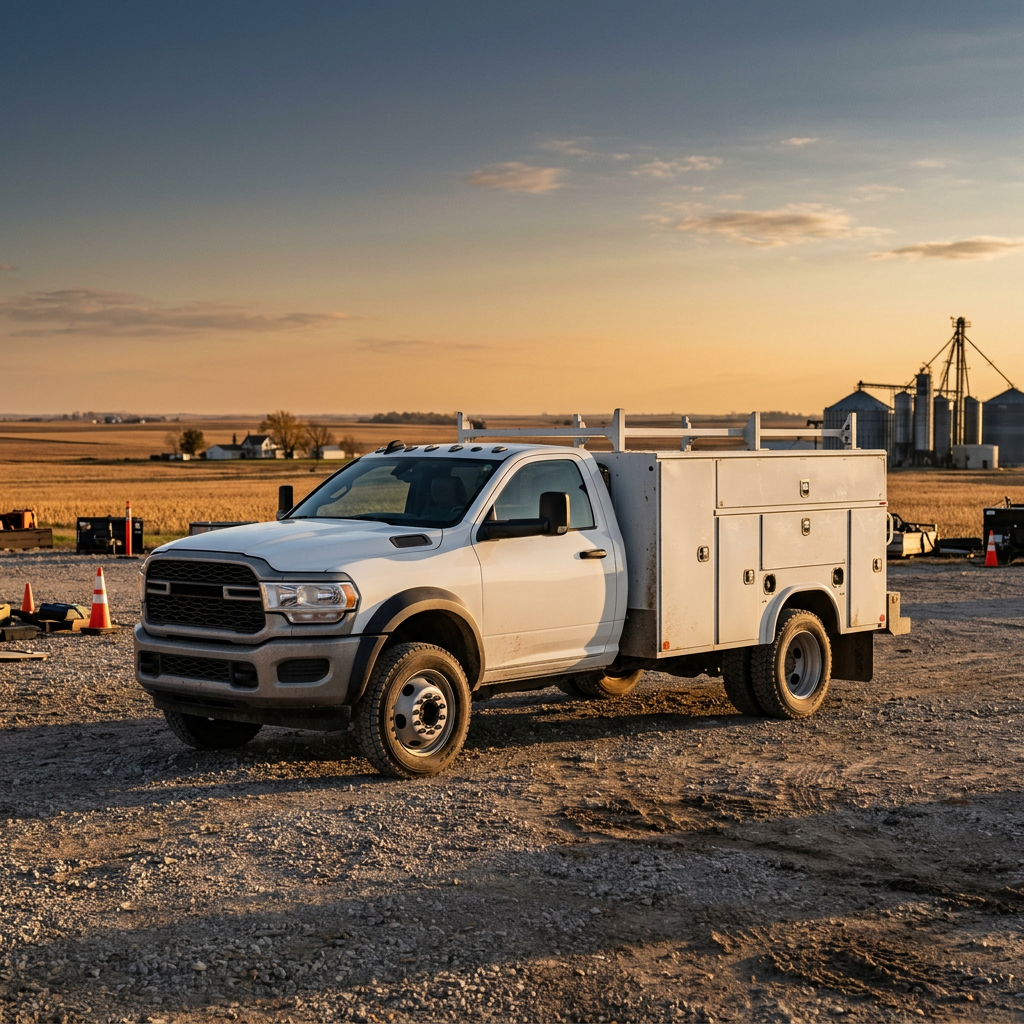
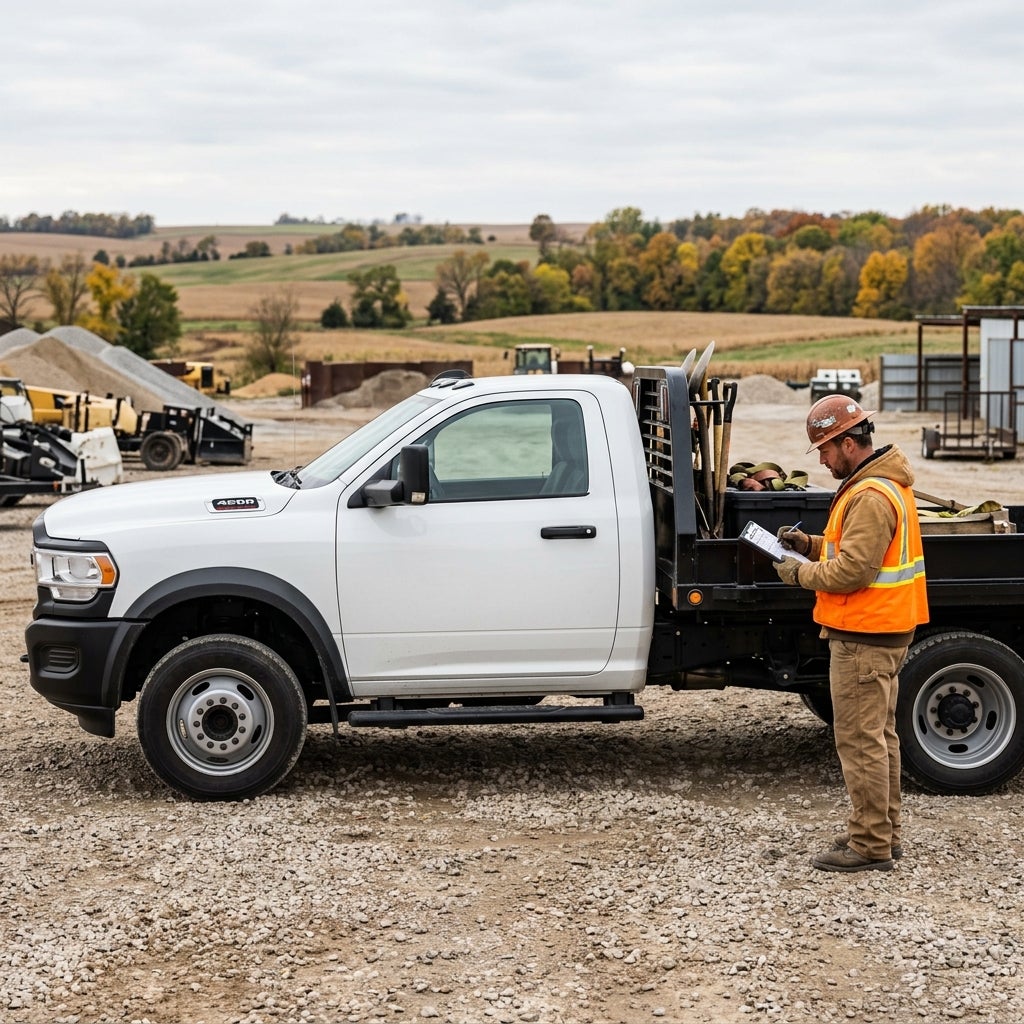
Understanding Ram 4500 Chassis Cab Capability and Payload Math How Should You Interpret the Ram 4500 Payload Rating for Work-Body Upfits? Interpreting the Ram 4500 payload rating requires subtracting the dry weight of your custom body, tools, fluid, and crew from the published vehicle payload maximum, which ranges between 6,110 lb and 12,070 lb depending on configuration. Because Ram calculates factory payload using an unequipped base chassis cab with a 150-lb driver, every pound of added body structure directly reduces usable payload and net towing capacity under the Gross Combined Weight Rating limit. In Junction City, agricultural contractors and utility crews frequently upfit chassis cabs with heavy service bodies or dump beds. When you install a custom utility body weighing 2,500 lb onto a chassis with a 9,390 lb factory payload rating, your actual remaining capacity for tools and materials drops to 6,890 lb. Furthermore, that 2,500-lb body counts against your vehicle's overall weight allowance under its 37,500 lb Gross Combined Weight Rating. If your upfit chassis weighs 10,500 lb fully loaded before hitching a trailer, your maximum allowable trailer weight drops from the theoretical factory maximum of 29,400 lb down to 27,000 lb to remain strictly compliant with vehicle ratings. Calculating your true net capability before ordering an upfit ensures your vehicle stays legal, safe, and efficient on the job site. Our commercial vehicle specialists at Valor CDJR analyze your planned equipment weights, payload requirements, and trailer tongue loads to specify the exact cab length, rear axle ratio, and Gross Vehicle Weight Rating package for your operational demands. You can visit our team at 1825 Goldenbelt Blvd, Junction City, KS 66441 or give our showroom a quick call to review complete body builder weight charts before finalizing your chassis order. Table of Contents What Are the Max Payload and GVWR Ratings for the Ram 4500 Chassis Cab? Which Engine and Transmission Combinations Drive the Ram 4500 Commercial Lineup? Why Is 50,000 PSI Steel Frame Construction Vital for Heavy-Duty Customization? How Does the Ram 4500 Chassis Cab Compare to the Ford F-450 Chassis Cab? How Do Gooseneck and Conventional Towing Setup Choices Impact Heavy Hauling Performance? What Are the Max Payload and GVWR Ratings for the Ram 4500 Chassis Cab? Gross Vehicle Weight Ratings for the Ram 4500 Chassis Cab vary from 15,000 lb to 16,500 lb, depending on configuration, directly influencing its payload capacity. The Gross Vehicle Weight Rating establishes the absolute maximum weight the vehicle can support on its own axles, including the chassis, cab, upfit body, passengers, fuel, tools, and trailer tongue weight. Choosing a Regular Cab model with a 60-inch cab-to-axle distance maximizes structural payload capacity because the shorter frame cab weighs less than a four-door Crew Cab configuration. The dual-rear-wheel setup standard on all Ram 4500 models distributes heavy rear axle loads across four tires, supporting Gross Axle Weight Ratings capable of handling extreme rear-heavy body installations like bucket cranes and heavy-duty dump bodies. When assessing total hauling capability, commercial operators must account for how payload distribution affects axle limits. Loading a heavy tool rack behind the rear axle exerts a lever effect that adds disproportionate weight to the rear axle while lifting weight off the front steering axle. Buyers looking at pre-owned commercial inventory or configuring a new chassis can work with our sales team to run axle-load calculations, ensuring that installed bodies keep both front and rear axle weights well within manufacturer specifications. Which Engine and Transmission Combinations Drive the Ram 4500 Commercial Lineup? The Ram 4500 offers two distinct powertrains: a standard 6.4L Heavy-Duty HEMI V8 gas engine paired with an 8-speed automatic, and an available commercial-tuned 6.7L Cummins Turbo Diesel I6 delivering 360 hp and 800 lb-ft of torque through an Aisin 6-speed heavy-duty automatic transmission. When commercial fleet managers examine a chassis cab on our lot, they usually ask whether the gas engine or diesel powertrain makes more financial sense for their daily job-site duties. The 6.4L Heavy-Duty HEMI V8 provides lower initial acquisition costs and lower curb weight, which grants a higher net chassis payload for medium-duty vocational bodies that stay within local work zones. For heavy cross-state trailering and demanding commercial tasks, the 6.7L Cummins Turbo Diesel I6 supplies massive low-end torque required to move severe loads efficiently from a complete stop. The commercial powertrain options are engineered specifically for demanding duty cycles: 6.4L Heavy-Duty HEMI V8: Offers up to 21,240 lb maximum towing capacity on 4x2 Regular Cab chassis with a Gross Combined Weight Rating of 28,500 lb. 6.7L Cummins Turbo Diesel I6: Delivers up to 29,400 lb towing capacity on standard chassis setups and up to 35,220 lb maximum towing when equipped with high-numerical rear axle gearing, backed by a 37,500 lb Gross Combined Weight Rating. Aisin 6-Speed Heavy-Duty Automatic: Features commercial power take-off capability with left- or right-side mounting options to run hydraulic pumps and auxiliary equipment directly from the transmission. Smart Diesel Exhaust Brake: Works in tandem with the Cummins turbocharger to supply variable braking pressure, extending brake pad life during steep downhill descents with heavy trailers. Exploring our new truck lineup gives commercial buyers the opportunity to compare gas and diesel chassis cab options side-by-side. Business owners can also browse our new commercial inventory to inspect chassis models equipped with left- and right-side power take-off provisions. To maintain peak performance across demanding commercial schedules, fleet operators can easily schedule a service appointment with our certified commercial technician team. Why Is 50,000 PSI Steel Frame Construction Vital for Heavy-Duty Customization? Ram constructs the 4500 Chassis Cab rear frame using high-strength 50,000 psi steel frame rails featuring a flat-top structural design that allows upfitters to mount service bodies, stake beds, and crane platforms without grinding rivets or welding special adapters. Across the rolling Flint Hills terrain surrounding Manhattan, frame rigidity prevents chassis twist when hauling heavy agricultural equipment over uneven grade. Conventional pickup frames often feature domed or curved frame rails with protruding rivet heads that force body builders to fabricate custom mounting brackets or spacers, adding installation time and labor expense. The Ram 4500 rear frame uses flat, clean frame rails with through-frame plumbing and wiring harnesses routed inside the frame channels, protecting electrical lines from abrasion and road debris while streamlining body installations. Structural frame features designed for commercial upfitting include: 50,000 PSI Rear Frame Steel: Resists structural flex under maximum payload conditions, preserving door alignments on enclosed service bodies and utility vans. Flat Frame Rail Tops: Provides a flush mounting surface extending behind the cab, reducing upfit installation complexity for body builders. Pre-Drilled Mounting Holes: Eliminates the need to drill into heat-treated frame steel, preserving structural frame strength and factory anti-corrosion warranties. Cab-to-Axle Length Variety: Available in 60-inch, 84-inch, 108-inch, and 120-inch cab-to-axle dimensions to accommodate work bodies ranging from 8-foot utility boxes to 16-foot flatbeds. Upgrading your commercial fleet with a dedicated chassis cab ensures your work trucks deliver maximum structural rigidity and upfit flexibility. If you are preparing to trade in older fleet trucks toward a new commercial build, you can evaluate your trade-in online to estimate your existing vehicle equity before selecting your chassis configuration. How Does the Ram 4500 Chassis Cab Compare to the Ford F-450 Chassis Cab? When properly configured with the 6.7L Cummins Turbo Diesel I6 and a 4.89 axle ratio, the Ram 4500 Chassis Cab achieves a maximum towing capacity of 35,220 lb and up to 12,070 lb payload, surpassing the Ford F-450 Chassis Cab maximum trailer rating of 34,500 lb. Comparing commercial chassis cabs requires looking beyond basic engine output figures to evaluate frame architecture, axle gearing choices, and Gross Combined Weight Ratings. While both Class 4 trucks serve similar commercial roles, the Ram 4500 offers specialized rear axle gear choices, including a high-numerical 4.89 axle ratio, 4.44 axle ratio, and 4.10 axle ratio. The availability of the 4.89 axle ratio gives the Ram 4500 superior low-speed pulling torque when launching heavy equipment trailers from soft dirt construction sites or agricultural fields. Capability Metric Ram 4500 Chassis Cab Ford F-450 Chassis Cab Max Towing Capacity 35,220 lb 34,500 lb Max Payload Rating 12,070 lb 9,850 lb Max Gross Combined Weight Rating 37,500 lb 37,000 lb Rear Frame Steel Strength 50,000 psi 50,000 psi Available Commercial Axle Ratios 4.10, 4.44, 4.89 4.10, 4.30 The Ram 4500 heavy-duty Aisin 6-speed heavy-duty automatic transmission features dual power take-off capability, allowing operators to power hydraulic tools on either side of the truck body. Business owners planning commercial fleet expansions can get pre-approved for financing online to secure competitive commercial lending terms tailored to their equipment purchase timelines. How Do Gooseneck and Conventional Towing Setup Choices Impact Heavy Hauling Performance? Utilizing a gooseneck or fifth-wheel hitch configuration unlocks the Ram 4500 maximum towing capability of over 35,000 lb, whereas conventional receiver hitches mounted to the rear bumper upfit are physically capped at roughly 20,000 lb. Placing the hitch attachment point directly over or slightly ahead of the rear axle centerline transfers tongue weight straight down into the dual-rear-wheel chassis structure. This layout eliminates the leverage effect of a rear-bumper hitch, maintaining proper front-wheel steering contact and chassis balance during heavy hauling. When towing heavy equipment trailers with gooseneck connections, the Ram 4500 distributes vertical tongue load across its rear leaf spring suspension and high-strength frame, allowing the vehicle to handle higher Gross Combined Weight Ratings safely. Key trailering technologies available on the Ram 4500 include: Trailer Brake Control: Integrated trailer brake module providing manual control and automatic gain adjustments tailored to heavy commercial trailers. Trailer Tire Pressure Monitoring: Displays live tire pressure data for up to 12 trailer tires directly on the instrument cluster display. Relocatable Cargo-View Camera: Mounts to custom service bodies to provide clear sightlines into gooseneck hitch wells and behind large upfits. 270-Degree Surround Camera System: Delivers enhanced visibility around wide commercial bodies with specialized trailer reverse guidance lines. Choosing the proper hitch hardware and auxiliary towing accessories ensures your commercial truck handles maximum payloads safely and efficiently. You can stop by our dealership located at 1825 Goldenbelt Blvd, Junction City, KS 66441 or contact our sales experts by calling (785) 238-5114 to discuss custom commercial truck setups. You can also review heavy-duty towing hitches, trailer wiring kits, and factory upfit accessories through our parts and accessories catalog to equip your Ram 4500 Chassis Cab for any commercial job. © 2026 Valor CDJR. All rights reserved.

Do Contractors Need a CDL to Operate a RAM 4500 in Kansas? Direct Answer & Guidelines

Do Contractors Need a CDL to Operate a RAM 4500 in Kansas? Direct Answer & Guidelines

Do Contractors Need a CDL to Operate a Ram 4500 in Kansas? Direct Answer & Guidelines If you operate a construction, electrical, plumbing, or landscaping business in Kansas, one of the single biggest fleet strategy decisions you will make centers on commercial licensing. The short, definitive answer from General Manager Jace Grabouski at Valor CDJR is simple: No, driving a standalone Ram 4500 Chassis Cab in Kansas does NOT require a Commercial Driver's License (CDL) for non-hazardous commercial operation. The Ram 4500 Chassis Cab is manufactured as a Class 4 medium-duty commercial vehicle with a Gross Vehicle Weight Rating (GVWR) ranging between 14,000 lbs and 16,500 lbs. Because Federal Motor Carrier Safety Administration (FMCSA) and Kansas Department of Transportation (KDOT) regulations set the single-vehicle CDL mandate threshold at 26,001 lbs GVWR, the truck itself sits comfortably below the legal cutoff. This allows Kansas contractors to legally put standard Class C licensed crew members behind the wheel of a heavy-duty workhorse without the steep overhead of CDL driver wages, specialized recruitment, or complex CDL compliance tracking. However, there is a critical caveat that every contractor in Junction City, Manhattan, and across Geary and Riley counties must understand: towing math matters. The moment you hook a heavy equipment trailer, tandem axle dump trailer, or skid-steer haul-deck behind your Ram 4500, you enter the territory of Gross Combined Weight Rating (GCWR). If the combined GVWR of the Ram 4500 plus the manufacturer's GVWR tag on the trailer exceeds 26,001 lbs—AND the trailer itself has a GVWR over 10,000 lbs—a Class A CDL is legally required for that driver. Navigating this threshold correctly lets you maximize job site hauling power while keeping your legal compliance rock solid. Browse Commercial Ram Inventory Meet Jace Grabouski: 20 Years of Commercial Fleet Insight at Valor CDJR For over two decades, General Manager Jace Grabouski has served as a trusted partner to general contractors, utility crews, agricultural operators, and fleet managers throughout Central Kansas. Based right here in Junction City at Valor CDJR, Jace has spent his career dissecting commercial vehicle specs, analyzing state DOT compliance rules, and matching working crews with exact truck configurations. 'I've seen too many contractors waste money buying trucks that force them into unnecessary CDL hiring challenges, or conversely, overloading Class 3 pickups until their suspension and axle components fail prematurely,' says Jace. 'Our goal at Valor CDJR is to give you clear guidance. We ensure your chassis cab specification maximizes payload and utility without crossing legal weight thresholds unintentionally.' Whether you are pulling heavy loads up the rolling grades of the Flint Hills or navigating tight job sites in Manhattan, Jace and his team bring decades of field experience to every commercial consultation. Have questions right now? Call us at (785) 238-5114 or stop by our dealership located at 1825 Goldenbelt Blvd. You can also Get Directions to Valor CDJR for an in-person commercial fleet consultation. Kansas Commercial Driver Regulations: Understanding GVWR, GCWR, and CDL Thresholds To maintain full legal compliance under Kansas Highway Patrol commercial vehicle enforcement guidelines, contractors must understand how state and federal laws define a Commercial Motor Vehicle (CMV). The regulations evaluate two distinct weight figures: Gross Vehicle Weight Rating (GVWR) and Gross Combined Weight Rating (GCWR). 1. Standalone Vehicle GVWR: Federal regulations specify that any single vehicle with a GVWR of 26,001 lbs or more requires a CDL to operate. A standard Ram 4500 Chassis Cab is factory rated between 14,000 lbs and 16,500 lbs GVWR. Because this is well below 26,001 lbs, any driver with a standard Class C non-commercial driver's license can operate the truck itself for general commercial business. 2. Combination Vehicle GCWR (The Trailer Tipping Point): This is where Kansas contractors often encounter compliance traps. Under FMCSA regulations, a Class A CDL is required if the combined vehicle weight rating (Truck GVWR + Trailer GVWR) totals 26,001 lbs or more AND the trailer's GVWR alone exceeds 10,000 lbs. Example Calculation: If your Ram 4500 has a GVWR of 16,500 lbs and you attach a dual-axle equipment trailer with a GVWR of 10,000 lbs, your GCWR is 26,500 lbs. Because the combined rating exceeds 26,000 lbs, that setup requires a CDL driver. However, if you pair that same Ram 4500 with a trailer rated at 9,500 lbs GVWR, your total GCWR is 26,000 lbs—keeping your non-CDL crew members generally compliant on Kansas roads! What Is the Key Difference Between a Ram 3500 HD Pickup and a Ram 4500 Chassis Cab? While a Ram 3500 Heavy Duty pickup is a potent Class 3 work vehicle (GVWR up to 14,000 lbs), stepping up to a Ram 4500 Chassis Cab (Class 4, GVWR up to 16,500 lbs) unlocks serious commercial-grade structural enhancements designed specifically for severe-duty vocational work. Understanding these technical distinctions is crucial when sizing your company's fleet assets. Feature Specification Ram 3500 HD Pickup (Class 3) Ram 4500 Chassis Cab (Class 4) Commercial GVWR Range 10,000 lbs – 14,000 lbs 14,000 lbs – 16,500 lbs Rear Frame Structure Hydroformed fully boxed frame rails Flat 50,000-PSI steel C-channel rails Front Axle Weight Rating (GAWR) Up to 6,000 lbs Up to 7,000 lbs heavy-duty front axle Braking System Diameter 14.1-inch disc rotors 15.4-inch commercial disc rotors Power Take-Off (PTO) Capability Not available on standard pickups Left/Right engine-mounted PTO optional Standard Licensing Boundary Non-CDL standard license Non-CDL for standalone truck operation Flat C-Channel Steel Frame Unlike the curved, boxed frame of a standard pickup truck, the Ram 4500 features flat rear frame rails built from high-strength 50,000 PSI steel with standard 34-inch frame spacing. This flat top design simplifies upfitting for dump bodies, service beds, flatbed hauler platforms, and crane bodies without custom bracket engineering. Commercial Braking Systems Carrying heavy payloads day in and day out requires massive stopping power. The Ram 4500 Chassis Cab is fitted with oversized 15.4-inch front brake rotors paired with twin-piston calipers and an available smart exhaust brake system, ensuring repeatable stopping power down steep grades across the Flint Hills. Upfit Versatility & Axle Options Offered in multiple Cab-to-Axle (CA) dimensions (60", 84", 108", and 120"), the Ram 4500 lets contractors tailor wheelbases directly to body builder specifications. Paired with a 7,000 lb front axle rating, it easily accommodates heavy front-mounted equipment like snowplows or front cranes. Explore Commercial Ram Chassis Cab Inventory at Valor CDJR in Junction City Looking to expand your commercial fleet with high-capability work trucks? At Valor CDJR, we maintain an extensive selection of heavy-duty commercial chassis cabs ready for your custom job site upfit. Our dedicated commercial sales specialists assist you with evaluating axle ratios, gross weight math, engine options, and upfit builder lead times. Explore our current inventory online or contact our sales team to discuss custom ordering your 2027 Ram 4500 Chassis Cab at your convenience. View Commercial Truck Inventory Jace Grabouski on Fleet Operations: 'Maximizing Capability Without CDL Overhead' "Finding qualified commercial drivers is one of the single largest bottlenecks facing Kansas contractors at your convenience. CDL-holding drivers command significantly higher hourly wages, require specialized commercial insurance coverage, and are in constant high demand. When you configure a fleet of Ram 4500 Chassis Cabs correctly, you give your company Class 4 payload capacity—up to 9,690 lbs—while keeping your entire labor pool eligible to drive your vehicles. That operational flexibility directly protects your profit margins and eliminates labor scheduling headaches." — Jace Grabouski, General Manager at Valor CDJR What Payload and Towing Capacity Can a 2027 Ram 4500 Provide for Construction Work? The 2027 Ram 4500 Chassis Cab is engineered to deliver heavy-duty commercial performance across demanding jobsites. Powered by the proven 6.7L Cummins® Turbo Diesel I6 engine mated to a heavy-duty AISIN 6-speed automatic transmission, the Ram 4500 generates immense low-end torque essential for moving heavy machinery. Massive Payload Ratings: Depending on cab configuration (Regular Cab or Crew Cab) and wheelbase selection, the Ram 4500 offers a maximum payload capacity of up to 9,690 lbs. This payload rating allows contractors to mount heavy steel dump beds loaded with aggregate, high-reach bucket boom assemblies, or fully equipped utility bodies without exceeding rear axle ratings. Maximum Towing Performance: When properly equipped with a gooseneck hitch upfit, the Ram 4500 boasts a maximum towing capacity reaching up to 28,500 lbs. Whether pulling MINI-excavators, heavy skid steers, or multi-ton equipment trailers around Manhattan and Junction City, the Ram 4500 delivers confident control. What Integrated Power Take-Off (PTO) Capabilities Does the Ram 4500 Feature? For contractors who rely on hydraulic equipment, the Ram 4500 offers industry-leading integrated Power Take-Off (PTO) options directly integrated with the commercial AISIN heavy-duty automatic transmission. Dual Side PTO Access The AISIN 6-speed commercial transmission features dual-sided PTO mounting options (left or right side). This dual access enables body builders to position hydraulic pumps, generators, or mechanical drives in optimal locations, simplifying body installations and reducing custom fabrication expense. Stationary & Mobile Modes The Ram 4500 PTO system supports both stationary and mobile modes. In stationary mode, crew members can power hydraulic dump beds, concrete mixers, or elevated bucket booms while parked. In mobile mode, operators can power salt spreaders or street sweepers while maintaining vehicle motion. Hardwired VSIM Integration With Ram's Vehicle System Interface Module (VSIM), aftermarket upfit equipment integrates seamlessly into the truck's electronics. The VSIM module features over 70 circuits for auxiliary switches, lighting controls, engine speed controls, and safety interlocks, making body upfits clean and factory-reliable. Are There Commercial Section 179 Tax Deductions Available for the Ram 4500? Yes! Because the Ram 4500 Chassis Cab has a Gross Vehicle Weight Rating (GVWR) exceeding 6,000 lbs, it qualifies under federal Internal Revenue Code Section 179 tax deductions. This tax incentive allows eligible commercial businesses to deduct up to 100% of the purchase price of qualified work vehicles placed into service during the tax year. Rather than depreciating the truck's purchase value slowly over several years, Section 179 lets Kansas business owners write off eligible vehicle costs immediately. Combined with available bonus depreciation rules, purchasing a Ram 4500 Chassis Cab before year-end can significantly reduce your tax burden while equipping your crew with modern equipment. Consult your CPA or tax professional to determine exact tax savings for your company. Want to start the purchase process? Contact our team to discuss current commercial financing options. You can apply online through our secure finance application. Contact Us About Commercial Financing Ram 4500 Capability for Kansas Contractors Across the Flint Hills Region Rolling Flint Hills Terrain Operating heavy commercial trucks through the rolling topography of the Flint Hills demands proven powertrain torque and robust thermal cooling. The Ram 4500's Cummins Turbo Diesel engine maintains peak output even under heavy load climbing steep grades along I-70 or US-77. Agricultural & Heavy Workloads From agricultural fence building and heavy equipment transfer to rural utility repair, Kansas job sites present mud, gravel, and unpaved access roads. The Ram 4500's available 4x4 drivetrain and heavy-duty transfer case ensure your crew reaches remote job sites regardless of seasonal conditions. Municipal & Construction Fleets For municipal crews in Junction City and contractors in Manhattan, standardized truck fleets simplify maintenance. With Valor CDJR's commercial service department, keeping your Ram 4500 fleet operational with minimal downtime is fast and straightforward. Kansas Commercial Truck Compliance Checklist: DOT Medical Cards, Markings, and Trailer Math Even if your Ram 4500 drivers do not need a Commercial Driver's License, operating a vehicle with a GVWR over 10,001 lbs in commercial business still subjects your operations to specific Kansas Highway Patrol and USDOT safety rules. Stay fully compliant by verifying these mandatory requirements: • USDOT Numbering: Commercial vehicles operating over 10,001 lbs GVWR across state lines (or intrastate depending on state registration) require company name and USDOT numbers clearly displayed on both sides of the vehicle. • Medical Examiner Certificate (DOT Medical Card): Drivers operating commercial motor vehicles with a GVWR over 10,000 lbs in interstate commerce must maintain a valid DOT medical examiner certificate. • Annual DOT Safety Inspections: Ensure your Ram 4500 and trailers undergo mandatory annual safety inspections and carry active inspection documentation. • Trailer GVWR Addition: Train your dispatchers never to pair a 16,500 lb GVWR Ram 4500 with a trailer rated above 9,500 lbs GVWR if the driver does not possess a Class A CDL. Build Your Commercial Fleet with Jace Grabouski & Valor CDJR in Junction City Ready to equip your business with heavy-duty capability without the headaches of CDL driver restrictions? Work directly with Jace Grabouski and the experienced fleet department at Valor CDJR. We provide complete commercial sales, professional upfit coordination, dedicated commercial vehicle servicing, and market-based trade-in evaluations for your existing fleet vehicles. Evaluating trade values for your current work trucks? Visit our Trade In Evaluation tool to receive a prompt estimate. Need routine maintenance or chassis warranty work? Use our convenient online Service Scheduler to keep your fleet running smoothly. Visit Valor CDJR at your convenience at 1825 Goldenbelt Blvd, Junction City, KS 66441 or call our commercial line directly at (785) 238-5114. Evaluate Your Trade-In

What Cab Configurations and Frame Lengths Are Offered on the RAM 4500?

What Cab Configurations and Frame Lengths Are Offered on the RAM 4500?

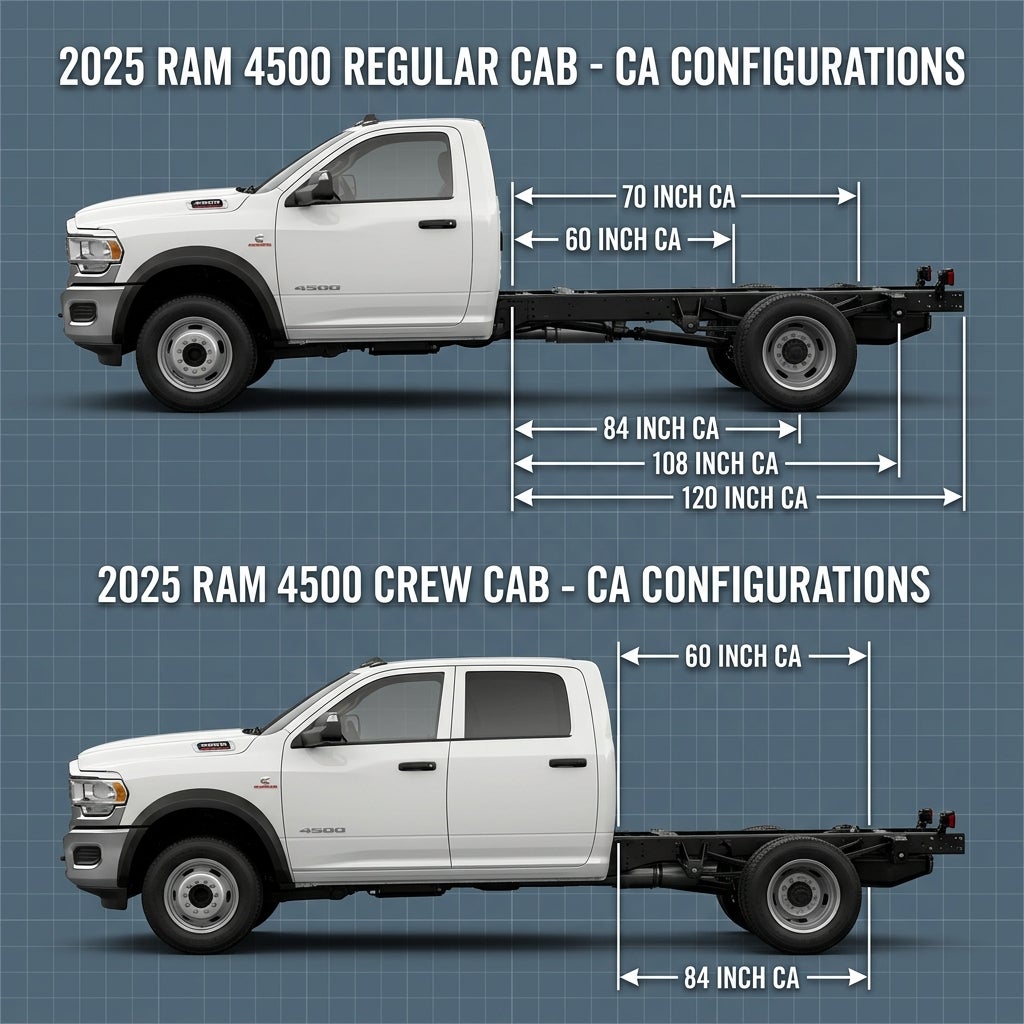
What Cab Configurations and Frame Lengths Are Offered on the Ram 4500? When configuring a commercial workhorse like the 2025 Ram 4500 Chassis Cab, matching your cab selection and frame dimensions precisely to your operational needs is the single most critical decision you will make. The Ram 4500 is engineered from the ground up to accommodate a vast range of commercial applications across Kansas, from heavy-duty ag operations in Geary County to municipal utility crews in Manhattan and construction sites in Junction City. Understanding how cab style and Cab-to-Axle (CA) measurements interact with body length, payload distribution, and overall turning geometry is essential before committing capital to a commercial fleet addition. The Ram 4500 Chassis Cab is manufactured in two primary cab configurations: the Regular Cab (2-door, 3-passenger capacity) and the Crew Cab (4-door, 5-to-6 passenger capacity). The Regular Cab layout maximizes available frame space behind the rear window, offering four distinct Cab-to-Axle (CA) frame lengths: 60 inches (144.5-inch wheelbase), 84 inches (168.5-inch wheelbase), 108 inches (192.5-inch wheelbase), and 120 inches (204.5-inch wheelbase). In contrast, the spacious Crew Cab configuration is paired with two primary frame lengths: 60 inches CA (173.5-inch wheelbase) and 84 inches CA (197.5-inch wheelbase). Every frame length features standardized 34-inch wide, steel rear frame rails with flat top surfaces and through-the-frame rivet construction, allowing upfitters to mount bodies without needing complex adapter brackets or structural modifications. Ram 4500 Configuration & Upfit Compatibility Summary Matrix Cab Type Cab-to-Axle (CA) Wheelbase Recommended Body Length Primary Upfit Applications Regular Cab 60 inches 144.5 inches 9 ft – 10 ft Short Service Body, MINI-Dump, Tight-Space Utility Regular Cab 84 inches 168.5 inches 11 ft – 12 ft Medium Service Body, Contractor Flatbed, Farm Hauler Regular Cab 108 inches 192.5 inches 14 ft Long Flatbed, Grain Body, Heavy Haul Stake Bed Regular Cab 120 inches 204.5 inches 16 ft – 18 ft Extended Flatbed, Rollback Tow Bed, Large Dry Freight Crew Cab 60 inches 173.5 inches 9 ft – 10 ft Crew Service Body, Utility Maintenance, Mobile Workshop Crew Cab 84 inches 197.5 inches 11 ft – 12 ft Crew Flatbed, Agricultural Transport, Municipal Crew Dump Choosing the correct CA dimension dictates not only what size body you can physically bolt to the frame rails, but also how front-to-rear axle weight distribution behaves under full load. Selecting too short of a CA for a long flatbed causes excessive overhang behind the rear axle, taking weight off the front tires, degrading steering feel, and accelerating tire wear. Conversely, selecting an unnecessarily long frame increases your curb weight, expands your turning circle, and reduces payload headroom. Exploring our Commercial Vehicle Inventory is a great first step toward evaluating chassis units currently available on our lot in Junction City. Meet Mike Hogg: 20 Years of Commercial Truck Service Insights in Geary and Riley Counties Hello, I am Mike Hogg, Service Director here at Valor CDJR. Over my two decades managing heavy-duty commercial service operations in Junction City, I have worked hand-in-hand with hundreds of Kansas general contractors, cattle ranchers, grain farmers, and municipal utility managers across Geary, Riley, and Dickinson counties. I have seen firsthand what happens when a medium-duty chassis truck is properly specced from day one—and the costly head-aches that occur when a fleet operator buys the wrong frame length or cab setup for their operational reality. My philosophy on medium-duty chassis specification is straightforward: 'Build the truck for the payload and jobsite access requirements of year five, not just day one.' Kansas working environments demand exceptional frame rigidity, predictable handling under heavy tongue-weight trailers, and rugged PTO integration. Whether you are navigating rutted field roads along the Smoky Hill River or maneuvering into tight commercial jobsites in downtown Manhattan, getting your cab configuration and frame specs right guarantees maximum uptime and long-term resale value. If you ever have technical questions about PTO pump clearance, auxiliary harness routing, or rear axle load calculations, reach out directly to our specialized service department. You can Call us at (785) 238-5114 or stop by our dealership located at 1825 Goldenbelt Blvd. Get Directions to Valor CDJR to speak with our heavy-duty technicians in person. Matching Ram 4500 Cab-to-Axle Dimensions to Flatbed, Dump Body, and Service Upfits Understanding the functional connection between Cab-to-Axle (CA) length and body design is fundamental. CA is defined as the distance in inches from the back of the vehicle cab to the centerline of the rear axle. Upfit manufacturers design standard body lengths—such as 9-foot, 11-foot, 14-foot, and 16-foot bodies—specifically to align with standardized industry CA dimensions. Here is how each Ram 4500 frame offering performs in real-world Kansas trades: 1. The 60-Inch CA (Regular Cab & Crew Cab): Ideal for 9-foot to 10-foot utility service bodies, compact dump bodies, and short flatbeds. The 60-inch CA Regular Cab features a tight 144.5-inch wheelbase, making it highly maneuverable in residential neighborhoods, municipal alleyways, and congested construction zones. In Crew Cab form, the 60-inch CA accommodates a 4-man work crew while retaining a compact overall footprint for towing utility trailers. 2. The 84-Inch CA (Regular Cab & Crew Cab): The true multi-purpose workhorse of the Midwest. An 84-inch CA perfectly accepts 11-foot to 12-foot contractor flatbeds, crane service bodies, and heavy agricultural drop-side beds. It provides exceptional balance, leaving ample room behind the cab for hydraulic oil tanks, fuel transfer tanks, or behind-cab toolboxes without crowding the rear axle load centerline. 3. The 108-Inch CA (Regular Cab Only): Engineered for 14-foot body installations, this setup is widely favored by fencing contractors, farm suppliers, and bulk material distributors. The extra length allows for high-cube utility bodies or high-capacity flatbeds designed to transport palleted seed, fencing materials, or livestock feed around rural Kansas. 4. The 120-Inch CA (Regular Cab Only): The longest factory chassis cab offered in the Ram 4500 lineup, featuring a 204.5-inch wheelbase. Designed specifically for 16-foot to 18-foot flatbeds, car hauler rollback beds, and dry freight box bodies. It delivers maximum platform square footage for commercial haulers while maintaining strict factory GVWR ratings. Upfitter Note from Mike Hogg: 'When selecting an upfit, never forget to calculate rear frame overhang. A common mistake is mounting a 12-foot bed on a 60-inch CA frame. That creates over 5 feet of tail swing behind the axle. Every pound placed at the rear gate acts like a lever, lifting weight off your steering axle and compromising control during rain or snow on Highway 77.' Planning to upgrade an existing fleet vehicle? Evaluate your current truck's value today with our online Trade In Evaluation tool. Explore Available Ram 4500 Chassis Cab Specs and Work Trucks at Valor CDJR Ready to inspect raw chassis cabs or pre-built commercial work trucks on our lot in Junction City? Our dedicated commercial team will walk you through frame dimensions, axle weight ratings, and upfitter options tailored specifically to your trade requirements. Browse Commercial Vehicle Inventory How Much Extra Does the 6.7L Cummins Diesel Engine Option Cost on a Ram 4500? Selecting the powertrain for your Ram 4500 represents one of the largest single financial line items during spec configuration. The Ram 4500 comes standard with the heavy-duty 6.4L HEMI® V8 Heavy-Duty Gasoline Engine paired with an AISIN 6-speed automatic transmission. Opting for the available commercial-grade 6.7L Cummins® Turbo Diesel I6 Engine for current pricing, contact the dealership (depending on production trim and optional equipment packages). While $10,000 represents a significant initial capital investment, evaluating this decision through a total-cost-of-ownership (TCO) lens reveals why many Kansas commercial buyers elect the Cummins diesel powertrain: Torque Under Heavy Towing: The 6.7L Cummins Diesel delivers up to 800 lb-ft of torque at low RPM (1,600 RPM), enabling effortless pull when launching heavy equipment trailers from muddy field gates or steep grades. The 6.4L HEMI V8 produces 429 lb-ft of torque at 4,000 RPM, requiring higher engine speeds to maintain momentum under load. Fuel Efficiency Under Continuous Payload: When operating continuously near maximum Gross Combined Weight Ratings (GCWR), diesel combustion efficiency yields significantly lower fuel consumption per operating hour, offsetting up to 40% of the initial option cost over a 150,000-mile commercial service lifespan. Commercial Engine Brakes & PTO: The Cummins diesel includes a fully integrated exhaust brake with manual and auto modes, reducing friction brake wear during steep hill descents. Furthermore, the left-side or right-side Power Take-Off (PTO) capability provides robust mechanical power for hydraulic pumps. Resale Value Retention: In the commercial resale market throughout Kansas and Nebraska, diesel chassis cabs command a premium over gasoline chassis units, often recovering $5,000 to $7,000 of the original option cost at trade-in time. Looking to structure engine upgrades and upfit costs into manageable monthly operating payments? Apply for commercial financing online with our Get Pre-Approved form. What Tire and Wheel Setup Does the Ram 4500 Use Compared to the Ram 3500? A frequent point of confusion among fleet managers step-up from Class 3 (Ram 3500) to Class 4 (Ram 4500) trucks is the running gear. While the Ram 3500 Dual Rear Wheel (DRW) utilizes consumer light-truck running gear, the Ram 4500 transitions entirely into medium-duty commercial hardware built for extreme duty cycles. 19.5-Inch Wheel Hardware The Ram 4500 features heavy commercial 19.5 x 6.0-inch steel or forged aluminum wheels, compared to the 17-inch wheels standard on Ram 3500 DRW. Standard tire fitment is 225/70R19.5G commercial highway or traction tires, featuring substantially thicker sidewalls and higher load range G ratings. 10-Lug Heavy Duty Hub Pattern While the Ram 3500 uses an 8-lug wheel bolt pattern, the Ram 4500 employs a robust 10-lug on 225mm bolt circle heavy commercial hub pattern. This massive hub assembly distributes wheel clamping forces far more effectively under severe cornering loads and heavy payload distribution. Brake Thermal Management The 19.5-inch wheel diameter creates extra internal clearance required to house massive 15.35-inch front rotors and heavy-duty dual-piston calipers. Larger commercial wheel cavities allow far greater air circulation, preventing heat soak during repeated high-payload downhill braking events. Expert Perspective: Why Frame Rigidity and CA Sizing Drive Real-World Payload Profits 'In commercial truck service, frame flex is the silent killer of bodies and drivelines,' explains Mike Hogg. 'The Ram 4500 uses high-strength 50,000 PSI steel frame rails with full C-channel rear crossmembers. When you mount a heavy dump body or a 14-foot crane service body, that structural rigidity prevents frame twist when operating on uneven ranch terrain or unpaved job sites.' When a frame twists excessively under maximum load, it places torsional stress on the transmission output shaft, driveshaft U-joints, and rear differential bearings. By maintaining a flat 34-inch wide frame rail standard with zero top-rail rivets, Ram allows upfitters to mount bodies directly to high-tensile steel frame webs. This clean mounting design eliminates flex points, protects sensitive hydraulic lines, and keeps your truck out of the repair bay. Need replacement parts or specialized mounting brackets? Contact our dedicated Parts Department for factory-approved body builder hardware. What Is the Maximum Towing Capacity and Payload for the 2025 Ram 4500 Chassis Cab? The 2025 Ram 4500 Chassis Cab is engineered to deliver class-leading weight ratings across both Regular Cab and Crew Cab configurations: Gross Vehicle Weight Rating (GVWR): Up to 16,500 lbs. Maximum Payload Capacity: Up to 12,080 lbs (varies based on cab style, CA length, drivetrain, and upfit body weight). Maximum Towing Capacity: Up to 29,770 lbs when equipped with the 6.7L Cummins Turbo Diesel and factory max-tow package. Gross Combined Weight Rating (GCWR): Up to 37,500 lbs. These ratings make the Ram 4500 an appropriate choice for towing heavy equipment trailers, backhoes, and multi-car haulers across Geary and Riley counties without crossing into Class 6 Commercial Driver License (CDL) requirements in many standard agricultural operations. Ram 4500 Ratings by Drivetrain & Configuration Engine Max GVWR Max Payload Max Towing Max GCWR 6.4L HEMI V8 Gas 16,500 lbs 12,080 lbs 21,500 lbs 28,500 lbs 6.7L Cummins Diesel 16,500 lbs 11,250 lbs 29,770 lbs 37,500 lbs Get Pre-Approved For Commercial Financing How Do Turning Radius Capability Figures Compare Between Ram 4500 and Ford F-450? On crowded jobsites and narrow farm driveways throughout Geary County, maneuverability is just as important as raw horsepower. Ram engineers addressed this challenge by designing a dedicated wide-track front axle setup with link-coil front suspension, permitting up to a 52-degree wheel-cut angle. When compared directly to the Ford F-450 Chassis Cab, the Ram 4500 delivers remarkable tight-space turning diameter performance: Ram 4500 Regular Cab (60-inch CA / 144.5" WB): Turning curb-to-curb diameter of approximately 42.1 feet. Ford F-450 Regular Cab (60-inch CA / 145.3" WB): Turning curb-to-curb diameter of approximately 43.5 feet. Ram 4500 Crew Cab (60-inch CA / 173.5" WB): Turning curb-to-curb diameter of approximately 49.8 feet. That tighter turning radius allows drivers to navigate tight barns, maneuver around grain augers, and parallel park service bodies on downtown streets with significantly fewer multi-point turns. What Should Kansas Farm and Contracting Buyers Verify Before Choosing a Service, Flatbed, or Dump-Body Upfit? To eliminate costly rework or delays when partnering with body builders, run through this pre-purchase verification checklist with our commercial sales specialists: 1. Alternator & Electrical Outlets Verify if your upfit requires dual alternators (up to 440 amps combined output) to charge auxiliary jobsite batteries, power electric-hydraulic hoists, or drive high-draw LED lightbars. 2. Power Take-Off (PTO) Left/Right Routing Confirm whether your hydraulic pump mounts on the left or right side of the AISIN transmission. Ram 4500 provides dual-side PTO access capabilities to clear exhaust piping. 3. VSIM Module Interfacing Ensure your vehicle is specced with the factory Vehicle System Interface Module (VSIM). It provides 70+ electrical circuits for seamless aftermarket body integration. Do Kansas Agricultural Operations Qualify for Sales Tax Exemptions on Commercial Chassis Trucks? Yes! Under Kansas Department of Revenue tax statutes, vehicles, machinery, and equipment purchased for direct and exclusive use in agricultural production can qualify for state sales tax exemptions. In Riley and Geary counties, qualifying farmers and ranchers utilizing a Ram 4500 for farming, livestock movement, or agricultural material transport can save thousands of dollars at purchase when proper documentation is completed. Key requirements to keep in mind: Kansas Agricultural Exemption Certificate (Form ST-28A): Must be completed and kept on file at the dealership during the purchasing transaction. Qualifying Use Cases: Transporting agricultural products, feeding livestock, spraying crops, or hauling machinery between agricultural parcels. Commercial Line of Credit: Combining tax-exempt status with commercial fleet financing or specialized commercial leases maximizes capital efficiency for expanding agricultural businesses. Evaluate Your Trade-In Online Commercial Chassis Cab Overview: Ram 4500 Capability for Kansas Farms and Contractors Operating a commercial truck like the Ram 4500 requires a rigorous, proactive maintenance strategy. Unlike light-duty pickups, chassis cabs spend prolonged periods idling at jobsites to power PTO pumps, hydraulic lifts, and auxiliary tools. Under these severe duty cycles, routine fluid sampling, fuel filter changes, and valve clearances are vital to keeping your business operating without unscheduled downtime. At Valor CDJR, our certified commercial service department is equipped with heavy-duty lifts, specialized Cummins diagnostic equipment, and dedicated commercial bays. Our technicians are trained specifically on AISIN heavy-duty automatic transmissions, dual-alternator charging systems, and complex upfitter wiring interfaces. Key preventative maintenance schedules for Ram 4500 commercial units: Fuel Filter Maintenance: Dual-filter Cummins fuel system changes recommended every 15,000 miles or immediately upon water-in-fuel light warnings. Transmission Fluid Services: AISIN 6-speed fluid and filter drain/fills every 30,000 to 45,000 severe-service miles. Brake Pad & Rotor Inspections: Semi-annual checks on commercial 19.5-inch brake hardware during routine oil services. Routine Maintenance: Utilize our dedicated Express Lane for quick oil and filter services to minimize fleet downtime. Build and Spec Your Ram 4500 Work Truck with Valor CDJR in Junction City Whether you need a single Ram 4500 Regular Cab with an 84-inch CA flatbed for your farm or a fleet of Crew Cab service bodies for your contracting business, the experts at Valor CDJR are ready to help you build, finance, and maintain your commercial inventory. Visit our showroom at 1825 Goldenbelt Blvd in Junction City, or contact Service Director Mike Hogg to discuss custom upfit specs today. Schedule Commercial Service Appointment

How Do Gooseneck Hitch Ratings Differ From Standard Receiver Hitches for Heavy Farm Loads?

How Do Gooseneck Hitch Ratings Differ From Standard Receiver Hitches for Heavy Farm Loads?

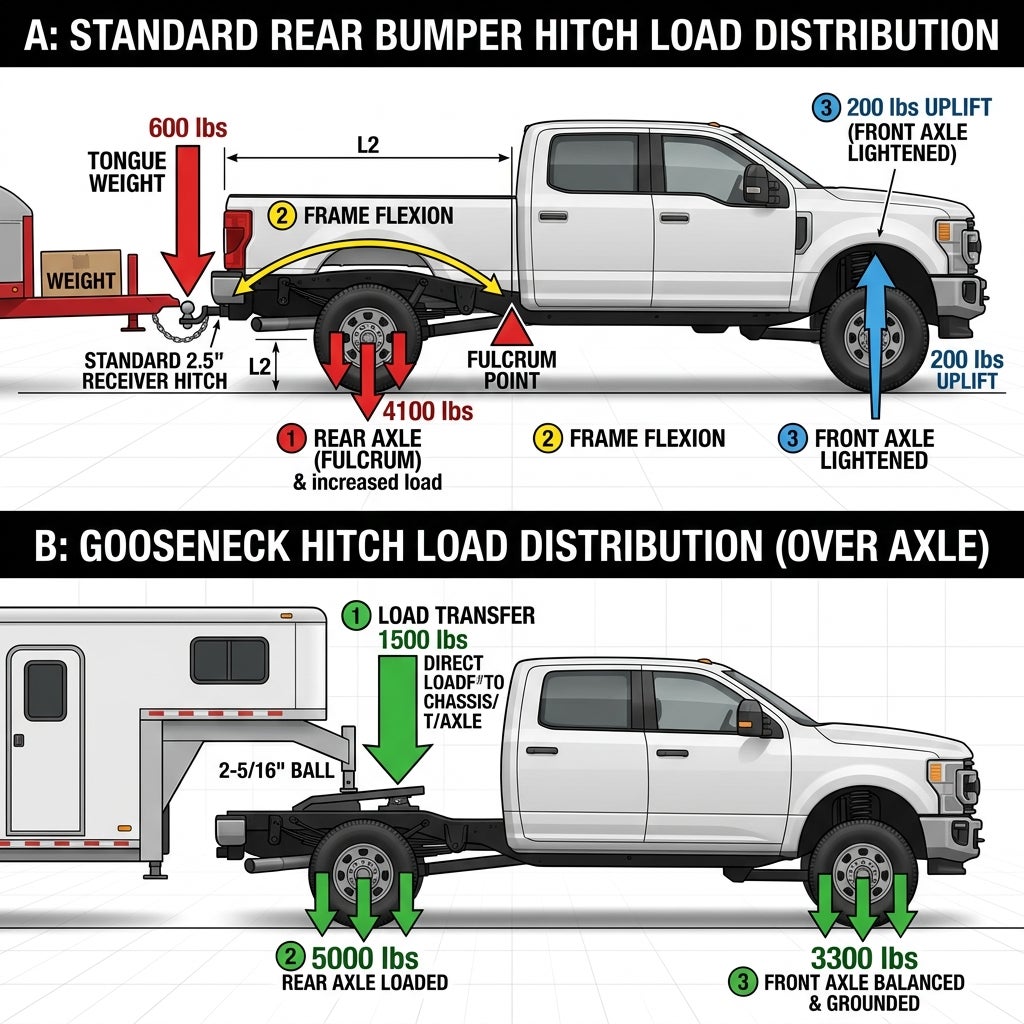
How Do Gooseneck Hitch Ratings Differ From Standard Receiver Hitches for Heavy Farm Loads? When transporting heavy agricultural loads across Kansas pastures and highways, understanding the mechanical and rated differences between gooseneck hitches and traditional rear receiver hitches is essential for safety, vehicle longevity, and legal compliance. Gooseneck hitches mount directly inside the truck bed over or slightly in front of the rear axle, transferring the trailer's tongue weight straight into the vehicle frame and rear suspension chassis. This structural configuration enables massive towing capabilities—routinely between 30,000 to 38,000+ lbs Gross Trailer Weight Rating (GTWR) and vertical tongue weight capacities exceeding 7,500 lbs on heavy-duty pickups like the Ram 3500. In contrast, traditional bumper-mounted receiver hitches (Class 3 through Class 5) extend behind the rear bumper, creating a leverage arm that exerts upward force on the front axle while pushing down on the rear overhang. Class 5 commercial receivers max out at approximately 20,000 lbs GTWR and 2,000 to 2,400 lbs of tongue weight. For Flint Hills producers hauling cattle trailers, heavy seed tenders, round bales, or combines, switching to a gooseneck setup drastically reduces trailer sway, restores front axle steering authority, and unlocks full heavy-duty payload potential. Gooseneck vs. Standard Receiver Hitches: Weight Ratings and Distribution Mechanics The Physics of Receiver Hitches: A rear receiver hitch connects 3 to 4 feet behind the truck's rear axle centerline. When you place 2,000 lbs of tongue weight on that ball, physics turns the rear axle into a fulcrum. This leverages weight away from your front tires, lifting the front end, lifting headlight beams into oncoming traffic, and degrading steering precision and front braking efficacy. Even with weight distribution bars, mechanical transfer remains constrained by bumper frame flex. The Gooseneck Advantage: By anchoring a 2-5/16-inch hitch ball directly to cross-members integrated into the truck frame over the rear axle, vertical forces compress the rear leaf or air suspension directly down into the tires. The front axle retains full pavement contact, preserving emergency braking, steering dynamics, and wheel alignment integrity when navigating muddy farm lanes or unpaved rural roads. For agricultural operators in Clay, Ottawa, and Geary counties, this fundamental physics distinction determines whether a loaded livestock or grain trailer feels balanced and predictable at highway speeds or unstable in crosswinds. Comparing Tongue Weight, Max GTWR, and Axle Load Dynamics on Farm Trucks To visualize how tow ratings scale across hitch classes and mounting configurations, review the key structural metrics below before selecting equipment for your agricultural operations: Hitch Category / System Mounting Location Max GTWR Range Max Tongue Weight Primary Ag Applications Class 3 Receiver Rear Frame / Bumper 5,000 – 8,000 lbs 500 – 800 lbs Utility trailers, small ag sprayers Class 4 Receiver Rear Frame Rail 10,000 – 12,000 lbs 1,000 – 1,200 lbs Medium equipment, small livestock tandem Class 5 Heavy Duty Receiver Rear Chassis Frame 18,000 – 20,000 lbs 1,800 – 2,400 lbs Large bumper-pull grain trailers, skid steers Gooseneck Hitch System In-Bed Over Rear Axle 30,000 – 38,500+ lbs 7,500 – 9,500 lbs Heavy livestock, multi-bale trailers, combines Class 3 to 5 Limits: Standard receiver hitches excel for general farm maintenance, moving diesel fuel tanks, or pulling light implement trailers. However, once combined trailer and load weights cross 15,000 lbs, vertical leverage causes excessive frame twist and severe rear squat. Gooseneck Authority: Anchoring the hitch directly to the vehicle chassis frame rails permits tongue weight ratios up to 20-25% of total trailer weight without exceeding rear Gross Axle Weight Ratings (GAWR), providing unmatched stability for shiftable livestock or grain loads. Sway Elimination: Because the trailer pivot point aligns with the rear axle centerline, lateral side-winds and shifting live cargo produce minimal torque on the truck chassis, eliminating the dangerous fishtailing common with heavy bumper-pull trailers. What Are the Payload Limit Differences Between Fifth-Wheel and Gooseneck Hitches? While both fifth-wheel and gooseneck hitches mount inside the truck bed over the rear axle, their mechanical designs serve distinct purposes on Kansas farms. Fifth-wheel hitches utilize a large plate mechanism and pin box primary to large recreational vehicles and specialized semi-style haulers. Gooseneck hitches utilize a compact 2-5/16-inch ball coupler that occupies minimal bed footprint. When unhitched or equipped with a flip-ball design, the gooseneck system leaves an entirely flat truck bed for hauling feed sacks, toolboxes, hay bales, or fencing materials. Furthermore, gooseneck ball hitches provide superior multi-axis articulation when traversing rutted pasture trails, steep terrace dips, and uneven field entrances. While fifth-wheel heads have limited side-to-side tilt angles, a gooseneck coupler rotates smoothly over a spherical ball, preventing binding and frame stress under extreme off-road terrain angles. Factory-installed Mopar gooseneck prep packages on Ram 2500 and Ram 3500 trucks include heavy-duty frame cross-members, integrated bed pucks, and chassis electrical connectors engineered specifically for maximum agricultural durability. Explore Commercial Work Trucks What Gross Vehicle Weight Rating (GVWR) Determines If a Harvest Truck Needs a CDL in Kansas? Federal & Kansas GCWR Thresholds: In Kansas, a Commercial Driver's License (CDL) is required when the Gross Combination Weight Rating (GCWR)—the manufacturer's assigned weight rating of the truck plus trailer—exceeds 26,001 lbs, provided the trailer's GVWR exceeds 10,000 lbs. Because gooseneck trailers routinely carry GVWRs of 14,000 to 24,000 lbs, pairing one with a Ram 3500 (GVWR 14,000 lbs) easily surpasses the 26,001 lb threshold on paper. Kansas Agricultural Exemptions: Kansas law provides critical exemptions for farmers, farm employees, and family operators. Under Kansas Statute, covered farm vehicles operated by a farmer, carrying ag products, machinery, or supplies within 150 air miles of the farm are exempt from CDL requirements when registered under farm plates, even if the GCWR exceeds 26,001 lbs. Note: Custom harvest operators, commercial custom haulers, or trips crossing state lines outside reciprocal ag boundaries must strictly maintain CDL compliance and DOT health cards. What Are the Registration and Insurance Fee Differences Between Class 3 and Class 5 Trucks in Kansas? Class 3 Heavy-Duty (e.g., Ram 3500): GVWR: 10,001 to 14,000 lbs. • Annual Kansas Tag Fee: $150 – $350 depending on farm vs. commercial designation. • Personal Property Tax: Assessed locally in Geary, Clay, or Ottawa county based on vehicle value. • Commercial Insurance: Lower baseline rates for personal/farm utilization. Class 5 Medium-Duty (e.g., Ram 5500 Chassis Cab): GVWR: 16,001 to 19,500 lbs. • Annual Tag Fee: $450 – $800+ under registered gross weight schedules. • Commercial Fleet Policies: Requires commercial liability coverage brackets. • Property Tax: Classified under commercial or agricultural equipment schedules. Financial Strategy for Ag Operators: Choosing between a Class 3 pickup and a Class 5 chassis cab involves weighing higher registration and policy premiums against massive frame payload upgrades, larger braking packages, and prolonged service life when pulling maximum 30,000+ lb harvest loads daily. How Should Heavy-Duty Truck Tire Pressure Be Adjusted When Towing Maximum Harvest Payloads? Cold Inflation for Full Payloads: Tire pressure management is critical when subjecting heavy-duty trucks to gooseneck pin weights exceeding 6,000 lbs. When operating unloaded around town, running maximum cold pressure (e.g., 80 PSI rear) causes severe center tread wear and harsh ride quality. However, when hitching to maximum harvest loads, tires MUST be inflated to their full sidewall cold rating (typically 80 PSI for Load Range E/F) to prevent excessive sidewall flexing. Dual Rear Wheel (DRW) Considerations: On dual-rear-wheel Ram 3500 trucks, equal inflation between inner and outer duals is vital. Unequal pressure causes the tighter tire to carry disproportionate weight, leading to thermal buildup, ply separation, or sudden blowout under heavy field loads. Under-inflated sidewalls generate rapid internal thermal friction at highway speeds. Always check tire pressures in the cold morning before heading out into the Flint Hills fields. Explore Heavy-Duty Ag-Ready Trucks and Towing Accessories at Valor CDJR At Valor CDJR in Junction City, KS, we specialize in equipping Central Kansas agriculture producers with heavy-duty vehicles built for serious work. Our inventory includes factory-prepped Ram 2500, Ram 3500, and Ram Chassis Cab models equipped with the legendary 6.7L Cummins® Turbo Diesel engine, factory fifth-wheel/gooseneck prep packages, integrated trailer brake controllers, power-folding trailer tow mirrors, and auto-level rear air suspension. View our New Vehicle Listings today to find your harvest-ready pickup. Browse New Ram Truck Inventory How Often Should Transmission Fluid Be Changed on Heavy-Duty Trucks Towing Heavy Loads? Severe-Duty Schedule: While owner manuals quote normal fluid intervals up to 60,000+ miles, agricultural towing falls strictly under severe-duty operation. Continuous heavy gooseneck hauling breaks down fluid friction modifiers rapidly. We recommend transmission fluid and filter changes every 30,000 to 45,000 miles for Aisin and 68RFE automatic transmissions. Thermal Friction Control: Fluid temperatures spiking above 220°F cause oxidation and varnish accumulation on valve bodies and clutch plates. Timely fluid flushes remove particulate wear debris generated during heavy low-speed maneuvering in field entrances. Cooler System Checks: During every service, ensure transmission cooler fins are cleared of chaff, dirt, and road debris. Proper airflow through auxiliary coolers is your primary defense against transmission overheating during hot September harvest runs. Fall Harvest Towing Checklist: Preparing Heavy-Duty Trucks in Clay and Ottawa Counties Before hauling grain or heavy machinery across Clay, Ottawa, and Geary county routes this fall, perform this critical pre-harvest safety check: • Gooseneck Ball & Latch: Inspect hitch ball for pitting or excessive wear; grease hitch ball and verify safety latch spring mechanism moves freely. • Trailer Wiring Harness: Test 7-way blade connector pins for corrosion; verify electric brake power and turn signals. • Emergency Breakaway System: Test breakaway switch cable and verify 12V breakaway battery holds full charge. • Brake Pad Thickness: Inspect front and rear truck brake pads; ensure at least 5mm friction material remains. • Differential Fluid: Check rear axle differential fluid level and change if contaminated after river crossings or heavy mileage. Need quick maintenance before harvest peaks? Stop by our Express Lane for quick oil changes, tire pressure checks, and fluid inspections without an appointment. How Much Does a Pre-Harvest Heavy-Duty Truck Inspection and Service Cost? Multipoint Inspection & Safety Check: Estimated Cost: $120 – $220 Includes complete chassis, brake pad depth, suspension linkage, gooseneck hardware, and 7-way lighting diagnostic. Fluid Flush & Filter Service: Estimated Cost: $350 – $650 Severe-duty transmission fluid swap, heavy-duty fuel filter dual replacements (Cummins® diesel), and rear differential gear lube service. Hitch & Brake Maintenance: Estimated Cost: $150 – $300 Integrated brake controller output calibration, gooseneck puck torque verification, and electric brake system testing via our certified Service Scheduler. Maximize Trade-In Value and Secure Ag Financing in Junction City, KS Upgrading your harvest fleet is a strategic business decision. At Valor CDJR, we work directly with local producers across Junction City, Manhattan, and rural Kansas to maximize trade-in allowances on older farm trucks and commercial haulers. Submit your vehicle details via our Trade In Evaluation tool to receive a competitive valuation. We offer flexible agricultural finance programs, seasonal payment schedules aligned with crop harvest cycles, and guidance on Section 179 tax deductions for qualifying commercial farm equipment. Fill out our online application to Get Pre-Approved in minutes. Visit us in person or Get Directions to Valor CDJR located conveniently at 1825 Goldenbelt Blvd. Value Your Farm Trade-In Schedule Your Pre-Harvest Truck Service or Heavy-Duty Test Drive at Valor CDJR Avoid downtime when grain bins are filling and harvest deadlines approach. Whether you need gooseneck hitch installation support, severe-duty transmission servicing, or a powerful new Ram 3500 dually with factory prep, Valor CDJR is your trusted heavy-duty truck partner in Geary, Riley, Clay, and Ottawa counties. Call us at (785) 238-5114 or book your service appointment online today. Schedule Pre-Harvest Service Now

Ram 2500 vs. 3500 Cummins Heavy Duty Workhorses: Key Performance Capabilities

Ram 2500 vs. 3500 Cummins Heavy Duty Workhorses: Key Performance Capabilities

Ram 2500 vs. 3500 Cummins Heavy Duty Workhorses: Key Performance Capabilities When heavy machinery, multi-car trailers, or massive agricultural loads need to move across Kansas, commercial operators and serious truck enthusiasts turn to a legendary moniker: the Cummins Turbo Diesel. Embedded in the Ram Heavy Duty line, the 6.7L inline-six turbo diesel engine has established itself as a benchmark in industrial-grade pulling power. However, deciding between the Ram 2500 and the Ram 3500 requires a thorough understanding of how these twin heavy-duty titans deploy their powertrain options, chassis engineering, and rear suspension systems to serve different work profiles. The Ram 2500 comes equipped with the Standard Output 6.7L Cummins Turbo Diesel engine, pushing out a formidable 370 horsepower and 850 lb-ft of low-end torque. Designed with an industry-exclusive five-link rear coil suspension system (or optional rear air suspension), the Ram 2500 delivers maximum trailering capability up to 19,980 pounds while providing an extraordinarily smooth highway ride. In contrast, the Ram 3500 unlocks the optional High Output 6.7L Cummins Turbo Diesel, unleashing an incredible 420 horsepower and a earth-moving 1,075 lb-ft of torque. Paired with traditional heavy-duty rear leaf springs and available dual rear wheels (dually), the Ram 3500 elevates maximum towing capacities to an astonishing 37,090 pounds. Capability Metric Ram 2500 6.7L Cummins Ram 3500 6.7L High Output Cummins Horsepower 370 hp @ 2,800 rpm 420 hp @ 2,800 rpm Torque 850 lb-ft @ 1,700 rpm 1,075 lb-ft @ 1,800 rpm Transmission 68RFE 6-Speed Automatic Aisin AS69RC Heavy-Duty 6-Speed Maximum Towing Capacity Up to 19,980 lbs Up to 37,090 lbs Maximum Payload Capacity Up to 3,150 lbs Up to 6,840 lbs Rear Suspension Architecture Five-Link Coil Springs (Air Optional) Multi-Leaf Springs (Air Optional) What Are the Horsepower and Torque Specifications for the 6.7L Cummins Diesel in the Ram 2500 vs 3500? Standard Output 6.7L Cummins (Ram 2500 & 3500) The Standard Output (SO) 6.7L Cummins Turbo Diesel inline-six engine produces 370 horsepower and 850 lb-ft of torque. Built around a high-strength Compacted Graphite Iron (CGI) block, this engine architecture increases cylinder wall rigidity and thermal efficiency while reducing overall mass compared to traditional cast iron. Equipped with a Holset variable-geometry turbocharger (VGT), the Standard Output engine provides immediate boost at low crankshaft speeds. Maximum torque is achieved at a low 1,700 RPM, delivering immediate throttle response when starting up steep inclines with heavily loaded gooseneck trailers. Power is routed through the proven Ram 68RFE six-speed automatic transmission, optimized for smooth shifts and long-term durability under commercial duty cycles. High Output 6.7L Cummins (Ram 3500 Exclusive) For extreme heavy-haul applications, the High Output (HO) 6.7L Cummins variant elevates output to 420 horsepower and a staggering 1,075 lb-ft of torque. To withstand this extreme force, the High Output engine incorporates lightweight forged pistons, upgraded connecting rods, high-flow fuel injectors operating at over 29,000 PSI, and a higher-boost Holset VGT turbocharger setup. Generating 1,075 lb-ft of torque creates significant thermal and mechanical stresses. Consequently, Ram pairs the HO engine exclusively with the heavy-duty Aisin AS69RC six-speed automatic transmission. Featuring steel clutch plates, a heavy-duty torque converter, and advanced transmission cooling circuits, the HO Cummins configuration allows the Ram 3500 to pull severe loads up mountain passes without thermal degradation. Can You Get the High Output Cummins Turbo Diesel in a Ram 2500? A frequent question among heavy-duty truck buyers is whether the High Output 6.7L Cummins engine can be ordered on a Ram 2500. The definitive answer is **no**—the High Output Cummins Turbo Diesel is reserved exclusively for the Ram 3500 model line. This structural decision comes down to engineering constraints regarding chassis classification, cooling dynamics, and transmission size. The High Output Cummins requires the commercial-grade Aisin AS69RC six-speed automatic transmission to handle 1,075 lb-ft of torque reliably. The Aisin transmission features a substantially larger case, larger bellhousing, and beefed-up clutch packs that physical dimensions cannot fit without sacrificing ground clearance and packaging limits on the Ram 2500 chassis. Furthermore, class 2b trucks like the Ram 2500 are limited to a 10,000-lb Gross Vehicle Weight Rating (GVWR) to maintain driver license accessibility and vehicle classification standards. Adding the physical weight of the HO engine, the heavier Aisin transmission, and larger cooling modules would significantly decrease the Ram 2500's net payload capacity. Buyers needing maximum torque and extreme gooseneck capacities naturally migrate to the Ram 3500 line. What Is the Difference Between Ram 2500 and Ram 3500 Towing Capacity with the Cummins Diesel Engine? Ram 2500 Towing Characteristics The Ram 2500 Cummins tops out at **19,980 lbs** max tow rating. Its signature engineering feature is the proprietary five-link rear coil suspension. Unlike rigid leaf spring setups, multi-link coil springs dramatically reduce unladen rear chassis harshness, making the Ram 2500 the most comfortable daily-driver heavy-duty truck on the market. Ram 3500 SRW Towing Setup In Single Rear Wheel (SRW) configuration, the Ram 3500 replaces coil springs with heavy-duty multi-leaf rear springs. This increases max towing capacity up to approximately **22,670 lbs**. It offers a middle ground for drivers pulling heavy 5th-wheel RVs or mid-sized livestock trailers without requiring the wider track of a dually. Ram 3500 DRW (Dually) Towing When equipped with Dual Rear Wheels (DRW), 4.10 axle ratios, and the High Output Cummins diesel engine, the Ram 3500 becomes an unstoppable pulling platform rated up to **37,090 lbs** gooseneck towing. Dual rear tires spread heavy pin weight over four contact patches for maximum lateral stability. Browse Commercial Vehicle Inventory Does the Ram 2500 or Ram 3500 Cummins Have a Higher Payload Capacity? The **Ram 3500 Cummins** possesses a far higher payload capacity than the Ram 2500 Cummins. Payload represents the total weight a vehicle can carry in its bed and cabin, calculated by subtracting the curb weight from the Gross Vehicle Weight Rating (GVWR). Because the 6.7L Cummins cast-iron engine block weighs roughly 1,100 lbs (over 500 lbs heavier than a standard gas engine), it consumes a sizable portion of the Ram 2500’s fixed 10,000-lb GVWR limit. As a result, payload capacity for a diesel Ram 2500 typically ranges between **1,800 lbs and 3,150 lbs** depending on cab layout and trim level. The Ram 3500 operates under higher GVWR thresholds—up to 12,300 lbs for SRW models and up to 14,000 lbs for DRW dually models. This expanded structural rating allows the Ram 3500 Cummins to deliver net payload capabilities up to **6,840 lbs**. For commercial operators hauling heavy slide-in campers, bed-mounted auxiliary fuel tanks, or dense gravel, the Ram 3500 is necessary to stay legal and safe. How Does the Ram 2500/3500 Cummins Compare to the Ford F-250/F-350 Super Duty Power Stroke Diesel? Engine Architecture & Layout The fundamental difference lies in cylinder orientation: Ram utilizes an **Inline-6 (I-6)** engine design, whereas Ford utilizes a 6.7L Power Stroke V8. The inline layout features fewer moving parts (6 pistons vs 8, 1 cylinder head vs 2), providing unmatched mechanical simplicity and under-hood maintenance clearance. Torque Delivery & Exhaust Braking While Ford’s Power Stroke produces higher peak horsepower numbers on paper, the inline-six Cummins delivers its massive torque much earlier in the RPM band. Furthermore, Ram's smart variable-geometry exhaust brake provides superior hold-back control when descending steep grade hills without riding friction brakes. Cab Refinement & Longevity Ram Heavy Duty trucks are famous for class-leading interior quietness and premium cabin material options (such as Laramie, Limited Longhorn, and Limited trims). Combined with the long-term commercial heritage of Cummins industrial power plants, Ram offers superior overall cabin luxury and long-distance comfort. How Does Maximum Towing Compare Between Ram 3500 and Ford F-350 Super Duty? At the highest competitive levels of heavy-duty towing, both the Ram 3500 Cummins HO and Ford F-350 High Output Power Stroke push trailering metrics beyond 37,000 pounds. While raw paper figures trade back and forth across model years, real-world towing dynamics involve much more than just peak numbers. The Ram 3500 features a fully boxed hydroformed steel frame built with 98% high-strength steel and ten crossmembers. This ultra-rigid structural backbone minimizes frame flex when maneuvering tight gooseneck trailers into construction sites or barn yards. Factory gooseneck/5th-wheel prep packages integrate hitch mounting points directly into the frame crossmembers, complete with in-bed 7-pin electrical connectors. Additionally, Ram’s Trailer Reverse Steering Control and integrated digital rearview mirror system allow drivers to navigate long commercial trailers with heightened precision and reduced driver stress compared to Ford’s system. Browse New Vehicle Listings Does the Cummins Diesel Engine Option Hold Better Resale Value Than the Gas Engine? Historically and consistently in the pre-owned truck market, the **6.7L Cummins Turbo Diesel retains significantly higher resale value** over time compared to the 6.4L HEMI V8 gas engine. While the diesel engine carries a higher upfront option cost, buyers regularly recover a substantial percentage of that investment when trading in or selling their truck years down the line. The reason for this residual value gap comes down to operational lifespan and market demand. While a heavy-duty gas engine typically approaches overhaul considerations between 150,000 and 200,000 miles, a properly maintained 6.7L Cummins diesel engine is engineered for B10/B50 life durability extending well beyond 300,000 to 500,000 miles. In agricultural hubs and commercial hubs across Kansas, demand for clean, used Cummins-powered trucks remains exceptionally strong. Whether you plan to keep your truck for three years or ten, choosing the Cummins diesel platform shields you from rapid depreciation curves. Ready to see what your current truck is worth on trade toward a new Ram Cummins? Get an exact market estimate today with our fast Trade In Evaluation tool. Hauling Heavy Loads across Junction City and the Flint Hills Agricultural Corridor Flint Hills Agriculture & Ranching Ranchers moving cattle stock trailers through rolling hills around Geary, Riley, and Morris counties depend on the low-RPM grunt of the Cummins engine. Steeper terrain and rutted pasture routes demand maximum low-speed control and high thermal cooling capacities during hot Kansas summers. Fort Riley & Defense Logistics Contractors supporting operations near Fort Riley frequently transport heavy tracked equipment, generator trailers, and tactical supply loads. The Ram 3500 dually configuration offers stability against high crosswinds along open Kansas highway stretches. Routine Maintenance Tips to Maximize 6.7L Cummins Diesel Engine Lifespan To ensure your 6.7L Cummins Turbo Diesel reaches its full multi-hundred-thousand-mile potential, disciplined maintenance is essential. Key maintenance priorities include: 1. **Dual Fuel Filter Service**: The Ram 6.7L Cummins relies on a two-filter system—one engine-mounted 3-micron filter and one rear frame-mounted water separator. Replace both filters every 15,000 miles or 12 months without exception to protect delicate 29,000+ PSI common-rail injectors from water and debris contamination. 2. **Oil & Filter Changes**: Change heavy-duty diesel motor oil and filter every 7,500 to 10,000 miles (or according to severe duty oil life monitor prompts). Use high-grade 15W-40 or synthetic 5W-40 motor oil during cold Kansas winters. 3. **DEF & Emissions Maintenance**: Keep your Diesel Exhaust Fluid (DEF) tank filled with fresh, high-grade DEF fluid to prevent crystal buildup in injectors and SCR catalysts. Avoid storing DEF in direct sunlight during high heat periods. 4. **Winter Warm-Up Protocol**: When Kansas winter temps drop below freezing, utilize the factory engine block heater and allow the engine to warm up before towing heavy loads. Need genuine OEM Mopar diesel filters or quick maintenance service? Visit our dedicated Parts Department or pull into our Express Lane for fast oil and filter maintenance. Schedule Service Online Choosing the Right Cab, Bed, and Axle Ratio Configuration for Your Worksite Tailoring your Ram Heavy Duty truck to match your exact work demands requires selecting the optimal combination of cab size, bed length, and rear axle ratio: * **Cab Styles**: Choose **Crew Cab** for exceptional rear seat legroom and under-seat storage, or upgrade to the legendary **Mega Cab** for additional rear cabin comfort and reclining rear seats. * **Bed Lengths**: Pair your cabin with either a 6'4" standard bed (ideal for daily parking maneuverability and fifth-wheel trailering with a slider hitch) or an 8' long bed (maximum cargo area and direct fifth-wheel mount placement). * **Axle Ratios**: Select a **3.42 axle ratio** for optimal highway fuel economy during long unloaded trips, or opt for a **3.73 / 4.10 axle ratio** to maximize launch acceleration and heavy gooseneck towing power. Explore our latest New Vehicle Listings to filter Ram 2500 and 3500 inventory by cab, bed length, and gear ratios. Test Drive a Cummins-Powered Ram 2500 or 3500 at Valor CDJR in Junction City Whether you need the refined riding comfort and 19,980-lb towing capacity of a Ram 2500 Cummins, or the up to 37,090-lb pulling force of a Ram 3500 High Output dually, Valor CDJR is your premier heavy-duty truck center in central Kansas. Our knowledgeable truck specialists understand towing specs, GVWR limits, and commercial outfit requirements inside and out. Visit our showroom at 1825 Goldenbelt Blvd in Junction City to experience Cummins torque firsthand. You can Get Directions to Valor CDJR or Call us at (785) 238-5114 to speak directly with our commercial vehicle team. You can also start your purchase online today—simply apply online to Get Pre-Approved for flexible auto financing. Contact Us for Financing Information

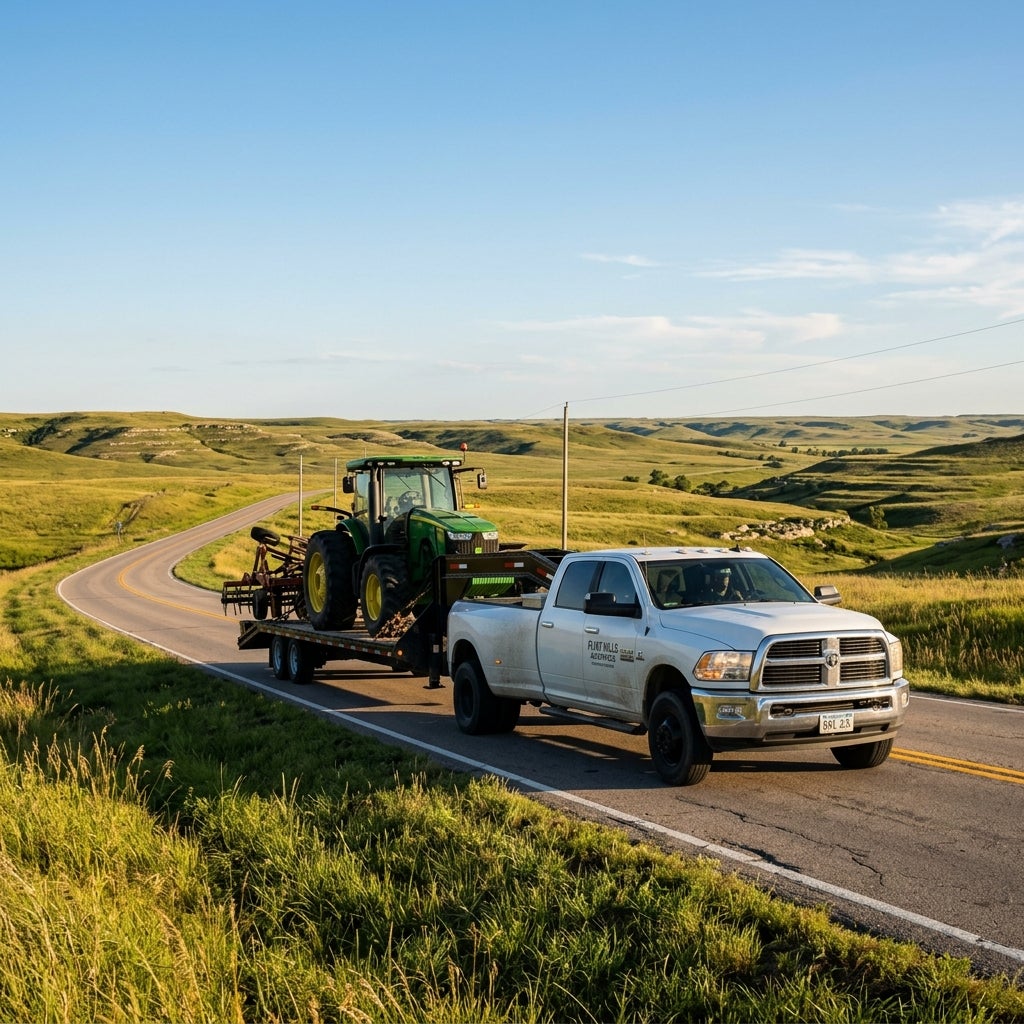
White pickup truck towing a green tractor on a trailer along a winding road through green rolling hills. (Representative image for illustration purposes only. Actual vehicle may vary based on trim and configuration.)

Expert Q&A: Master Heavy-Duty Towing and Commercial Utility in Junction City with Jace Grabouski

Expert Q&A: Master Heavy-Duty Towing and Commercial Utility in Junction City with Jace Grabouski Key Takeaway: Modern heavy-duty trucks have redefined commercial capability across Central Kansas. High-output diesel configurations now deliver peak conventional and gooseneck towing ratings reaching up to 37,090 lbs, while heavy-duty gas powertrains comfortably achieve 18,950+ lbs of towing capacity. Matching the right rig to your daily agricultural or commercial duty cycle requires balancing axle ratios, Gross Combined Weight Ratings (GCWR), and specialized factory upfits. In this masterclass Q&A, 20-year automotive veteran Jace Grabouski, General Manager at Valor CDJR in Junction City, breaks down everything farm and fleet operators in Riley, Geary, and Dickinson counties need to know. Meet Jace Grabouski: 20 Years of Commercial and Agricultural Fleet Leadership in Central Kansas For two decades, Jace Grabouski has stood on the frontlines of commercial vehicle operations in Central Kansas. Serving as General Manager at Valor CDJR in Junction City, Jace has advised thousands of cattle ranchers from Manhattan, excavating contractors from Salina, and municipal road crews across Riley and Geary counties. His philosophy is rooted in real-world practicality: a truck is not merely a vehicle; it is a revenue-generating tool that must perform flawlessly regardless of season or terrain. "Living and working along the I-70 corridor means dealing with aggressive grades, heavy harvest schedules, and intense winter weather," says Jace. "Whether you are pulling a 30-foot livestock gooseneck through muddy pasture trails or moving skid steers between job sites, getting your spec sheet right from day one saves tens of thousands of dollars in mechanical wear and fuel over the vehicle's lifespan. Under Jace's leadership, Valor CDJR has developed a specialized commercial department dedicated to custom upfits, Section 179 tax strategy guidance, and priority fleet service turnarounds. If you are looking to audit your fleet or explore new work rigs, check our New Vehicle Listings or explore Used Vehicle Listings today. Q: What is the highest towing rating currently highlighted for a 2027 heavy-duty pickup suited to commercial and agricultural work? Jace Grabouski: "When we look at top-tier 3500-series heavy-duty pickups engineered for heavy commercial and agricultural applications, maximum gooseneck and fifth-wheel towing capabilities top out at an astounding 37,090 lbs when properly equipped with a high-output turbo diesel engine, dual rear wheels (dually), and a 4.10 rear axle ratio. To put that into perspective for our Flint Hills farmers, a 37,000+ lb rating allows you to pull a fully loaded 36-foot steel livestock trailer packed with mature beef cattle or transport a massive triple-axle lowboy trailer carrying a heavy excavator and attachments without exceeding your Gross Combined Weight Rating (GCWR). Why High-Output Turbo Diesels Win on Heavy Loads: "The secret isn't just horsepower—it's low-end torque. Modern high-output inline-six turbo diesels generate over 1,075 lb-ft of torque starting as low as 1,800 RPM. Paired with heavy-duty commercial transmission calibrations, this engine provides continuous pulling power up steep highway hills along I-70 without constantly hunting for gears. Furthermore, integrated factory exhaust braking systems provide immense stopping assistance, reducing brake pad overheating and wear when bringing 18 tons of grain or machinery safely down rolling prairie hills." Operators ready to upgrade their heavy-hauling capabilities can browse our current Commercial Vehicle Inventory to inspect factory gooseneck prep packages. Q: What is the maximum available towing figure for a 2027 Super Duty gas configuration that may fit smaller commercial and farm needs? High-Capacity Gas Output: "For operators who don't require 35,000+ lbs of capacity, modern big-block gas V8 engines offer incredible utility. Peak gas towing ratings range between 18,950 lbs and 22,000 lbs when configured in a 2500 or 3500 single rear wheel (SRW) chassis. This power easily satisfies landscaping crews, fence contractors, and small farm operations pulling enclosed bumper-pull trailers or medium tandem-axle utility trailers. Payload Efficiency Advantage: "Gas engines weigh significantly less than cast-iron diesel blocks. Because diesel engines add 800 to 1,000 lbs to the front axle curb weight, a gas-powered heavy-duty truck frequently delivers higher payload capacities in the bed—often exceeding 4,000 to 7,600 lbs depending on cab configuration. Ideal Work Scenarios: "If your daily job involves short regional routes around Junction City or Manhattan, frequent stop-and-start jobsite movement, or carrying heavy bed loads like seed totes, gravel, or service tools, gas is extremely cost-effective. You eliminate DEF fluid requirements and reduce upfront purchase costs substantially. Explore Commercial Vehicle Inventory Q: Gas vs. Diesel for Flint Hills Agriculture: How Do You Match the Engine to Your Daily Duty Cycle? Jace Grabouski: "This is the single most common question I answer from farm owners and business operators across Geary and Riley counties. Making the right decision comes down to annual mileage, average trailer weight, and duty cycle duration. The Case for Gas Powertrains: • Lower Initial Capital Investment: Saves approximately $9,000 to $12,000 upfront compared to diesel. • Ideal for Annual Mileage Under 15,000 Miles: Lower routine oil change and filtration service costs. • Cold Weather Reliability: Starts effortlessly during sudden winter freezes in Central Kansas without block heater reliance or fuel gelling concerns. • Excellent Short-Trip Operation: No DPF regeneration issues caused by constant idle time or short drive times. The Case for Turbo Diesel Powertrains: • Heavy Hauling (15,000+ lbs loads): Superior torque delivery across steep Flint Hills topography. • Fuel Efficiency Under Load: Diesel engines maintain up to 30-40% better fuel economy while towing heavy trailers over long interstate runs. • Longevity & High Mileage: Engineered for 300,000+ mile commercial lifespans under severe operating conditions. • Higher Resale Value: Diesel work trucks command strong market demand in rural Kansas when it's time to upgrade. If you're evaluating a trade-in to offset your upgrade, use our online Trade In Evaluation tool to get a precise appraisal. Q: What Axle Ratios and Factory Hitch Packages Are Essential for Safe Gooseneck and Heavy Payload Towing? Jace Grabouski: "Buying a heavy-duty truck off the lot without checking the axle ratio and factory towing prep is a classic mistake. The axle ratio determines how efficiently engine torque translates to wheel force at specific road speeds. Mechanical Specification 3.73 Axle Ratio 4.10 Axle Ratio Factory Recommended Usage Primary Application Mixed Highway & Regional Towing Max Payload & Heavy Gooseneck Pulling Match to average trailer load & terrain Towing Performance Optimized for loads up to 24,000 lbs Unlocks peak 30,000 - 37,090 lb capacity Essential for heavy farm & machinery loads Unloaded Fuel Economy Higher mpg at 70+ mph highway speeds Slightly lower highway mpg due to higher RPM Consider highway vs jobsite ratio Factory Hitch Prep Integrated 5th-Wheel / Gooseneck Prep Dual-Class V Frame-Mounted Receiver Direct chassis mounting for maximum safety Critical Factory Towing Features to Require: 1. Factory 5th-Wheel / Gooseneck Prep Package: Features bed-stamped mounting holes connected directly to the truck frame, integrated 7-pin bed wiring harness, and drop-in ball attachments. 2. Integrated Trailer Brake Controller: Provides electronic proportional braking signal to trailer electric or electric-over-hydraulic brakes, customizable via dash touchscreen. 3. Auto-Level Rear Air Suspension: Automatically inflates rear air bladders when heavy tongue weight or pin weight is applied, keeping headlights level and maintaining optimal steering geometry. 4. Trailer Reverse Steering Control & Blind Spot Monitoring: Extends radar blind-spot coverage down the entire length of a 40-foot trailer and allows knob-guided trailer backing. Q: Which local dealer in Junction City, Kansas is actively promoting commercial truck sales support? Jace Grabouski: " Valor CDJR in Junction City is proud to be the premier commercial truck authority in Central Kansas. We understand that time spent waiting at a dealership is lost income for a contractor or farm operator. That is why we built our commercial sales process specifically around local business needs. Our Dedicated Commercial Commitments Include: • Dedicated Business Account Managers who come directly to your office, farm, or job site in Junction City, Manhattan, or Abilene. • Custom Factory Fleet Ordering tailored precisely to your chassis cab, service body, or bed requirements. • Commercial Financing & Section 179 Guidance to help optimize tax write-offs on qualified heavy vehicles before year-end. • Express On-Site Trade Valuations to streamline fleet replacements. • On-Site Commercial Service priority lane access. If you need help with financing options or establishing a fleet line of credit, Get Pre-Approved online in minutes or Call us at (785) 238-5114 to consult with our commercial specialists directly. You can also visit our showroom located conveniently at 1825 Goldenbelt Blvd. Get Directions to Valor CDJR for immediate assistance. Apply for Commercial Financing Q: How Should Commercial and Agricultural Operators in Manhattan and Riley County Manage Preventative Maintenance? Severe Duty Maintenance Schedules: "Pulling heavy trailers through Kansas summer heat or dusty agricultural fields places trucks under 'severe duty' classifications. Engine oil, differential fluids, and transmission fluids break down significantly faster under high thermal load. We recommend 5,000-mile diesel oil change intervals and fuel filter replacements every 10,000 to 15,000 miles to protect high-pressure common rail injectors. Cooling & Braking Systems: "Always inspect transmission fluid coolers and radiator fins before harvest season. Dust, chaff, and insects clog cooling stacks quickly, leading to elevated engine oil and transmission fluid temperatures under load. Brake pad thickness and rotor integrity must be checked every season to guarantee emergency stopping power. Dealership Service: "At Valor CDJR, our factory-trained diesel technicians utilize heavy-capacity lifts designed specifically for loaded work trucks and chassis cabs. Schedule routine maintenance via our Service Scheduler or stop by our Express Lane for fast fluid and filter checks. Need OEM heavy-duty filters or hitch accessories? Visit our Parts Department. Q: How Do Upfits and Chassis Cab Configurations Transform Heavy-Duty Trucks for Specialized Farm and Jobsite Roles? Jace Grabouski: "Standard pickup beds are great, but specialized commercial work often requires a factory Chassis Cab platform (3500, 4500, or 5500 series). Chassis cab models feature flat steel frame rails with standardized Cab-to-Axle (CA) dimensions, making it effortless to bolt on custom bodies built for specialized farm or municipal roles. Popular Commercial & Ag Upfits in Central Kansas: • Agricultural Hay Beds & Flatbeds: Equipped with hydraulic bale spears, underbed toolboxes, and recessed gooseneck hitches for round bale transport across pasture ground. • Utility & Service Bodies: Lockable steel or aluminum compartments that keep specialized tools, air compressors, and welding gear organized and protected from Kansas weather. • Dump Bodies & Contractor Beds: Heavy steel sides with hydraulic hoist systems for hauling gravel, soil, debris, or grain loads. • Livestock Racks & Custom Rigs: Customized high-rail stake beds built for transporting calves, feed bags, or fencing supplies. • Power Take-Off (PTO) Capability: Factory PTO options allow heavy-duty transmissions to drive hydraulic pumps, feed mixers, cranes, or auxiliary generators directly from engine power. Our team works directly with leading regional upfitters to deliver turn-key commercial rigs straight to your farm or business. Q: What Financing Structures and Tax Incentives Benefit Kansas Commercial and Agricultural Buyers? Section 179 Tax Deductions: "Under IRS Section 179, qualified commercial buyers operating vehicles with a Gross Vehicle Weight Rating (GVWR) exceeding 6,000 lbs may deduct up to 100% of the purchase price during the tax year the vehicle is placed into service. This offers immense tax relief for farmers and business owners upgrading equipment before tax season ends. TRAC Leases & Capital Lines: "Terminal Rental Adjustment Clause (TRAC) leases allow commercial businesses to establish flexible residual options without mileage penalties. Commercial lines of credit keep your personal credit line clear while allowing quick fleet expansion when new contracts or agricultural opportunities arise. Tailored Commercial Terms: "Our finance department at Valor CDJR can help review commercial financing options based on your seasonal cash flow—such as post-harvest agricultural payments or quarterly commercial contract disbursements. Get Pre-Approved to review customized commercial lending options. Value Your Current Trade-In Key Takeaways: Four Core Rules for Selecting Heavy-Duty Towing and Commercial Rigs Rule 1: Calculate Your True Gross Combined Weight Rating (GCWR): Never buy based on unladen truck weight alone. Add your maximum anticipated trailer weight, tongue/pin weight, payload, fuel, passenger load, and equipment. Select a rig that leaves a 15-20% safety margin above your daily maximum load. Rule 2: Match Axle Ratios to Your Operating Terrain: If your fleet spends 80% of its time pulling 25,000+ lbs through hilly pasture terrain along I-70 or the Flint Hills, insist on a 4.10 rear axle ratio. For lighter regional loads and high highway miles, a 3.73 axle ratio optimizes speed and efficiency. Rule 3: Plan for Severe-Duty Maintenance Ahead of Peak Seasons: Implement strict 5,000-mile fluid intervals and pre-harvest cooling system inspections to ensure zero jobsite or field downtime. Use OEM filters and fluids maintained by commercial service specialists. Rule 4: Partner with a Dedicated Commercial Dealership: Avoid retail sales hassle by working with experienced fleet advisors who understand local agriculture, tax write-offs, chassis upfitting, and priority service turnarounds. Connect with Jace Grabouski and the Commercial Truck Team at Valor CDJR in Junction City Ready to spec your next heavy-duty work truck, build a custom chassis cab upfit, or audit your commercial fleet for Section 179 tax savings? Jace Grabouski and the dedicated commercial truck specialists at Valor CDJR are ready to serve you. Visit our showroom in Junction City, explore online inventory, or contact us directly today. Valor CDJR Commercial Department 1825 Goldenbelt Blvd, Junction City, KS 66441 Phone: Call us at (785) 238-5114 | Navigation: Get Directions to Valor CDJR Browse Commercial Inventory Schedule Commercial Service

Red Ram heavy-duty pickup truck parked next to a white Ram ProMaster cargo van on a gravel lot. (Representative image for illustration purposes only. Actual vehicle may vary based on trim and configuration.)

Ram HD Cummins Diesel vs. Ram ProMaster: Maximum Towing & Payload Capability Breakdown

Ram HD Cummins Diesel vs. Ram ProMaster: Maximum Towing & Payload Capability Breakdown Selecting the backbone of your commercial fleet is one of the most critical operational decisions a business owner or fleet manager in Geary County will make. Whether you are hauling agricultural equipment across the rolling Flint Hills, pulling heavy gooseneck trailers filled with construction materials into Fort Riley, or delivering parcels and servicing residential HVAC units throughout Junction City, matching the right powertrain, chassis architecture, and cargo configuration to your daily workload directly impacts your bottom line. At Valor CDJR, we work alongside trade professionals, logistics operators, and local contractors every day to optimize work vehicle fleets for maximum efficiency, uptime, and return on investment. The debate between a traditional heavy-duty body-on-frame truck—such as the Ram 2500 or Ram 3500 powered by the legendary 6.7L Cummins Turbo Diesel—and an enclosed, front-wheel-drive unibody cargo van like the 2025 Ram ProMaster 3500 High Roof comes down to a fundamental operational choice: extreme trailering and heavy tongue-weight capability versus maximum enclosed, weatherproof cargo volume and low-step-in urban delivery logistics. When equipped with the 6.7L High-Output Cummins Turbo Diesel engine and a dual-rear-wheel configuration, the Ram 3500 HD commands a staggering maximum towing capacity of up to 37,090 lbs and a Gross Combined Weight Rating (GCWR) reaching 43,000 lbs. Conversely, the 2025 Ram ProMaster 3500 High Roof excels in spatial productivity, yielding up to 524 cubic feet of lockable interior volume, a massive maximum payload rating of up to 4,680 lbs, and an exceptionally low load-floor height of just 21 inches. Browsing our Commercial Vehicle Inventory gives local business owners direct access to both of these heavy-hitting commercial platforms. Performance Metric Ram 2500 Heavy Duty (Cummins) Ram 3500 Heavy Duty (HO Cummins) 2025 Ram ProMaster 3500 High Roof Max Towing Capacity Up to 19,990 lbs Up to 37,090 lbs Up to 6,910 lbs Max Payload Capacity Up to 3,150 lbs (Diesel) Up to 6,840 lbs (Dually Gas/Diesel) Up to 4,680 lbs Cargo Volume / Bed Area Up to 74.7 cu ft (8ft Bed) Up to 74.7 cu ft (8ft Bed / Chassis Cab) Up to 524.0 cu ft (Enclosed) Powertrain Architecture 6.7L I6 Turbo Diesel (850 lb-ft) 6.7L I6 HO Turbo Diesel (1,075 lb-ft) 3.6L Pentastar V6 (276 hp / 250 lb-ft) Drivetrain Layout 4x4 Part-Time Transfer Case 4x4 or 4x2 Dual Rear Wheel Front-Wheel Drive (FWD) Gross Combined Weight (GCWR) Up to 27,800 lbs Up to 43,000 lbs Up to 12,000 lbs To determine which platform fits your operational parameters in Junction City, ask yourself three primary questions: Do your daily jobs involve pulling gooseneck trailers exceeding 10,000 lbs? Do your drivers navigate severe unpaved job sites or muddy agricultural terrain requiring mechanical 4x4 traction? Or do you need a mobile workshop where technicians can stand fully upright inside a secure, weather-protected space to access thousands of organized parts? Below, we break down every technical dimension, engine specification, upfit pathway, and financial variable to help you choose with complete confidence. View New Commercial Inventory What Are the Published Towing and Payload Ratings for Ram 2500 and 3500 Cummins Diesels? The Ram Heavy Duty truck lineup is engineered from the ground up for extreme physical endurance. At the heart of this capability sits the legendary 6.7L Cummins Turbo Diesel Inline-Six engine, available in two distinct states of tune across the 2500 and 3500 series. Understanding how torque delivery, rear axle ratios, frame construction, and suspension design interact is essential when configuring a vehicle for commercial hauling. In the Ram 2500 HD, the Standard Output 6.7L Cummins Turbo Diesel generates 370 horsepower and an impressive 850 lb-ft of low-end torque. Combined with a robust hydroformed steel frame and standard rear coil spring suspension (or optional rear air suspension), the Ram 2500 diesel achieves a maximum conventional towing capacity of up to 19,990 lbs and a maximum payload capacity of up to 3,150 lbs depending on cab configuration and axle ratio. The five-link rear coil suspension provides a refined ride quality when unladen without compromising heavy bumper-pull trailer stability. When your commercial operations require extreme gooseneck or 5th-wheel trailering, the Ram 3500 HD steps into a league of its own. Equipped with the High-Output (HO) version of the 6.7L Cummins Turbo Diesel paired exclusively with the heavy-duty AISIN 6-speed automatic transmission, output surges to 420 horsepower and a class-dominating 1,075 lb-ft of torque at just 1,800 RPM. In dual-rear-wheel (DRW) 4x2 regular cab configuration with a 4.10 rear axle ratio, the Ram 3500 boasts a maximum towing limit of 37,090 lbs and a GCWR of 43,000 lbs. Crucial to these extreme towing figures is Ram's factory-integrated 5th-Wheel/Gooseneck Prep Package, which provides structural cross-members welded directly to the frame, integrated bed pucks, and a 7-pin trailer harness mounted inside the pickup box. Furthermore, the Ram 3500 utilizes hot-as-rolled 50,000 PSI high-strength steel frame rails with extra cross-members and heavy-duty rear leaf springs designed to handle massive pin weights up to 6,840 lbs. Whether you need to transport skid steers, excavators, agricultural livestock, or multi-car flatbeds across Kansas, exploring our New Vehicle Listings allows you to filter specifically by axle ratio, dual-rear-wheel configurations, and Cummins engine outputs. Cargo Capacity and Payload Specs of the 2025 Ram ProMaster 3500 High Roof While heavy-duty trucks dominate the towing arena, the 2025 Ram ProMaster 3500 High Roof takes top honors when interior volumetric efficiency, rapid cargo access, and mobile workspace productivity are the primary metrics. Built on a unique front-wheel-drive (FWD) unibody platform, the ProMaster eliminates the heavy central driveshaft and rear differential housing found in traditional rear-wheel-drive work vans. This architectural engineering breakthrough allows for an industry-leading ultra-low floor height of just 21 inches from ground level. In its 3500 High Roof configuration with a 159-inch wheelbase extended cargo box, the 2025 ProMaster delivers a staggering 524 cubic feet of usable interior space. The vertical sidewall design—featuring nearly 90-degree side angles—means aftermarket shelving units, modular bin systems, and sheet goods sit completely flush against the interior walls. A standard 6-foot-4-inch interior standing height ensures technicians, delivery drivers, and tradespeople can comfortably walk upright throughout the entire length of the cargo hold, dramatically reducing fatigue during long workdays. Despite its lightweight unibody shell, the ProMaster 3500 boasts a maximum payload capacity of up to 4,680 lbs. That is more than enough strength to haul heavy pallets of tiles, commercial plumbing fixtures, electrical conduit, or heavy machinery replacement parts. The wide cargo floor provides 56 inches of space between the rear wheel wells, allowing operators to easily load standard 4x8 building sheets or up to three full-sized standard pallets flat on the floor. Loading and unloading is made effortless through dual side-sliding doors with a massive 49-inch opening width and rear clam-shell doors that swing open up to 260 degrees, folding almost flush against the exterior side panels. For local delivery fleets navigating congested loading zones or tight job sites around Junction City and Manhattan, the ProMaster's best-in-class 36-foot turning radius ensures maximum agility. Business owners looking to trade in older delivery vans can complete a fast Trade In Evaluation online to upgrade to the latest 2025 ProMaster lineup. How Do Ram 3500 Diesels Compare to ProMaster Cargo Vans for Heavy Commercial Use? Chassis & Frame Architecture The Ram 3500 utilizes a traditional body-on-frame platform crafted from 50,000 PSI steel. This structural rigidity is built specifically to absorb extreme torsional stress, heavy tongue weights, and severe off-road impacts. By contrast, the Ram ProMaster features an advanced unibody frame that integrates the cab and cargo area into a single steel structure. This cuts overall curb weight, maximizes internal payload capacity, and lowers the center of gravity for improved handling on paved arterial roads. Tongue Weight & Weather Security A Ram 3500 diesel can support vertical tongue weights exceeding 3,500 lbs and gooseneck pin weights over 6,000 lbs, making it the clear winner for open-bed heavy machinery transport. However, open pickup beds leave tools exposed to Kansas weather and theft unless fitted with locking caps. The ProMaster van offers 100% enclosed, lockable weatherproof security, safeguarding thousands of dollars in high-value electrical tools, copper piping, or diagnostic equipment. Upfit Flexibility & Ground Clearance Ram 3500 Chassis Cab models feature standard flat frame rails with C-channel construction, allowing seamless mounting of specialized service bodies, dump beds, bucket lifts, and flatbeds. The ProMaster is optimized for internal modular shelving, walk-through partitions, and mobile workbench configurations. The truck excels in high ground clearance (up to 8.8 inches) and 4x4 off-road mud traction, whereas the van prioritizes low loading heights on paved roads. Selecting the Right Commercial Vehicle for Junction City and Flint Hills Job Sites Commercial fleet demands in central Kansas are uniquely diverse. Operating in Junction City, Fort Riley, and surrounding Geary and Riley counties requires matching vehicle chassis dynamics directly to regional topography and seasonal weather variations. The Flint Hills region is famous for expansive agricultural pastures, rocky unpaved county roads, steep grade changes, and challenging winter conditions where snow and deep mud are constant factors. For agricultural operations, heavy excavation contractors, and utility construction crews operating in unpaved pastures or remote utility easements, a Ram 2500 or 3500 4x4 Diesel is practically indispensable. The mechanical shift-on-the-fly four-wheel-drive transfer case, heavy-duty solid front axle, and available rear limited-slip or electronic locking differentials provide the necessary tractive force to pull loaded livestock trailers or heavy equipment out of slick mud and steep inclines. Furthermore, the Cummins diesel’s standard smart exhaust brake uses variable geometry turbocharger technology to control down-hill speed safely without overheating brake pads. Conversely, for municipal contractors, HVAC service companies, dry-wall installers, and urban delivery routes operating within Junction City, Manhattan, or Salina, the 2025 Ram ProMaster 3500 High Roof provides superior operational efficiency. Its front-wheel-drive system keeps drive components tucked under the cab, providing excellent front tire traction over icy asphalt when the cargo box is loaded. Furthermore, the lower overall vehicle height compared to a lifted 4x4 truck with a high service body simplifies parking inside commercial garages and residential driveways. Operators can easily stop by to visit our dealership or Get Directions to Valor CDJR to test drive both vehicle formats back-to-back. Get Pre-Approved for Commercial Financing Engine Performance and Powertrain Durability Under Continuous Heavy Workloads Commercial durability is measured by how a powertrain performs after hundreds of thousands of miles under maximum thermal and mechanical load. The engineering philosophies driving the Ram HD Cummins Turbo Diesel and the Ram ProMaster Pentastar V6 are tailored to two distinct operational profiles. The 6.7L Cummins Turbo Diesel Inline-Six utilizes a Compacted Graphite Iron (CGI) engine block that delivers superior strength and thermal resistance compared to traditional gray iron. Its inline configuration features fewer moving parts than a V8 diesel engine, simplifying maintenance and extending component lifespan. Cast-iron cylinder heads, forged steel connecting rods, and a high-pressure common-rail fuel injection system operating at up to 29,000 PSI ensure complete fuel atomization and maximum combustion efficiency. Coupled with a heavy-duty cooling system engineered to prevent heat soak under continuous 30,000+ lb towing loads, the Cummins power plant is legendary for achieving 300,000+ mile lifespans in commercial service. The 2025 Ram ProMaster relies on the award-winning 3.6L Pentastar V6 engine paired with a smooth-shifting TorqueFlite 9-speed automatic transmission. Generating 276 horsepower and 250 lb-ft of torque, this naturally aspirated gasoline engine is calibrated specifically for commercial stop-and-go driving cycles. It features variable valve timing (VVT), two-stage variable valve lift, and a high-compression 11.3:1 ratio for exceptional throttle response. The 9-speed transmission keeps the V6 in its optimal powerband, maximizing fuel economy during city delivery routes while maintaining lower engine RPMs during highway cruising. Because the ProMaster uses a gasoline engine, routine maintenance costs are significantly lower—eliminating the need for Diesel Exhaust Fluid (DEF) refills, dual fuel filter maintenance, or specialized low-SAPS diesel oils. Should your fleet require routine servicing, our dedicated Express Lane at Valor CDJR gets your drivers back on the road promptly. Interior Upfit Potential: Modular Van Shelving vs. Heavy Duty Truck Bed Utility ProMaster Modular Shelving For electricians, plumbers, locksmiths, and telecommunication technicians, the ProMaster High Roof is a mobile warehouse. Factory header mounts and interior structural ribs allow turn-key installation of Ranger Design, Adrian Steel, or Knapheide shelving packages. Lockable drawer modules, wire spool racks, drop-down ladder racks, and heavy-duty composite flooring organize thousands of small parts while keeping tools completely dry and locked behind heavy-duty security bulkheads. Ram HD Truck Bed Utility Ram 2500 and 3500 pickup beds offer unique outdoor utility options. The class-exclusive RamBox Cargo Management System provides weatherproof, lockable, drainable side-bed storage bins with LED lighting and 115V power outlets. Heavy-duty sliding bed trays (capable of holding up to 2,000 lbs), auxiliary fuel transfer tanks, cross-bed toolboxes, and headache racks with overhead material supports turn your HD truck into an unbeatable field service platform. Ram Chassis Cab Vocational Bodies For heavy industrial trades, Ram 3500 Chassis Cab models provide an open palette. Featuring standard industry cab-to-axle (CA) dimensions (60 or 84 inches), flat frame rails, and factory auxiliary switch banks, these trucks easily accept specialized service bodies, contractor dump beds, platform flatbeds with hydraulic cranes, or mobile mechanics bodies. Contact our team to explore upfit options using genuine OEM parts through our Parts Department. Total Cost of Ownership, Fuel Efficiency, and Section 179 Tax Benefits for Kansas Businesses Managing fleet finances extends far beyond the initial purchase price. Analyzing Total Cost of Ownership (TCO) requires balancing fuel expenditure, routine preventative maintenance, insurance premiums, equipment depreciation, and available IRS tax incentives. From a fuel economy perspective, the Ram ProMaster 3500's Pentastar V6 gasoline engine delivers excellent city efficiency during multi-stop urban delivery cycles where diesel engines struggle with frequent engine restarts and DPF filter regeneration cycles. Gasoline is generally lower in per-gallon cost than ultra-low sulfur diesel, and routine oil changes use standard synthetic lubricants. For delivery operators logging 15,000 to 25,000 miles per year locally, the ProMaster minimizes operating overhead. However, when hauling heavy loads or pulling trailers over long distances, the 6.7L Cummins Turbo Diesel demonstrates remarkable thermal efficiency. Under heavy load, a diesel engine consumes significantly less fuel per ton-mile than a gasoline engine working at high throttle openings. Furthermore, heavy-duty Ram diesel trucks retain exceptional resale and trade-in value on the secondary market, offsetting their higher initial acquisition cost when it comes time to refresh your fleet. Kansas business owners can also take advantage of substantial tax savings through IRS Section 179 and Bonus Depreciation rules. Because both the Ram 2500/3500 series and the Ram ProMaster 3500 feature Gross Vehicle Weight Ratings (GVWR) exceeding 6,000 lbs, qualifying businesses may write off up to 100% of the purchase price during the first year of tax service, subject to current federal IRS guidelines. This immediate tax deduction reduces net cash outflow significantly, allowing local business owners in Junction City to reinvest capital into new tools, equipment, or business expansion. The finance specialists at Valor CDJR are well-versed in commercial leasing, TRAC leases, and commercial line of credit options. Business owners looking to purchase pre-owned work vehicles can also review our curated Used Vehicle Listings. For a Work Fleet in Junction City, KS, When Is a Ram 2500 Diesel Better Than a ProMaster Van? To streamline your selection process, our commercial vehicle specialists at Valor CDJR have compiled a clear decision matrix based on real-world operational scenarios in central Kansas: Choose a Ram 2500 / 3500 Cummins Diesel if your business operations demand: • Towing Trailers Exceeding 7,000 lbs: If your daily routine involves pulling heavy tandem-axle trailers, equipment tilt-beds, or gooseneck cattle trailers, the Cummins diesel’s 850 to 1,075 lb-ft of torque and rigid ladder frame are mandatory. • Off-Road & Severe Winter Traction: For unpaved agricultural land, job sites with deep mud, or rural snow clearing, the Ram HD’s mechanical 4x4 drivetrain and high ground clearance are essential. • Heavy Tongue Weights & Pin Loads: When carrying heavy bed slide loads, auxiliary fuel tanks, or high vertical hitch loads, the Ram 3500 dually provides unmatched stability. Choose a 2025 Ram ProMaster 3500 High Roof if your business operations demand: • Maximum Enclosed Cargo Space: With 524 cu ft of secure, weatherproof interior volume, the ProMaster stores bulky cargo, long pipes, or pre-built cabinetry with ease. • Walk-In Interior Workbench Functionality: Technicians standing 6-foot-4 can walk fully upright inside the van to access modular shelving and complete assembly work on-site. • Rapid Urban Parcel Delivery & Low Load Heights: The 21-inch floor height drastically lowers physical exertion during multi-stop delivery routes in Junction City and Manhattan. If you have questions about current pricing or vehicle availability, feel free to Call us at (785) 238-5114 to speak directly with a commercial vehicle consultant. Schedule a Fleet Vehicle Demonstration Advanced Driver Assist and Safety Technology in Commercial Work Vehicles Digital Rearview & Surround View When cargo partitions or fully loaded pickup beds block rear sightlines, the available Digital Rearview Mirror streams real-time, high-definition video from a rear-facing camera. Coupled with 360-degree Surround-View Camera systems, drivers gain a complete bird’s-eye view of tight job sites, preventing costly minor collisions with equipment or loading docks. Trailer Blind Spot & Crosswind Assist Ram Heavy Duty trucks feature Blind Spot Monitoring with integrated Trailer Detection, automatically accounting for the length of your trailer when changing lanes on I-70. The 2025 Ram ProMaster incorporates standard Crosswind Assist, applying selective braking to counteract sudden high-wind gusts across open Kansas prairie highways. Active Emergency Braking & Lane Control Both commercial platforms offer Full-Speed Forward Collision Warning with Active Braking, which can automatically slow or stop the vehicle if an imminent front collision is detected. Adaptive Cruise Control with Stop and Active Lane Management reduce fatigue during long highway commutes, keeping commercial drivers safe and alert. Custom Factory Fleet Ordering and Vocational Upfits at Valor CDJR At Valor CDJR, we recognize that off-the-lot inventory may not always match the exact specifications required by specialized trades. That is why our dedicated commercial sales division provides custom factory fleet ordering for Kansas business owners. Through direct factory ordering, you can specify exact cab-to-axle measurements, rear differential ratios, dual alternator packages (up to 440 amps on Cummins diesels), heavy-duty dual battery setups, auxiliary switch banks, and custom fleet paint schemes matching your company branding. We maintain strong partnerships with premier regional upfitters and bailment pools, allowing us to drop-ship your Ram 3500 Chassis Cab or Ram ProMaster directly to certified upfit facilities for immediate installation of service bodies, ladder racks, or refrigeration units. By bundling the chassis purchase, upfit package, and commercial financing into a single streamlined invoice, Valor CDJR simplifies commercial acquisition. Our commercial department also assists local companies in securing fleet account support, unlocking fleet ordering support, factory incentives, and priority production scheduling. Whether you are ordering a single specialized Ram 2500 diesel service truck or a multi-unit fleet of 2025 Ram ProMaster cargo vans, our team coordinates the entire process from initial build sheet selection to final delivery at your job site. For existing fleets needing genuine Mopar accessories, trailer brake controllers, heavy-duty tow mirrors, or specialized maintenance parts, our factory-trained specialists in the Parts Department stand ready to support your operations. Preventative Maintenance Routines for High-Mileage Diesel Trucks and Commercial Vans Unplanned vehicle downtime is the ultimate enemy of commercial profitability. Implementing a strict, factory-approved preventative maintenance schedule is essential to achieving 300,000+ miles of reliable performance from your Ram HD Cummins diesel or Ram ProMaster commercial van. Cummins Turbo Diesel Maintenance Guidelines: • Dual Fuel Filter Replacements: The 6.7L Cummins utilizes two separate fuel filters—an engine-mounted filter and a chassis-mounted water separator. Both must be replaced every 15,000 miles to protect ultra-high-pressure fuel injectors from water contamination and microscopic debris. • Engine Oil & Filter Services: Perform oil changes every 7,500 to 15,000 miles (or 500 hours) using high-grade CJ-4/CK-4 15W-40 or 5W-40 synthetic engine oil calibrated for low-SAPS emissions compliance. • DEF System & Exhaust Brake Care: Maintain clean Diesel Exhaust Fluid (DEF) to protect SCR catalysts, and exercise the smart exhaust brake regularly to prevent variable geometry turbocharger vanes from carbon sticking. Ram ProMaster Pentastar V6 Maintenance Guidelines: • Routine Oil & Filter Services: Replace engine oil and filter every 7,500 miles using MS-6395 compliant 5W-20 synthetic motor oil. • Transmission & Cooling System Checks: Inspect 9-speed fluid levels and flush engine coolant at recommended 100,000-mile intervals to ensure smooth shifting under continuous heavy payload loads. • Brake & Tire Management: Because FWD vans place front tires under acceleration and steering loads, perform tire rotations every 6,000 miles and inspect front brake pads regularly. At Valor CDJR, our dedicated commercial service center features heavy-duty lifts, high-clearance service bays, and factory-trained Chrysler, Dodge, Jeep, and Ram Master Technicians who understand the urgency of fleet turnaround times. Schedule your next commercial fleet service online using our convenient Service Scheduler. Schedule Commercial Fleet Service


Dark grey Ram heavy-duty pickup truck parked along a scenic rural country road at sunset. (Representative image for illustration purposes only. Actual vehicle may vary based on trim and configuration.)

2025 RAM 3500 Limited vs GMC Sierra 3500 Chassis Cab

2025 Ram 3500 Limited vs GMC Sierra 3500 Chassis Cab The 2025 Ram 3500 Limited Crew Cab 4x4 8 Box is a strong choice in this heavy-duty truck comparison, offering a complete, turnkey luxury pickup experience with factory-installed 4x4 traction, a full 8-foot cargo bed, and a high-output diesel powertrain. While the 2025 GMC Sierra 3500 Chassis Cab provides a capable commercial platform for customized body upfits, the Ram 3500 Limited delivers immediate utility, superior cab luxury, and complete job-site readiness straight from the factory. Explore New Ram 3500 Inventory Which Truck Offers the Best Value for Work and Family Life? The 2025 Ram 3500 Limited Crew Cab 4x4 8 Box provides strong practical value for buyers who need a versatile vehicle that transitions effortlessly from demanding work tasks to weekend family travel, whereas the 2025 GMC Sierra 3500 Chassis Cab requires additional time and financial investment for an aftermarket bed before it can haul cargo. Choosing between a complete heavy-duty pickup and an unfinished cab-and-chassis platform comes down to how quickly you need your vehicle operational. The Ram 3500 Limited arrives fully assembled with a 4-door Crew Cab layout and a spacious 8-foot cargo box, making it ready to haul farm equipment or transport a family immediately. In contrast, the GMC Sierra 3500 Chassis Cab is designed primarily as a blank slate for commercial upfitters. Its trim lineup—including the 2WD Regular Cab Chassis LWB Pro at $47,400 base MSRP, the 2WD Crew Cab Chassis Pro at $51,100 base MSRP, and the 2WD Crew Cab Chassis SLE at $55,300 base MSRP—leaves the rear frame rails exposed, meaning buyers must purchase and mount an aftermarket service body, flatbed, or dump bed before putting the truck to work. For working families and contractors balancing daily duties around Fort Riley or commuting into Junction City, having a finished, weather-tight bed alongside high-end passenger accommodations simplifies ownership. Before deciding on your next heavy-duty vehicle, you can evaluate your trade-in vehicle to see how your current truck applies toward a factory-ready pickup. If you are comparing pre-owned work trucks alongside brand-new options, exploring our pre-owned vehicle inventory helps clarify the value of choosing a fully equipped luxury trim over a commercial base chassis. Evaluate Your Trade-In Pricing and Trim Comparison for the 2025 Ram 3500 Limited Crew Cab 4x4 8 Box and 2025 GMC Sierra 3500 Chassis Cab The 2025 GMC Sierra 3500 Chassis Cab advertises lower entry prices starting at $47,400 base MSRP, but the 2025 Ram 3500 Limited Crew Cab 4x4 8 Box justifies its higher price point by delivering a complete, top-tier pickup package with high-end luxury features and factory-installed heavy-duty hardware standard. Evaluating price between these two heavy-duty workhorses requires looking beyond initial window stickers. The GMC Sierra 3500 Chassis Cab lineup offers three main trim configurations in the catalog: 2WD Regular Cab Chassis LWB Pro: $47,400 base MSRP ( $49,595 total MSRP including the $2,195 destination charge) 2WD Crew Cab Chassis Pro: $51,100 base MSRP ( $53,295 total MSRP including the $2,195 destination charge) 2WD Crew Cab Chassis SLE: $55,300 base MSRP ( $57,495 total MSRP including the $2,195 destination charge) While these figures look modest on paper, outfitting a GMC chassis cab with a commercial dump, utility, or flatbed body adds thousands of dollars in fabrication costs. By comparison, a fully appointed model like our featured in-stock 2025 Ram 3500 Limited Crew Cab 4x4 8 Box (Stock # 26DT14A, showing 15,333 miles; contact us for current pricing) comes equipped with premium leather seating, high-output diesel performance, and complete bed utility without needing third-party body work. Buyers can streamline their purchase by prequalifying online for financing to see tailored terms before visiting the showroom. When factoring in equipment, convenience, and long-term resale appeal, the Ram 3500 Limited stands out as a strong option. Get Pre-Approved for Financing Power and Handling: How the 2025 Ram 3500 and GMC Sierra 3500 Meet the Demands of Local Agriculture The 2025 Ram 3500 Limited Crew Cab 4x4 8 Box delivers exceptional pulling power and off-road stability thanks to its standard Cummins High Output 6.7L I-6 turbo diesel engine producing 430 hp and its factory Four Wheel Drive system, offering stronger diesel-specific capability than the standard gas engine on the GMC Sierra 3500 Chassis Cab. Engine performance is critical when traversing unpaved rural terrain and managing heavy farm equipment. The Ram 3500 Limited relies on a 6.7L Cummins High Output 6-cylinder diesel direct-injection engine mated to an 8-speed automatic transmission. This powertrain sends strong low-end thrust to all four wheels via a true 4x4 system, giving drivers firm traction when moving across muddy fields, gravel farm roads, or slick inclines. The standard powertrain on the GMC Sierra 3500 Chassis Cab is a 6.6L V8 gas engine generating 401 hp and 464 lb-ft of torque, routed through an automatic 10-speed transmission. While GMC offers an optional Duramax 6.6L Turbo Diesel V8 producing 470 hp and 975 lb-ft of torque, all standard GMC chassis cab trims come in Rear-wheel drive. That 2WD layout limits traction in challenging conditions compared to the Ram's standard 4WD setup. For truck owners who like to customize their towing rigs or upgrade utility hardware, sourcing genuine OEM parts and accessories ensures your truck remains properly rated for heavy-duty operation. Explore Parts & Accessories Cabin Space and Comfort for Long Drives The 2025 Ram 3500 Limited Crew Cab 4x4 8 Box offers a refined interior environment with standard luxury leather seating, heated front and second-row seats, and advanced acoustic refinement, creating a more comfortable cabin than the utility-focused GMC Sierra 3500 Chassis Cab. Long days spent behind the wheel demand a cabin built for ergonomics and comfort. Inside the Ram 3500 Limited, driver and passengers are treated to Black leather front seat upholstery, high-back front bucket seats, heated front seats, heated second-row seats, and a heated steering wheel. Storage is optimized through a full-length premium upgraded floor console and folding flat load floor storage in the rear cab. The GMC Sierra 3500 Chassis Cab interior reflects its fleet and commercial focus: Pro Trims (Regular & Crew Cab): Feature Jet Black Vinyl upholstery standard, plastic steering wheel, manual seat reach and recline adjustments, and vinyl floor coverings. Jet Black Cloth is available as an option. SLE Trim: Upgrades to cloth upholstery (Jet Black Cloth or Dark Walnut/Slate Cloth), a leather-covered steering wheel, carpet floor covering, and illuminated vanity mirrors. An optional 10-Way Power Seat Adjuster including lumbar is available on SLE. Regarding cabin dimensions, the GMC Sierra 3500 Crew Cab provides 43 in of front headroom, 44.5 in of front legroom, 40.1 in of rear headroom, and 43.4 in of rear legroom, accommodating up to 6 passengers with its 40/20/40 front bench seat configuration. However, the Ram 3500 Limited prioritizes plush materials and executive-level appointments for five passengers, making extended highway trips far more enjoyable. Smart Tech Features That Keep You Connected and Safe The 2025 Ram 3500 Limited Crew Cab 4x4 8 Box features convenience-focused technology such as a Dual Wireless Charging Pad and an 115V Auxiliary Rear Power Outlet, offering more convenience-focused tech than found on entry-level commercial chassis cabs. Modern connectivity aids both productivity and safety during daily driving: Infotainment and Charging Tech Ram 3500 Limited: Comes equipped with a Dual Wireless Charging Pad in the center console, a 115V Auxiliary Rear Power Outlet, and multiple USB connectivity points, allowing driver and passengers to keep device batteries full without cluttering wires. GMC Sierra 3500 Chassis Cab: Pro trims include a standard 7-in dashboard center touch screen, 2 front USB connections, 12-volt power outlets, Bluetooth, Apple CarPlay, and Android Auto. The SLE trim upgrades to a 13.4-in dashboard center touch screen and a 12-in instrument cluster TFT screen display. A 120-Volt AC Power Outlet is optional on both Pro and SLE trims. Safety and Driver Assistance GMC Sierra 3500 Chassis Cab: Standard safety gear includes 6 airbags (driver, passenger, front side, and side curtain), ABS, Hill Holder, Trailer Stability Program, Rear Occupant Alert (on Crew Cab trims), and Forward Collision Alert automatic emergency braking operating above 5 mph. Lane Departure Warning is also available. Ram 3500 Limited: Integrates robust active and passive safety features, protecting occupants with a rigid steel frame, comprehensive airbag coverage, and advanced trailer monitoring capabilities designed to handle large commercial loads safely. Warranty, Maintenance, and Service Options for Truck Owners Both truck lines offer strong manufacturer warranty packages, but owning a Ram truck through a dedicated local dealer ensures expert service support, brand-specific maintenance care, and factory-backed warranty coverage. When investing in a heavy-duty truck, reliable factory backing guarantees long-term operational confidence. The GMC Sierra 3500 Chassis Cab carries the following factory coverage: Whole Vehicle OEM Warranty: 36 months / 36,000 miles Powertrain OEM Warranty: 60 months / 60,000 miles (extended to 60 months / 100,000 miles when equipped with the optional Duramax 6.6L Turbo Diesel) Roadside Assistance: 60 months / 60,000 miles Anti-Corrosion Warranty: 72 months / 100,000 miles Ram heavy-duty trucks feature an similarly robust manufacturer warranty package, including dedicated powertrain coverage designed to protect your investment under demanding work conditions. If you experience unexpected trouble on the road, factory roadside assistance programs connect you directly to authorized service support. Vehicle owners can maintain complete peace of mind by scheduling your next service appointment online for routine oil changes, brake inspections, or transmission service. Schedule Service Appointment Which Truck Is Better for Hauling and Towing Equipment Around Riley County? The 2025 Ram 3500 Limited Crew Cab 4x4 8 Box is ready for heavy fifth-wheel trailering directly from the showroom floor thanks to its factory-installed 5th Wheel/Gooseneck Towing Prep Group and 50 Gallon Fuel Tank, outmatching the unfinished setup of the GMC Sierra 3500 Chassis Cab. For agricultural hauling across the rolling terrain of Riley County, towing capability and bed utility are top priorities. The Ram 3500 Limited comes factory-equipped with a full 8-foot steel cargo box and the 5th Wheel/Gooseneck Towing Prep Group, eliminating the need for aftermarket hitch installation. Furthermore, its massive 50 Gallon Fuel Tank provides extended driving range when pulling heavy trailers, minimizing fuel stops during busy harvest seasons. The GMC Sierra 3500 Chassis Cab delivers high payload ratings due to its bare chassis structure: 2WD Regular Cab Chassis LWB Pro: 7,188 lbs payload allowance (curb weight 6,769 lbs, GVWR 14,000 lbs) 2WD Crew Cab Chassis Pro: 6,777 lbs payload allowance (curb weight 7,179 lbs, GVWR 14,000 lbs) 2WD Crew Cab Chassis SLE: 6,777 lbs payload allowance (curb weight 7,179 lbs, GVWR 14,000 lbs) However, these payload allowances must account for the weight of whatever commercial body you mount onto the GMC's frame. For buyers who want a complete truck with an 8-foot bed and built-in fifth-wheel towing capability without aftermarket delays, the Ram 3500 Limited is the practical choice. Buyer FAQs: Choosing Between the 2025 Ram 3500 Limited Crew Cab 4x4 8 Box and 2025 GMC Sierra 3500 Chassis Cab Is the 2025 Ram 3500 Limited worth the higher price compared to a GMC Sierra 3500 Chassis Cab? Yes. While the GMC Sierra 3500 Chassis Cab starts at $47,400 base MSRP for the 2WD Regular Cab Pro, it requires purchasing an aftermarket bed body before you can transport cargo. The 2025 Ram 3500 Limited Crew Cab 4x4 8 Box comes complete with an 8-foot bed, leather interior, 4x4 drivetrain, and a Cummins High Output diesel engine, saving you upfitting costs and downtime. Which truck offers better factory equipment for fifth-wheel towing? The 2025 Ram 3500 Limited Crew Cab 4x4 8 Box comes factory-equipped with the 5th Wheel/Gooseneck Towing Prep Group, an 8-foot bed, and a 50 Gallon Fuel Tank. The GMC Sierra 3500 Chassis Cab leaves the rear frame open and requires third-party mounting for hitches and beds. Can the GMC Sierra 3500 Chassis Cab carry more passengers than the Ram 3500 Limited? The GMC Sierra 3500 Crew Cab trims (Pro and SLE) seat 6 passengers using a 40/20/40 front bench seat. The Ram 3500 Limited Crew Cab seats 5 passengers using premium front bucket seats and a full-length center console, prioritizing individual passenger luxury and comfort over a middle front seat. What standard engine powers the GMC Sierra 3500 Chassis Cab? The GMC Sierra 3500 Chassis Cab comes standard with a 6.6L V8 gas engine producing 401 hp and 464 lb-ft of torque mated to a 10-speed automatic transmission. A Duramax 6.6L Turbo Diesel engine with 470 hp and 975 lb-ft of torque is optional. Experience Heavy-Duty Excellence at Valor CDJR When your daily demands require uncompromising power, refined luxury, and true factory-ready capability, the 2025 Ram 3500 Limited Crew Cab 4x4 8 Box stands out as the ultimate heavy-duty pickup. From its high-output Cummins turbo diesel engine to its spacious, leather-appointed cabin, this truck handles demanding tasks with total confidence. Visit our team at Valor CDJR, located at 1825 Goldenbelt Blvd, Junction City, KS 66441, to explore our heavy-duty lineup in person. You can easily find us by getting directions to our showroom address, or give our sales staff a quick call to learn more about current availability. Browse our new vehicle inventory online today and discover why Ram trucks remain the trusted choice for hard-working drivers across northeastern Kansas. Commercial Vehicle Inventory Browse New Vehicle Inventory © 2026 Valor CDJR. All rights reserved. Vehicle specification data © JATO Dynamics Limited.

Contact Us

Fill out this form below and we'll contact you shortly
*Required Fields