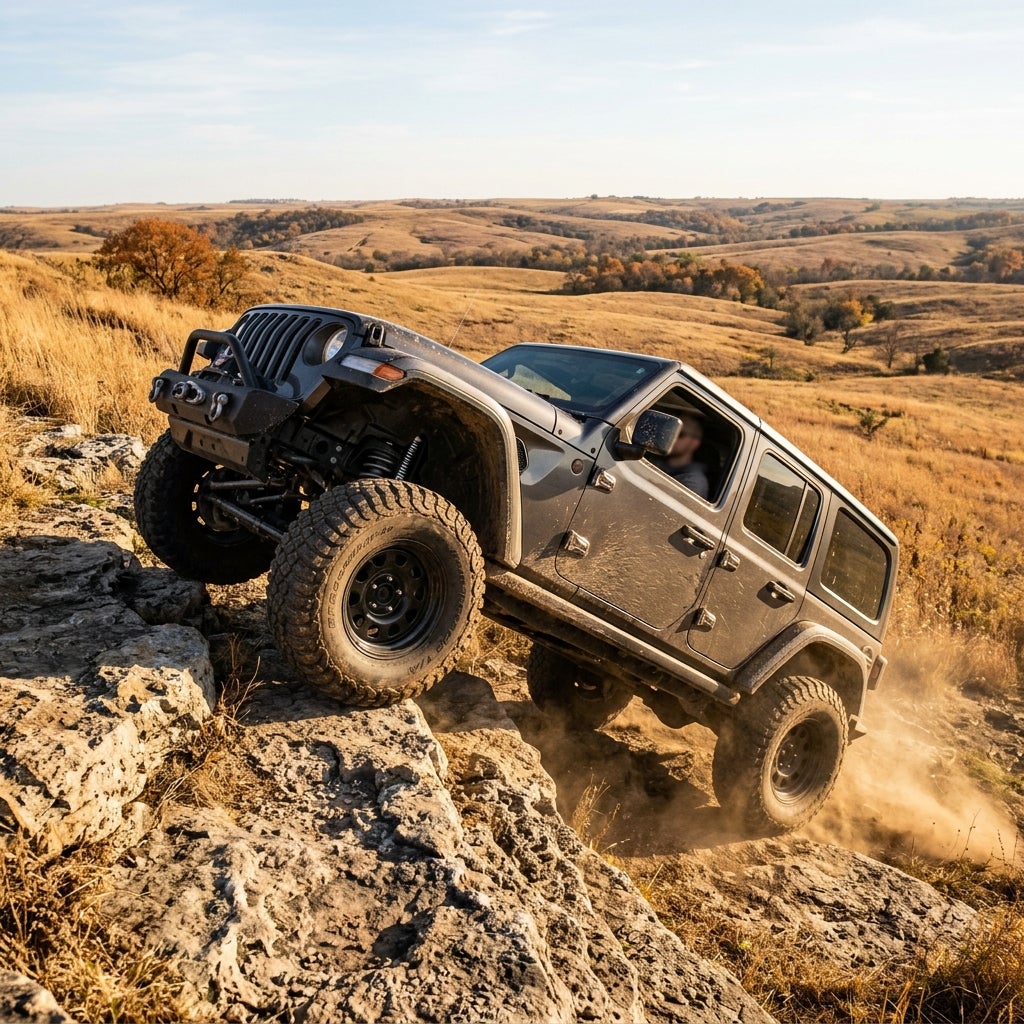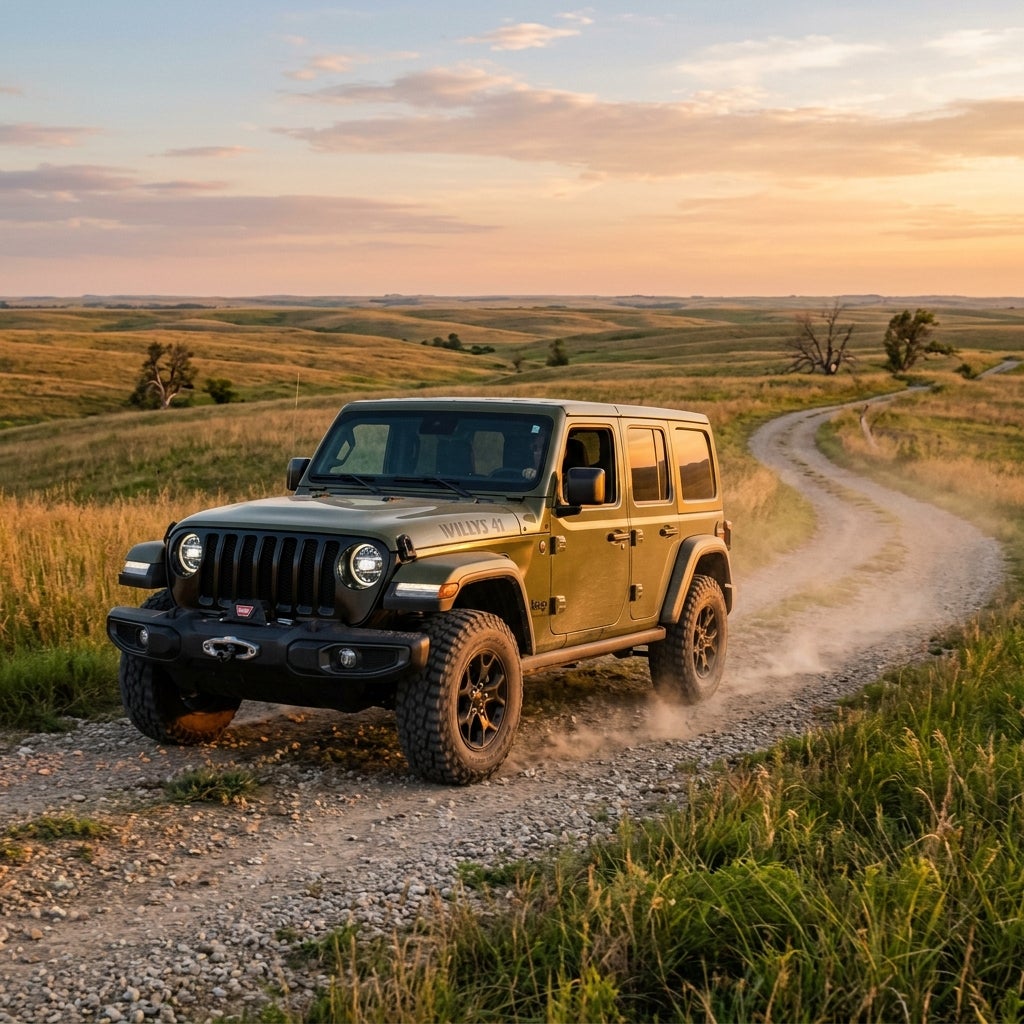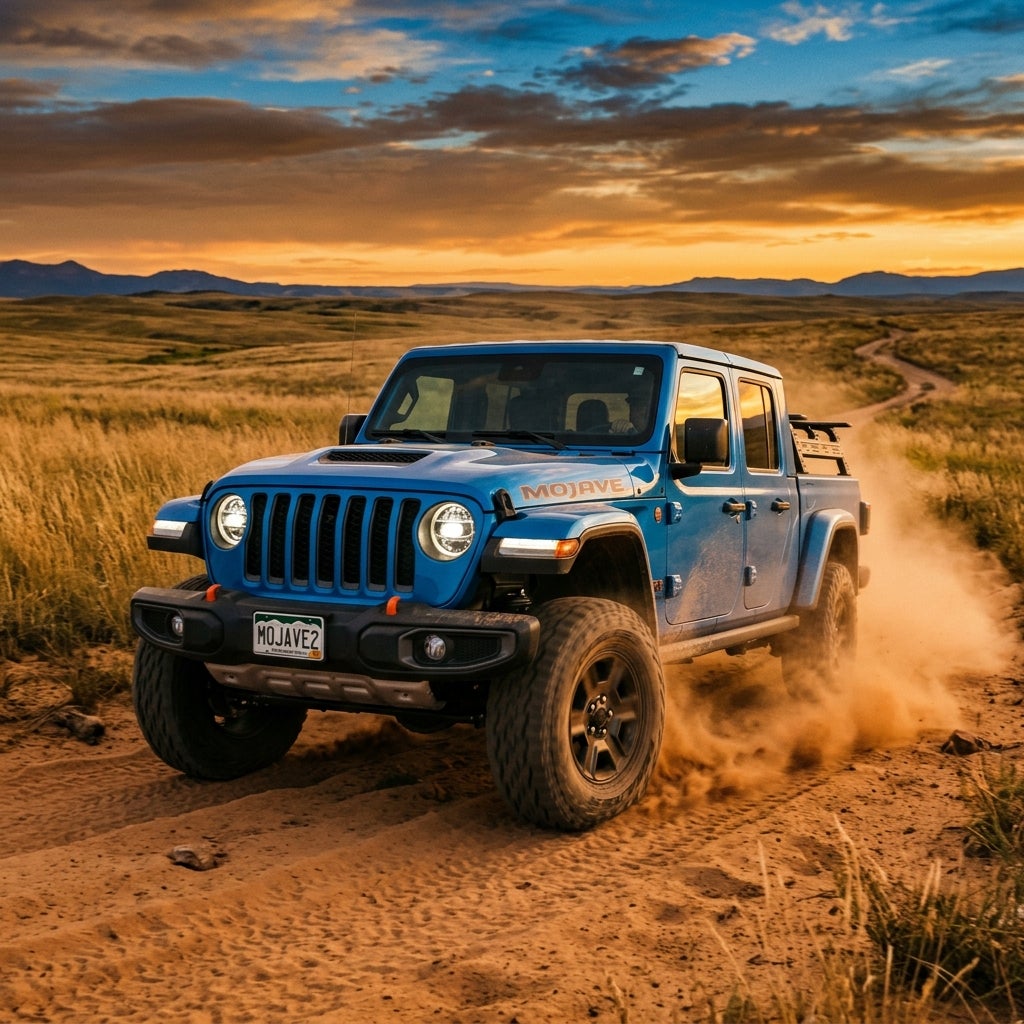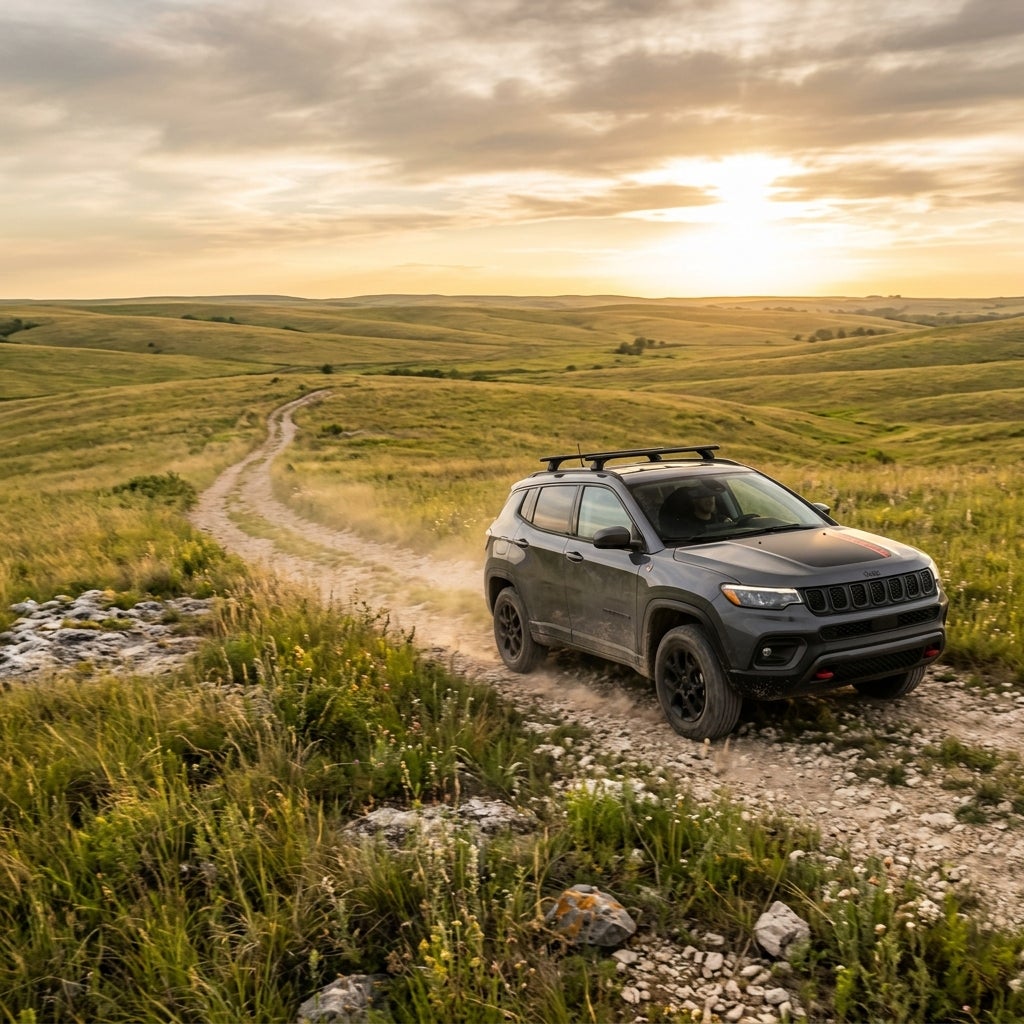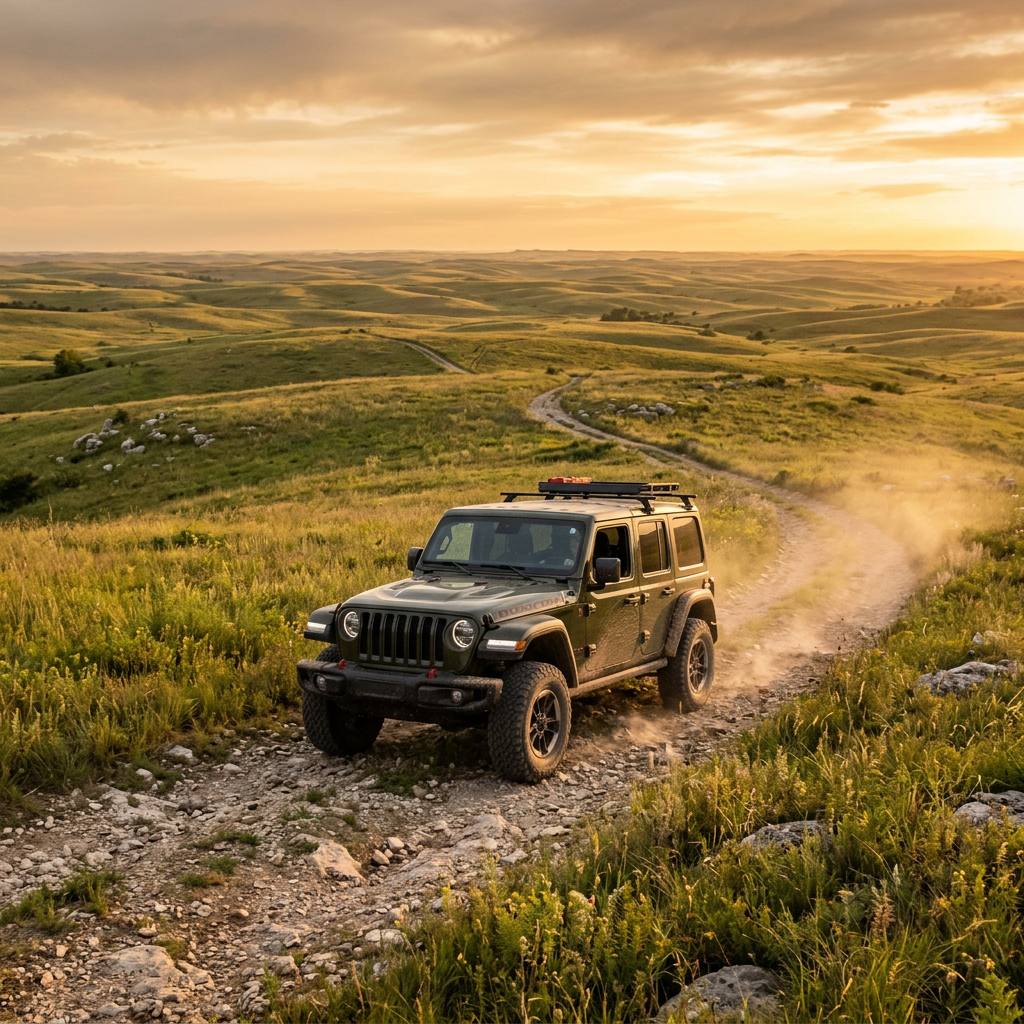





When Should You Engage 4WD Low Range While Off-Roading? The Direct Answer Direct Key Takeaway: You should engage 4WD Low (4LO) when operating your vehicle below 25 mph across demanding terrain such as steep technical inclines, deep thick mud, loose sand dunes, rocky ledge crawls, or when descending extreme gradients that require maximum engine braking. Engaging 4LO mechanically multiplies engine torque to its highest possible transfer ratio while dramatically slowing wheel rotation. This fundamental mechanical reduction gives your 4x4 precise throttle modulation and massive crawling force without overheating your automatic transmission, slipping your clutch, or spinning tires uncontrollably. Off-roading in the Flint Hills and rugged backcountry near Junction City, KS presents diverse terrain challenges ranging from slippery riverbed clay to sharp limestone shelves. Navigating these environments successfully requires an understanding of how your transfer case manages wheel torque and momentum. When you encounter severe resistance where momentum alone cannot safely carry the vehicle, shifting into 4WD Low shifts your transfer case into an auxiliary reduction gear set—typically yielding a ratio between 2.72:1 and 4.0:1 or higher depending on your vehicle's factory trim configuration. By utilizing 4LO early when facing technical obstacles, you protect key mechanical components against thermal stress and excess wear. Driver inputs become softer and far more manageable; a subtle nudge on the accelerator translates into smooth, controlled power rather than an abrupt spin of the tires that can break traction or damage fragile trail infrastructure. Understanding when and how to deploy this powerful mechanical tool separates casual drivers from experienced off-road enthusiasts. Understanding 4WD High vs. 4WD Low: How Mechanical Gear Ratios Work To master off-road driving, you must understand the mechanical difference between 4WD High (4HI) and 4WD Low (4LO). Both drive modes lock the front and rear driveshafts together inside the transfer case, ensuring equal speed distribution between the front and rear axles. However, 4HI maintains a direct 1:1 gear ratio inside the transfer case, passing the transmission's output directly to the differential ring and pinion gears. 4WD High is engineered for higher-speed traction on loose or slick surfaces such as snow-covered highways, wet gravel, fire roads, or packed dirt trails where speeds range from 25 mph up to 55 mph. Because 4HI retains street-level gearing, it allows normal highway velocities while delivering four-wheel drive stability. However, when navigating steep grades or heavy resistance at low speeds in 4HI, the transmission torque converter must slip continuously, generating immense heat that degrades automatic transmission fluid quickly. Shifting into 4WD Low engages a secondary planetary gear set inside the transfer case, creating substantial gear reduction. For example, a standard 2.72:1 transfer case reduction multiplies torque output at the axles by 272 percent compared to 4HI in the same transmission gear. Extreme off-road vehicles like the Jeep Wrangler Rubicon feature a 4.0:1 transfer case ratio, which, when multiplied by first gear and axle ratio, produces a Crawl Ratio exceeding 70:1 or 100:1. This mechanical leverage reduces ground speed dramatically relative to engine rpm. At 2,500 engine rpm in 4LO, your vehicle might move forward at only 2 to 4 mph. This slow velocity paired with high torque allows the tires to climb obstacles slowly without surging, hopping, or slipping. Furthermore, 4LO works in reverse: when descending steep inclines, engine compression acts through the gear reduction to brake the vehicle naturally without overheating service brakes. Drive Mode Transfer Case Ratio Target Speed Range Primary Use Case Key Advantage 2WD (2HI) 1.00:1 Any Speed Dry pavement, dry highway Maximum fuel efficiency, zero driveline bind 4WD High (4HI) 1.00:1 15 mph – 55 mph Snow, wet roads, loose gravel trails Four-wheel traction at normal trail speeds 4WD Low (4LO) 2.72:1 – 4.00:1 0 mph – 25 mph Rock crawling, deep mud, steep grades Maximum torque, extreme slow speed control Critical Trail Conditions Requiring 4WD Low Range Steep Rock Ledges & Technical Climbs Climbing limestone ledges across Kansas river valleys requires micro-adjustments of throttle and brake. In 4LO, the massive mechanical leverage lets you ease the tire up and over 12-inch steps without bouncing. Bouncing causes suspension loading and unloading, which frequently leads to broken axle shafts or lost traction. Deep Rutted Mud & Riverbed Clay Heavy Kansas gumbo clay creates extreme rolling resistance that bogs down engines in 4HI. Engaging 4LO gives the powertrain sufficient mechanical leverage to turn heavy mud-clogged tires, maintaining engine rpm inside its optimal powerband without bogging, stalling, or overheating the transmission fluid. Steep Descents & Loose Sand Descending steep off-road declines in 4LO uses engine compression braking to control speed naturally. Heavy foot braking on steep dirt can lock wheels, causing the vehicle to slide uncontrollably. In sand, 4LO allows steady low-rpm wheel torque that keeps momentum going without digging tires into soft pits. Can You Drive a 4WD SUV on Dry Pavement in 4WD Mode? The short answer is no. Traditional part-time 4WD systems lock the front and rear driveshafts together at an identical rotational speed when set to 4HI or 4LO. When a vehicle turns a corner, the outer front wheel travels a significantly longer path than the inner rear wheel. On loose trail surfaces like dirt, mud, or gravel, tire slippage easily absorbs this speed variance. On high-traction dry pavement or concrete, tires cannot slip. As a result, rotational forces build up in the axle shafts, transfer case gears, and U-joints—a phenomenon known as driveline binding. You will feel the vehicle jerk, resist turning, and experience severe wheel hop during low-speed parking turns. Continued operation on dry pavement in 4WD mode causes accelerated tire wear, sheared axle shafts, stretched transfer case chains, and cracked housings. The only exception is vehicles equipped with a full-time 4WD or Automatic 4WD (4AUTO) mode featuring a center differential that allows slip between axles on dry pavement. If you accidentally engage 4WD on pavement and experience binding, stop immediately, straighten the steering wheel, shift back to 2WD, and back up 10 to 20 feet to relieve tension. If binding symptoms persist, schedule an inspection at our Junction City service center. You can also New Vehicle Listings to compare models featuring automatic 4WD systems. Schedule Drivetrain Inspection How to Properly Shift into 4WD Low Without Grinding Gears Step 1: Slow the Vehicle to 1 to 3 MPH Unlike 4HI, which allows shift-on-the-fly execution at higher speeds, 4LO requires the transfer case gears to sync at near-zero velocity. Allow your 4x4 to coast slowly at 1 to 3 mph on level terrain. Do not attempt shifting while stopped completely if gears are misaligned, as teeth may butt against each other. Step 2: Place Transmission in Neutral (N) Shift your main automatic transmission or depress the clutch pedal fully on a manual transmission into Neutral. This removes load and engine torque from the input shaft, enabling transfer case gears to slide smoothly without gear clashing or grinding noises. Step 3: Move Transfer Case Lever or Push 4LO Button Firmly pull the manual transfer case lever through Neutral straight into 4LO in one continuous motion. For electronic push-button systems, press 4LO and hold momentarily. You may hear a solid mechanical engagement clunk as gear teeth mesh into position. Step 4: Verify Indicator and Select Drive Confirm the 4LO dashboard light turns solid before applying throttle. Return the transmission selector to Drive or 1st Gear. Test throttle response gently to ensure the lower gear ratio is fully engaged before driving onto steep or technical terrain. Why Are All-Terrain Tires Critical for Off-Road SUVs in Low Range? Durable Sidewall Protection Low-range torque forces tires against sharp rocks and trail debris. All-terrain and mud-terrain tires feature multi-ply reinforced sidewalls (such as 3-ply armor construction) that resist punctures and tears when crawling over flint rock. Self-Cleaning Tread Voids Standard highway tires fill up with wet Kansas clay instantly, turning smooth like slicks. Aggressive all-terrain tires feature wide shoulder voids and stone ejectors that clean mud out as the wheel rotates, maintaining bite. Airing Down for Footprint Lowering tire pressure (airing down to 15-20 PSI) increases the tire footprint length, spreading vehicle weight over a larger surface area. Combined with 4LO, this maximizes mechanical grip over loose sand and slick rock ledges. Without proper tires, the impressive gear reduction of 4LO is wasted because the vehicle cannot transmit mechanical torque to the trail. Upgrading tire specs is one of the most effective enhancements you can make. Check out our Parts Department for factory-approved wheel and tire packages fitted for heavy trail duty. What Factory Off-Road Trim Packages Offer the Best Features? Purchasing a factory off-road trim package provides integrated capability engineered directly by OEM factory technicians. Models like the Jeep Wrangler Rubicon, Jeep Grand Cherokee Trailhawk, and Ram 2500 Power Wagon come pre-equipped with essential hardware that would cost thousands more to replicate in the aftermarket. Key factory off-road features include electronic front and rear locking differentials (Tru-Lok), electronic sway-bar disconnects for extreme axle articulation, steel skid plates protecting transfer cases and oil pans, and specialized low-range transfer cases (such as the Rock-Trac 4:1 ratio system). Explore Trail-Ready New 4x4 Inventory How Do Open-Air Features Compare Between the Jeep Wrangler and Ford Bronco? Jeep Wrangler Open-Air Architecture The Jeep Wrangler features removable lightweight doors, folding windshield glass, and versatile soft or hardtop options including the Sky One-Touch Power Top. Door removal on the Wrangler provides unobstructed line-of-sight directly down to the front tires—a crucial advantage when picking precise tire placement on narrow rock ledges in 4LO. Ford Bronco Open-Air Architecture The Ford Bronco utilizes frameless door glass and cowl-mounted side mirrors, meaning mirrors remain functional even when doors are removed. While both vehicles offer exceptional trail visibility and open-air Freedom, the Wrangler's solid front axle architecture provides superior suspension flex and wheel travel during low-range technical crawls. Essential Trail Equipment and Safety Rules for 4x4 and Off-Road SUVs Recovery Hardware & Straps Never head onto Kansas trails alone. Essential gear includes kinetic snatch ropes, soft shackles, traction boards, and a high-capacity electric winch. Rated recovery points attached directly to the vehicle frame are mandatory before pulling stuck vehicles. Spotter Hand Signals When crawling steep drop-offs or limestone ledges in 4LO, rely on a trained spotter outside the vehicle. Establish clear hand signals before starting the obstacle: driver side turn, passenger side turn, slow forward, and immediate emergency stop. Trail Control Electronics Modern Jeep models offer Select-Speed Control and Hill Descent Control. These systems act as off-road cruise control in 4LO, automatically modulating individual wheel brakes to maintain set speeds between 0.6 mph and 5 mph down steep grades. Do Off-Road 4x4 SUVs Hold Their Resale Value Better Than Regular SUVs? Market Data Shows Strong Depreciation Resistance: True body-on-frame 4x4 SUVs with two-speed transfer cases consistently outperform front-wheel-drive-based crossovers in long-term residual value retaining. Models like the Jeep Wrangler regularly top automotive residual value awards, retaining up to 65% to 70% of initial MSRP after five years. Strong demand in the pre-owned market drives this value retention. Enthusiasts, outdoor adventurers, and rural drivers specifically seek out secondary market vehicles with proven 4LO capability and heavy-duty mechanical components. Factory off-road options—such as front/rear differential lockers, electronic disconnects, and factory lift packages—yield exceptional return on investment at trade-in time compared to non-functional appearance upgrades. If you currently own a capable 4x4 and are considering an upgrade, evaluate your current vehicle's market value today. Browse our Used Vehicle Listings or request an appraisal directly from our team. Value Your Current Vehicle Trade-In Preparing Your 4x4 for Flint Hills and Riley County Off-Road Trails The geography surrounding Junction City, Manhattan, and Riley County presents unique trail demands. The Flint Hills region is famous for its rocky soil structure containing sharp embedded limestone and chert rock layers. These sharp edges test tire sidewalls and underbody components during low-range technical ascents. Furthermore, seasonal rains transform local agricultural access roads and reservoir floodplains into sticky clay mud. Navigating water crossings along local creeks requires checking water depth and verifying axle breather tube extensions before crossing to prevent water contamination in front and rear differentials. Post-Trail Maintenance Checklist to Protect Your 4WD Drivetrain 1. Fluid Inspection Check front and rear differential oil as well as transfer case fluid level after deep water crossings. Milky or discolored fluid indicates water intrusion through breathers requiring immediate fluid flush. 2. High-Pressure Wash Thoroughly wash packed mud from brake calipers, steering tie rods, driveshaft U-joints, and radiator cooling fins. Dried mud creates severe wheel imbalance and traps moisture against steel frame rails. 3. Pressure & Steering Check Re-inflate tires back to recommended street pressure before hitting paved highways. Inspect CV boots, steering stabilizer shocks, and track bar bolts for damage or loosened hardware. Quick service is available at our Express Lane. Explore Capable 4x4 SUVs and Expert Off-Road Service at Valor CDJR At Valor CDJR in Junction City, KS, we are passionate about four-wheel drive capability and local trail adventures. Whether you are looking for a brand new Jeep Wrangler Rubicon, a Ram 1500 Rebel, or professional service for your current 4x4 drivetrain, our team is ready to serve drivers throughout Manhattan, Riley County, and the surrounding Flint Hills community. Visit us today at 1825 Goldenbelt Blvd, Junction City, KS 66441 or reach our team directly. Get Directions to Valor CDJR | Call us at (785) 238-5114 Get Pre-Approved Online Schedule Off-Road Service