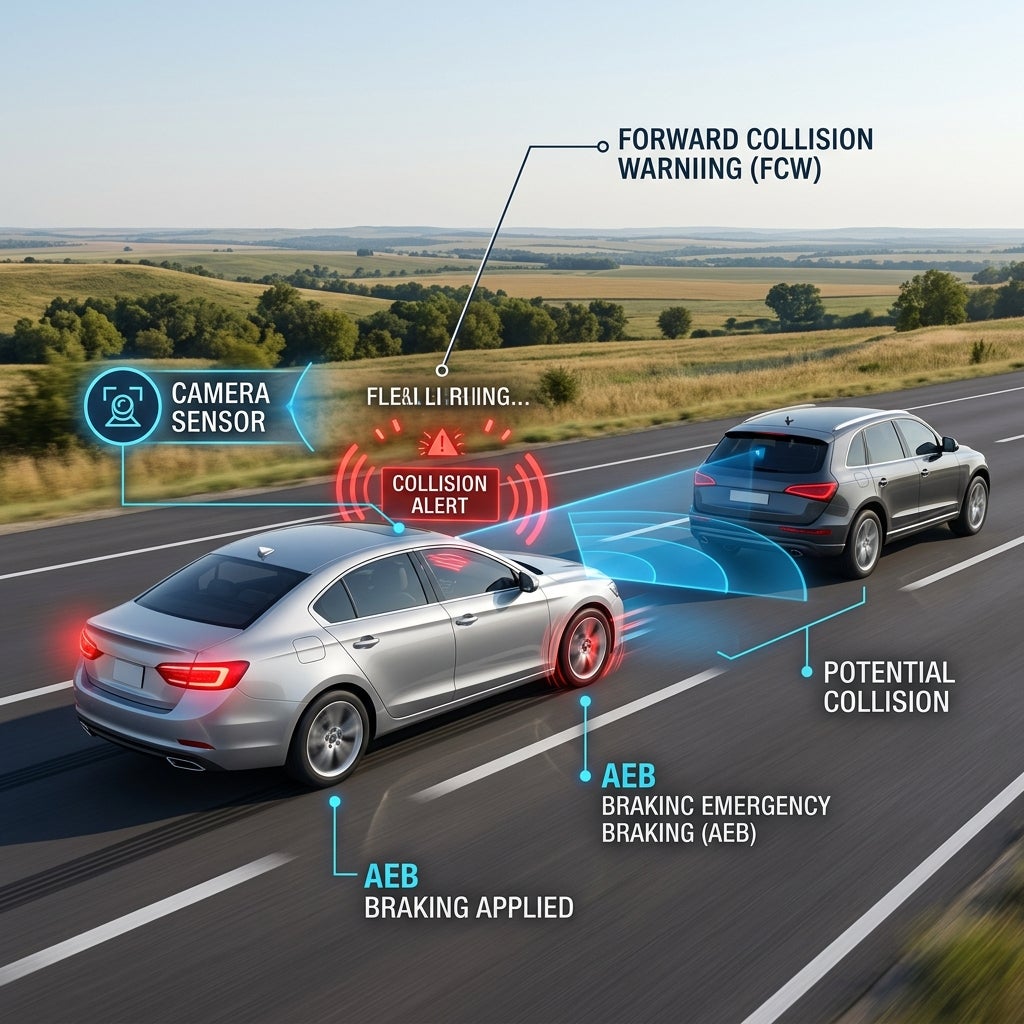





.hrizn-visual-root a { color: #566BA1; } .hrizn-visual-root a { color: inherit; } .hrizn-visual-root p { margin: 0 0 1em; } .hrizn-visual-root p:last-child { margin-bottom: 0; } @media (max-width: 640px) { .hrizn-visual-root { text-align: center !important; } .hrizn-visual-root a { display: block; width: 100%; max-width: 320px; margin-left: auto; margin-right: auto; box-sizing: border-box; } .hrizn-visual-root + a { margin-top: 8px; } } @media (max-width: 640px) { #hrizn-cols-1 { flex-direction: column !important; align-items: stretch !important; } #hrizn-cols-1 > .hrizn-col { flex: 1 1 100% !important; width: 100% !important; } } @media (max-width: 640px) { #hrizn-3cols-1 { flex-direction: column !important; align-items: stretch !important; } #hrizn-3cols-1 > .hrizn-col { flex: 1 1 100% !important; width: 100% !important; } } @media (max-width: 640px) { #hrizn-cols-2 { flex-direction: column !important; align-items: stretch !important; } #hrizn-cols-2 > .hrizn-col { flex: 1 1 100% !important; width: 100% !important; } } #hrizn-table-tbl-inspection-checklist table{width:100%;table-layout:auto;border-collapse:collapse;font-family:'Open Sans',sans-serif;font-size:0.9rem} #hrizn-table-tbl-inspection-checklist th,#hrizn-table-tbl-inspection-checklist td{border:1px solid #e0e4ed;padding:8px;color:#595959;word-break:break-word;overflow-wrap:break-word} #hrizn-table-tbl-inspection-checklist th{background:#f0f4fa;color:#1a1a22;font-weight:700;font-size:15px;text-align:left;vertical-align:middle;padding:10px} #hrizn-table-tbl-inspection-checklist tr:nth-child(even) td{background:rgba(86,107,161,0.04)} #hrizn-table-tbl-inspection-checklist .tableWrapper{overflow-x:hidden} @media (max-width: 640px) { #hrizn-cols-3 { flex-direction: column !important; align-items: stretch !important; } #hrizn-cols-3 > .hrizn-col { flex: 1 1 100% !important; width: 100% !important; } } @media (max-width: 640px) { #hrizn-3cols-2 { flex-direction: column !important; align-items: stretch !important; } #hrizn-3cols-2 > .hrizn-col { flex: 1 1 100% !important; width: 100% !important; } } @media (max-width: 640px) { #hrizn-cols-4 { flex-direction: column !important; align-items: stretch !important; } #hrizn-cols-4 > .hrizn-col { flex: 1 1 100% !important; width: 100% !important; } } @media (max-width: 640px) { #hrizn-3cols-3 { flex-direction: column !important; align-items: stretch !important; } #hrizn-3cols-3 > .hrizn-col { flex: 1 1 100% !important; width: 100% !important; } } @media (max-width: 640px) { #hrizn-cols-5 { flex-direction: column !important; align-items: stretch !important; } #hrizn-cols-5 > .hrizn-col { flex: 1 1 100% !important; width: 100% !important; } } Which Active Safety Technologies Provide the Largest Reduction in Rear-End Collisions? When evaluating active driver-assist technologies for real-world crash avoidance, empirical data from both the Insurance Institute for Highway Safety (IIHS) and the National Highway Traffic Safety Administration (NHTSA) points to one clear champion: Automatic Emergency Braking (AEB) coupled with Forward Collision Warning (FCW). Comprehensive multi-year crash studies reveal that vehicles equipped with functional AEB and forward warning suites experience up to a 50 percent reduction in front-to-rear crashes compared to identical models without these systems. Even more significantly, when considering crashes involving moderate to severe bodily injuries, the reduction rate jumps to an astonishing 56 percent. Forward Collision Warning acts as the immediate sensory extension for the driver, delivering audible, visual, and haptic alerts the millisecond closing speeds indicate an imminent impact. If the human driver fails to react or applies insufficient brake pedal pressure, Automatic Emergency Braking instantly engages hydraulic pressure to bring the vehicle to a complete stop or substantially mitigate crash energy. For commuters traversing Interstate 70 between Junction City and Manhattan or navigating heavy morning stop-and-go traffic near Fort Riley, AEB represents the single most effective technological safeguard available on modern vehicles. While secondary driver-assist features like Lane-Keeping Assist and Blind Spot Information Systems offer valuable lateral protection, no other active safety feature matches the direct impact-prevention capability of forward emergency braking suites. As late-model pre-owned vehicles become increasingly standard with suites like Ford Co-Pilot360, understanding how these systems operate and verifying their calibration is essential for safety-conscious car buyers in Geary County. How Automatic Emergency Braking (AEB) and Forward Collision Warning Prevent High-Speed Impacts The mechanical precision behind modern AEB systems relies on sensor fusion—a sophisticated pairing of millimeter-wave radar modules mounted inside the front bumper grille and optical cameras positioned behind the upper windshield glass. Radar excels at measuring exact distances and relative velocity vectors even in heavy rain, dust, or darkness, while optical cameras analyze object geometry, brake light illumination, and lane positioning. When driving on high-speed corridors like US Highway 77 or I-70 near Junction City, traffic can decelerate abruptly due to highway construction, wildlife crossings, or base gate slowdowns. The radar and camera arrays scan hundreds of feet ahead up to 50 times per second. If closing speed exceeds safe safety thresholds, Forward Collision Warning initiates phase one: flashing red LED heads-up alerts on the windshield alongside high-frequency audible warning chimes. Simultaneously, phase two prepares the braking hardware. Dynamic Brake Support pre-charges the brake hydraulics and pre-positions the pads closer to the rotors. If the driver taps the brake pedal, maximum stopping power is delivered instantly—eliminating human lag time. If the driver fails to respond entirely, phase three activates key emergency braking. Automated solenoids apply maximum fluid pressure to pull momentum out of the vehicle, reducing impact severity or avoiding contact completely. Comparing Secondary Safety Tech: Blind Spot Monitoring, Adaptive Cruise Control, and Rear Cross-Traffic Alert While Automatic Emergency Braking serves as the primary shield against severe front-to-rear impacts, secondary active safety technologies build a complete 360-degree protective bubble around your vehicle. During daily commutes across Junction City, Manhattan, and Fort Riley, these complementary systems work in tandem with AEB to prevent multi-vehicle chain-reaction accidents. Blind Spot Monitoring (BLIS) Utilizing short-range radar modules housed inside the rear quarter panels, Blind Spot Information Systems monitor zones extending approximately 10 feet back from the side mirrors and 30 feet behind the rear bumper. Bright warning icons illuminate in the exterior side mirrors whenever vehicles occupy adjacent lanes. When changing lanes on multi-lane stretches like Chestnut Street or I-70, BLIS eliminates visual blind spots and prevents side-swipe collisions that frequently trigger secondary rear-end impacts. Adaptive Cruise Control (ACC) Adaptive Cruise Control takes standard cruise functionality to the next level by automatically adjusting cruising speed to match the vehicle ahead. Utilizing front radar sensors, ACC maintains a user-selected gap distance (typically 1 to 2.5 seconds behind the lead vehicle). Late-model iterations with Stop-and-Go capability can bring the vehicle to a complete standstill in heavy traffic bottlenecks near Fort Riley gates and automatically resume speed when traffic clears, drastically reducing driver fatigue. Rear Cross-Traffic Alert Reversing out of tight parking stalls at crowded shopping plazas along Washington Street can be hazardous when SUV or truck sightlines are blocked. Rear Cross-Traffic Alert uses rear bumper radar sensors to detect oncoming vehicles approaching laterally from up to 45 feet away. Advanced Reverse Brake Assist systems will automatically engage vehicle brakes if an obstacle or pedestrian is detected behind the vehicle while reversing. Should a Buyer Still Get a Professional Pre-Purchase Inspection If the Vehicle Looks Clean? A pristine vehicle exterior and a clean history report can be deceptive when shopping for late-model pre-owned vehicles equipped with advanced safety suites. Radar modules and forward cameras operate on extreme angular precision—often within fractions of a single degree. A minor parking lot impact that leaves zero cosmetic scratches can knock a front radar bracket slightly out of spec, causing the Automatic Emergency Braking system to target empty space or fail to detect stopping vehicles altogether. Furthermore, aftermarket windshield replacements performed without specialized recalibration target boards can leave camera optics misaligned. If you are considering buying a pre-owned car from an independent private seller, getting a professional diagnostic check is imperative. You can easily Schedule Ford Service Today with factory-trained technicians at Valor Ford to verify radar targeting and camera alignment before signing any purchase contract. Valor Ford's service department utilizes factory OBD-II scan tools to check for internal Diagnostic Trouble Codes (DTCs) within the ADAS (Advanced Driver Assistance System) control modules. These silent codes often do not trigger standard dashboard warning lights, yet they disable emergency braking capabilities. Investing in a pre-purchase verification guarantees that your vehicle's safety envelope functions exactly as engineered. Schedule Pre-Purchase Safety Inspection What Key Features Should Buyers Check When Inspecting a Used Car in Junction City, KS? Inspecting a pre-owned vehicle in Junction City requires a dual focus: evaluating both physical mechanical wear and digital safety sensor integrity. Kansas seasonal climate swings—ranging from icy winter blizzards and road salt treatment to intense summer heat—place unique demands on sensors, braking systems, and tires. Use this comprehensive inspection checklist when evaluating any used vehicle: Inspection Component Key Checks & Vulnerabilities Kansas Climate & Local Highway Impact Diagnostic Verification Method Radar Cover & Front Dome Cracks, pitting, road debris damage, improper aftermarket grille installations. Gravel kickback on I-70 and salt build-up during winter reduces radar transparency. Visual inspection & factory OBD-II module communication test. Upper Windshield Optics Pitting, cracks in camera viewing sweep, aftermarket glass optical distortion. Temperature swings cause stress cracks near camera bracket mounts. Verify OEM glass logo stamp & camera alignment target test. Brake System & Rotors Pad thickness (< 4mm requires replacement), rotor lip rust, uneven pad wear. Heavy salt exposure on rural Geary County roads accelerates rotor corrosion. Micrometer pad thickness check & dynamic brake force test. Tire Tread & Rubber Health Tread depth (< 4/32"), uneven shoulder wear, dry rot checking between treads. Crucial for maintaining AEB stopping distance on wet or icy Kansas roads. Depth gauge check across inner, center, and outer tread blocks. Dashboard Warning System Bulb check upon start-up, stored historical fault logs in instrument cluster. Battery voltage drops during cold winters can trigger false module codes. Full DTC scan across PCM, ABS, and IPMA modules. Never rely solely on visual appearance. An AEB system relies on optimal tire grip and clean mechanical braking components to fulfill its calculated stopping distances. If pads are worn or tires lack sufficient tread, even the most advanced emergency braking computer cannot overcome the physical limits of traction on slick highways. Is It Better to Buy a Certified Pre-Owned (CPO) Car or a Standard Used Car for Active Safety Tech? The Certified Pre-Owned Advantage For buyers prioritising electronic safety reliability, a Certified Pre-Owned vehicle offers factory-backed assurances that standard used cars cannot match. Ford Blue Advantage CPO vehicles undergo a rigorous 172-point inspection covering every safety system. Technicians test front collision warning radar, recalibrate lane-keeping cameras, and verify that all software updates for safety modules are current. Furthermore, CPO vehicles come with factory-backed limited warranty coverage, giving families in Dickinson and Geary counties absolute confidence that their active safety suites are protected against sensor failures or module errors. Standard Used Vehicle Considerations Standard pre-owned vehicles often present a lower purchase price and wider selection across multiple vehicle makes and budget tiers. However, non-certified used cars require extra diligence on the buyer's part. Without factory inspection protocols, standard used cars may have unaddressed safety recalls or uncalibrated camera systems from previous repair work. At Valor Ford, every standard pre-owned vehicle on our lot undergoes a thorough safety check. You can readily Browse Used Inventory online to inspect vehicle history reports and safety feature packages before visiting our showroom. How Much Does a Used Car Typically Cost in Junction City, KS When Equipped with AEB? Because safety technology has trickled down from luxury trims to mainstream vehicles over the past decade, finding an affordable pre-owned car equipped with Automatic Emergency Braking in Junction City is easier than ever. Price ranges vary based on vehicle body style, mileage, and technology generation: Sedans & Hatchbacks $14,000 - $22,000 Late-model compact and midsize sedans (model years 2018–2023) equipped with first- or second-generation AEB suites are available in the $14,000 to $22,000 range. Features often include forward collision alerts, automatic emergency braking, and lane-departure warnings—ideal for fuel-efficient daily commutes. Compact & Midsize SUVs $18,000 - $32,000 Popular pre-owned family crossovers like the Ford Escape and Ford Explorer featuring Ford Co-Pilot360 typically fall between $18,000 and $32,000 depending on mileage and package level. These include pedestrian detection and blind-spot monitoring. Take time to Research Ford Explorer safety options. Full-Size Trucks & Heavy Duty $26,000 - $55,000+ Pre-owned trucks equipped with advanced driver assistance suites, such as Ford Co-Pilot360 2.0 with Intersection Assist and Trailer Coverage, range from $26,000 for work-ready models up to $55,000+ for premium trims. Check details to Research Ford F-150 or Research Ford F-250. Start Your Financing Application Online Junction City Used Car Inventory Spotlight: Freshness and Volume Trends Current automotive market inventory data for Geary County and the surrounding Flint Hills region reveals significant volume trends for safety-conscious car shoppers in Fall 2026. Pre-owned vehicle turn rates have accelerated, with late-model vehicles (2021–2025) featuring standard AEB remaining on dealer lots for an average of just 28 days compared to 45 days for older vehicles lacking active driver assists. This rapid turnover reflects high demand from local commuters and military families stationed at nearby Fort Riley who prioritize collision avoidance features for their daily drives. Inventory freshness is at an all-time high at Valor Ford, with new trade-in intake occurring weekly. Buyers seeking specific active safety features like Evasive Steering Assist or Intersection Assist are encouraged to monitor lot updates frequently to secure late-model inventory as soon as vehicles complete their safety reconditioning. Navigating Base Gates and Flint Hills Highways: Real-World Safety for Fort Riley Personnel Base Gate Congestion & Stop-and-Go Protection Military personnel and civilian contractors commuting to Fort Riley contend with intense traffic density during morning physical training shifts and afternoon dismissal. Traffic approaching Trooper Gate, Henry Gate, or Ogden Gate can suddenly grinding to a halt from 55 mph highway speeds. Low-sun glare during early morning hours further impairs human visibility. In these exact high-risk scenarios, Automatic Emergency Braking and Forward Collision Warning provide critical milliseconds of reaction time, preventing severe rear-end accordion crashes at security checkpoints. Flint Hills Rural Highways & Wildlife Alerts Driving open stretches of I-70 or rural county roads in the Flint Hills presents unique environmental driving hazards. Deer movement peaks during fall migration months in Kansas, and sudden crosswinds can cause sudden speed reductions in surrounding traffic. Advanced radar-camera fusion systems with Nighttime Pedestrian and Large Animal Detection actively monitor dark roadways, auto-applying brakes when unpredictable hazards cross your path before human headlights even catch the reflection. How to Test Drive and Evaluate Driver-Assist Systems Safely Before You Buy Evaluating active safety systems requires a structured approach during your dealership test drive. You must safely confirm that all sensors, alerts, and feedback mechanisms function intuitively without causing unnecessary distraction. Follow this three-step evaluation guide: Step 1: Menu & Static Setup Before turning the key, navigate the instrument cluster digital driver display. Verify that Forward Collision Sensitivity can be adjusted between High, Normal, and Low. Ensure that active braking toggles are switched ON and that no driver-assist system warning messages or disabled icons are illuminated. Step 2: Low-Speed Alert Verification In a controlled parking lot or quiet side street, practice low-speed braking and reversing. Test the Rear Cross-Traffic Alert by backing toward an open area with cross traffic. Confirm that audible chimes sound clearly and that backup camera dynamic guidelines accurately track wheel angle. Step 3: Highway Gap & Lane Test Take the vehicle onto I-70 or Highway 77. Engage Adaptive Cruise Control to test how smoothly the radar adjusts vehicle speed as lead cars accelerate or slow down. Test Lane-Keeping System feedback to ensure steering wheel haptic vibrations or soft steering torque interventions feel natural. Browse Safety-Equipped Used Vehicles Upgrading Your Current Vehicle: Trade-In Values and Safety Suite Upgrades The Financial Logic of Upgrading to Active Safety If you are currently driving an older model vehicle produced before AEB became standard industry practice, your vehicle lacks critical automated collision avoidance tech. Upgrading to a late-model pre-owned vehicle does not just improve reliability—it protects your family against catastrophic rear-end accidents. Thanks to sustained demand in the Kansas pre-owned market, current trade-in valuations remain exceptionally strong. Levering your current car's equity allows you to transition into a late-model Ford Co-Pilot360 vehicle while Helping you find a financing solution that fits your budget. Seamless Trade Evaluation at Valor Ford At Valor Ford, evaluating your trade-in is transparent and quick. Our appraisal team analyzes market conditions, maintenance history, and vehicle condition to offer top market value for your trade. You can start the process right now from home using our simple online tool to get an instant Trade In Evaluation. Apply that trade equity directly toward any of our certified pre-owned or standard safety-equipped used cars. Find Vehicles Equipped with AEB and Advanced Safety Tech at Valor Ford in Junction City When it comes to protecting yourself and your loved ones on Kansas roads, Automatic Emergency Braking stands unmatched as the most effective technology for reducing rear-end collisions. Whether you are searching for a fuel-efficient sedan, a versatile crossover, or a heavy-duty truck, Valor Ford is your trusted destination for safety-inspected pre-owned vehicles in Geary County. Visit our dealership at 1825 Goldenbelt Blvd, Junction City, KS 66441 to test drive late-model Ford Co-Pilot360 models. Need directions? Get Directions to Valor Ford or Call us at (785) 238-5114 to speak with our friendly team. Explore our online tools to Schedule Pickup and Delivery Service, Order Genuine Ford Parts, or research our latest models including Research Ford Maverick, Research Ford Mustang, Shop New Ford Bronco Inventory, and Research Ford F-250. Browse All Safety-Equipped Used Vehicles