




Blog / Winter Driving Tips

Blog

All Winter Driving Tips Buying Guides Maintenance & Service New Vehicle Reviews Technology & Innovation Financing & Insurance Model Comparisons Used Vehicle Guides Safety Features New Vehicle Inventory Valor CDJR Vehicle Ownership Care Ownership & Service Seasonal Vehicle Care Towing & Hauling Safety Service Parts & Accessories Commercial Truck Reviews Model Research Trade in Advice Vehicle Financing & Trade-In Tips Commercial Fleet Management Military & Veteran Benefits Buying Guides & Dealership Services Commercial Vehicles Family & Lifestyle Vehicles KS Community Automotive Repair Dealership Sales Strategies Heavy-Duty Truck Features Military Vehicle Buying Guides Junction City Off-Road & Adventure Vehicles Towing & Hauling Automotive Recalls Financing & Trade-In Options Fleet & Upfit Buying Guides Military & Community Car Buying Programs Warranty & Coverage Hybrid & Electric Vehicles Parts Repair & Diagnostics Automotive News Dealership Visit Preparation Performance & Powertrain Vehicle Features & Accessories Vehicle Maintenance & Preparation Vehicle Registration & Legal Advice for Military Personnel Vehicle Safety & Compliance Brake System Care Dealership Inventory Highlights Financing & Insurance for Military Families Inventory & Pricing Insights Jeep Lifestyle & Accessories Pre-Owned Vehicle Sales Tailgating & Outdoor Recreation Vehicle Pricing Strategies Vehicle Sales Experience Vehicle Trade-In Tips Warranty & Protection Plans Car Buying Tips Car Purchase Tips Commercial Vehicle Comparisons Community & Military Support Initiatives Dealer Profiles & Interviews Dealership Offers & Promotions Dealership Service Experience Diesel Engine Technology Genuine Parts & Accessories Local Automotive Events OEM Parts & Warranty Coverage Recall & Warranty Repairs Road Trip & Travel Tips Special Offers & Promotions Tailgating & Outdoor Adventures Towing & Roadside Assistance Vehicle Maintenance & Winter Care Vehicle Repair & Diagnostics 4WD and AWD Systems Agricultural Vehicles & Equipment Certified Pre-Owned Programs Dealership Events Engine & Performance Insights Lease & Lease-End Information Leasing Options Luxury SUVs Out-of-State Purchasing Guides Part & Warranty Services Parts & Repair Reimbursement Seasonal Sales Events Technology & Innovation in Vehicle Service Tire & Traction Guides Vehicle Care & Upkeep Vehicle Incentives & Promotions Vehicle Technology & Features Weekend Dealership Events and Services
4wd

4WD High vs 4WD Low on I-70: The Direct Answer for Driving on Icy Kansas Highways

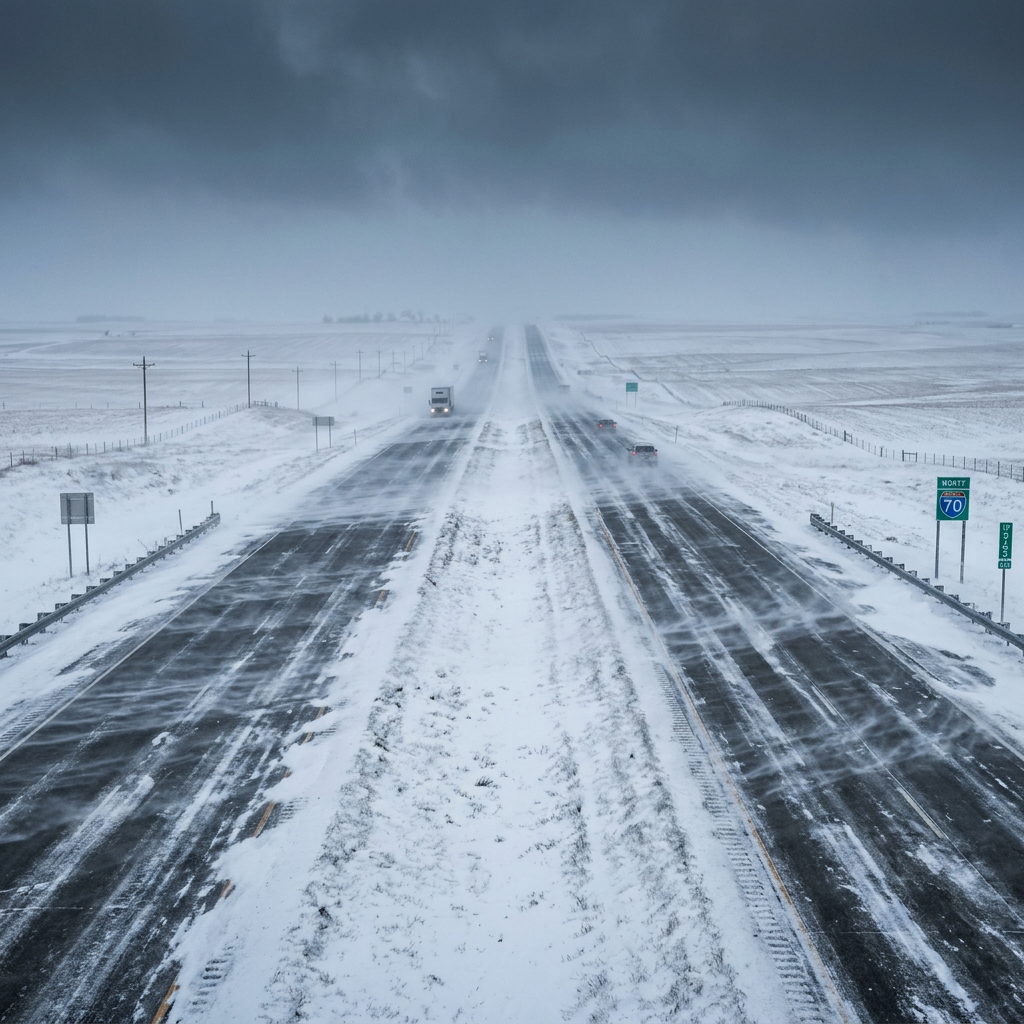
4WD High vs 4WD Low on I-70: The Direct Answer for Driving on Icy Kansas Highways When winter storms hit Central Kansas and transform Interstate 70 into a sheet of packed ice and slush between Junction City, Manhattan, and Salina, clear mechanical decision-making is essential. The practical recommendation for driving on icy highways like I-70 is to use 4WD High (or Auto / Snow Mode) when traveling at highway speeds, and to avoid using 4WD Low on an open interstate. Understanding the mechanical difference between 4WD High and 4WD Low can save your vehicle's drivetrain and prevent catastrophic accidents. Four-Wheel Drive High (4WD High) provides continuous four-wheel traction while maintaining full engine speed range, active vehicle electronic stability control (ESC), and wheel anti-lock braking systems (ABS). It is specifically engineered for slippery surfaces encountered at normal driving speeds, such as snow-covered interstates, slushy highways, and wet gravel roads. In contrast, Four-Wheel Drive Low (4WD Low) engages a secondary set of planetary gears within your vehicle's transfer case, dramatically multiplying gear reduction (typically 2.72:1 or up to 4.0:1 in Rubicon models). This massive torque multiplication is designed exclusively for extreme low-speed power under 25 mph—such as pulling a stranded vehicle out of a ditch or crawling out of deep snowdrifts. Attempting to drive in 4WD Low on open highways forces high engine RPMs at low speeds, mechanically locks front and rear driveshafts together, disables vital stability assistance systems, and risks severe driveline binding, mechanical failure, or sudden lock-up of wheels causing immediate loss of vehicle control. What Is the Maximum Safe Speed When Driving in 4WD Low versus 4WD High? 4WD Low Speed Operating Envelope: The absolute maximum mechanical safe speed when operating in 4WD Low is 25 mph. However, automotive engineers strongly recommend keeping speeds strictly below 15 mph when 4WD Low is active. Because 4WD Low uses maximum gear reduction to deliver extreme wheel torque, high engine speeds are generated at very low road speeds. Driving over 25 mph in 4WD Low causes internal transfer case overheating, extreme engine wear, and severe mechanical stress on front and rear differentials. Furthermore, turning on dry or partially clear pavement in 4WD Low can create driveline bind, where front and rear axles may rotate at different speeds during a turn and may lead to axle hopping or other drivetrain damage. 4WD High Speed Operating Envelope: 4WD High is designed for normal highway travel speeds adjusted for road conditions (typically up to 55–65 mph depending on icy surfaces). In 4WD High, full vehicle speed range is preserved, engine RPM remains in normal bands, and sophisticated vehicle electronics like Electronic Stability Control (ESC) and Anti-lock Braking Systems (ABS) remain fully operational to prevent spinouts on I-70. 4x4 Mode Feature 4WD High (4H / Auto) 4WD Low (4L) Max Safe Operating Speed Standard Highway Speeds (Adjusted for weather) Strictly Under 25 mph (Ideal < 15 mph) Transfer Case Reduction 1.0:1 (Direct Drive) 2.72:1 up to 4.0:1 (High Reduction) Active Stability Control (ESC) Fully Active Deactivated / Calibrated Off Anti-Lock Braking (ABS) Fully Active Modified Low-Speed Off-Road Mode Primary Use Case Icy interstates (I-70), packed snow, slush Deep snow drift extraction, severe mud, rock crawling How Jeep Selec-Terrain Management System Works in Snow and Ice Snow Mode Calibration When you rotate the console dial to Snow Mode in a Jeep Grand Cherokee, the system maintains the transfer case in 4WD High while altering vehicle behavior. It splits front-to-rear drive torque at a 60/40 ratio to maximize directional control. The transmission automatically launches in second gear rather than first to minimize initial wheelspin on frozen pavement. Auto Mode Intelligence In Auto Mode, the Selec-Terrain system continuously monitors wheel speed sensors, throttle position, and steering angle. If slip is detected along I-70, torque is instantly redirected to the axle with traction. However, selecting Snow Mode pre-emptively tunes throttle response to be smooth and progressive, preventing sudden wheel spin when accelerating on black ice. Mode Distinctions Unlike Sand/Mud Mode or Rock Mode (which engage 4WD Low and allow aggressive wheelspin to clear mud or climb obstacles), Snow Mode is specifically tailored to keep wheels glued to slick road surfaces by coordinating engine, transmission, braking, and transfer case controllers into full high-speed stability unison. How Quadra-Trac II Differs from Quadra-Drive II on Winter Roads Quadra-Trac II® System: Quadra-Trac II utilizes a two-speed active transfer case equipped with a center clutch pack. When wheel slip is detected by vehicle sensors, the system can route up to 100% of available engine torque to the axle with the most grip. On cross-axle slip, Quadra-Trac II utilizes Brake Lock Differential (BLD) technology—applying individual brakes to a spinning wheel so torque naturally flows across the open differential to the wheel on solid surface. Quadra-Drive II® with Rear ELSD: Quadra-Drive II builds upon Quadra-Trac II by incorporating a rear Electronic Limited-Slip Differential (ELSD). Instead of waiting for a wheel to spin and applying the brake, the rear ELSD uses electronic clutch packs to anticipate slip. On patch-ice highways like I-70 or packed gravel roads in Riley County, Quadra-Drive II can transfer up to 100% of available rear engine torque to a single rear wheel, providing unrivaled winter acceleration and cornering stability. Browse New 4x4 Inventory Is a Jeep Grand Cherokee 4x4 Worth the Extra Cost over a 2WD Model for Kansas Winter Driving? Severe Flint Hills Weather Kansas winter weather is infamous for rapid thermal drops. A morning rain can freeze into black ice on I-70 within an hour. While 2WD vehicles rely solely on front or rear traction, a 4x4 Jeep Grand Cherokee distributes motive force across all four tire contact patches, drastically reducing initial wheelspin and enabling confident hill climbing throughout the rolling Flint Hills terrain. Superior Resale Value Retention In Geary, Riley, and Saline counties, pre-owned vehicle buyers prioritize four-wheel-drive capabilities. 4x4 SUVs may retain value well on the Midwest pre-owned market compared with some 2WD variants, which can make them a practical choice for winter driving. Uncompromising Emergency Safety Whether navigating unplowed backroads near Fort Riley or coping with sudden ground blizzards between Junction City and Salina, 4x4 provides safety margins that 2WD simply cannot match. With 4WD High and Selec-Terrain, drivers gain emergency maneuverability when avoiding road hazards on ice. Navigating I-70 Winter Hazards Between Junction City, Manhattan, and Salina Driving Interstate 70 in Central Kansas presents unique geographical and atmospheric challenges during winter. The corridor between Junction City (Exit 296), Manhattan (via K-18 / K-177), and Salina is prone to intense crosswinds sweeping across open prairie ridges. High lateral wind gusts combined with slick highway surfaces can easily push high-profile vehicles out of their lane. Operating in 4WD High increases vehicle directional tracking stability, giving the driver better steering control against crosswind buffeting. Elevated bridge decks—such as the bridges over the Republican River near Junction City and the Smoky Hill River near Salina—freeze long before adjacent roadbeds due to air circulating beneath the bridge structure. Drivers transitioning from wet pavement to invisible black ice on bridges require smooth throttle management. Avoid sudden braking or hard steering inputs; let your vehicle's 4WD High system and anti-lock systems assist stability without jarring gear shifts. If you need local route guidance or emergency assistance, you can Get Directions to Valor CDJR for expert vehicle support. When Dedicated Winter Tires Beat Factory All-Seasons on Rural Gravel and Early-Morning Commutes Rubber Thermodynamics Below 45°F Factory all-season tire rubber compounds begin to harden and lose elasticity when ambient temperatures drop below 45°F (7°C). Once hardened, all-season tires cannot flex into road micro-textures, significantly lengthening stopping distances on icy pavement regardless of whether your vehicle is 2WD or 4x4. Dedicated winter tires feature specialized hydrophilic rubber compounds that remain soft in sub-zero weather, combined with thousands of microscopic sipes that create biting edges on glare ice. Rural Gravel & 3PMSF Performance For early morning commuters near Junction City, Fort Riley, and rural Geary/Riley counties, unpaved gravel roads present a mixture of frozen mud, rutted gravel, and drifting snow. Tires carrying the 3-Peak Mountain Snowflake (3PMSF) rating offer up to 30% shorter stopping distances on packed snow than standard M+S rated all-seasons. While 4WD accelerates your vehicle, only tire tread grip stops it. Order Winter Tires & Accessories Step-by-Step Guide: How to Shift into 4WD Low to Get Unstuck from Deep Snow Drifts Step 1: Complete Stop & Neutral Shift Bring your vehicle to a complete stop. Press the brake pedal firmly and shift the main automatic transmission lever into NEUTRAL (N). Shifting into 4WD Low while in Drive or Reverse will cause gear clash or transfer case lock-out rejection. Step 2: Engage 4WD LOW Button Press and hold the 4WD LOW switch (or rotate the dial to 4L / Rock mode). Wait until the instrument cluster display turns solid with the 4WD LOW indicator light before shifting transmission back into Drive or Reverse. Step 3: Gentle Rocking & Return to 4H Disable Traction Control to allow wheel spin if rocking out of deep drifts. Apply gentle throttle (do not exceed 15 mph). Once freed onto paved or cleared road surfaces, stop, shift to NEUTRAL, and switch back to 4WD HIGH immediately. Essential Pre-Winter Maintenance Checklist for 4x4 Transfer Cases and Differentials 4x4 Fluid Inspection & Service: Before severe freeze cycles arrive in Geary County, inspecting your 4x4 drivetrain fluid condition is vital: Transfer Case Fluid: Fresh synthetic transfer case fluid ensures rapid clutch engagement and internal cooling when shifting between 4WD High and 4WD Low. Front & Rear Differential Gear Oils: Inspect gear oil for water contamination or metal shavings. Cold temperatures increase fluid viscosity; fresh fluid prevents cold-start wear. Brake Lock Differential Sensor Checks: Verify wheel speed sensor harnesses are free of debris and corrosion. Battery & Electrical System Health: Extreme cold places severe loads on your vehicle's 12-volt battery. 4x4 electronic transfer case actuators, ELSD solenoids, and Selec-Terrain modules require steady electrical voltage. A battery with degraded Cold Cranking Amps (CCA) can fail to shift your transfer case when freezing temp drops occur overnight. Component Inspection Interval Recommended Winter Action Transfer Case Fluid Every 30,000 - 60,000 Miles Check level & fluid clarity before November freezes Front & Rear Differentials Every 20,000 - 40,000 Miles Replace fluid if exposed to deep mud/water Tread Depth (Winter) Monthly Ensure minimum 4/32" tread (6/32" preferred) Battery Health (CCA) Bi-Annually Load-test battery for sub-zero performance Demystifying 4x4 Low-Range and Selec-Terrain: Safe Driving on I-70 and Rural Kansas Gravel Synthesizing safe 4x4 operational rules comes down to matching transfer case range with speed and surface traction. On open interstates like I-70 where speeds exceed 25 mph, keep your transfer case in 4WD High or Selec-Terrain Snow Mode. This maintains full vehicle control, engine cooling, ABS, and stability control systems without putting strain on driveline hardware. When venturing onto rutted gravel roads or unpaved farm lanes in Riley or Dickinson counties, loose gravel allows tire slippage that relieves driveline tension. However, reserve 4WD Low strictly for low-speed recovery scenarios under 15–25 mph where maximum gear reduction is needed to crawl out of heavy snowdrifts. If considering upgrading your current vehicle before peak winter, you can explore your vehicle's value with a Trade In Evaluation. Value Your Trade-In Winter Highway Survival Gear to Keep in Your Jeep for Central Kansas Travel Recovery Hardware 20 ft / 20,000 lb Heavy-Duty Tow Strap Collapsible Metal Snow Shovel Traction Boards / Escaper Mats Heavy Work Gloves & Ice Cleats Emergency Power & Warmth Portable Lithium Battery Jump Starter Mylar Thermal Blankets & Wool Throw LED Flashlight with Extra Batteries Non-Perishable Energy Bars & Water Visibility & Fluids Brass-Blade Ice Scraper & Snow Brush 2 Gallons Sub-Zero (-30°F) Washer Fluid LED Road Flares / Reflective Triangles First Aid Kit & Multi-Tool Prepare Your Vehicle for Winter Driving at Valor CDJR in Junction City If you want to prepare before the first severe blizzard, have your vehicle's 4x4 system inspected. At Valor CDJR in Junction City, our factory-certified Chrysler, Dodge, Jeep, and Ram technicians are ready to inspect your transfer case, test battery cold-cranking output, check differential fluids, and mount 3PMSF winter tires tailored for Central Kansas highways. Serving Junction City, Manhattan, Fort Riley, and Salina, Valor CDJR is your trusted regional authority for winter safety and 4x4 excellence. Call (785) 238-5114 or stop by our dealership located at 1825 Goldenbelt Blvd, Junction City, KS 66441 today. Schedule Winter Service
Is All-Wheel Drive Worth the Extra Cost for Kansas Winters? The Bottom-Line Verdict from 20 Years in the Dealer Seat

Is All-Wheel Drive Worth the Extra Cost for Kansas Winters? The Bottom-Line Verdict from 20 Years in the Dealer Seat

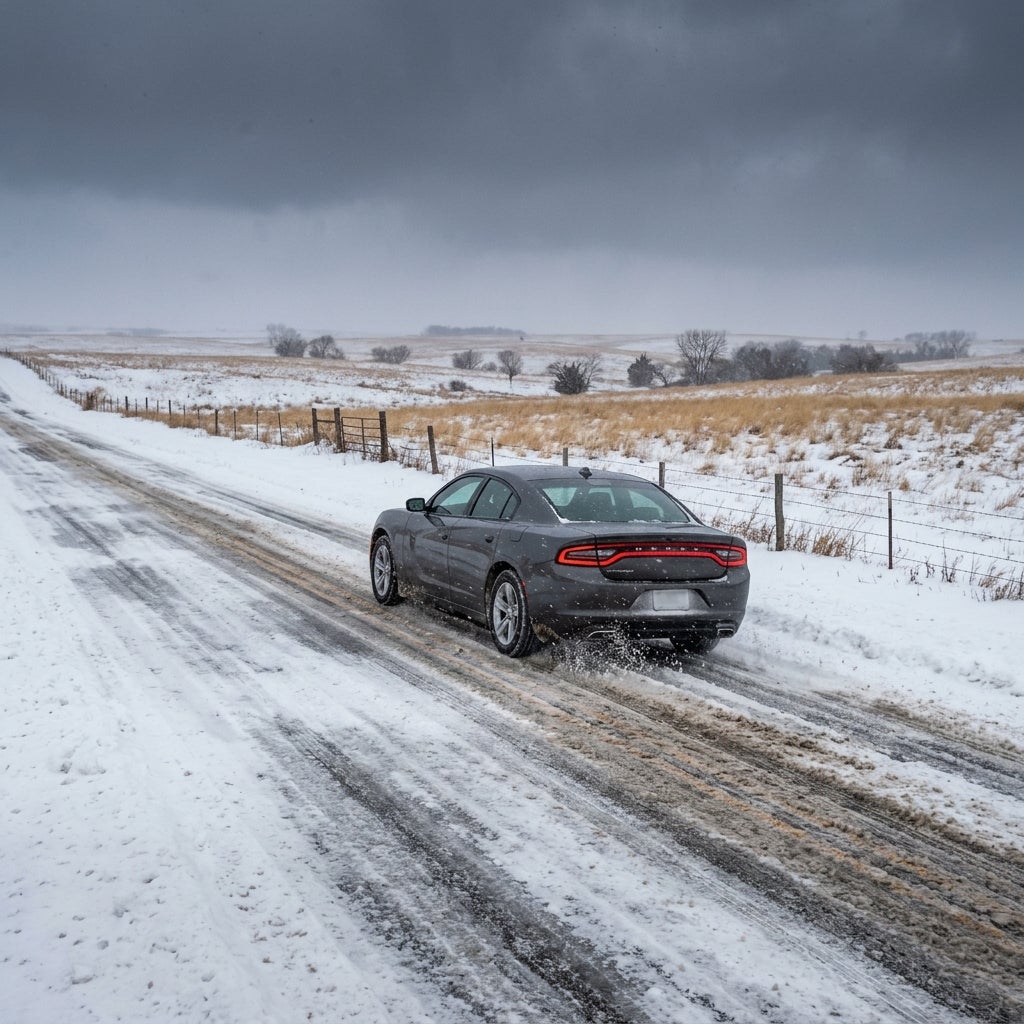
Is All-Wheel Drive Worth the Extra Cost for Kansas Winters? A 20-Year Perspective from the Dealership As the General Manager at Valor CDJR here in Junction City, I get asked the exact same question as temperatures drop each fall: "Jace, do I really need to spend the extra $2,000 to $3,000 for All-Wheel Drive, or am I just buying into clever dealership marketing?" After two decades sitting in the dealer seat, watching how vehicles perform across thousands of Kansas winter commutes, evaluating trade-ins, and analyzing real-world accident reports, my short answer is unequivocally YES. However, that affirmative comes with one critical, non-negotiable caveat: an advanced AWD system is only as effective as the mechanical grip of the rubber touching the pavement. Kansas winter driving is notoriously deceptive. Unlike regions that receive consistent, dry powder snowfall, the weather patterns across Geary, Riley, and Dickinson counties deliver freezing rain, sudden black ice on I-70 bridges over the Smoky Hill River, unplowed rural farm routes, and deep sludgy slush on hill inclines throughout Manhattan. Rear-wheel drive vehicles—traditionally loved for their raw American muscle dynamics—can quickly transform into stressful challenges when torque breaks rear traction. Front-wheel drive offers decent pull over the front axle, but it lacks the active dynamic torque distribution required to climb frozen grades or recover from sudden lateral slippage. All-Wheel Drive changes the safety equation completely by transforming wheelspin into forward momentum within milliseconds. Throughout this deep-dive report, I am going to break down the mechanical engineering behind modern Dodge all-wheel drive systems, contrast rear-wheel drive muscle against four-corner traction, evaluate winter tire physics, examine cold-weather electric vehicle range retention, and calculate the true monetary return on investment. Whether you are driving an daily commuter across Junction City or navigating backroads near Fort Riley, understanding how AWD technology operates will empower you to make an informed, safety-first automotive decision. Meet Jace Grabouski: Two Decades Navigating Flint Hills Roads and Automotive Engineering My perspective isn't derived from press releases or vehicle brochures; it comes from 20 continuous years on the frontlines of dealership operations right here in Junction City. Over two decades serving as General Manager at Get Directions to Valor CDJR, I have personally assisted thousands of local drivers, military service members from nearby Fort Riley, and local farm families select vehicles tailored to our rugged regional topography. Having spent decades evaluating Chrysler, Dodge, Jeep, and Ram engineering evolutions—from early mechanical transfer cases to modern electro-hydraulic active axle disconnections—I have developed a granular appreciation for drivetrain engineering. When winter storms sweep through the Flint Hills, bringing sub-zero temperatures and packed sheet ice, knowing exactly how your car's transfer case shifts torque between axles isn't just automotive trivia—it's essential knowledge for keeping your family safe on rural state highways. How Does the Dodge Charger All-Wheel Drive System Perform in Snow and Winter Conditions? To understand why the Dodge Charger AWD system is uniquely qualified for Midwestern winter storms, you have to look under its sheet metal. Unlike traditional basic all-wheel drive setups that drag all four wheels continuously—sucking fuel efficiency dry—Dodge engineered an active transfer case with complete front-axle disconnect technology. Under ideal summer driving conditions or dry autumn highway cruising, the system can disengage the front driveshaft. The vehicle operates as a 100% rear-wheel drive sedan, preserving classic muscle car steering dynamics and maximizing fuel economy. However, the moment ambient temperatures drop below approximately 40°F, or sensors detect wheel slip, windshield wiper activation, or rapid acceleration inputs, an electro-hydraulic clutch pack seamlessly engages the front axle in under 17 milliseconds. This lightning-fast engagement happens without any driver intervention. On frozen asphalt or unpaved backroads across Riley County, torque is dynamically shifted up to a 38/62 front-to-rear ratio, ensuring instant stability before micro-slips turn into major loss of control. Furthermore, Dodge pairs this active transfer case with Electronic Stability Control (ESC) and All-Speed Traction Control tuned specifically for icy conditions. When the Charger detects one side of the vehicle resting on snow while the other sits on pavement (a common occurrence when pulls off onto shoulder gravel), the system applies micro-braking pressure to spinning wheels while re-routing torque across the open differentials to wheels with grip. The result is a heavy, balanced four-door sedan that plants itself with total confidence into winter corners. Having driven Charger AWD test units through heavy blizzards along US-77, I can attest that the level of lateral stability and directional tracking provides peace of mind that lightweight front-wheel drive economy cars simply cannot match. How Does Dodge Charger AWD Compare to RWD in Winter Driving Across Junction City? Rear-Wheel Drive (RWD) Dynamics RWD delivers unmatched acceleration geometry on dry asphalt because vehicle weight transfers to the rear axle during launch. However, on freezing rain or slick ice, pushing a vehicle from behind while using front wheels solely for steering creates inherent instability. Under heavy throttle on icy Junction City streets, rear wheels easily break traction, causing oversteer ('fishtailing') that requires quick counter-steering. All-Wheel Drive (AWD) Traction AWD pulls and pushes simultaneously. By transferring engine output across four contact patches, engine torque per wheel is effectively cut in half. This drastically reduces the likelihood of exceeding any single tire's threshold of static friction. Starting from a complete stop on an icy uphill stoplight becomes effortless, eliminating panic and wheelspin completely. Flint Hills Commuting Realities Cruising I-70 between Junction City and Manhattan during severe squalls presents high-speed crosswinds combined with slush accumulation between lanes. RWD vehicles experience severe lateral drift during lane changes. AWD provides directional stability, locking the sedan onto its intended path even when crossing frozen slush ruts at speed. Browse New AWD Inventory How Does the Next-Gen Dodge Charger’s Wet/Snow Mode Help in Winter Conditions? Modern drivetrain engineering extends far beyond mechanical gears; software algorithms dictate how power reaches the cold asphalt. In next-generation Dodge Charger platforms, the selectable Wet/Snow Drive Mode fundamentally recalibrates the vehicle’s brain to prioritize stability over aggressive performance. When engaged, Wet/Snow mode alters electronic throttle mapping. Even if a driver presses heavy on the accelerator pedal out of habit, the ECU dampens engine response, delivering smooth, progressive torque build-up rather than sudden bursts that break tire adhesion. The transmission logic shifts early to keep engine RPM low, reducing peak torque torque at the wheels. Simultaneously, the active transfer case locks into a fixed 50/50 static torque split, ensuring both front and rear axles share initial movement duties instantly upon acceleration. The ABS and ESC systems adopt ultra-sensitive threshold settings, intervening subtly before driver-perceptible slip occurs. For drivers facing deep snow drifts or packed ice near Milford Lake, this software integration transforms high-horsepower machinery into a predictable, compliant winter transport. It removes driver error from throttle management during slippery maneuvers. Are Factory All-Season Tires Sufficient for Winter Driving in a Dodge Charger AWD? The All-Season Myth Factory all-season tires are engineered for low rolling resistance and long tread life in moderate conditions. However, once ambient temperatures drop below 45°F (7°C), standard all-season rubber compounds harden like hockey pucks. Regardless of how sophisticated your AWD system is, hard rubber cannot conform to ice micro-texture. Dedicated Winter Rubber Dedicated winter tires utilize silica-rich soft rubber compounds that remain flexible in sub-zero Kansas deep freezes. High-density 3D siping cuts through surface water films to bite directly into hard ice. Pairing Dodge AWD with dedicated winter tires yields stopping distances up to 35% shorter than AWD with all-season rubber. Remember: All-wheel drive helps you accelerate, but all four wheels already brake on every car. AWD does not reduce stopping distance on ice—tires do. If you plan to navigate extreme winter conditions across Kansas, combining AWD technology with proper winter tires or severe-snow-rated 3PMSF (Three-Peak Mountain Snowflake) tires at our Parts Department is the ultimate safety solution. Jace’s Core Insight: "Traction Tech Gets You Moving, But Tread Physics Keeps You Off the Shoulder "In my 20 years managing dealerships in Junction City, the most dangerous driver on the road during a winter storm is the one who believes an 'AWD' badge makes them immune to the laws of physics. All-Wheel Drive gives you incredible confidence getting out of snowy driveways and climbing icy Flint Hills grades. But when it comes to steering around an obstacle or emergency stopping on freezing rain, your drivetrain won't save you if your tires are bald or unsuited for sub-zero temperatures. Respect the road, maintain your vehicle, drive with sensible speed, and let technology work for you." — Jace Grabouski, General Manager at Valor CDJR Schedule Winter Service Checkup Is the Dodge Charger AWD Platform Identical to the Chrysler 300 AWD? A frequent technical query from pre-owned vehicle buyers visiting our showroom is whether the Dodge Charger AWD system is identical to the Chrysler 300 AWD setup. From an architecture standpoint, yes—they share core mechanical DNA. Both flagship sedans utilize Stellantis' unibody full-size platform, sharing the BorgWarner active transfer case, front axle disconnect hardware, and 3.6L Pentastar V6 powertrain pairing. However, executive chassis tuning separates their road personalities. The Chrysler 300 AWD is calibrated for plush, luxury isolation, utilizing softer dampening rates, quieter compliance bushings, and smoother throttle mapping. It absorbs highway expansion joints effortlessly while delivering quiet winter confidence. In contrast, the Dodge Charger AWD receives sport-calibrated steering gear ratios, firmer anti-roll bars, stiffer damper valving, and aggressive transmission shift schedules. The electronic stability control thresholds in the Charger allow slightly more dynamic rotation before intervening, providing a sportier feel on winding Kansas country roads. Both sedans offer exceptional winter capability, but choosing between them depends on whether your preference leans toward executive comfort or muscular performance. Explore our Used Vehicle Listings to compare both models side-by-side. How Does Cold Weather Affect the Battery Range and AWD of the Electric Dodge Charger Daytona? As Dodge ushers in the electrified era with the all-electric Dodge Charger Daytona, winter performance dynamics undergo a radical revolution. The Daytona replaces mechanical driveshafts and transfer cases with dual Electric Drive Modules (EDMs)—one powering the front axle and one powering the rear. This dual-motor electric AWD configuration delivers instant torque vectoring across four wheels within microseconds, eliminating mechanical engagement delays entirely. However, extreme Midwestern cold impacts high-voltage lithium-ion battery chemistry. During sub-zero Kansas cold snaps, chemical reactions slow down, and cabin heating demands energy from the traction battery. Drivers can expect a temporary range reduction of 20% to 30% during severe freezing conditions if proper thermal management protocols aren't followed. To mitigate range loss, the Charger Daytona features automated battery pre-conditioning. When scheduled while plugged into your Level 2 home charger prior to morning departure in Junction City, the system warms the battery pack to its optimal electrochemical operating window (around 70°F) using grid power rather than stored battery energy. This preserves maximum driving range and ensures full dual-motor AWD power availability from the instant you back out of your driveway. Calculating the ROI: Upfront Costs, Resale Value, and Winter Safety Peace of Mind Initial Purchase Cost Selecting All-Wheel Drive can affect a vehicle's MSRP. For current pricing and payment information, contact the dealership. Additionally, active front-axle disconnect technology keeps fuel economy penalties negligible (typically less than 1 MPG difference compared to RWD). Resale & Trade Equity In Midwestern resale markets like Kansas, AWD vehicles retain a significantly higher percentage of their initial value compared to RWD sedans. At trade-in time, AWD vehicles may retain stronger resale value compared with similar RWD models. Accident Avoidance ROI Insurance deductibles and related costs vary. AWD may help improve winter confidence and could reduce the risk of weather-related incidents. Evaluate Your Trade-In Equity Jace Grabouski’s Winter Readiness Checklist for Riley County Drivers Before the first severe freeze hits Junction City, I recommend every driver complete this 4-step winter readiness protocol to ensure total vehicle reliability: 1. Battery Load Testing: Cold weather reduces battery capacity by up to 50%. Have your 12V battery load-tested at our Express Lane to avoid getting stranded in freezing temperatures. 2. Transfer Case Fluid Inspection: AWD transfer cases rely on clean synthetic fluid to actuate clutch packs smoothly. Check your maintenance schedule or visit service every 30,000 to 50,000 miles. 3. Tire Tread Depth & Pressure: Inspect tread depth using a depth gauge (minimum 4/32" for winter driving). Remember that tire pressure drops approximately 1 PSI for every 10°F drop in outside temperature. 4. Verify Drive Modes & Emergency Kit: Familiarize yourself with how to engage Wet/Snow drive modes in your vehicle controls, and pack a trunk kit containing jumper cables, a tow strap, blanket, flashlight, and bag of ice melt. Test Drive All-Wheel Drive Performance at Valor CDJR in Junction City If you are considering winter readiness to find out if your vehicle is equipped for Kansas roads. My team and I at Valor CDJR are ready to help you navigate your winter vehicle search with transparent expert guidance, competitive financing offers, and world-class service support. Visit our showroom at 1825 Goldenbelt Blvd, Junction City, KS 66441 or Call us at (785) 238-5114 to speak directly with our product specialists. Experience the security, power, and engineering precision of modern Dodge and Chrysler All-Wheel Drive firsthand. Get Pre-Approved Online

Contact Us

Fill out this form below and we'll contact you shortly
*Required Fields