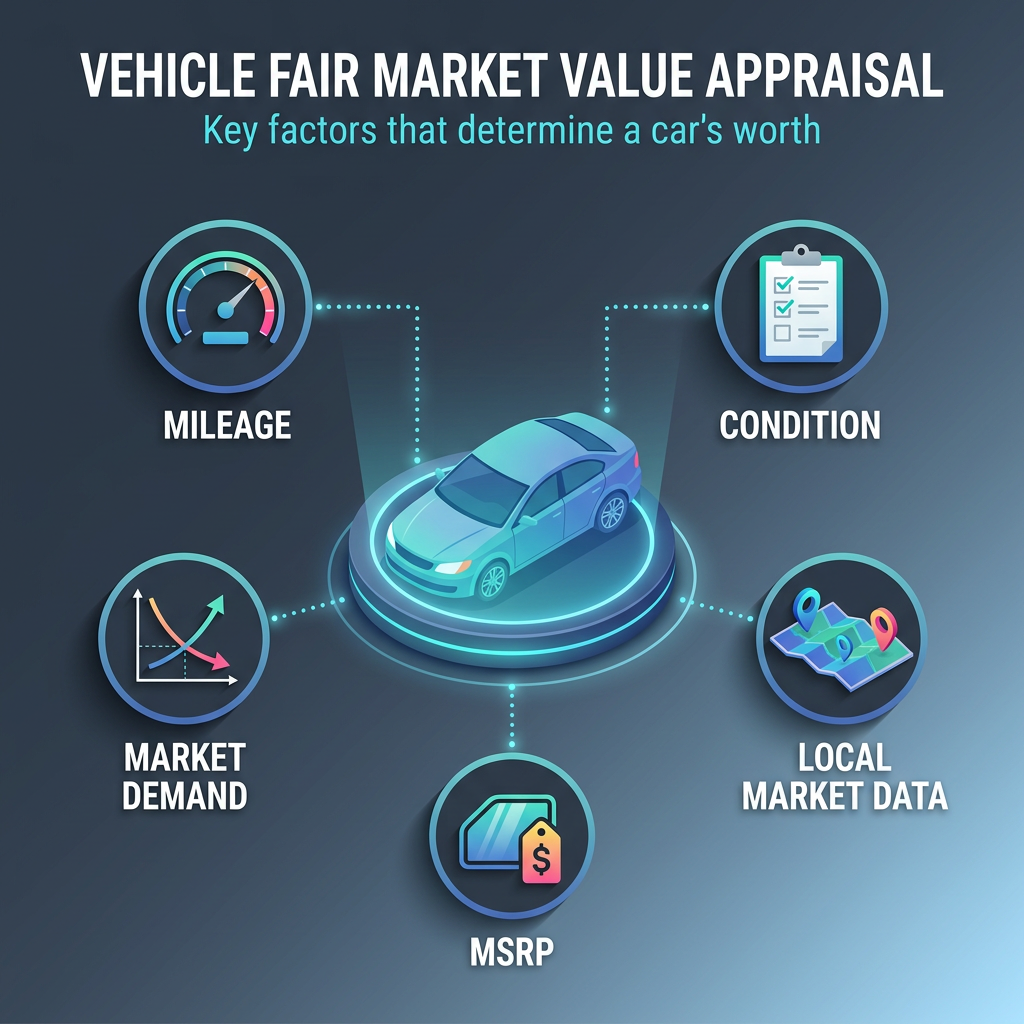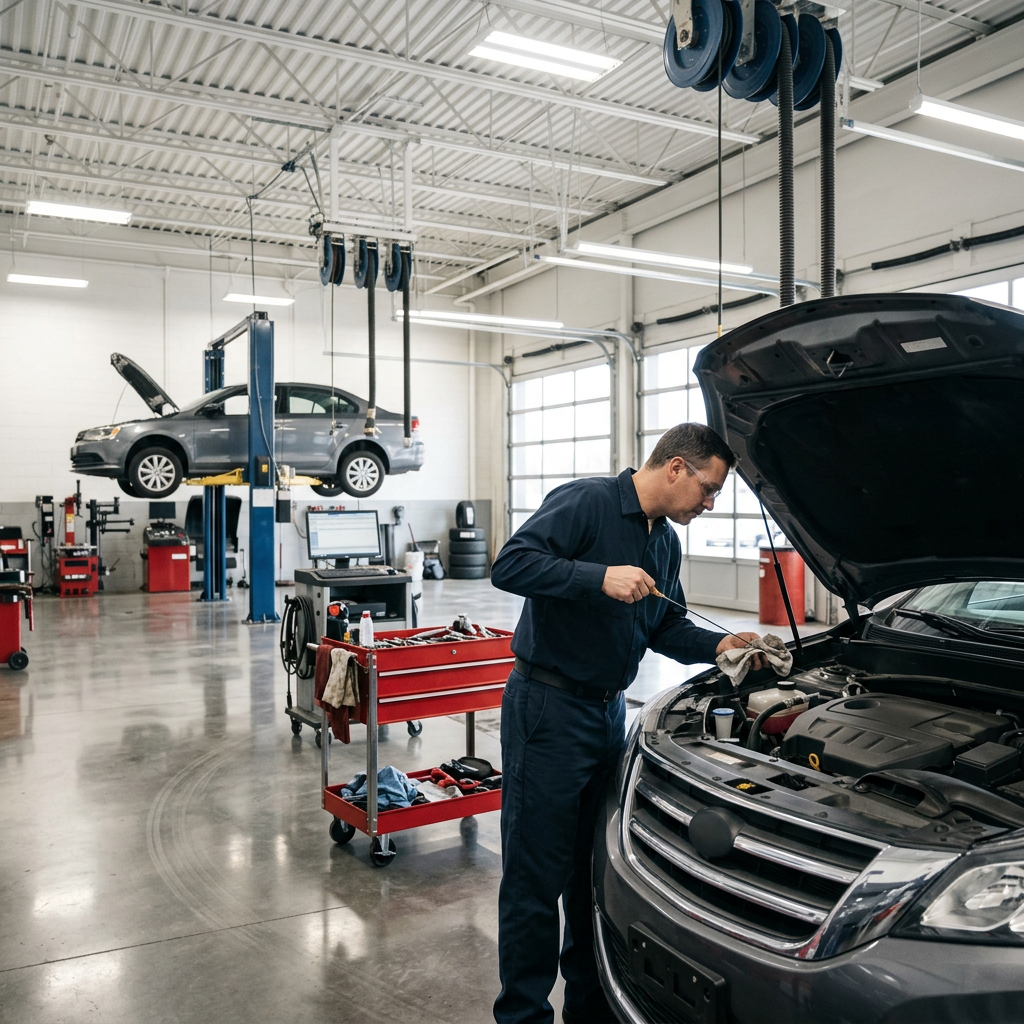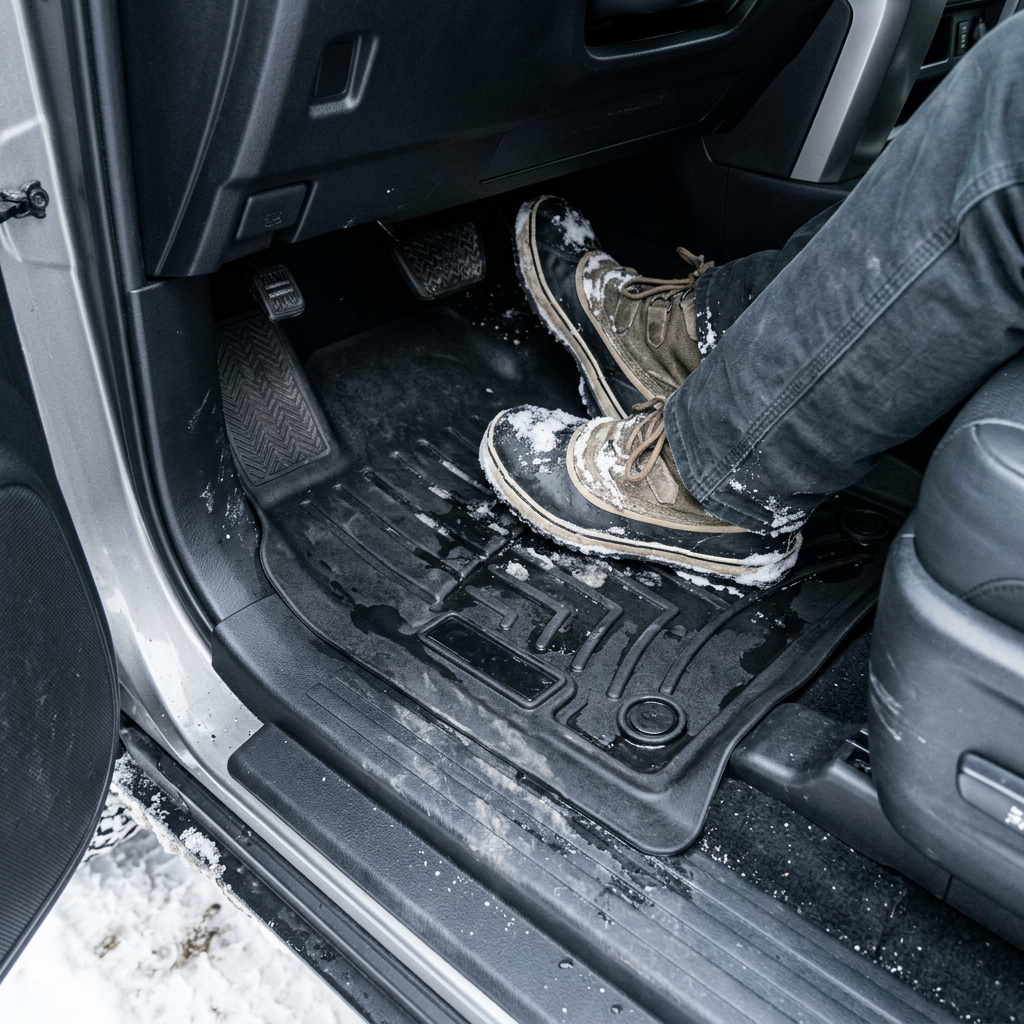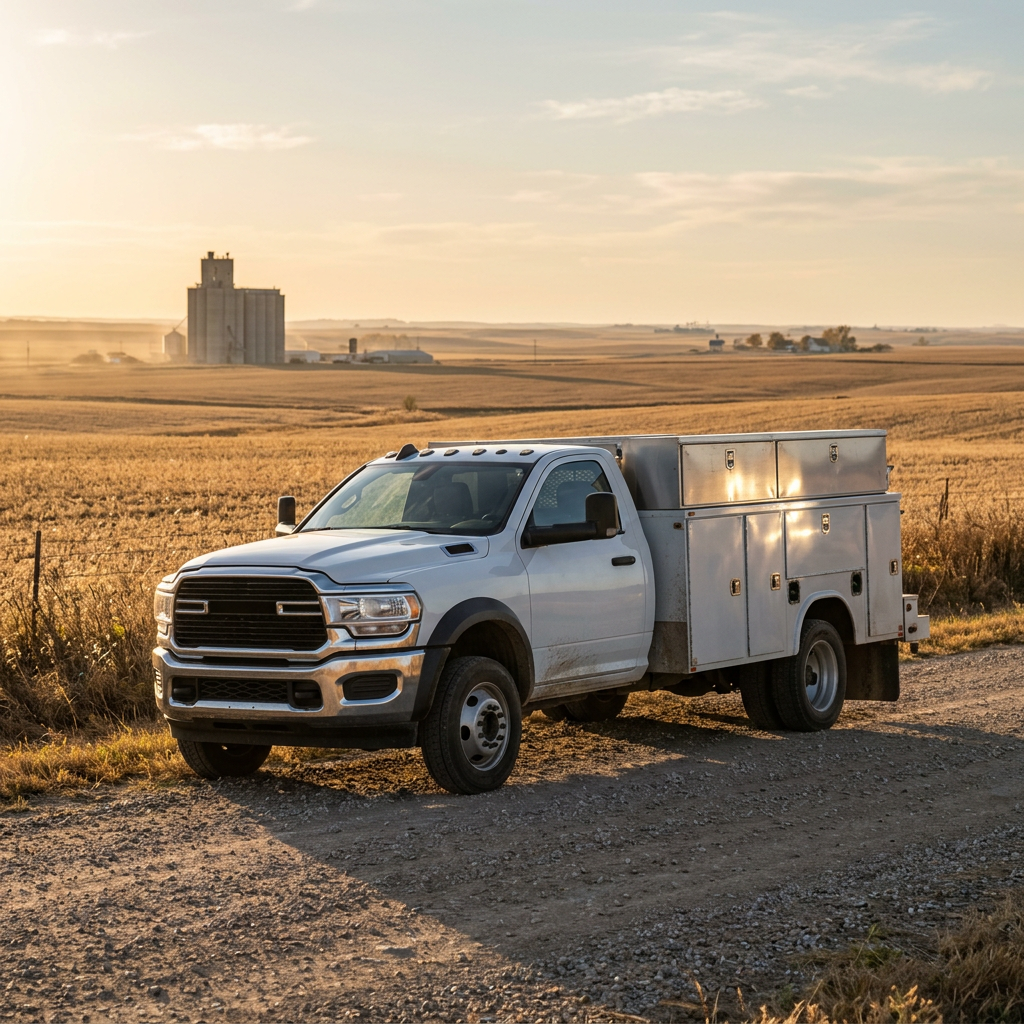





How Is Fair Market Value Determined for a Vehicle? Direct Valuation Factors Explained Determining the true Fair Market Value (FMV) of a vehicle requires looking beyond simple online price tags. At its core, fair market value represents the monetary price that a willing, informed buyer would pay and a willing, informed seller would accept in an open, competitive market—neither being under any compulsion to buy or sell. Establishing this baseline is essential whether you are buying a new vehicle, trading in your current ride, or selling a used vehicle outright. Automotive valuation experts evaluate several critical baseline metrics to calculate accurate market values. These factors include real-time regional transaction data, overall mileage, vehicle age, physical and mechanical condition, trim level, and factory-installed options. In active vehicle markets like Junction City, Manhattan, and the broader Flint Hills region of Kansas, localized supply and demand dynamic exert significant weight on final pricing numbers. What Does MSRP Stand for in Automotive Sales and How Does It Differ From Retail Price? Understanding MSRP Baseline Metrics: MSRP stands for Manufacturer's Suggested Retail Price. It is the baseline dollar figure established by the vehicle manufacturer that represents the baseline retail price before optional packages, dealer accessories, local taxes, title, or destination delivery charges are calculated. Because MSRP is set nationally by the manufacturer, it remains identical across dealerships nationwide regardless of geographic location. It provides a standardized starting point for buyers to compare model pricing across different trim levels. MSRP vs Actual Retail Selling Price: While MSRP serves as the manufacturer's benchmark recommendation, the actual retail price is determined by real-world market equilibrium. In periods of high vehicle availability, retail prices may vary based on current market conditions and available manufacturer incentives. Conversely, when specific models experience high demand or low supply around Geary and Riley counties, transaction prices align closely with or occasionally exceed MSRP. Understanding this baseline distinction helps car shoppers negotiate with clarity and confidence. What Federal Law Requires Window Stickers on New Cars and What Information Must They Display? Every brand-new vehicle sold in the United States must legally display a standardized window sticker commonly referred to as a Monroney sticker. This mandatory document was established under the Automobile Information Disclosure Act of 1958, authored by Oklahoma Senator Almer Stillwell 'Mike' Monroney. Before this legislation, car buyers faced considerable confusion regarding base pricing, optional features, and shipping costs. The Monroney Act protects consumers by requiring clear, transparent labeling directly on new vehicles before they enter dealer inventory. Mandatory Information Standardized on Window Stickers: • Official Base MSRP breakdown • Factory-installed optional packages and pricing • Destination and handling delivery charges • Official EPA fuel economy ratings (MPG city/highway) • NHTSA 5-Star Safety Ratings breakdown • Engine, transmission, and final assembly point details Do Car Dealerships Actually Pay Full Invoice Price for Vehicles? Factory Invoice Price Explained: The factory invoice price represents the initial dollar amount billed from the automaker to the dealership when a vehicle is shipped. While many buyers assume invoice price reflects actual net dealer cost, wholesale accounting involves additional structural nuances. Dealer Holdback Programs: Automakers typically provide a financial payment to dealers known as holdback—usually 2% to 3% of the base MSRP or invoice amount. Holdback assists dealerships in offsetting inventory financing expenses, facility operations, and floor-plan interest costs. Volume Incentives & Allowances: Manufacturers offer tiered performance allowances, quarterly sales goal cash incentives, and regional advertising funds. These factory-to-dealer programs reduce true net dealer cost, supporting competitive retail pricing for car shoppers. Explore New Vehicle Listings Can You Decline Dealer-Installed Options on a New Car When Negotiating Price? Factory-Installed vs Dealer-Added Accessories: It is vital to distinguish between options installed directly on the assembly line versus accessories added after arrival at a dealership. Factory-installed packages appear directly on the Monroney sticker and cannot be physically removed. Dealer-added accessories, such as custom tinting, paint protection film, wheel locks, or all-weather floor guards, are listed on a supplemental window addendum. Buyers have full consumer rights to discuss, negotiate, or decline non-factory add-on items when establishing a fair market purchase price. Practical Negotiation Strategies: 1. Review the vehicle pricing breakdown line-by-line prior to finalize agreement terms. 2. Request clear separation between base MSRP, factory packages, and dealer addenda. 3. Decide which protective accessories offer genuine practical value for your daily driving habits in Kansas. Key Physical and Operational Factors That Impact Used Car Appraisal Values Mileage & Mechanical Wear: Mileage remains one of the fastest impact points in pre-owned valuation. Average annual usage sits around 12,000 to 15,000 miles. Crossing key milestones (such as 30k, 60k, or 100k miles) affects valuation thresholds based on major upcoming service intervals. Body & Interior Condition: Physical aesthetics directly sway market appraisals. Inspectors evaluate exterior paint clarity, body panel integrity, frame alignment, upholstery wear, and cabin odor. Vehicles rated in 'Excellent' condition command distinct market premiums. Vehicle History & Maintenance: Comprehensive history reports (CARFAX/AutoCheck) reveal clean title status, structural repair history, airbag deployment, single-owner pedigree, and consistent scheduled maintenance records that boost consumer resale confidence. How Local Geography and Regional Demand Influence Fair Market Value in Junction City and Riley County Automotive market values are heavily influenced by geographic region. Vehicle demand in central Kansas reflects the unique lifestyle needs, seasonal weather conditions, and terrain of the Flint Hills region. In Junction City, Manhattan, and surrounding Riley and Geary counties, four-wheel-drive (4WD) trucks and all-wheel-drive (AWD) SUVs command higher relative market value than they might in sunbelt states. Local drivers require durable traction for winter snow, agricultural operations, and rural gravel roads. Additionally, military service members commuting around Fort Riley create strong demand for reliable, well-maintained pre-owned commuter vehicles. Value Your Trade-In Online Comparing Black Book, Kelley Blue Book, Edmunds, and NADA Value Reports Kelley Blue Book (KBB) & Edmunds: Consumer-focused valuation guides heavily weight asking prices on retail dealer websites and private seller listing aggregators. They provide easy-to-read market ranges for everyday buyers. NADA Values (J.D. Power): NADA guides rely heavily on actual transaction data from lender financing records and dealership sales reports. Financial institutions and credit unions often utilize NADA for loan underwriting standards. Black Book Wholesale Data: Black Book updates weekly based on real-time dealer wholesale auto auction transaction prices nationwide. Dealership appraisers rely on Black Book to measure current wholesale acquisition values. Understanding the Gap Between Trade-In Value, Private Party Price, and Dealer Retail Value Car shoppers often notice distinct pricing tiers for the exact same vehicle year, make, and model. Understanding these differences clarifies why trade-in offers, private sales, and dealership retail prices vary: • Trade-In Wholesale Value: The immediate wholesale offer extended by a dealership. This figure accounts for reconditioning expenses, state safety inspection costs, titled transfer logistics, and market holding risk. • Private Party Value: The price negotiated directly between individual private sellers. While higher than trade-in offers, private sales lack buyer protections, certified warranties, and trade-in tax savings allowances. • Dealer Retail Price: The final sticker price for a fully reconditioned, professionally inspected vehicle complete with reconditioning investment, warranty backing, and dealer facility support. Step-by-Step Checklist for Determining a Fair Market Price Before Buying or Selling Step 1: Research Local Comps Search active vehicle listings within a 50-to-100-mile radius of Junction City and Manhattan to establish realistic local market pricing benchmarks. Step 2: Verify Exact Options Confirm specific engine configurations, drivetrain (4WD vs AWD vs FWD), and option packages that add tangible resale value. Step 3: Perform Physical Check Conduct a detailed physical inspection for paint scratches, tire tread depth, brake life, glass chips, and interior wear. Step 4: Pull History Report Examine official vehicle history reports to confirm accident history, title status, ownership count, and service records. Step 5: Compare Guides Cross-reference valuations from KBB, Edmunds, NADA, and Black Book to evaluate fair price boundaries. Step 6: Get Professional Appraisal Obtain a professional in-person appraisal from a trusted local dealer to receive an estimated trade-in value. Browse Pre-Owned Inventory How Lenders Use Fair Market Value for Auto Loans and GAP Insurance Coverage Loan-to-Value (LTV) Ratios & Financing: Financial institutions rely heavily on accurate fair market values when establishing maximum auto loan limits. Lenders calculate a metric known as the Loan-to-Value (LTV) ratio, comparing total financing amount against recognized vehicle value (NADA or wholesale valuation). If purchase price exceeds established fair market guidelines, lenders may require larger down payments or offer adjusted interest rates. Maintaining proper alignment between sales price and FMV ensures smoother credit approvals and favorable financing terms. GAP Insurance Mechanics: In the event of a total loss accident or theft, standard auto insurance policies payout based on the vehicle's fair market value at the time of the incident—not your original loan balance. GAP (Guaranteed Asset Protection) insurance covers the financial gap between insurance FMV payouts and remaining loan balances. Get an Accurate, Transparent Fair Market Value Quote at Valor CDJR Today Navigating automotive pricing doesn't have to be complicated. At Valor CDJR, we believe in upfront clarity, competitive pricing, and honest appraisals for every driver in Junction City, Manhattan, Fort Riley, and throughout Riley County. Whether you are shopping for a new vehicle, evaluating pre-owned options, or seeking a fair trade-in quote for your current vehicle, our team is ready to deliver accurate market insights. Visit our showroom at 1825 Goldenbelt Blvd in Junction City, KS 66441 or reach out directly by phone. Get Directions to Valor CDJR or Call (785) 238-5114 today to get started with a transparent, professional market quote. Get Pre-Approved Online