




Blog / Ownership & Service

Blog

All Ownership & Service Buying Guides Maintenance & Service New Vehicle Reviews Technology & Innovation Financing & Insurance Model Comparisons Used Vehicle Guides Safety Features New Vehicle Inventory Valor CDJR Vehicle Ownership Care Seasonal Vehicle Care Towing & Hauling Safety Parts & Accessories Commercial Truck Reviews Trade in Advice Vehicle Financing & Trade-In Tips Commercial Fleet Management Military & Veteran Benefits Service Commercial Vehicles Family & Lifestyle Vehicles KS Community Automotive Repair Buying Guides & Dealership Services Dealership Sales Strategies Heavy-Duty Truck Features Military Vehicle Buying Guides Junction City Off-Road & Adventure Vehicles Model Research Automotive Recalls Financing & Trade-In Options Fleet & Upfit Buying Guides Military & Community Car Buying Programs Towing & Hauling Warranty & Coverage Hybrid & Electric Vehicles Parts Repair & Diagnostics Automotive News Dealership Visit Preparation Performance & Powertrain Vehicle Features & Accessories Vehicle Maintenance & Preparation Vehicle Registration & Legal Advice for Military Personnel Vehicle Safety & Compliance Brake System Care Dealership Inventory Highlights Financing & Insurance for Military Families Inventory & Pricing Insights Jeep Lifestyle & Accessories Pre-Owned Vehicle Sales Tailgating & Outdoor Recreation Vehicle Pricing Strategies Vehicle Sales Experience Vehicle Trade-In Tips Warranty & Protection Plans Car Buying Tips Car Purchase Tips Commercial Vehicle Comparisons Community & Military Support Initiatives Dealer Profiles & Interviews Dealership Offers & Promotions Dealership Service Experience Diesel Engine Technology Genuine Parts & Accessories Local Automotive Events OEM Parts & Warranty Coverage Recall & Warranty Repairs Road Trip & Travel Tips Special Offers & Promotions Tailgating & Outdoor Adventures Towing & Roadside Assistance Vehicle Maintenance & Winter Care Vehicle Repair & Diagnostics Winter Driving Tips 4WD and AWD Systems Agricultural Vehicles & Equipment Certified Pre-Owned Programs Dealership Events Engine & Performance Insights Lease & Lease-End Information Leasing Options Luxury SUVs Out-of-State Purchasing Guides Part & Warranty Services Parts & Repair Reimbursement Seasonal Sales Events Technology & Innovation in Vehicle Service Tire & Traction Guides Vehicle Care & Upkeep Vehicle Incentives & Promotions Vehicle Technology & Features Weekend Dealership Events and Services
What 20 Years in the Service Bay Taught Me About RAM 1500 Reliability

What 20 Years in the Service Bay Taught Me About RAM 1500 Long-Term Reliability

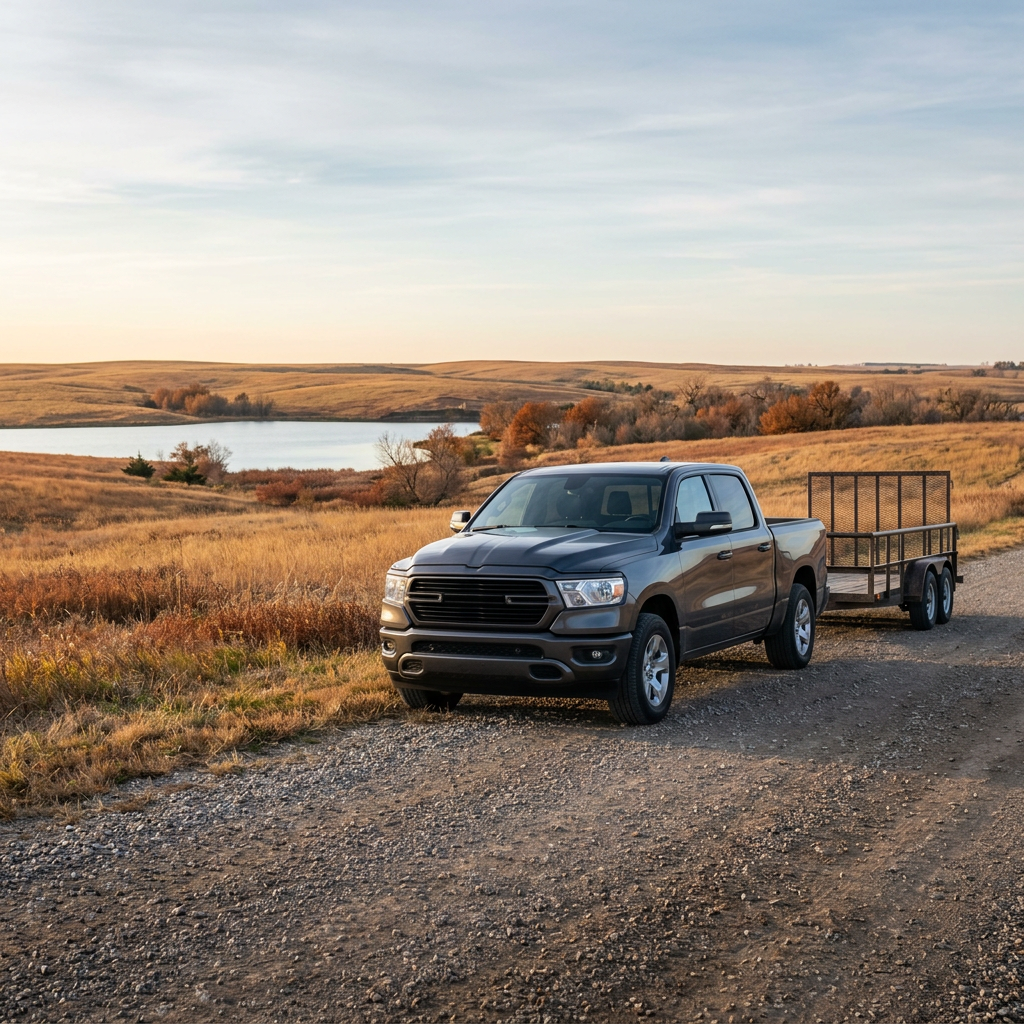
What 20 Years in the Service Bay Taught Me About RAM 1500 Long-Term Reliability Does Continuous Heavy Towing Reduce the Overall Lifespan of the Ram 1500? Continuous heavy towing does not inherently shorten the total operational lifespan of a Ram 1500, provided maintenance intervals are adjusted for severe-duty operation. Towing regularly near the truck's maximum rating of 11,580 pounds accelerates fluid shear and thermal breakdown in the transmission, rear differential, and cooling system. Replacing gear oil, transmission fluid, and engine oil at shorter mileage thresholds prevents premature component degradation. In my 20 years as Service Director at Valor CDJR, I have seen hundreds of half-ton trucks pass through our service bays with over 150,000 miles on the odometer. The trucks that perform reliably long-term under heavy load are the ones whose owners follow a strict severe-duty maintenance regimen. When hauling equipment trailers or boats around Milford Lake near Junction City, thermal stress is the primary threat to drivetrain longevity. Heat breaks down transmission fluid viscosity, leading to clutch slippage and valve body wear if left unchanged past recommended service windows. To protect critical mechanical assemblies, severe-duty service guidelines require changing the automatic transmission fluid every 60,000 miles and servicing the rear axle fluid at similar intervals. Upgrading to a heavy-duty cooling package and monitoring transmission fluid temperatures during summer pulls prevents heat buildup. If you have questions about severe-duty maintenance schedules or need turn-by-turn guidance to our facility, you can find our Junction City location online or give our service desk a quick call at (785) 238-5114. Table of Contents Is the 3.6L Pentastar V6 Reliable for Daily Towing and Long-Term Hauling? How Can Owners Prevent Air Suspension Failures During Winters? Does Fuel Economy Degrade Significantly as a Ram 1500 Ages? What Long-Term Issues Affect the Uconnect Infotainment System? How Does Mileage Affect Ram 1500 Resale Value, Trade-In Figures, and Insurance Costs? Is the 3.6L Pentastar V6 Reliable for Daily Towing and Long-Term Hauling? The 3.6L Pentastar V6 engine paired with the eTorque mild-hybrid system delivers exceptional baseline reliability and low operating costs for daily driving and light-to-moderate towing up to 7,700 pounds. Its naturally aspirated design avoids turbocharger heat saturation, making it durable over 150,000 miles when paired with regular oil changes using synthetic fluid. This power unit generates 305 hp and 271 lb-ft of torque, utilizing a 48-volt belt-driven motor generator to assist low-rpm takeoff and smooth out stop-start transitions. For light agricultural work or utility trailers, the engine operates within a low-stress power band that minimizes internal wear over long ownership periods. While it lacks the top-end pulling power of the turbocharged 3.0L Hurricane inline-six engines—which push output to 420 hp or 540 hp [1]—the V6 remains a practical choice for buyers prioritizing low maintenance overhead. High-mileage Pentastar engines occasionally require rocker arm and oil filter housing inspections around 100,000 miles, but routine service keeps these units running cleanly. Drivers interested in exploring current configurations can review our new Ram inventory or source OEM filters and fluids directly through our parts department. How Can Owners Prevent Air Suspension Failures During Winters? Preventing cold-weather air suspension failures requires keeping moisture out of the pneumatic lines and maintaining air compressor filtration before winter temperatures drop below freezing. Freezing condensation inside the control valves causes system fault codes, compressor burnout, and ride-height sag. Injecting an approved air suspension line conditioner and inspecting rubber air bladders for cracking prevents winter valve freezes. During Midwestern winter transitions across the rolling Flint Hills around Manhattan, rapid temperature drops cause trapped atmospheric water inside the closed-loop system to ice up. When water freezes in the valve block, the air compressor works continuously to build pressure, which quickly overheats and damages the pump motor. Inspecting rubber air springs during routine tire rotations is equally critical. Road salt and gravel debris chafe the lower air bag sleeves, leading to slow leaks that force the compressor to overwork. For owners evaluating high-mileage pre-owned trucks equipped with four-corner air suspension, inspecting system performance on a rack is essential. You can examine factory-equipped models by browsing our pre-owned vehicle selection. Does Fuel Economy Degrade Significantly as a Ram 1500 Ages? Fuel economy does not degrade significantly as a Ram 1500 ages if core combustion and drivetrain components receive timely maintenance. Natural efficiency losses are typically limited to 1 to 2 mpg over 100,000 miles and stem directly from worn spark plugs, carbon-fouled fuel injectors, dirty air filters, or aging oxygen sensors. The base 3.6L Pentastar V6 achieves an EPA-estimated 22 mpg combined, while the standard-output 3.0L Hurricane inline-six returns an EPA-rated 20 mpg combined in four-wheel-drive configurations. As mileage accumulates, carbon deposits on intake valves and fuel injector nozzles disrupt spray patterns, causing incomplete combustion and reduced fuel mileage. Replacing spark plugs at the 100,000-mile service mark and flushing the fuel injection system restores factory air-fuel ratios. Additionally, drag caused by sticky brake calipers or worn wheel bearings can drag down highway efficiency without triggering an immediate warning light. Staying current on preventive maintenance using our online service scheduling tool keeps your truck running at peak miles per gallon throughout its lifespan. What Long-Term Issues Affect the Uconnect Infotainment System? Long-term issues affecting the Uconnect system primarily involve touchscreen display delamination, sluggish menu responsiveness, and occasional Bluetooth or smartphone pairing freezes. Screen delamination occurs when the adhesive layer between the outer glass and inner digitizer separates under prolonged sun exposure and cabin heat, creating bubble patterns or phantom touch inputs. The available 12.0-inch touchscreen and 14.5-inch touchscreen displays rely on complex software modules that process navigation, climate controls, and vehicle settings. Over time, memory fragmentation within the system module can cause slow boot times or delayed responses during climate adjustments. Many software glitches are resolved through over-the-air firmware updates or hard module resets performed in our service bay. When physical screen delamination occurs, replacing the digitizer display panel restores full touch response. Buyers planning long-term ownership can structure protective coverage by completing our online credit pre-approval application prior to purchase. How Does Mileage Affect Ram 1500 Resale Value, Trade-In Figures, and Insurance Costs? Mileage can impact Ram 1500 resale value through a typical depreciation curve, with trucks often retaining roughly 50% to 55% of their original MSRP after five years and 60,000 miles. Passing the 100,000-mile mark creates a sharper drop in trade-in valuation, while annual insurance premiums vary depending on driver history and trim level. Full-size trucks maintain strong residual demand due to their utility and body-on-frame construction. Well-maintained trucks with documented service records consistently command higher trade-in offers, even at elevated mileage thresholds. Trim level also plays a key role; popular mid-level configurations like the Big Horn and Laramie retain broad buyer appeal in the secondary market. When planning to upgrade or sell, obtaining an accurate vehicle valuation ensures you receive maximum equity for your truck. You can estimate your vehicle's current worth using our online trade-in evaluation tool. If you want to discuss trade-in options or inspect new inventory in person, feel free to visit our Goldenbelt Boulevard dealership or reach out to our team at (785) 238-5114. © 2026 Valor CDJR. All rights reserved.
RAM 1500 Reliability & Longevity: Q&A With Valor CDJR General Manager Jace Grabouski

RAM 1500 Long-Term Reliability Insights: What 20 Years in Service Taught Me

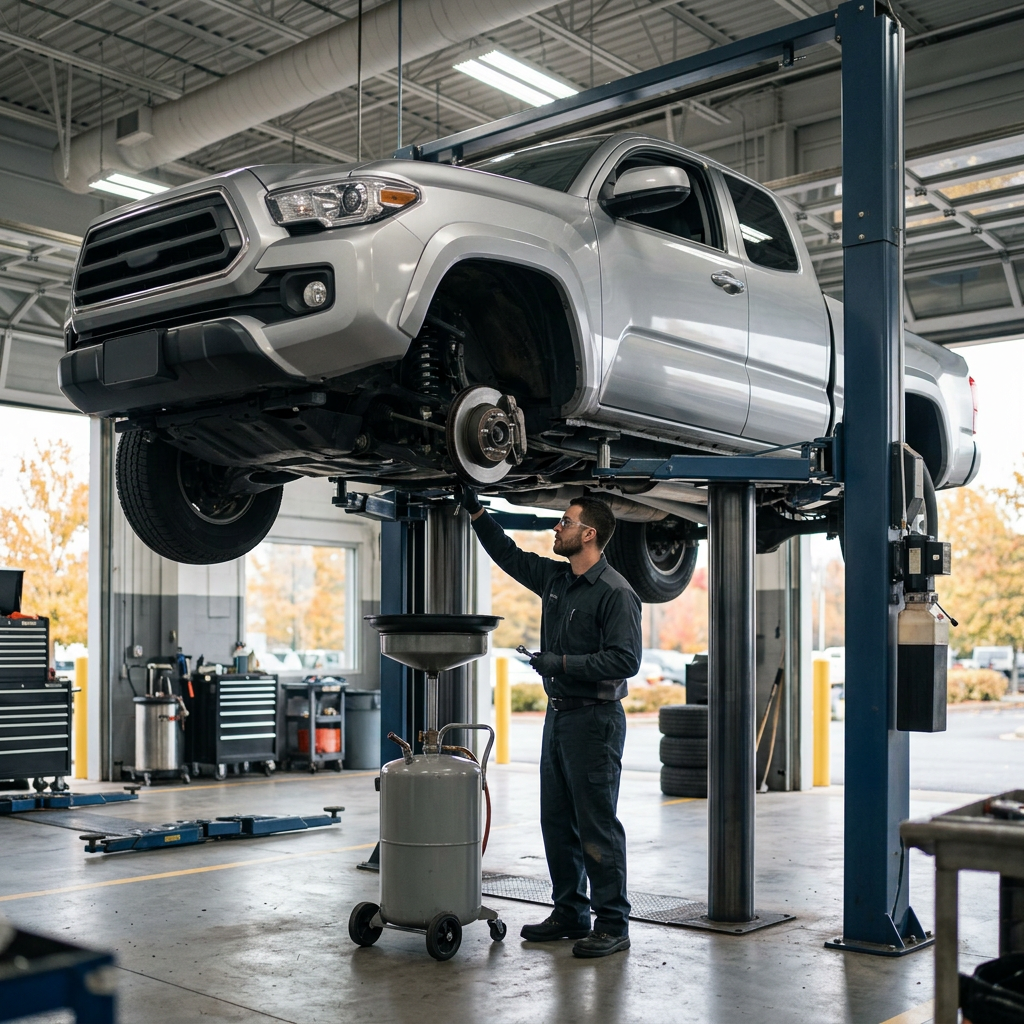
RAM 1500 Long-Term Reliability Insights: What 20 Years in Service Taught Me How Many Miles Can a Ram 1500 Last With Proper Maintenance? A well-maintained Ram 1500 can comfortably exceed 200,000 to 250,000 miles over its service life when owners stay disciplined with routine fluid renewals and preventative mechanical care. Reaching this high-mileage milestone requires adhering to strict engine oil change intervals every 5,000 to 7,500 miles, servicing transmission fluid every 60,000 miles, and replacing differential lubricants around 50,000 to 60,000 miles. In my 20 years as a Service Director, I have watched hundreds of half-ton trucks cross the 200,000-mile mark without major engine overhauls. Crossing that threshold in a full-size pickup comes down to mechanical consistency rather than luck. For any powertrain, the single most important task is running high-grade full synthetic oil. While onboard oil life monitoring systems allow extended intervals during light highway cruising, trucks used for frequent towing, short trips, or heavy hauling need that 5,000-to-7,500-mile schedule to prevent internal sludge formation and protect sensitive valve train components. Beyond the engine bay, critical drivetrain components demand scheduled attention to sustain long-term durability. The eight-speed automatic transmission performs at its best when fresh fluid and a new pan filter are installed every 60,000 miles. Front and rear differentials, along with four-wheel-drive transfer cases, experience substantial thermal breakdown during routine operation, making gear lubricant exchanges essential at 50,000 to 60,000 miles. Replacing spark plugs at 100,000 miles, executing cooling system flushes every 60,000 miles, and periodically inspecting front suspension ball joints will keep the chassis tight and responsive. If you want to review your truck's maintenance history or map out a preventative maintenance plan, you can easily stop by our Goldenbelt Boulevard service center or give our team a quick call to speak with a factory-trained technician. Table of Contents Why Did Ram Transition from the 5.7L HEMI V8 to the 3.0L Hurricane Engine? What Are the Primary Service Focus Areas and Known Issues on the Hurricane Twin-Turbo? What Cooling Upgrades Protect the Ram 1500 During Heavy Towing around Junction City? How Do Ram 1500 Long-Term Maintenance Costs and 5-Year Value Retention Compare? How Do High-Mileage 5.7L HEMI Models Compare to Newer Powertrains over Time? Why Did Ram Transition from the 5.7L HEMI V8 to the 3.0L Hurricane Engine? Ram replaced the legendary 5.7L HEMI V8 with the 3.0L Hurricane twin-turbo inline-six engine to deliver significantly higher horsepower and torque while simultaneously reducing overall tailpipe emissions and improving fuel efficiency. The forced-induction inline-six design delivers broader torque curves that peak much lower in the RPM range, giving truck owners superior towing pull and acceleration compared to naturally aspirated V8 architectures. When reviewing output figures in our service bay, the mechanical advantages of the new engine family become obvious. The outgoing 5.7L HEMI V8 produced 395 hp and 410 lb-ft of torque. By comparison, the Standard Output 3.0L Hurricane twin-turbo inline-six generates 420 hp and 469 lb-ft of torque, while the High Output variant produces a massive 540 hp and 521 lb-ft of torque. Even the baseline 3.6L Pentastar V6 engine remains a reliable entry point at 305 hp, but the Hurricane inline-six represents a technological leap forward for heavy-duty work needs. Every engine variant pairs with a durable eight-speed automatic transmission calibrated to manage high torque loads cleanly. From an engineering perspective, modern forced-induction inline engines offer exceptional structural integrity. The Hurricane utilizes a deep-skirt cast-aluminum block, plasma transfer wire arc cylinder coatings to minimize friction, and forged steel crankshafts and connecting rods engineered to handle high cylinder pressures. These heavy-duty internal components ensure the engine withstands sustained thermal stress without sacrificing long-term durability. For truck owners looking to source genuine oil filters, spark plugs, or specialized fluids for these modern powertrains, our Mopar parts department stocks factory-approved components designed specifically for your vehicle's engine. What Are the Primary Service Focus Areas and Known Issues on the Hurricane Twin-Turbo? Primary service focus areas for the 3.0L Hurricane twin-turbo inline-six engine involve minor electronic calibrations, wastegate actuator sensor adjustments, and monitoring oil cooler line fittings rather than structural internal engine wear. Early field notices center largely on software recalibrations for the powertrain control module to optimize boost management and throttle response. When truck owners ask me about long-term forced-induction reliability, I explain that twin-turbo engines require a slightly different maintenance mindset than naturally aspirated engines. Auxiliary components such as turbochargers, intercoolers, and wastegate bypass valves experience elevated operating temperatures, making clean oil essential. Factory service intervals recommend full synthetic oil and filter changes every 7,500 to 10,000 miles, engine air filter replacements at 30,000 miles, spark plug updates at 100,000 miles, and engine coolant exchanges at 10 years or 150,000 miles. Keeping air filters clean is critical because debris entering the intake tract can score compressor wheel blades over time. Practicing smart operational habits also extends turbocharger lifespan significantly. After pulling heavy trailers up steep grades or running at highway speeds for extended periods, letting the engine idle for one to two minutes before shutdown allows engine oil to circulate through the turbo bearings, carrying away residual heat. This prevents oil coking inside the center cartridge bearings. Staying proactive with routine checks helps avoid unscheduled downtime, and drivers can easily set up their next vehicle inspection through our online service scheduler. What Cooling Upgrades Protect the Ram 1500 During Heavy Towing around Junction City? Factory trailer tow packages protect the Ram 1500 drivetrain during frequent heavy hauling by combining heavy-duty engine cooling radiators, auxiliary transmission fluid coolers, integrated trailer brake controllers, and specialized tow drive modes. These integrated systems manage thermal loads under heavy engine stress, preventing fluid breakdown and keeping operating temperatures within safe mechanical thresholds. The surrounding agricultural terrain and livestock operations around Junction City demand maximum effort from half-ton trucks year-round. Whether you are pulling a heavy equipment trailer along highway corridors or hauling recreational boats out to Milford Lake, heat is the ultimate enemy of automatic transmissions and engine bearings. With a maximum rated towing capacity of 11,610 pounds when properly equipped, keeping the truck's thermal management systems in peak condition is vital for long-term survival. Auxiliary transmission coolers play a central role in protecting the eight-speed automatic transmission. When pulling heavy loads, torque converter slippage generates substantial heat; the auxiliary cooler routes fluid through dedicated heat exchangers before returning it to the transmission case. Engaging the truck's Tow/Haul drive mode alters transmission shift logic, delaying upshifts to keep the engine in its optimal power band and applying engine braking on downhill grades. This reduces strain on the mechanical service brakes while maintaining cooler overall running temperatures across the entire power assembly. How Do Ram 1500 Long-Term Maintenance Costs and 5-Year Value Retention Compare? The Ram 1500 delivers highly competitive long-term ownership value, averaging $650 to $850 annually in routine maintenance expenses while retaining roughly 52% to 57% of its initial retail value after five years of ownership. Industry evaluation data from RepairPal gives the Ram 1500 a reliability score of 3.5 out of 5, ranking it #3 out of 19 full-size trucks, with an average annual repair cost of $652 compared to the $752 segment average. In J.D. Power's 2026 Vehicle Dependability Study, the Ram 1500 achieved the lowest rate of reported problems among large light-duty pickup trucks. Over a typical 5-year ownership cycle, total scheduled maintenance and repair costs generally accumulate between $3,500 and $4,500. This places the truck on equal footing with major half-ton competitors while offering superior cabin comfort and ride refinement. Initial factory coverage includes a 3-year/36,000-mile basic warranty alongside a 5-year/60,000-mile powertrain warranty, offering comprehensive protection during early ownership years. Commuters driving through the rolling Flint Hills terrain into Manhattan benefit directly from keeping their maintenance records up to date. Documented dealership service histories consistently boost trade-in values when it comes time to upgrade. Buyers in the pre-owned market place a strong premium on verified fluid services, completed safety recalls, and clean mechanical inspections, allowing well-maintained trucks to command top dollar on appraisal day. How Do High-Mileage 5.7L HEMI Models Compare to Newer Powertrains over Time? The most common high-mileage mechanical issue associated with older 5.7L HEMI V8 models is cracked or broken exhaust manifold bolts, which create a distinct ticking noise during cold starts. Over thousands of heating and cooling cycles, thermal expansion strains the rear exhaust manifold hardware, eventually causing the factory bolts to snap. In addition to exhaust manifold bolt fatigue, earlier V8 engines equipped with the Multi-Displacement System require strict adherence to recommended 5W-20 oil viscosity. Using incorrect oil weights or allowing excessive engine idling can restrict oil flow to the hydraulic lifters and camshaft rollers, leading to premature valvetrain wear. Resolving broken manifold bolts involves removing the heat shields, extracting the broken studs, and installing upgraded hardware with fresh exhaust gaskets to eliminate the noise permanently. By comparison, baseline powertrains like the 3.6L Pentastar V6 with the eTorque mild-hybrid system replace traditional alternators with a belt-driven motor generator unit connected to a compact 48-volt battery pack. This setup supplies electric torque assistance during initial acceleration, reducing low-end mechanical strain on the internal combustion engine without adding complex high-voltage maintenance requirements. Whether you drive a classic V8 or a newer inline-six, routine care keeps your pickup running smoothly for years to come. To speak with our service team about maintaining your truck, visit our Junction City dealership address or call us at (785) 238-5114 today. © 2026 Valor CDJR. All rights reserved.
Keeping Your Jeep Grand Cherokee Laredo Running Strong: My Complete Maintenance and Feature Guide

Keeping Your Jeep Grand Cherokee Laredo Running Strong: My Complete Maintenance and Feature Guide

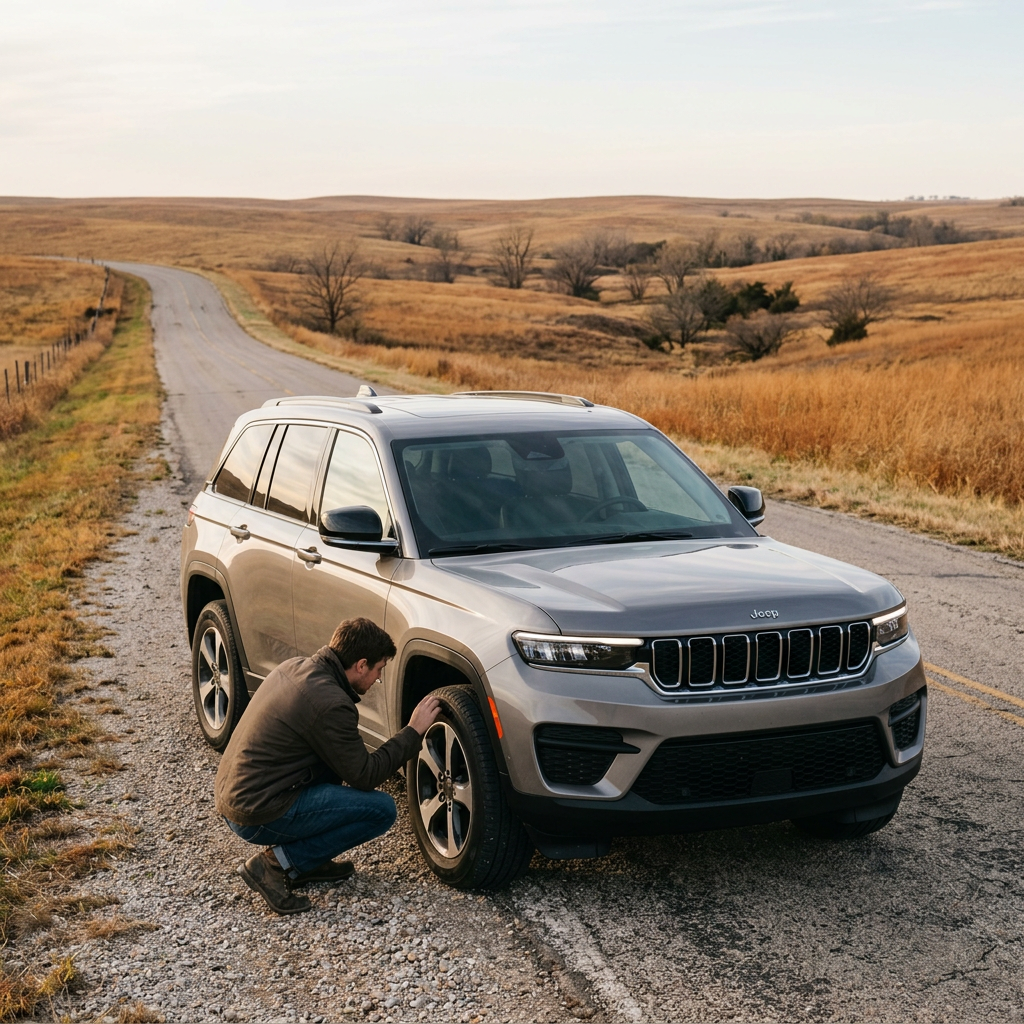
Keeping Your Jeep Grand Cherokee Laredo Running Strong: My Complete Maintenance and Feature Guide What Standard Features and Specs Define the Jeep Grand Cherokee Laredo? The standard Jeep Grand Cherokee Laredo trim comes equipped with a 3.6-liter Pentastar V6 engine, the Uconnect 5 infotainment system featuring a touchscreen display, a 10.25-inch digital gauge cluster, dual-zone automatic climate control, LED headlights, and keyless Enter 'n Go. Core driver-assist technologies included on the base trim encompass blind-spot monitoring, rear cross-path detection, adaptive cruise control with stop and go, and full-speed forward collision warning with active braking. When buyers visit us to evaluate midsize family SUVs, the Grand Cherokee Laredo stands out because Jeep does not trim away essential creature comforts or driver-assist technology on the entry-level model. Inside the cabin, you get cloth seating with power adjustments for the driver, integrated smartphone integration via wireless Apple CarPlay and Android Auto, and a six-speaker audio system. From a structural standpoint, the unibody chassis provides a smooth highway ride while retaining the durability expected from the brand. Coverage from the factory includes a 3-year/36,000-mile basic warranty alongside a 5-year/60,000-mile powertrain warranty, giving drivers solid long-term protection right off the lot. Whether you are commuting daily or loading up gear for weekend trips near Junction City, establishing a consistent maintenance routine ensures these baseline systems operate reliably for years. If you want to check out the model in person, you can get directions to our showroom on Goldenbelt Boulevard or give our team a quick call at (785) 238-5114 with any questions. Table of Contents What Engine Powers the Grand Cherokee Laredo and What Is Its Max Towing Capacity? What Is the Official Service Schedule and Oil Change Interval for a Grand Cherokee? Which Key Fluids Require Routine Inspection on the Grand Cherokee Laredo? How Much Does Annual Maintenance Cost for a Jeep Grand Cherokee Laredo? Does Dealer Service Documentation Increase Your Grand Cherokee Resale Value? What Engine Powers the Grand Cherokee Laredo and What Is Its Max Towing Capacity? The Jeep Grand Cherokee Laredo is powered by a 3.6-liter Pentastar V6 engine producing 293 hp and 260 lb-ft of torque, mated to an eight-speed automatic transmission. When properly equipped with the factory Trailer Tow Prep Group or receiver hitch package, the Grand Cherokee Laredo achieves a maximum towing capacity of 6,200 pounds, while delivering EPA fuel economy estimates of 19 mpg city / 26 mpg highway in rear-wheel-drive configurations. This engine and transmission pairing has earned a reputation for dependable power delivery across all types of driving conditions. The eight-speed automatic transmission uses adaptive shift maps to keep the V6 in its optimal power band, whether you are accelerating onto the highway or pulling a utility trailer up a grade. For drivers opting for four-wheel drive, Jeep's Quadra-Trac I 4WD system engages automatically to supply traction on rain-slicked pavement, snow, or mud without requiring manual lever inputs. Shoppers stepping into a Laredo on our showroom floor often ask how that V6 handles heavy trailering before we take it out on the highway. With 6,200 pounds of pulling capability, this SUV easily manages medium-sized boats, travel trailers, or recreational equipment, making it a great fit for exploring the rolling Flint Hills terrain around Manhattan. Keeping the engine oil fresh and maintaining proper transmission fluid levels are vital steps to safeguard those towing specs over time. You can explore our new Grand Cherokee inventory to compare available drivetrain options and factory tow packages currently in stock. What Is the Official Service Schedule and Oil Change Interval for a Grand Cherokee? The factory maintenance schedule for the Jeep Grand Cherokee Laredo requires changing the engine oil and engine oil filter every 7,500 to 10,000 miles (or at least once per year), monitored continuously by the vehicle's automatic oil-life tracking system. Major scheduled service milestones include replacing the cabin air filter every 12,000 to 20,000 miles, changing the engine air filter every 30,000 miles, and installing new spark plugs at 100,000 miles. Adhering to these service intervals prevents premature component wear and maintains optimal engine efficiency. The built-in oil-life monitor evaluates engine operating temperatures, revolution counts, and driving habits to determine precise oil degradation, but Jeep specifies that service should never exceed 10,000 miles, 12 months, or 350 engine hours between oil changes. At each oil change, technicians should perform a tire rotation, inspect the brake pads and rotors, and check underlying steering and suspension components. Below is a quick overview of the primary maintenance schedule milestones for the 3.6-liter engine: Every 7,500 to 10,000 Miles: Full synthetic engine oil and filter change, tire rotation, and multi-point vehicle inspection. Every 12,000 to 20,000 Miles: Cabin air filter replacement to maintain clean interior ventilation and HVAC efficiency. Every 30,000 Miles: Engine air filter replacement and thorough inspection of CV joints and exhaust heat shields. Every 60,000 to 100,000 Miles: Spark plug replacement, transfer case fluid inspection/flush, and front/rear differential fluid service. Staying on top of these milestones protects critical mechanical assemblies and prevents minor wear from escalating into costly repairs. Drivers can easily set up their next maintenance visit through our online service scheduling portal. If you are currently shopping for a pre-owned SUV with a documented service history, take a look through our pre-owned vehicle selection. Which Key Fluids Require Routine Inspection on the Grand Cherokee Laredo? The Jeep Grand Cherokee Laredo requires routine inspections of engine coolant, brake fluid, transmission fluid, and transfer case fluid at every 10,000-mile service interval. Replacing or flushing brake fluid and differential/transfer case fluids between 60,000 and 100,000 miles prevents internal corrosion, preserves crisp gear engagement, and protects four-wheel-drive components under heavy operating loads. Fluids are the lifeblood of your SUV's drivetrain, and each plays a dedicated role in cooling, lubricating, or hydraulic actuation. Engine coolant regulates operating temperatures and prevents internal engine corrosion, making periodic level and strength checks essential. Synthetic brake fluid absorbs atmospheric moisture over time, which can lower its boiling point and compromise pedal feel during hard stopping scenarios; replacing it periodically keeps your braking response sharp and consistent. For four-wheel-drive models, transfer case fluid and differential lubricants endure significant shear stress and thermal pressure, particularly during towing or off-road navigation. Checking these fluids for discoloration, metal shavings, or burnt odors during routine checkups helps spot gear wear before severe damage occurs. Keeping up with fluid inspections protects major mechanical assemblies and preserves your vehicle's long-term value. If you are planning your next vehicle purchase or upgrading your family transport, you can fill out our online financing pre-approval application to streamline the process. How Much Does Annual Maintenance Cost for a Jeep Grand Cherokee Laredo? Routine annual maintenance for a Jeep Grand Cherokee Laredo typically costs between $500 and $800 under standard driving conditions. This baseline expense covers scheduled preventive services, including oil and filter changes, tire rotations, cabin and engine air filter replacements, wiper blade swaps, and routine brake inspections. Unscheduled maintenance expenses—such as replacing worn brake pads, fitting new tires, or replacing a battery—generally arise every three to five years depending on mileage and driving habits. Utilizing original equipment manufacturer parts ensures precise fitment and long-term durability, preventing the premature wear sometimes seen with lower-tier aftermarket components. Maintaining proper tire pressure and keeping wheel alignment in spec also prevents uneven tread wear, saving you money on early tire replacements. Budgeting for preventive care remains far more cost-effective than handling major component overhauls caused by neglected maintenance. Following factory service guidelines keeps engine internals clean, reduces drag on mechanical parts, and maximizes overall fuel economy. Owners looking for replacement filters, batteries, or specialized components can order directly through our Mopar parts department. Does Dealer Service Documentation Increase Your Grand Cherokee Resale Value? Maintaining complete dealer service documentation can increase the trade-in or resale value of a Jeep Grand Cherokee Laredo by up to 10% compared to vehicles with missing or unverified repair histories. Documented service records prove consistent adherence to factory maintenance protocols, validate active warranty coverage, and reassure future owners that all mechanical systems received professional care. When it comes time to trade in or sell your SUV, prospective buyers and dealership appraisers place a premium on transparency. Detailed service records eliminate guesswork regarding past oil changes, filter swaps, brake jobs, or recall updates. Independent industry metrics, such as J.D. Power's rating system—which assigns the Grand Cherokee line an overall score of 74 out of 100 and a Quality & Reliability score of 69 out of 100—highlight the importance of consistent maintenance in preserving long-term vehicle dependability. Keeping your service history organized within an authorized dealer network establishes a clear electronic record linked directly to your vehicle identification number. This verified paper trail simplifies trade-in valuations, helps secure higher offers, and speeds up the transaction process. When you are ready to evaluate your current vehicle's worth, access our trade-in valuation tool for an instant estimate. For personalized service guidance or to view our current SUV lineup, check directions to our Junction City location or call our team directly at (785) 238-5114. © 2026 Valor CDJR. All rights reserved.
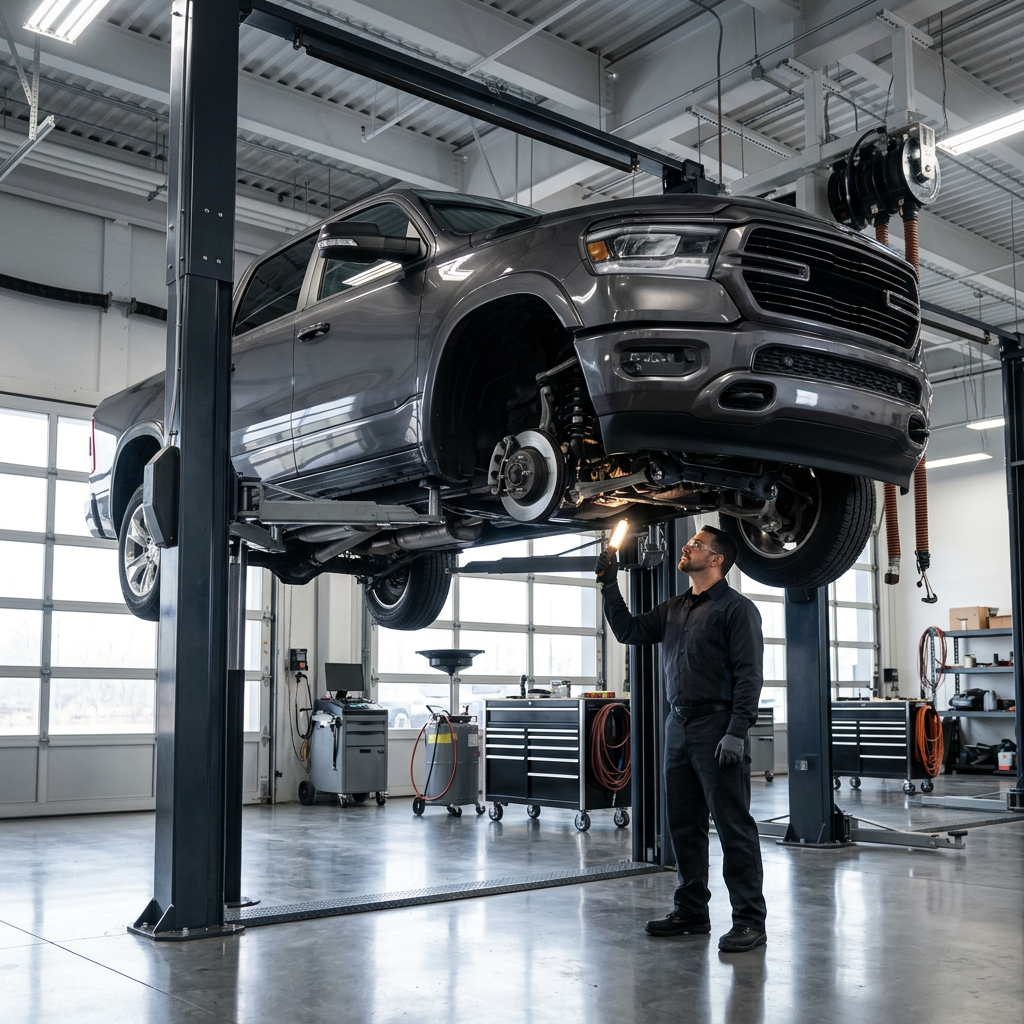
RAM 1500 Reliability & Powertrain Endurance: Real-World Performance for Kansas Workloads

RAM 1500 Reliability & Longevity: Q&A With Valor CDJR General Manager Jace Grabouski

RAM 1500 Reliability & Longevity: Q&A With Valor CDJR General Manager Jace Grabouski Reaching 200,000 miles in a Ram 1500 requires strict adherence to 5,000-to-7,500-mile engine oil and filter changes, transmission fluid service every 60,000 miles, spark plug replacements around 100,000 miles, and routine cooling system flushes. Today, we're interviewing Jace Grabouski, General Manager at Valor CDJR, who brings 20 years of automotive expertise to share key service insights on truck durability, maintenance schedules, and long-term ownership. Q: What routine maintenance is required to reach 200,000 miles in a Ram 1500? A: Crossing the 200,000-mile milestone in a full-size pickup comes down to consistency rather than luck. For any Ram 1500 powertrain, the foundational requirement is performing engine oil and filter changes every 5,000 to 7,500 miles using high-grade full synthetic oil. While modern oil life monitoring systems allow for extended intervals under light driving conditions, trucks used for towing or frequent short trips need that stricter regimen to prevent internal sludge buildup and protect vital valve train components. Beyond engine oil, key mechanical systems demand scheduled fluid renewals to reach high mileage. The eight-speed automatic transmission should receive fresh fluid and a new pan filter every 60,000 miles, even if early factory schedules describe the fluid as lifetime fill. Front and rear differentials, along with the transfer case on four-wheel-drive models, require fresh gear lubricant around 50,000 to 60,000 miles. This interval is especially critical for truck owners conducting heavy agricultural hauling or towing equipment around Junction City. Replacing spark plugs at 100,000 miles, flushing the engine coolant every 60,000 miles, and inspecting front suspension ball joints and ensuring tight steering tolerances will keep the chassis feeling firm and responsive well past six figures. To set up your vehicle's long-term care plan, visit our service center location on Goldenbelt Blvd or give our certified service team a call directly at (785) 238-5114. Q: How do the Pentastar V6, Hemi V8, and Hurricane inline-six compare in long-term longevity? A: Each available engine architecture brings distinct mechanical characteristics and maintenance expectations over extended ownership. The naturally aspirated 3.6L Pentastar V6 produces 305 hp and stands as one of the most proven engines in the Stellantis lineup. With its simple mechanical design, timing chain durability, and widespread parts availability, the Pentastar V6 routinely hits high mileage with minimal fuss beyond basic fluid changes and thermostat servicing. The classic 5.7L HEMI V8 delivers 395 hp and exceptional towing power. Long-term longevity on the HEMI V8 relies heavily on using the exact recommended oil viscosity to support the Multi-Displacement System and preventing extended idling, which helps ensure proper lubrication to the camshaft rollers and lifters. On the newer end of the lineup, the 3.0L Hurricane twin-turbo inline-six is available in a 420 hp Standard Output and a 540 hp High Output tuning. While turbochargers add mechanical complexity, the Hurricane utilizes plasma-arc spray-bore cylinder coatings and robust forged components built for heavy thermal stress. Long-term reliability for the Hurricane engine hinges on high-quality synthetic oil, clean air filters, and brief idle periods after hard towing to cool the turbo bearings. Early model ratings like J.D. Power's initial Quality & Reliability score of 73 out of 100 offer a snap-shot of initial production [2], but real-world ownership shows that all three engines can deliver exceptional long-term service when maintenance schedules are strictly followed. Q: How does the eTorque mild-hybrid system affect long-term maintenance and reliability? A: The eTorque mild-hybrid system adds minimal maintenance overhead while significantly enhancing daily driveability and engine stop-start smoothness. Rather than using a complex high-voltage traction battery like a full hybrid, eTorque replaces the traditional alternator with a belt-driven motor generator unit tied to a compact 48-volt battery pack. Because the electrical motor assists during initial acceleration, it reduces low-end mechanical strain on the internal combustion engine. From a routine service perspective, eTorque requires only two primary maintenance checks. First, technicians inspect the heavy-duty drive belt connecting the motor generator unit to the crankshaft during regular oil changes, replacing it if cracking or tension loss appears. Second, the system utilizes a dedicated low-temperature cooling circuit for the power electronics, which requires routine coolant level checks and a fluid exchange around 100,000 miles. The 48-volt battery is designed to last the service life of the truck without owner intervention. You can conveniently book your next inspection using our online maintenance scheduling portal. Q: Are air suspension systems reliable on high-mileage Ram 1500 models? A: The optional Active-Level Four-Corner Air Suspension delivers unmatched ride comfort and automatic load leveling when hauling cargo, but high-mileage ownership requires a clear understanding of component wear. Air bladders, rubber seals, and control valves are wear-and-tear items that naturally age over time and exposure. For drivers navigating the rolling terrain around Manhattan, the self-leveling capability prevents rear-end sag when pulling heavy trailers, but owners should expect air spring or compressor service as mileage climbs past the 100,000-mile mark. "Truck longevity isn't about luck; it comes down to replacing fluids before they degrade and taking care of the mechanical components that do the heavy lifting." In colder climates, moisture buildup inside the pneumatic lines can cause air control valves to stick during freezing temperatures. Preventative maintenance includes keeping the electrical connections clean and inspecting the rubber air bladders for dry rotting or road debris damage during tire rotations. If an air bladder eventually leaks, replacing it promptly prevents the air compressor from running continuously and overheating. Q: What are the most common long-term mechanical issues reported on the Ram 1500? A: When truck owners come into our service bay after hitting six figures on the odometer, the most frequent repair we evaluate is cracked exhaust manifold bolts on older 5.7L V8 engines, which create a noticeable ticking sound during cold starts. Thermal expansion over thousands of heat cycles strains the rear manifold bolts, eventually causing them to snap. Replacing the broken hardware and installing updated exhaust gaskets resolves the issue completely. Other common long-term mechanical focus areas include front suspension wear and electronic infotainment maintenance. Upper control arm ball joints, sway bar links, and tie rod ends naturally show play after 80,000 to 100,000 miles of rough road use. Addressing suspension play early protects tire tread life and steering precision. On the technology side, vehicles equipped with the Uconnect 5 system utilizing either the 12.0-inch touchscreen or 14.5-inch touchscreen may occasionally require software updates to resolve screen lag or Bluetooth pairing glitches. Keeping vehicle software current during routine service visits ensures smooth operation across all cabin controls. Q: What is the estimated 5-year total cost of ownership and annual repair expense for a Ram 1500? A: Annual routine maintenance and repair expenses for a Ram 1500 average between $650 and $850 per year [2], depending on annual mileage, engine selection, and whether the truck is used for severe-duty towing. According to RepairPal data, the Ram 1500 achieves an above-average reliability rating of 3.5 out of 5, ranking 3rd out of 19 full-size trucks. RepairPal notes an average annual repair cost of $691 for the Ram 1500, which sits comfortably below the $752 annual average for the full-size truck segment. Over a 5-year ownership period, the total cost of ownership typically ranges between $48,000 and $58,000. This figure encompasses vehicle depreciation, fuel, auto insurance, routine maintenance, and scheduled repairs. Sticking to factory-recommended service intervals minimizes unscheduled breakdowns and keeps annual repair costs predictable. Factory warranty coverage also provides strong initial protection, featuring a 3-year/36,000-mile basic warranty alongside a 5-year/60,000-mile powertrain warranty. When replacing wear items like brake pads, rotors, or filters, sourcing components directly from our genuine OEM parts center ensures factory-fit precision and long-term durability. Q: What specific maintenance habits help maximize resale value when servicing a Ram 1500 in Junction City? A: Retaining peak trade-in and resale value comes down to documented care and vehicle presentation. The single most impactful step an owner can take is maintaining a complete, verifiable service history. When every oil change, brake service, fluid flush, and recall completion is logged in the official service registry, future buyers and trade-in appraisers can verify that the truck was cared for meticulously. Addressing minor cosmetic and mechanical issues as soon as they arise also protects overall valuation. Fixing small windshield chips, replacing worn floor mats, fixing minor body dings, and keeping interior leather or cloth upholstery clean prevents accumulated wear from dragging down an appraisal. Completing all open safety recalls promptly is equally critical, as open factory actions can delay resale processing. Whether your truck is a work-ready Tradesman, a popular Big Horn or Laramie, or a trail-focused Rebel, consistent maintenance pays direct dividends when it comes time to upgrade. To review your truck's maintenance record or plan your next service visit, stop by our dealership address at 1825 Goldenbelt Blvd or give our team a call at (785) 238-5114 today. © 2026 Valor CDJR. All rights reserved.
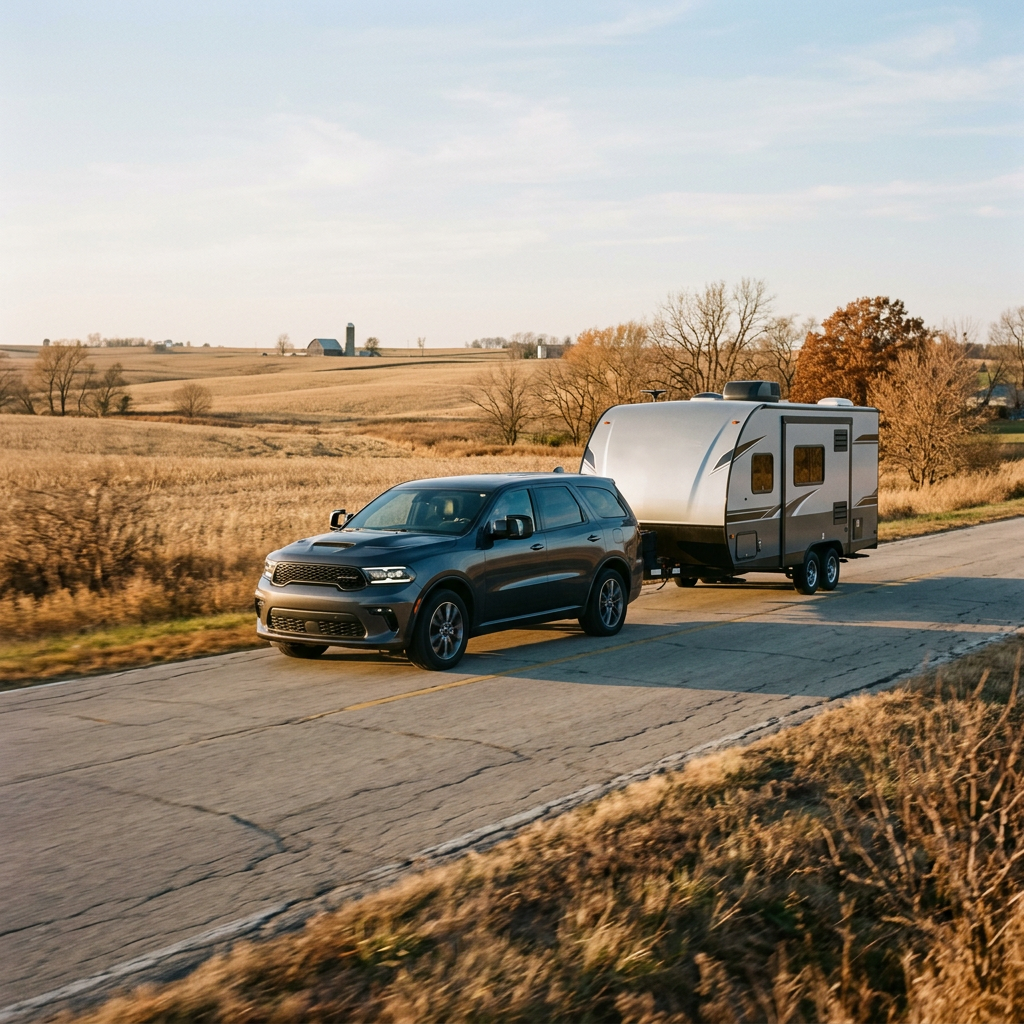
Dodge Durango Towing Capacity Guide: An Interview with Valor CDJR

Dodge Durango Towing Capacity Guide: An Interview with Valor CDJR

Dodge Durango Towing Capacity Guide: An Interview with Valor CDJR The Dodge Durango Tow N Go Package equips the SUV with a Class IV receiver hitch, 4-pin and 7-pin wiring harness, integrated trailer brake controller, adaptive damping suspension, performance exhaust, heavy-duty engine cooling, Brembo brakes, an electronic limited-slip rear differential, and drive modes including Tow mode, elevating maximum towing capacity up to 8,700 pounds. To break down all the equipment and towing capabilities across the lineup, we spoke with Jace Grabouski, General Manager at Valor CDJR, who brings 20 years of automotive expertise to guide shoppers through choosing and setting up the right Durango for heavy hauling. Q: What equipment is included in the Dodge Durango Tow N Go Package? A: The Tow N Go Package turns the Dodge Durango into an absolute towing powerhouse by bundling heavy-duty mechanical upgrades directly from the factory. Beyond the essential Class IV receiver hitch and integrated 4-pin and 7-pin wiring harness, it installs an in-dash trailer brake controller that gives drivers direct, proportional control over electric trailer brakes. To handle the mechanical strain of hauling heavy loads, the package adds heavy-duty engine cooling, a performance-tuned exhaust, an electronic limited-slip rear differential, and an adaptive damping suspension that constantly adjusts shocks to minimize trailer sway and body roll. The package also equips high-performance Brembo brakes for maximum stopping power and active noise cancellation to maintain a quiet cabin during heavy engine load. Driver-selectable drive modes are expanded to include Tow mode, which alters transmission shift points and throttle response to keep the engine in its optimal power band while climbing or descending grades. For boaters heading out to Milford Lake near Junction City, having this factory-integrated hardware means you can hitch up a large pontoon or camper with complete confidence. If you want to see how this package operates firsthand, feel free to visit our Junction City showroom or give our team a quick call at (785) 238-5114 to walk through current package availability. Q: What is the maximum towing capacity of the Dodge Durango by engine? A: Towing capacity on the Durango varies significantly depending on which engine and drivetrain configuration you choose, but every single option starts at a very capable baseline. The standard 3.6L Pentastar V6 engine produces 295 hp and 260 lb-ft of torque paired with the TorqueFlite® 8-speed automatic transmission, delivering a maximum towing capacity of 6,200 pounds in both rear-wheel drive and all-wheel drive configurations. That is plenty of pulling power for travel trailers, mid-sized utility trailers, or personal watercraft. Stepping up to the 5.7L HEMI V8 engine increases performance to 360 hp and 390 lb-ft of torque, raising standard maximum towing capacity to 7,200 pounds. However, when you select an all-wheel-drive 5.7L model equipped with the Tow N Go Package, that rating jumps all the way to 8,700 pounds. Drivers seeking ultimate muscle can opt for the 6.4L V8 on the R/T 392, generating 475 hp and 470 lb-ft of torque, or the supercharged 6.2L V8 on the SRT Hellcat with 710 hp and 645 lb-ft of torque. Both of these high-output V8 models deliver the maximum 8,700 pounds towing capacity when properly equipped. If you are considering pre-owned options, exploring our pre-owned Durango inventory is a great way to compare various engine builds and towing packages. Q: What is the Gross Vehicle Weight Rating (GVWR) for the Dodge Durango? A: Gross Vehicle Weight Rating, or GVWR, represents the maximum allowable total weight of the vehicle itself, including passengers, cargo, fuel, and tongue weight from a trailer. On base V6 Durango models, the GVWR starts at 6,500 pounds. As you move into all-wheel drive V8 trims, such as the GT Plus AWD HEMI V8, the GVWR increases to 7,100 pounds, supporting a payload capacity of up to 1,350 pounds. Understanding how GVWR interacts with Gross Combined Weight Rating, or GCWR, is crucial when planning heavy towing. While GVWR limits what the vehicle carries on its own four tires, GCWR accounts for the entire rig—the fully loaded vehicle plus the fully loaded trailer. When equipped with the Tow N Go Package, the Durango achieves a GCWR of up to 14,100 pounds. Managing these ratings ensures you never overload your axle suspensions or braking systems. Whether you are browsing our brand-new Dodge Durango lineup for personal travel or evaluating commercial vehicle options for work fleets, our team can help you evaluate your trade-in value to make upgrading into a higher-capacity vehicle simple. "When you are pulling a heavy load, having factory-calibrated electronic sway control and adaptive damping isn't just about comfort—it is what keeps your setup planted when high winds sweep across the highway." Q: How does the Dodge Durango towing capacity compare to the Ford Explorer and Toyota Highlander? A: The Dodge Durango systematically out-tows midsize crossover competitors across every engine tier because it utilizes a rear-wheel-drive-based architecture designed for muscle and heavy pulling rather than a light-duty front-wheel-drive car platform. For comparison, the Ford Explorer tops out at a maximum towing rating of 5,000 pounds even when equipped with its available twin-turbo V6 engine option. The gap is even wider when looking at the Toyota Highlander. A standard gas-powered Highlander equipped with its 2.4L turbocharged four-cylinder engine generating 265 hp and 310 lb-ft of torque maxes out at 5,000 pounds towing capacity, while Highlander Hybrid models are limited to 3,500 pounds. By contrast, even the entry-level 3.6L Pentastar V6 Durango hauls 6,200 pounds, surpassing the maximum capability of both rivals right out of the gate. When ascending the rolling hills of Manhattan, the extra torque and robust frame of a V8 Durango pulling 7,200 pounds or 8,700 pounds provides a noticeably smoother, more composed drive. To explore purchase structures for these capable models, shoppers can easily get pre-approved online before coming in for a test drive. Q: What is the average fuel economy of the Dodge Durango when towing a heavy trailer? A: Under normal driving conditions without a trailer, EPA fuel economy ratings highlight solid efficiency for a three-row SUV. The GT AWD with the 3.6L V6 achieves 17 city / 24 hwy / 20 combined MPG. Models featuring the 5.7L HEMI V8 with all-wheel drive carry EPA estimates of 14 city / 21 hwy / 16 combined MPG, while the high-performance SRT Hellcat AWD is rated at 12 city / 17 hwy / 13 combined MPG. When hitching up a heavy trailer near maximum capacity, aerodynamic drag and mechanical resistance naturally increase fuel consumption. Drivers should expect towing fuel economy to vary based on trailer weight, terrain, speed, and other conditions. The exact figure depends heavily on trailer weight, frontal surface area, terrain elevation, and cruising speed. Utilizing factory-installed trailer hardware and keeping tires properly inflated helps optimize overall efficiency during long hauls. Our genuine Mopar parts and towing accessories department stocks trailer hitches, tire pressure monitoring sensors, and towing mirrors designed to keep your setup running efficiently. Q: How often should brakes be inspected when regularly towing with a Dodge Durango? A: Regular towing places extra thermal and mechanical stress on friction components, making frequent brake maintenance vital for road safety. When routinely hauling trailers weighing over 3,000 pounds, brake pads, rotors, and brake fluid should undergo a thorough inspection every 6,000 to 10,000 miles, which aligns conveniently with standard oil change intervals. During these inspections, technicians verify remaining pad thickness, check rotors for heat scoring or warping, and test brake fluid for moisture absorption that could lead to pedal fade under heavy downhill braking. Even though integrated trailer brake controllers handle a large portion of stopping force on the trailer side, maintaining the Durango's internal braking system ensures maximum emergency stopping capability. You can easily schedule a service appointment online to have our certified technicians inspect your vehicle's braking and cooling systems before setting out on a long trip. Q: How can drivers prepare their Dodge Durango for heavy towing at Valor CDJR? A: Proper preparation begins long before dropping the trailer coupling onto the ball mount. Ensuring your vehicle's hitch receiver match, wiring connections, fluid levels, and tire pressures align with manufacturer specifications guarantees a smooth towing experience. Our team helps owners verify tongue weight limits, adjust trailer brake controller gain settings, and select proper drop-hitches so your rig sits completely level on the road. At Valor CDJR, our factory-trained service team specializes in setting up towing packages, installing Mopar accessories, and performing pre-trip safety checks. Whether you are setting up a new Durango for weekend camping or servicing a high-mileage vehicle, we provide the technical knowledge and genuine parts needed to back every mile. You can drop by our Junction City dealership location or reach our service team directly at (785) 238-5114 to discuss your towing requirements and get your SUV ready for the road. 2026 Dodge Durango Engine & Performance Powertrain specs by trim Feature 6.4 R/T 392 AUTO 4WD 6.4 R/T 392 PREMIUM AUTO 4WD GT AWD GT HEMI Plus America 250 V8 AWD GT HEMI Plus V8 AWD GT HEMI Premium America 250 V8 AWD Engine 6.4L 6.4L 3.6L 5.7L 5.7L 5.7L Horsepower 475 hp 475 hp 295 hp 360 hp 360 hp 360 hp Torque 470 lb-ft 470 lb-ft 260 lb-ft 390 lb-ft 390 lb-ft 390 lb-ft Transmission TorqueFlite® TorqueFlite® TorqueFlite® TorqueFlite® TorqueFlite® TorqueFlite® Drivetrain Four-wheel drive Four-wheel drive All-wheel drive All-wheel drive All-wheel drive All-wheel drive Engine & Performance (continued) Feature GT HEMI Premium V8 AWD GT HEMI V8 AWD GT Plus AWD GT Plus America 250 Edition AWD GT RWD Police Pursuit Vehicle AWD (Fleet) Engine 5.7L 5.7L 3.6L 3.6L 3.6L 3.6L Horsepower 360 hp 360 hp 295 hp 295 hp 295 hp 295 hp Torque 390 lb-ft 390 lb-ft 260 lb-ft 260 lb-ft 260 lb-ft 260 lb-ft Transmission TorqueFlite® TorqueFlite® TorqueFlite® TorqueFlite® TorqueFlite® TorqueFlite® Drivetrain All-wheel drive All-wheel drive All-wheel drive All-wheel drive Rear-wheel drive All-wheel drive Engine & Performance (continued) Feature R/T AWD R/T Plus AWD R/T Premium AWD SRT Hellcat AWD SRT Hellcat Jailbreak AWD Engine 5.7L 5.7L 5.7L 6.2L 6.2L Horsepower 360 hp 360 hp 360 hp 710 hp 710 hp Torque 390 lb-ft 390 lb-ft 390 lb-ft 645 lb-ft 645 lb-ft Transmission TorqueFlite® TorqueFlite® TorqueFlite® TorqueFlite® TorqueFlite® Drivetrain All-wheel drive All-wheel drive All-wheel drive All-wheel drive All-wheel drive 2026 Dodge Durango Fuel Economy Fuel economy and range by trim Trim MPG 6.4 R/T 392 AUTO 4WD — 6.4 R/T 392 PREMIUM AUTO 4WD — GT AWD 17 city / 24 hwy / 20 combined GT HEMI Plus America 250 V8 AWD 14 city / 21 hwy / 16 combined GT HEMI Plus V8 AWD 14 city / 21 hwy / 16 combined GT HEMI Premium America 250 V8 AWD 14 city / 21 hwy / 16 combined GT HEMI Premium V8 AWD 14 city / 21 hwy / 16 combined GT HEMI V8 AWD 14 city / 21 hwy / 16 combined GT Plus AWD 17 city / 24 hwy / 20 combined GT Plus America 250 Edition AWD 17 city / 24 hwy / 20 combined GT RWD 18 city / 25 hwy / 20 combined Police Pursuit Vehicle AWD (Fleet) 17 city / 24 hwy / 20 combined R/T AWD 14 city / 21 hwy / 16 combined R/T Plus AWD 14 city / 21 hwy / 16 combined R/T Premium AWD 14 city / 21 hwy / 16 combined SRT Hellcat AWD 12 city / 17 hwy / 13 combined SRT Hellcat Jailbreak AWD 12 city / 17 hwy / 13 combined © 2026 Valor CDJR. All rights reserved. Vehicle specification data © JATO Dynamics Limited.
jeep

What I Tell Customers About 2021 Jeep Grand Cherokee Upgrades and Quick Wins

What I Tell Customers About 2021 Jeep Grand Cherokee Upgrades and Quick Wins What I Tell Customers About 2021 Jeep Grand Cherokee Upgrades and Simple Upgrades What Are the Simple Aesthetic Upgrades for a 2021 Jeep Grand Cherokee? The simplest aesthetic upgrades for a 2021 Jeep Grand Cherokee include installing matte blackout emblem overlays, upgrading dim factory halogen headlights to error-free LED bulb kits, adding custom all-weather floor liners, and applying pre-cut window tint or chrome delete vinyl trim kits. These non-invasive cosmetic changes take less than two hours to complete with basic hand tools and deliver an immediate personalized appearance. Beyond quick visual tweaks, adding illuminated front door sill plates and dark-tinted window rain guards gives the classic two-row unibody profile a sharper, custom look. For vehicle owners heading out on weekend trips near Milford Lake around Junction City [1], custom all-weather rubber mats and molded cargo liners protect interior floor carpeting from mud, sand, and water while maintaining a clean factory fit. Upgrading the front grille insert to a dark mesh pattern or changing stock mirror covers to gloss-black housings cleans up the side profile. If you want to check out genuine trim accessories or discuss custom options with our team in person, stop by our showroom on Goldenbelt Blvd or give us a quick call at (785) 238-5114. Table of Contents What Is the Difference Between the Standard 2021 Jeep Grand Cherokee and the Grand Cherokee L? Can You Add an OEM Trailer Hitch Receiver to a 2021 Jeep Grand Cherokee After Purchase? How Do You Install LED Bulb Upgrades on a 2021 Jeep Grand Cherokee? What Are the Easiest Performance Modifications for a 2021 Jeep Grand Cherokee? Which SUV Has Better Consumer Reliability Scores: 2021 Grand Cherokee or 2021 Ford Explorer? What Are the Average Annual Maintenance Costs for a 2021 Jeep Grand Cherokee? What Is the Difference Between the Standard 2021 Jeep Grand Cherokee and the Grand Cherokee L? The primary difference between the standard 2021 Jeep Grand Cherokee and the 2021 Grand Cherokee L is seating capacity and vehicle architecture. The standard 2021 model uses the established two-row WK2 platform seating up to five passengers, while the Grand Cherokee L debuts the redesigned three-row WL platform, offering six or seven seats across a 6.9-inch longer wheelbase. In terms of interior cargo room, the Grand Cherokee L delivers 85 cubic feet of maximum cargo capacity with the second and third rows folded flat, compared to 68 cubic feet in the standard two-row SUV. Up front, the Grand Cherokee L features the updated Uconnect 5 infotainment system with an available 10.1-inch touchscreen, whereas the two-row 2021 model runs Uconnect 4 on an 8.4-inch display. Both models share reliable powertrain options, including the standard 3.6L Pentastar V6 engine and available 5.7L V8. To compare cabin dimensions and seating configurations side by side, feel free to browse our pre-owned vehicle lineup to see which body layout fits your daily driving needs. Can You Add an OEM Trailer Hitch Receiver to a 2021 Jeep Grand Cherokee After Purchase? An OEM Mopar trailer hitch receiver and factory wiring harness can be retrofitted onto a 2021 Jeep Grand Cherokee after purchase if the vehicle was not equipped with the factory tow package. Installing the genuine Class IV receiver maintains factory ground clearance and supports a maximum towing capacity of 3,500 lbs on models with the 3.6L Pentastar V6 or up to 7,200 lbs when paired with the 5.7L V8 engine. The retrofit installation requires mounting the heavy-duty receiver beam directly to the rear unibody frame rail structure and installing a factory bumper bezel trim kit around the hitch cutout. Wiring the factory 7-pin and 4-pin trailer harness into the onboard electrical system ensures full compatibility with electronic trailer sway control without triggering dashboard warning lights. If you are shopping for a pre-owned SUV or planning a vehicle upgrade, you can check our selection of new inventory, take a moment to get pre-approved online, or order genuine towing components directly through our genuine parts department. 2021 Jeep Grand Cherokee Pricing Pricing by trim Trim Base MSRP Destination charge 80th Edition $42,355 $1,495 80th Edition 4WD $44,355 $1,495 Freedom $37,930 $1,595 Freedom 4WD $39,955 $1,595 High Altitude $49,660 $1,495 High Altitude 4WD $52,660 $1,495 Laredo E $34,220 $1,495 Laredo E 4WD $36,220 $1,495 Laredo X $37,520 $1,495 Laredo X 4WD $39,520 $1,495 Laredo X SE $37,880 $1,595 Laredo X SE 4WD $40,205 $1,595 Limited $40,175 $1,495 Limited 4WD $42,175 $1,495 Limited X $46,930 $1,595 Limited X 4WD $48,950 $1,595 Overland $46,715 $1,495 Overland 4WD $49,715 $1,495 SRT $69,165 $1,495 Summit $52,715 $1,495 Summit 4WD $55,715 $1,495 Trackhawk $87,670 $1,495 Trailhawk 4WD $45,375 $1,495 How Do You Install LED Bulb Upgrades on a 2021 Jeep Grand Cherokee? Installing LED bulb upgrades on a 2021 Jeep Grand Cherokee requires accessing the headlight dust covers behind the wheel well liner access doors, unclipping the stock halogen bulbs, and plugging in CAN-bus error-free LED replacement units. The entire installation takes roughly 30 to 45 minutes for both headlights without cutting or splicing factory wiring. Because the Jeep electrical architecture actively monitors circuit resistance, installing basic aftermarket LED bulbs often causes hyper-flashing or "light out" notifications on the digital gauge cluster. Selecting CAN-bus compliant bulbs equipped with integrated load resistors or plug-and-play anti-flicker decoders eliminates voltage errors while upgrading output to bright, clean white light. When customers stop by to ask about quick interior or exterior improvements, swapping out dim interior halogen cabin lights and lower fog lamps for crisp LEDs is one of the easiest modifications our team recommends. If you are considering trading in your current vehicle for a model with premium LED lighting packages, you can evaluate your trade-in online in just a few clicks. What Are the Easiest Performance Modifications for a 2021 Jeep Grand Cherokee? The easiest performance modifications for a 2021 Jeep Grand Cherokee are installing a cold air intake kit, connecting a plug-and-play electronic throttle response controller, and adding a cat-back performance exhaust system. These simple bolt-on upgrades sharpen accelerator pedal response, improve engine airflow, and produce a deeper exhaust tone without opening the engine case. A high-flow cold air intake replaces the restrictive airbox on the standard 3.6L Pentastar V6, which makes 295 hp and 260 lb-ft of torque, giving the engine smoother airflow under load. On models equipped with the 5.7L V8 engine pushing 360 hp and 390 lb-ft of torque, plugging an electronic throttle controller into the pedal harness under the dash takes 15 minutes and removes drive-by-wire lag when accelerating up rolling highway climbs around Manhattan. High-output factory variants like the SRT with its 6.4L V8 putting out 475 hp and 470 lb-ft of torque, or the supercharged Trackhawk delivering 707 hp and 645 lb-ft of torque, already feature high-flow induction systems. Under the Magnuson-Moss Warranty Act, quality bolt-on aftermarket parts do not void factory vehicle warranties unless the modification directly causes a mechanical failure. 2021 Jeep Grand Cherokee Engine & Performance Powertrain specs by trim Feature 80th Edition 80th Edition 4WD Freedom Freedom 4WD High Altitude High Altitude 4WD Engine 3.6L 3.6L 3.6L 3.6L 3.6L 3.6L Horsepower 295 hp 295 hp 295 hp 295 hp 295 hp 295 hp Torque 260 lb-ft 260 lb-ft 260 lb-ft 260 lb-ft 260 lb-ft 260 lb-ft Transmission automatic 8-speed automatic 8-speed automatic 8-speed automatic 8-speed automatic 8-speed automatic 8-speed Drivetrain Rear-wheel drive Four-wheel drive Rear-wheel drive Four-wheel drive Rear-wheel drive Four-wheel drive Engine & Performance (continued) Feature Laredo E Laredo E 4WD Laredo X Laredo X 4WD Laredo X SE Laredo X SE 4WD Engine 3.6L 3.6L 3.6L 3.6L 3.6L 3.6L Horsepower 295 hp 295 hp 295 hp 295 hp 295 hp 295 hp Torque 260 lb-ft 260 lb-ft 260 lb-ft 260 lb-ft 260 lb-ft 260 lb-ft Transmission automatic 8-speed automatic 8-speed automatic 8-speed automatic 8-speed automatic 8-speed automatic 8-speed Drivetrain Rear-wheel drive Four-wheel drive Rear-wheel drive Four-wheel drive Rear-wheel drive Four-wheel drive Engine & Performance (continued) Feature Limited Limited 4WD Limited X Limited X 4WD Overland Overland 4WD Engine 3.6L 3.6L 3.6L 3.6L 3.6L 3.6L Horsepower 295 hp 295 hp 295 hp 295 hp 295 hp 295 hp Torque 260 lb-ft 260 lb-ft 260 lb-ft 260 lb-ft 260 lb-ft 260 lb-ft Transmission automatic 8-speed automatic 8-speed automatic 8-speed automatic 8-speed automatic 8-speed automatic 8-speed Drivetrain Rear-wheel drive Four-wheel drive Rear-wheel drive Four-wheel drive Rear-wheel drive Four-wheel drive Engine & Performance (continued) Feature SRT Summit Summit 4WD Trackhawk Trailhawk 4WD Engine 6.4L 3.6L 3.6L 6.2L 3.6L Horsepower 475 hp 295 hp 295 hp 707 hp 295 hp Torque 470 lb-ft 260 lb-ft 260 lb-ft 645 lb-ft 260 lb-ft Transmission automatic 8-speed automatic 8-speed automatic 8-speed automatic 8-speed automatic 8-speed Drivetrain All-wheel drive Rear-wheel drive Four-wheel drive All-wheel drive Four-wheel drive Which SUV Has Better Consumer Reliability Scores: 2021 Grand Cherokee or 2021 Ford Explorer? The 2021 Jeep Grand Cherokee earns higher consumer quality and dependability ratings than the 2021 Ford Explorer, scoring 83 out of 100 in J.D. Power Quality & Reliability rankings. By comparison, the Ford Explorer scored lower due to initial owner complaints surrounding interior electronics, transmission shifting, and trim fitment following its generation redesign. Mechanically, the 2021 Grand Cherokee benefits from a refined powertrain setup utilizing the 3.6L Pentastar V6 engine mated to a standard TorqueFlite 8-speed automatic transmission. This mechanical combination demonstrates long-term durability and lower severe repair frequencies, making the Grand Cherokee a reliable choice for long-term SUV ownership. What Are the Average Annual Maintenance Costs for a 2021 Jeep Grand Cherokee? Average annual routine maintenance costs for a 2021 Jeep Grand Cherokee range between $650 and $850 per year for standard service, with RepairPal citing an average annual repair cost of $666. Routine expenses include synthetic engine oil changes, tire rotations, cabin air filter swaps, and periodic brake pad replacements. Across the lineup, from the entry-level Laredo E starting at a base MSRP of $34,220 up to the premium Summit trim at $52,715, recommended factory service intervals occur every 7,500 to 10,000 miles. Sticking to these service intervals protects core drivetrain components and maintains strong resale value over time. When you are ready to complete routine maintenance or install genuine Mopar accessories, feel free to visit our dealership, give our service department a call at (785) 238-5114, or conveniently schedule a service appointment online. © 2026 Valor CDJR. All rights reserved. Vehicle specification data © JATO Dynamics Limited.
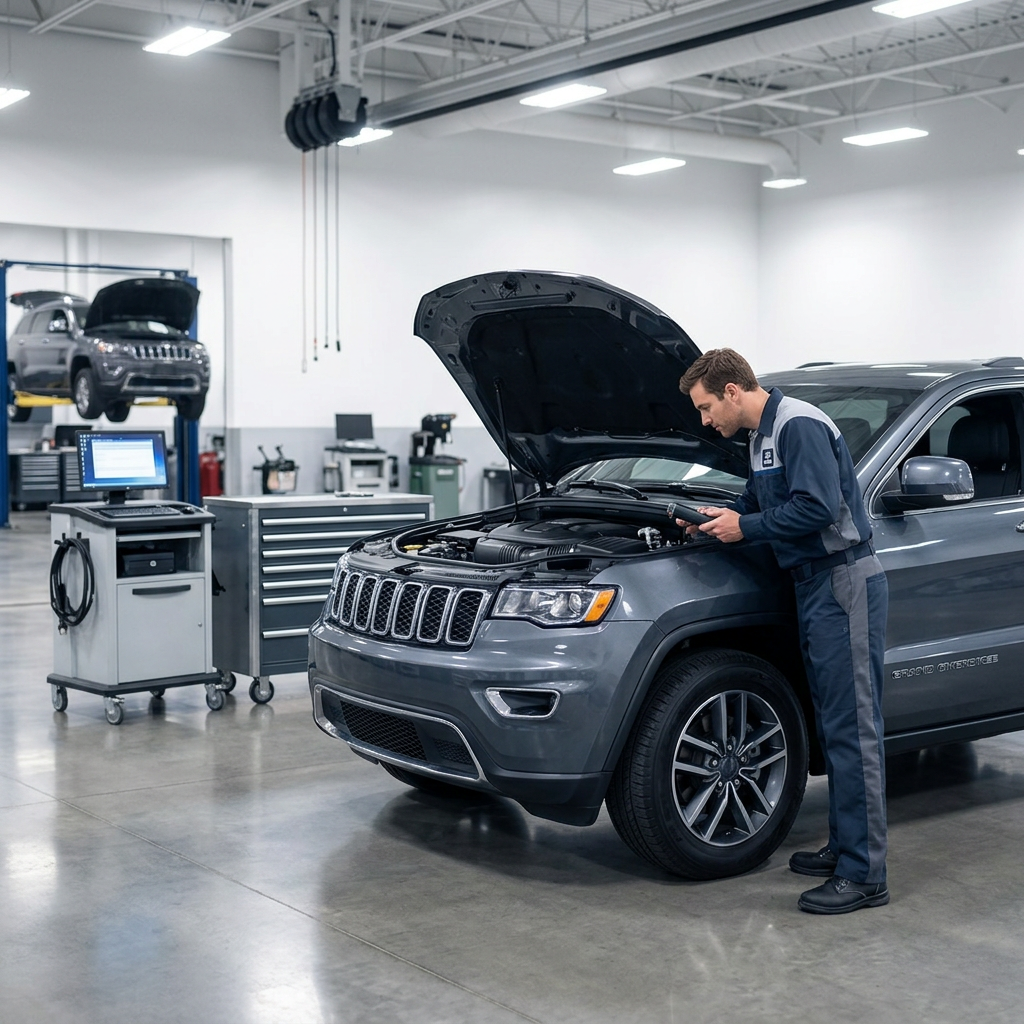
Jeep Grand Cherokee Maintenance Costs Explained: Q&A with Valor CDJR

Jeep Grand Cherokee Maintenance Costs Explained: Q&A with Valor CDJR

Jeep Grand Cherokee Maintenance Costs Explained: Q&A with Valor CDJR The Jeep Grand Cherokee is not significantly more expensive to maintain than other midsize SUVs, averaging roughly $666 annually in routine care and minor repairs compared to the midsize SUV segment average of $615 per year. To examine how component design, four-wheel-drive transfer cases, and recurring service schedules impact total ownership expenses over time, we spoke with Mike Hogg, Service Director at Valor CDJR, who brings 20 years of hands-on automotive expertise to explain what owners can expect. Q: Is a Jeep Grand Cherokee expensive to maintain compared to other midsize SUVs? A: Maintenance costs for the Jeep Grand Cherokee align closely with the broader midsize SUV segment, with annual upkeep averaging about $666 compared to $615 for the average crossover. Standard service procedures like synthetic engine oil changes, tire rotations, and cabin air filter replacements carry straightforward pricing similar to rival two-row family vehicles. What sets the Grand Cherokee apart mechanically is its true truck-based heritage and available 4WD systems, which provide a maximum towing capacity of 6,200 lbs alongside genuine off-road capability. While routine engine and brake servicing remain very manageable, models equipped with advanced transfer cases or height-adjustable air suspensions require periodic driveline fluid changes and multi-point inspections to ensure long-term durability. For service customers balancing daily travel near Fort Riley, staying proactive with scheduled maintenance prevents unexpected mechanical issues down the road. If you ever have questions regarding your vehicle's maintenance history or upcoming service needs, you can give our dealership team a quick call or stop by our Junction City service department to speak directly with an advisor. Q: How much does annual maintenance cost for a Jeep Grand Cherokee? A: Owners typically budget around $666 annually for routine upkeep and unscheduled repairs, while long-term industry estimates from Kelley Blue Book project five-year maintenance expenses of $5,132 and repair expenses of $1,918 for mid-level configurations like the Limited trim. Out-of-pocket costs during the initial years of ownership remain relatively low because new vehicles are backed by factory warranty protection, including 3 years or 36,000 miles of basic coverage and 5 years or 60,000 miles of powertrain coverage. Annual service expenses vary based on vehicle age, total mileage, and whether your SUV features the standard 3.6L Pentastar V6 engine or the available turbocharged 2.0L engine. Early service visits center on synthetic motor oil adjustments, tire rotations, and battery health checks. As your vehicle passes 60,000 miles, maintenance budgets step up slightly to accommodate wear-and-tear items like brake pads, brake rotors, spark plugs, and fluid changes for the TorqueFlite® eight-speed automatic transmission. Q: What recurring maintenance intervals should a Grand Cherokee owner budget for? A: Grand Cherokee owners should plan maintenance around the onboard oil-change indicator, which caps service intervals at a maximum of 10,000 miles, 12 months, or 350 engine hours. Key maintenance milestones include rotating tires every 5,000 to 7,500 miles to promote even tread wear, replacing the cabin air filter every 12,000 miles, inspecting suspension components and brake systems every 20,000 miles, and renewing the engine air filter at 30,000 miles. For turbocharged models, spark plug replacement is scheduled at 60,000 miles, while a complete engine coolant flush is recommended at 150,000 miles. Drivers navigating the rolling Flint Hills terrain in Manhattan frequently encounter unpaved roads and seasonal dust, which can accelerate filter clogging and suspension wear. Adhering to these published intervals keeps your factory warranty valid and extends the operational life of key drivetrain components. "Following your dashboard oil-change indicator and replacing transfer case fluids on schedule is the single best way to avoid major repair bills over 100,000 miles." Q: What are the most common maintenance repairs for a Jeep Grand Cherokee? A: The most frequent maintenance repairs on higher-mileage Grand Cherokee models involve standard wear items such as brake pad and rotor replacements, suspension strut servicing, ignition coil renewals, and occasional water pump or alternator replacements. Over time, complex electronic modules and 4WD transfer case shift actuators may also require diagnostic scans or software updates to maintain smooth gear engagement. Performing these services with authentic Mopar fluids and original equipment parts ensures proper fitment and protects engineered mechanical tolerances across every system. Drivers looking to order authentic factory components can connect directly with our parts center, while those needing diagnostic support can reserve a convenient time slot through our online service scheduler. Q: Is there a local Junction City service discount that could reduce maintenance bills? A: Valor CDJR hosts a dedicated service offer on maintenance procedures and repairs for active duty service members, veterans, and military families. This offer applies directly to essential vehicle upkeep, including synthetic oil changes, brake system flushes, tire rotations, battery replacements, and multi-point vehicle safety audits. Service customers can take advantage of these savings simply by presenting a valid active-duty military identification card, retiree credential, or veteran designation during appointment check-in. Providing discounted maintenance care supports local military families and helps keep their primary family transportation operating safely and efficiently. Q: How do ongoing factors like insurance costs and trim levels impact overall ownership expenses? A: Total ownership costs depend significantly on trim level selection and annual vehicle insurance, with typical auto insurance for a Grand Cherokee ranging between $1,600 and $1,900 annually based on driver history and coverage selections. Entry-level models like the Laredo, which starts at $39,520 MSRP, feature straightforward coil-spring suspensions and standard exterior hardware that keep routine replacement costs lower over time. By contrast, luxury trims like the Summit, starting at $60,900 MSRP, incorporate premium features such as height-adjustable air suspensions and active driving assistance tech that require specialized diagnostic tools when servicing. To learn more about maintaining your specific vehicle trim or to schedule your next inspection, reach out to our service staff at (785) 238-5114 or stop by our Junction City dealership location to speak with an expert technician. © 2026 Valor CDJR. All rights reserved. Vehicle specification data © JATO Dynamics Limited.
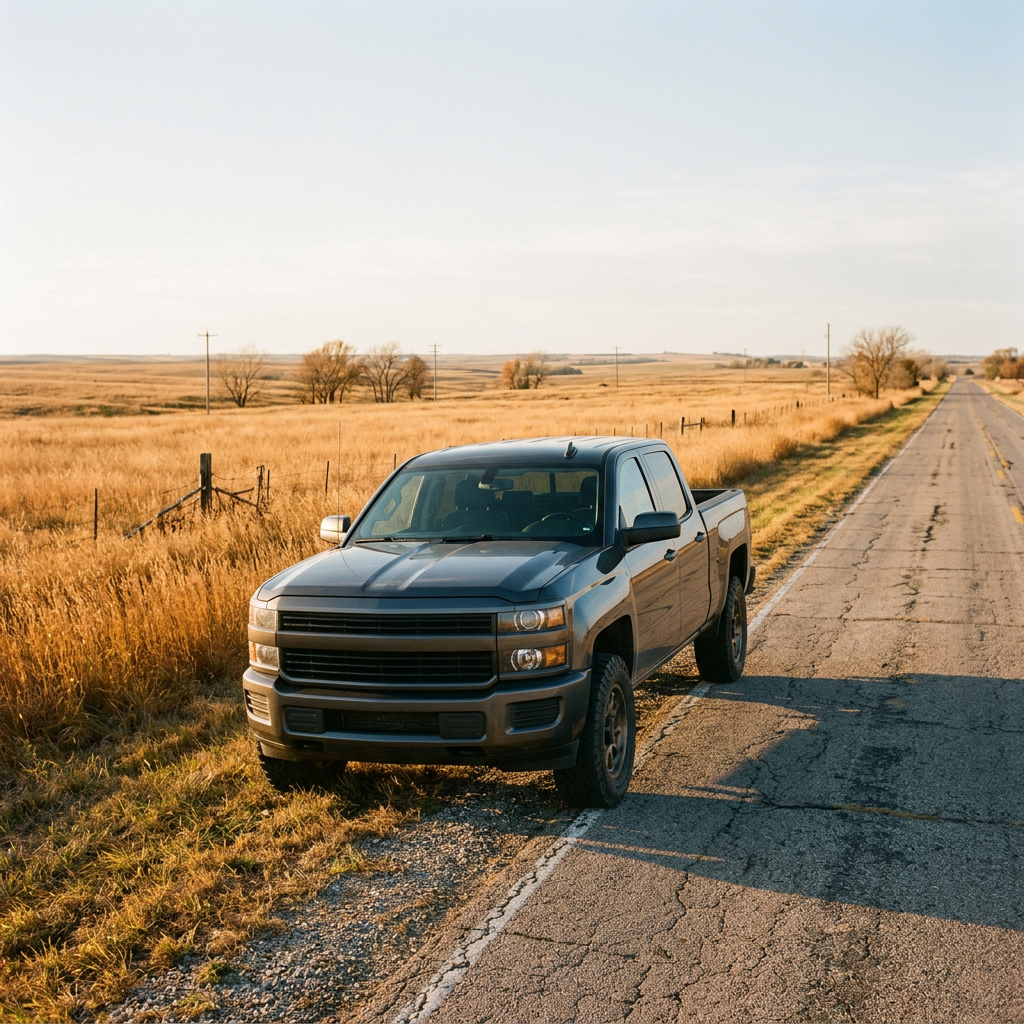
What I've Learned About RAM 1500 Reliability Over the Years

What I've Learned About RAM 1500 Reliability Over the Years

What I've Learned About RAM 1500 Reliability Over the Years How Reliable Is the Ram 1500 for Long-Term Ownership Past 100,000 Miles? The Ram 1500 exhibits impressive long-term mechanical durability, routinely surpassing 150,000 to 200,000 miles when properly maintained. In J.D. Power’s 2026 Vehicle Dependability Study, which evaluates owner-reported issues after three years, the Ram 1500 earned the top ranking in the Large Light Duty Pickup category [1], supported by a factory 10-year/100,000-mile powertrain warranty. While initial quality ratings from J.D. Power and predicted reliability scores from Consumer Reports show some early electrical or infotainment quirks [1], the core mechanical components—including the frame, transmission, and engine blocks—are built for heavy work. When truck owners ask me about high-mileage dependability, I point out that routine fluid changes and servicing the transmission around 60,000 miles are what push these trucks past 150,000 miles without major mechanical drama. According to RepairPal data, average annual repair costs for the Ram 1500 sit around $652 to $691 [1], which is lower than the $752 average for full-size trucks. Regular maintenance at recommended intervals keeps major repairs rare. If you ever want to discuss long-term service schedules or inspect a truck in person at our Goldenbelt Boulevard showroom, you can also reach us directly at (785) 238-5114. Table of Contents What Are the Performance Specs and Durability of the 3.0L Hurricane Twin-Turbo Inline-Six? What Real-World Fuel Economy Does the Ram 1500 Deliver Over Time? Which Ram 1500 Configuration Yields the Highest Towing Capacity? How Do You Fix Broken Exhaust Manifold Bolts on a Ram 1500? Which Component Makes Up the Largest Portion of 5-Year Ownership Costs? Which Ram 1500 Trim Levels Hold Their Resale Value Best in Junction City? What Are the Performance Specs and Durability of the 3.0L Hurricane Twin-Turbo Inline-Six? The 3.0L Hurricane twin-turbo inline-six delivers up to 540 hp and 521 lb-ft of torque in its High Output configuration [2], outperforming traditional naturally aspirated V8s in both acceleration and towing strength. The Standard Output version generates 420 hp and 469 lb-ft of torque [2], providing rapid throttle response and sustained power for heavy trailering. Designed with a rigid cast-aluminum block, cross-bolted main bearing caps, and plasma transfer wire arc cylinder coatings, the Hurricane engine is engineered for severe duty cycles. In real-world evaluations, standard-output models sprint from 0 to 60 mph in 5.2 seconds, while high-output variants hit 60 mph in 4.7 seconds. Long-term engine durability depends on maintaining clean synthetic oil to protect the dual turbochargers and replacing spark plugs around 100,000 miles. Drivers looking to compare powertrain responsiveness can explore our latest new vehicle inventory to test the twin-turbo inline-six setup firsthand. What Real-World Fuel Economy Does the Ram 1500 Deliver Over Time? Over multi-year ownership, the Ram 1500 delivers EPA-estimated fuel economy ranging from 20 mpg city / 25 mpg highway with the 3.6L Pentastar V6 eTorque mild-hybrid system to 18 mpg city / 25 mpg highway with the standard-output Hurricane inline-six. Four-wheel-drive Hurricane models average around 17 mpg combined to 20 mpg combined depending on output and driving habits. Real-world highway driving often yields competitive efficiency because the mild-hybrid eTorque system assists with stop-and-start torque demands, while the twin-turbo setup optimizes air-fuel ratios during cruise conditions. On long highway stretches, such as commuting between work sites around Manhattan, steady throttle control keeps fuel consumption near top EPA estimates. Over 100,000 miles, driving style, tire pressure, and payload weight influence overall fuel consumption more than minor factory variances. For value-minded truck buyers, exploring our pre-owned vehicle selection offers well-maintained options with documented mileage histories. Which Ram 1500 Configuration Yields the Highest Towing Capacity? The Ram 1500 achieves its maximum towing capacity of 11,530 lbs when configured as a Quad Cab 4x2 equipped with the 3.0L Hurricane twin-turbo inline-six and the highest numerical rear axle ratio available. Properly equipped models also offer a maximum payload capacity of up to 2,410 lbs in the bed. Achieving top towing numbers requires matching the cab style, bed length, rear axle ratio, and factory towing package. Features like available Active-Level Four-Corner Air Suspension [1, 2], integrated trailer brake controls, and digital trailer monitoring systems stabilize heavy loads across uneven terrain. Routine inspection of cooling systems, brake pads, and transmission fluid keeps trailering systems performing reliably under heavy strain. Owners needing pre-season safety checks or fluid flushes can schedule a service appointment online with our technician team. How Do You Fix Broken Exhaust Manifold Bolts on a Ram 1500? Fixing broken exhaust manifold bolts on a Ram 1500 involves removing the heat shield, extracting broken studs from the cylinder head, and replacing the warped exhaust manifold with upgraded hardware or thick aftermarket headers. Repair costs can vary, so contact our service department for current pricing. Repeated thermal expansion and contraction cause the cast-iron factory exhaust manifolds on 5.7L Hemi V8 models to warp [1, 2], snapping the rear manifold bolts over time. Drivers usually detect this issue by a prominent ticking sound from the engine bay upon cold start, which temporarily fades as the engine warms and metal expands. Installing grade-8 stainless steel bolts along with premium manifold gaskets prevents recurrence and restores quiet exhaust flow. Shoppers planning maintenance or upgrading their truck can contact our team for current financing options for major repairs or vehicle upgrades. Which Component Makes Up the Largest Portion of 5-Year Ownership Costs? Depreciation represents the single largest expense during the first five years of Ram 1500 ownership, accounting for more than forty percent of total ownership costs, followed by fuel expenses, insurance premiums, and routine maintenance. Scheduled maintenance and minor repairs average between $650 and $850 per year over that period. Total cost of ownership calculations include routine wear items like tires, brake pads, filters, and fluid flushes alongside fuel consumption. Adhering to factory service intervals—such as changing engine oil every 5,000 to 7,500 miles and servicing transmission fluid at 60,000 miles—helps minimize unexpected repair bills. Utilizing genuine factory components ensures precise fitment and long component lifespan during scheduled servicing. Drivers handling home maintenance or ordering replacement filters can consult our dedicated parts center for original equipment components. Which Ram 1500 Trim Levels Hold Their Resale Value Best in Junction City? Off-road focused trims like the Rebel and well-appointed mid-tier trims like the Laramie retain the highest percentage of their resale value over five years, significantly outperforming entry-level work configurations like the Tradesman. Higher demand for leather seating, advanced safety technology, and 4WD capability keeps used values strong. In regional markets around Junction City, four-wheel-drive trucks equipped with popular options like the Big Horn Level 2 equipment group or Laramie luxury packages attract strong buyer demand on the pre-owned market. Regional work conditions and outdoor recreation make 4WD capability a primary factor in residual value preservation. Protecting your investment starts with regular maintenance records and keeping interior cabin materials in top condition. If you want to discuss vehicle valuations or visit our dealership address, you can evaluate your trade-in value online or give our team a call at (785) 238-5114. © 2026 Valor CDJR. All rights reserved.
Expert Q&A: Understanding Jeep Cherokee Maintenance Costs and Ownership Expectations

Expert Q&A: Understanding Jeep Cherokee Maintenance Costs and Ownership Expectations

Expert Q&A: Understanding Jeep Cherokee Maintenance Costs and Ownership Expectations Routine maintenance and minor repair costs for a Jeep Cherokee average approximately $520 per year under standard operating conditions. This annual budget covers essential scheduled care, including full-synthetic oil changes, tire rotations, multi-point safety inspections, and brake system evaluation. Total out-of-pocket expenses vary based on annual mileage, driving environments, and adherence to factory service intervals. To help drivers navigate service requirements, warranty terms, interior specs, and total ownership costs, we sat down with Jace Grabouski, General Manager at Valor CDJR. With 20 years of experience serving local drivers, Jace offers practical answers to the most common questions surrounding Cherokee maintenance and ownership. How Much Does Average Annual Maintenance Cost for a Jeep Cherokee? Q: Jace, what should buyers realistically budget for annual routine maintenance on a Jeep Cherokee? A: Owners typically spend around $520 per year on routine maintenance and minor upkeep when following standard driving patterns. That baseline includes regular synthetic oil services, tire rotations, cabin and engine air filter replacements, and scheduled brake checks. Because newer models feature advanced powertrains like the 1.6L turbocharged hybrid engine, using proper OEM fluids and certified parts prevents costly mechanical issues down the road. A standard synthetic oil change service usually runs between $70 and $120 including parts and labor. For drivers commuting between the Fort Riley military post and Junction City, routine maintenance keeps the crossover performing efficiently across daily highway miles. Staying proactive with preventative care prevents premature wear on critical components, making overall vehicle ownership far more predictable. If you ever have questions about your vehicle's service history or need directions to our service center, finding our showroom in Junction City is easy, or you can give our team a quick call to speak directly with an advisor. Table of Contents What Are the Scheduled Maintenance Intervals for the Jeep Cherokee? What Factory Warranty Coverage and Complimentary Care Come Standard on a New Jeep Cherokee? What Are the Interior Dimensions and Cargo Space Measurements of the Jeep Cherokee? Does Maintaining Regular Dealership Service History Improve Jeep Cherokee Resale Value? How Should Drivers Plan Ownership Costs, Leasing Options, and Long-Term Vehicle Upkeep? What Are the Scheduled Maintenance Intervals for the Jeep Cherokee? Q: What does the factory-recommended maintenance schedule look like for the Cherokee? A: Scheduled maintenance for the Jeep Cherokee follows an Oil Life Indicator System that alerts drivers when service is required, up to a maximum threshold of 10,000 miles or 12 months. Every 10,000-mile visit requires a fresh full-synthetic oil and filter change, a complete tire rotation, and a thorough inspection of the brake pads, rotors, and suspension components. Standard four-wheel-drive systems place balanced demand on all four tires, making regular rotations necessary to prevent uneven tread wear and stress on the drivetrain. Major maintenance milestones occur at higher mileage thresholds, primarily at 100,000 miles. At the 100,000-mile mark, factory service specifications call for spark plug replacement, engine coolant flush, and CVT transmission fluid service. Following these milestone visits ensures optimal fuel economy, which reaches up to 39 mpg city and 35 mpg highway on hybrid models. Drivers looking to stay on top of their routine care can easily manage appointments by scheduling a service appointment online. If you are currently researching pre-owned options, you can also explore exploring pre-owned SUV options to compare maintenance histories and model years. What Factory Warranty Coverage and Complimentary Care Come Standard on a New Jeep Cherokee? Q: What factory warranty protection comes included with a new Jeep Cherokee? A: Every new Jeep Cherokee comes protected by a 3-year/36,000-mile basic limited warranty and a 5-year/60,000-mile powertrain limited warranty. The basic limited coverage handles bumper-to-bumper components against defects in materials or workmanship, while the powertrain warranty covers essential drive components, including the engine, transmission, and drive axles. Additionally, owners receive 5-year/unlimited-mile corrosion protection and 5-year/60,000-mile roadside assistance. "Following factory maintenance schedules protects your vehicle's warranty and preserves thousands of dollars in resale value down the road." For hybrid models, traction battery components receive an 8-year/100,000-mile traction battery warranty, ensuring long-term peace of mind. While factory maintenance programs vary by model year, Stellantis offers the FlexCare Vehicle Protection Program for extended coverage beyond initial factory terms. Drivers interested in new crossover models can start by viewing our current new Cherokee inventory or take early ownership steps by getting pre-approved for financing online. What Are the Interior Dimensions and Cargo Space Measurements of the Jeep Cherokee? Q: Jace, how do the interior measurements and cargo capacity stack up for everyday utility? A: The Jeep Cherokee provides about 34 cubic feet of cargo space behind the second row, which expands to about 68 cubic feet when the 60/40 split-folding rear seats are folded flat. Total passenger volume measures about 107 cubic feet, providing comfortable seating for up to five passengers. Front occupants enjoy 40.3 inches of head room and 41.3 inches of leg room, while second-row passengers receive 40.2 inches of head room and 38.5 inches of leg room. Whether loading athletic gear for events in Manhattan or packing camping gear for weekend trips near the reservoirs, the interior utility adapts to everyday life. Interior appointments range from durable Global Black Soul Cloth on standard trims to premium Capri Leatherette on the Overland HEV 4X4 and Limited HEV 4X4. Trims like the Laredo HEV 4X4 offer 18-inch gloss black wheels, while upper trims feature 20-inch aluminum wheels and a Uconnect 5 system with a 12.3-inch display. Owners wanting to customize their cabin organization or utility can do so by ordering genuine Mopar accessories through our dedicated service department. 2026 Jeep Cherokee Dimensions & Capacity Capacity and dimensions by trim Feature 85th Anniversary Edition HEV 4X4 Cherokee HEV 4X4 Laredo HEV 4X4 Limited Altitude HEV 4X4 Limited HEV 4X4 Overland HEV 4X4 Seating 5 5 5 5 5 5 Cargo 33.6 cu ft 33.6 cu ft 33.6 cu ft 33.6 cu ft 33.6 cu ft 33.6 cu ft Curb weight 4,295 lbs 4,295 lbs 4,295 lbs 4,295 lbs 4,295 lbs 4,295 lbs Towing 3,500 lbs 3,500 lbs 3,500 lbs 3,500 lbs 3,500 lbs 3,500 lbs Payload 850 lbs 850 lbs 850 lbs 850 lbs 850 lbs 850 lbs Does Maintaining Regular Dealership Service History Improve Jeep Cherokee Resale Value? Q: Does documenting all maintenance at a factory-certified dealership really impact trade-in and resale value? A: Documenting complete service records at an authorized dealership can help support trade-in and private resale value compared to vehicles with missing maintenance logs. Dealership records prove to future buyers and trade evaluators that the vehicle received genuine Mopar fluids, factory-specified filters, and required software updates. A verified service history eliminates guesswork regarding belt condition, brake wear, and powertrain care. Maintaining proper documentation protects your equity across every trim, from the entry Cherokee HEV 4X4 with a base MSRP of $35,000 to the Laredo HEV 4X4 at $38,000 MSRP, the Limited HEV 4X4 at $40,000 MSRP, the Limited Altitude HEV 4X4 at $40,595 MSRP, the 85th Anniversary Edition HEV 4X4 at $40,905 MSRP, and the Overland HEV 4X4 at $43,000 MSRP. Contact the dealership for current pricing and availability. When you are ready to evaluate your current vehicle's worth, you can begin by using our online trade-in valuation tool for a transparent market estimate. 2026 Jeep Cherokee Pricing Pricing by trim Feature 85th Anniversary Edition HEV 4X4 Cherokee HEV 4X4 Laredo HEV 4X4 Limited Altitude HEV 4X4 Limited HEV 4X4 Overland HEV 4X4 Base MSRP $40,905 $35,000 $38,000 $40,595 $40,000 $43,000 Destination charge $1,995 $1,995 $1,995 $1,995 $1,995 $1,995 How Should Drivers Plan Ownership Costs, Leasing Options, and Long-Term Vehicle Upkeep? Q: What overall strategy do you recommend for buyers weighing lease options against long-term vehicle ownership? A: Leasing a Jeep Cherokee provides predictable monthly costs while keeping the crossover fully covered under the factory bumper-to-bumper warranty. Contact the dealership for current lease options. Leasing appeals to drivers who prefer updating technology every three years without handling out-of-warranty repairs. Long-term buyers, on the other hand, benefit from paying off the vehicle equity while managing routine maintenance costs that average around $520 annually. Planning long-term upkeep involves sticking to scheduled 10,000-mile service visits, monitoring tire wear, and keeping detailed records. Commercial buyers or business owners managing fleet transportation can also examine browsing our commercial inventory options to find vehicles tailored for heavier operational demands. Whether you are looking to purchase, lease, or service an existing vehicle, our team is ready to assist. You can start today by visiting our dealership in Junction City or by calling our service advisors directly for personalized guidance. © 2026 Valor CDJR. All rights reserved. Vehicle specification data © JATO Dynamics Limited.
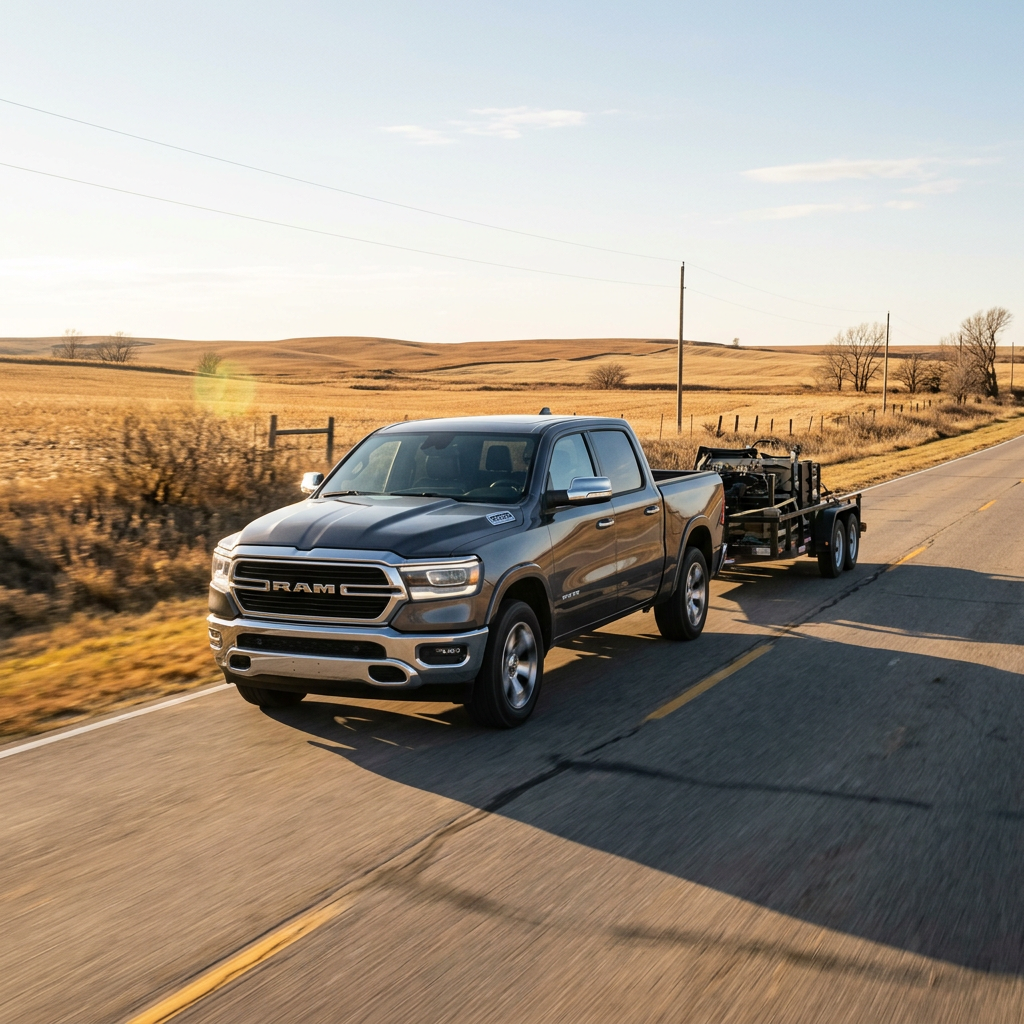
RAM

What I Tell Drivers About RAM 1500 Reliability and Powertrain Performance

What I Tell Drivers About RAM 1500 Reliability and Powertrain Performance Is the Ram 1500 a Reliable Pickup for Long-Term Ownership? The Ram 1500 delivers proven long-term durability supported by robust mechanical engineering, receiving recognition in J.D. Power’s 2026 Vehicle Dependability Study in the large light-duty pickup segment. Everyday dependability rests on factory warranty protection, including a 3-year/36,000-mile basic warranty and a 5-year/60,000-mile powertrain warranty. Standard safety technology across the lineup includes forward-collision warning, automatic emergency braking, lane-departure warning, and adaptive cruise control, helping the truck earn a five-star overall safety rating from NHTSA. Evaluating truck longevity requires looking at real-world mechanical performance across thousands of miles. In my 20 years managing dealership operations, I have seen truck buyers analyze overall maintenance histories carefully. A pickup truck experiences demanding operational environments, from carrying heavy cargo in the bed to hauling livestock and equipment trailers across highway grades. Modern engineering choices in the chassis, frame design, and electrical integration directly determine whether a vehicle stays on the road past the 100,000-mile mark without major component failures. Building long-term reliability starts at the chassis level. The high-strength steel frame provides a rigid foundation that resists twisting forces during heavy cornering and off-road driving. That structural integrity protects driveline components like the transfer case and rear axle differential from unnecessary mechanical stress. For shoppers comparing ownership options, our team is always ready to answer questions when you drop by our Goldenbelt Boulevard showroom or give our staff a quick call to discuss model availability. Table of Contents How Reliable Are the Pentastar V6 and Twin-Turbo Hurricane Powertrains? How Does Active-Level Four-Corner Air Suspension Improve Towing Performance? Which Full-Size Truck Offers the Quietest Cabin and High-End Luxury Features? How Much Does a Ram 1500 Cost Across Different Trim Levels? Can Eligible Military Buyers Near Junction City Claim Local Ram Incentives? How Can Routine Service Keep Your Ram 1500 Running Strong? How Reliable Are the Pentastar V6 and Twin-Turbo Hurricane Powertrains? The 3.6L Pentastar V6 with eTorque and the twin-turbo 3.0L Hurricane inline-six engines represent two distinct approaches to long-term powertrain durability. The base 3.6L Pentastar V6 generates 305 hp and 269 lb-ft of torque, with the 48-volt eTorque mild-hybrid system adding up to 90 lb-ft of launch torque off the line. For higher capability, the 3.0L Hurricane Standard Output engine delivers 420 hp and 469 lb-ft of torque, while the High-Output variant produces 540 hp and 521 lb-ft of torque. The 3.6L Pentastar V6 has earned a reputation as one of the most durable engines in the light-duty truck market. Its dual overhead camshaft architecture, high-flow intake ports, and variable valve timing have been refined over a decade of continuous production. Paired with the TorqueFlite 8-speed automatic transmission, the 3.6L Pentastar V6 provides predictable gear shifts and smooth acceleration. The eTorque system replaces the standard alternator with a belt-driven motor generator, feeding a compact lithium-ion battery pack to enable smooth engine stop/start operation while reducing starter motor wear. Engine Option Horsepower Torque (lb-ft) Max Towing (lbs) EPA Estimated MPG 3.6L Pentastar V6 (eTorque) 305 hp 269 lb-ft Up to 8,130 lbs 20 city / 25 highway 3.0L Hurricane I-6 (SO) 420 hp 469 lb-ft Up to 11,610 lbs 18 city / 25 highway 3.0L Hurricane I-6 (HO) 540 hp 521 lb-ft Up to 10,740 lbs 15 city / 21 highway 5.7L HEMI V8 (eTorque) 395 hp 410 lb-ft Up to 11,320 lbs 18 city / 23 highway The twin-turbo 3.0L Hurricane inline-six engine family introduces advanced structural metallurgy to maximize thermal efficiency and long-term durability. Built around a deep-skirt cast-aluminum engine block, the Hurricane utilizes plasma spray-bore thermal coatings inside the cylinder walls rather than heavy cast-iron liners, reducing internal friction while preserving bore rigidity under pressure. The High-Output Hurricane engine incorporates forged steel connecting rods, forged aluminum pistons, and a twisted forged steel crankshaft to withstand high boost levels without premature component wear. For truck buyers interested in traditional V8 power, select model years also reintroduce the 5.7L HEMI V8, producing 395 hp and 410 lb-ft of torque with eTorque assistance delivering up to 130 lb-ft of initial torque. Drivers navigating the rolling Flint Hills roads toward Manhattan appreciate how these engine choices match specific demands, whether prioritizing maximum fuel efficiency or heavy towing muscle. You can examine these engine setups directly by browsing our pre-owned vehicle lineup to compare different powertrain options. How Does Active-Level Four-Corner Air Suspension Improve Towing Performance? The optional active-level four-corner air suspension improves towing performance by automatically leveling the truck chassis under heavy payload and tongue weights, preserving suspension travel, headlight alignment, and steering control. Operating across five distinct ride heights, the system lowers the truck at highway speeds to decrease aerodynamic drag and automatically levels the rear axle when hitching heavy bumper-pull trailers. Air Suspension Height Adjustment Primary Towing & Driving Benefit Mode Normal Ride Baseline Height Standard ground clearance for daily driving and light hauling. --- --- --- Aero Mode Lowers ~0.6 inches Reduces drag at highway speeds, improving fuel economy. Off-Road 1 Raises ~1.0 inches Adds extra ground clearance for rough trails and dirt roads. Off-Road 2 Raises ~2.0 inches Provides maximum clearance over rocks, ruts, and deep mud. Entry/Exit Mode Lowers ~2.0 inches Eases passenger entry/exit and simplifies trailer hitching. When a heavy trailer rests on a traditional rear coil spring setup without air load-leveling, the rear of the truck squats down while the front end rises. That weight transfer unloads the front tires, which degrades steering precision, increases braking distances, and misaligns low-beam headlights toward oncoming traffic. The active-level four-corner air suspension uses closed-loop air supply reservoirs and electronic height sensors at each wheel position. When a trailer tongue is lowered onto the ball mount, the system compressor pumps air into the rear air springs until the chassis returns to a level horizontal plane. Leveling the chassis keeps steering geometry consistent and ensures that all four brake assemblies share stopping forces evenly. On highway runs, the system automatically engages Aero Mode at cruising speeds, lowering the vehicle body roughly half an inch to optimize airflow around the underbody. When pulling up to a trailer coupler in a dirt lot or driveway, the driver can engage Entry/Exit Mode from the key fob or dashboard switch, lowering the bumper height to align hitch balls easily. If you are planning to upgrade your current tow vehicle, taking a few minutes to evaluate your trade-in online gives you a clear baseline of your current vehicle's market value. Which Full-Size Truck Offers the Quietest Cabin and High-End Luxury Features? The Ram 1500 offers a notably quiet interior cabin in the full-size light-duty pickup segment through acoustic glass windows, active noise cancellation technology, and frame-mounted active tuned mass modules. Top-tier trims like the Tungsten introduce standard luxury features including Natura Plus leather upholstery, 24-way power front seats with massage functions, a 23-speaker Klipsch audio system, and dual wireless phone charging pads. A quiet interior cabin directly reduces driver fatigue during long trips across open highways. Ram engineers isolate road and engine noise by using double-pane laminated acoustic windshield and side window glass. Beneath the floorboards, electronically controlled active tuned mass modules mounted on the frame rails generate counter-vibrations that cancel out engine harmonics before they reach the cabin floor. Inside the headliner, microphone arrays monitor ambient noise levels, signaling the audio system to send noise-canceling frequencies through the speaker network. Luxury appointments on the Tungsten trim rival luxury passenger sedans: Premium Natura Plus leather upholstery in Indigo and Sea Salt color themes with suede headliners. Ergonomic 24-way power front seats featuring heating, ventilation, memory settings, and multi-mode massage. A 23-speaker Klipsch Reference Premiere audio system with a 12-inch subwoofer and stainless steel speaker grilles. A 14.5-inch Uconnect touchscreen paired with a 10.3-inch front passenger interactive display. Convenience features including dual wireless phone charging pads, a digital rearview mirror, and a full-color head-up display. Owners looking to add custom bed mats, running boards, or utility rails to their truck can browse genuine Mopar gear through our dealership parts department. How Much Does a Ram 1500 Cost Across Different Trim Levels? Pricing for the Ram 1500 spans a wide range across its trim lineup, with MSRP varying by trim, equipment, and model year. Mid-tier configurations such as the Big Horn, Lone Star, Laramie, and off-road focused Rebel fill the core price brackets, giving truck buyers options that balance utility, technology, and interior comfort. Trim Level Base MSRP Bracket Key Standard Equipment & Focus Tradesman ~$40,275 - $45,000 Vinyl/cloth seating, 12-inch touchscreen, 3.6L Pentastar V6. Big Horn / Lone ~$45,000 - $53,000 Chrome accents, fog lamps, available Hurricane I-6 engine. Star Warlock ~$53,000 - $56,000 1-inch factory lift, Bilstein shocks, electronic locking axle. --- --- --- Laramie ~$60,000 - $65,000 Leather trim, 10-speaker audio, heated/ventilated front seats. Rebel ~$65,000 - $68,000 Off-road suspension, 33-inch tires, skid plates, 4WD. Limited ~$75,000 - $78,000 Premium leather, air suspension, 14.5-inch touchscreen. Tungsten ~$87,000 - $89,000 24-way massaging seats, 23-speaker Klipsch audio, HO Hurricane. The Tradesman trim provides a practical work foundation with durable interior surfaces and standard safety tech. Moving up to the Big Horn (known as the Lone Star in Texas) opens access to popular equipment packages, including heated front seats, dual-zone climate control, and secondary storage bins. The Warlock and Rebel trims add off-road equipment like factory ride-height lifts, Bilstein shock absorbers, underbody skid plates, and all-terrain tires. At the upper end of the spectrum, the Laramie introduces leather seating and upgraded audio, while the Limited adds standard air suspension and real wood cabin trim. Selecting the right trim depends on how you plan to balance daily commuting, trailering, and passenger comfort over years of ownership. Can Eligible Military Buyers Near Junction City Claim Local Ram Incentives? Active duty, reserve, guard, and veteran personnel near Fort Riley may be eligible for current military incentives on qualifying new Ram 1500 purchases. This program stacks on top of seasonal manufacturer incentives and regional trade-in allowances, helping military buyers reduce upfront purchase costs when selecting a pickup. Navigating vehicle purchases during active service requires clear communication around permanent change of station timelines and duty hours. Military buyers can review current truck availability by exploring our new Ram inventory online before stepping onto the lot. Furthermore, organizing financing details in advance streamlines the overall process; qualified buyers can get pre-approved online directly from a phone or computer to review competitive rates before visiting the dealership. Our sales specialists work closely with service members to ensure military status documentation—such as an active duty ID card, veteran health identification card, or DD Form 214—is processed accurately at check-in so every eligible discount is fully applied. How Can Routine Service Keep Your Ram 1500 Running Strong? Following standard factory maintenance intervals is the single most effective step an owner can take to preserve truck longevity and maintain powertrain efficiency over hundreds of thousands of miles. Adhering to scheduled oil changes, tire rotations, brake system inspections, and fluid services keeps vital engine and transmission components operating within factory tolerances. Key maintenance procedures that support long-term durability include: Changing engine oil and filter every 7,500 to 10,000 miles using manufacturer-approved synthetic fluids. Rotating tires every 5,000 to 7,500 miles to promote even tread wear across four-wheel-drive axles. Inspecting front and rear brake pads, rotors, and brake lines during every routine service check. Replacing engine air intake filters and cabin air filters to preserve fuel economy and cabin air quality. Servicing transfer case and differential gear fluids according to the severe-duty schedule when towing regularly. Using authentic Mopar fluids and replacement parts guarantees that internal seals, sensors, and mechanical gears meet factory specifications. When your truck is due for maintenance, you can conveniently set up an appointment using our online service scheduling tool. You can also visit our dealership by following our Goldenbelt Boulevard location directions or give our service department a quick call to speak directly with an advisor about your truck's maintenance schedule. © 2026 Valor CDJR. All rights reserved.
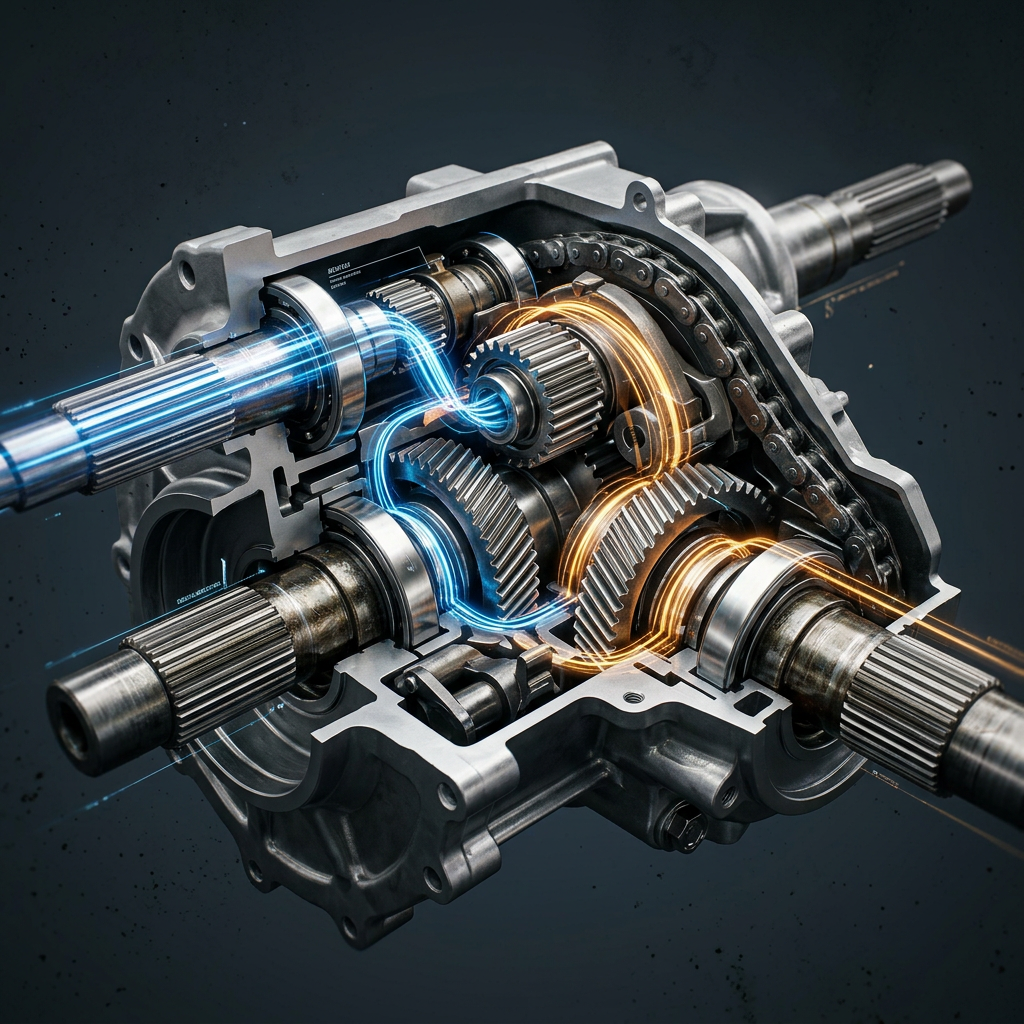
4x4 Low Range Guide: Expert Interview with Valor CDJR

4x4 Low Range Guide: Expert Interview with Valor CDJR

4x4 Low Range Guide: Expert Interview with Valor CDJR 4x4 low range is an auxiliary gear setting inside a four-wheel-drive transfer case that uses secondary planetary gearing to reduce wheel rotation speed while multiplying torque delivered to the axles. This mechanical reduction trades road speed for maximum low-end pulling power and precise vehicle control on treacherous terrain. Today, we sit down with Mike Hogg, Service Director at Valor CDJR, who brings 20 years of hands-on automotive expertise to explain how low-range gearing operates, when to engage it, and how to protect your driveline. Q: What is 4WD Low range and how does it work? A: 4WD Low range operates by routing engine power through a secondary planetary gear set inside the transfer case to deliver an extra stage of gear reduction before torque reaches the drive shafts. In standard two-wheel drive or four-wheel drive high range, power passes through the transfer case at a direct 1:1 drive ratio or through a high-speed output gear. When you select low range, internal shift forks slide a lock sleeve that forces input torque through planet gears spinning within a stationary ring gear. This mechanical gear set slows shaft rotation while multiplying total engine torque delivered to all four wheels. That torque multiplication changes how your vehicle interacts with ground surfaces. By trading rotational wheel speed for raw torque, low range allows your truck or SUV to crawl over obstacles at a walking pace without requiring high engine revs or slipping the clutch or torque converter. This mechanical advantage provides exceptional throttle control over loose gravel, deep mud, or steep inclines across local river valleys. If you ever want to see how these mechanical systems operate up close, our technicians at our Junction City service center can walk you through the transfer case setup during your next scheduled maintenance. You can also give us a call at (785) 238-5114 with any specific technical questions about your vehicle's driveline. Q: When should you shift into 4WD Low instead of 4WD High? A: You should shift into 4WD Low whenever driving situations demand slow, controlled wheel speed alongside maximum torque, such as creeping over steep rock obstacles, descending extreme unpaved inclines, or wading through deep mud. 4WD High is intended for slippery conditions where you still need momentum and higher road speeds, like driving across snow-covered highways or dirt roads. In contrast, low range shines when momentum is dangerous or impossible, and you need pure gear reduction to keep the vehicle moving forward smoothly. Using 4WD Low on dry, high-traction pavement causes driveline binding because the front and rear axles are mechanically locked together and forced to turn at identical speeds. On high-friction surfaces, tires cannot slip during turns, sending intense mechanical stress back into the transfer case gears, axle shafts, and universal joints. Drivers exploring the rolling Flint Hills trails around Manhattan need to reserve low range strictly for off-pavement, low-speed challenges. If you are shopping for a broad selection of vehicles equipped with factory low-range transfer cases, explore our new Jeep inventory to compare model capabilities. Q: Can you shift from 4WD High to 4WD Low while driving? A: No, you cannot shift from 4WD High to 4WD Low while driving at speed because internal transfer case gears require the vehicle to be stopped or moving under 3 mph with the transmission placed in Neutral to mesh cleanly without gear clash. First-time 4x4 owners often ask if they can pull the transfer case lever or turn the electronic dial while cruising down the highway, but doing so forces non-synchronized planetary gears against fast-spinning input shafts, which causes severe gear grinding and expensive mechanical failure. To execute a safe shift into 4WD Low, bring your vehicle to a complete stop or let it roll forward very slowly at a crawling pace. Shift your transmission selector into Neutral, which removes active torque load from the transfer case input shaft. Engage the low-range switch or pull the transfer case lever firmly into the 4L detent, then return your transmission to Drive or First gear. If you are looking for a capable pre-owned rig with a proven shift-on-the-fly or manual transfer case, take a look through our pre-owned 4x4 truck lineup. Q: What is a low range crawl ratio and how is it calculated? A: A crawl ratio measures total mechanical torque multiplication from engine to wheels, calculated by multiplying the transmission first-gear ratio by the transfer case low-range ratio and the final-drive axle ratio. The mathematical formula is simple: transmission first gear ratio multiplied by transfer case low-range ratio multiplied by axle differential ratio. A higher overall crawl ratio means the wheels turn slower relative to engine rpm, giving you finer throttle control and higher effective torque at the tire contact patch. "Understanding crawl ratio helps drivers maintain absolute control on steep slopes without constantly riding the brake pedal." For example, a 2026 Jeep Wrangler Rubicon equipped with the Rock-Trac transfer case features a 4.0:1 low-range ratio. When paired with an automatic transmission, this setup delivers a 77.2:1 crawl ratio. The six-speed manual configuration paired with standard 4.10 axles yields an 84.1:1 crawl ratio, while choosing the optional 4.88:1 axle ratio elevates the total crawl ratio to roughly 100:1. High crawl ratios allow the engine's compression to naturally slow the vehicle on steep downhill descents, reducing reliance on wheel brakes. If you are thinking about upgrading to a vehicle with advanced trail gearing, our team can assist by valuing your vehicle trade-in. Q: Is 4WD High or 4WD Low better for pulling a boat up a steep boat ramp? A: 4WD Low is significantly better for pulling a heavy boat up a steep, slick boat ramp because torque multiplication prevents wheel spin and eliminates excessive heat buildup inside your automatic transmission. Wet concrete ramps covered in algae offer very little traction, and launching a heavy load uphill requires significant power at zero road speed. In 4WD High, drivers frequently stomp on the accelerator pedal, causing tires to break traction or forcing the transmission torque converter to generate extreme fluid temperatures while trying to move the load. When you select low range on a boat ramp, the extra gear reduction delivers instant pulling power at idle or minimal throttle input. This allows your tires to maintain mechanical grip on slippery concrete while your engine and transmission operate effortlessly without overheating. Heavy-duty haulers like the 2026 Ram 2500 Power Wagon leverage low range to pull massive trailers out of challenging inclines without straining the driveline. Before taking your boat out for the season, consider getting pre-approved for financing on a tow vehicle engineered for high-capacity hauling. Q: How does transfer case planetary gear reduction multiply torque? A: Planetary gear reduction multiplies torque by locking the outer ring gear while driving the center sun gear from the transmission output, forcing the surrounding planet gears to rotate around the ring gear at a reduced rotational speed. Because the planet carrier attached to the output shaft rotates slower than the input sun gear, power output decreases in rotational speed and increases proportionally in force. Torque multiplication follows an inverse mechanical relationship: if shaft speed is cut in half, output torque is effectively doubled at the transfer case output shaft. Standard light-duty transfer cases typically offer low-range reduction ratios between 2.0:1 and 2.72:1, whereas specialized off-road systems feature 3.0:1 to 4.0:1 reductions. This mechanical multiplication happens entirely through precision-cut steel gears without demanding extra horsepower from the engine. Keeping these gear sets properly lubricated with fresh fluid prevents metal-on-metal wear and gear breakdown. If you ever need fluid flushes or internal seal replacements, our specialized OEM parts department supplies genuine factory fluids and components designed for your exact driveline specs. Q: How much does it cost to repair or replace a 4x4 transfer case, and what maintenance keeps it healthy? A: Replacing a four-wheel-drive transfer case typically costs between $1,500 and $4,500 including parts and labor, depending on whether you install a new, remanufactured, or unitized assembly. Minor repairs like replacing leaky output shaft seals, shift motor actuators, or fluid pumps fall on the lower end of the cost spectrum, whereas complete internal gear failure requiring a replacement unit occupies the upper end. Preventing these major costs comes down to consistent maintenance and operating your transfer case according to manufacturer guidelines. Regular transfer case fluid changes remove worn friction material and metallic particles before they damage planetary gear teeth or chain drives. It is equally vital to address any fluid leaks immediately and avoid driving in part-time 4WD modes on dry pavement. If you suspect your transfer case is grinding, slipping, or leaking fluid, drop by our dealership address at 1825 Goldenbelt Blvd for a complete diagnostic evaluation. You can reach our service advisors directly by calling (785) 238-5114 or save time by scheduling your service appointment online today. © 2026 Valor CDJR. All rights reserved.
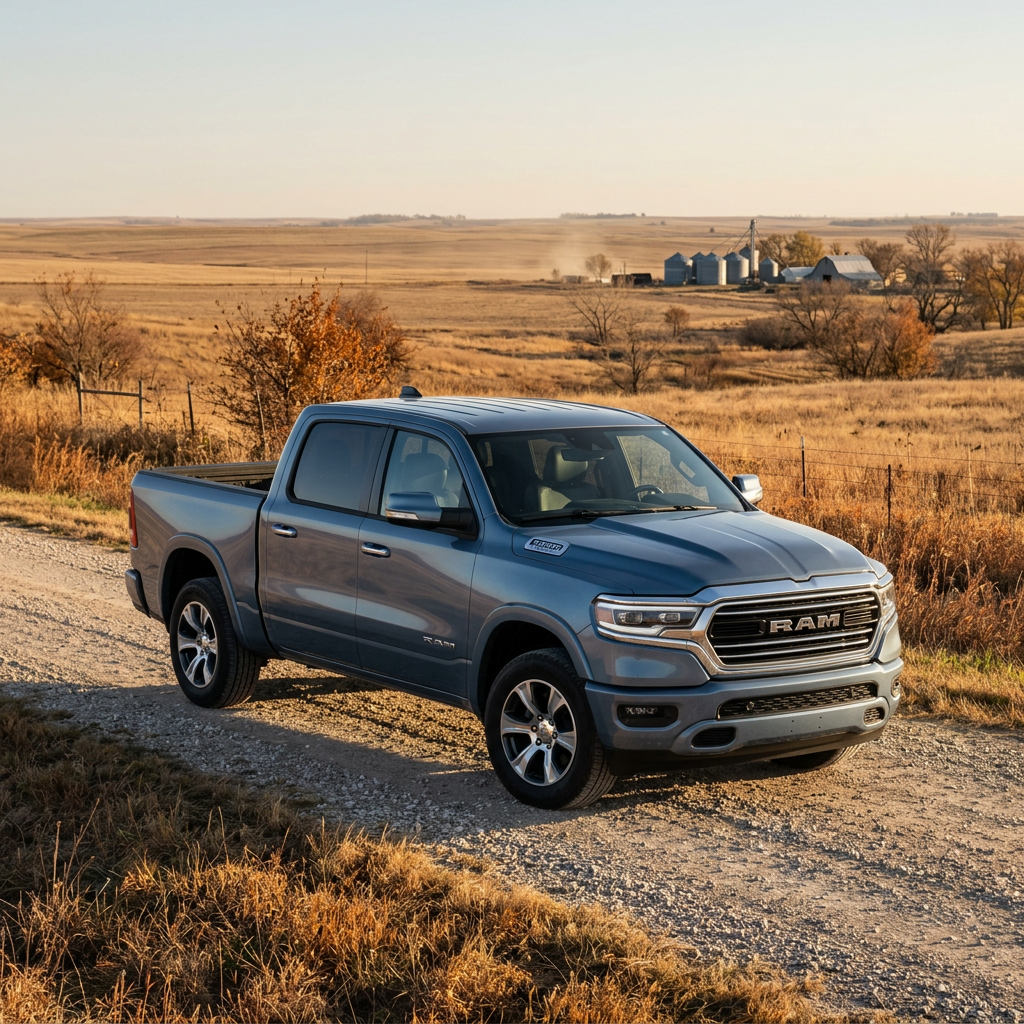
What I Have Learned About RAM 1500 Reliability and Value Over 20 Years

What I Have Learned About RAM 1500 Reliability and Value Over 20 Years

What I Have Learned About RAM 1500 Reliability and Value Over 20 Years Which Ram 1500 Trim Level Provides the Best Overall Value for Reliability and Capability? The Big Horn trim delivers the best overall value for reliability and everyday capability in the Ram 1500 lineup. Positioned right above the work-oriented Tradesman, it combines essential driver comfort features with access to key capability packages and engine options—including the proven 3.6L Pentastar V6 with eTorque and the 3.0L twin-turbo Hurricane inline-six —without pushing buyers into high-end luxury pricing tiers. When buyers visit us to compare configurations, the Big Horn repeatedly stands out as the practical sweet spot. Standard equipment provides the core structural and electronic foundation needed for daily driving, while optional packages allow owners to equip factory trailer tow group technology, upgraded axle ratios, and enhanced cabin creature comforts tailored to specific needs. For owners focused on long-term ownership costs, choosing a middle trim like the Big Horn avoids the higher replacement costs associated with niche electronic adaptive air suspensions or ultra-complex interior trim components found on top-tier models like the Tungsten. From a mechanical durability perspective, keeping the equipment package focused on functional capability pays dividends over decades of ownership. The Big Horn shares the exact same high-strength steel frame, robust 8HP80 eight-speed automatic transmission, and heavy-duty braking components with higher trims, ensuring that core truck durability remains identical regardless of interior luxury level. Backed by a standard 3-year/36,000-mile basic warranty and a 10-year/100,000-mile powertrain warranty, it delivers maximum long-term peace of mind. If you are comparing trim details in person, our team is always ready to guide you at our showroom on Goldenbelt Blvd or take your questions over the phone at (785) 238-5114. Table of Contents How Does Hurricane Twin-Turbo Torque and Reliability Compare to the Traditional HEMI V8? What Essential Cooling Checks Keep Twin-Turbo Ram Engines Running Efficiently? How Does the Ram 1500 Rear Suspension Setup and Towing Tech Differ From GM and Ford? Can Wireless Over-the-Air Updates Keep Your Ram 1500 Systems Updated and Operating Smoothly? How Does Annual Vehicle Mileage Impact Pickup Truck Resale Values Over Time? Are Clean Vehicle Tax Credits Available and What Maintenance Protects Your Ram Investment in Junction City? How Does Hurricane Twin-Turbo Torque and Reliability Compare to the Traditional HEMI V8? The standard-output 3.0L twin-turbo Hurricane inline-six delivers 420 horsepower and 469 lb-ft of torque, reaching peak torque significantly lower in the engine's rev range than the outgoing naturally aspirated 5.7L V8. This lower RPM torque arrival provides stronger low-speed pulling force for heavy towing and immediate highway acceleration, while output escalates further on the Hurricane High Output variant to 540 horsepower and 521 lb-ft of torque. When truck owners ask me how the low-end throttle response compares between the new twin-turbo setup and the classic V8, I like to show them how quickly peak torque hits lower in the RPM band during a quick climb under load. The twin parallel turbochargers utilize small, low-inertia turbines that spool rapidly, virtually eliminating lag and delivering linear thrust from right above idle. In contrast, the classic 5.7L V8 required higher engine speeds to produce its maximum output, meaning the transmission had to downshift more frequently when hauling or ascending steep highway grades. Long-term reliability on the Hurricane engine family is built around heavy-duty internal architecture, including a cast-aluminum block with cross-bolted main bearing caps, plasma transfer wire arc cylinder wall coatings for reduced friction, and forged steel crankshafts and connecting rods. While early V8 designs relied on displacement to generate power, the twin-turbo inline-six relies on precise direct fuel injection operating at up to 5,075 psi and sophisticated thermal management to optimize combustion efficiency. For drivers exploring pre-owned trucks alongside new inventory, evaluating powertrain maintenance records remains a critical step, which you can easily research across our pre-owned pickup truck inventory. What Essential Cooling Checks Keep Twin-Turbo Ram Engines Running Efficiently? Twin-turbocharged engines generate substantial thermal energy under continuous load, making regular inspection of the engine coolant levels and the dedicated dual-loop cooling systems essential for maintaining peak operational efficiency. The Ram 1500 utilizes separate cooling circuits for the primary engine block and the liquid-to-air charge air coolers, preventing heat soak during heavy towing or warm summer operation. During routine vehicle inspections, technicians evaluate coolant condition, system pressure, and hose integrity across both cooling loops. The charge air cooling circuit relies on an electric water pump and a dedicated front-mounted radiator to cool pressurized intake air before it enters the cylinders. If coolant level in either reservoir drops below specification, intake air temperatures rise, prompting the engine control module to pull ignition timing and reduce power output to protect internal components. A complete cooling inspection checklist for Hurricane-powered Ram models includes several vital items: Inspecting fluid levels and clarity in both the primary engine radiator reservoir and the low-temperature intercooler circuit. Checking main radiator and auxiliary cooler fins for dirt, mud, or road debris build-up that restricts airflow. Testing the operation of the electric cooling fans and auxiliary intercooler water pumps during engine warming cycles. Verifying hose connections and hose clamps around the turbocharger oil and coolant supply lines for trace weeping. Maintaining proper fluid chemistry and ensuring clear airflow across the front heat exchangers prevents premature thermal stress on turbocharger bearings and cylinder head gaskets. Staying current on scheduled maintenance intervals protects factory warranty coverage, and customers can easily prepare their vehicle budget by prequalifying online before scheduling service. How Does the Ram 1500 Rear Suspension Setup and Towing Tech Differ From GM and Ford? The Ram 1500 utilizes a standard five-link coil-spring rear suspension design, whereas standard light-duty trucks from Ford and GM rely on traditional multi-leaf spring setups. This multi-link coil geometry isolates lateral chassis movement and eliminates the harsh, unladen axle hop common to leaf springs, resulting in superior ride comfort and superior tire contact over uneven road surfaces. When towing heavy loads across the rolling hills near Manhattan, the coil-spring rear axle maintains precise axle positioning without sacrificing stability. For maximum versatility, Ram also offers an available active four-corner air suspension system. This system automatically levels the truck when a heavy trailer is attached, lowers the vehicle at highway speeds to decrease aerodynamic drag, and allows manual height adjustments to clear obstacles off-road or lower the bed step-in height for loading cargo. Complementing this suspension layout is a suite of advanced trailering technologies designed to simplify hitching and maneuvering: Trailer Reverse Steering Control, which allows the driver to guide trailer direction using a console knob while the system manages steering wheel inputs. Integrated trailer brake controller with dynamic gain adjustment mapped directly to vehicle braking force. Blind-spot monitoring with extended coverage that automatically detects and accounts for the full length of the attached trailer. High-definition surround-view camera views including Dynamic Hitch Assist for precise single-person alignment with the trailer coupler. Together, these mechanical and electronic systems allow the Ram 1500 to achieve a 11,580-pound towing capacity and a 2,300-pound maximum payload capacity while maintaining driver confidence. Owners looking to add original trailering hitches, wiring harnesses, or brake control modules can order original equipment directly through our dedicated parts center. Can Wireless Over-the-Air Updates Keep Your Ram 1500 Systems Updated and Operating Smoothly? Electronic control modules and the Uconnect 5 infotainment system in the Ram 1500 receive wireless over-the-air updates directly via an integrated cellular connection. These remote updates deliver software enhancements, feature optimizations, and system stability patches without requiring a physical service visit to the dealership. Over-the-air capability covers multiple vehicle domains, ranging from infotainment navigation updates and display interface responsiveness improvements to powertrain control module calibrations and safety system algorithms. When a software update becomes available, the system prompts the driver on the central touchscreen display with options to install immediately or schedule the installation overnight while the vehicle is parked and locked. Wireless software maintenance eliminates common glitch concerns and ensures driver assistance features like Active Driving Assist remain operating with the latest safety parameters. Over the lifecycle of the truck, over-the-air updates ensure electronic systems adapt and improve continuously, preserving operational efficiency and user interface speed long after delivery. How Does Annual Vehicle Mileage Impact Pickup Truck Resale Values Over Time? Pickup trucks driven within the industry average window of 12,000 to 15,000 miles per year experience a predictable, steady depreciation curve that optimizes trade-in equity over a standard four-to-six-year ownership cycle. Accumulating mileage significantly above 15,000 miles per year accelerates market value loss due to anticipated mechanical wear, while low-mileage vehicles command premium valuations in the pre-owned market. Maintaining detailed service records and staying within standard mileage brackets directly impacts residual value when trading or selling a full-size truck. Commercial operators and trade professionals who accrue high annual mileage can offset depreciation impacts by selecting durable trim specifications and maintaining rigid fluid service schedules. When calculating total cost of ownership, mileage impact should be evaluated alongside initial purchase configuration: Standard Mileage (12,000–15,000 miles/year): Retains predictable market value; ideal for personal commuters and light recreational users. High Mileage (18,000+ miles/year): Increases wear on suspension and drivetrain items; mitigated by strict maintenance documentation and commercial duty packages. Low Mileage (Under 10,000 miles/year): Commands top-tier trade-in values; preserves cabin condition and mechanical components for maximum equity retention. If you are evaluating your current vehicle's standing, you can browse our new Ram 1500 inventory, estimate your current vehicle's worth using our online trade-in evaluation tool, or review heavy-duty options in our commercial truck selection. Are Clean Vehicle Tax Credits Available and What Maintenance Protects Your Ram Investment in Junction City? Federal clean vehicle tax credits under IRC §30D, §25E, and §45W may be subject to change, so buyers should confirm current eligibility with the dealership and their tax advisor before purchase. Protecting your truck investment in the severe four-season climate of Junction City requires proactive maintenance tailored to local driving conditions. Agricultural work, dirt back roads, and winter road salt applications introduce severe wear factors that require dedicated preventive care. Scheduled oil changes, air filter replacements, differential fluid checks, and regular undercarriage washings prevent corrosion and mechanical degradation over time. To keep your truck running in peak condition year-round, our factory-trained service technicians offer comprehensive maintenance programs using genuine OEM parts. You can visit our Junction City dealership location, give our team a quick call to speak with an advisor, or conveniently schedule a service appointment online today. © 2026 Valor CDJR. All rights reserved.

Contact Us

Fill out this form below and we'll contact you shortly
*Required Fields